Artwork
Hovimarsalkka Gustaf Jakob Horn af Rantzien
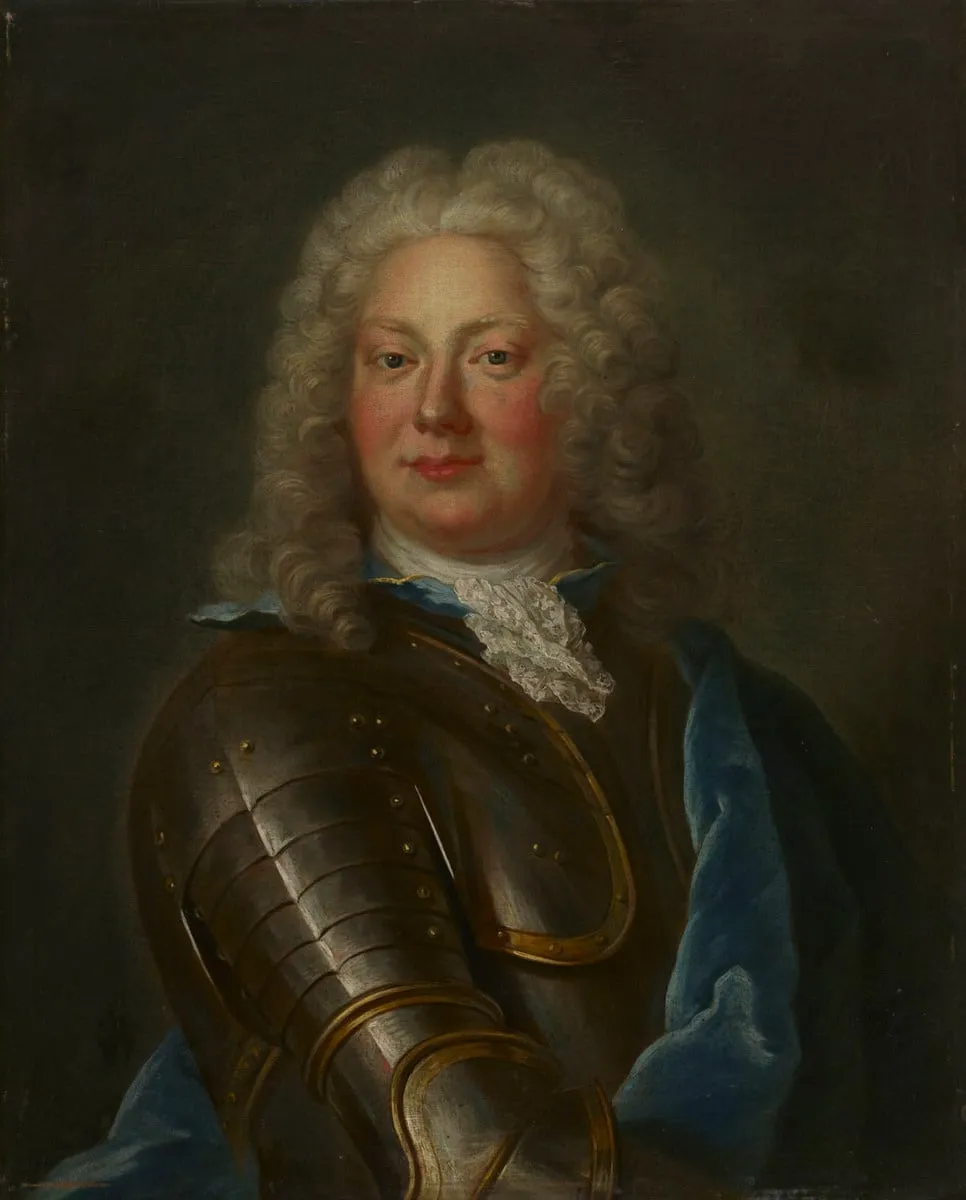
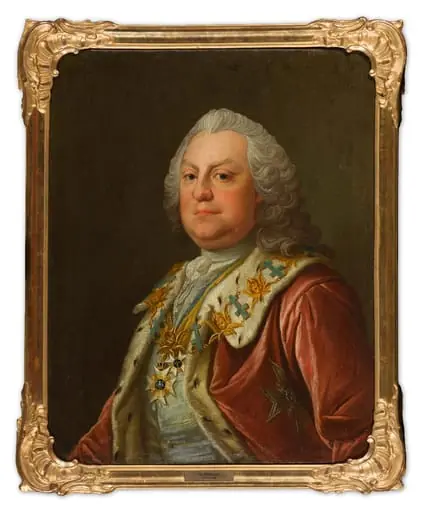
Hovimarsalkka Gustaf Jakob Horn af Rantzien is an unspecified painting by Olof Arenius. It is held in the collection of the Finnish National Gallery. This portrait depicts Gustaf Jakob Horn af Rantzien, a Swedish military officer who held the rank of field marshal.
About this work
Overview
This portrait depicts Gustaf Jakob Horn af Rantzien, a Swedish military officer who held the rank of field marshal. Painted in a restrained, formal style, the image isolates the subject against a dark, unadorned background. The composition emphasizes his presence through precise lighting and minimal distraction, reflecting the conventions of 17th-century elite portraiture in Northern Europe.
Subject & Meaning
The portrait conveys status through restraint, not ornamentation, aligning with ideals of dignified leadership in his time.
Horn is portrayed not in battle, but in a moment of quiet authority. His calm expression and subtle smile suggest composure and experience rather than aggression. The combination of civilian blue coat and military breastplate signals his dual identity as both nobleman and commander. The portrait conveys status through restraint, not ornamentation, aligning with ideals of dignified leadership in his time.
Technique & Style
The artist employs chiaroscuro to model the figure with strong contrasts between light and shadow. Light falls sharply across Horn’s face and breastplate, enhancing the three-dimensionality of the metal and the softness of his skin. The dark background absorbs ambient light, intensifying the focus on the subject. Brushwork is controlled, with smooth transitions and no visible texture, typical of courtly portraiture of the era.
History & Provenance
The portrait likely originated in Sweden during the mid-1600s, commissioned to honor Horn’s service in the Thirty Years’ War. It remained within family or state collections until entering institutional custody. No definitive record of the painter survives, but the style suggests a Northern European workshop familiar with Dutch and German portraiture traditions of the period.
Context
In 17th-century Sweden, portraits of high-ranking officers served as tools of political legitimacy and familial legacy. Horn’s image reflects the Swedish Empire’s emphasis on disciplined leadership during its rise as a regional power. The absence of military symbols or landscapes shifts focus to the individual’s character, aligning with a broader trend toward psychological depth in elite portraiture.
Legacy
The portrait endures as a quiet example of Swedish military portraiture, valued for its understated realism and technical precision. It contributes to the historical record of officers who shaped Sweden’s early modern state. Though not widely reproduced, it remains a reference for studies on the visual culture of leadership in post-Reformation Scandinavia.
Artist & collection

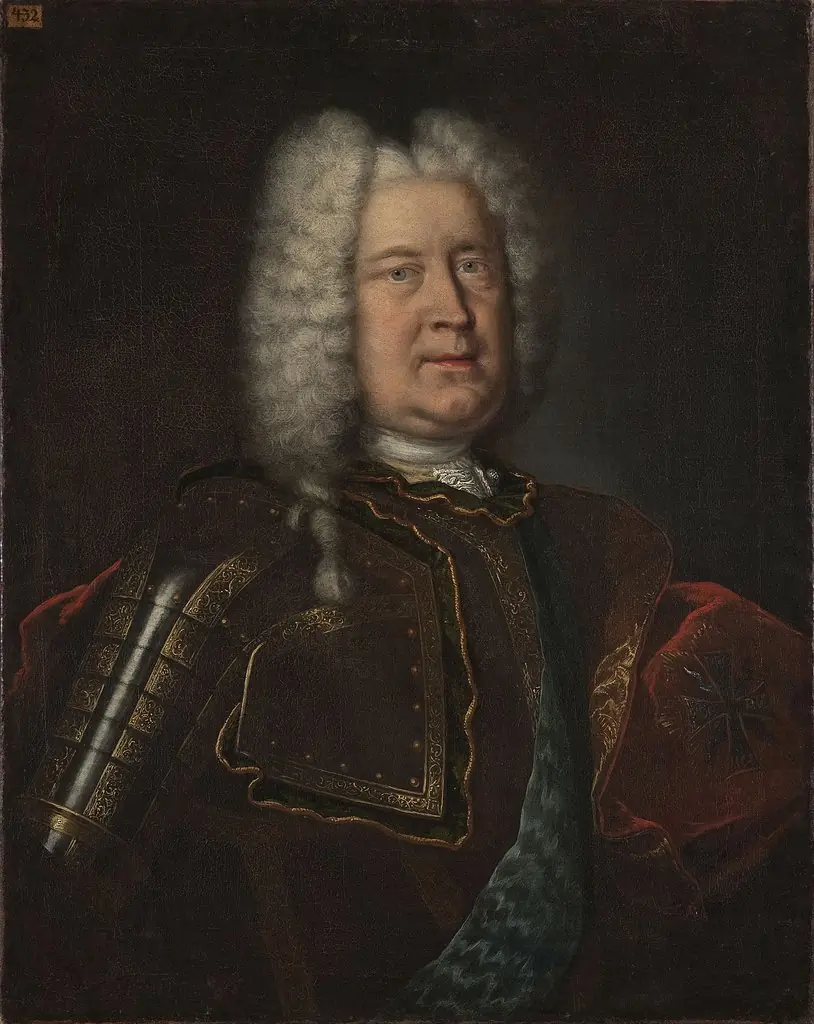 Portrait of a man
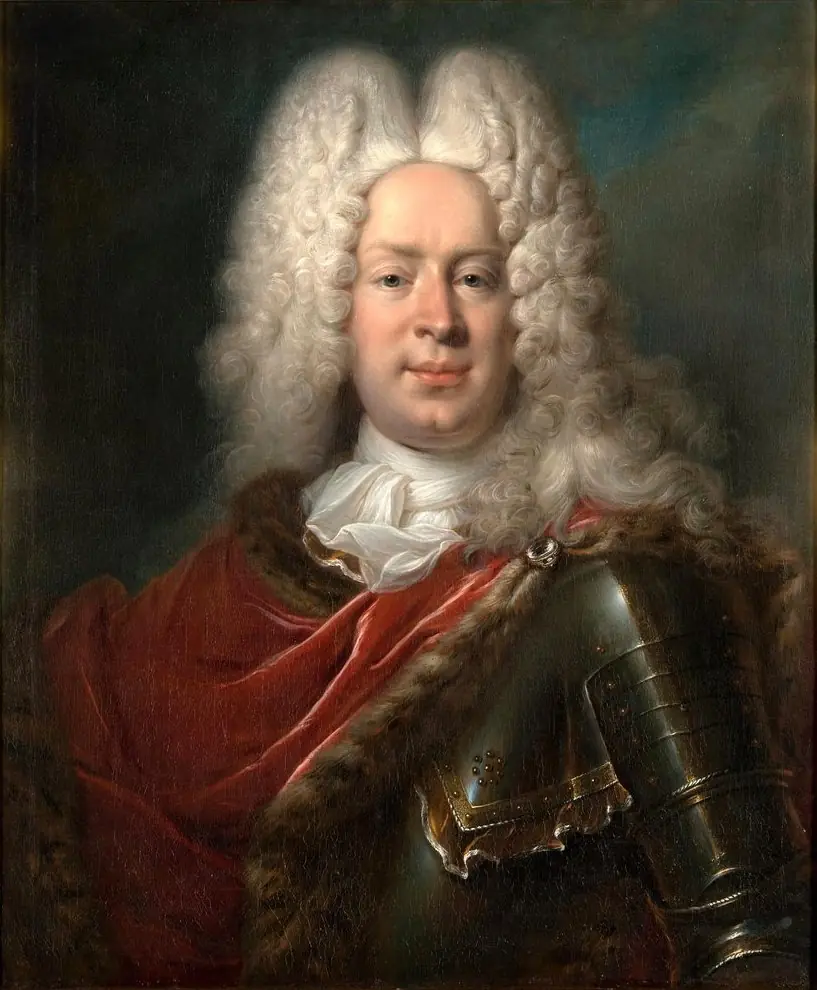 Portrait of Count Georg Wilhelm Werthern
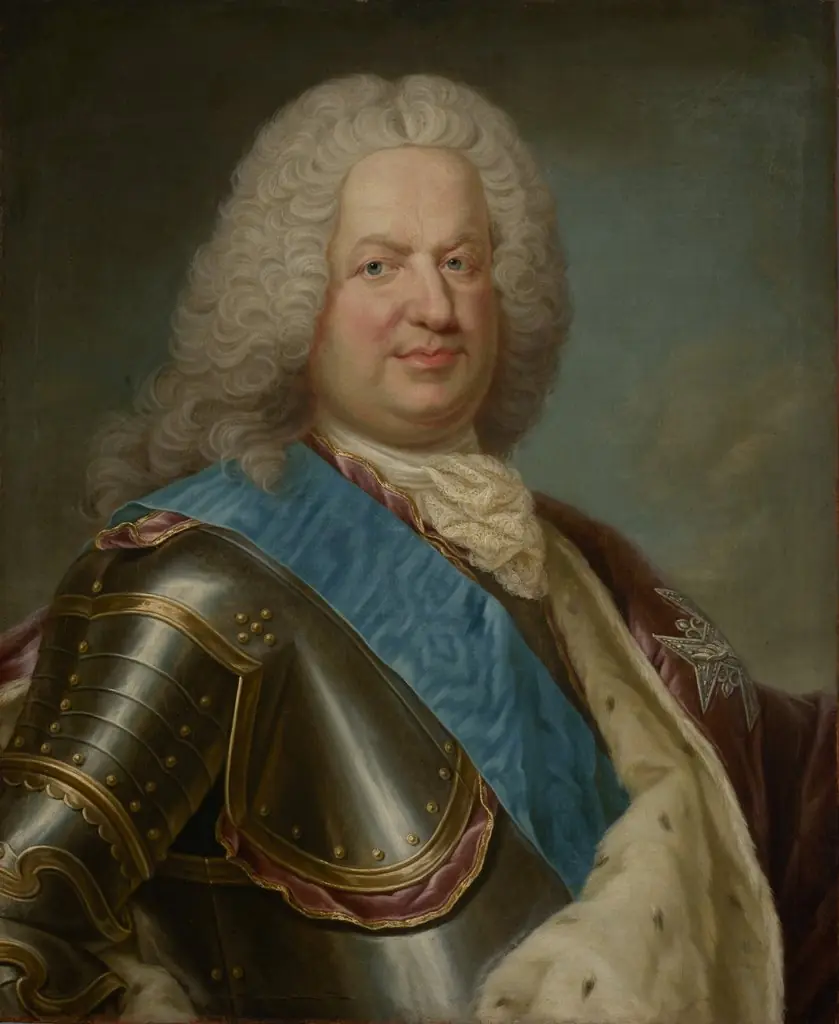 Portrait of Stanislaus Leszczyński (1677–1766))
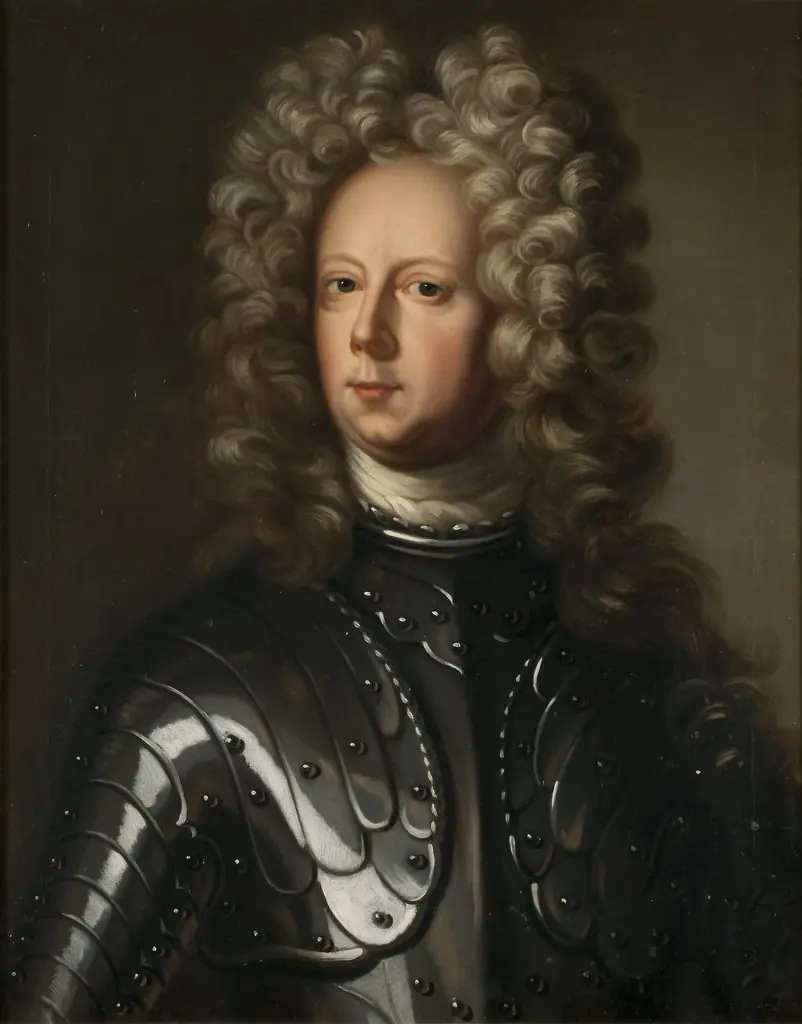 Carl Gustaf Rehnskiöld, 1651-1722, count, council of the realm, field marshal
 Portrait Münchhausen Kopie
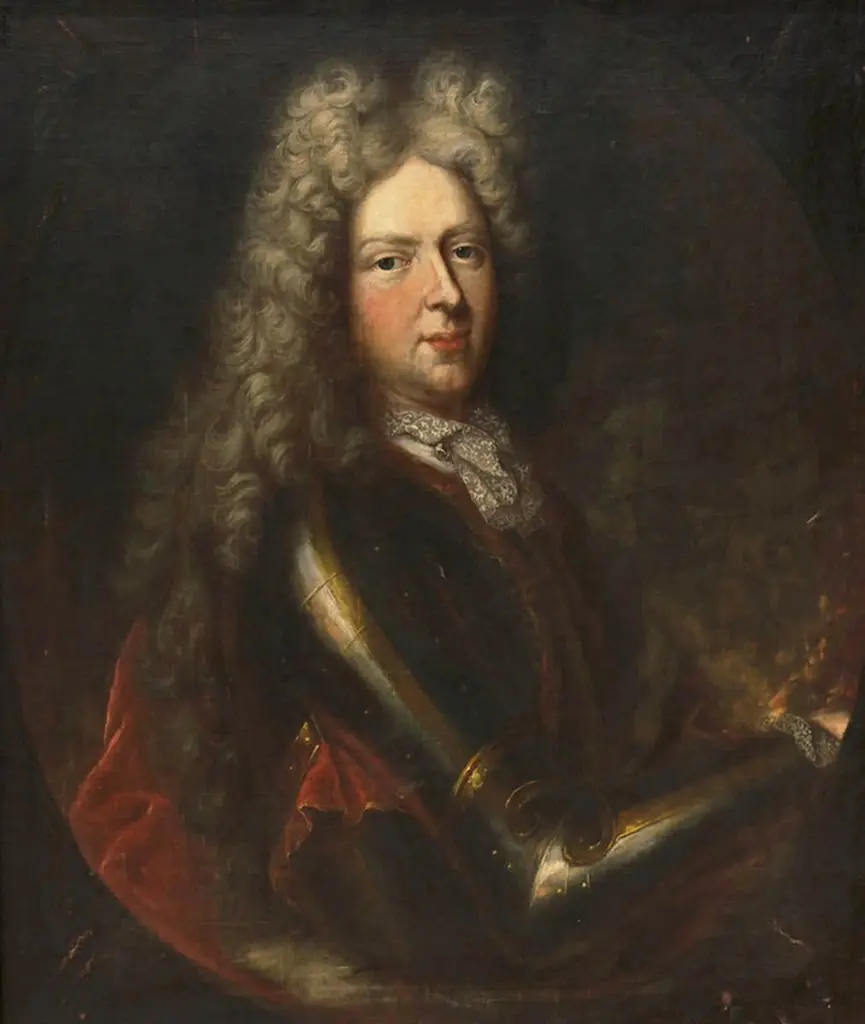 Markgraf Georg Friedrich II von Brandenburg Ansbach
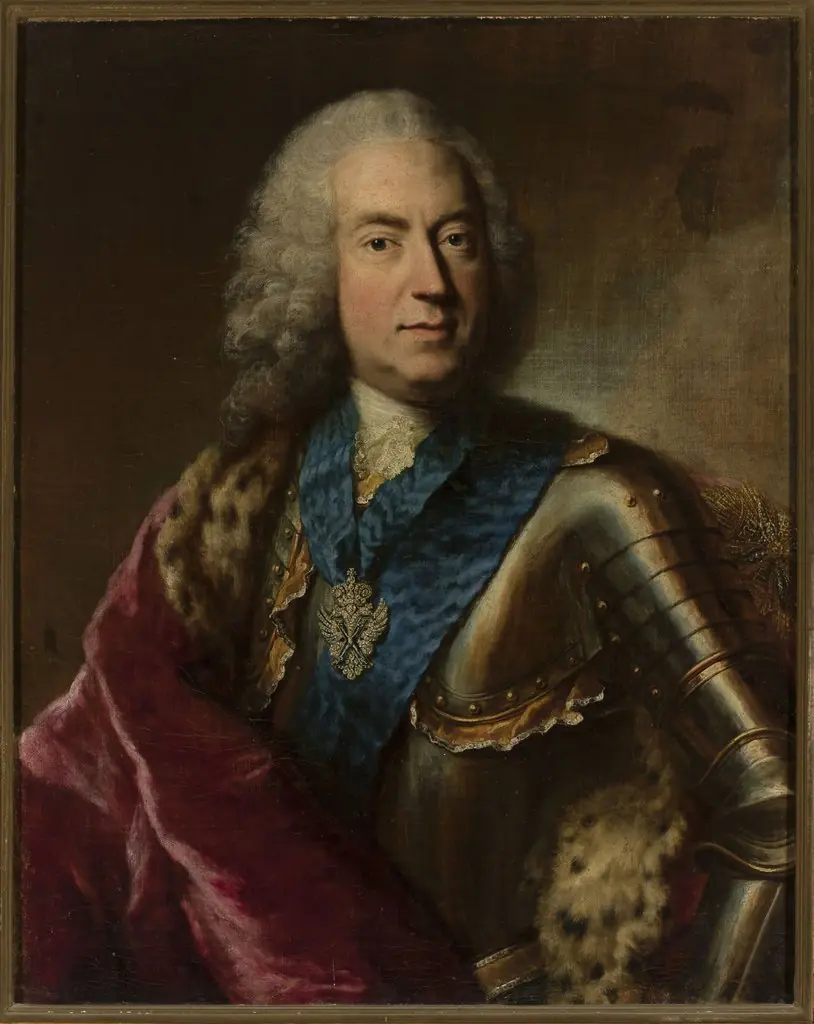 Portrait of Karl August Rex, Saxon minister
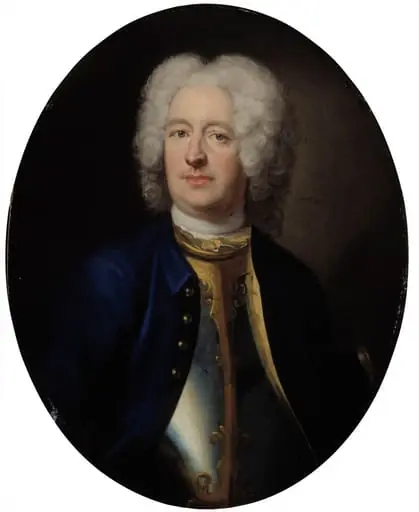 Kenraalimajuri Simon Jacob Wennerstedt
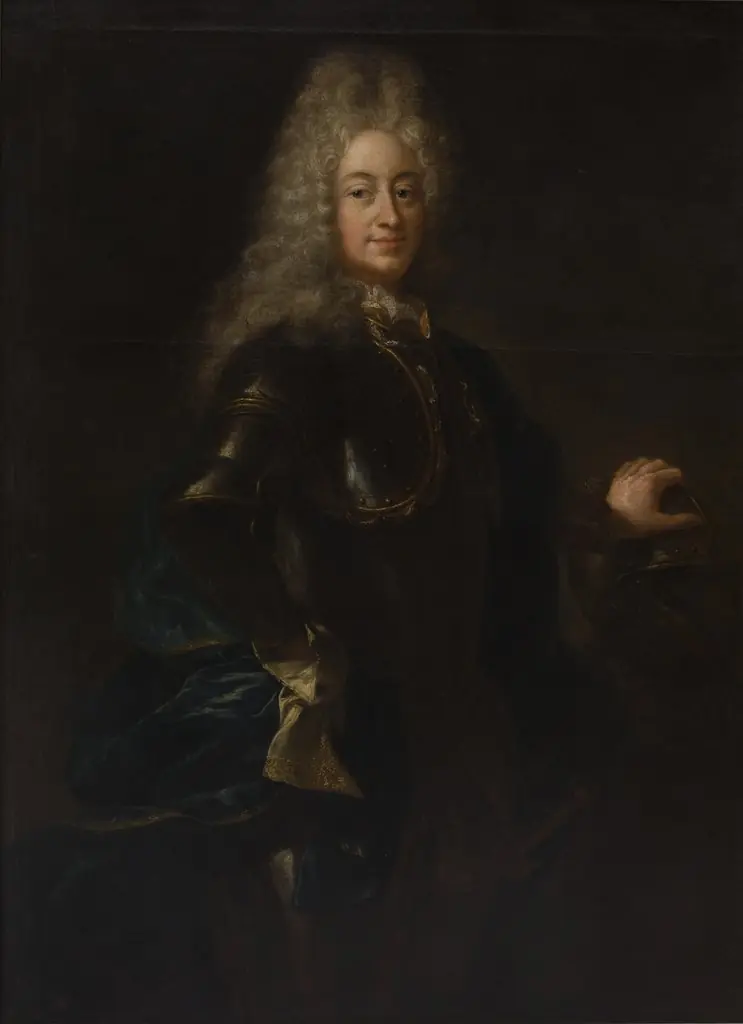 Portrait of a Nobleman in Armour
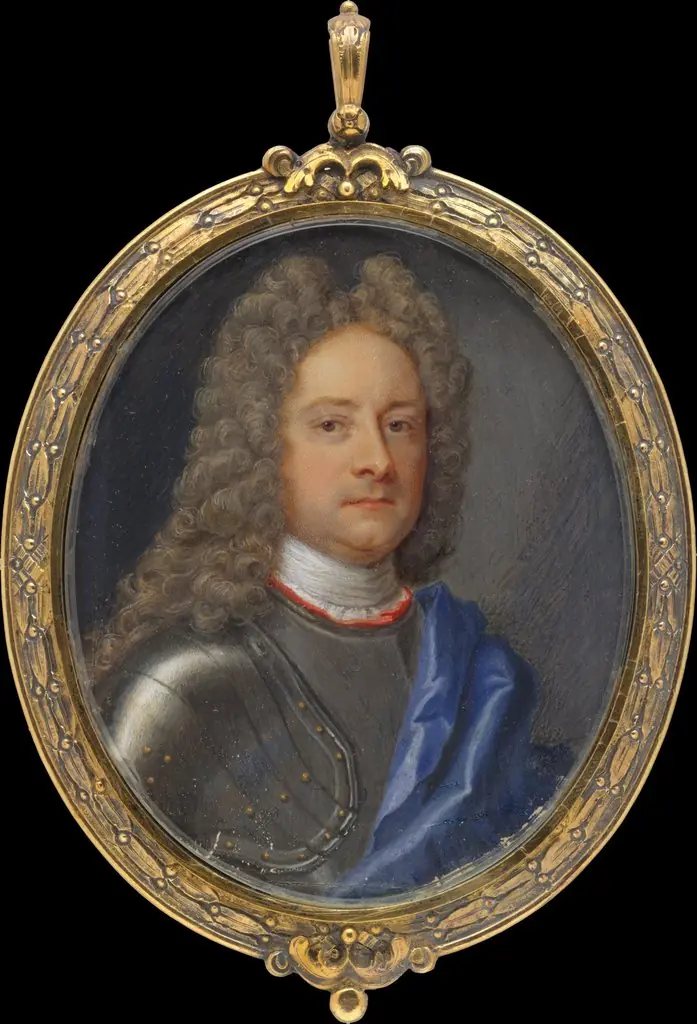 John Churchill (1650–1722), First Duke of Marlborough
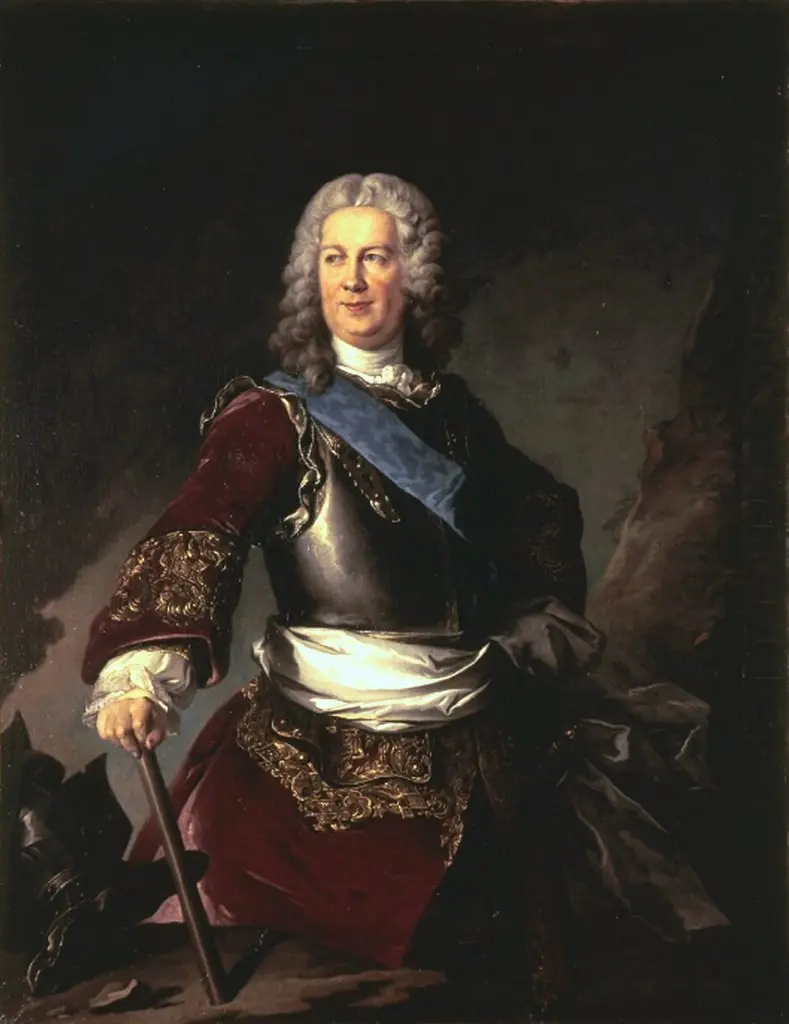 Thomas Goyon de Matignon (1684-1766), comte de Gacé, seigneur de Briquebec, Brigadier des armées du Roi en 1719.
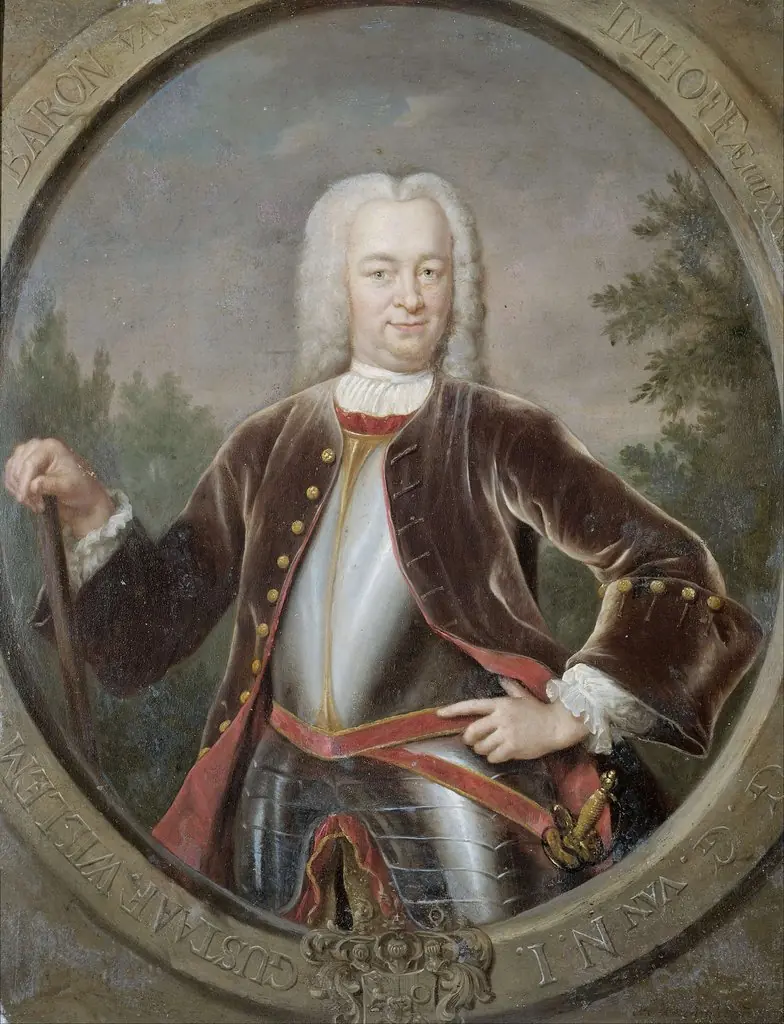 Portrait of Gustaaf Willem, Baron van Imhoff, Governor-General of the Dutch East India Company