Artwork
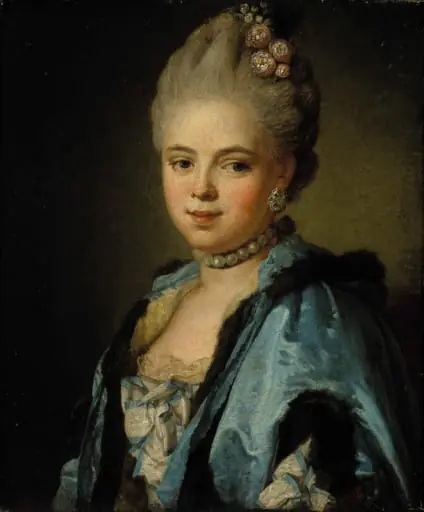
Portrait of a Woman in a Blue Dress
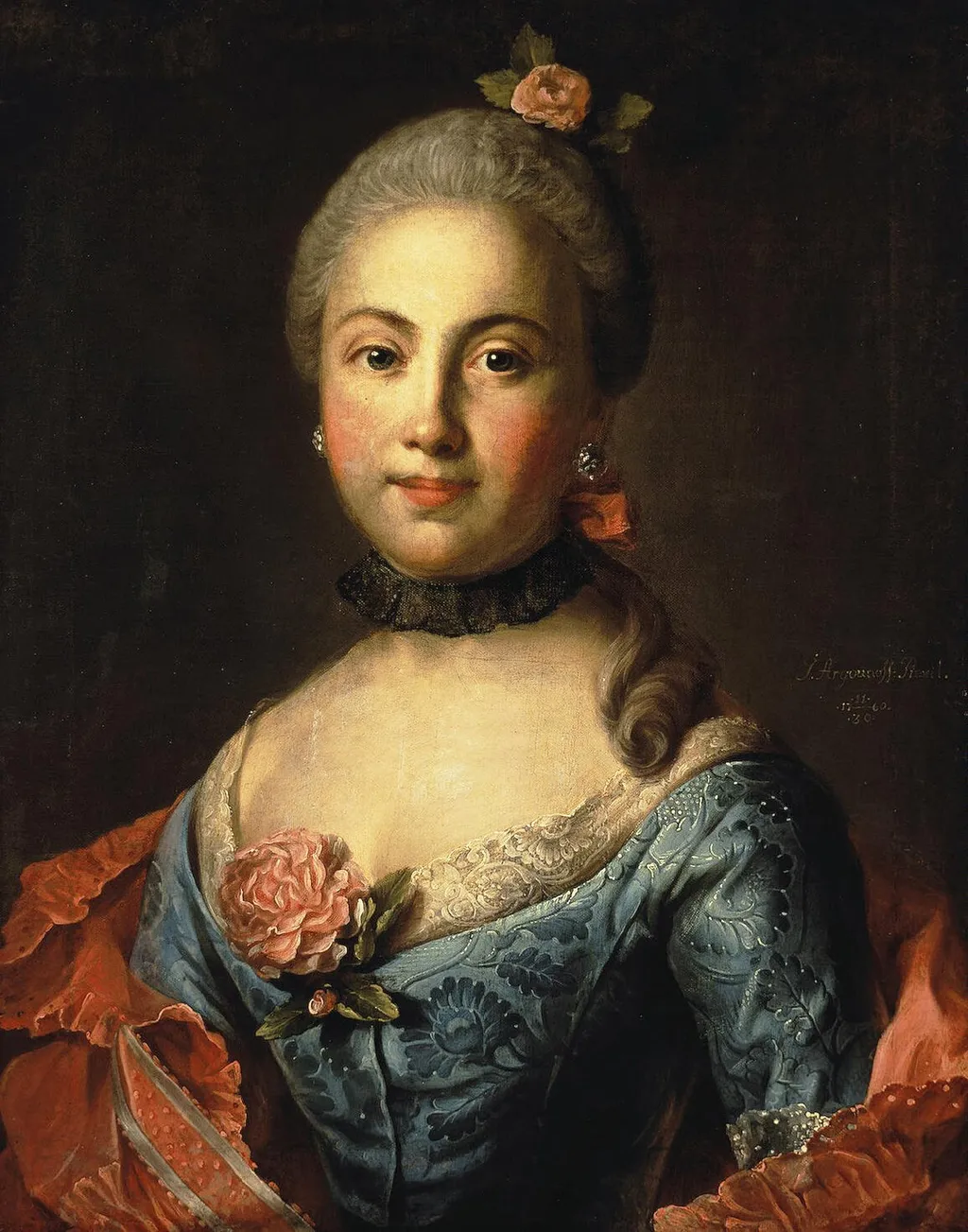
Portrait of a Woman in a Blue Dress is an oil painting by the Rococo painting artist Ivan Argunov. It dates from 1760 and is held in the collection of the Hermitage Museum.
About this work
Overview
Ivan Argunov’s 1760 oil painting, *Portrait of a Woman in a Blue Dress*, is part of the State Hermitage Museum’s collection. The work presents a single sitter rendered in a refined, Rococo manner, emphasizing delicate brushwork and an elegant presentation of clothing and features.
Subject & Meaning
The canvas depicts a young woman with pale skin, her hair gathered neatly and a single flower tucked behind her ear. She wears a blue dress trimmed with lace and gold‑edged sleeves, a black collar, and a pink rose placed on her shoulder, suggesting a modest yet cultivated femininity typical of mid‑18th‑century Russian portraiture.
Technique & Style
Argunov employs a subtle chiaroscuro, using a dark background to isolate the sitter’s face and give it a luminous quality. Fine brushstrokes capture the texture of the lace, the sheen of the gold trim, and the softness of the skin, reflecting the Rococo emphasis on grace and surface detail.
History & Provenance
As a leading figure in the early Russian school of portrait painting, Argunov produced this work during a period when Russian aristocracy sought to emulate Western European artistic trends. The painting entered the State Hermitage Museum’s holdings, where it remains on display as an example of his contribution to Russian portraiture.
Context
Created at a time when portraiture served both as personal commemoration and as a display of social status, the painting aligns with the broader European Rococo movement. Its focus on individual likeness, refined attire, and decorative accessories mirrors contemporary tastes among the Russian elite.
Artist & collection
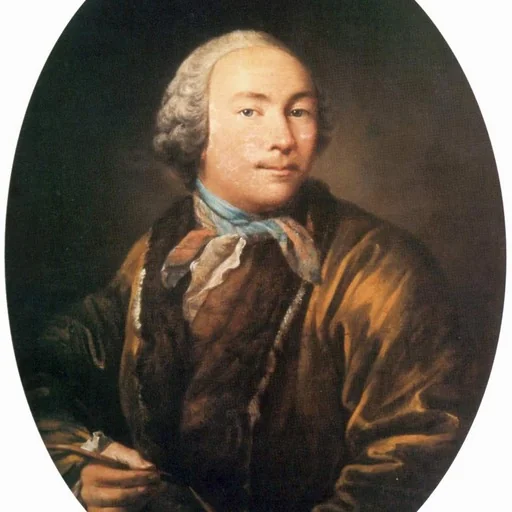
Artist
Ivan Petrovich Argunov (Russian: Иван Петрович Аргунов; 1729–1802) was a Russian painter and teacher. He was one of the founders of the Russian school of portrait painting.

 Naisen muotokuva
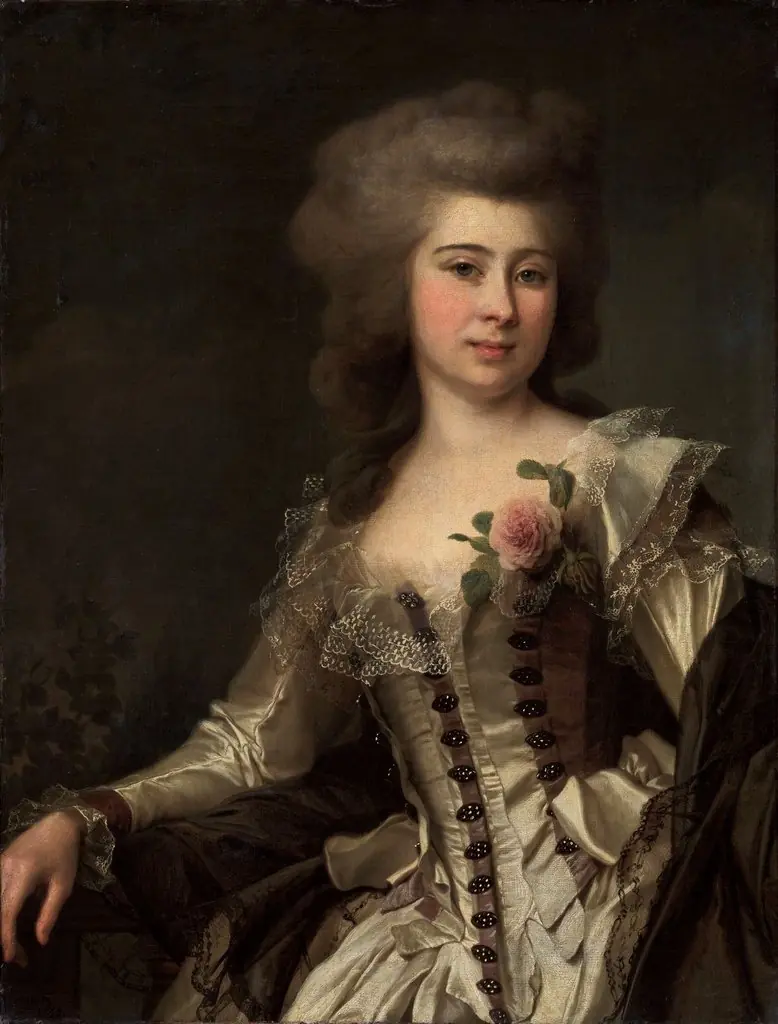 Portrait of an Unknown Woman with a Rose
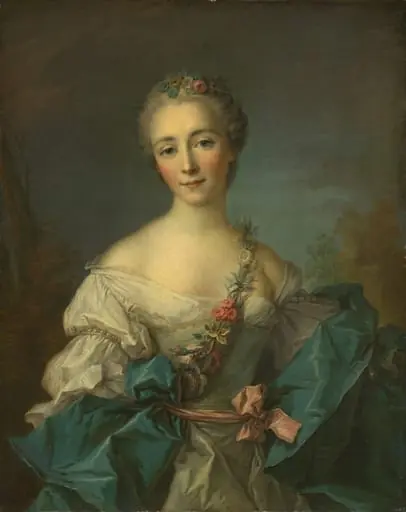 Portrait of a Young Woman
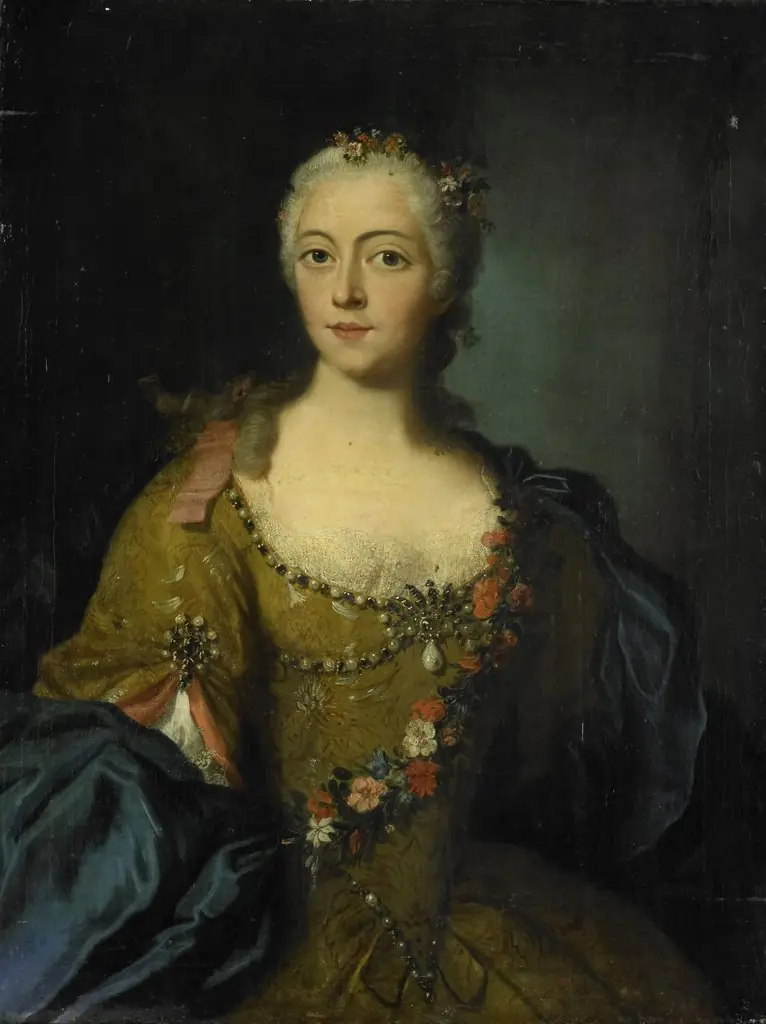 Portret van een vrouw
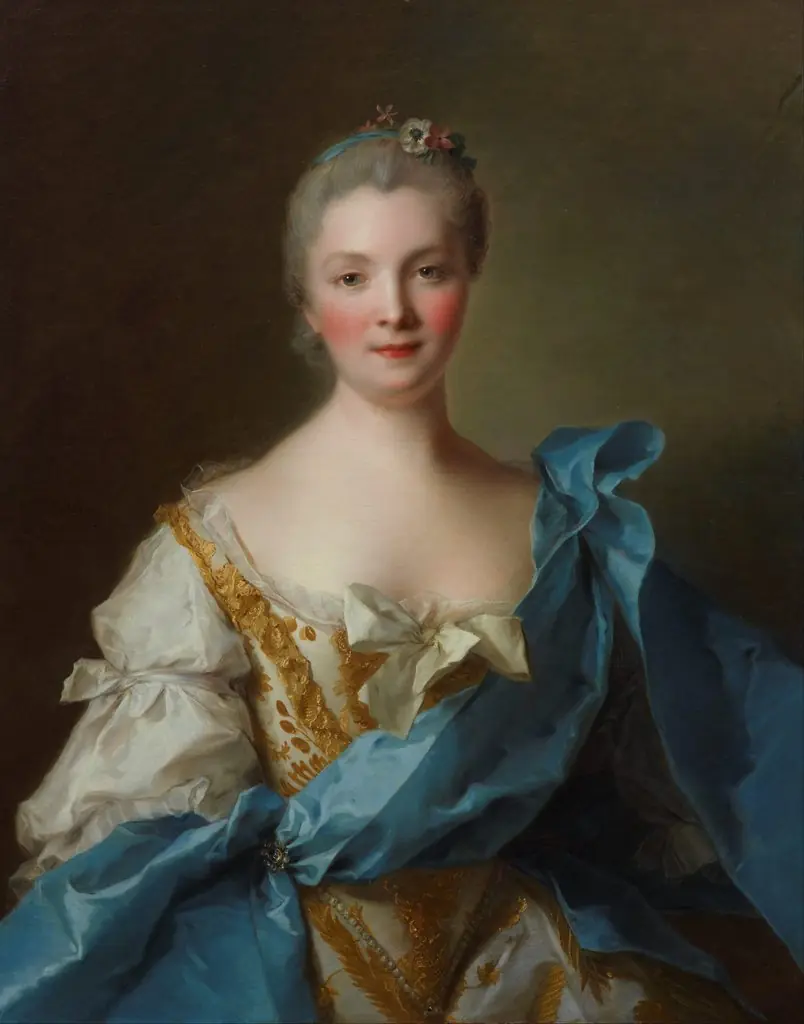 Madame de La Porte
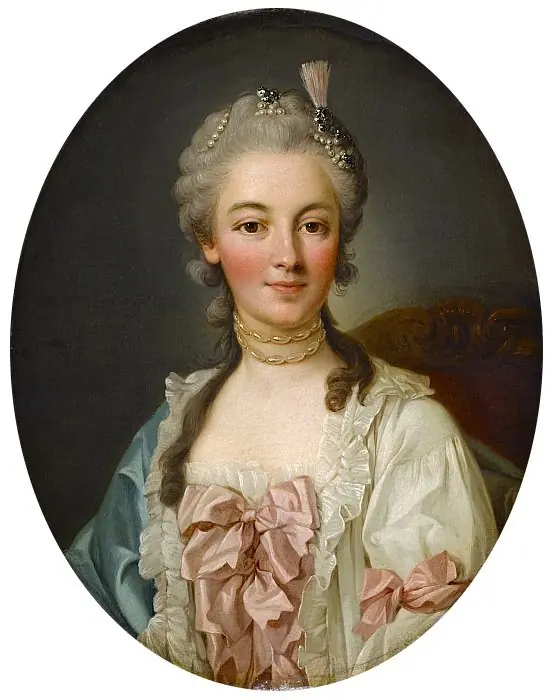 Countess Teresa Kinska Poniatowska
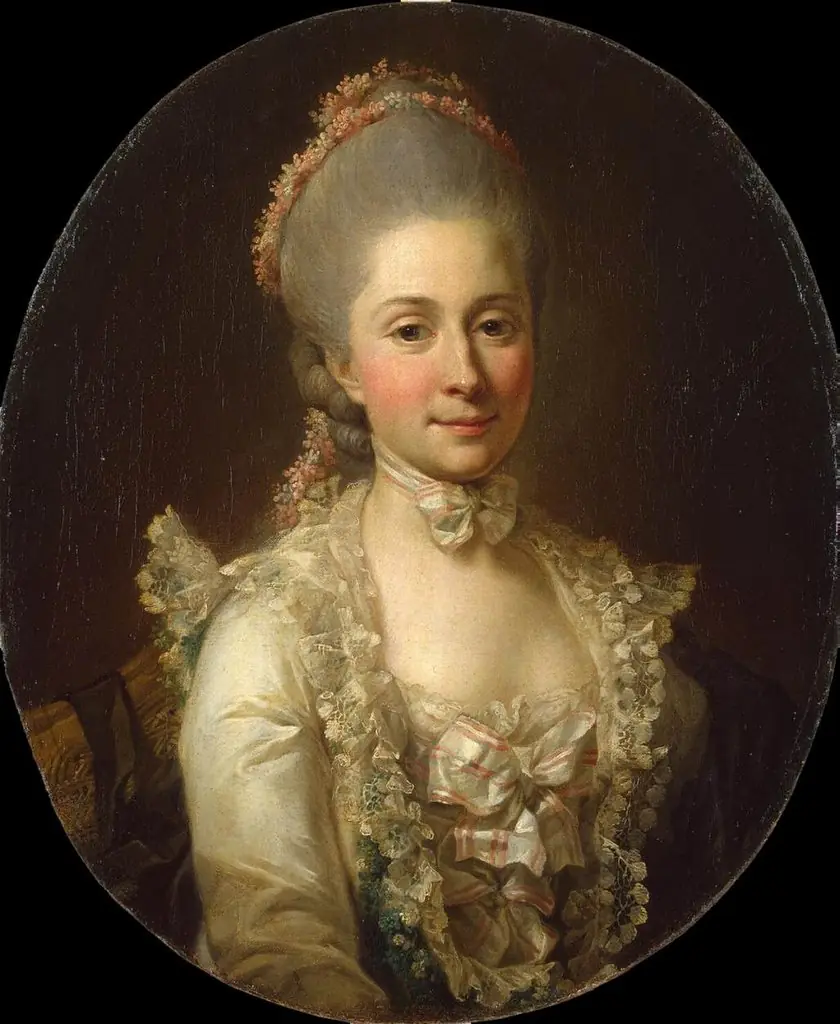 Portrait of a Woman
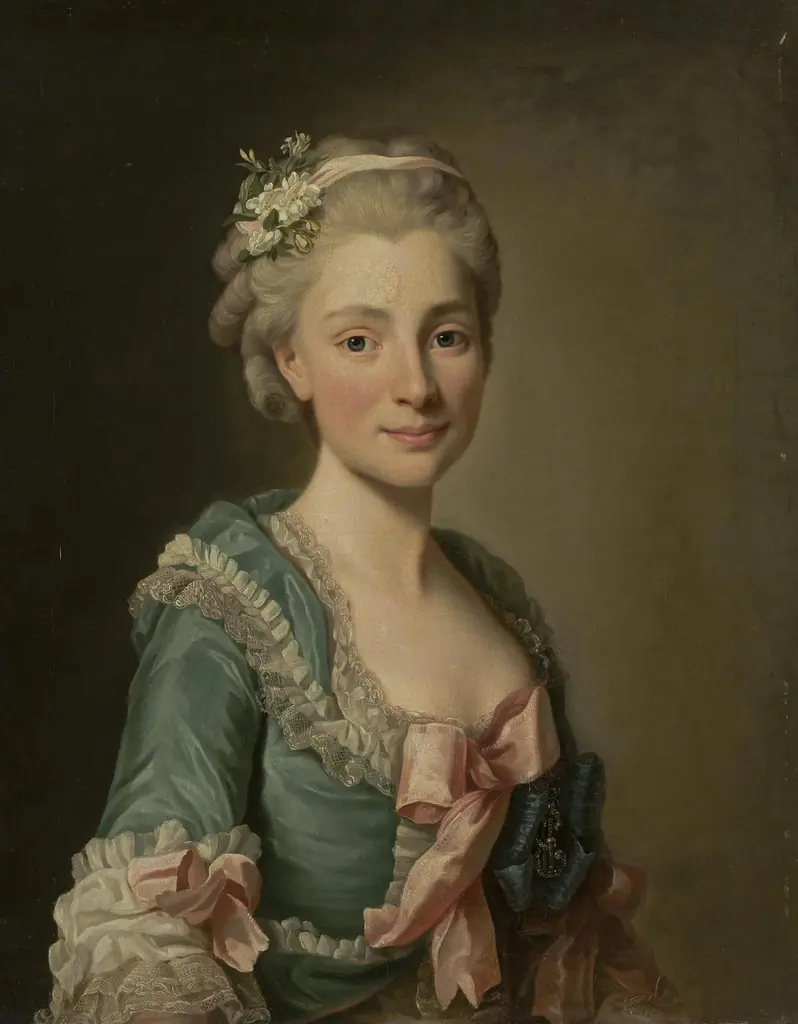 Portrait of Countess Yekaterina P. Stroganova (1744-1815) (copy)
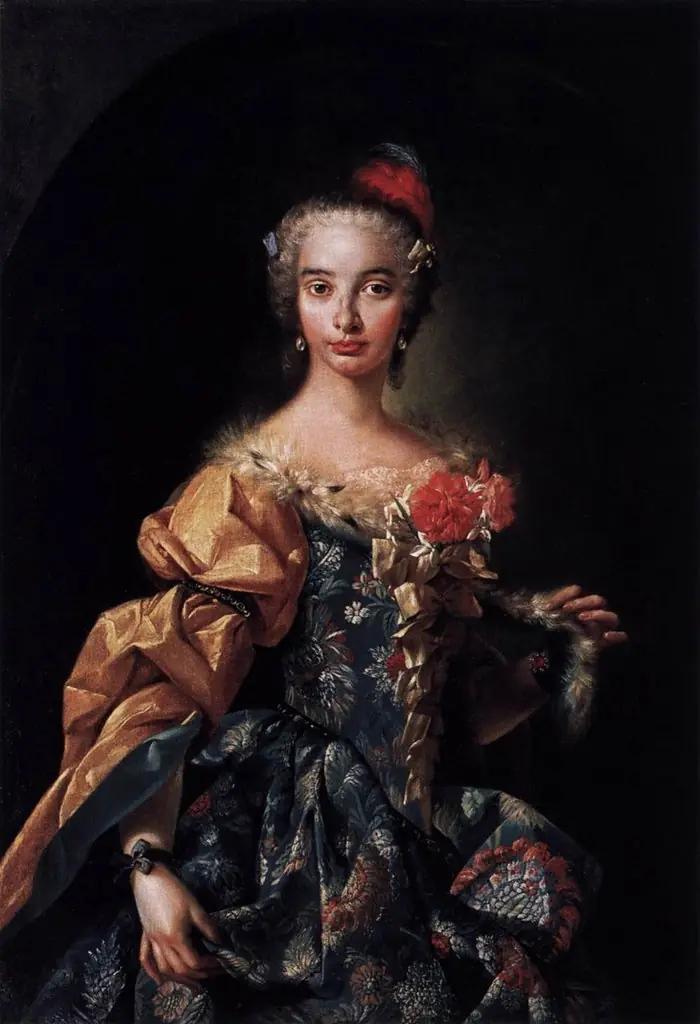 Elisabetta Cellesi
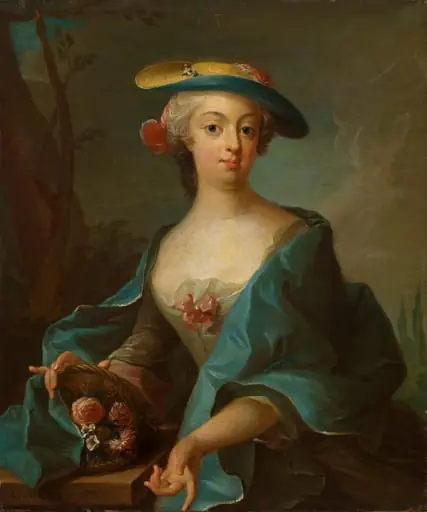 Naisen muotokuva
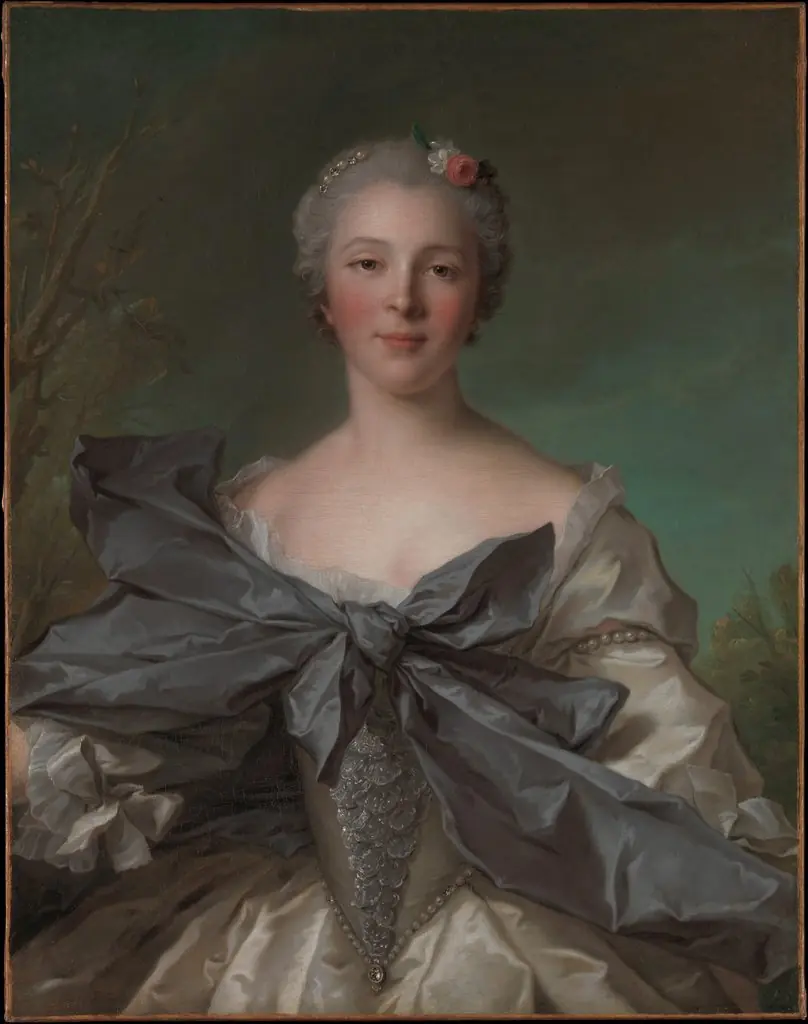 Marie Françoise de La Cropte de St. Abre, Marquise d'Argence
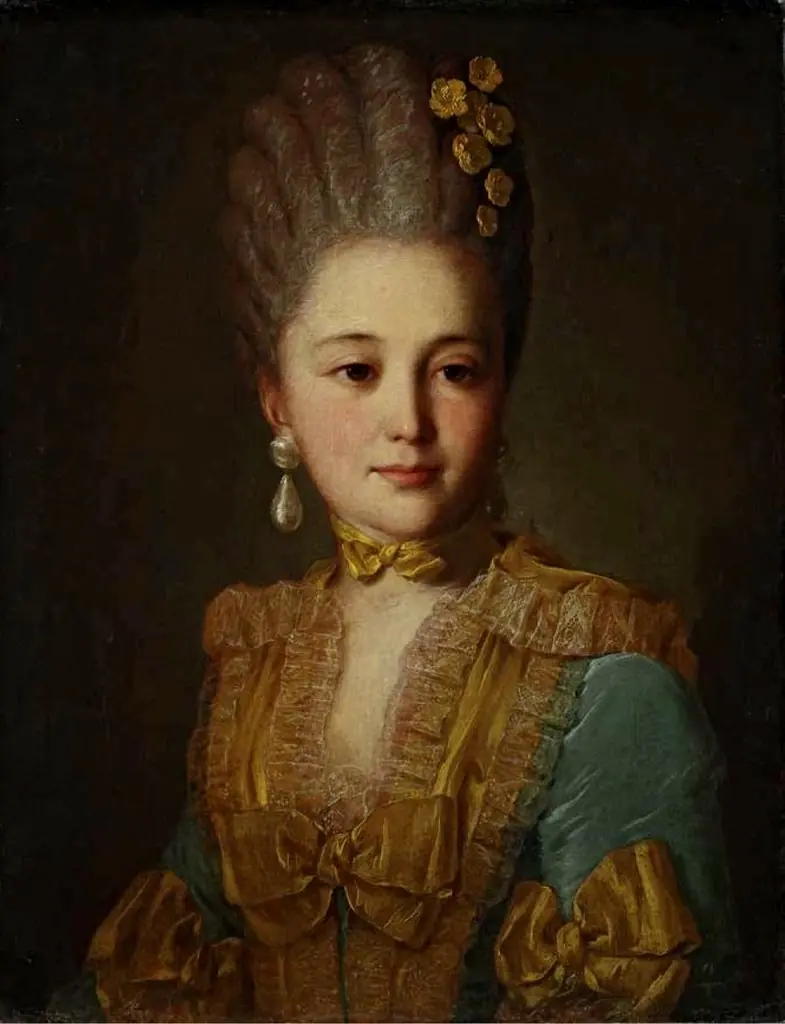 Portrait of an unknown woman in a Blue Dress with Yellow Trimmings