Artwork
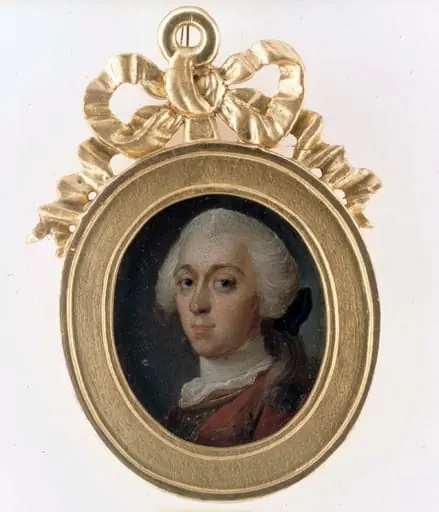
Vapaaherra Nils Palmstjerna
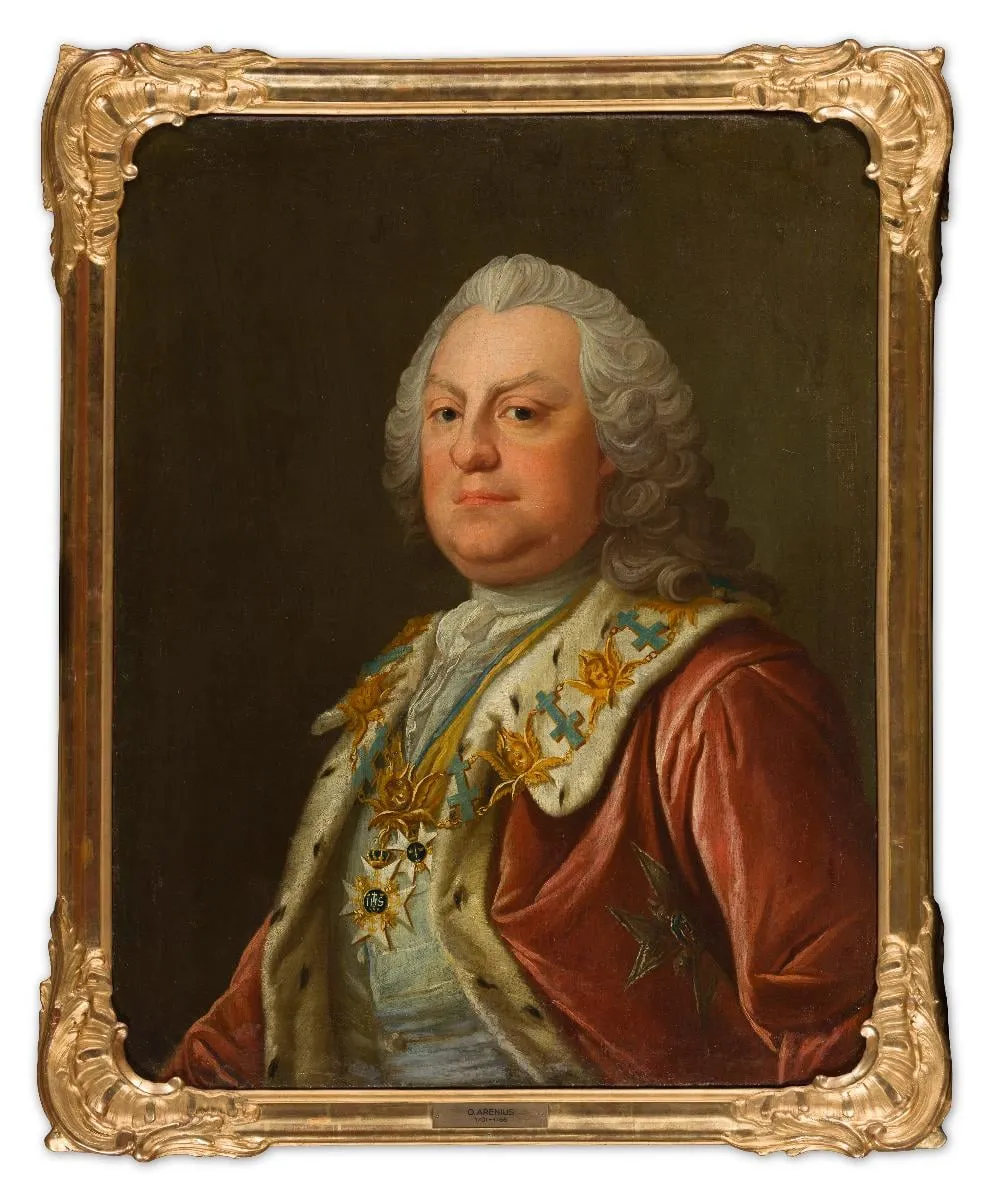
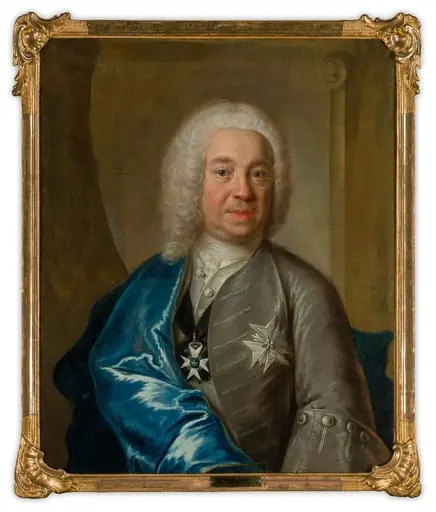
Vapaaherra Nils Palmstjerna is an unspecified painting by Olof Arenius. It is held in the collection of the Finnish National Gallery. This portrait depicts Nils Palmstjerna, a Swedish nobleman, rendered in oil on canvas.
About this work
Overview
He is shown in formal attire, including a red coat adorned with gold-embroidered medals and a powdered white wig, typical of 18th-century aristocratic dress.
This portrait depicts Nils Palmstjerna, a Swedish nobleman, rendered in oil on canvas. He is shown in formal attire, including a red coat adorned with gold-embroidered medals and a powdered white wig, typical of 18th-century aristocratic dress. The dark, unmodeled background isolates his figure, emphasizing his presence. The ornate gold frame, though not part of the original painting, complements the period’s aesthetic of refined display.
Subject & Meaning
Nils Palmstjerna’s attire signals high social rank and likely military or state service, given the proliferation of medals on his collar. His stern expression conveys authority rather than warmth, aligning with the expected demeanor of nobility in portraiture of the era. The absence of contextual elements—no landscape, no symbols of occupation—focuses attention solely on his status, suggesting the portrait served as a statement of lineage and honor.
Technique & Style
The artist employs subtle chiaroscuro to model the face and coat, creating volume without dramatic contrast. The gold embroidery is rendered with fine brushwork, catching light to suggest texture and value. Skin tones are muted, avoiding idealization, while the wig’s powder is suggested through delicate stippling. The background remains flat and untextured, reinforcing the figure’s dominance in the composition.
History & Provenance
The painting is attributed to the Swedish portrait tradition of the late 1700s, though the artist’s identity remains unconfirmed. It likely originated in Sweden, possibly commissioned by the Palmstjerna family to commemorate Nils’s public service. The frame appears original to the period, indicating the work was preserved within the family or aristocratic circles before entering institutional care.
Context
In late 18th-century Sweden, portraiture among the nobility emphasized rank over individuality. Military and civil officials were frequently depicted in uniform with insignia, reinforcing state loyalty and social hierarchy. This portrait reflects a broader trend where visual representation served political and dynastic purposes, with personal expression secondary to institutional identity.
Legacy
The portrait survives as a quiet example of Swedish aristocratic portraiture, offering insight into the visual language of status during the Age of Liberty. Though not widely exhibited, it contributes to the understanding of how nobility communicated authority through dress and demeanor. Its preservation underscores the value placed on familial and institutional memory in early modern Sweden.
Artist & collection

 Vapaaherra Leonard Klinckowström
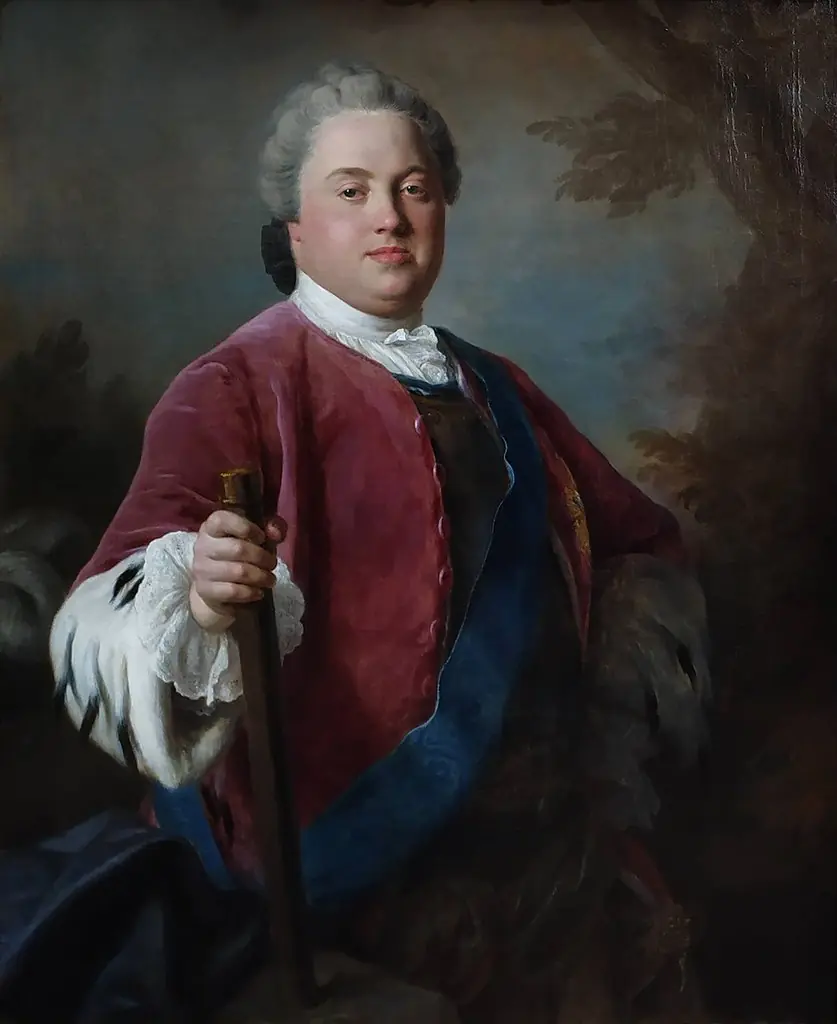 Elector Frederick Christian of Saxony (1722-1763)
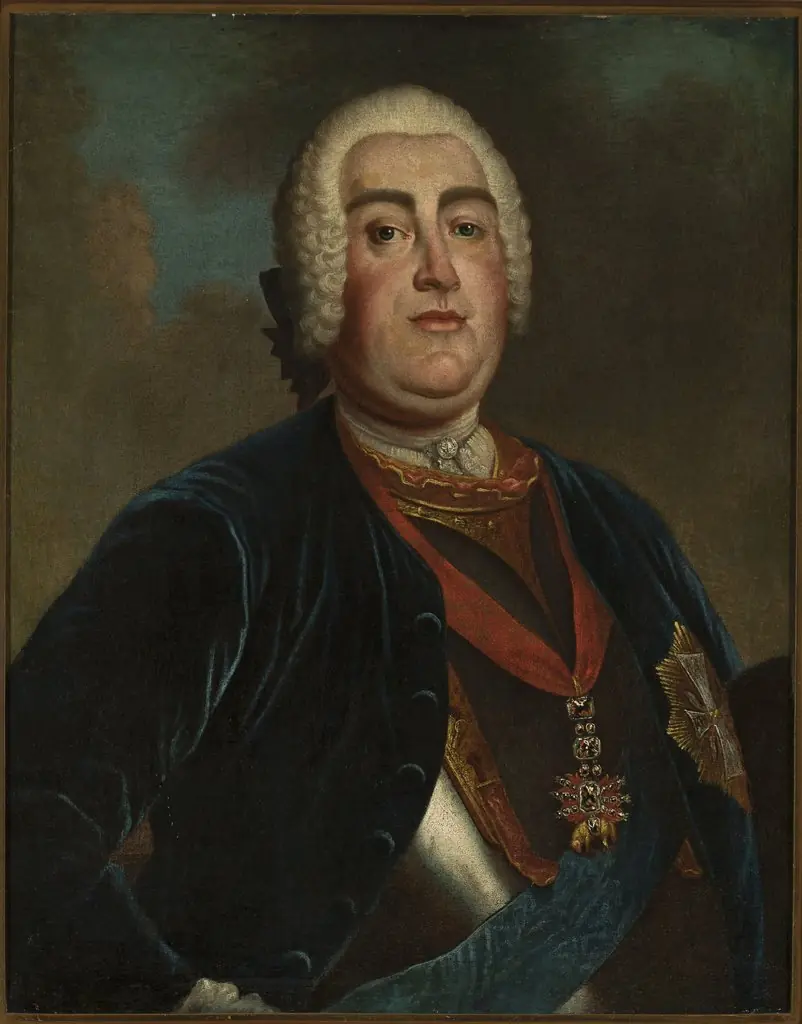 Portrait of Augustus III
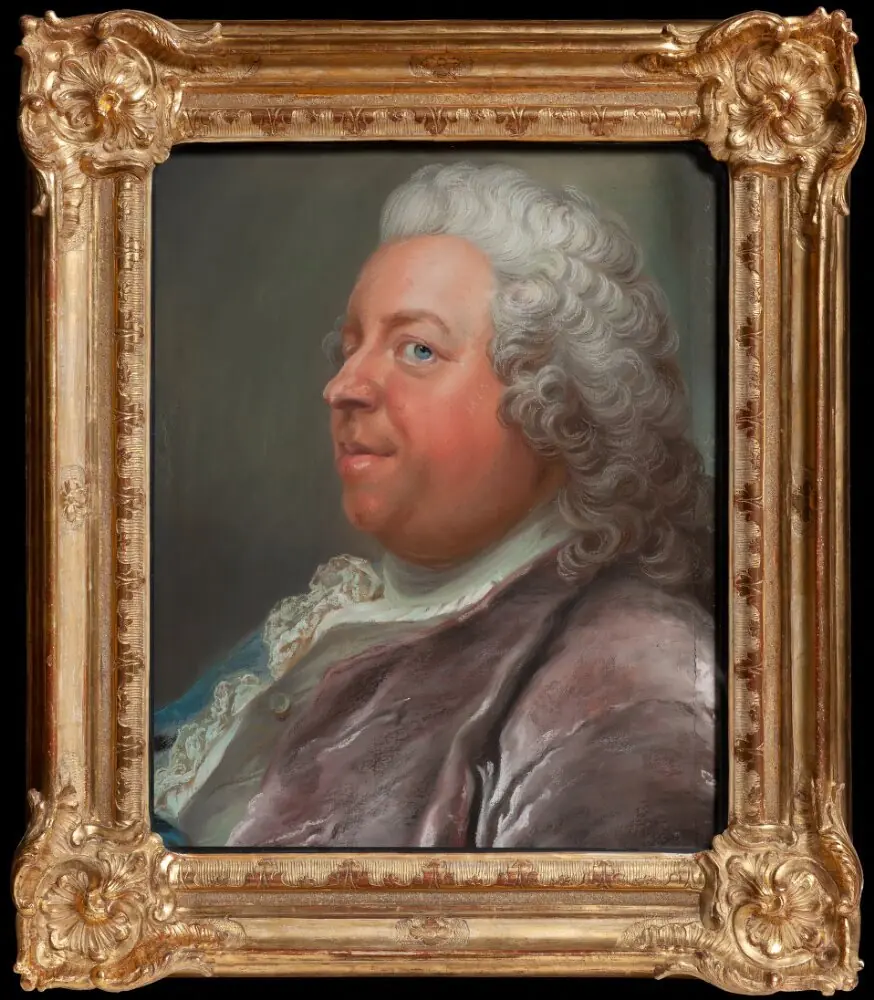 Company director and ironmaster Claes Grill
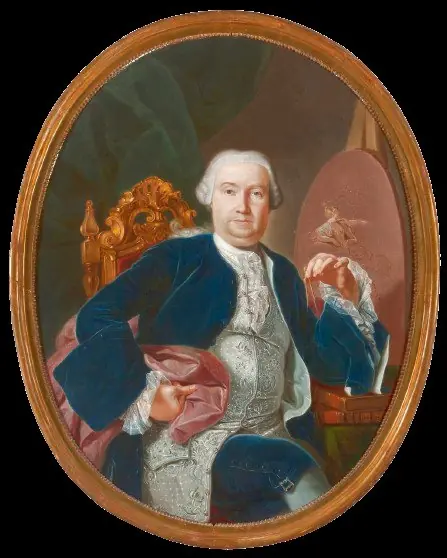 Portrait of the architect Luigi Vanvitelli (1700-1773)
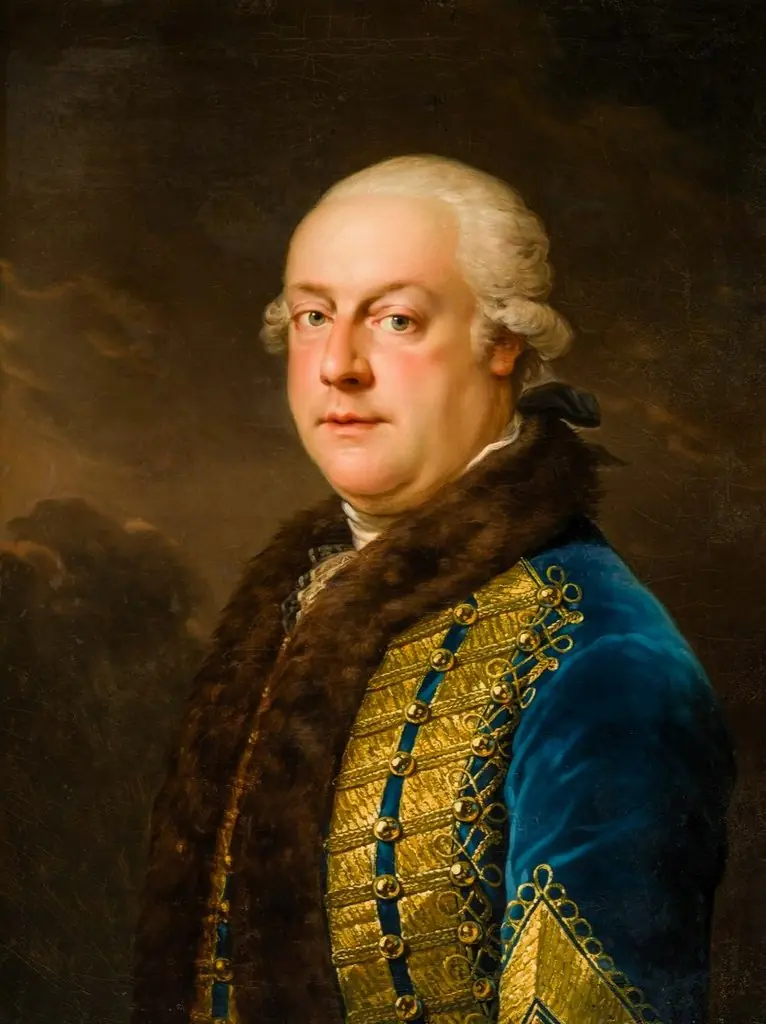 Portrait of Count Miklós Esterházy
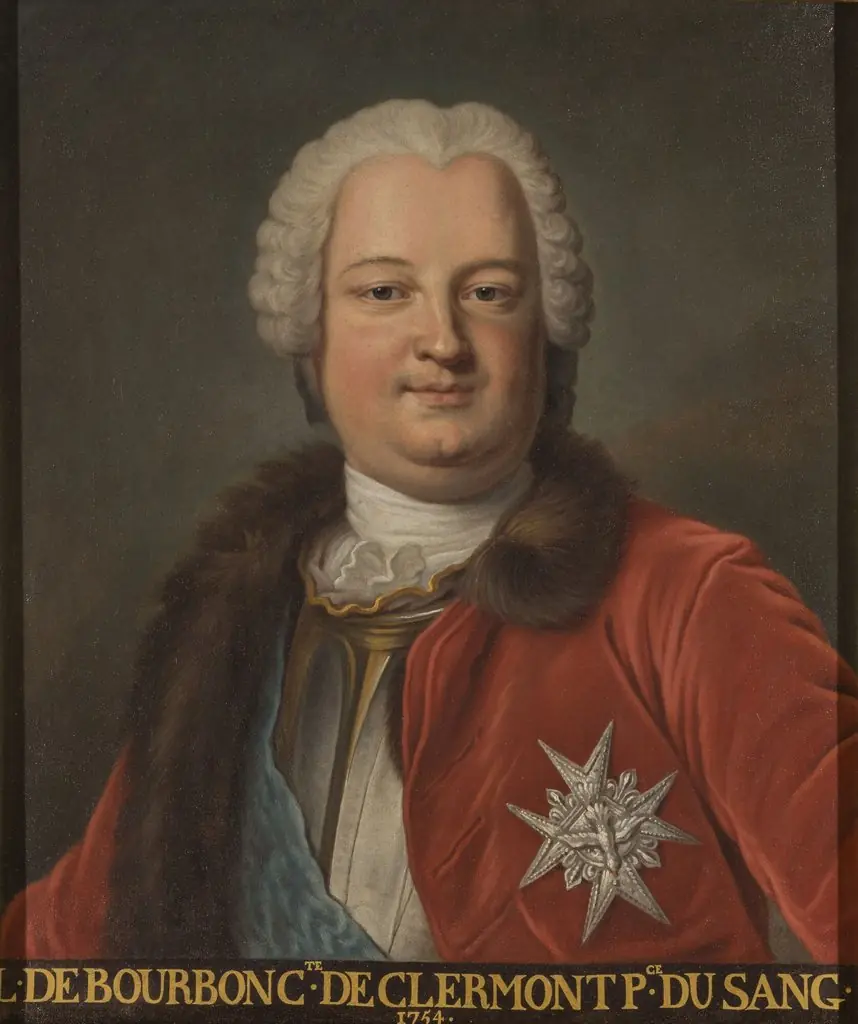 Louis de Bourbon-Condé, Count of Clermont
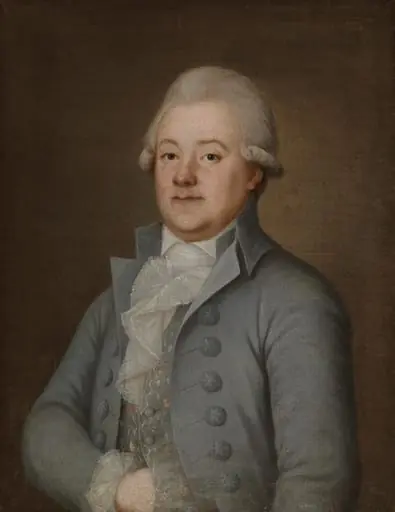 Gustaf Borgström
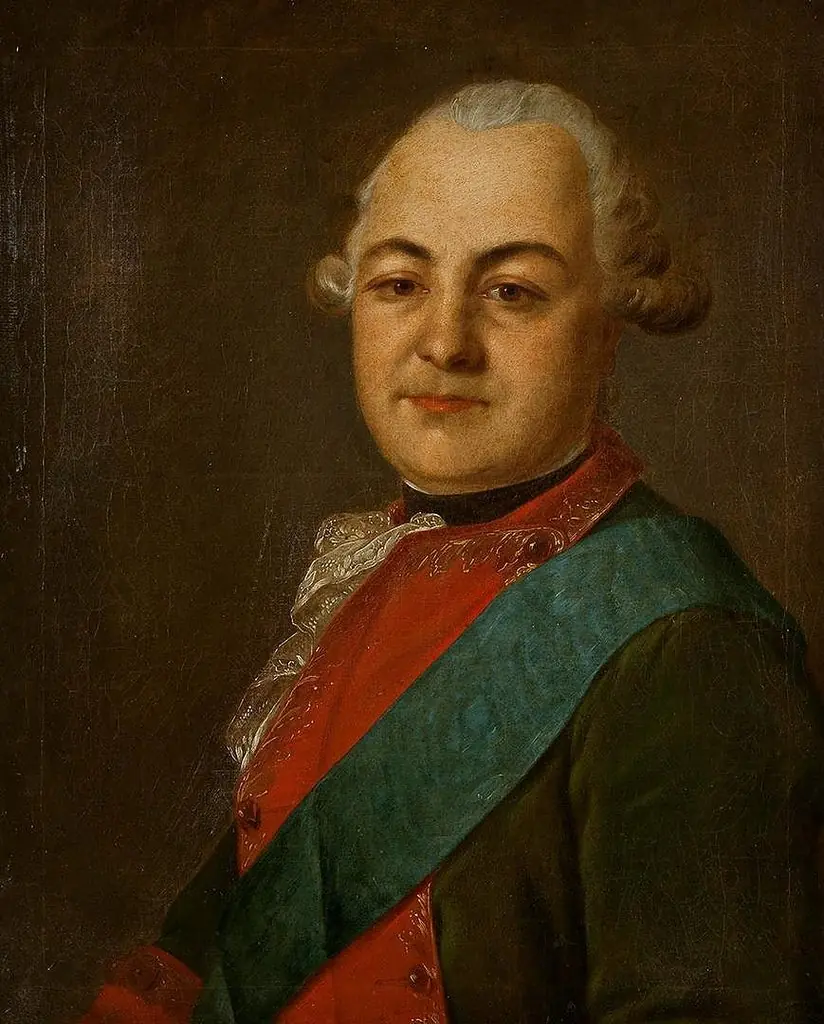 Portrait of Alexander Ilyich Bibikov
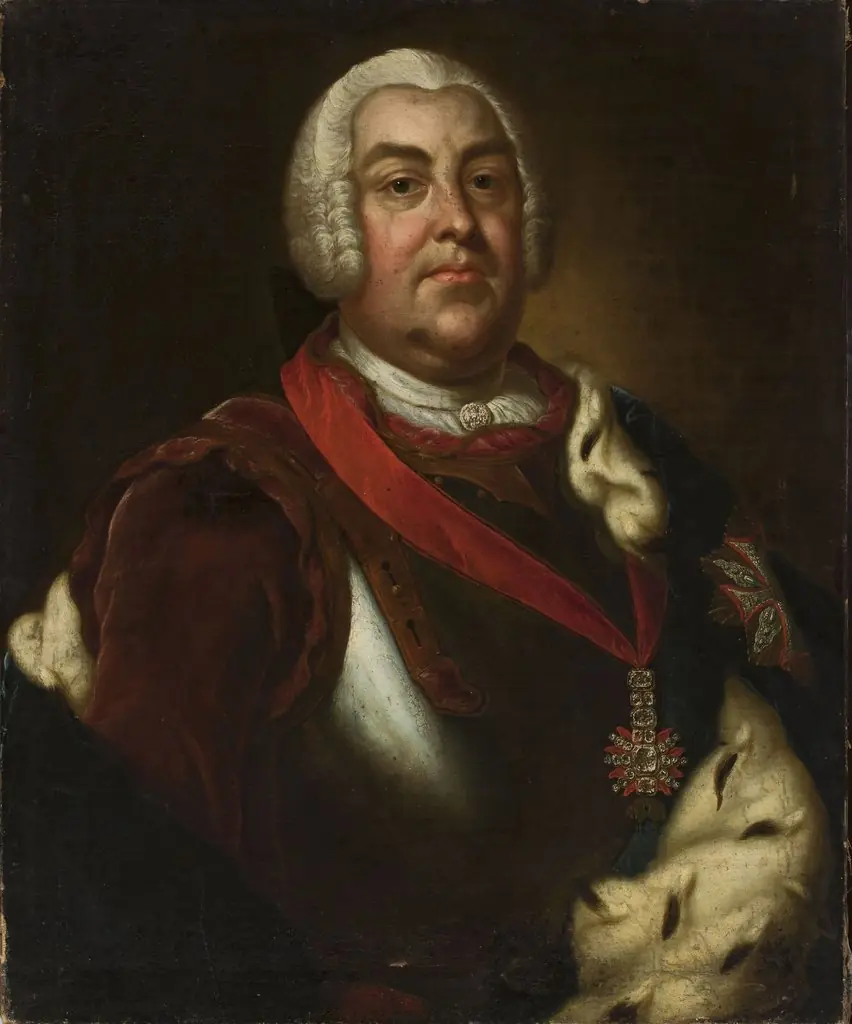 Portrait of Augustus III the Saxon, King of Poland
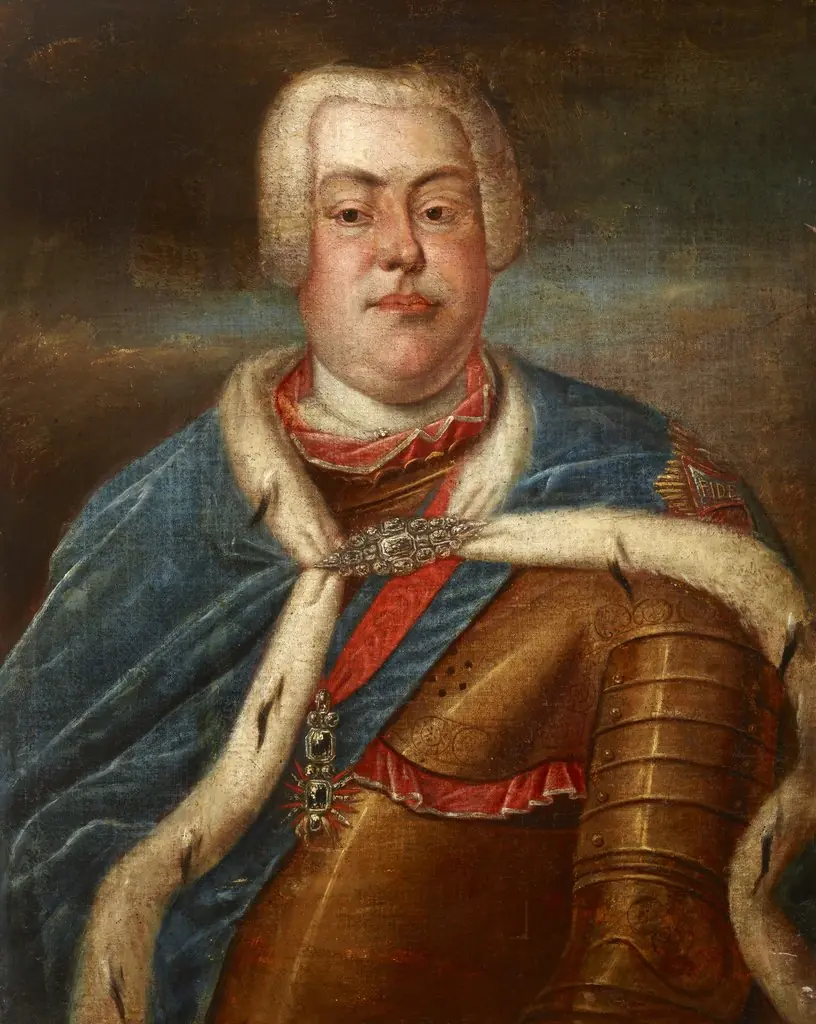 Portrait of Augustus III of Saxony (1696–1763), King of Poland in 1733–1763
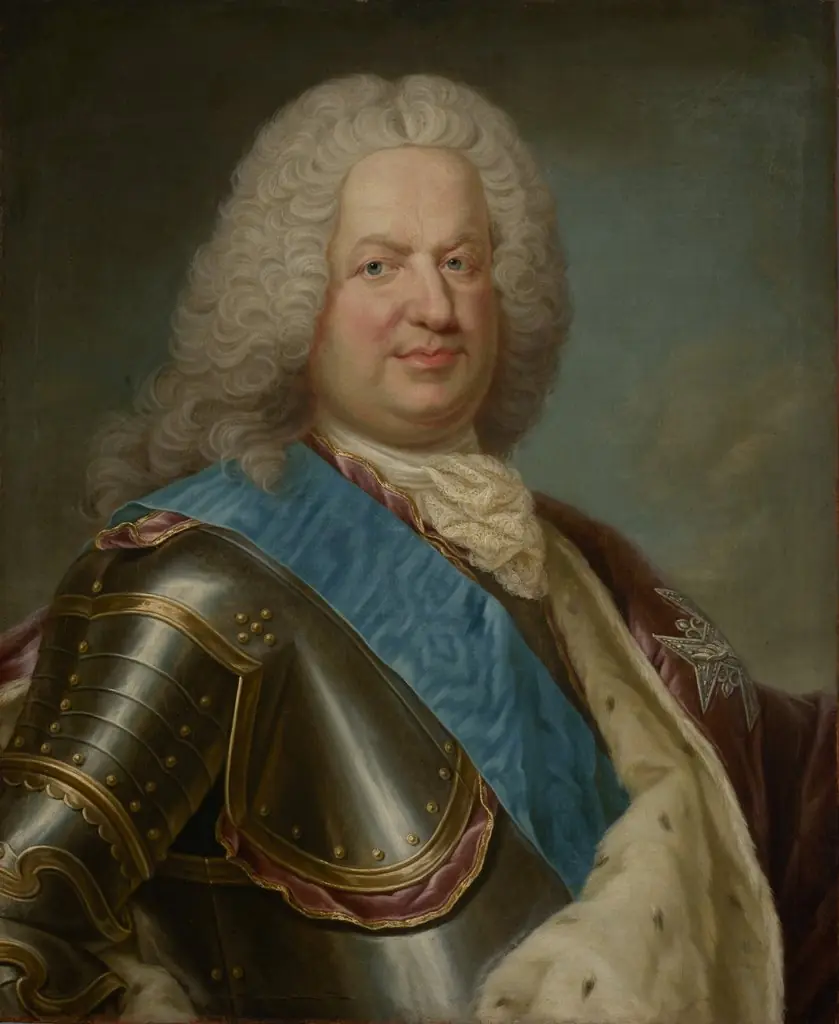 Portrait of Stanislaus Leszczyński (1677–1766))