Artwork
The Viaticum
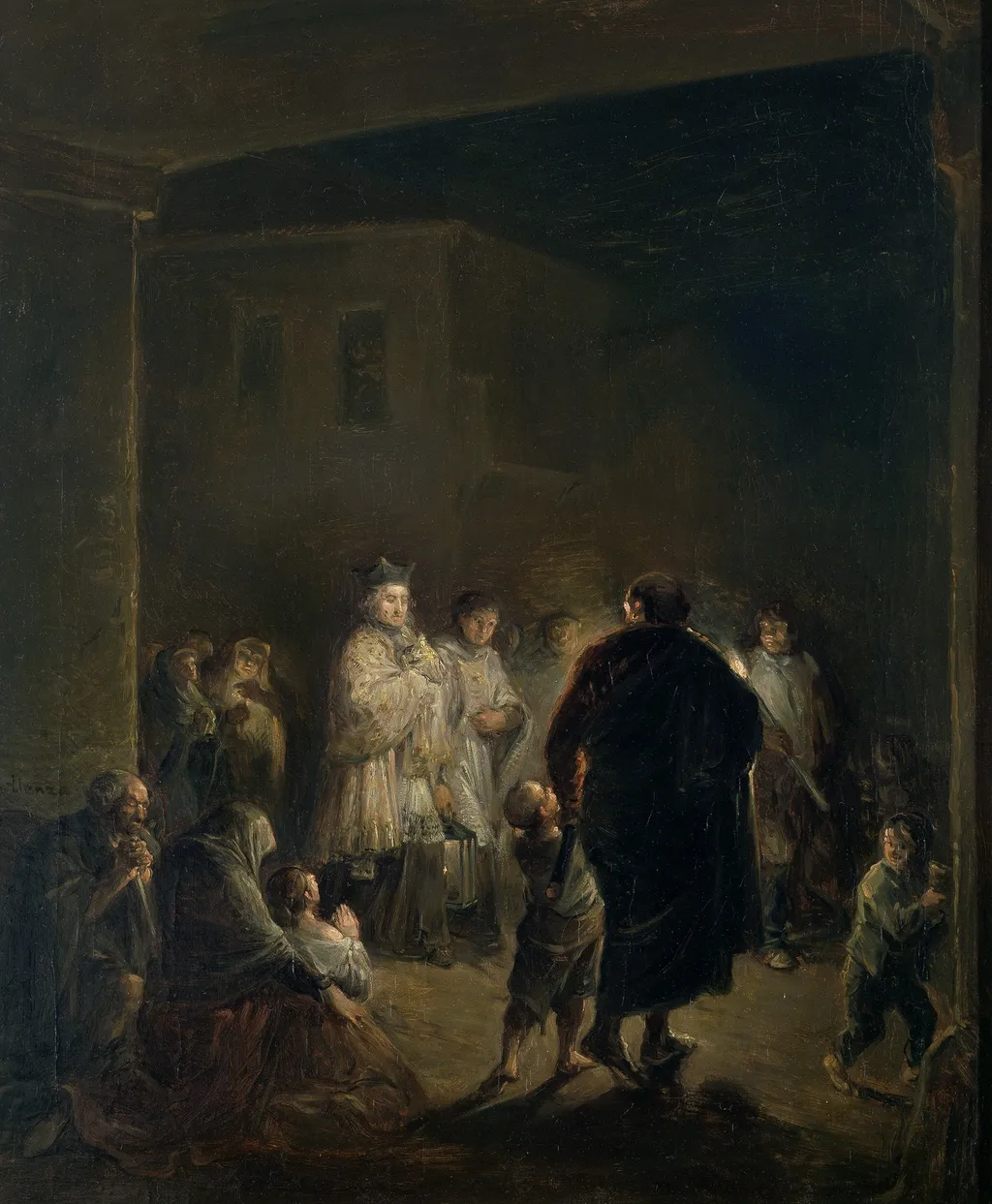
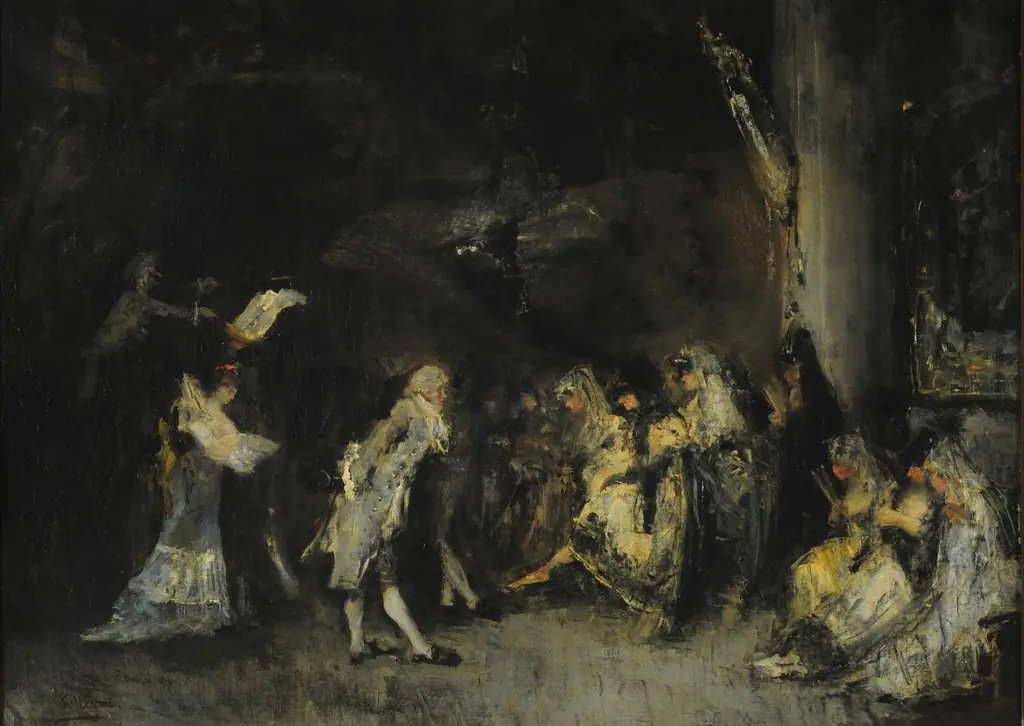
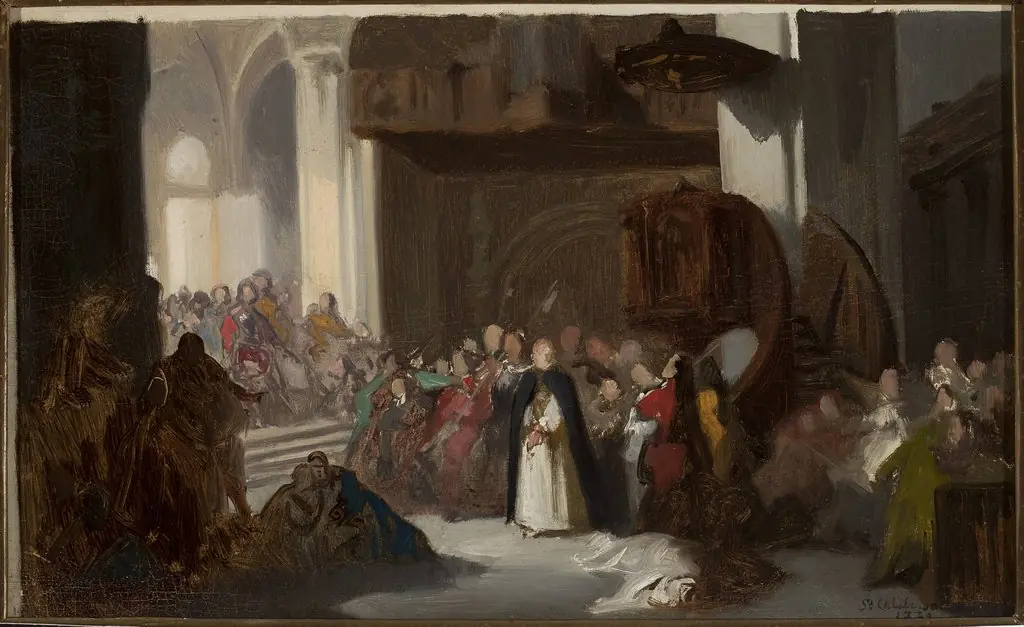
The Viaticum is an oil painting by Leonardo Alenza. It dates from 1840 and is held in the collection of the Museo del Prado.
About this work
Overview
The Viaticum is an 1840 oil painting by Spanish Romantic and Costumbrista artist Leonardo Alenza (1807-1845), housed in the Museo del Prado, Madrid.
Subject & Meaning
The painting depicts a solemn scene of a priest administering the Viaticum, surrounded by a group of reverent figures in varied attire, conveying a sense of reverence and spiritual gravity.
Technique & Style
Alenza employed chiaroscuro to create dramatic depth, with the priest in white robes and black hat centrally illuminated in a dimly lit room, characteristic of Romantic emphasis on mood and character.
History & Provenance
Created in 1840, the work is part of the Museo del Prado’s collection, reflecting Alenza’s focus on everyday Spanish life through a Romantic lens.
Context
As a Costumbrista piece, The Viaticum captures a moment of Spanish religious practice, blending the intimate portrayal of common life with the emotional intensity of Romanticism.
Legacy
While specific impact details are not provided, the painting represents Alenza’s contribution to Spanish Romanticism and the Costumbrista movement, preserved through its inclusion in the Prado’s collection.
Own this work as a print
Artist & collection
Artist
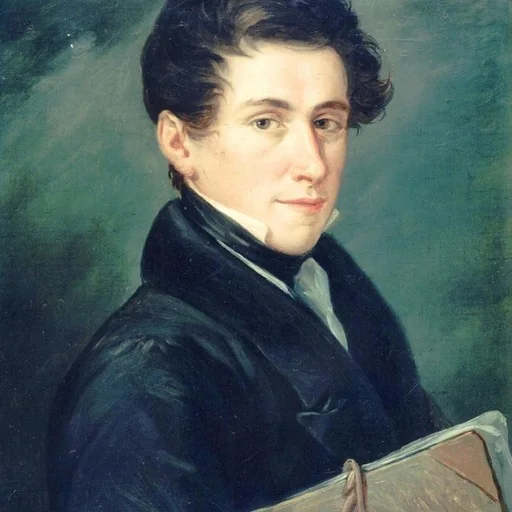
Leonardo Alenza y Nieto (6 November 1807, Madrid – 30 June 1845, Madrid) was a Spanish painter and engraver in the Romantic style; associated with the Costumbrista movement.