Artwork
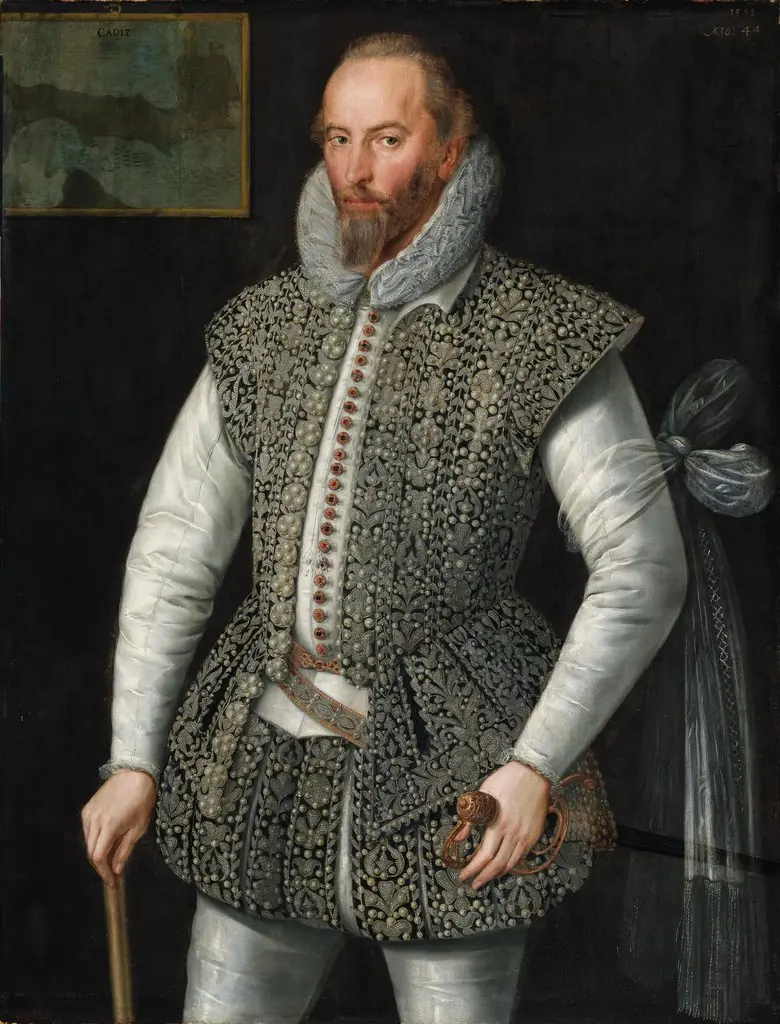
Portrait of Sir Henry Sidney (1529-1586), Lord Deputy of Ireland
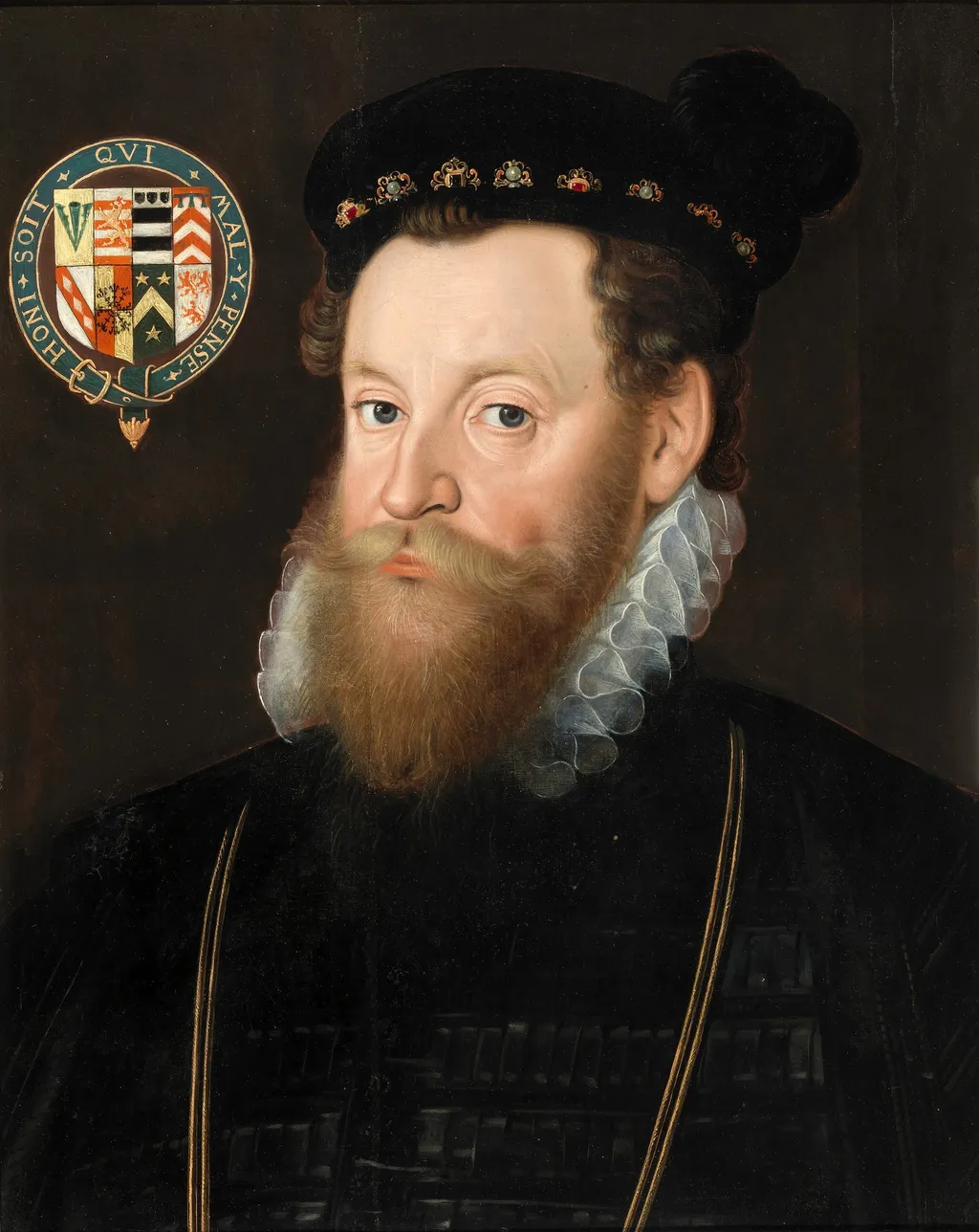
Portrait of Sir Henry Sidney (1529-1586), Lord Deputy of Ireland is an unspecified painting by the Mannerist artist Arnold Bronckorst. It dates from 1563 and is held in the collection of the National Gallery of Ireland.
About this work
Overview
The painting is now part of the National Gallery of Ireland’s collection, where it remains a key example of mid-16th-century portraiture in the region.
Painted around 1563 by Arnold Bronckorst, a Flemish artist active in the British Isles, this portrait captures Sir Henry Sidney during his tenure as Lord Deputy of Ireland. Bronckorst, later appointed court painter to James VI of Scotland, worked within a northern European tradition that emphasized precise detail and dignified representation. The painting is now part of the National Gallery of Ireland’s collection, where it remains a key example of mid-16th-century portraiture in the region.
Subject & Meaning
Sir Henry Sidney, a prominent English administrator in Ireland, is depicted with solemn authority. His thick gray beard and formal attire convey gravitas and experience. The inclusion of a heraldic shield in the upper left, featuring a lion and stars, affirms his noble status and official role. The composition avoids ornamentation, focusing instead on the sitter’s presence, suggesting a deliberate emphasis on duty and lineage rather than personal charm.
Technique & Style
Bronckorst employs a Mannerist approach with sharp contrasts between the dark, textured garments and the illuminated face. The stiff white collar and gold embroidery are rendered with meticulous brushwork, while the background remains muted to isolate the figure. The coat of arms, rendered in vivid hues, stands apart from the somber tones, functioning both as heraldic record and visual anchor. Light is used strategically to draw attention to the sitter’s expression and bearing.
History & Provenance
The portrait was likely commissioned during Sidney’s service in Ireland, possibly to affirm his status in courtly circles. Bronckorst’s presence in England and Scotland between 1565 and 1583 aligns with the painting’s date, though the work may have been completed slightly earlier. It entered the National Gallery of Ireland’s collection in the 19th century, having passed through private hands, likely within the Sidney family or their associates, before institutional acquisition.
Context
In the 1560s, portraits of English officials in Ireland served political purposes, reinforcing loyalty to the Crown and legitimizing authority in a contested region. Bronckorst, as a foreign artist working for English and Scottish elites, reflects the transnational nature of courtly patronage. The portrait’s restrained elegance contrasts with more flamboyant continental styles, reflecting the English preference for sober, authoritative imagery during the Tudor period.
Legacy
This portrait remains one of the few surviving works by Arnold Bronckorst, making it a significant reference for understanding northern European artistic influence in Tudor Britain and Ireland. Its preservation offers insight into how administrative power was visually constructed in the 16th century. The painting’s clarity and composure continue to inform studies of identity, status, and representation in early modern portraiture.
Artist & collection
Artist
Arnold Bronckhorst, or Bronckorst or Van Bronckhorst (fl. 1565–1583) was a Flemish or Dutch painter who was court painter to James VI of Scotland. Arnold's origins are unknown, and it is unclear if he was a member of…

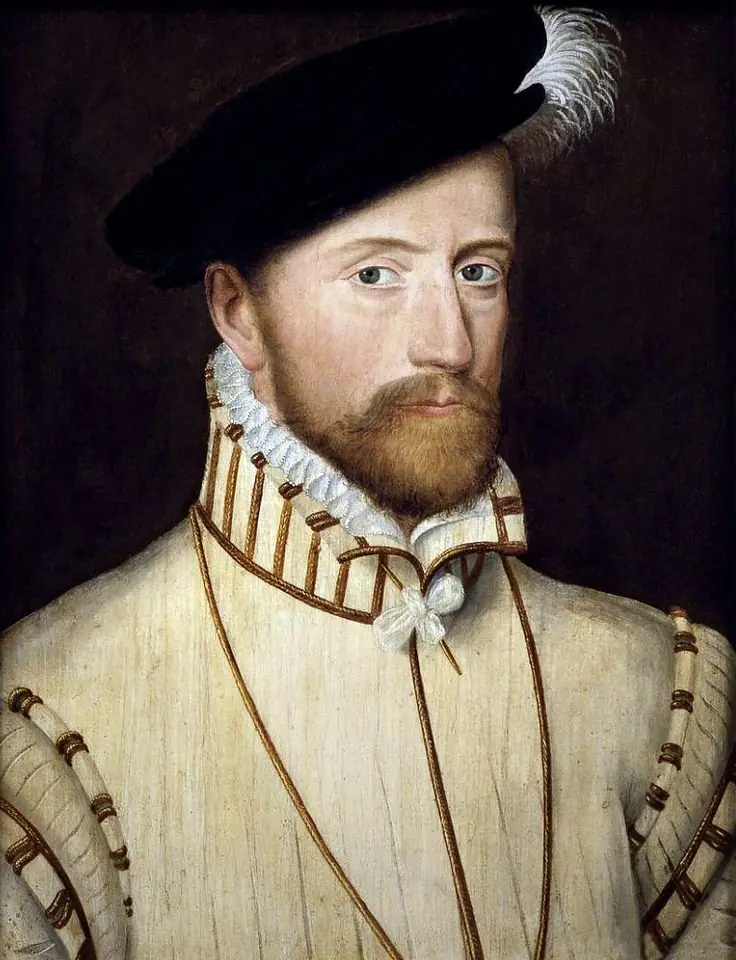 Jacques d'Albon, seigneur de Saint-André (ca. 1505-1562), Marschall von Frankreich
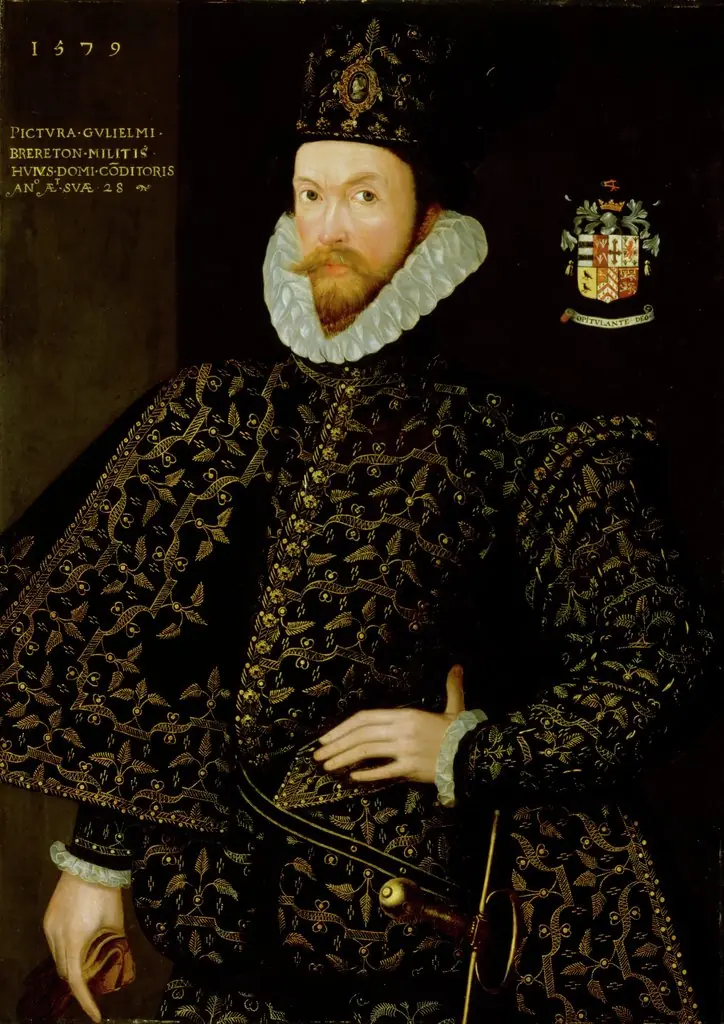 Sir William Brereton, 1579
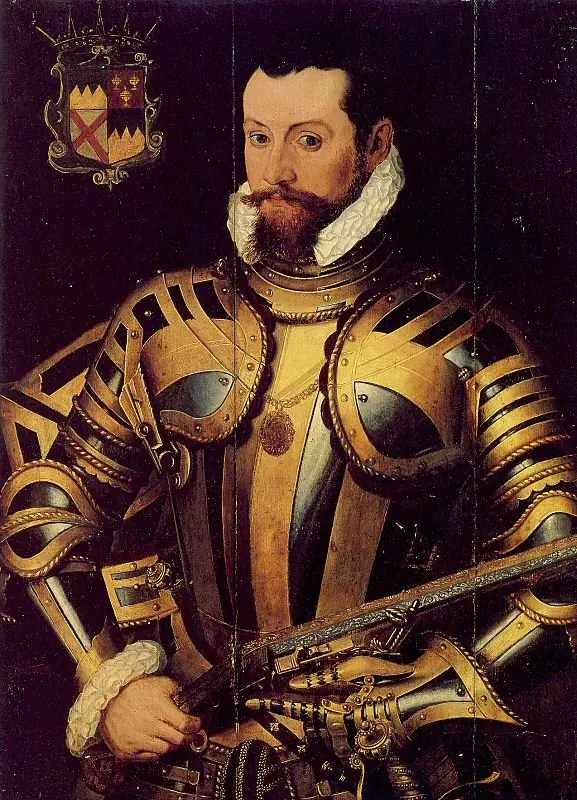 Portrait of Thomas Butler, 10th Earl of Ormonde (1532-1614)
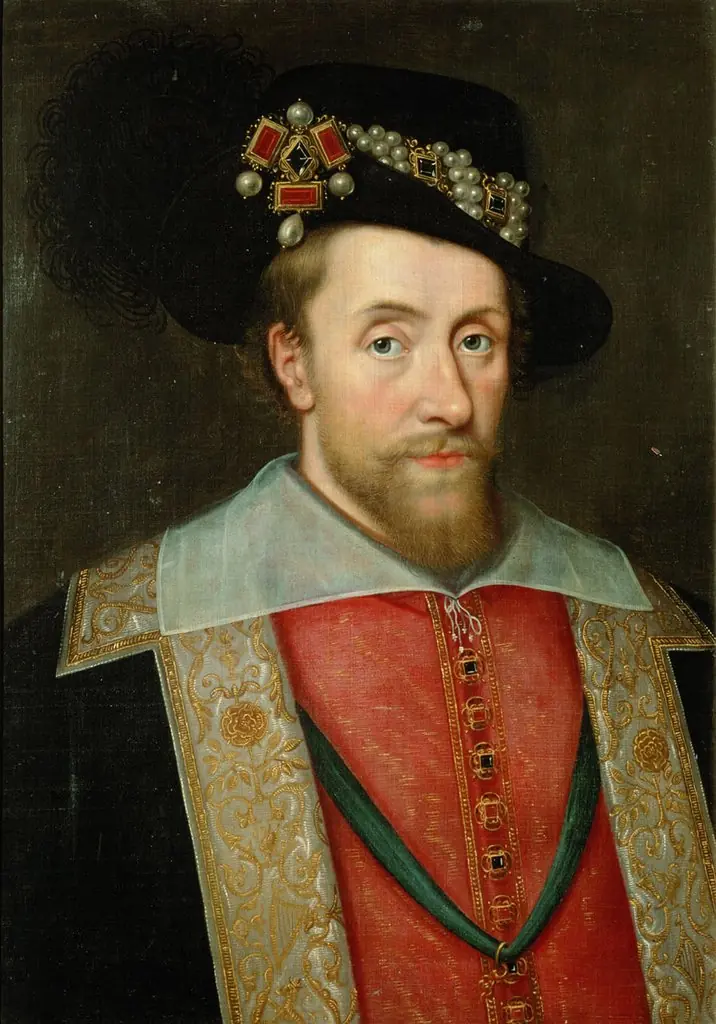 Portrait of James I with The Three Brothers
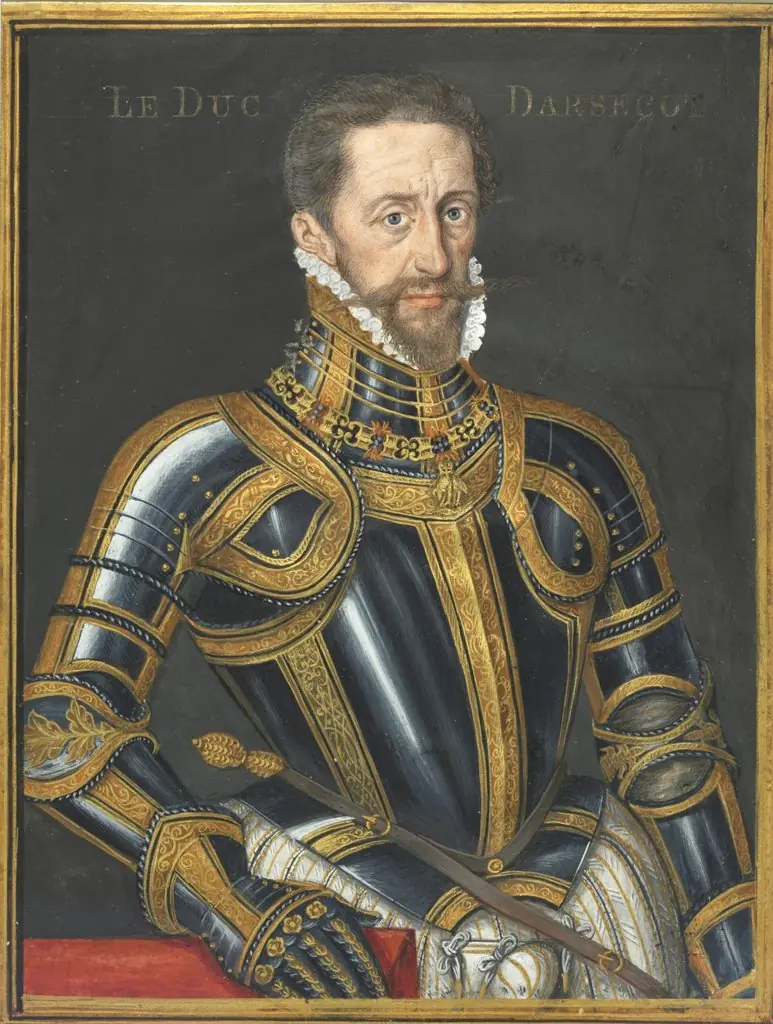 Portrait of Philippe de Croy, Duke of Aerschot
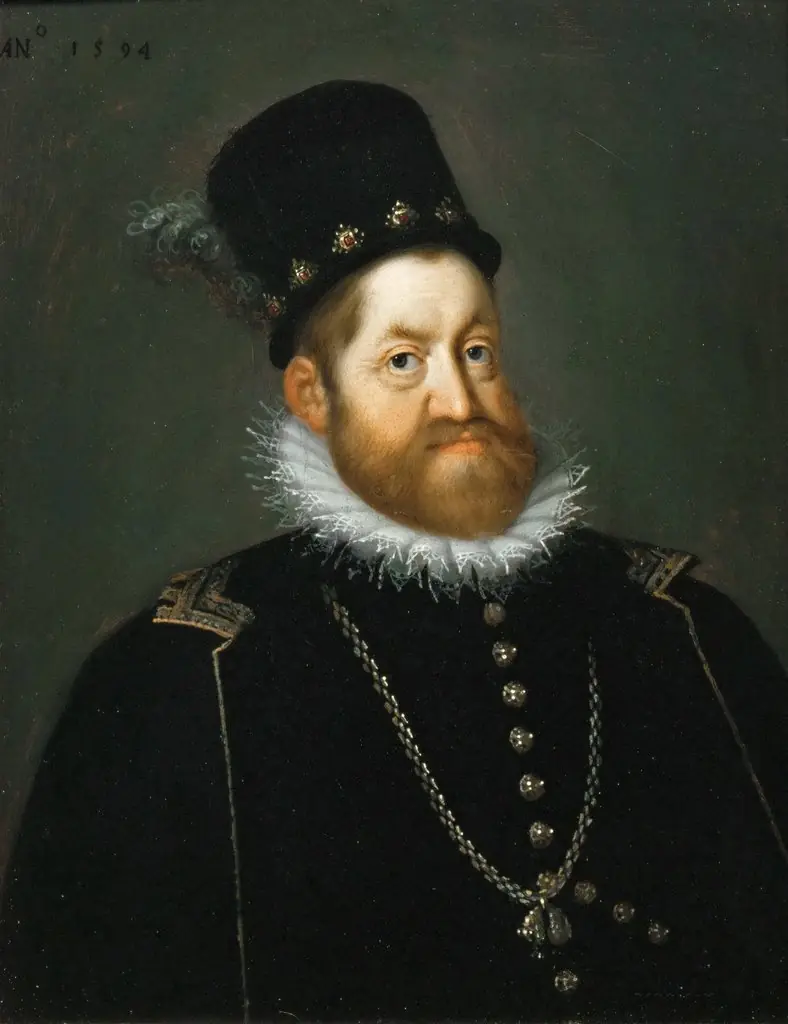 Porträt des Kaisers Rudolf II.
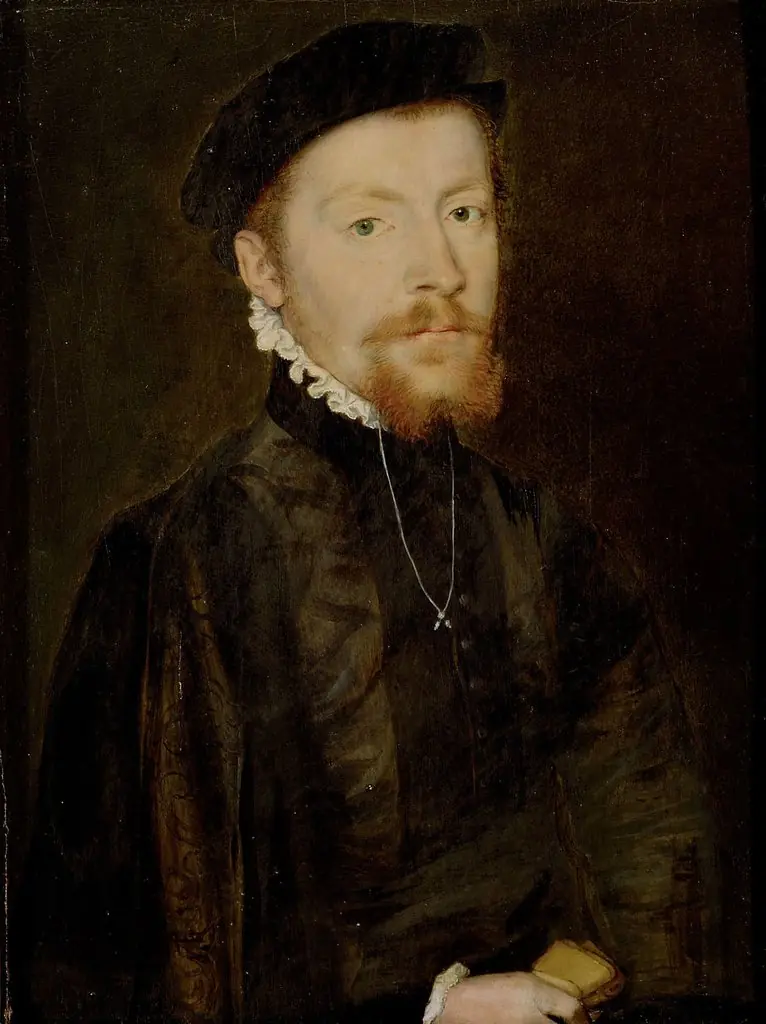 Rotbärtiger Mann
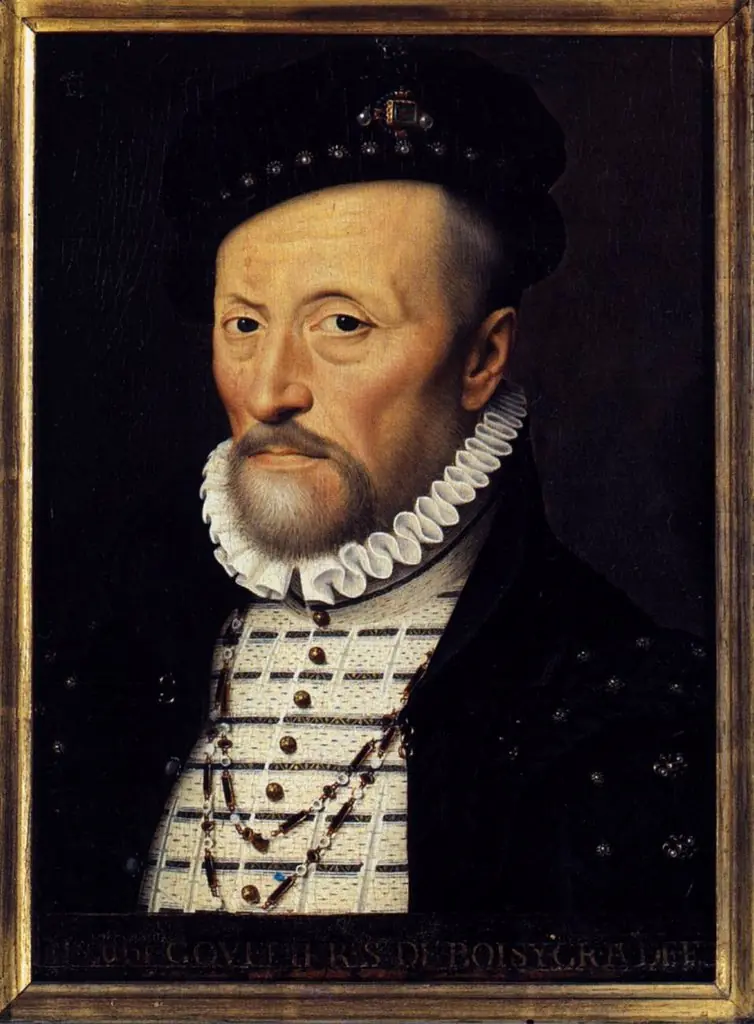 Portrait of Claude Gouffier
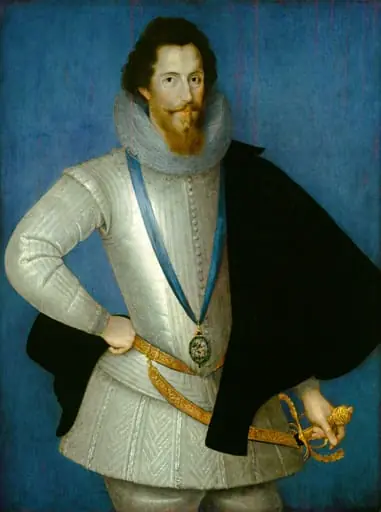 Robert Devereux, 2nd Earl of Essex
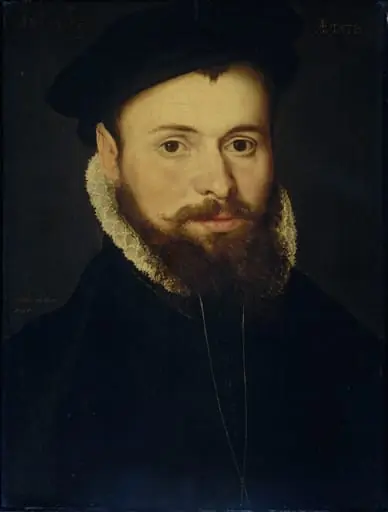 Portrait of a young Man
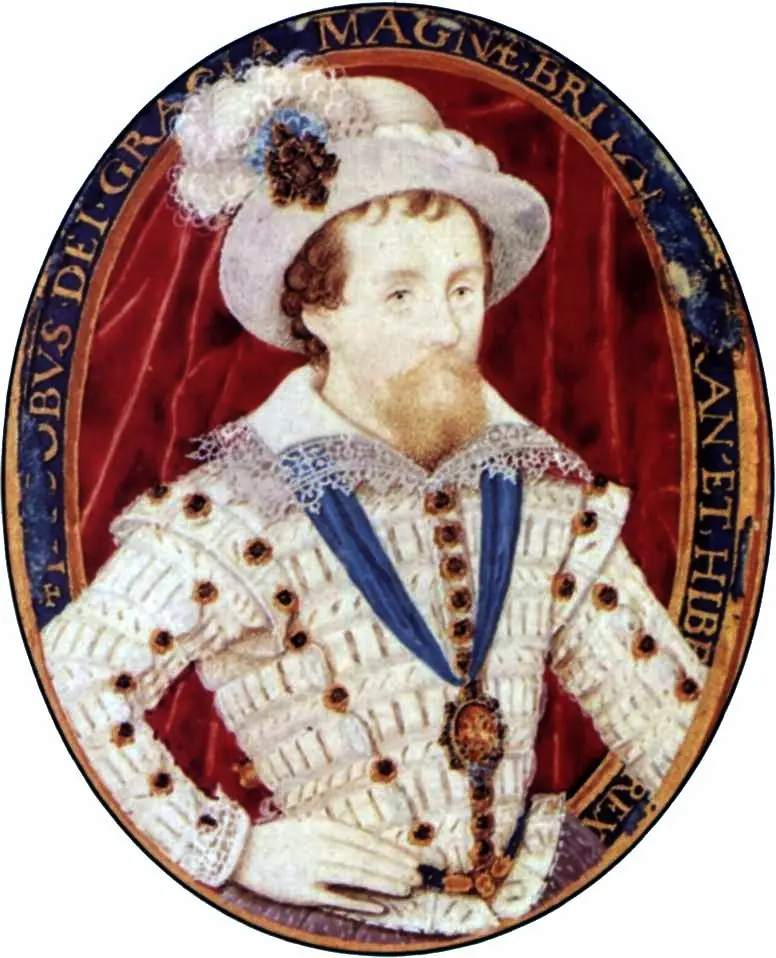 James I
 Portrait of Sir Walter Raleigh (1522-1618), Soldier and Historian