Artwork
Jacques d'Albon, seigneur de Saint-André (ca. 1505-1562), Marschall von Frankreich
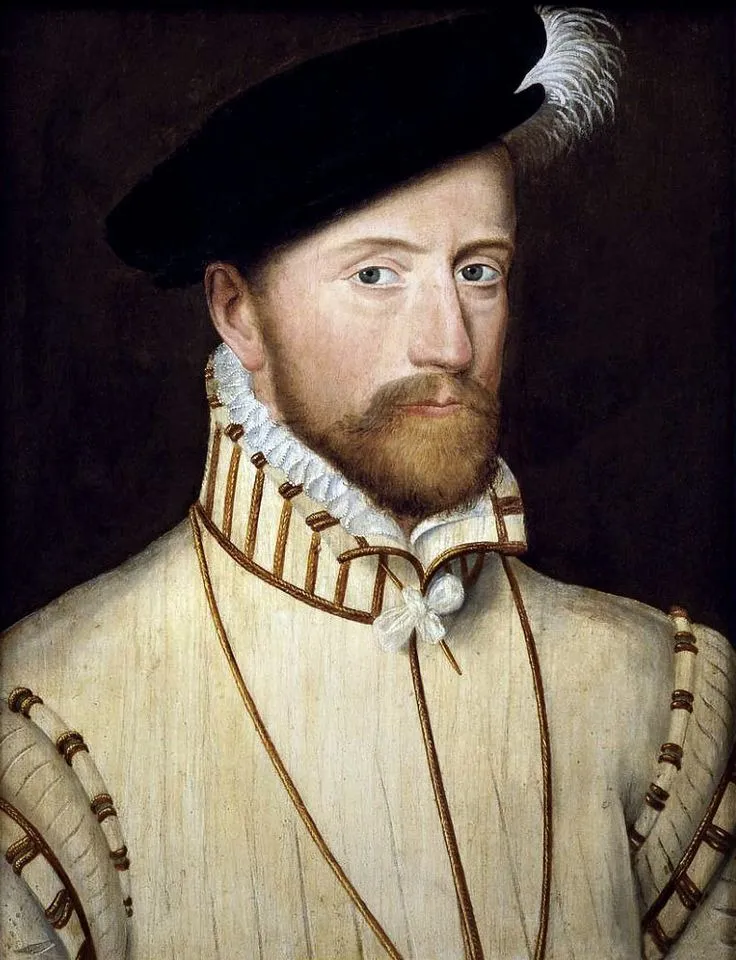
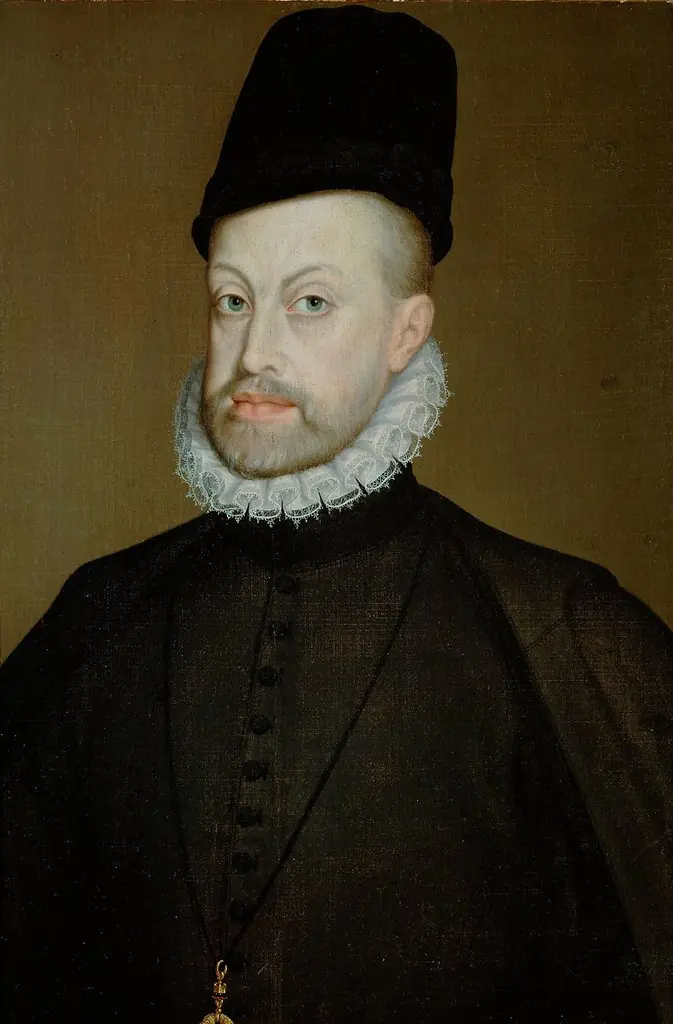
Jacques d'Albon, seigneur de Saint-André (ca. 1505-1562), Marschall von Frankreich is an oil painting by the Mannerist artist Unknown. It dates from 1562 and is held in the collection of the Museum of the History of France. This portrait depicts Jacques d'Albon, seigneur de Saint-André, a French military commander and marshal.
About this work
Overview
This portrait depicts Jacques d'Albon, seigneur de Saint-André, a French military commander and marshal. Painted in oil on panel, it captures him in formal attire against a dark, unobtrusive background. The focus is entirely on his figure, emphasizing status through precise rendering of clothing and accessories rather than environmental context.
Subject & Meaning
Saint-André was a prominent figure in the French court and military during the mid-16th century. The portrait conveys authority through restrained elegance: the white shirt with gold embroidery and the black hat adorned with a white feather suggest noble rank and military distinction. The absence of symbols like weapons or heraldry shifts emphasis to personal dignity and refined bearing.
Technique & Style
The artist employed fine brushwork to render the texture of the shirt’s gold trim and the sheen of the hat’s fabric. The dark background isolates the figure, heightening attention to minute details of costume. Lighting is even and soft, avoiding dramatic contrast, which aligns with the restrained aesthetic of French court portraiture of the period.
History & Provenance
The painting likely originated in the French royal circle, possibly commissioned to commemorate Saint-André’s appointment as marshal. Its survival through centuries suggests it remained in private or institutional collections, though specific ownership records before the modern era are not well documented.
Context
During the 1530s–1560s, French nobility increasingly favored portraits that emphasized personal prestige through clothing rather than overt displays of power. This work reflects a trend toward intimate, detail-oriented representation, influenced by Italian Renaissance portraiture but adapted to French tastes for understated elegance.
Legacy
The portrait remains a representative example of mid-16th-century French aristocratic imagery. Its focus on textile detail and quiet authority informs later depictions of nobility, serving as a reference for how status was visually encoded in clothing during a time of political and religious upheaval.
Artist & collection

 Domestic Scene
 Giacomo and Cardinal Marco, investing Andrea, Abbot of San Zeno, with his Benefice
 The Nymph of Fontainebleau
 Portrait of a Woman
 Madonna and Child with Saints in the Enclosed Garden
 Venus and Minerva
 Family Group of Four on Sofa
 Wall painting from Room H of the Villa of P. Fannius Synistor at Boscoreale
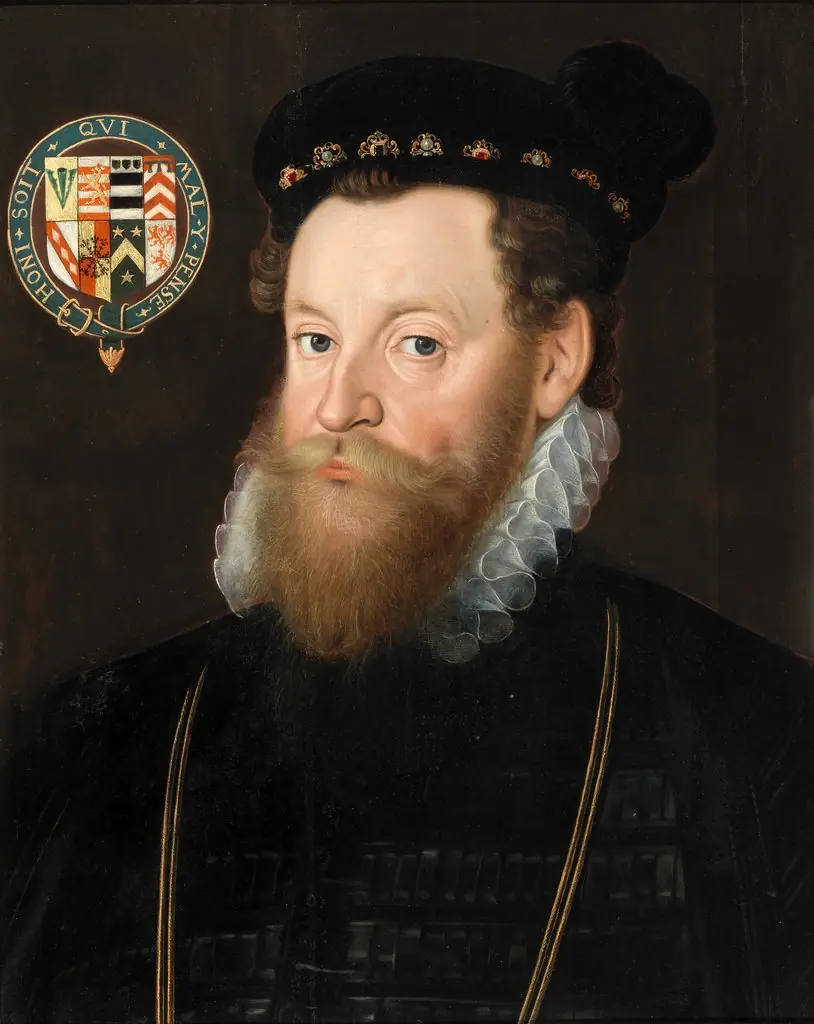 Portrait of Sir Henry Sidney (1529-1586), Lord Deputy of Ireland
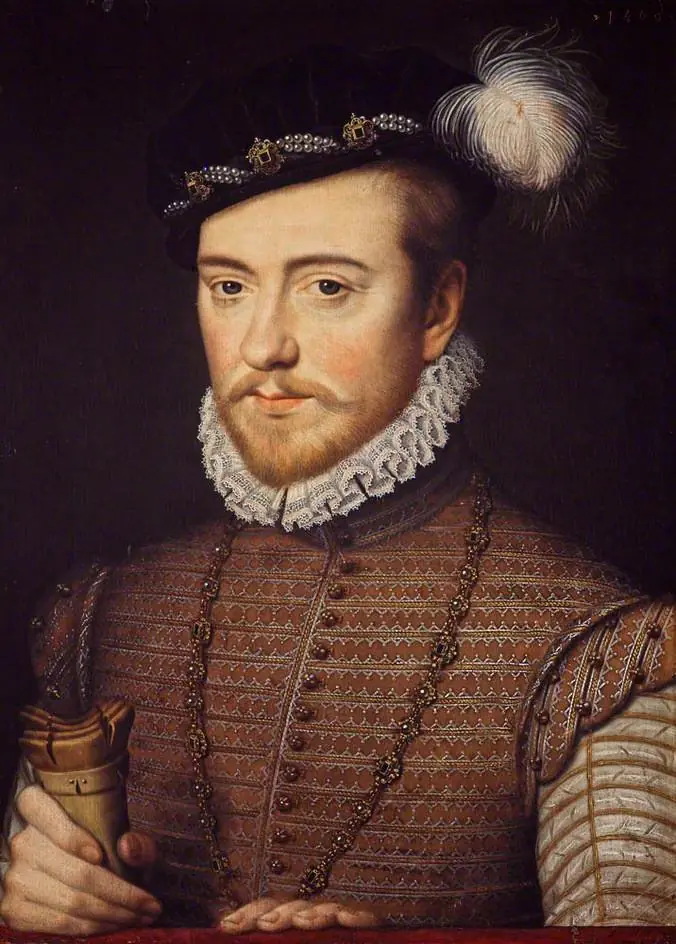 Portrait of a Man, called the Duc d'Alençon
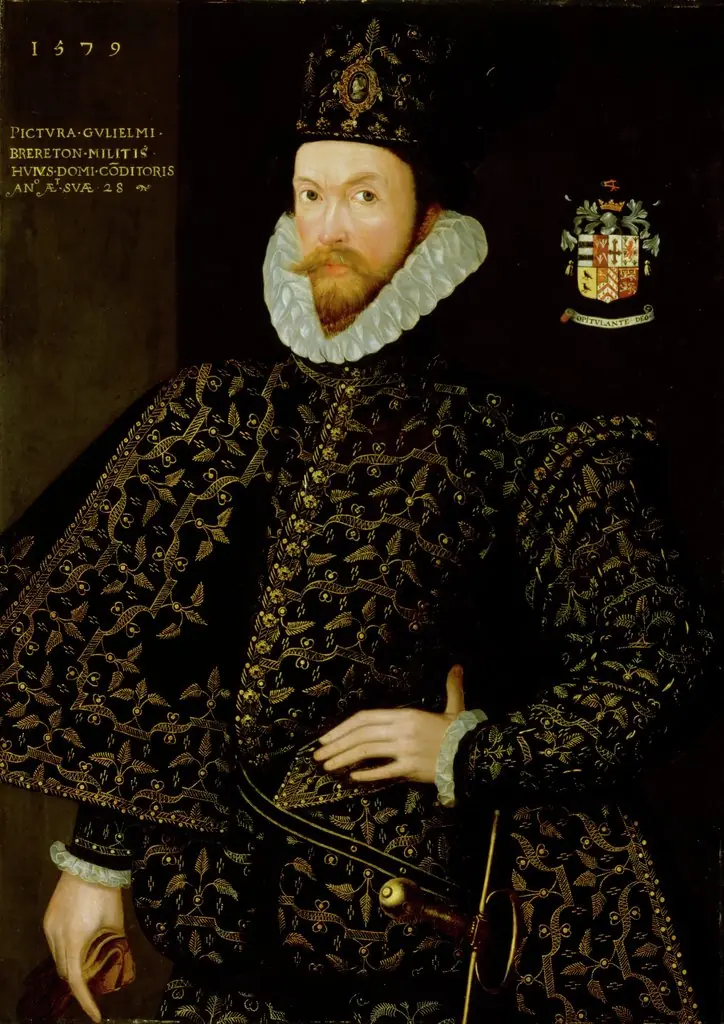 Sir William Brereton, 1579
 Portrait of Sir Walter Raleigh (1522-1618), Soldier and Historian
 Portrait of a Man (said to be the Duc d'Alençon)
 Portrait of the Archduke Albert
 Rotbärtiger Mann
 Portrait of James I with The Three Brothers
 Portrait of a young Man
 Philip II
 Robert Devereux, 2nd Earl of Essex
 Portrait of Philip II of Spain