Artwork
Auslandspropaganda der Franzosen am Rhein
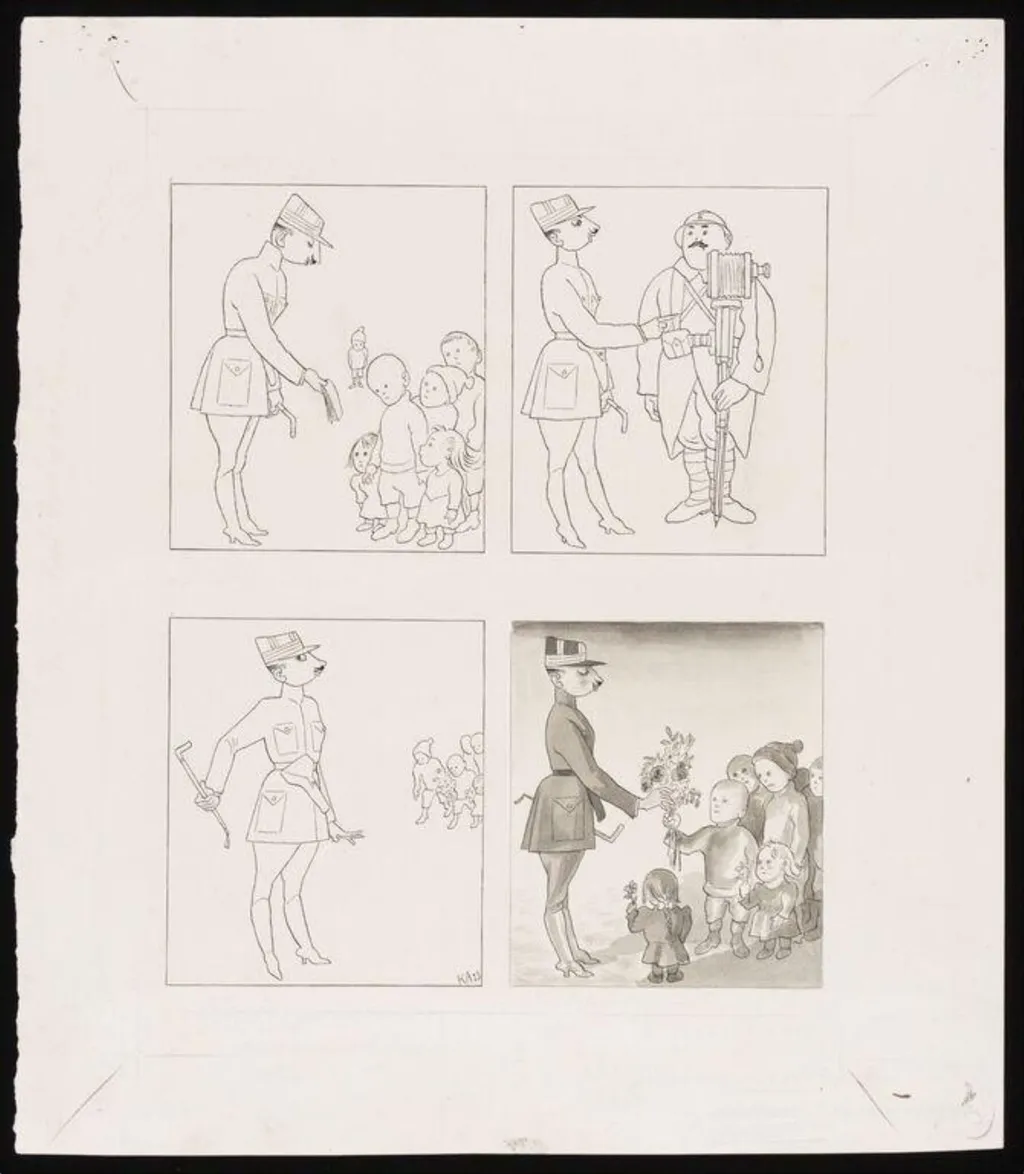
Auslandspropaganda der Franzosen am Rhein is a drawing by Karl Arnold. It dates from 1923 and is held in the collection of the Victoria and Albert Museum. The work consists of four consecutive pen‑and‑ink panels that portray a French military figure engaging with local children along the Rhine.
About this work
Overview
The work consists of four consecutive pen‑and‑ink panels that portray a French military figure engaging with local children along the Rhine. In each vignette the officer distributes items, directs a photographer, observes the children’s return, and finally appears in a staged photograph rendered in ink wash. The sequence functions as a visual narrative satirizing contemporary propaganda.
Subject & Meaning
The scenes mock the French occupation’s attempts to present a benevolent image during the Weimar era. By showing the officer buying flowers, arranging a photo shoot, warning of an approaching crowd, and then boasting about the army’s popularity, the cartoon exposes the performative nature of the occupiers’ public relations.
Technique & Style
Executed in black ink with cross‑hatching, the drawings employ a loose, sketch‑like line that emphasizes rapid, almost journalistic observation. The use of ink wash in the final panel adds tonal depth, while the uniformed figure’s simplified silhouette underscores the satirical tone.
History & Provenance
The series appeared in the 1923 issue of the German satirical weekly Simplicissimus under the title “Auslandspropaganda der Franzosen am Rhein.” Its publication coincided with intense debate over the French presence in the Rhineland, positioning the work within the period’s political cartooning tradition.
Context
During the early 1920s the Rhineland remained under Allied occupation, and French authorities frequently employed public displays of goodwill to counter German resentment. The cartoon reflects broader German criticism of such measures, using humor to question the authenticity of the occupiers’ gestures.
Artist & collection
Artist
These drawings from the 1920s–30s capture everyday scenes with sharp humor and a dash of social edge.

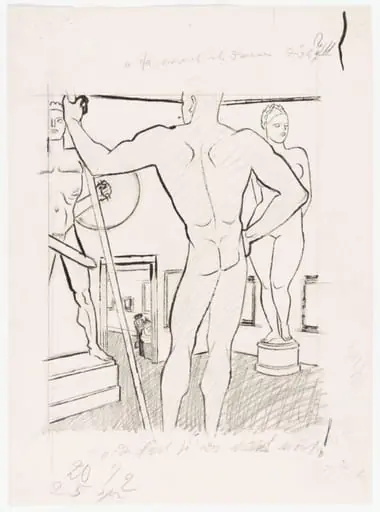 Final draft of drawing `Ja, was ist denn das?'
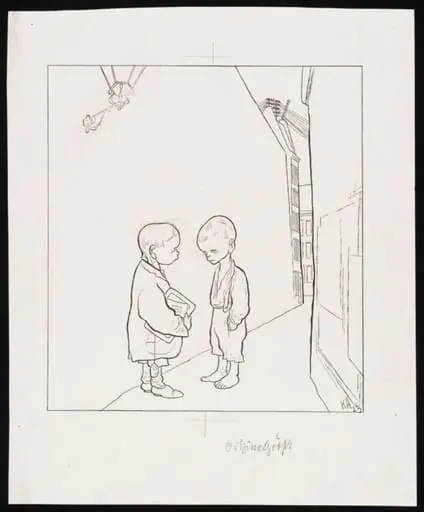 Versailles "Mich lassen sie jetzt nicht mehr in die Schule, ich bin auch unterernährt."
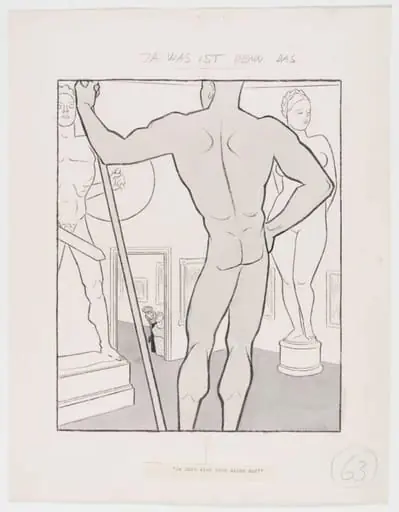 Ja, was ist denn das?
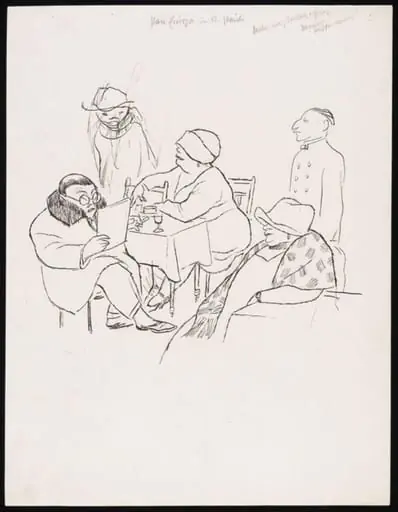 Pan Europa in St. Pauli
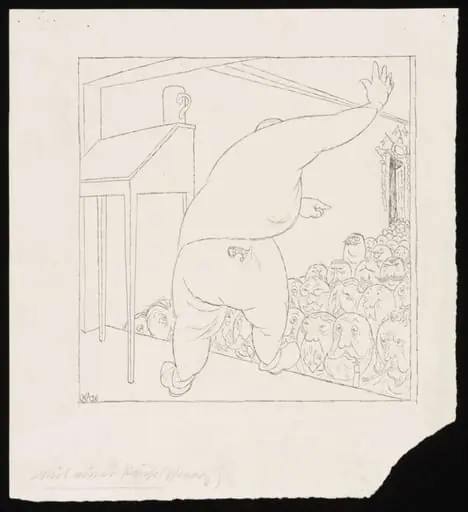 Der Volkstribun
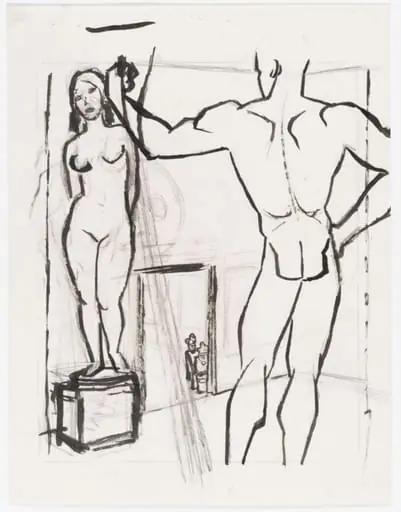 Study for `Ja, was ist denn das?'
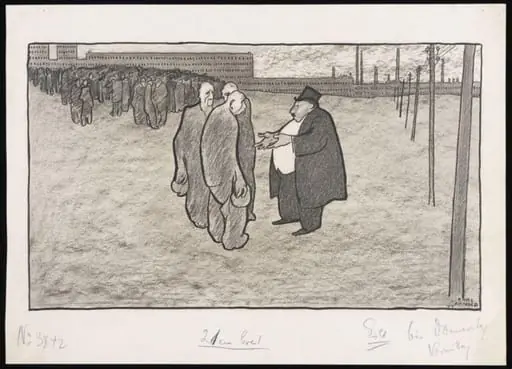 Entgegenkommen
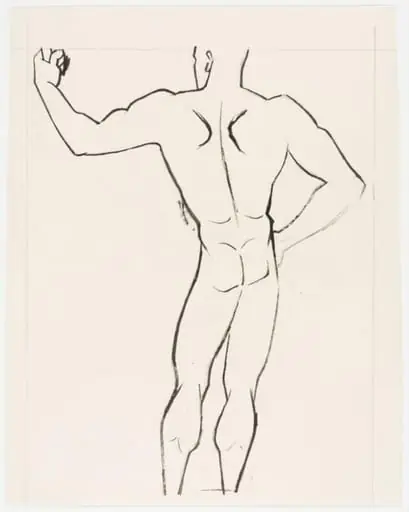 Preliminary drawing for a satirical cartoon `Ja was ist denn das?'