Artwork
Der Volkstribun
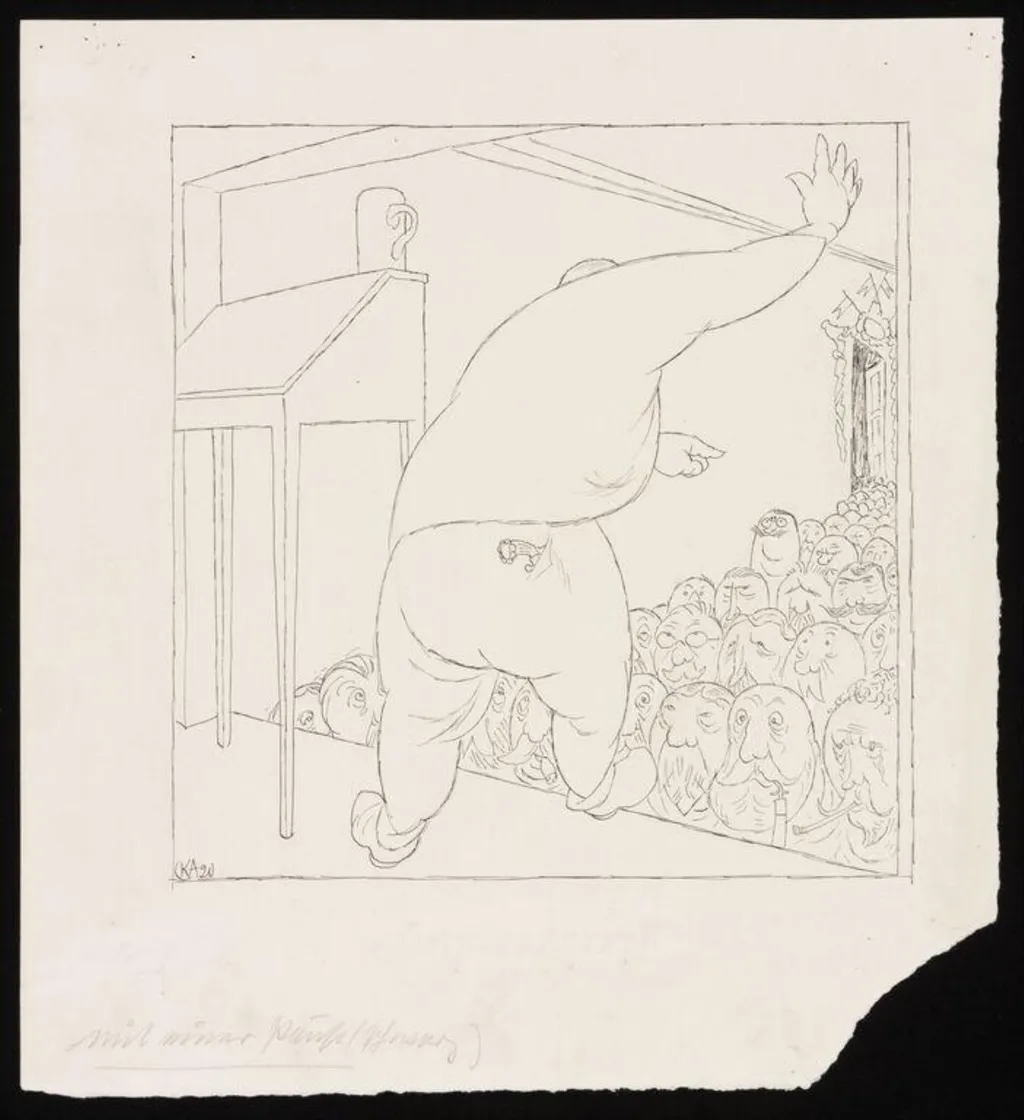
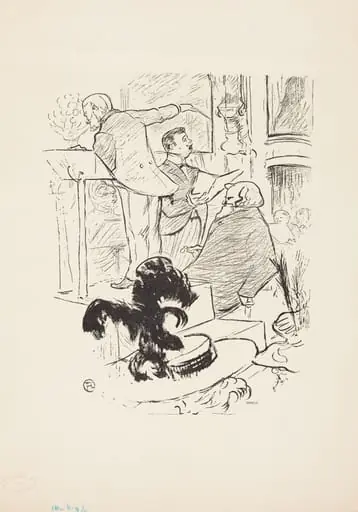
Der Volkstribun is a drawing by Karl Arnold. It dates from 1920 and is held in the collection of the Victoria and Albert Museum. Created in 1920, this pen-and-ink drawing presents a political orator mid-address, positioned on an elevated platform.
About this work
Overview
Created in 1920, this pen-and-ink drawing presents a political orator mid-address, positioned on an elevated platform. The artist renders the speaker from behind, emphasizing the audience rather than the figure’s identity. A pistol is visible in the speaker’s pocket, and a beer mug sits on the lectern, subtly embedding commentary within the composition.
Subject & Meaning
The scene critiques early Weimar-era demagoguery, coinciding with the Kapp Putsch, a failed right-wing coup. The speaker’s exaggerated posture and the uniform, caricatured faces of the crowd suggest manipulation rather than genuine leadership. The pistol and beer mug serve as loaded symbols, hinting at violence and populist excess.
Technique & Style
Executed with rapid, gestural lines, the drawing employs loose, scribbled strokes to convey movement and immediacy. Cross-hatching builds tonal variation, while the exaggerated proportions and repetitive facial features reinforce the satirical tone. The style aligns with the sharp, expressive idiom of early 20th-century political caricature.
History & Provenance
The work appeared in *Simplicissimus*, a Munich-based satirical magazine, in 1920. Its publication followed the Kapp Putsch, a brief but destabilizing attempt to overthrow the Weimar Republic. The drawing’s original context—amid political turmoil—shapes its interpretation as a contemporaneous critique of reactionary forces.
Context
The Weimar Republic’s fragile democracy faced repeated challenges from both left and right, including the 1920 coup. *Simplicissimus* frequently targeted political hypocrisy, using caricature to expose societal tensions. This drawing reflects the era’s anxieties, capturing the performative nature of extremist rhetoric.
Legacy
The drawing endures as a document of Weimar-era political satire, illustrating how visual art engaged with contemporary crises. Its stylistic economy and symbolic density typify the period’s graphic commentary, influencing later works that merge caricature with social critique.
Artist & collection
Artist
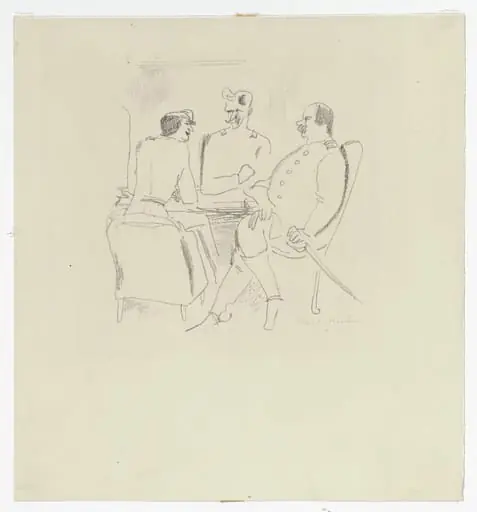
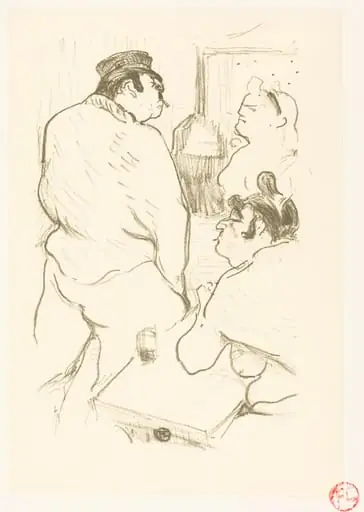
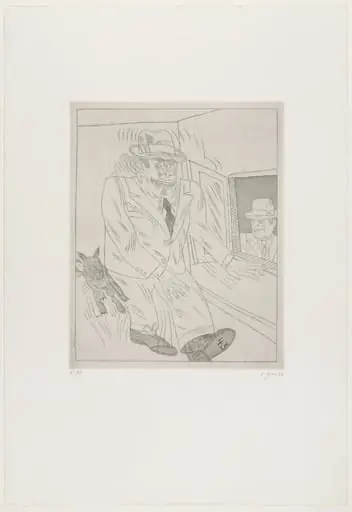
These drawings from the 1920s–30s capture everyday scenes with sharp humor and a dash of social edge.

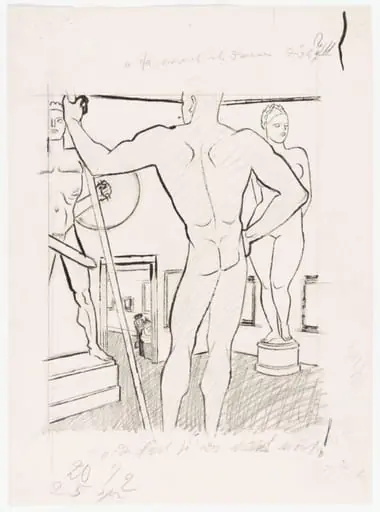 Final draft of drawing `Ja, was ist denn das?'
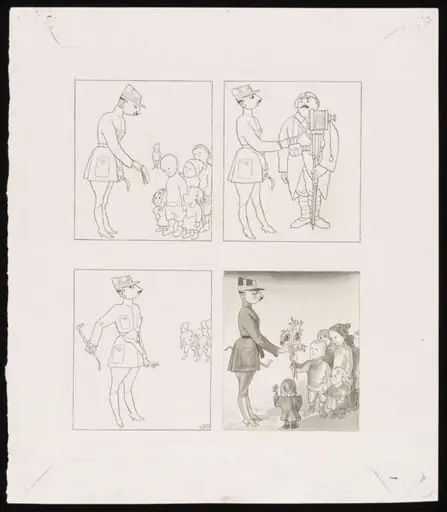 Auslandspropaganda der Franzosen am Rhein
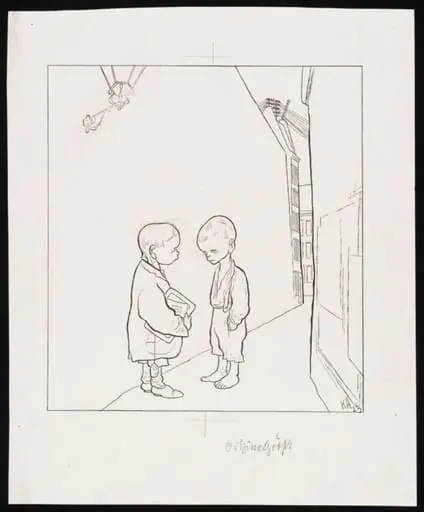 Versailles "Mich lassen sie jetzt nicht mehr in die Schule, ich bin auch unterernährt."
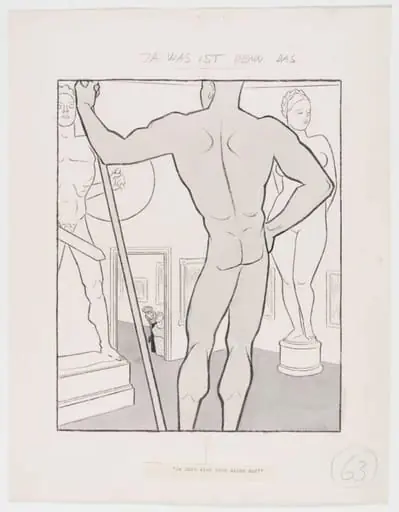 Ja, was ist denn das?
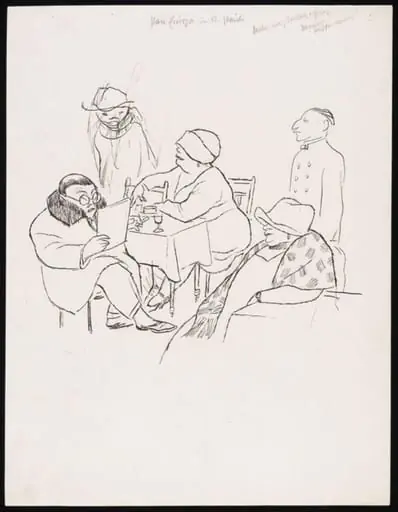 Pan Europa in St. Pauli
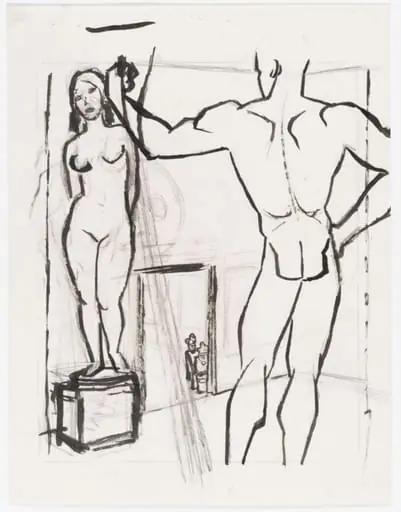 Study for `Ja, was ist denn das?'
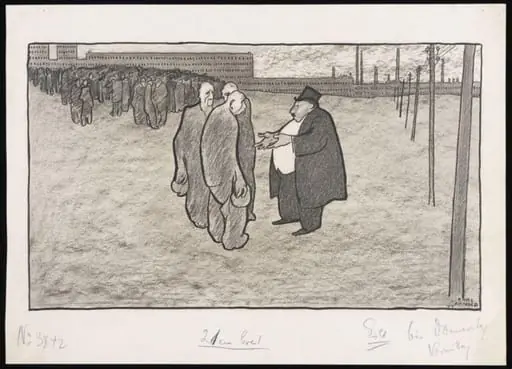 Entgegenkommen
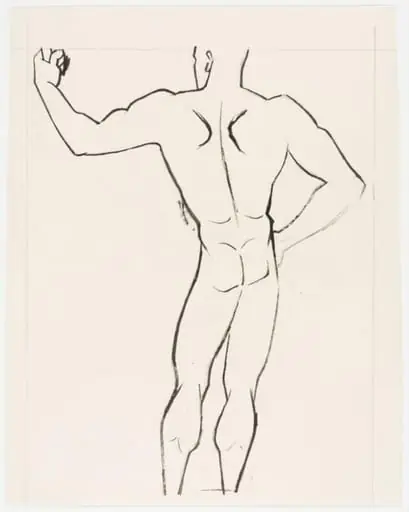 Preliminary drawing for a satirical cartoon `Ja was ist denn das?'