Artwork
Portrait of Joan van Paffenrode, Baron of Ghussigny, Dramatic Poet
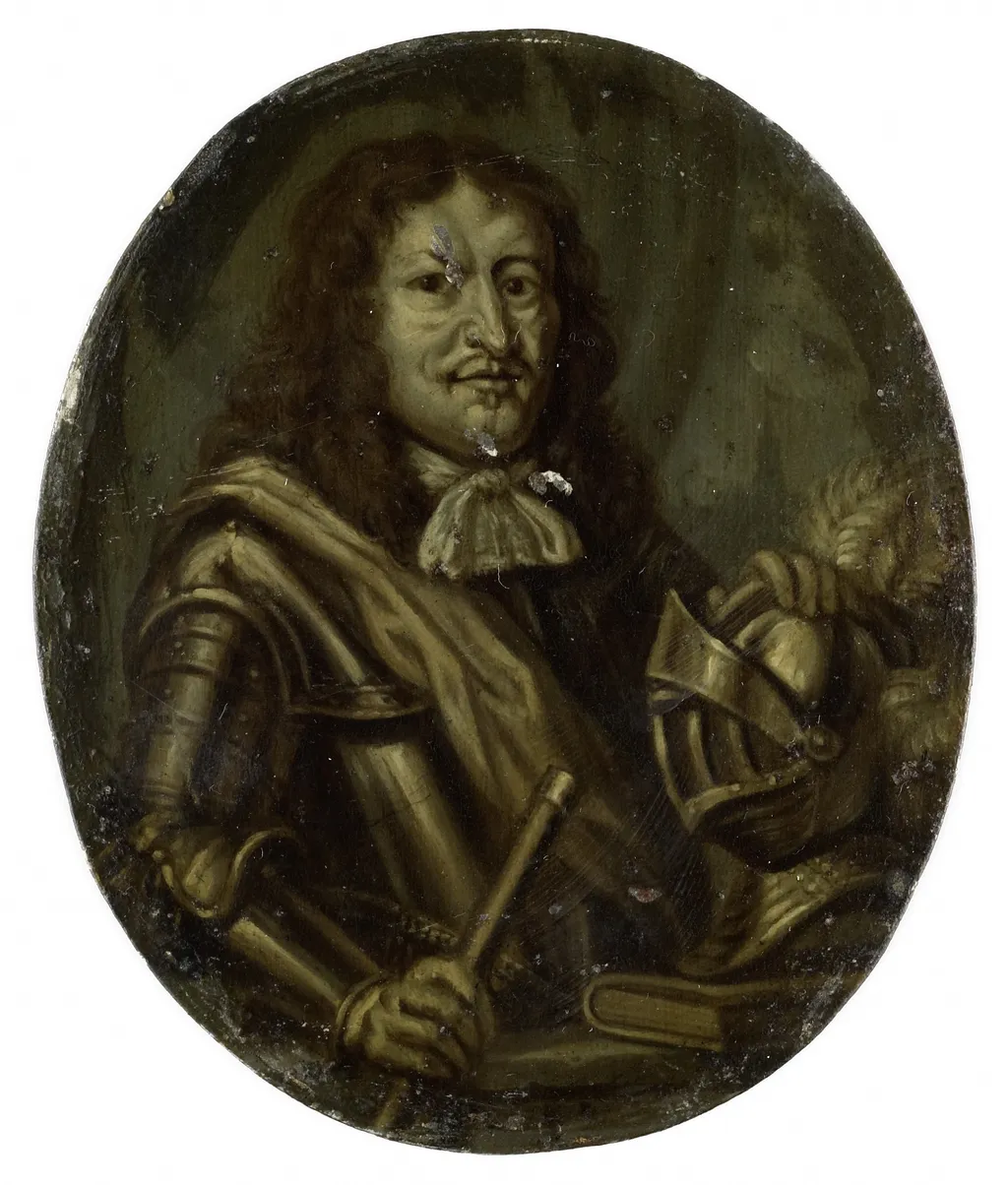
Portrait of Joan van Paffenrode, Baron of Ghussigny, Dramatic Poet is an oil painting by the Rococo painting artist Arnoud van Halen. It dates from 1716 and is held in the collection of the Rijksmuseum.
About this work
Overview
Arnoud van Halen's 1716 portrait of Joan van Paffenrode, Baron of Ghussigny, a dramatic poet, is an oval tin painting housed at the Rijksmuseum.
Arnoud van Halen's 1716 portrait of Joan van Paffenrode, Baron of Ghussigny, a dramatic poet, is an oval tin painting housed at the Rijksmuseum. The subject is depicted against a dark, rich background, adorned in a lavish coat with voluminous sleeves, a ruffled collar, and a neck chain. Notable details include his curly hair, mustache, and the objects he holds: a rolled paper in one hand and a cane in the other.
Subject & Meaning
The portrait captures Joan van Paffenrode, a Baron and dramatic poet, conveying his status and profession through symbols: the ornate attire signifies his nobility, while the rolled paper may allude to his literary pursuits. The cane could imply age, authority, or simply be a fashionable accessory.
Technique & Style
Executed on tin, an unconventional medium for portraits at the time, the work employs dramatic chiaroscuro. Strong contrasts between light and dark accentuate the subject's facial features, creating a sharp, defined presence against the somber backdrop.
History & Provenance
Created in 1716 by Arnoud van Halen, the portrait is currently part of the Rijksmuseum's collection. Specific details about its commission, earlier ownership, or how it came to the museum are not provided in the available information.
Context
The use of chiaroscuro and the depiction of a literary figure reflect broader artistic and cultural trends of the early 18th century. However, the choice of tin as the painting's substrate is unusual and sets the work apart from contemporaneous portraiture.
Legacy
While the portrait provides insight into 18th-century noble and literary circles, its broader influence or recognition within the art historical canon is not highlighted in the provided information, suggesting it may be more notable for its subject and technical curiosity than for shaping artistic movements.
Artist & collection

 Portrait of Sibylle van Griethuysen (ca.1620-na 1662)
 Portrait of Pieter Verhoek (1633-1702)
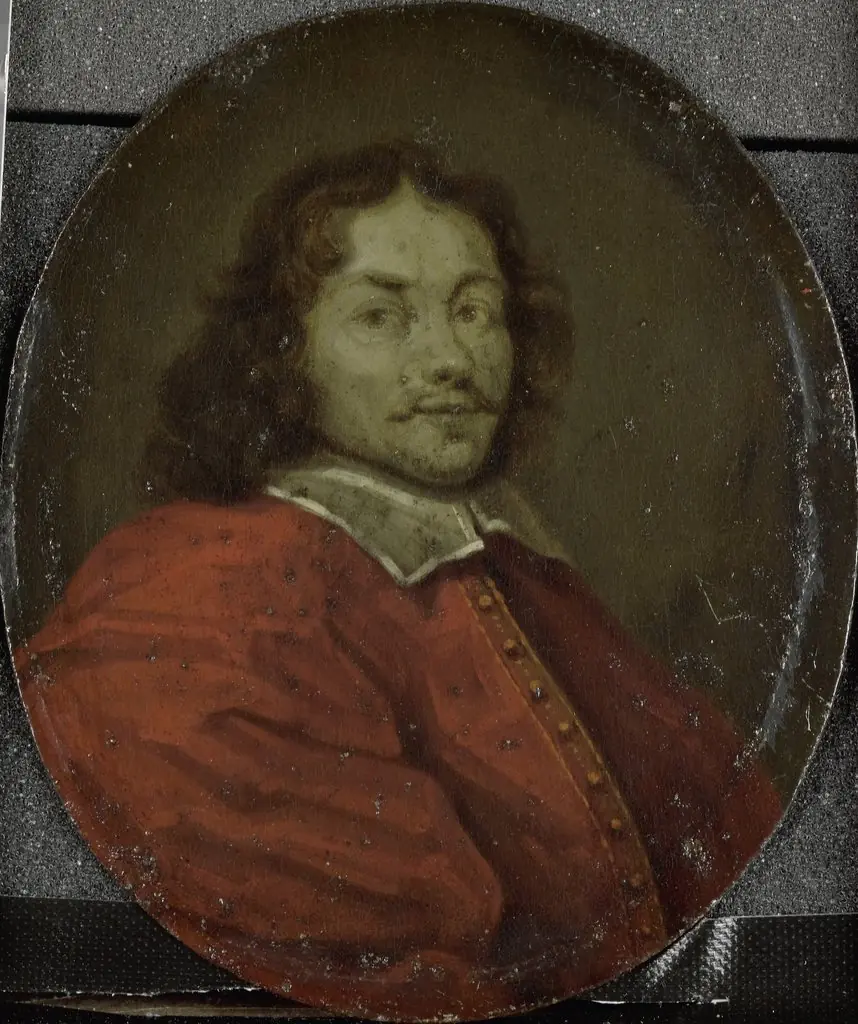 Portrait of Matthijs Gansneb, called Tengnagel, Poet in Amsterdam
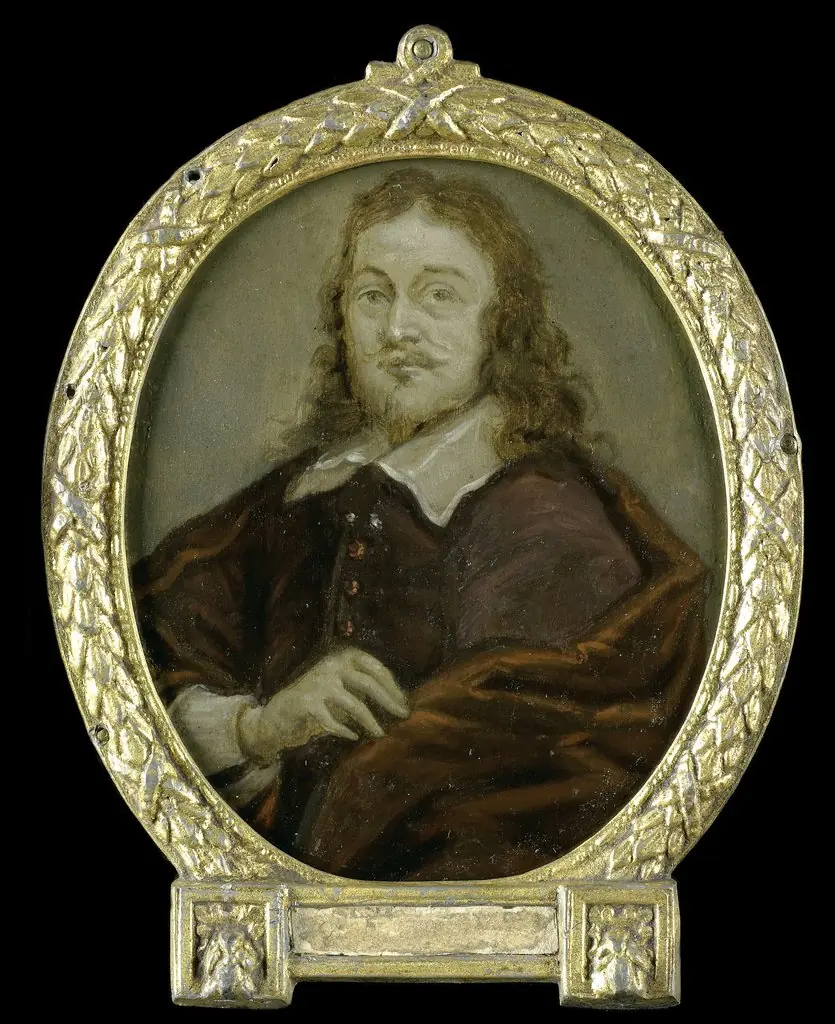 Portrait of the painter Bonaventura Peeters I (1614-52)
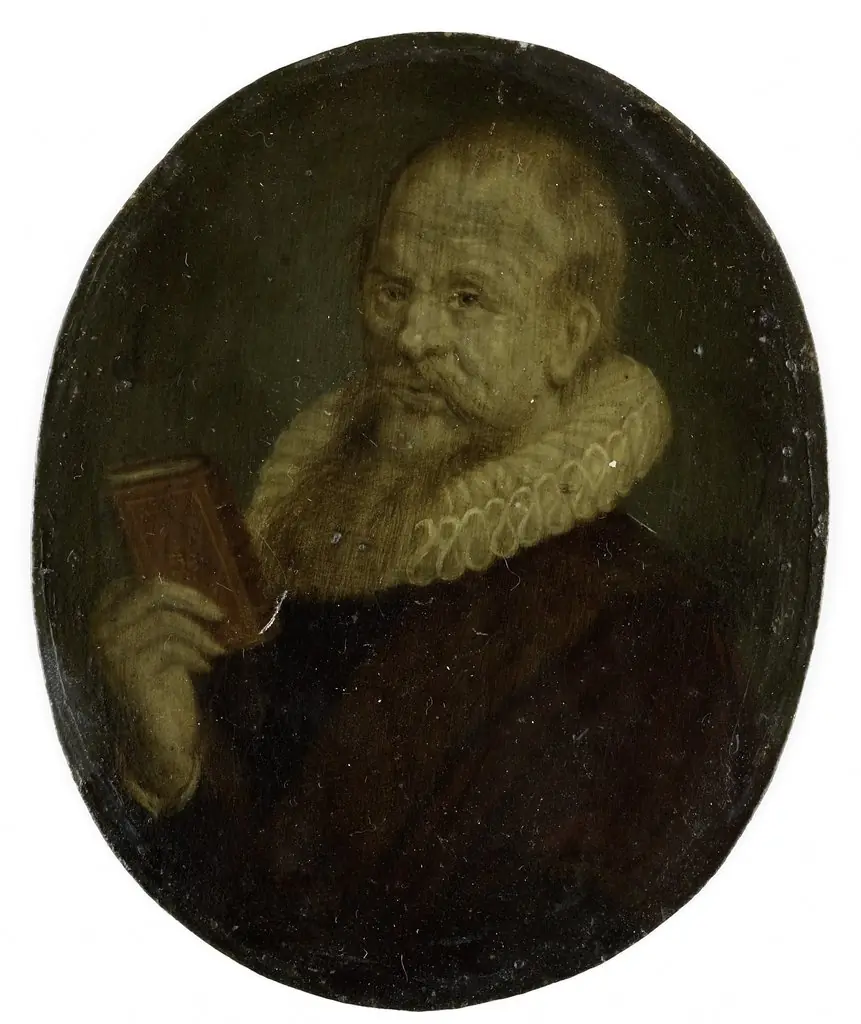 Portrait of Theodorus Schrevelius (1572-1653)
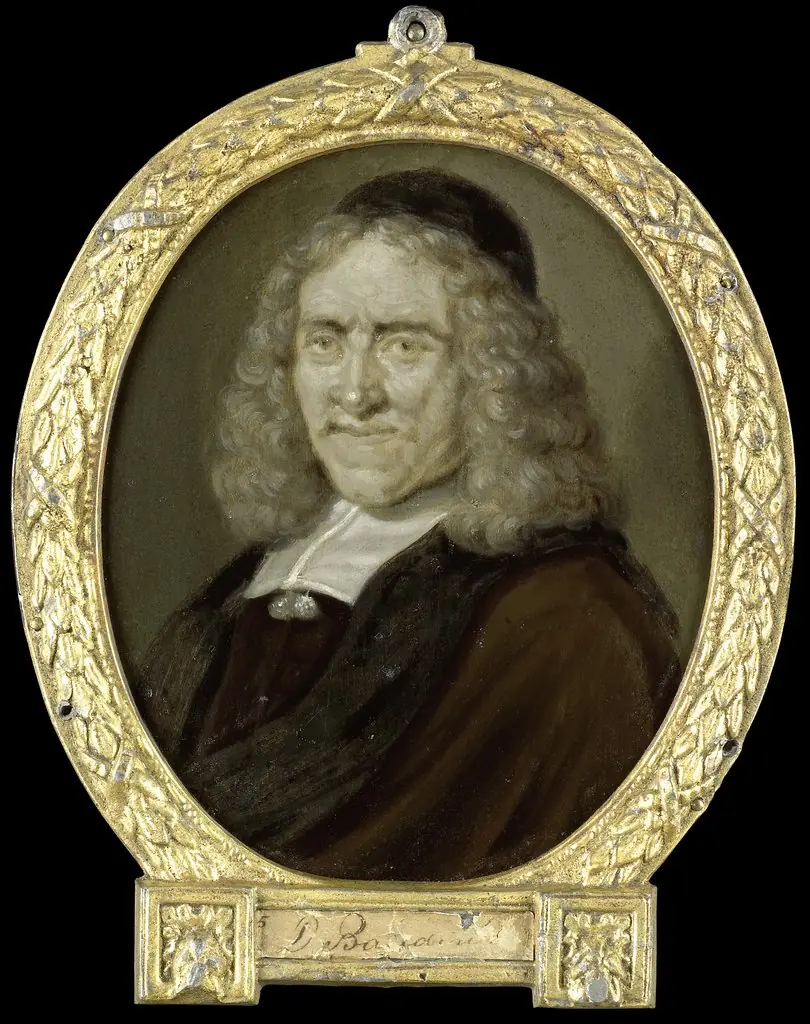 Portrait of Willem Jacobsz van Heemskerck, Poet and Engraver on Glass
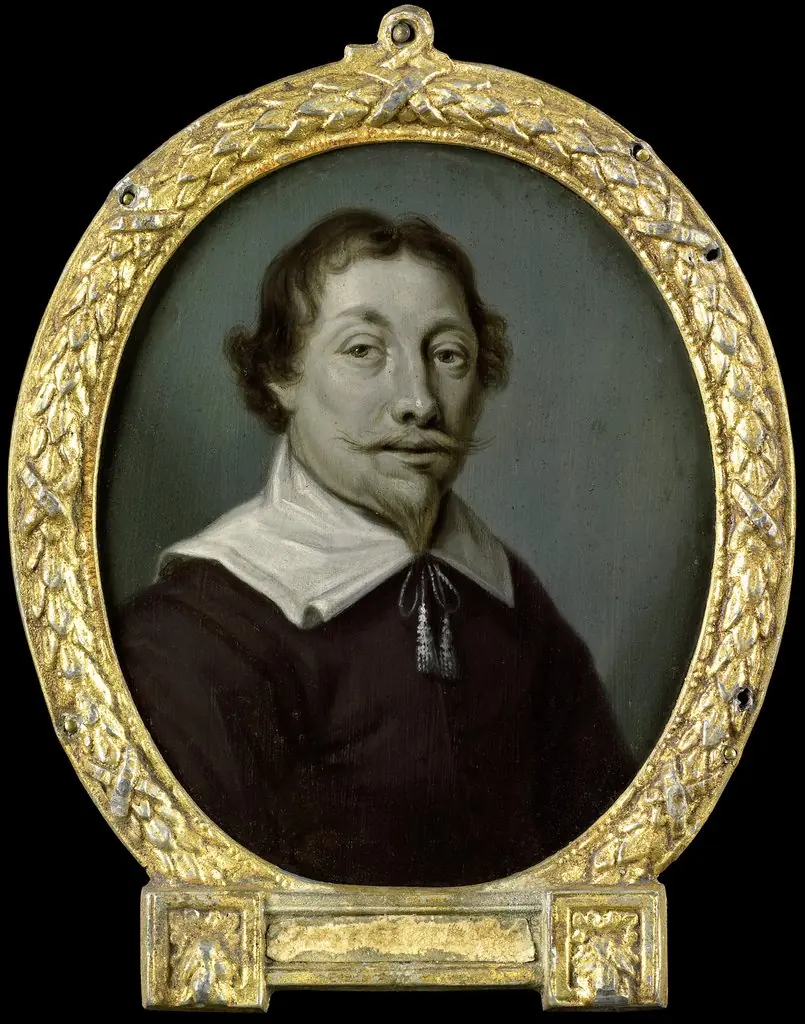 Portrait of Jan van der Veen, Pharmacist and Poet in Deventer
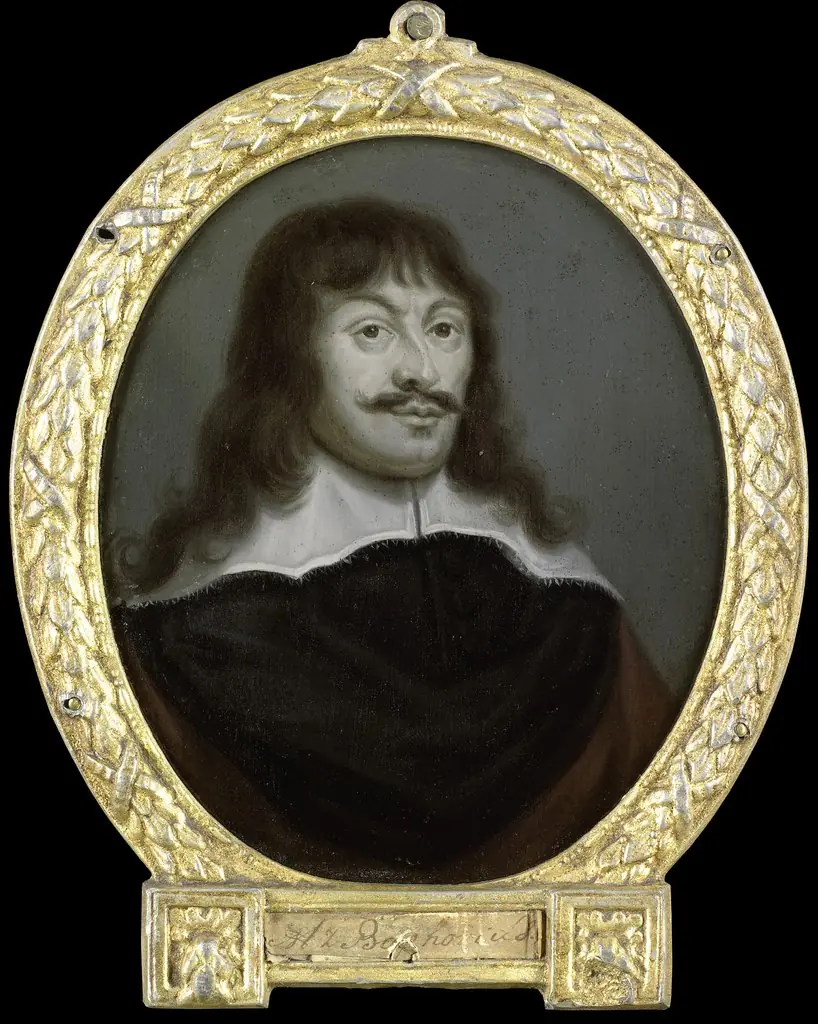 Portrait of Marcus Zuërius van Boxhorn, Historian and Professor at Leiden
 Nobil din sec. XVIII
 Marechal de Turenne
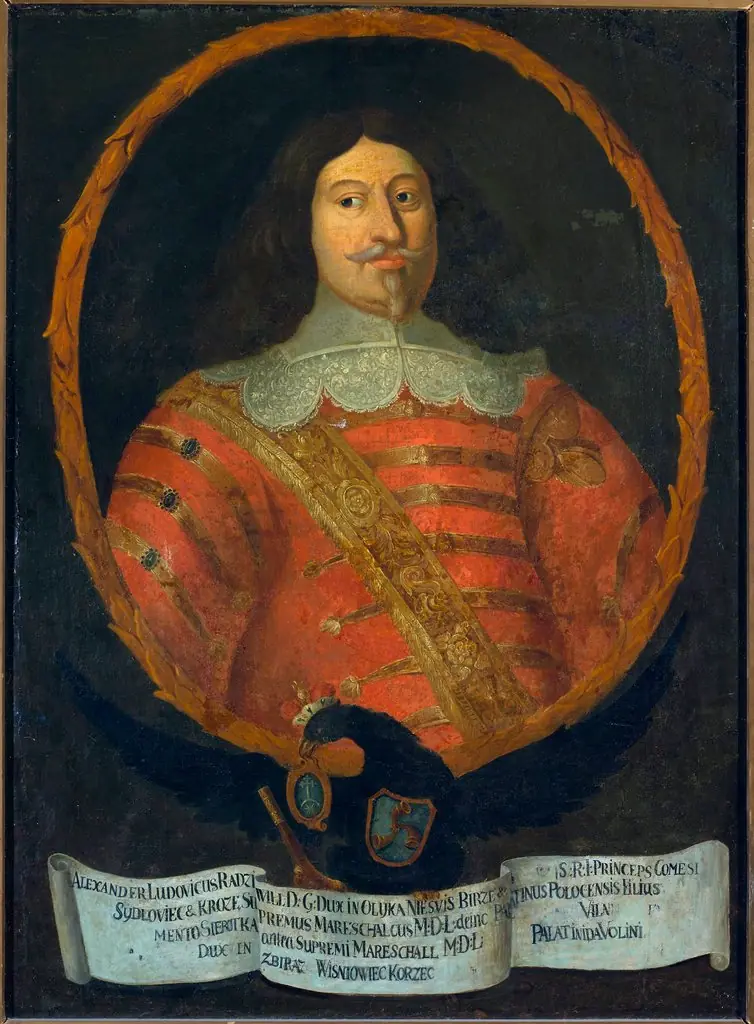 Portrait of Aleksander Ludwik Radziwiłł (1594–1654)
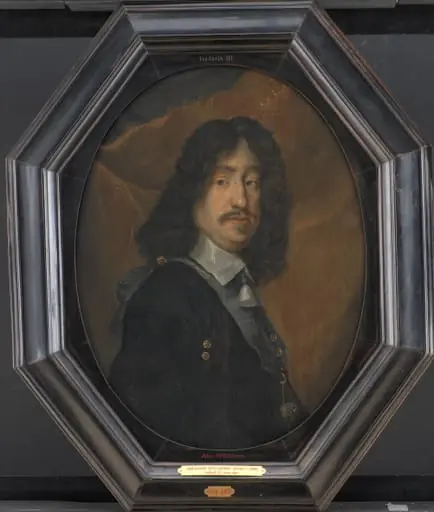 Frederik III
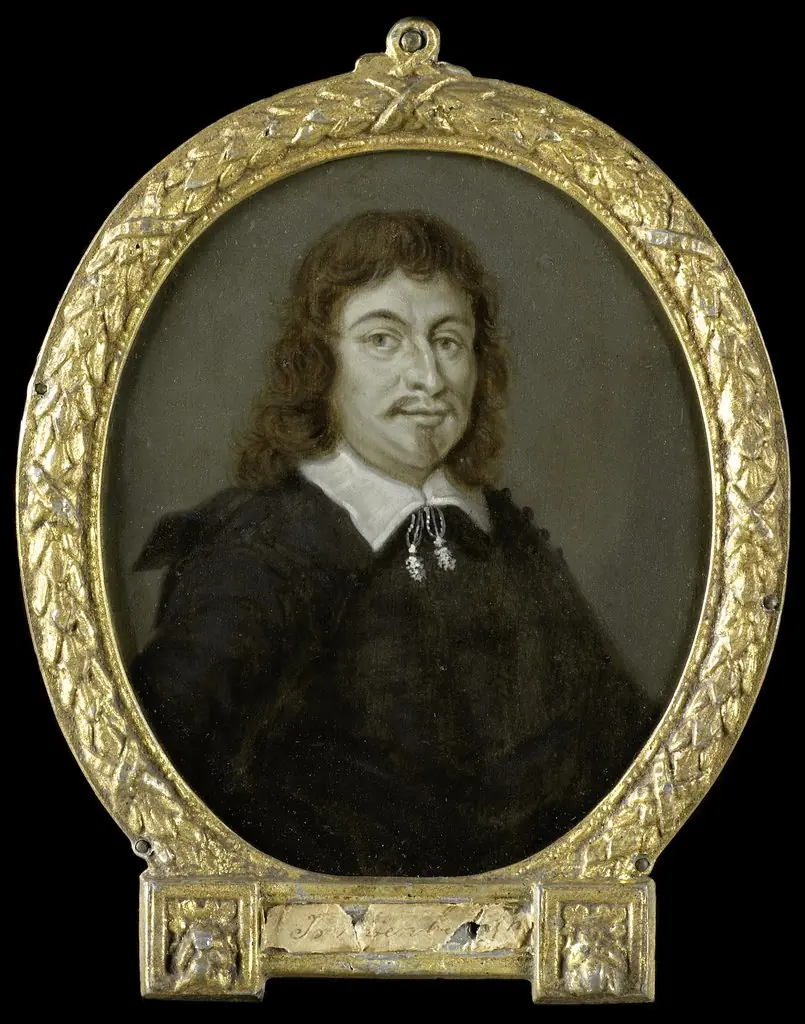 Portrait of Johan van Nijenborgh, Poet in Groningen
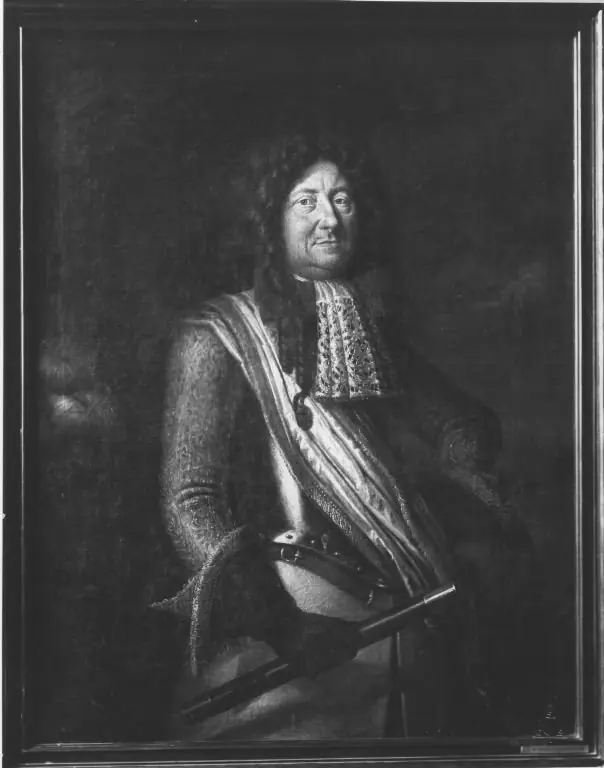 Unbekannter Feldmarschall (Prinz von Homburg?)
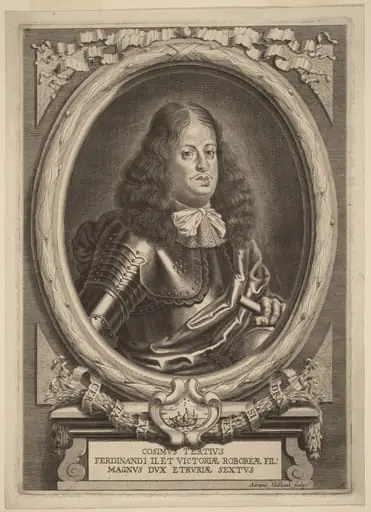 Cosimo III, Grand Duke of Tuscany
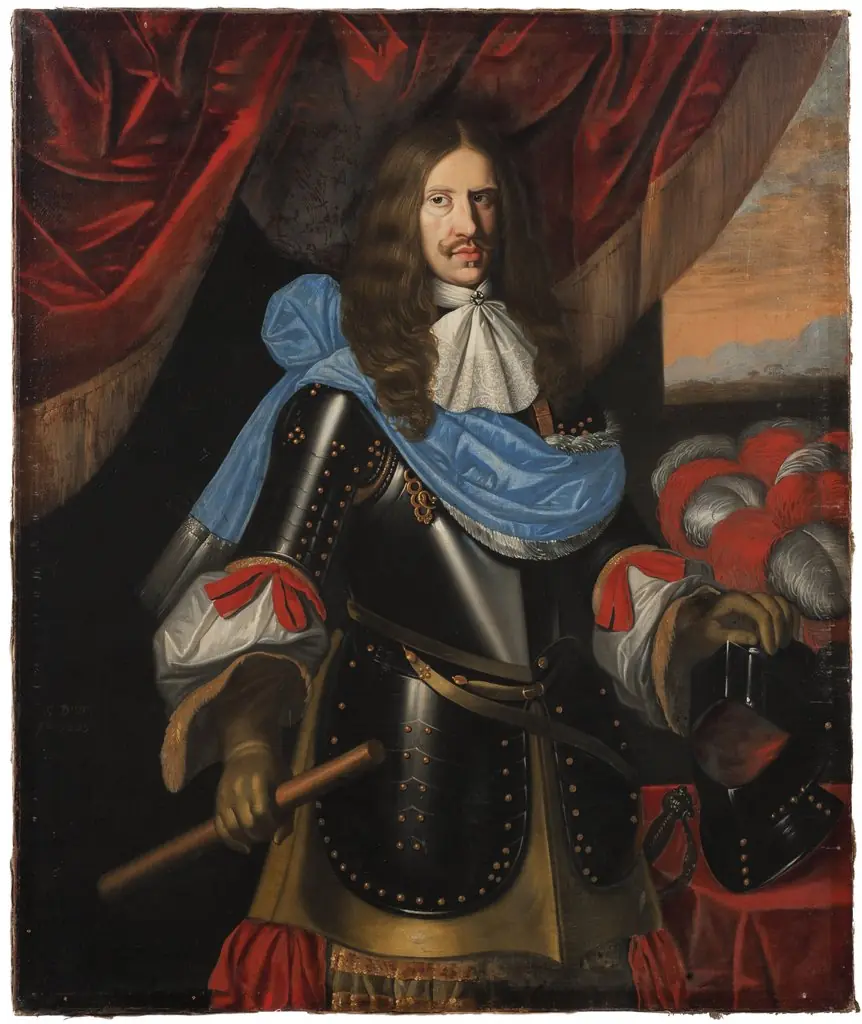 Ludvig VI, 1630-78, lantgreve av Hessen-Darmstadt
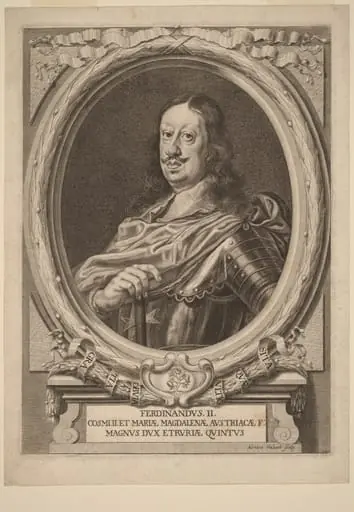 Ferdinando II, Grand Duke of Tuscany
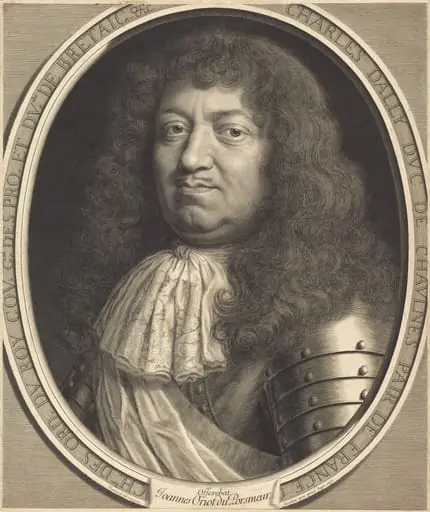 Charles, Duc de Chaulnes
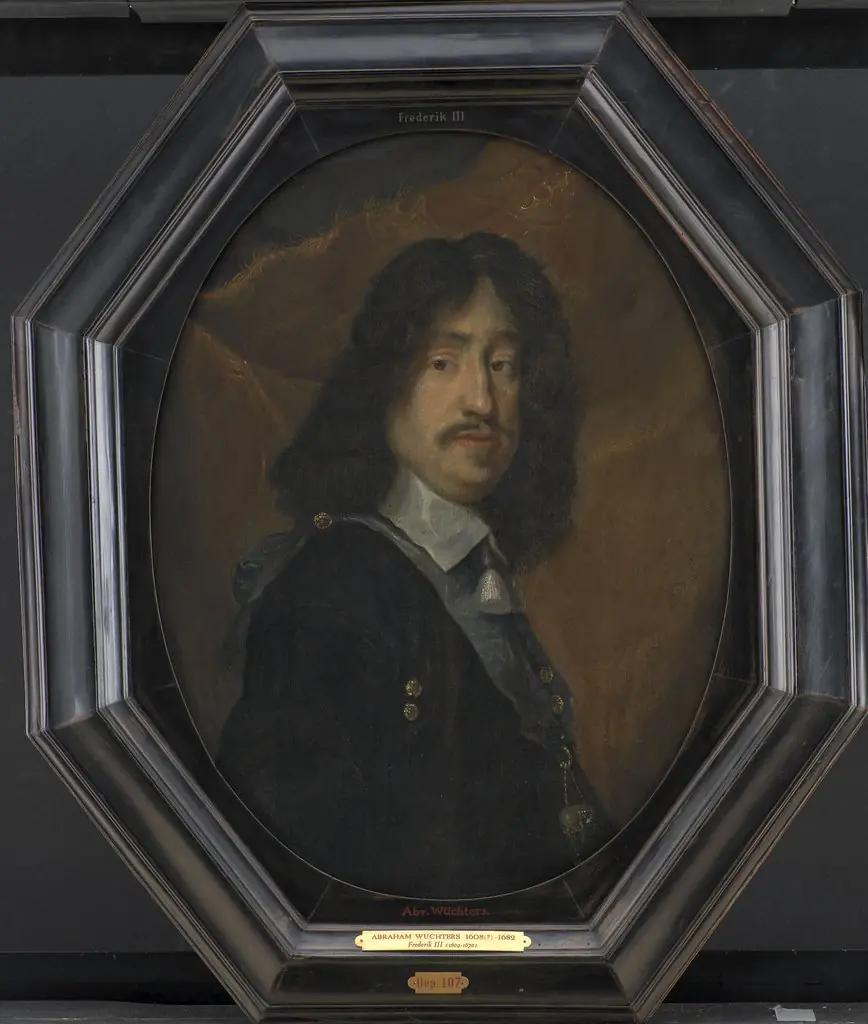 Frederik III
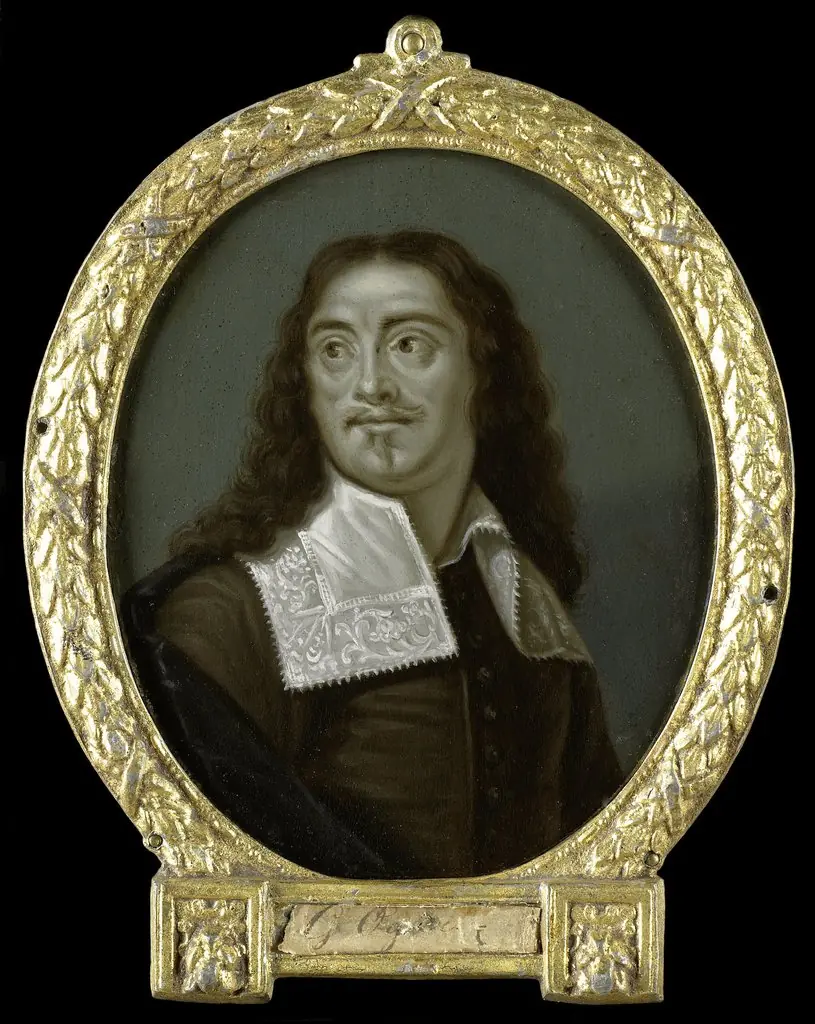 Portrait of Willem Ogier, Dramatic Poet in Antwerp