Artwork
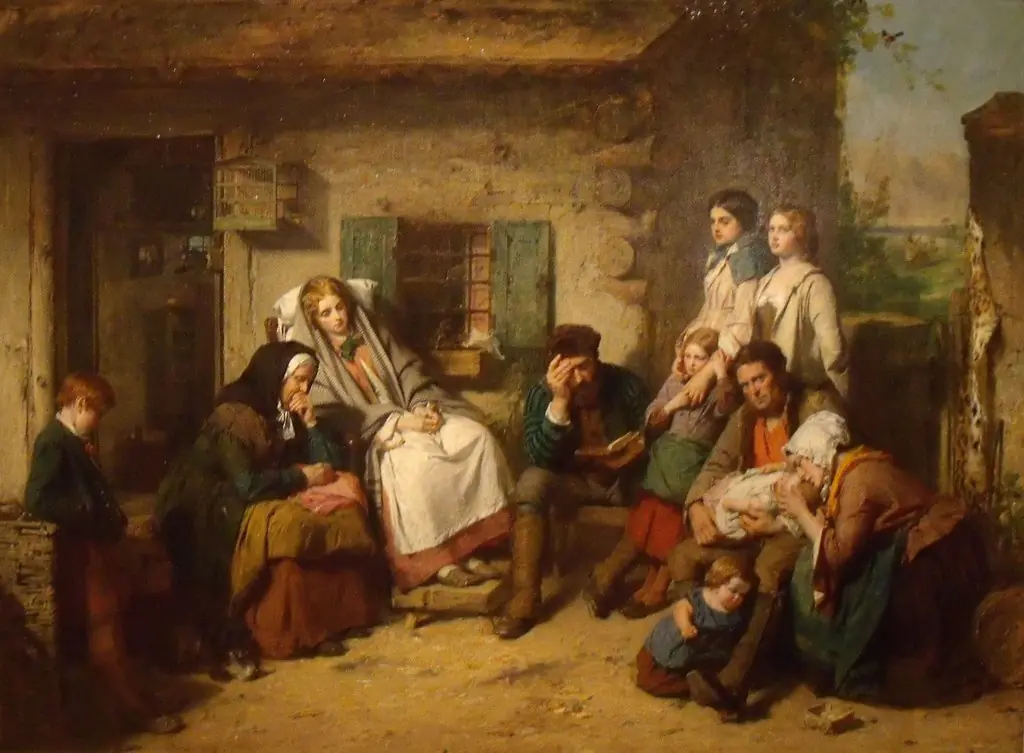
Prayer at the grave
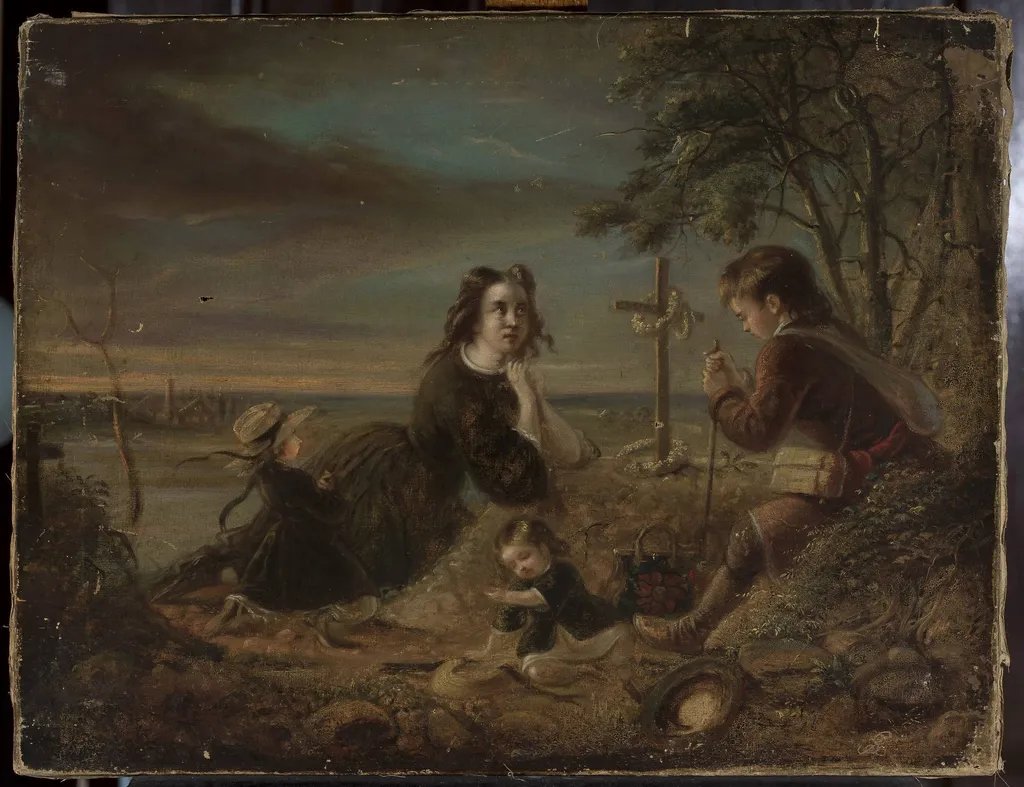
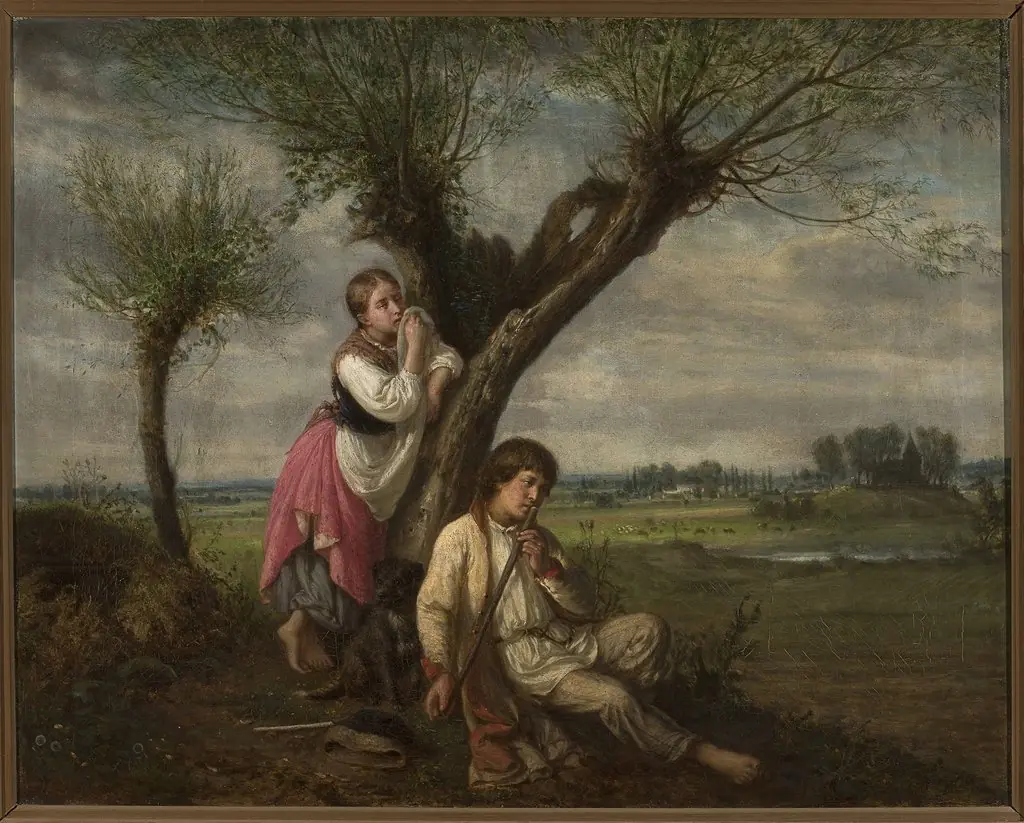
Prayer at the grave is an oil painting by the Realist artist Artur Grottger. It dates from 1862 and is held in the collection of the National Museum in Warsaw.
About this work
Overview
Painted around 1862 by Artur Grottger, *Prayer at the Grave* is an oil-on-canvas work reflecting the emotional gravity of Poland’s partitioned era.
Painted around 1862 by Artur Grottger, *Prayer at the Grave* is an oil-on-canvas work reflecting the emotional gravity of Poland’s partitioned era. Though Grottger’s life was brief, his output left a lasting imprint on Polish visual culture. The painting belongs to the Realist tradition, capturing a moment of private grief rather than grand historical narrative. It is now part of the National Museum in Warsaw’s permanent collection.
Subject & Meaning
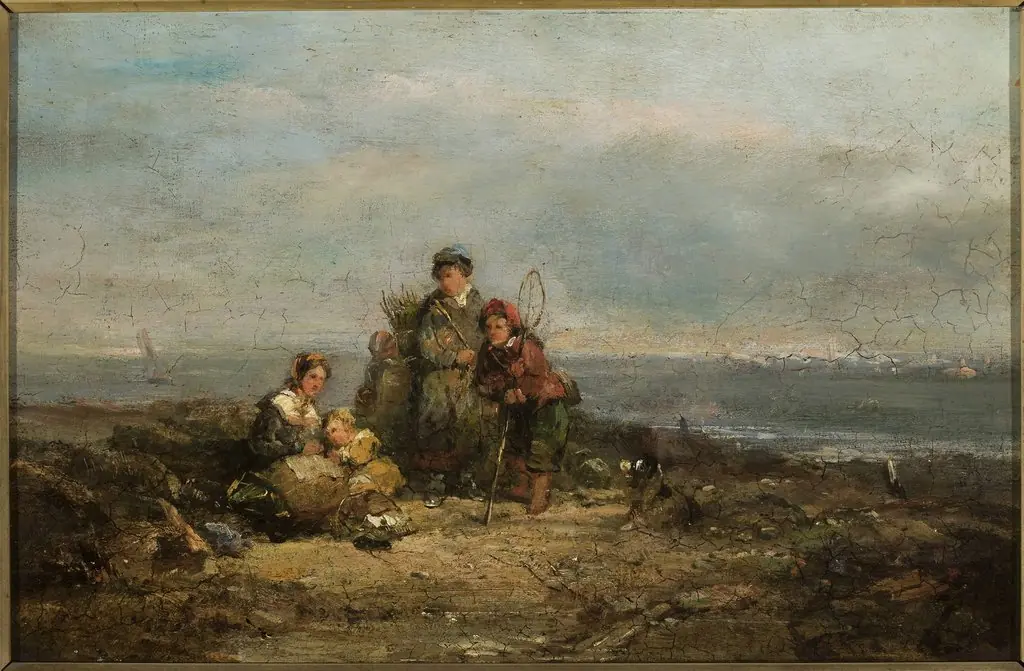
The scene portrays a small group gathered at a gravesite, their postures and attire suggesting rural mourning customs of the 19th century. A wooden cross marks the burial, and one figure holds a staff, possibly indicating a guide or elder. The quiet, unadorned composition emphasizes collective sorrow, evoking themes of loss, memory, and resilience amid national upheaval without overt symbolism.
Technique & Style
Grottger employed muted tones and soft brushwork to convey a somber atmosphere. The figures are rendered with restrained detail, their dark clothing blending into the hazy landscape. The background features a still body of water and a clouded sky, reinforcing the mood of stillness. The composition avoids dramatic lighting, favoring naturalistic observation aligned with Realist principles of the period.
History & Provenance
Created during Poland’s division among neighboring empires, the painting emerged from a cultural climate where art served as quiet resistance. Grottger, though not a political activist, infused his work with national sentiment. The painting entered the National Museum in Warsaw’s holdings in the late 19th or early 20th century, where it has remained as part of Poland’s artistic heritage.
Context
Poland’s loss of sovereignty in the late 18th century led artists to focus on intimate, everyday scenes as expressions of cultural identity. Grottger’s work, including this piece, responded to that need by depicting rural life and personal grief. Unlike grand historical paintings, this work anchors national feeling in the quiet dignity of ordinary people confronting loss.
Legacy
Though Grottger died young, his focus on emotional authenticity influenced later generations of Polish artists. *Prayer at the Grave* stands as an example of how Realism could convey collective memory without rhetoric. It continues to be studied for its understated portrayal of mourning and its role in shaping a visual language of national endurance during occupation.
Artist & collection
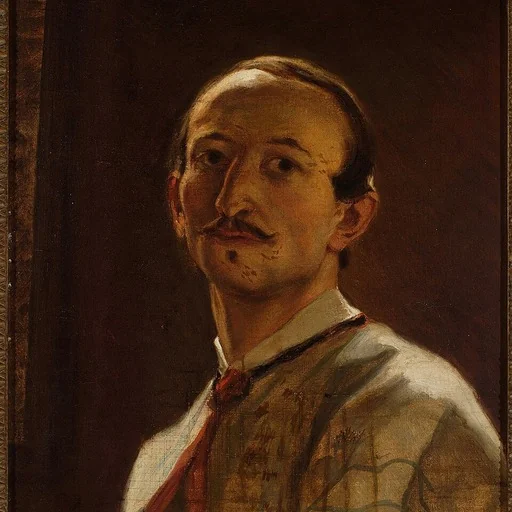
Artist
Artur Grottger (11 November 1837 – 13 December 1867) was a Polish Romantic painter and graphic artist, one of the most prominent artists of the mid 19th century under the partitions of Poland, despite a life cut short by incurable illness.

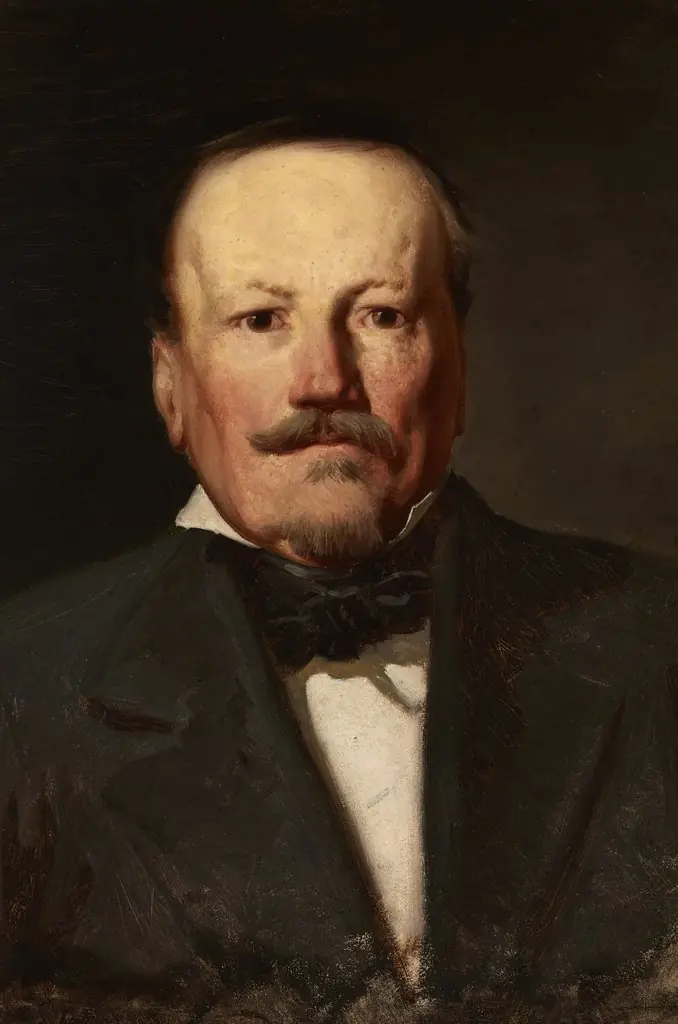 Portrait of a Man
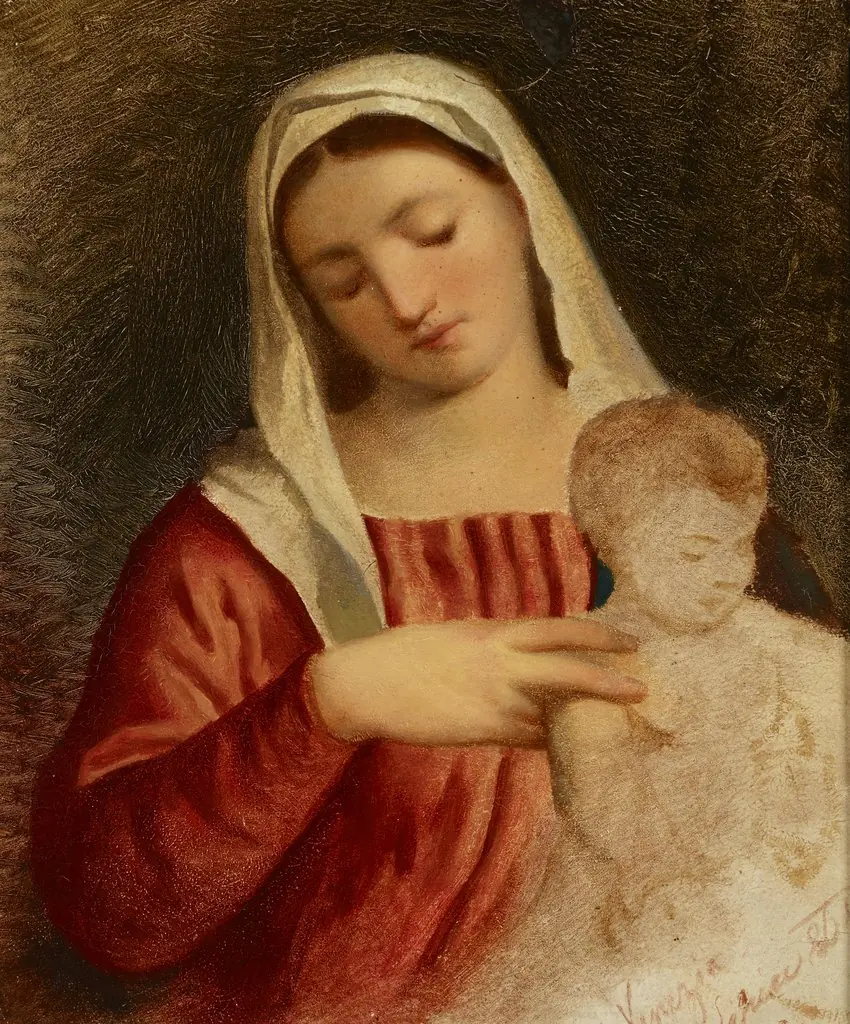 Madonna with Child – Copy of the fragment of the painting "Madonna with Child and Saints" by Bonifacio Veronese
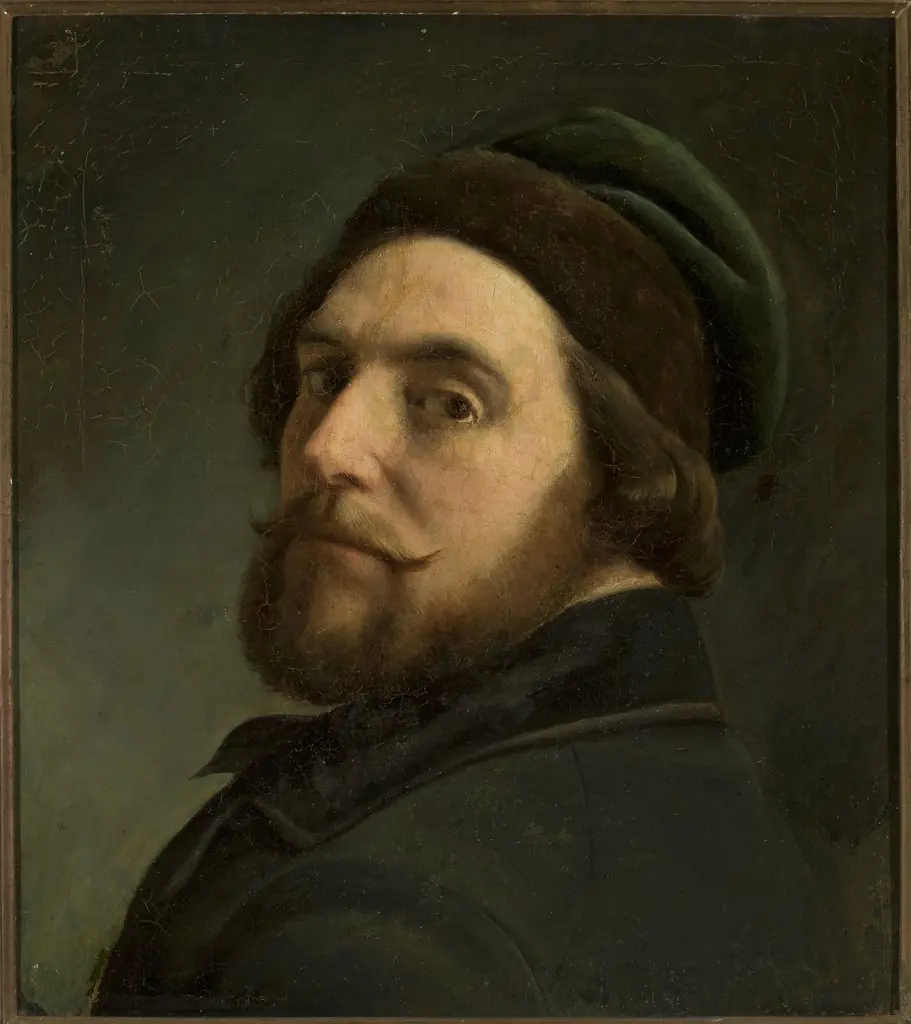 Male portrait
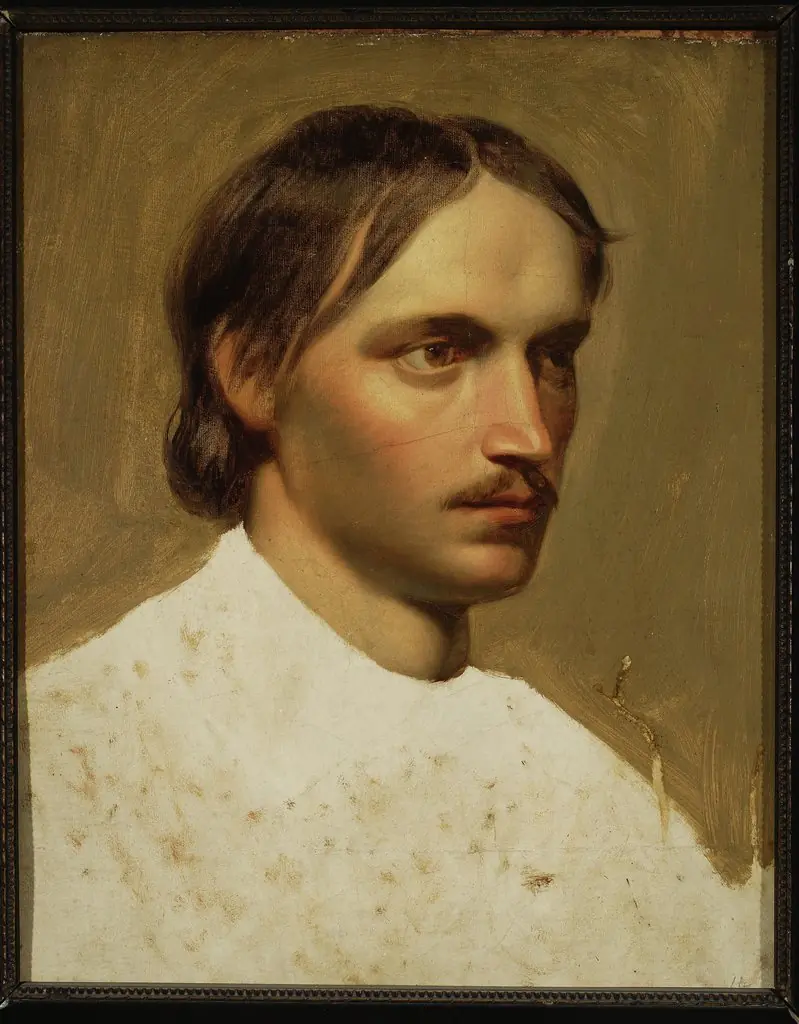 Portrait of Wincenty Chochlik Wasilewski (1849–1897)
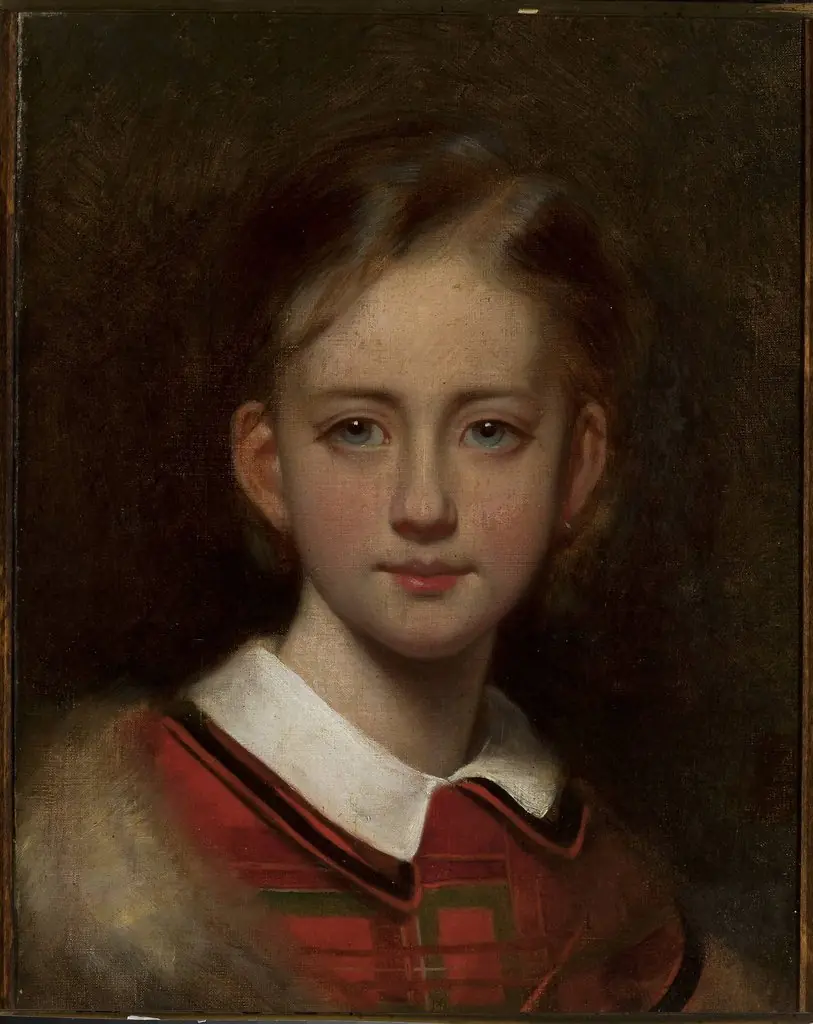 Portrait of a girl
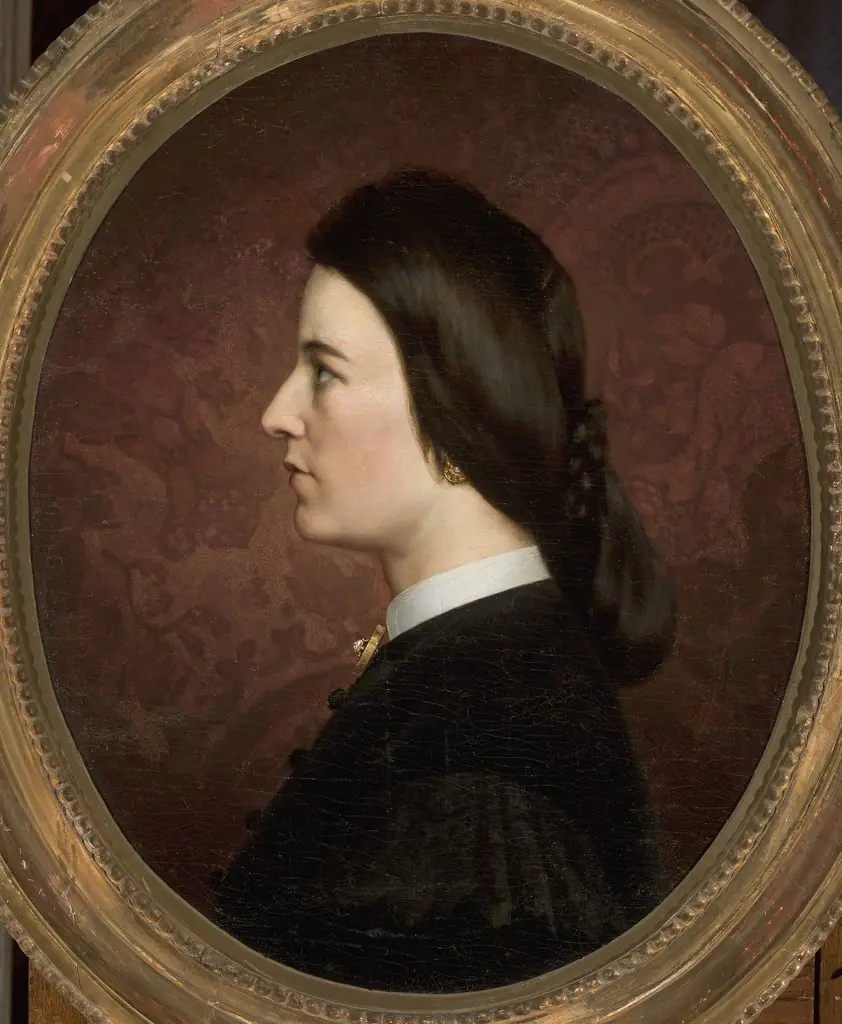 Portrait of Maria Sawiczewska, artist’s sister
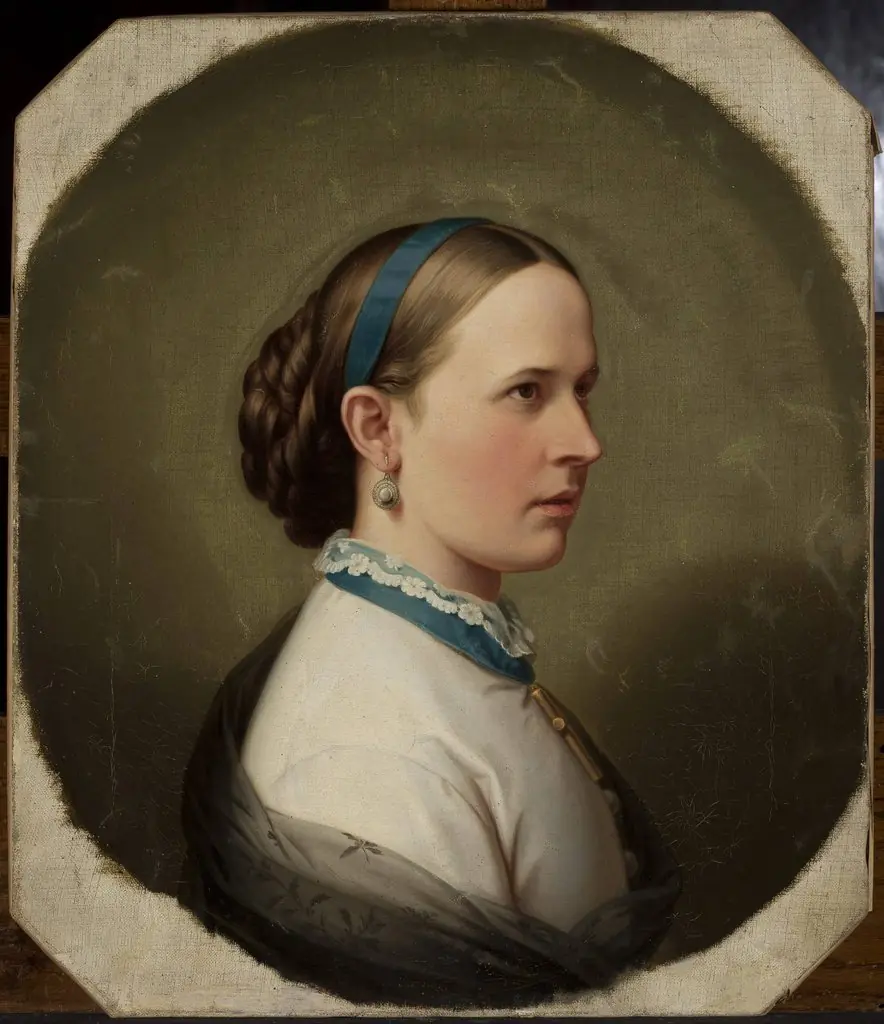 Portrait of a young woman
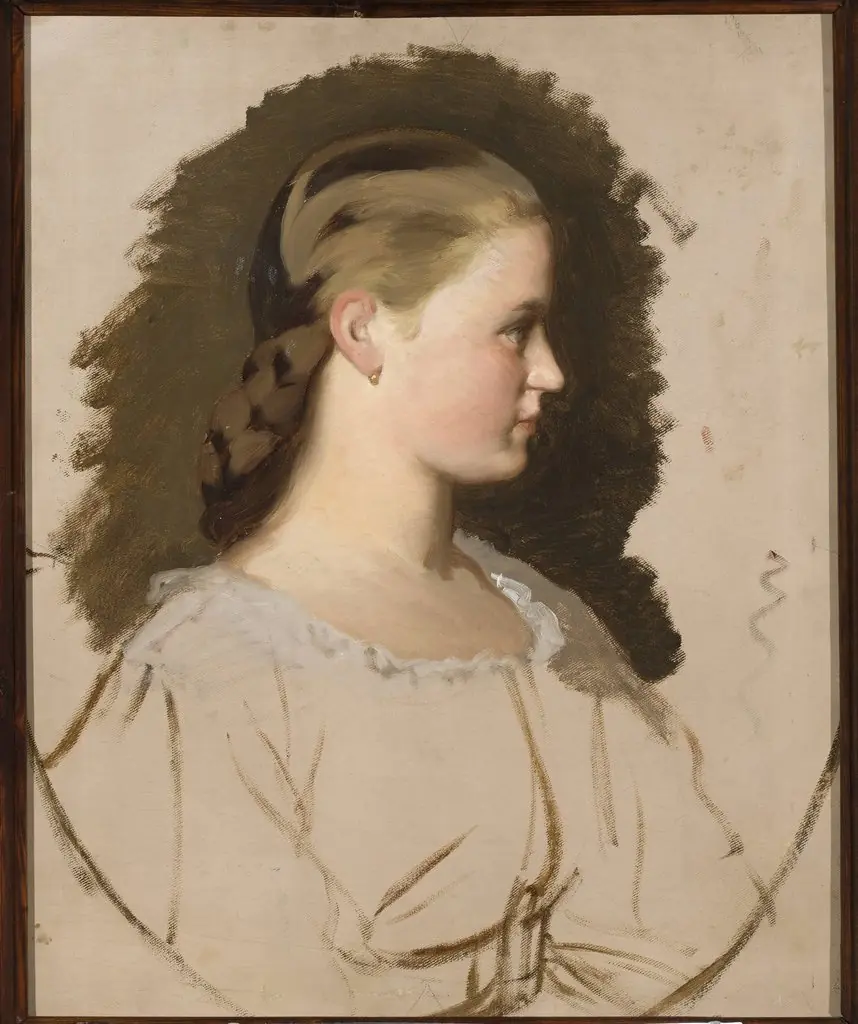 Portrait of Klementyna Szembek née Dzieduszycka, sketch