Artwork
Portrait of a Man
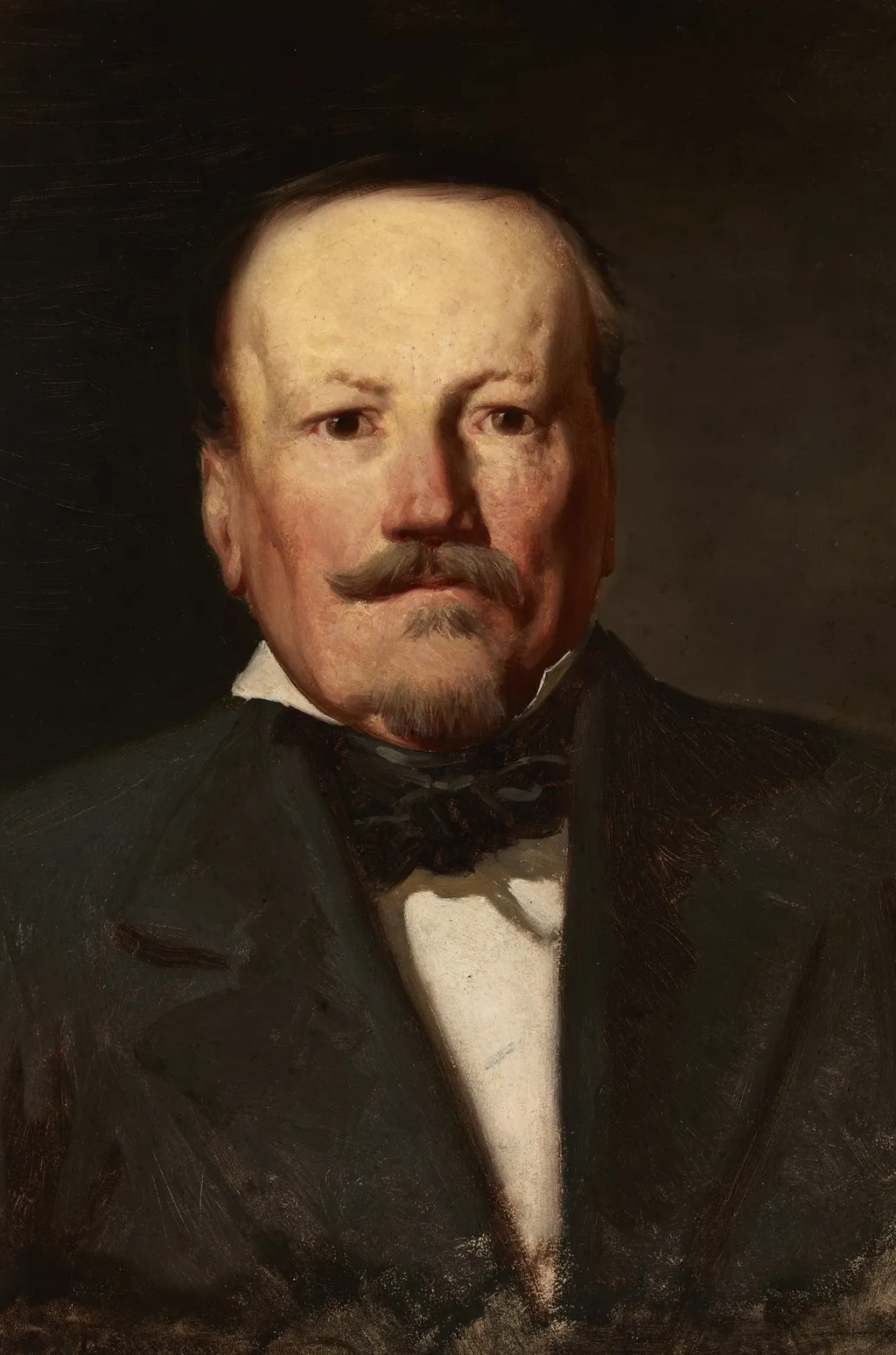
Portrait of a Man is an unspecified painting by the Realist artist Artur Grottger. It dates from 1860 and is held in the collection of the National Museum in Kraków.
About this work
Overview
Grottger, though frequently unwell, produced a significant body of work that resonated with Poland’s cultural identity under foreign rule.
Painted in 1860 by Artur Grottger, this portrait captures a Polish man with quiet dignity. Created during a period of national fragmentation, the work reflects the artist’s engagement with Realism, prioritizing truthful representation over idealization. Grottger, though frequently unwell, produced a significant body of work that resonated with Poland’s cultural identity under foreign rule. The painting resides today in the National Museum in Kraków.
Subject & Meaning
The subject is an unidentified man, likely a member of the Polish intelligentsia or bourgeoisie, portrayed without ornamentation or symbolic props. His composed expression and formal attire suggest social standing and personal restraint. The absence of context or narrative elements directs attention to the individual’s presence, emphasizing inner character over external circumstance—a hallmark of Grottger’s humanist approach.
Technique & Style
Grottger employed subtle gradations of tone to model the man’s face, using smooth brushwork to achieve a lifelike softness. Light falls gently across the forehead and cheekbones, creating a warm contrast with the deep shadows of the suit and background. The technique echoes sfumato, though adapted with restrained precision, avoiding theatricality in favor of quiet realism. The dark, unbroken background isolates the figure, enhancing psychological immediacy.
History & Provenance
The painting was completed in 1860, during Grottger’s most productive years, despite his declining health. It entered the collection of the National Museum in Kraków in the late 19th century, likely through acquisition or donation from a private Polish collector. Its preservation reflects its recognition as a representative work of mid-century Polish portraiture, valued for its technical restraint and emotional clarity.
Context
Poland was partitioned among three empires when Grottger painted this portrait, suppressing national institutions and cultural expression. Artists like him turned to intimate, non-political subjects to preserve identity. Portraits of ordinary yet dignified individuals became quiet acts of cultural resistance. This work, devoid of overt nationalism, still affirmed the dignity of Polish life under occupation.
Legacy
Grottger’s portraits, including this one, influenced later generations of Polish realists by demonstrating how emotional depth could emerge from understated observation. Though less known internationally, his focus on individual presence over grand narrative helped shape a distinctly Polish mode of portraiture. The painting remains a reference point for studies of 19th-century Polish visual culture.
Own this work as a print
Artist & collection
Artist
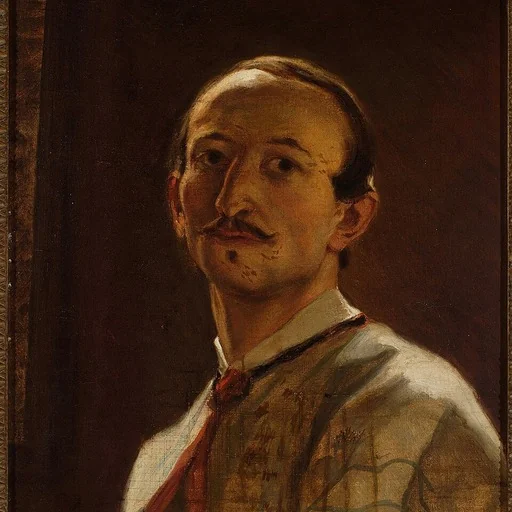
Artur Grottger (11 November 1837 – 13 December 1867) was a Polish Romantic painter and graphic artist, one of the most prominent artists of the mid 19th century under the partitions of Poland, despite a life cut short by incurable illness.

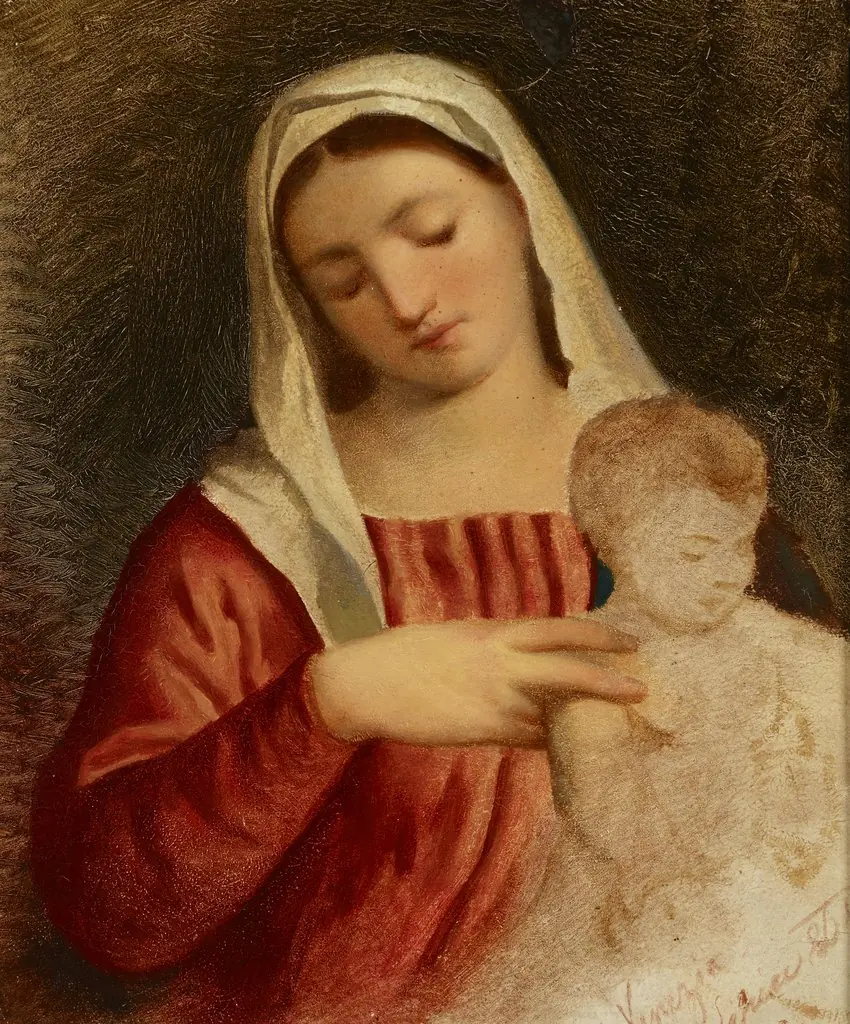 Madonna with Child – Copy of the fragment of the painting "Madonna with Child and Saints" by Bonifacio Veronese
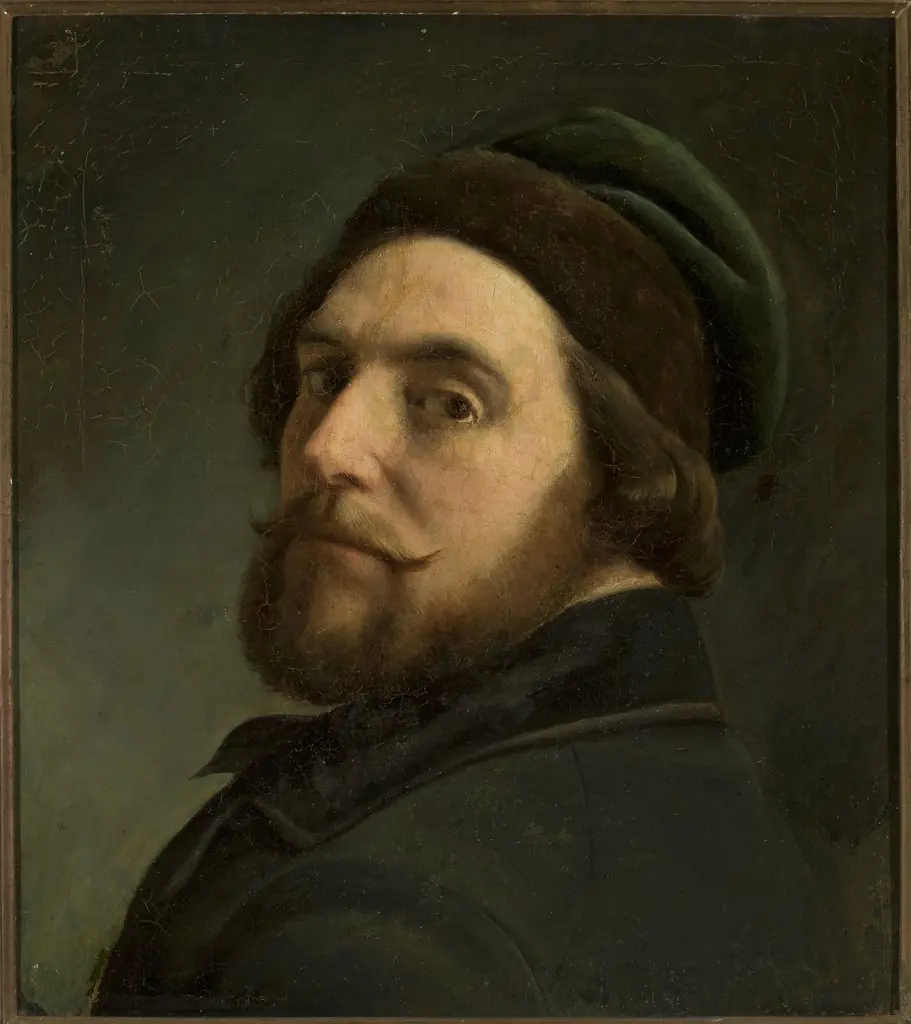 Male portrait
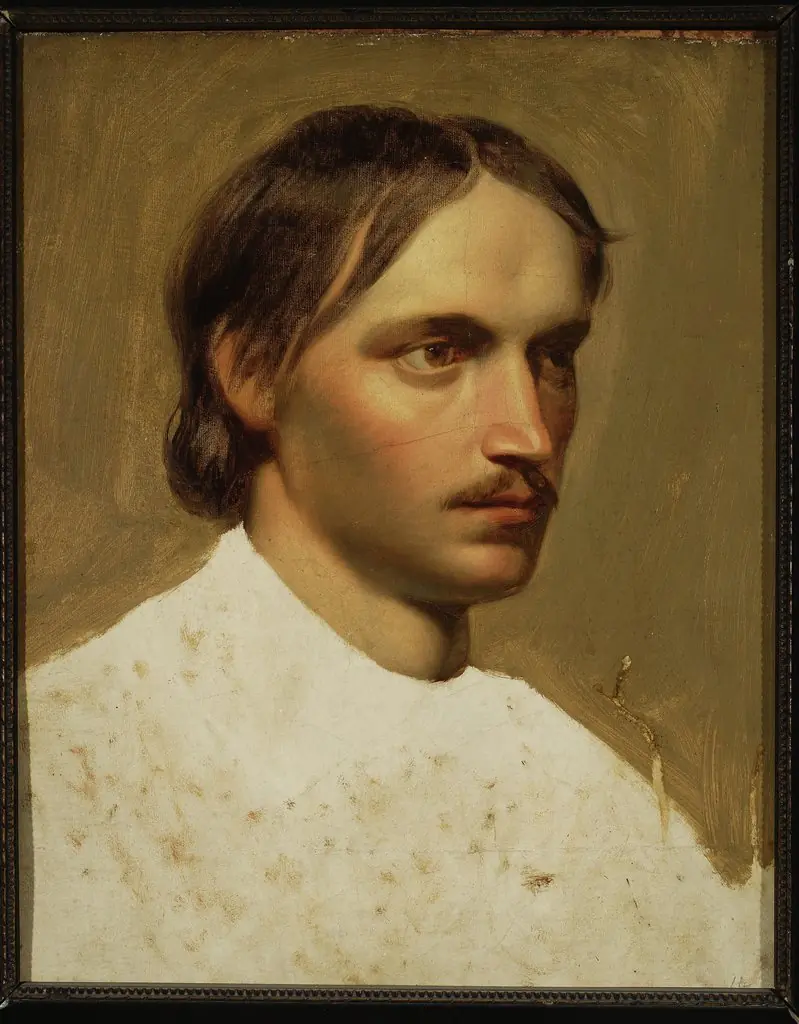 Portrait of Wincenty Chochlik Wasilewski (1849–1897)
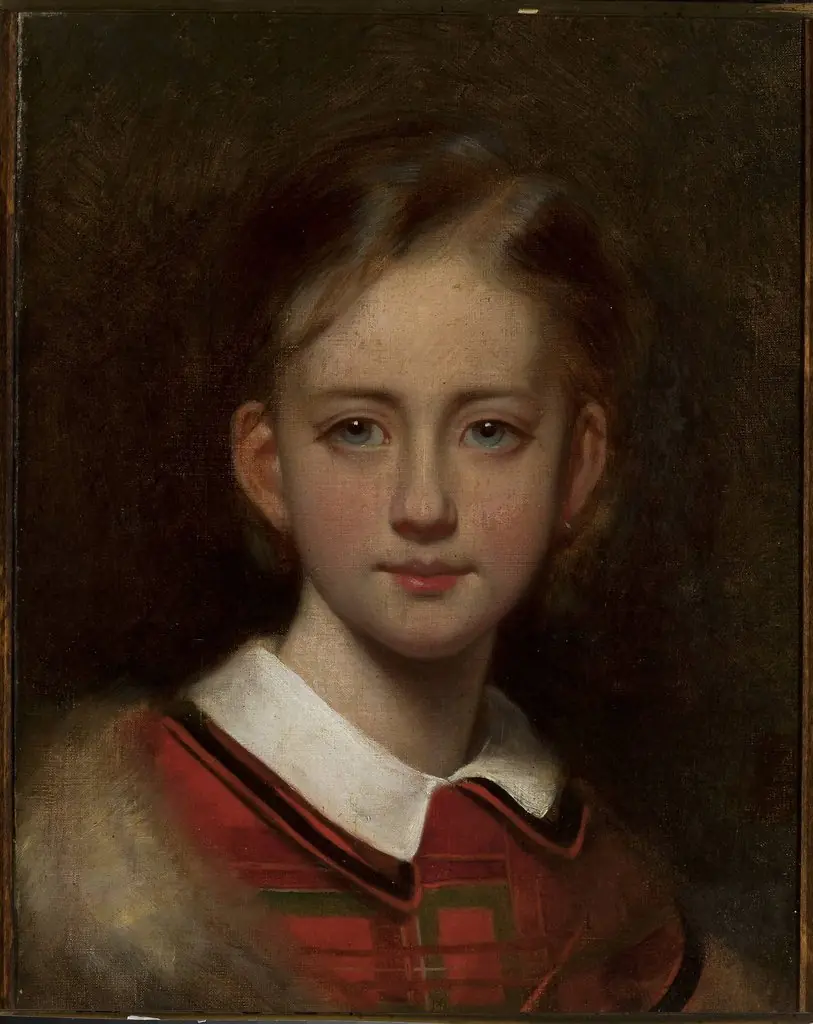 Portrait of a girl
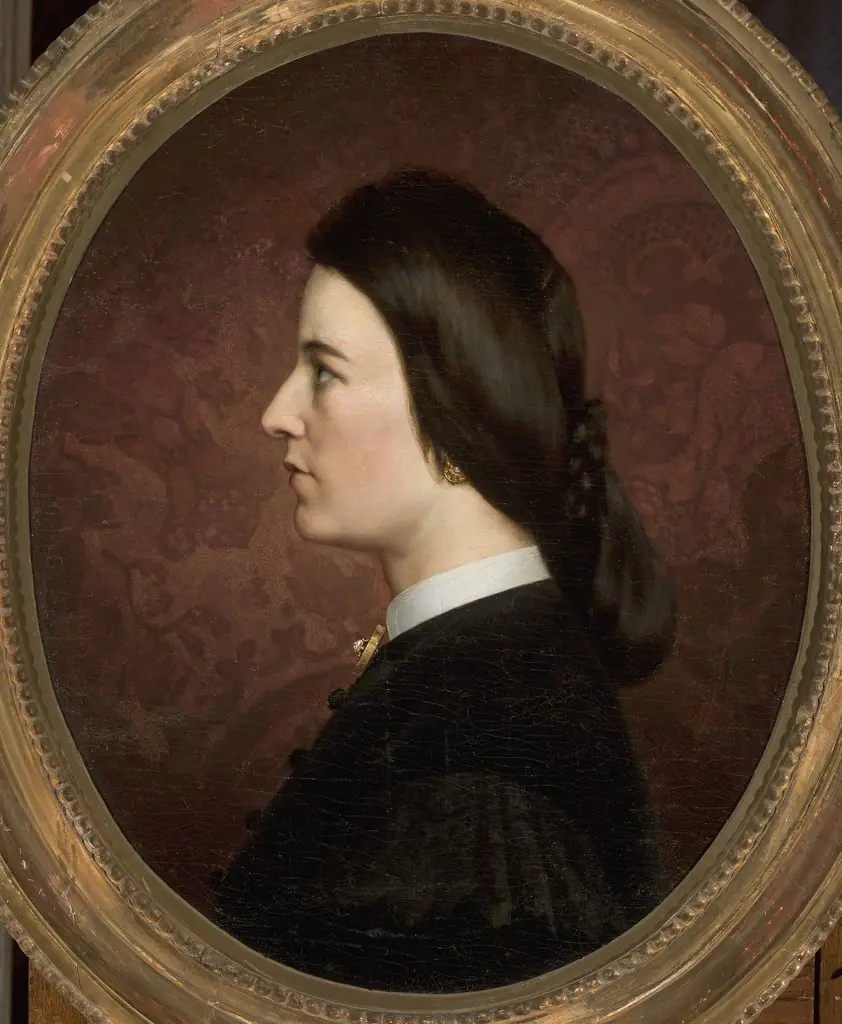 Portrait of Maria Sawiczewska, artist’s sister
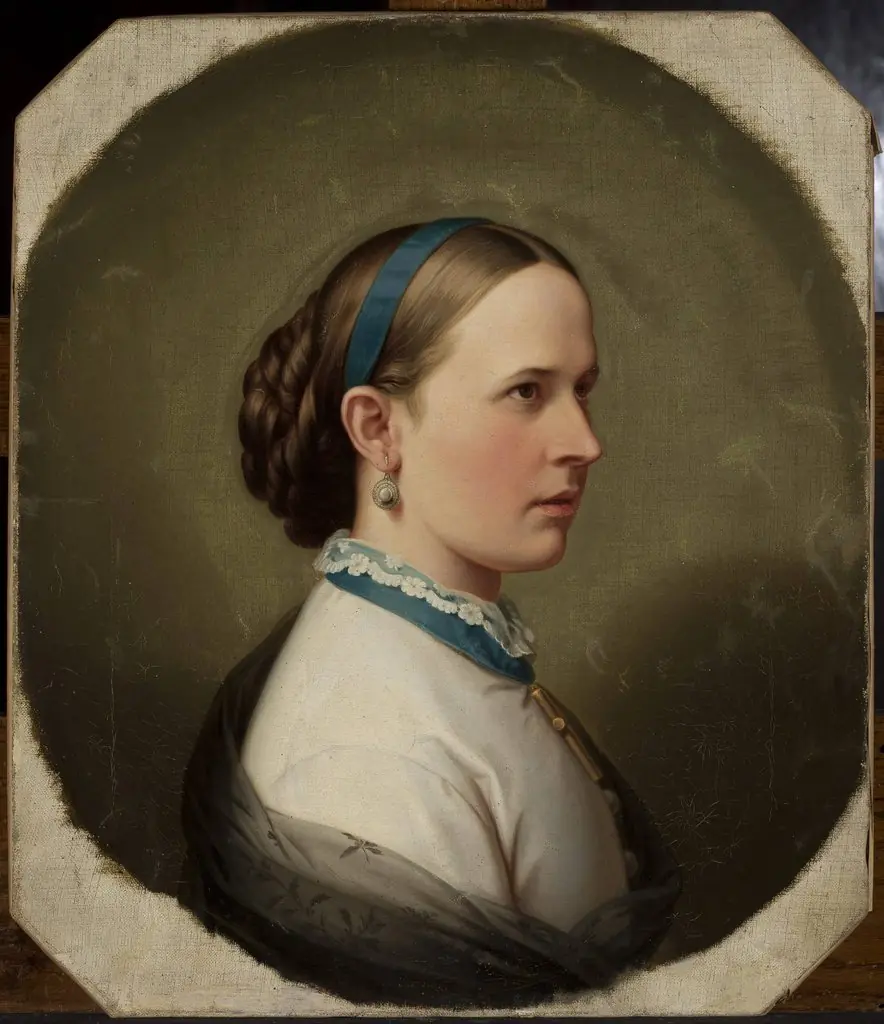 Portrait of a young woman
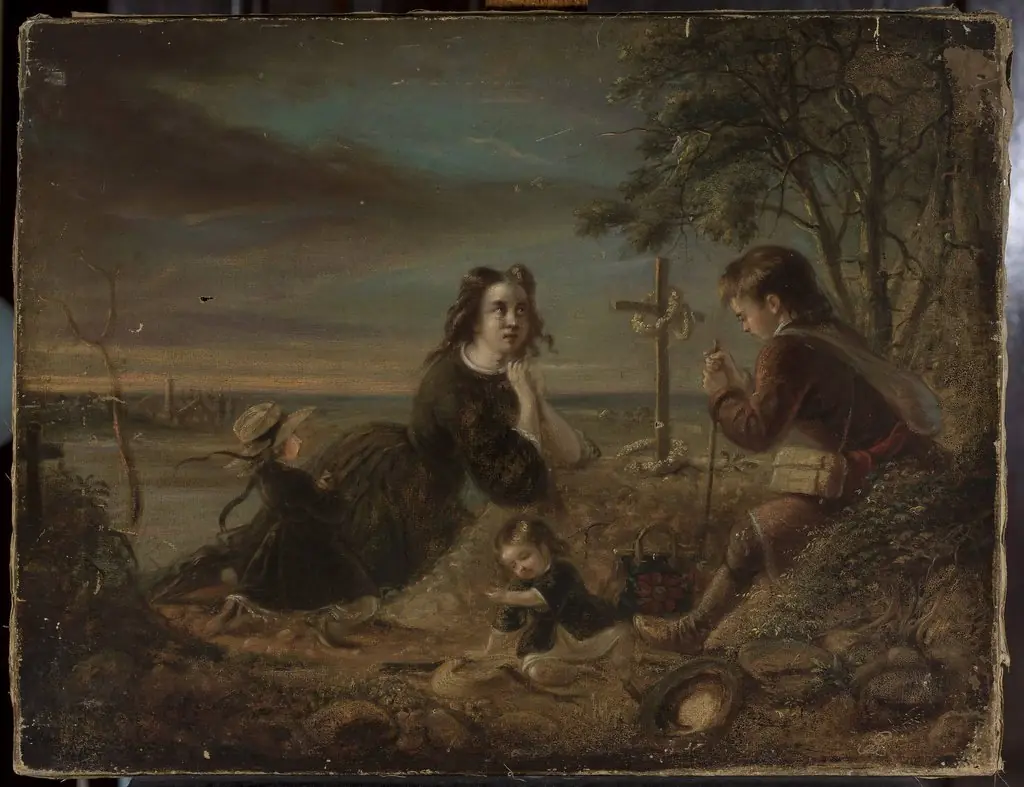 Prayer at the grave
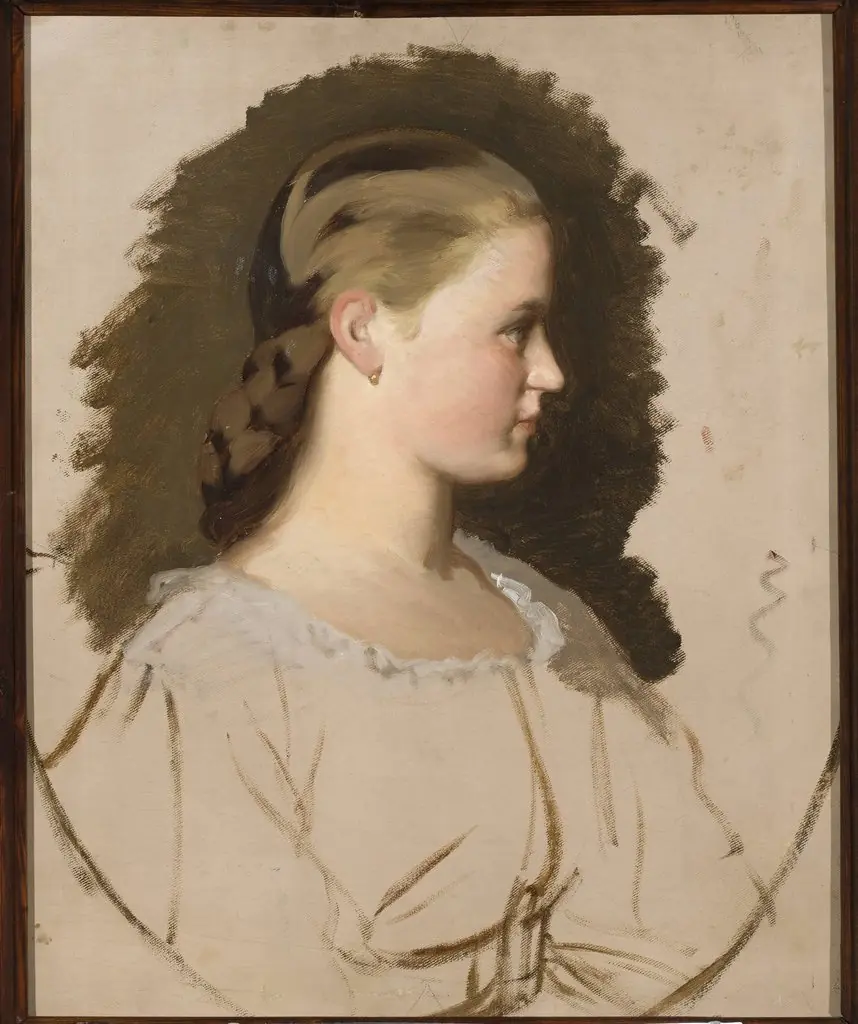 Portrait of Klementyna Szembek née Dzieduszycka, sketch
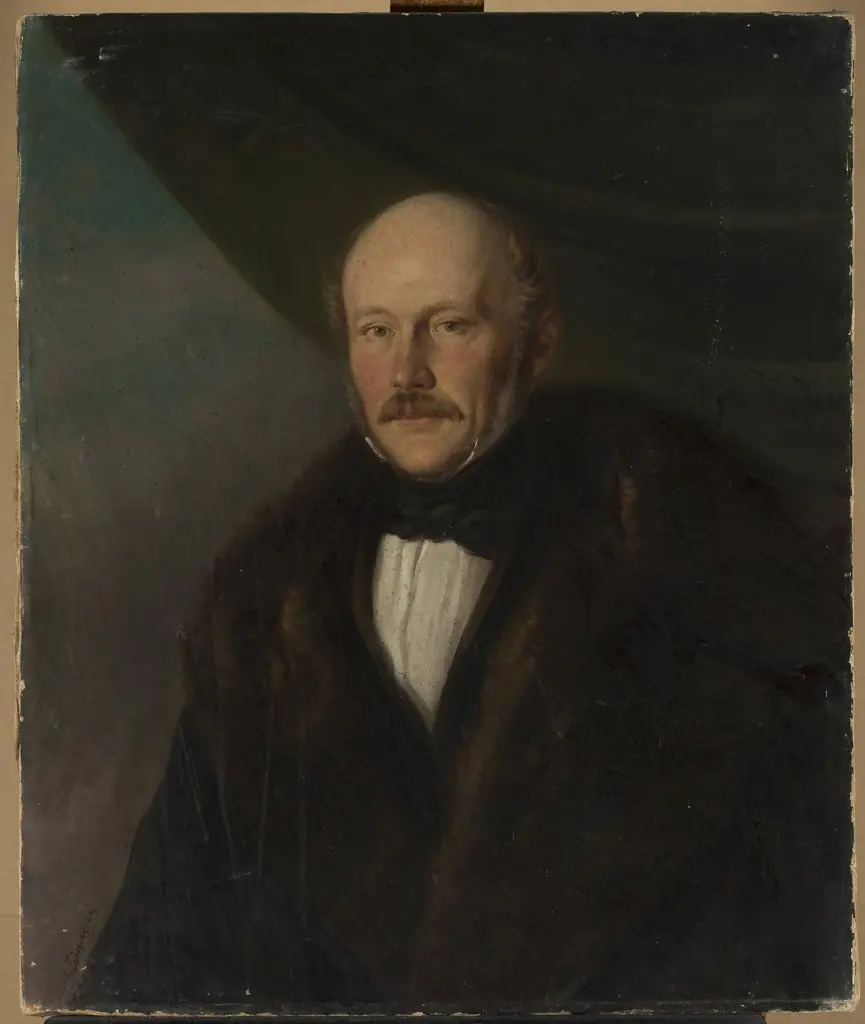 Portrait of Edward Szydłowski
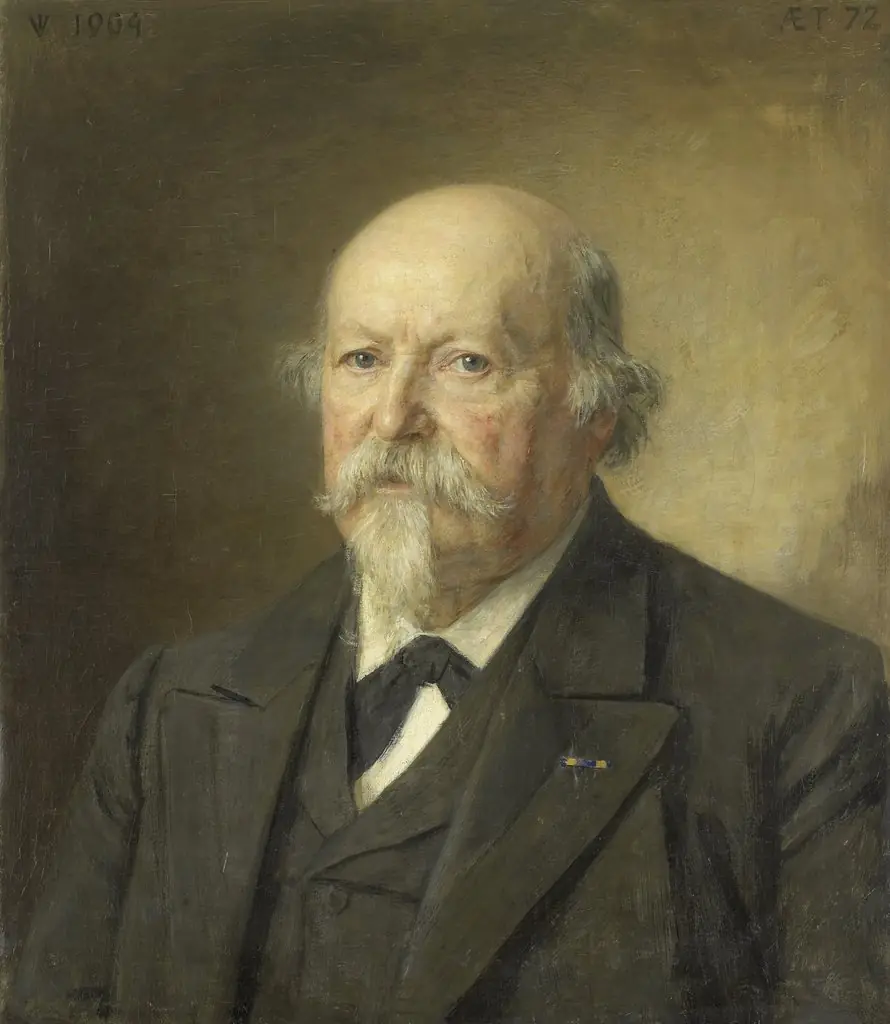 Portrait of Johan Philip van der Kellen (1831-1906). Director of the Rijksprentenkabinet (1876-96)
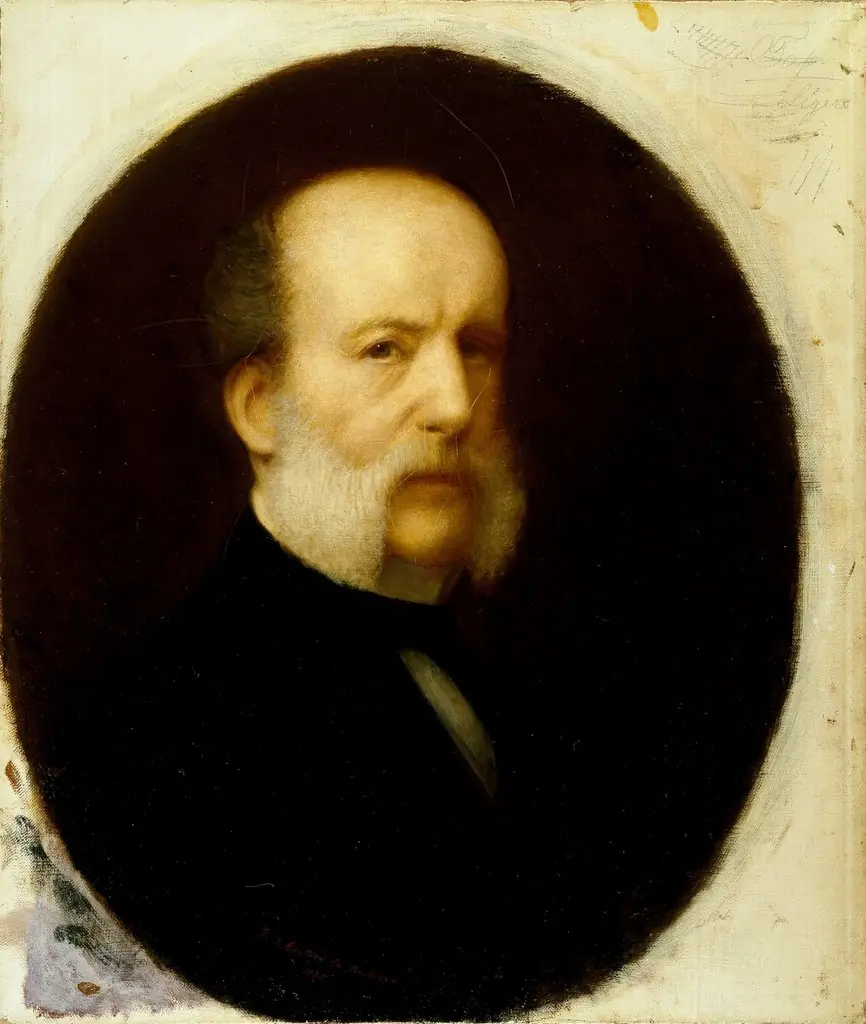 Self-portrait
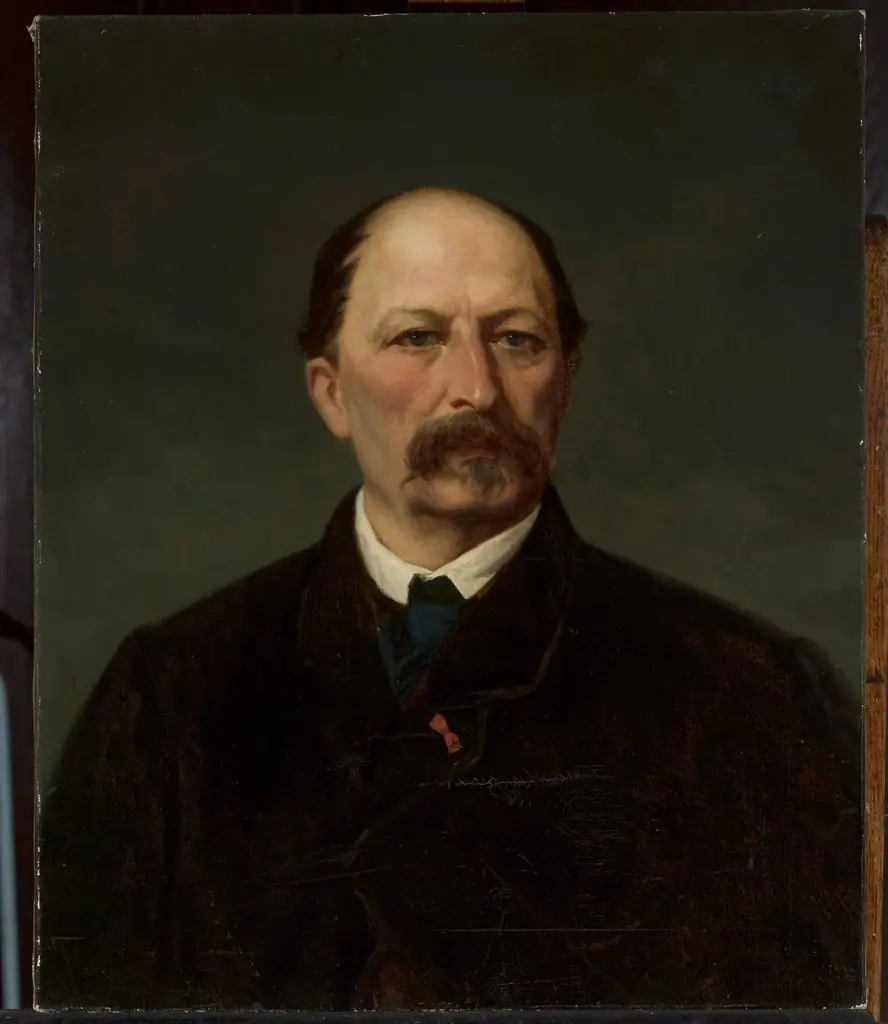 Portrait of Ksawery Branicki
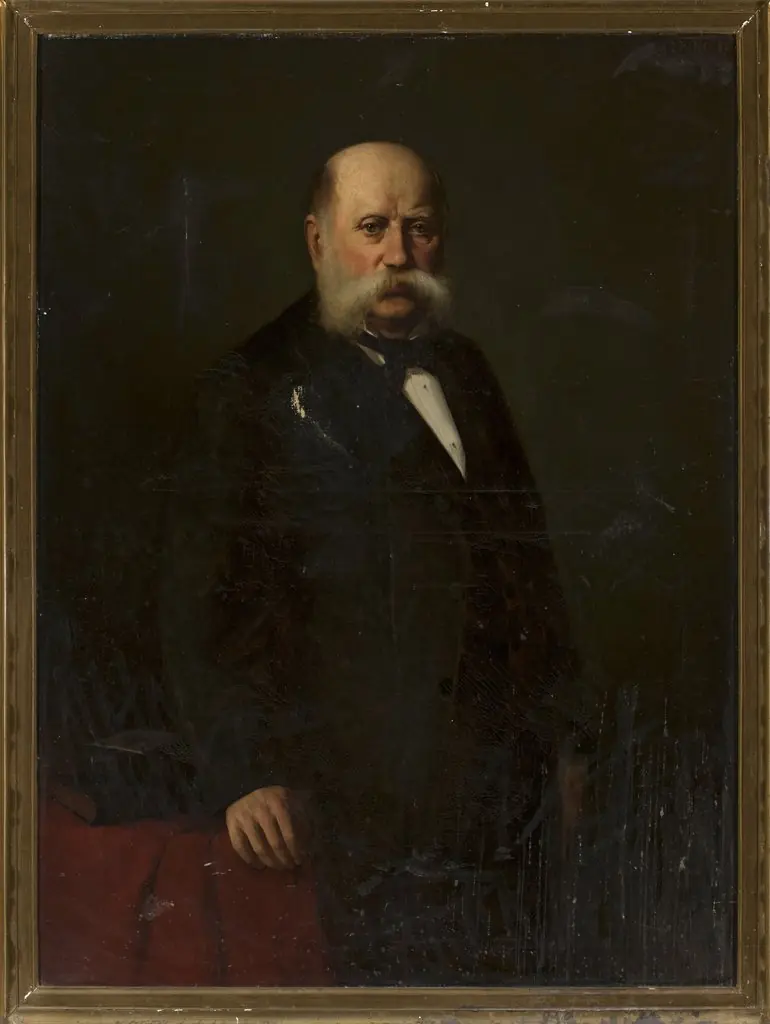 Portrait of a man with grey side-whiskers
 Kemény Zsigmond
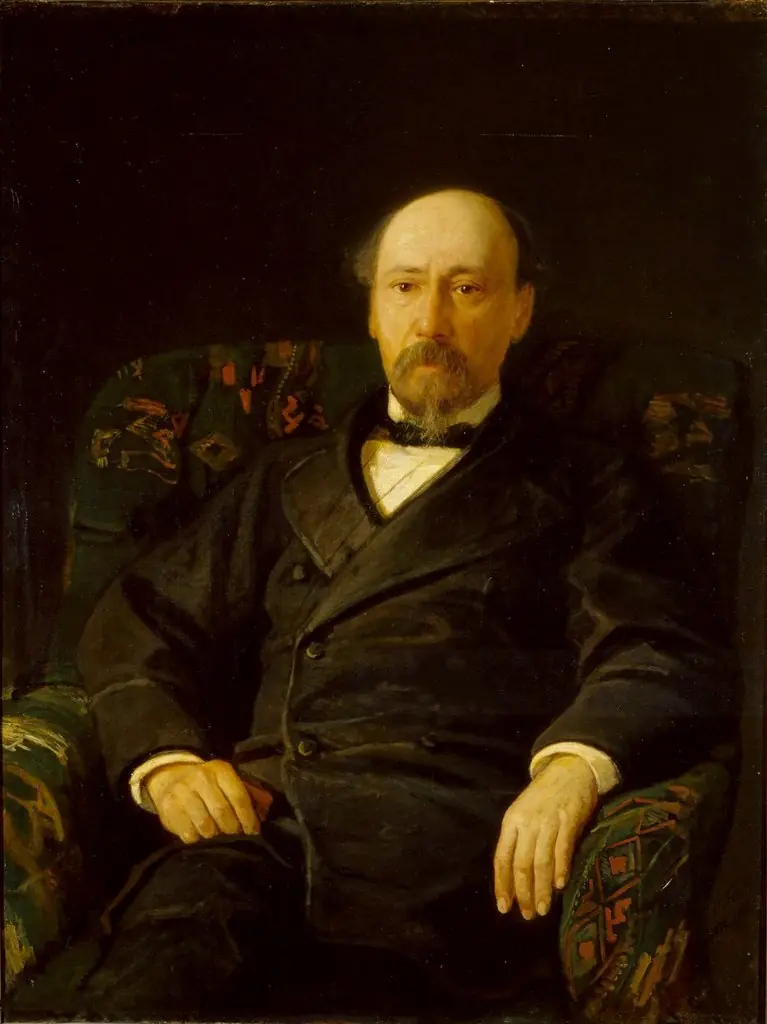 Portrait of Nikolai Nekrasov
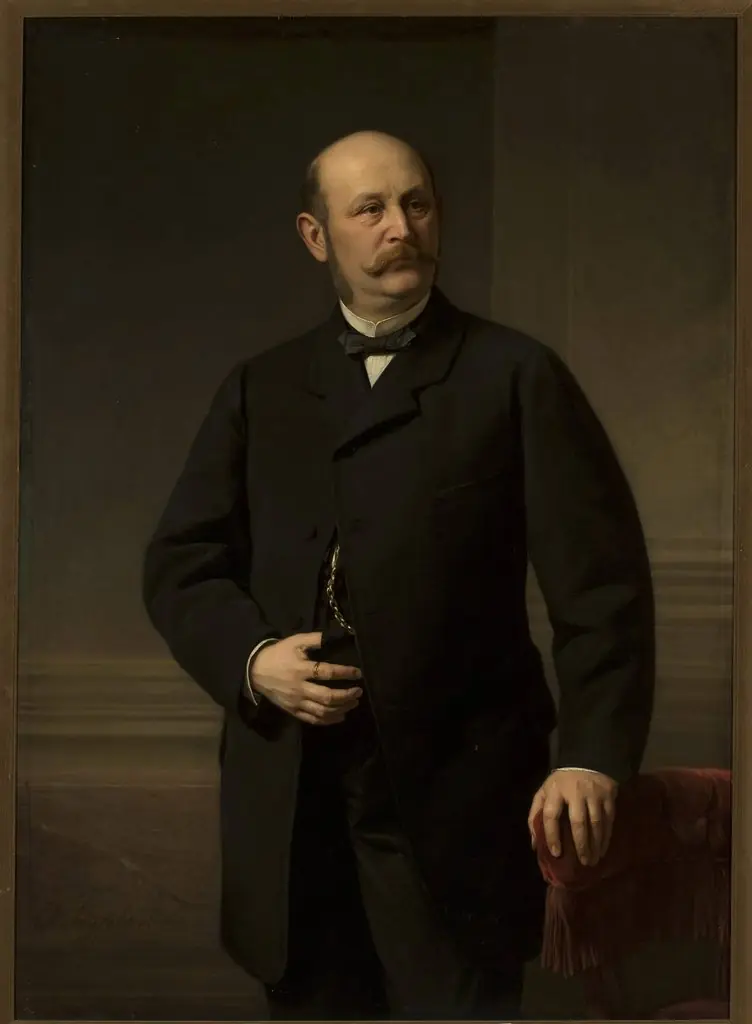 Portrait of Maurycy Brauman
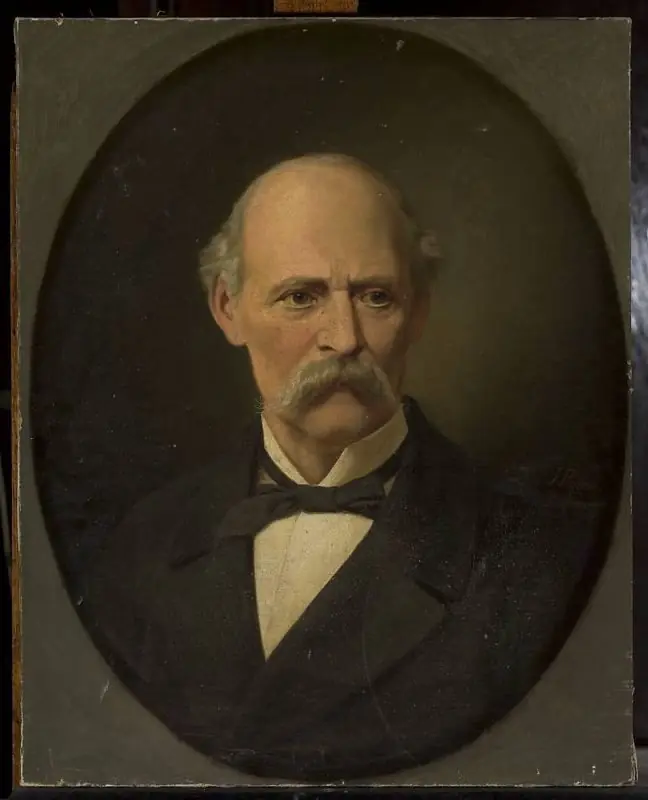 Self-portrait
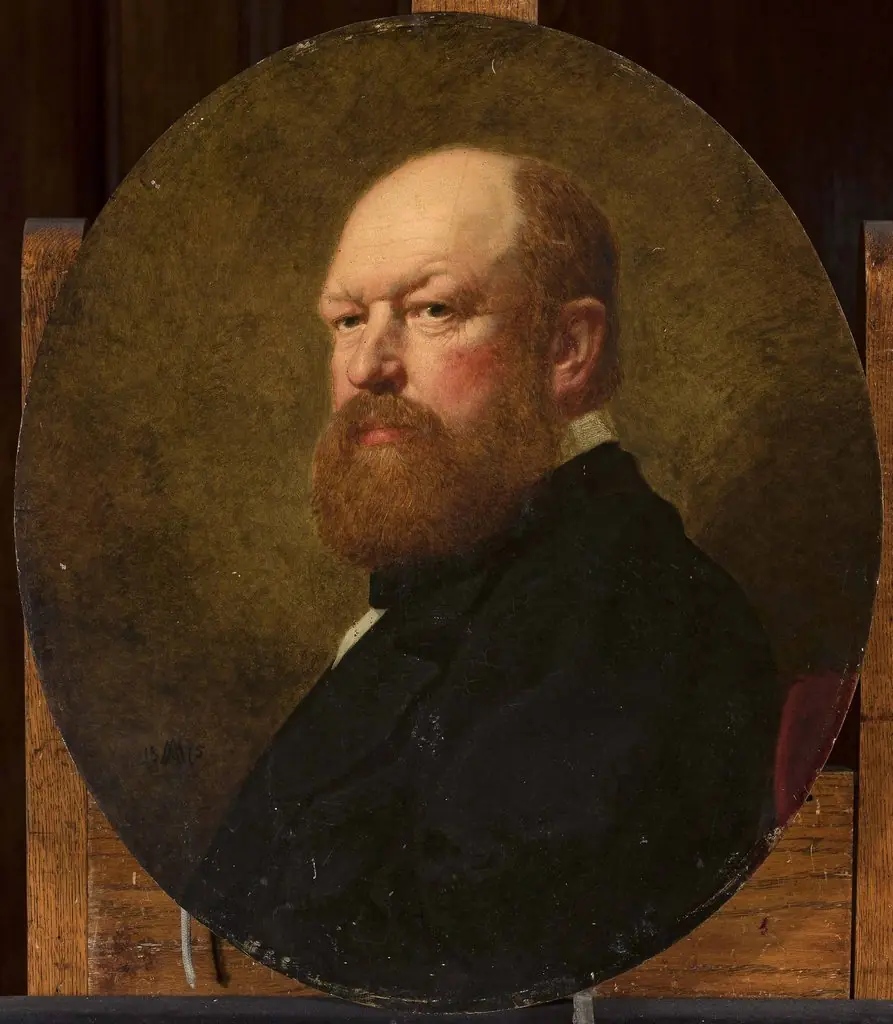 Portrait of Aleksander Branicki (1821–1877)
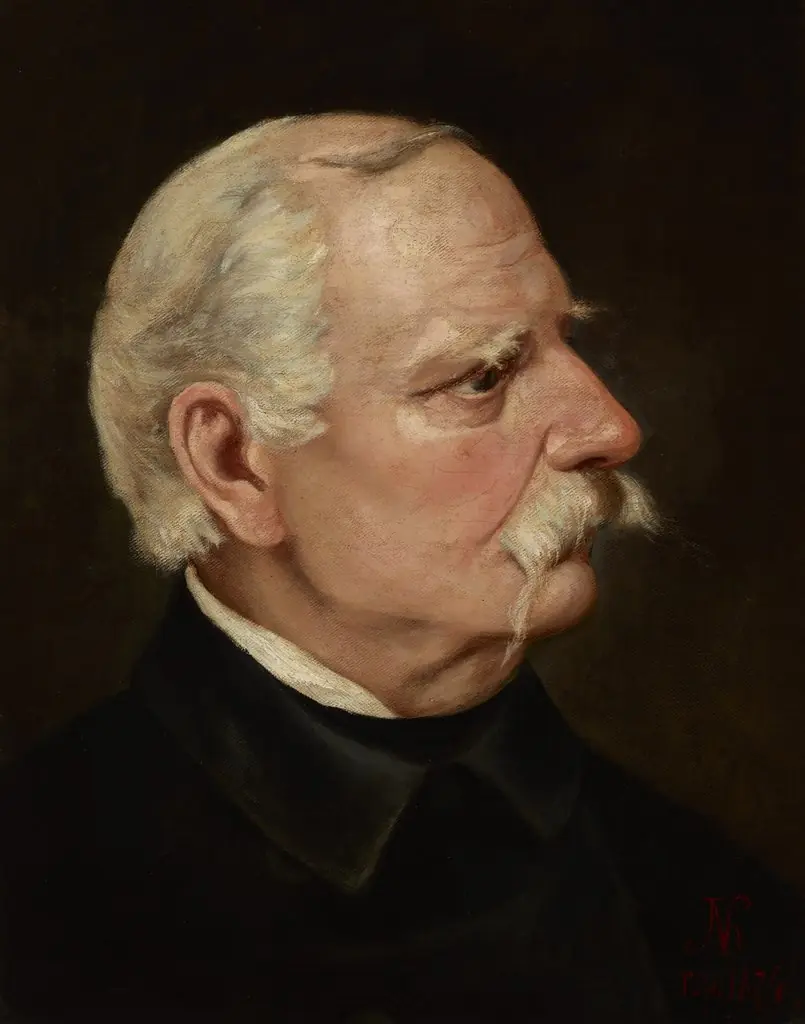 Portrait of Wincenty Pol
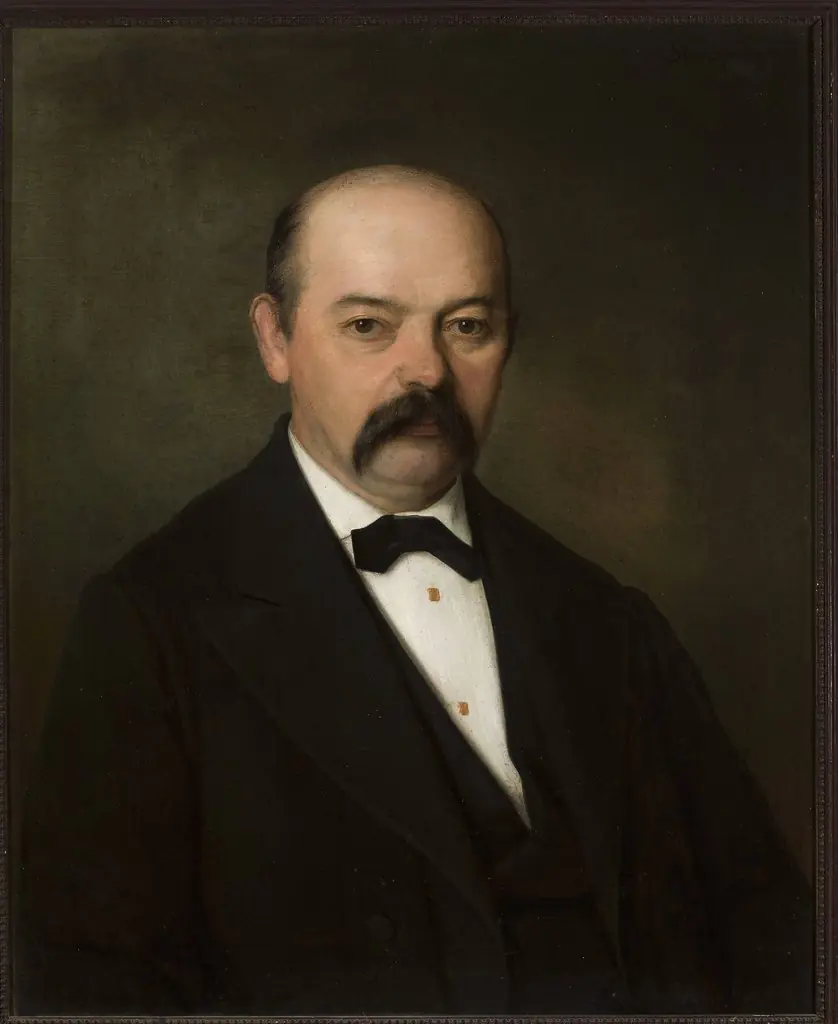 Portrait of Michał Rola Woszczyński