Artwork
Greek Women Plead for the Virgin's Help
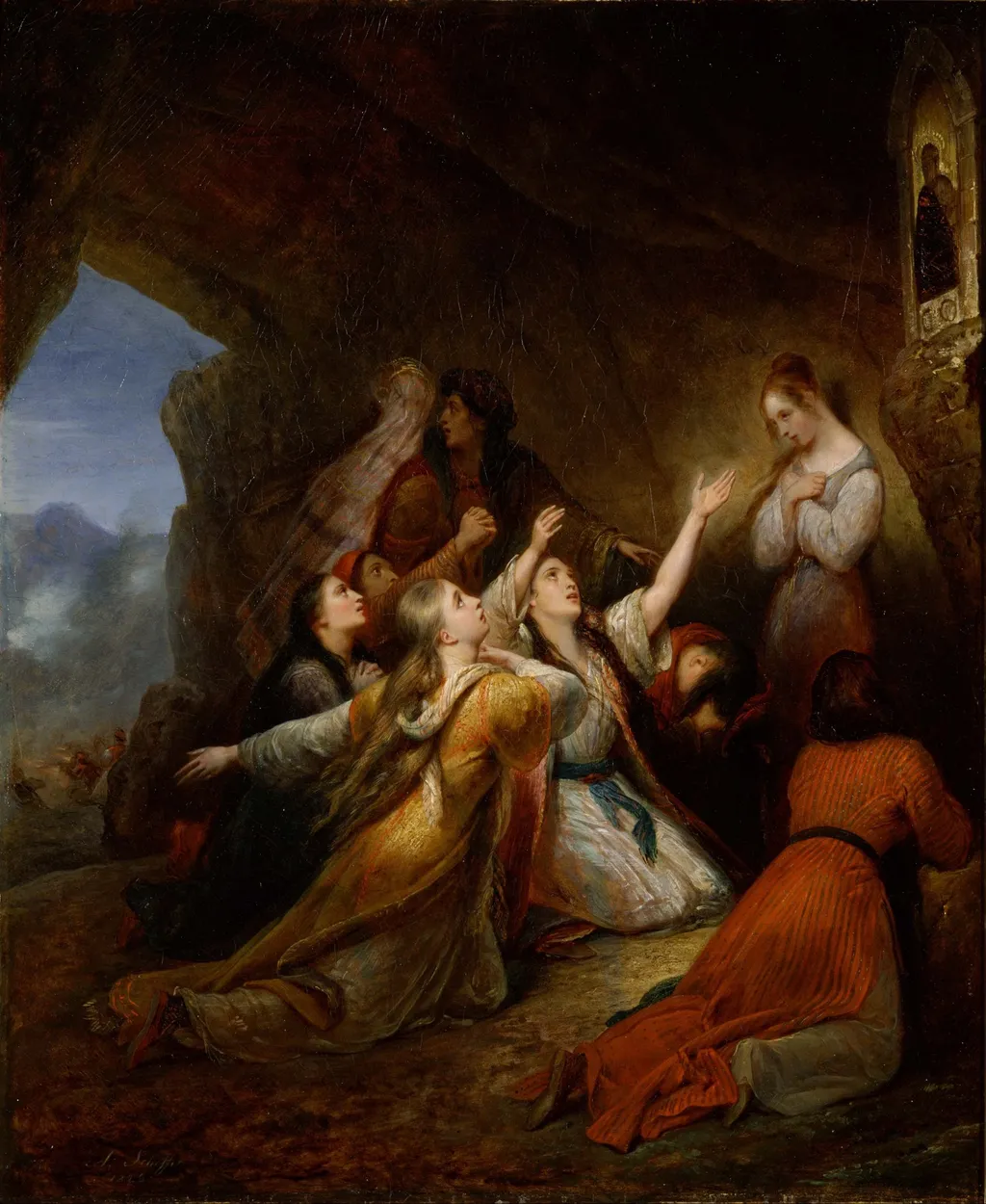
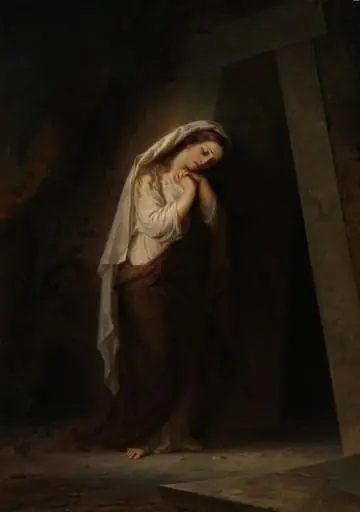
Greek Women Plead for the Virgin's Help is an oil painting by Ary Scheffer. It dates from 1826 and is held in the collection of the National Museum of Western Art.
About this work
Overview
It resides in the National Museum of Western Art, where it stands as an example of 19th-century European engagement with Eastern Christian iconography.
Painted in 1826 by Dutch-French artist Ary Scheffer, this oil work depicts a group of Greek women in prayer, seeking divine intervention. Belonging to the Romantic tradition, the painting merges religious devotion with cultural identity, reflecting Scheffer’s interest in emotionally charged narratives. It resides in the National Museum of Western Art, where it stands as an example of 19th-century European engagement with Eastern Christian iconography.
Subject & Meaning
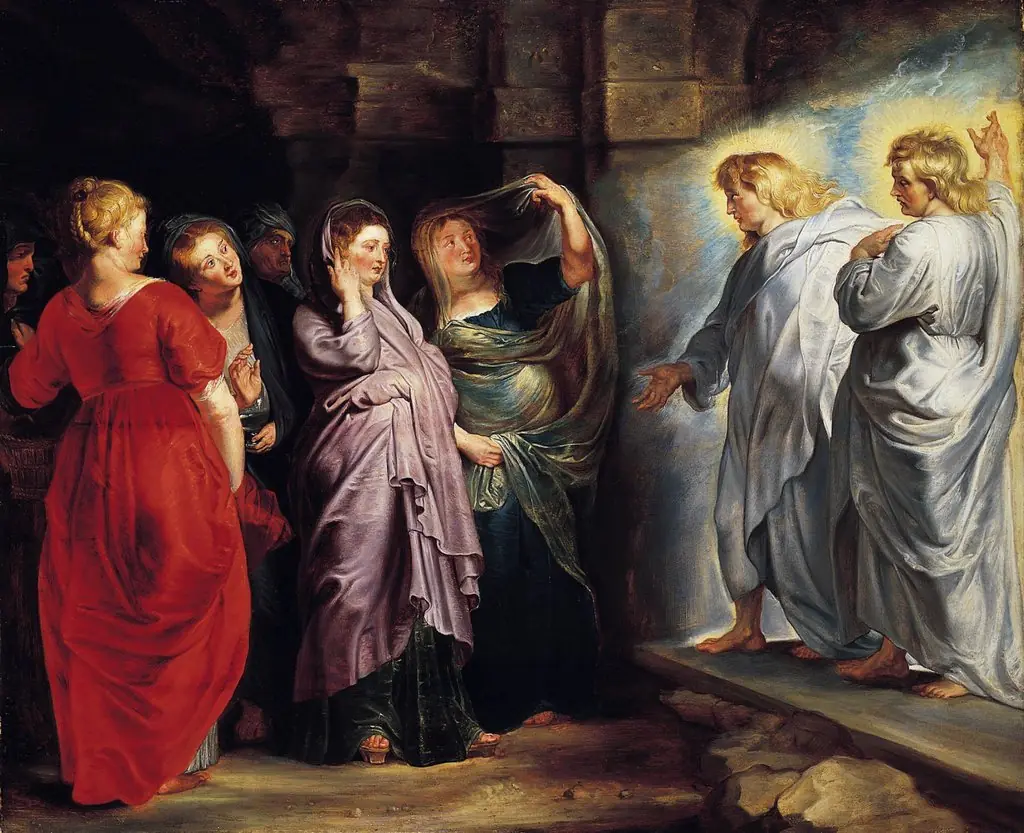
The scene portrays women in traditional Greek dress, their postures and expressions conveying urgent supplication. Their gaze is fixed on a faint, luminous apparition of the Virgin Mary in the distance, suggesting a moment of spiritual crisis. The composition implies collective suffering and faith, possibly alluding to contemporary Greek struggles for independence, framed through a devotional lens rather than a political one.
Technique & Style
Scheffer employs chiaroscuro to heighten emotional tension, directing light toward the women’s upturned faces and the ethereal figure above. The dim interior contrasts with the soft glow surrounding the Virgin, creating a visual hierarchy of earthly desperation and celestial hope. Brushwork remains controlled yet expressive, emphasizing texture in fabric and the translucence of divine light without overt theatricality.
History & Provenance
Commissioned during a period of heightened European interest in the Greek War of Independence, the painting was likely influenced by Scheffer’s connections to French aristocracy, including his position as tutor to the children of King Louis Philippe I. It entered the National Museum of Western Art’s collection in the 20th century, having passed through private European holdings after its completion.
Context
Created amid rising philhellenism in Western Europe, the work taps into a cultural fascination with ancient and modern Greece as symbols of moral and spiritual resilience. While not a direct commentary on war, its imagery resonated with contemporary narratives of oppressed peoples turning to faith. Scheffer’s approach aligns with Romanticism’s preference for inner emotion over historical accuracy.
Legacy
Though less widely known than Scheffer’s portraits or biblical scenes, this painting exemplifies his ability to fuse cultural symbolism with intimate spiritual drama. It contributes to a broader 19th-century trend of European artists reimagining Eastern Christian themes through Western aesthetic conventions, influencing later depictions of religious suffering in academic art.
Own this work as a print
Artist & collection
Artist
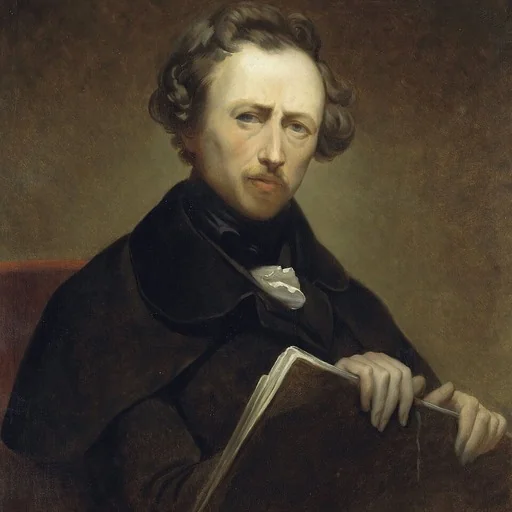
Ary Scheffer (10 February 1795 – 15 June 1858) was a Dutch-French Romantic painter.

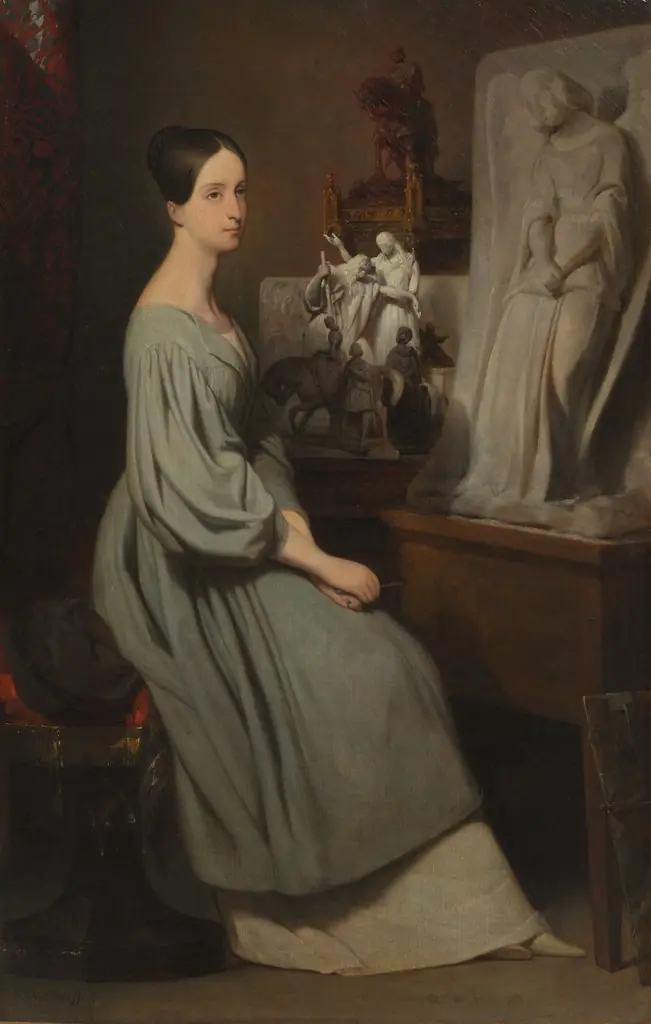 Princess Marie d'Orléans in Her Studio
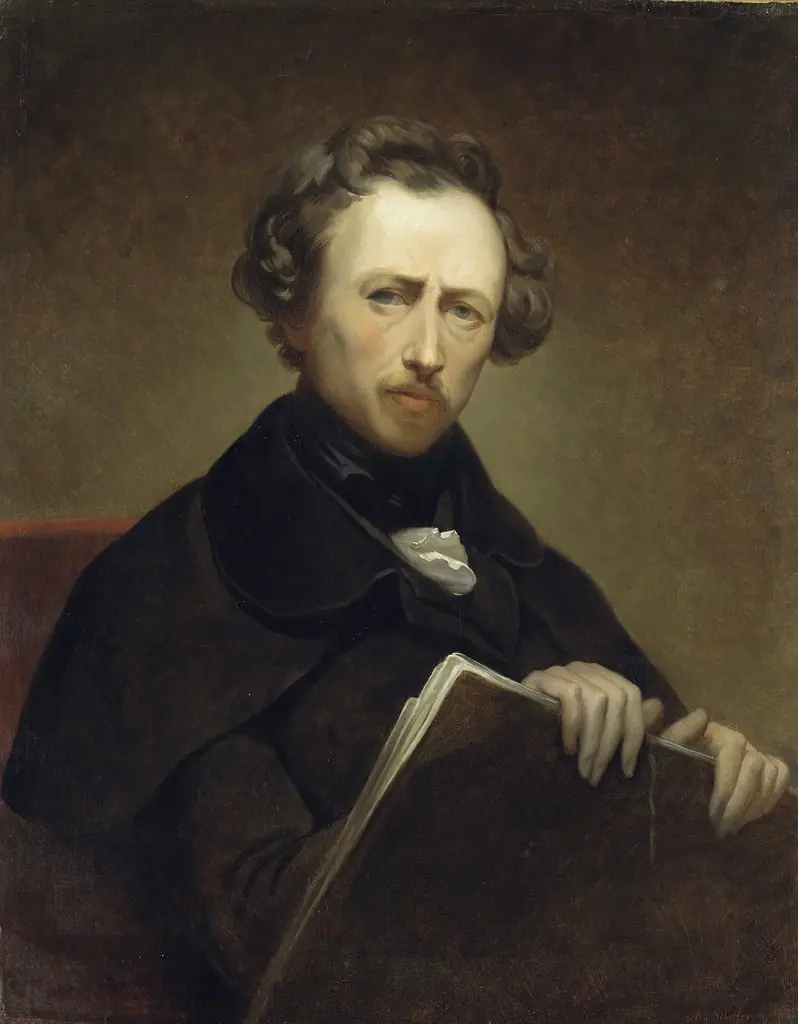 Self Portrait at age of 43
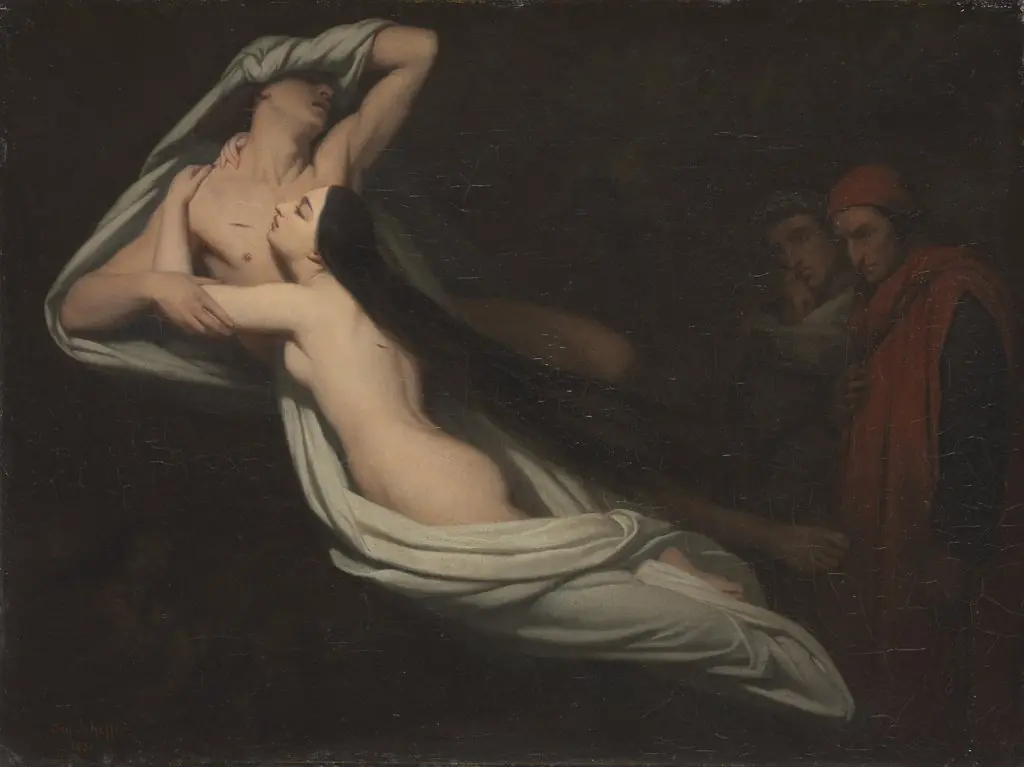 Dante and Virgil Meeting the Shades of Francesca da Rimini and Paolo
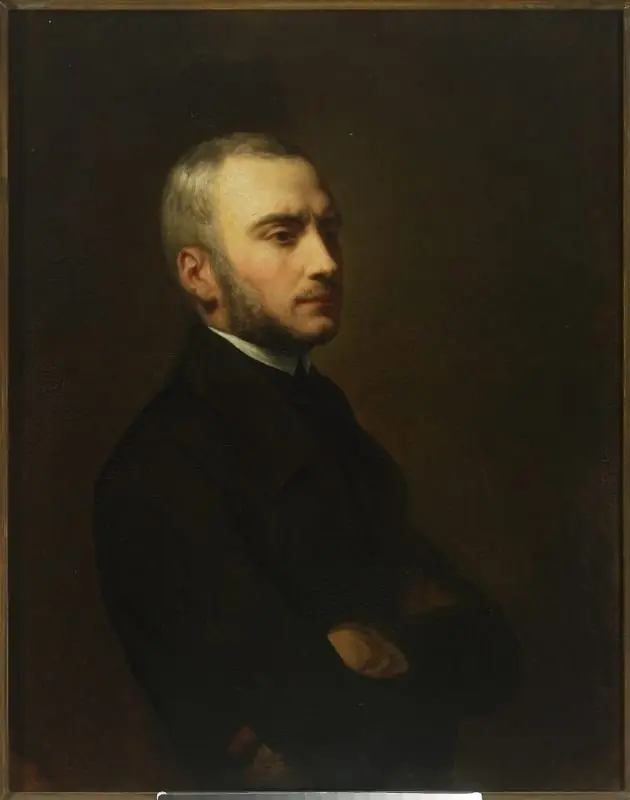 Portrait of Zygmunt Krasiński (1812–1859)
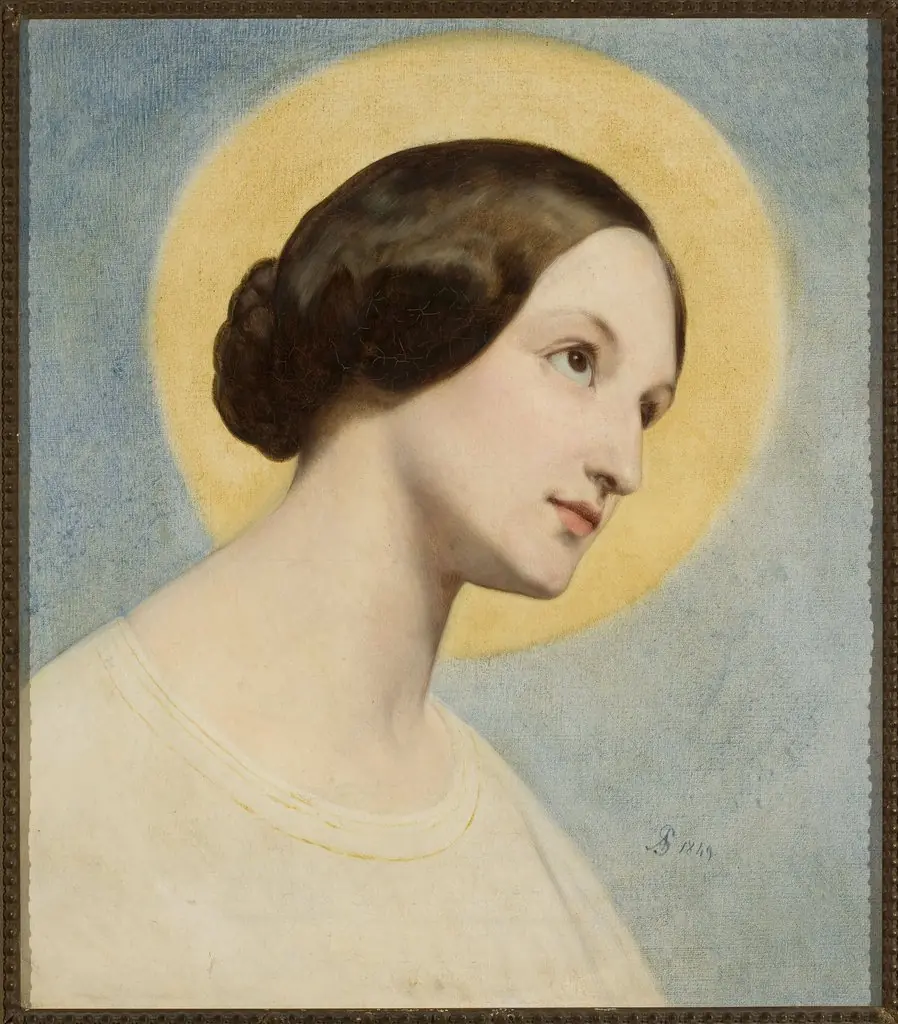 Portrait of Eliza Krasińska
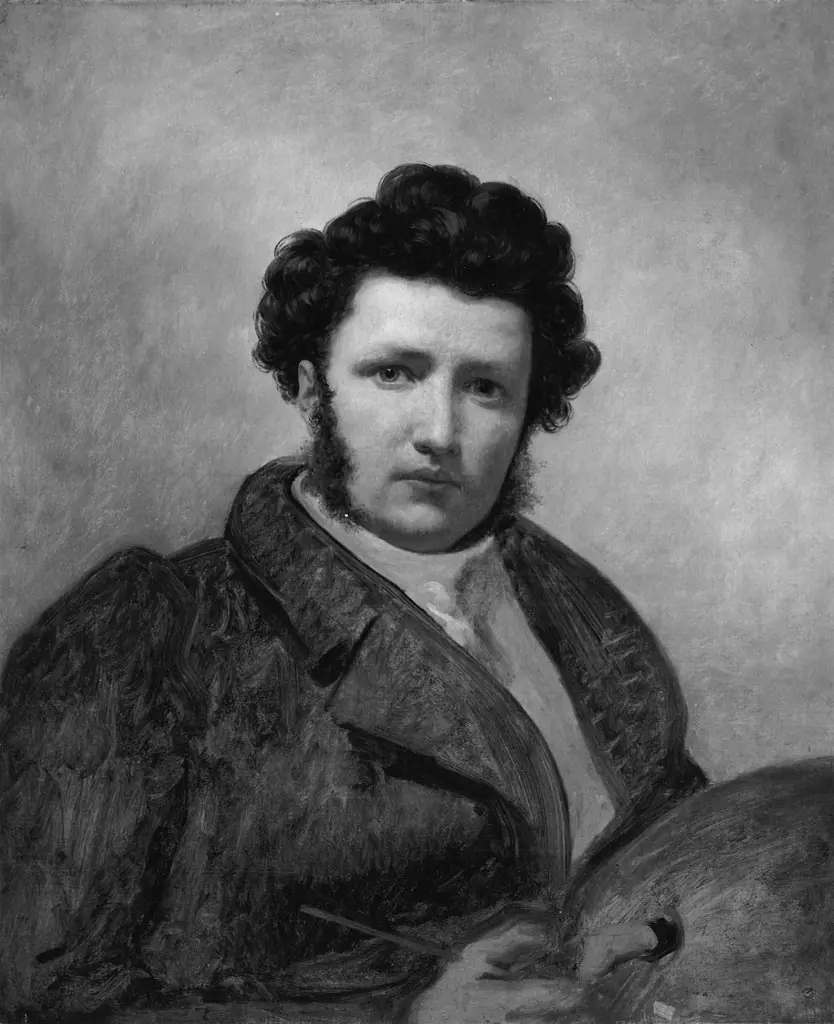 Portrait of an Artist
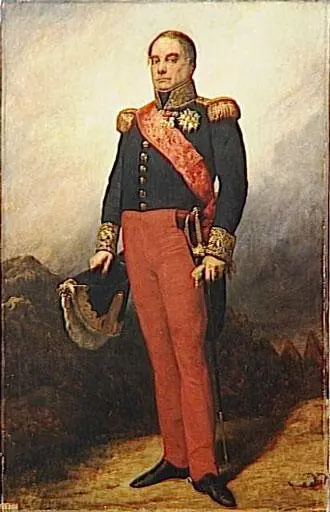 Georges Mouton, Count of Lobau
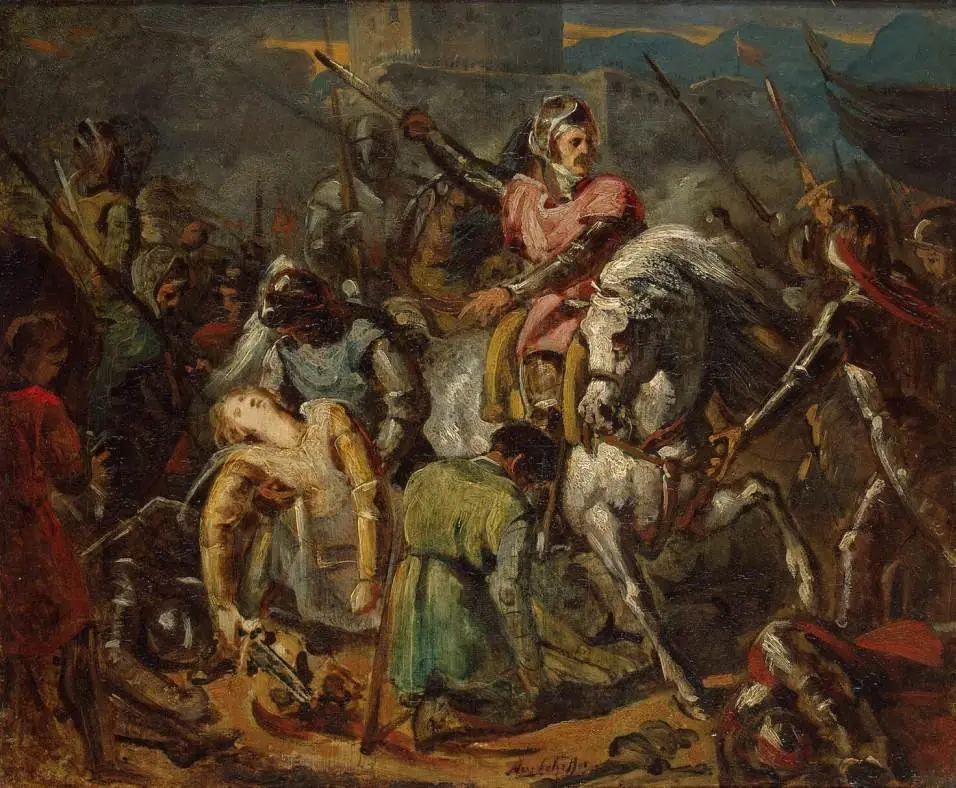 Death of Gaston de Foix in the Battle of Ravenna on 11 April 1512