Artwork
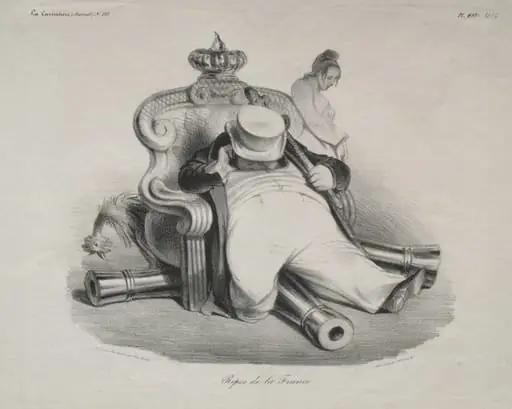
Repos de la France
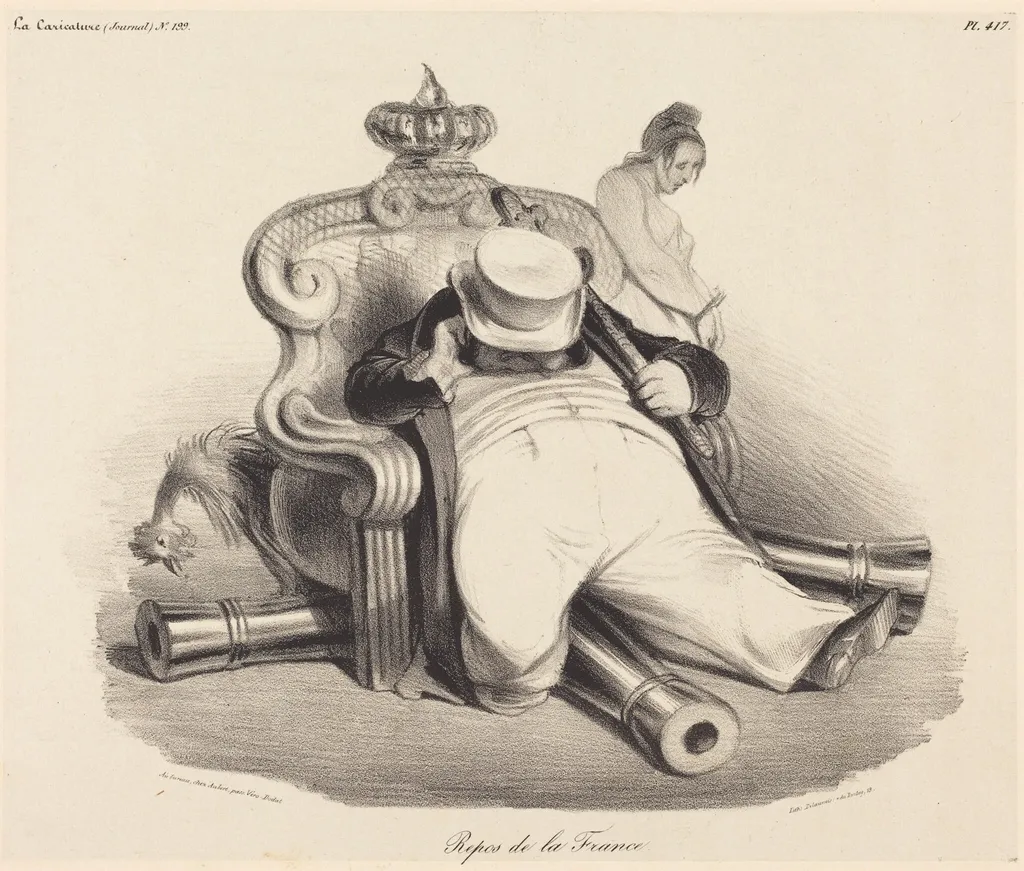
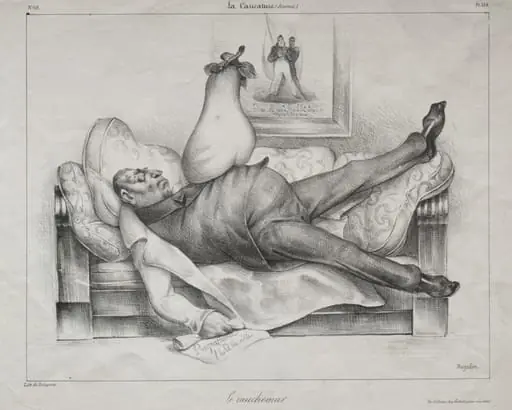
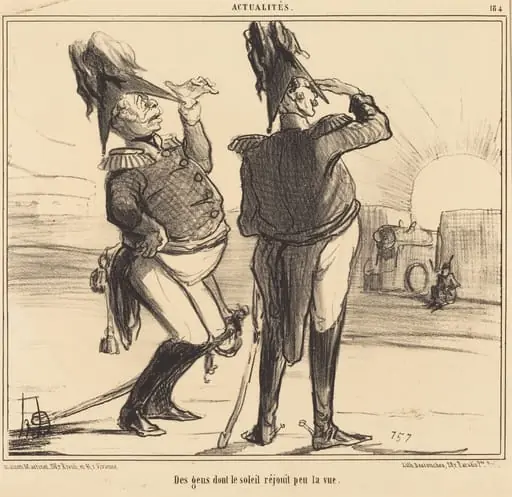
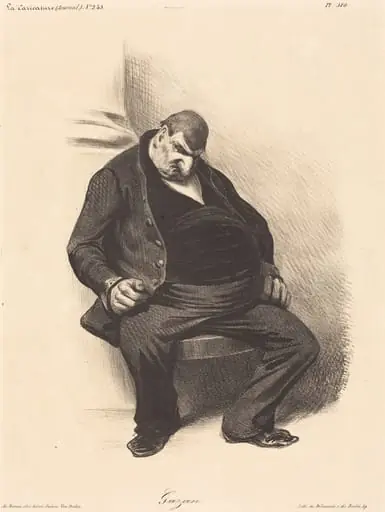
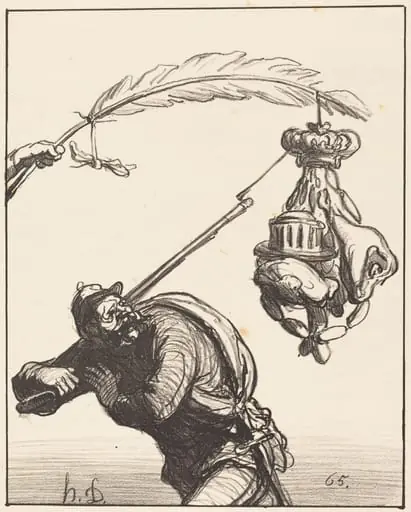
Repos de la France is an ink print by the Romanticist artist Aubert. It dates from 1834 and is held in the collection of the National Gallery of Art.
About this work
Overview
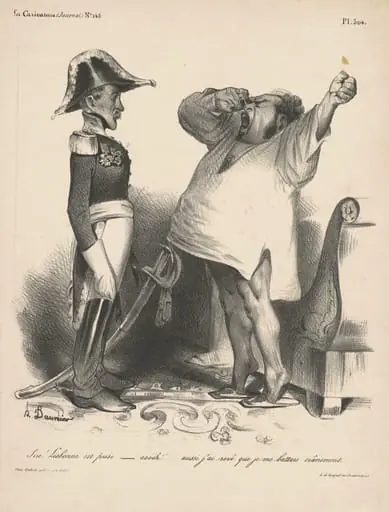
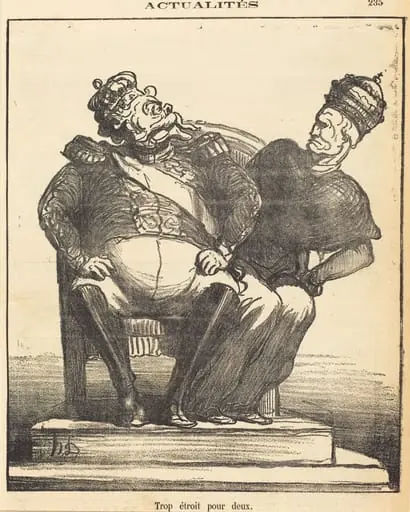
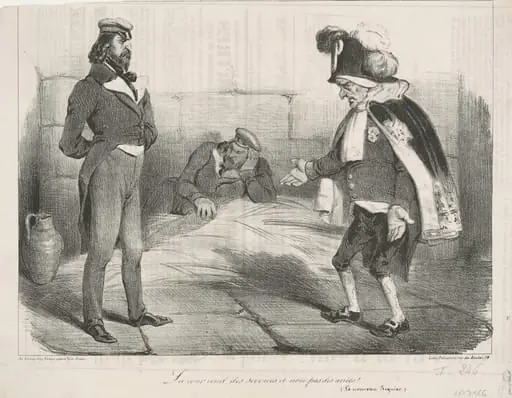
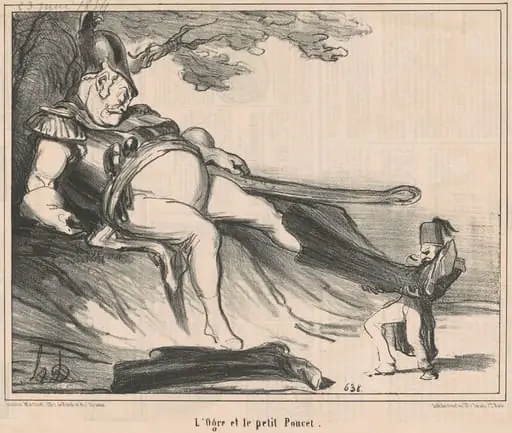
Repos de la France is a lithograph on chine collé produced by Aubert in 1834. The work belongs to the printmaking tradition of early 19th-century France, utilizing lithographic techniques to achieve fine tonal gradations. Its delicate paper support and intimate scale reflect the period’s interest in domestic scenes rendered with precision for private collections.
Subject & Meaning
The image depicts a woman seated in a modest interior, her posture suggesting quiet repose. Dressed in contemporary attire, she is surrounded by simple furnishings, evoking a moment of stillness in everyday life. The scene carries no overt narrative or symbolism, instead offering a restrained observation of private routine, characteristic of bourgeois domestic ideals of the era.
Technique & Style
Aubert employed lithography on chine collé, a method allowing fine detail to be transferred onto thin paper adhered to a heavier sheet. The technique enabled subtle shading and crisp linework, particularly evident in the texture of fabric and wood grain. The style favors realism over ornamentation, with careful attention to light and surface detail reinforcing the scene’s quiet authenticity.
History & Provenance
Created in 1834, the print emerged during a period of growing interest in lithography as a medium for both artistic and commercial reproduction. While specific early ownership records are unverified, its survival in institutional collections suggests it was valued by collectors of French graphic art in the decades following its production.
Context
In the 1830s, French printmakers increasingly turned to domestic subjects as industrialization reshaped urban life. Lithographs like this one catered to a middle-class audience seeking visual records of familiar environments. The work aligns with broader trends in genre art that privileged quiet observation over dramatic storytelling.
Legacy
Repos de la France remains a modest but representative example of early lithographic practice in France. Though not widely exhibited today, it contributes to the historical record of how ordinary life was documented through print. Its preservation underscores the cultural value placed on intimate, non-heroic imagery during the July Monarchy.
Artist & collection