Artwork
Turkish sultans, sultanas and other historical figures
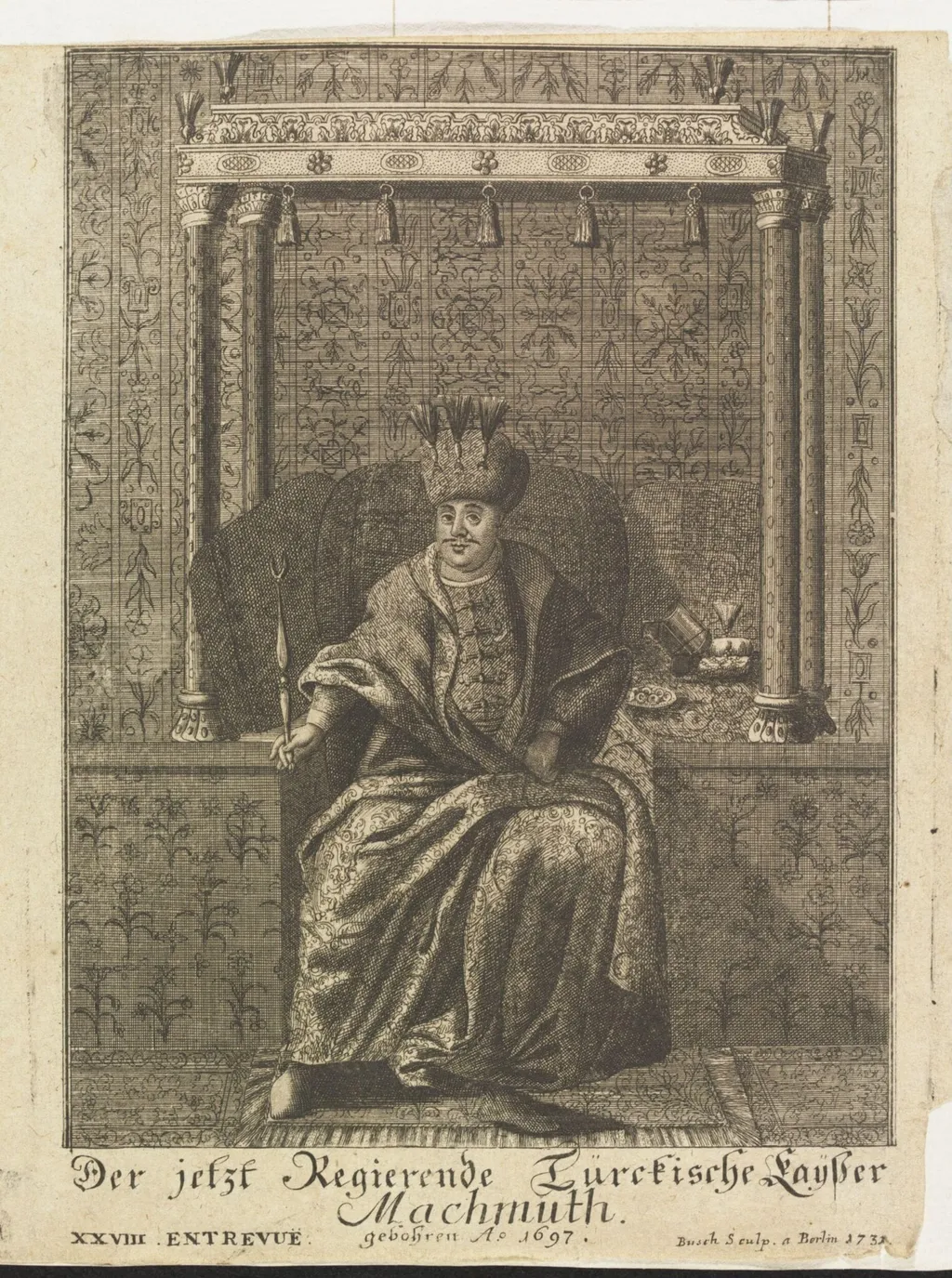
Turkish sultans, sultanas and other historical figures is a print by the Baroque artist Georg-Paul Busch. It dates from 1731 and is held in the collection of the Victoria and Albert Museum.
About this work
Overview
This 1731 print by Georg-Paul Busch presents a composite scene of Ottoman royalty, centered on Sultan Mahmud I. It is not a portrait of a specific moment but a symbolic arrangement of figures associated with the imperial court. The composition follows European print traditions of the period, blending historical representation with decorative stylization to convey authority and lineage.
Subject & Meaning
The image features Mahmud I seated on a throne, holding a ceremonial staff, flanked by other sultans and sultanas. These figures are not depicted in historical sequence but grouped to signify dynastic continuity. The inclusion of multiple rulers suggests an idealized vision of Ottoman sovereignty, emphasizing legitimacy and tradition rather than documenting actual events or relationships.
Technique & Style
The background displays floral motifs and patterned rugs, reflecting European interpretations of Orientalist aesthetics.
Executed as an engraved print, the work employs fine linear detail to render textiles, architecture, and ornamentation. The background displays floral motifs and patterned rugs, reflecting European interpretations of Orientalist aesthetics. While the rendering of figures and drapery shows Baroque influences in its richness, the overall approach remains more illustrative than naturalistic, prioritizing symbolic clarity over realism.
History & Provenance
Created in 1731, the print likely originated in a European publishing context, possibly as part of a series on foreign rulers. Busch, a German engraver, worked within a tradition of producing visual compendiums of global monarchs for educated audiences. The print’s survival in institutional collections indicates its use as a reference or curiosity rather than a commissioned portrait.
Context
In early 18th-century Europe, interest in the Ottoman Empire was fueled by diplomatic exchanges and printed accounts of its court. This print reflects a fascination with Eastern royalty filtered through Western artistic conventions. It does not aim for ethnographic accuracy but instead constructs an exoticized image aligned with contemporary European tastes for the 'Orient.'
Legacy
The print contributes to a broader corpus of European visual representations of Ottoman rulers, shaping perceptions of the empire for generations. While historically imprecise, it remains a document of cross-cultural imagination, illustrating how non-European powers were visually codified in Western media during the Enlightenment era.
Artist & collection

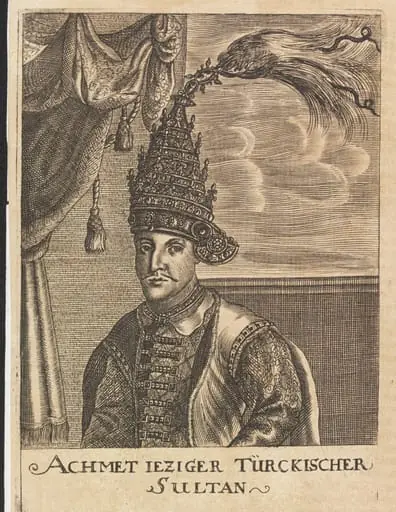 Turkish sultans, sultanas and other historical figures
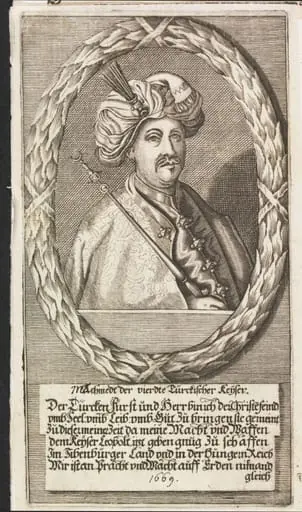 Turkish sultans, sultanas and other historical figures
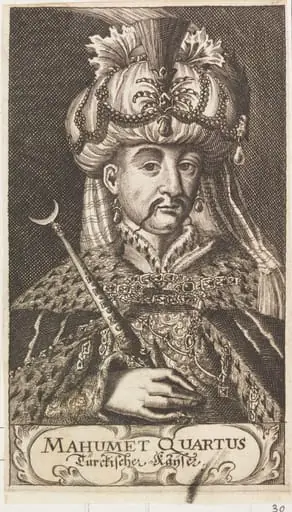 Turkish sultans, sultanas and other historical figures
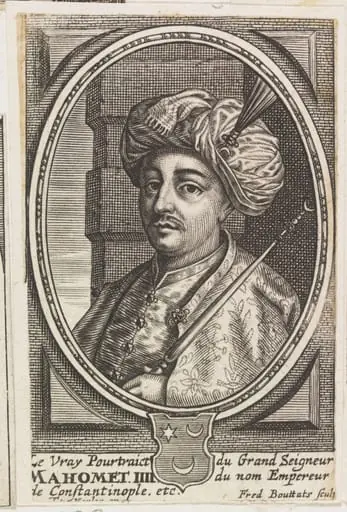 Turkish sultans, sultanas and other historical figures
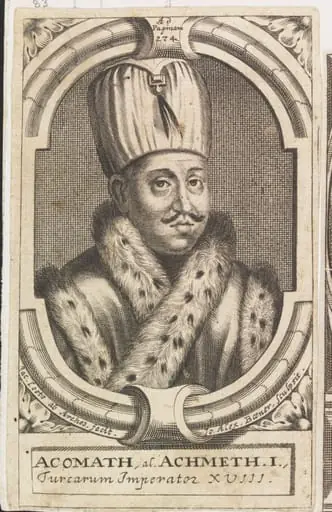 Turkish sultans, sultanas and other historical figures
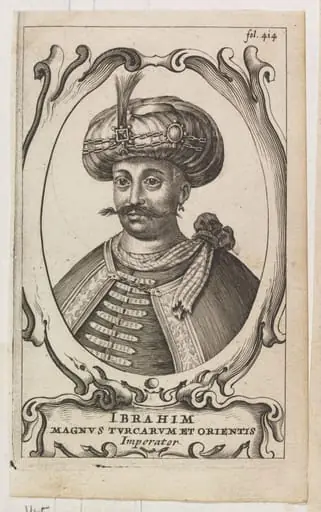 Turkish sultans, sultanas and other historical figures
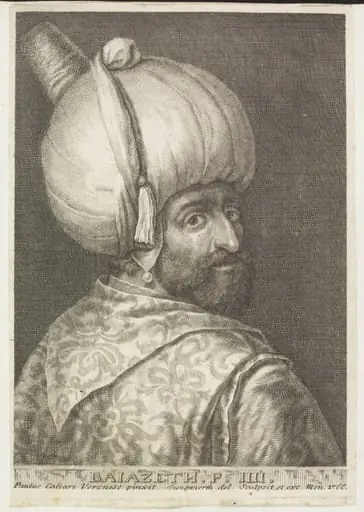 Turkish sultans, sultanas and other historical figures
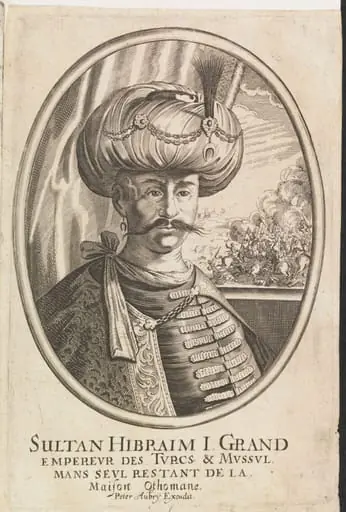 Turkish sultans, sultanas and other historical figures
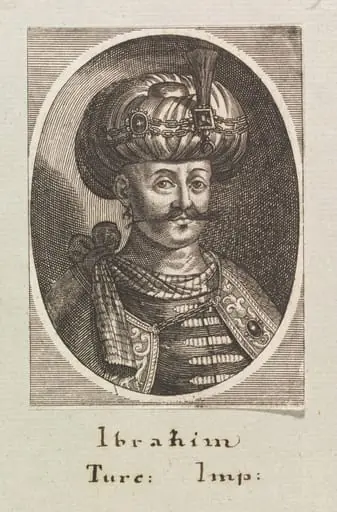 Turkish sultans, sultanas and other historical figures
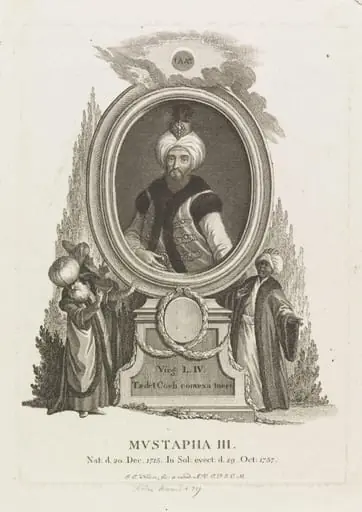 Turkish sultans, sultanas and other historical figures
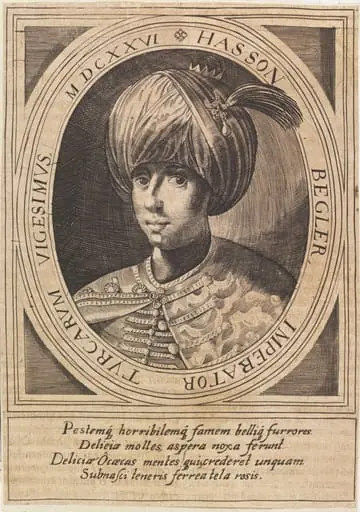 Turkish sultans, sultanas and other historical figures
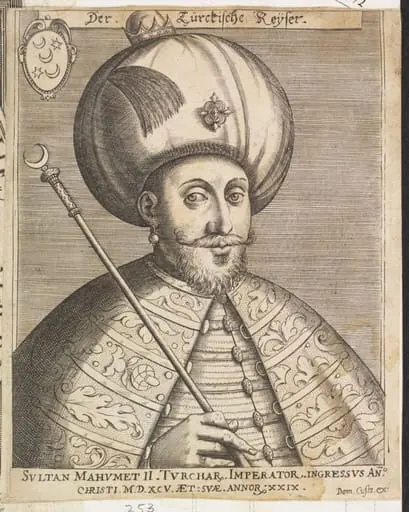 Turkish sultans, sultanas and other historical figures