Artwork
Martyrdom of St. Agnes
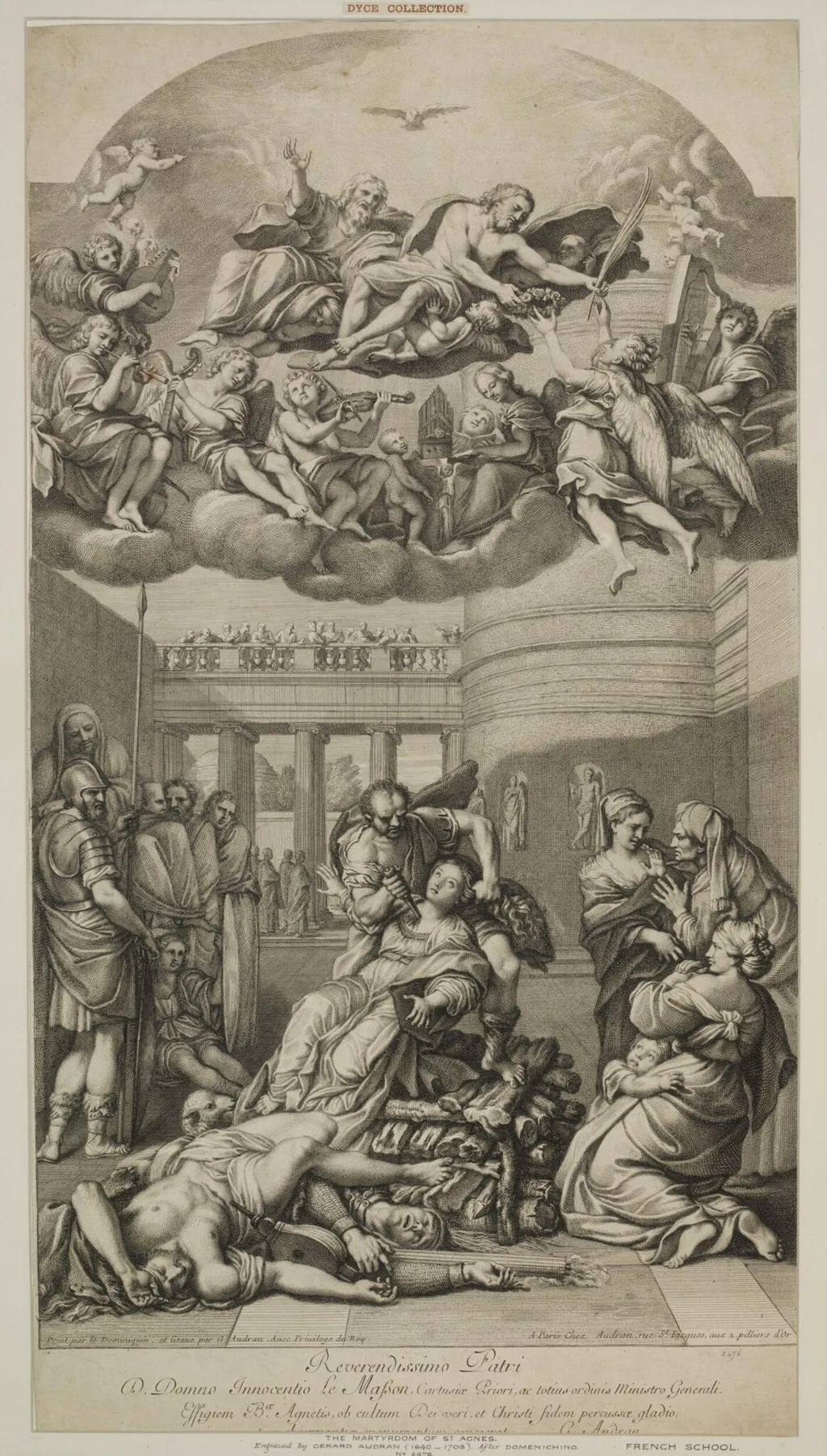
Martyrdom of St. Agnes is a print by the Baroque artist Gérard Audran. It dates from 1655 and is held in the collection of the Victoria and Albert Museum. This print captures the martyrdom of Saint Agnes, rendered as an engraved reproduction after Domenichino’s painted composition.
About this work
Overview
Executed by Gérard Audran, it is a detailed monochrome work on paper, emphasizing dramatic tension through contrast and movement.
This print captures the martyrdom of Saint Agnes, rendered as an engraved reproduction after Domenichino’s painted composition. Executed by Gérard Audran, it is a detailed monochrome work on paper, emphasizing dramatic tension through contrast and movement. The image balances earthly chaos with celestial intervention, characteristic of Baroque printmaking traditions that sought to translate painterly intensity into the graphic medium.
Subject & Meaning
The scene depicts Saint Agnes, a young Christian martyr, lying wounded on the ground as she faces execution. Around her, mourners and soldiers react with varied emotion, while above, angels and armed figures engage in celestial combat. The juxtaposition suggests divine protection and spiritual triumph over earthly violence, reinforcing her sanctity and the theological narrative of martyrdom as ascension.
Technique & Style
Audran employed fine, controlled engraving lines to model form and depth, using dense blacks and stark highlights to heighten emotional impact. The composition divides sharply between the grounded, detailed human figures and the swirling, ethereal forms above, creating a theatrical contrast. The precision of the engraving mimics the chiaroscuro effects of Baroque painting, translating light and shadow into linear rhythm.
History & Provenance
The print was made in the late 17th century as part of a broader effort to disseminate major religious compositions through reproductive engravings. Audran, a leading French engraver, worked from Domenichino’s original painting, which had been widely admired in Rome. This print circulated among collectors and religious institutions, helping to standardize the visual representation of Agnes’s martyrdom across Europe.
Context
Produced during the height of the Baroque era, the print reflects the Catholic Church’s use of imagery to inspire devotion and reinforce doctrinal narratives. Reproductive engravings like this one allowed widespread access to monumental religious scenes, bridging the gap between elite art and public piety. The emphasis on drama and divine intervention aligned with Counter-Reformation ideals of emotional engagement with sacred stories.
Legacy
Audran’s engraving became a widely referenced version of Agnes’s martyrdom, influencing later depictions in both print and painting. Its clarity and emotional force ensured its longevity in ecclesiastical and academic collections. Though later styles moved toward naturalism, this work remains a benchmark for how engraving could convey the grandeur and spiritual intensity of Baroque religious subjects.
Artist & collection
Artist
Gérard Audran made engravings of dramatic religious scenes in the late 1600s. His prints show saints in moments of suffering or death, like *Martyrdom of St. Agnes* and *Death of St. Francis*. These works belong to the…

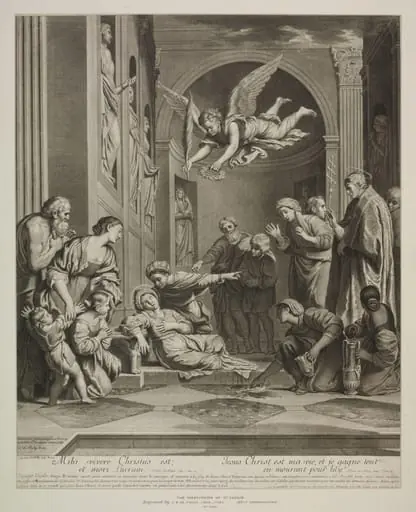 The Martyrdom of St. Cecilia
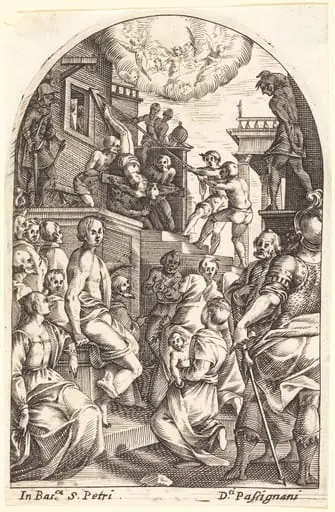 The Martyrdom of Saint Peter
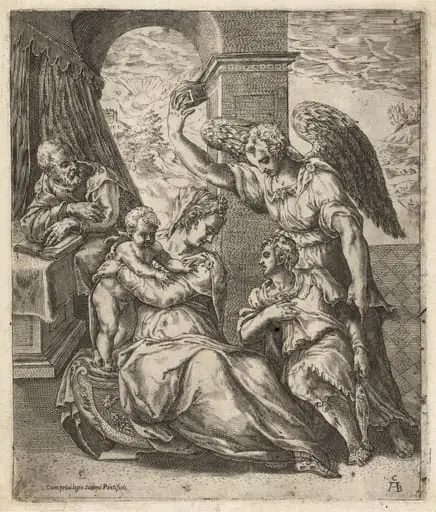 The Holy Family with Tobias and the Angel
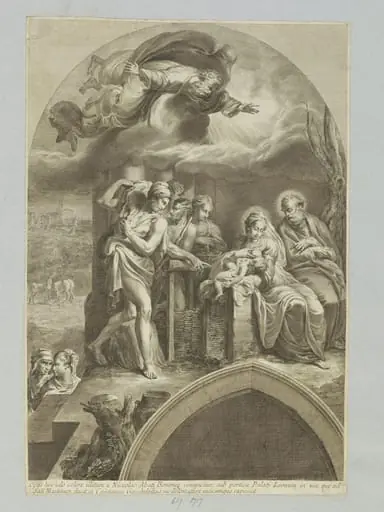 Adoration of the Shepherds
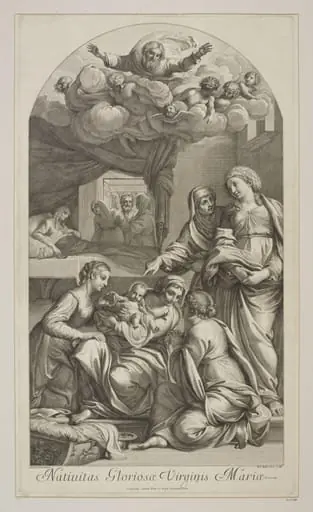 Birth of the Virgin
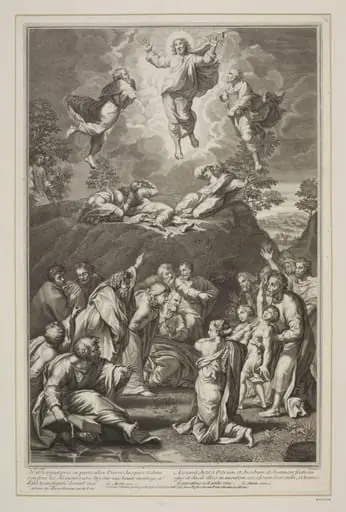 The Transfiguration
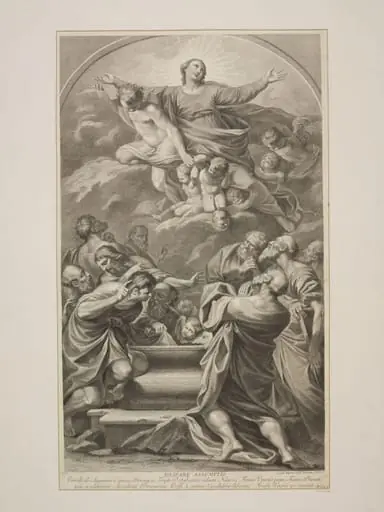 The Assumption of the Virgin
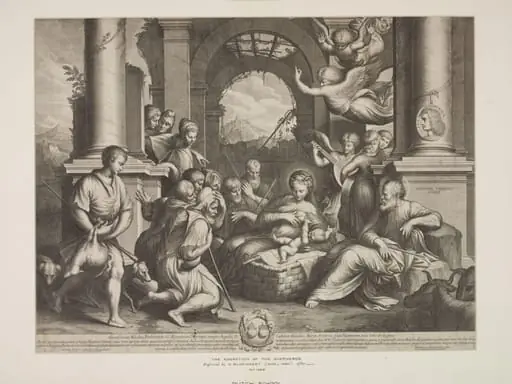 Adoration of the Shepherds
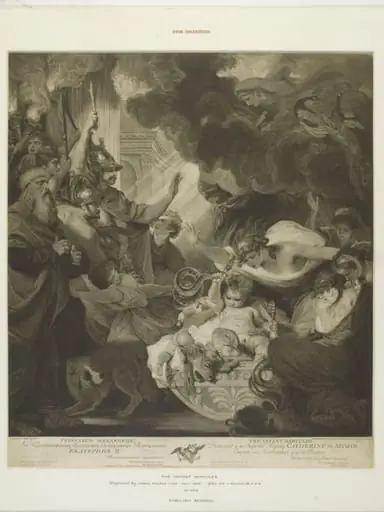 The Infant Hercules
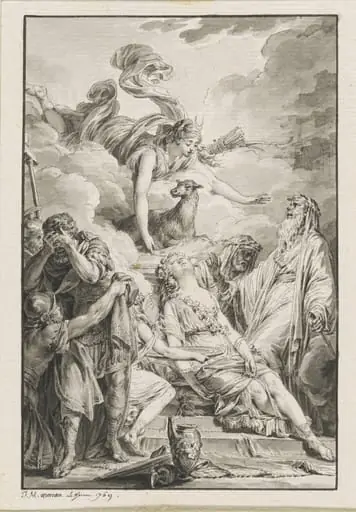 The Sacrifice of Iphigenia
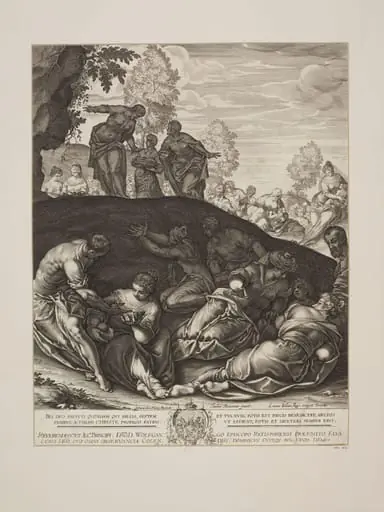 The Miracle of the Loaves and Fishes
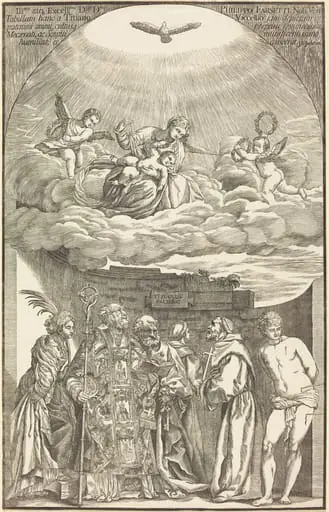 The Virgin in Clouds and Six Saints