Artwork
The Virgin in Clouds and Six Saints
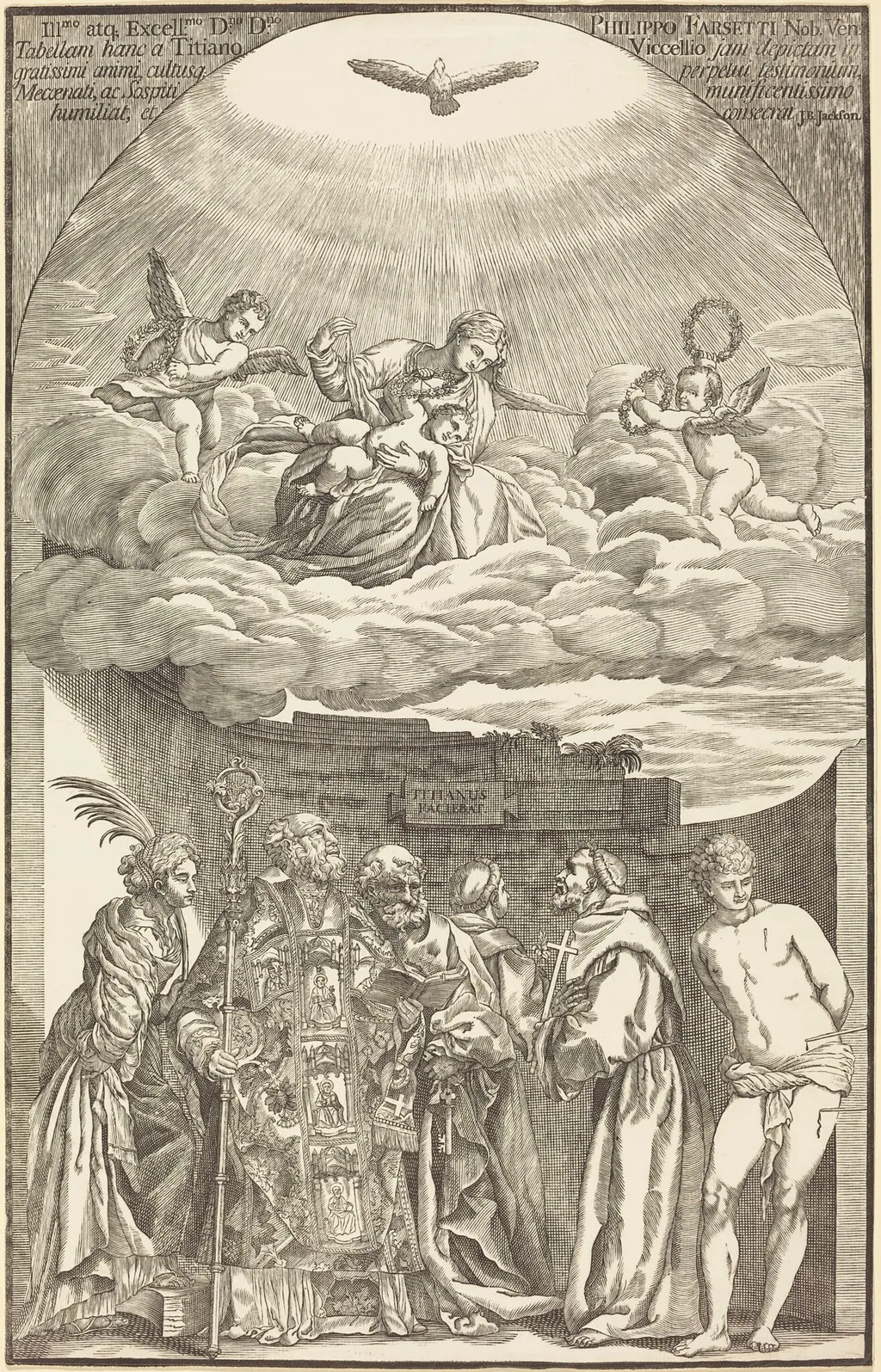
The Virgin in Clouds and Six Saints is an ink print by the Baroque artist John Baptist Jackson. It dates from 1742 and is held in the collection of the National Gallery of Art.
About this work
Overview
Created in 1742 by British printmaker John Baptist Jackson, this trial proof is a black chiaroscuro woodcut depicting the Virgin Mary surrounded by six saints.
Created in 1742 by British printmaker John Baptist Jackson, this trial proof is a black chiaroscuro woodcut depicting the Virgin Mary surrounded by six saints. Executed as a preliminary impression of the line block, it reveals Jackson’s method of translating oil paintings into woodcut form. Unlike contemporaries who emulated ink drawings, Jackson sought to replicate the tonal richness of painted compositions through layered printing techniques.
Subject & Meaning
The Virgin Mary hovers above six saints in a celestial arrangement, cradling the infant Christ. Below, the saints stand in devotional poses, some holding attributes of their martyrdom or spiritual roles. The composition reflects traditional hagiographic iconography, emphasizing divine hierarchy and intercessory prayer. The separation of heavenly and earthly realms underscores theological themes of grace and sanctity.
Technique & Style
Jackson employed chiaroscuro woodcutting, using multiple blocks to build tonal gradations in black ink. This trial proof shows the foundational line block, prior to additional tonal layers. His technique avoided the linear elegance of pen-and-ink models, instead pursuing the volumetric depth of oil painting. Subtle overprinting and embossing were likely intended to enhance texture and spatial illusion in the final version.
History & Provenance
Jackson, active in Paris and Venice during the 1740s, produced this print as part of a series adapting European religious paintings for print circulation. As a trial proof, it was likely used to assess composition and tonal balance before full printing. Its survival suggests it was retained by the artist or a close associate, offering insight into his workshop process rather than intended for public sale.
Context
In mid-eighteenth-century Europe, religious imagery remained central to print culture, though demand shifted toward secular subjects. Jackson’s work stood apart by prioritizing fidelity to painted originals over decorative simplification. His engagement with Italian and French print traditions reflects the transnational exchange of techniques, even as British printmakers often operated on the margins of continental centers.
Legacy
Jackson’s approach to chiaroscuro woodcutting influenced later printmakers seeking to bridge painting and print media. Though his oeuvre remains limited and largely overlooked, this trial proof illustrates a deliberate effort to elevate woodcut beyond reproductive illustration. It stands as a technical document of an under-recognized strand of eighteenth-century print experimentation.
Artist & collection

Artist
John Baptist Jackson (1701–1780) was a British artist, a woodcut printmaker of the eighteenth century.

![The Marriage at Cana [left plate], by John Baptist Jackson](https://artifactworldgallery.com/img/john-baptist-jackson--the-marriage-at-cana-left-plate--22bae83d46cc40b5-w320.webp)
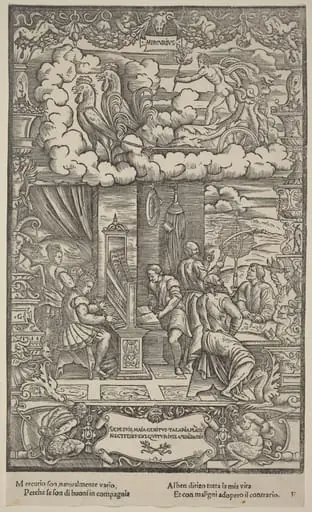 Mercury
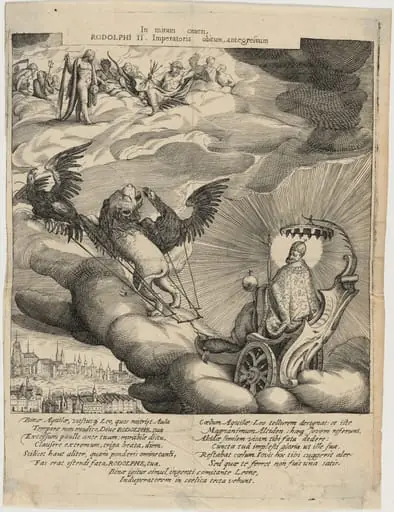 Rudolph II in Chariot Drawn by Lion and Eagle
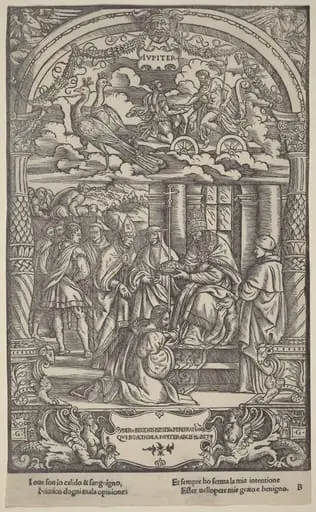 Jupiter
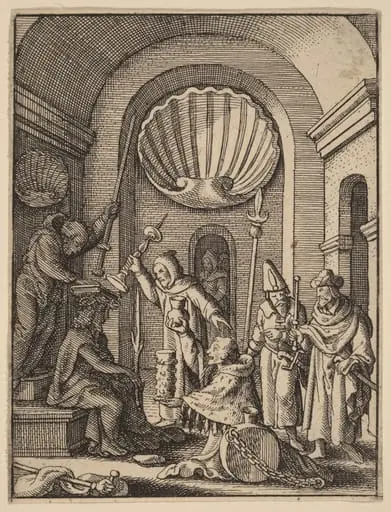 The Mocking
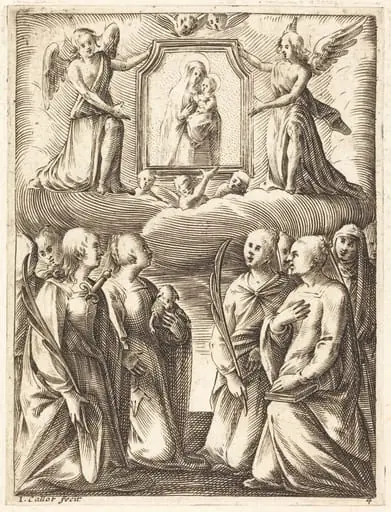 The Adoration of the Virgin and Child
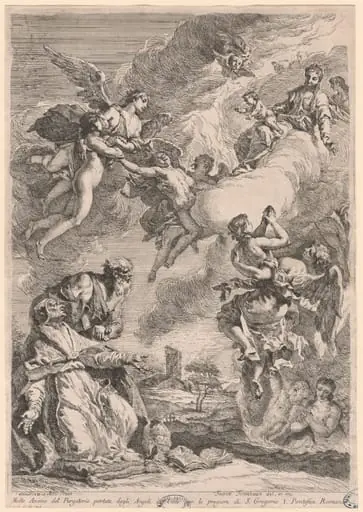 Pope Gregory the Great and Saint Vitale Interceding for the Souls in Purgatory
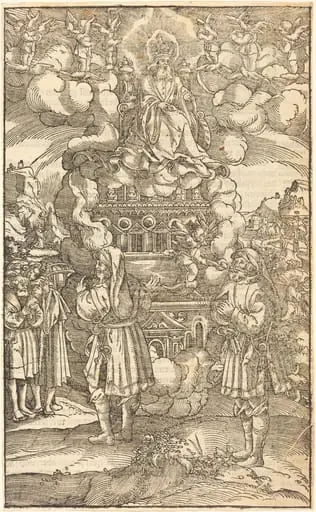 The Apocalypse
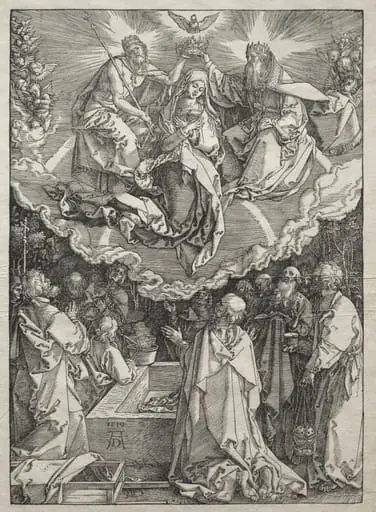 Life of the Virgin: Assumption of the Virgin
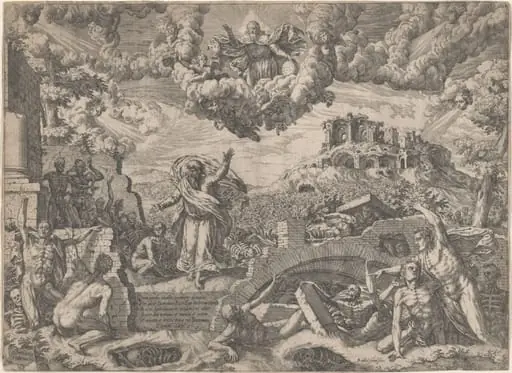 The Vision of Ezekiel
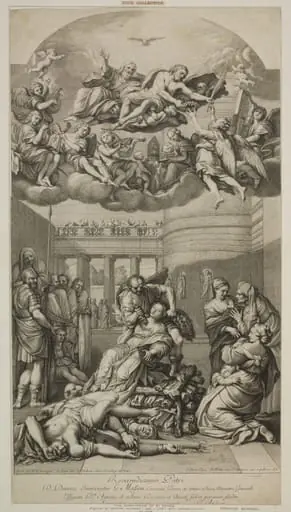 Martyrdom of St. Agnes
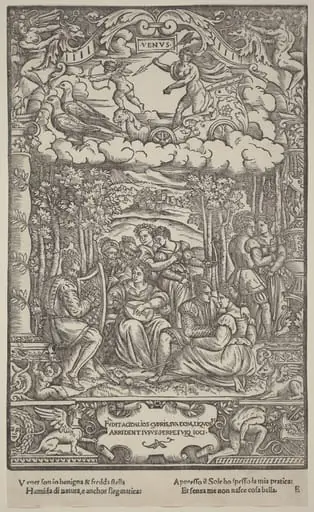 Venus
Venus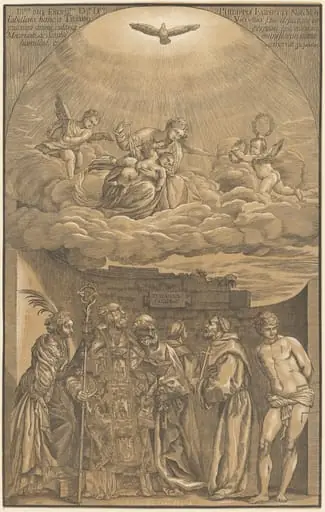 The Virgin and Child in the Clouds with Six Saints