Artwork
Frédéric Mistral: Mémoires et Recits by Frédéric Mistral: street scene/ people at outdoor table (insert after p. 24) DUPLICATE
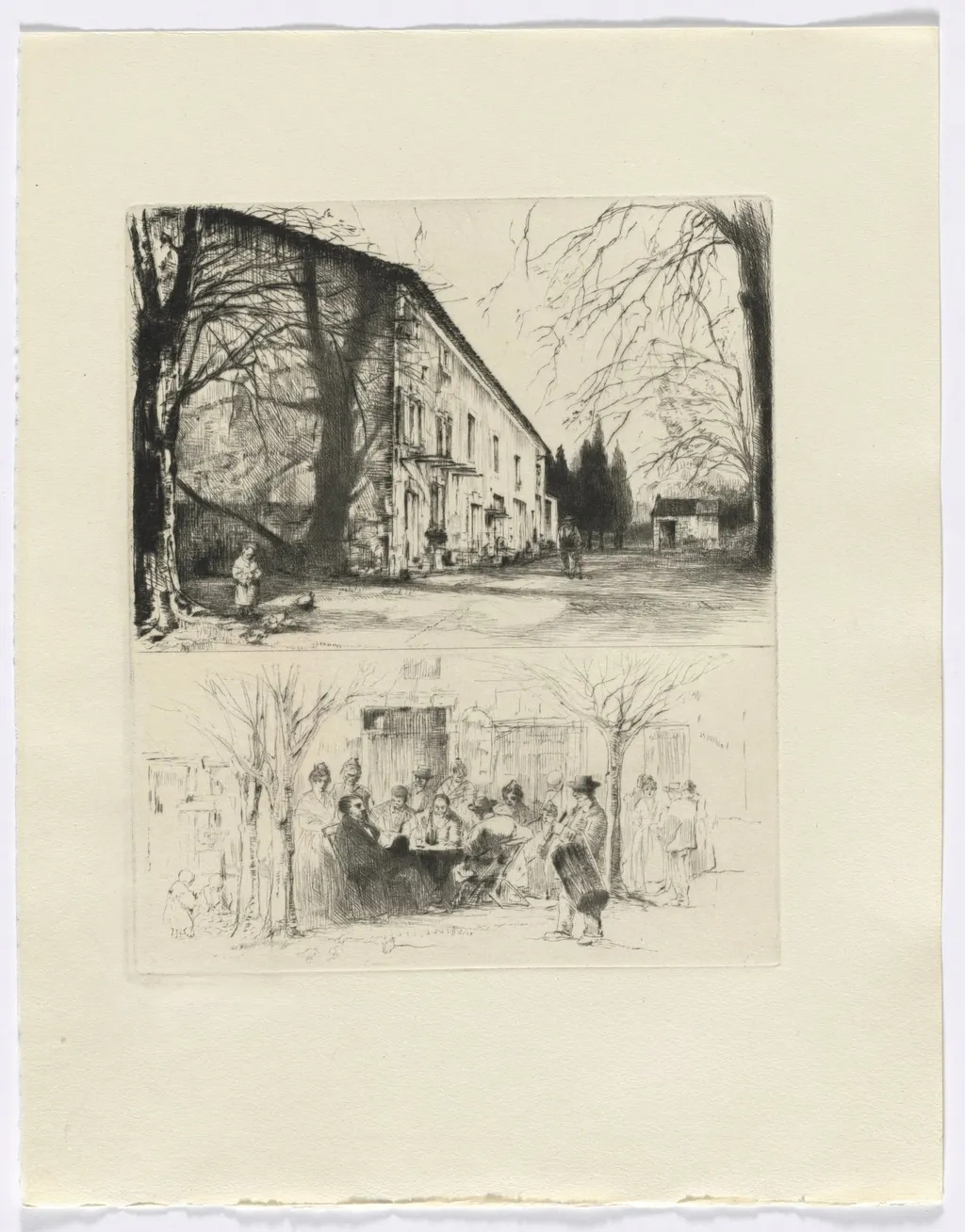
Frédéric Mistral: Mémoires et Recits by Frédéric Mistral: street scene/ people at outdoor table (insert after p. 24) DUPLICATE is a work on paper by Auguste Brouet. It dates from 1937 and is held in the collection of the Cleveland Museum of Art.
About this work
Overview
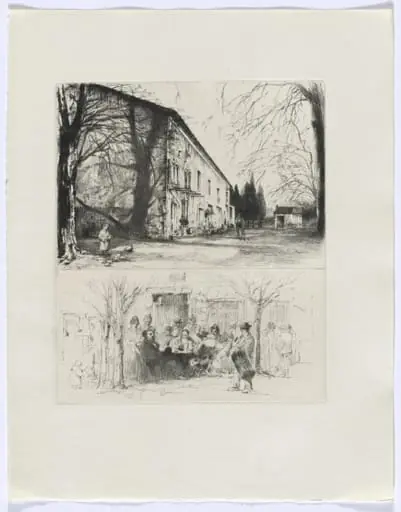
The composition is divided vertically: an isolated figure beneath a leafless tree above, and a cluster of figures gathered around an outdoor table below.
This 1937 drawing by Auguste Brouet accompanies Frédéric Mistral’s Mémoires et Recits, inserted after page 24. Executed in ink with loose, rapid strokes, it depicts two quiet moments in a Provençal village. The composition is divided vertically: an isolated figure beneath a leafless tree above, and a cluster of figures gathered around an outdoor table below. The work functions as a visual interlude to Mistral’s literary recollections, grounding his prose in the rhythms of rural life.
Subject & Meaning
The drawing captures unremarkable yet intimate scenes of village life—solitude and community, side by side. A lone woman sits beneath a bare tree, perhaps waiting or resting, while a group converses near a doorway, gathered around a simple table. No dramatic action occurs; the significance lies in the quiet persistence of daily routines. The absence of leafy foliage suggests a cold season, reinforcing a sense of stillness and temporal pause, aligning with Mistral’s nostalgic tone.
Technique & Style
Brouet employed swift, fluid ink lines to convey movement and atmosphere rather than detail. Forms are suggested with minimal strokes—windows as dots, limbs as arcs, tree branches as jagged smudges. The lack of shading or texture emphasizes spontaneity, evoking the immediacy of a field sketch. This economy of line reflects a documentary impulse, prioritizing observation over polish, as if the artist recorded these moments in passing.
History & Provenance
Created in 1937 for a limited edition of Mistral’s writings, the drawing was produced as part of a portfolio of illustrations commissioned to accompany his memoirs. It entered the collection of The Cleveland Museum of Art through established acquisition channels, likely as part of a broader effort to preserve illustrated literary works of the early 20th century. Its inclusion in the museum’s holdings reflects its role as a bridge between literature and graphic art.
Context
Brouet’s illustration responds to Mistral’s revival of the Provençal language and rural traditions. In the 1930s, French cultural institutions increasingly sought to document regional life amid rapid modernization. This drawing, like others in the portfolio, serves as a visual counterpart to Mistral’s linguistic preservation—offering a quiet, unembellished glimpse into a world he sought to immortalize in words.
Legacy
Though not widely exhibited, the drawing remains a quiet example of how illustrators contributed to literary modernism in regional contexts. Brouet’s approach—unadorned, observational—aligns with broader interwar trends in graphic art that valued authenticity over ornament. Its presence in The Cleveland Museum of Art ensures its continued accessibility as a testament to the intersection of literature, regional identity, and graphic expression in early 20th-century France.
Artist & collection

 Frédéric Mistral: Mémoires et Recits by Frédéric Mistral: figures on a pier (insert after p.216)
 Frédéric Mistral: Mémoires et Recits by Frédéric Mistral: street scene and people at outdoor table (insert after p. 24)
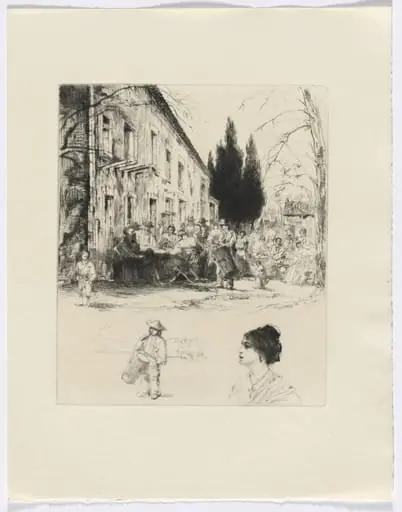 Frédéric Mistral: Mémoires et Recits by Frédéric Mistral: figures at outdoor table/ man playing drum and bust of a woman (insert after p. 136)
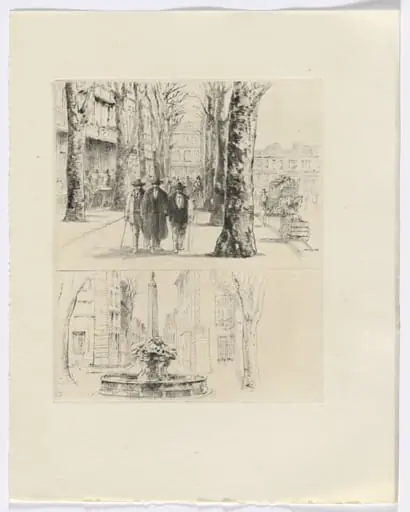 Frédéric Mistral: Mémoires et Recits by Frédéric Mistral: city street scene/ fountain (insert after p. 120)
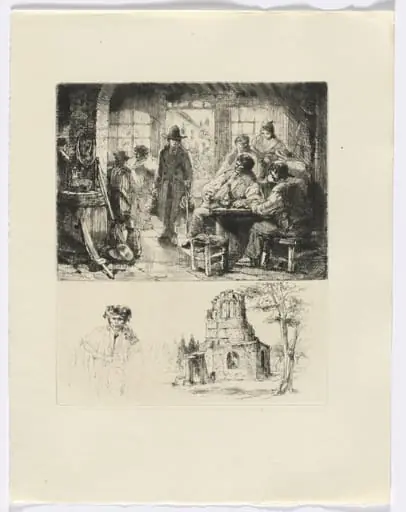 Frédéric Mistral: Mémoires et Recits by Frédéric Mistral: tavern scene/ ruin and man (insert after p. 96)
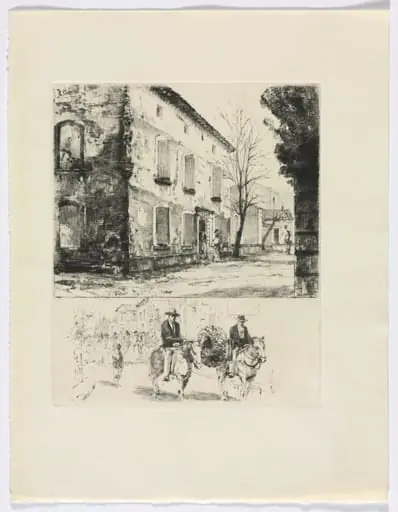 Frédéric Mistral: Mémoires et Recits by Frédéric Mistral: building/ figures on horse (insert after p. 224)
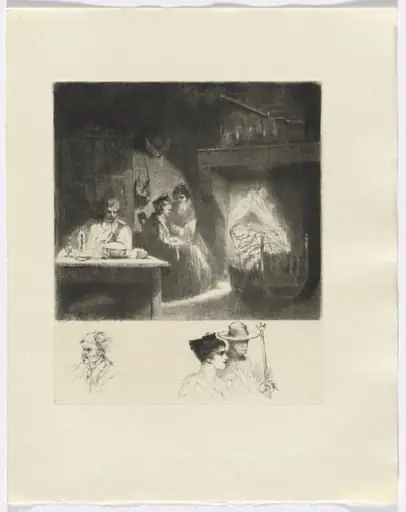 Frédéric Mistral: Mémoires et Recits by Frédéric Mistral: family scene/ bust of three figures (insert after p. 48)
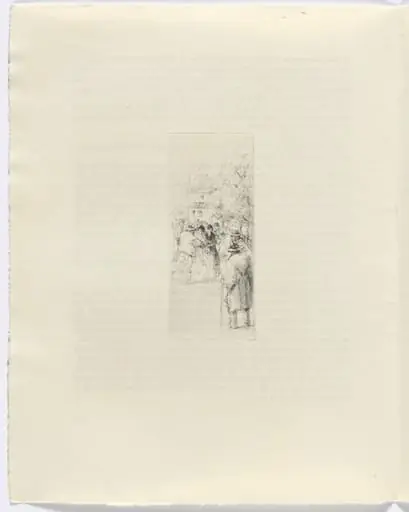 Frédéric Mistral: Mémoires et Recits by Frédéric Mistral: figures on street (page 130)
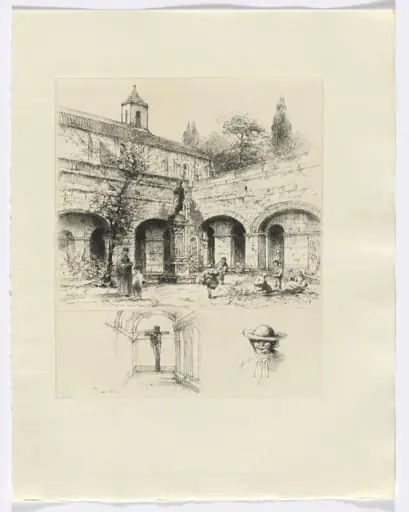 Frédéric Mistral: Mémoires et Recits by Frédéric Mistral: figures in a cloister/ crucifix and bust of a man (insert after p. 56)
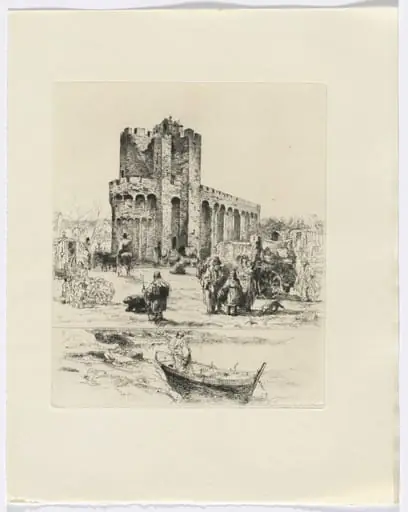 Frédéric Mistral: Mémoires et Recits by Frédéric Mistral: Romanesque church and figures/ man in boat (insert after p. 168)
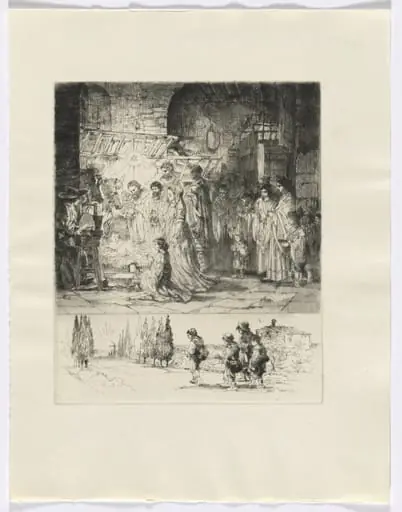 Frédéric Mistral: Mémoires et Recits by Frédéric Mistral: nativity/ figures walking on a road (insert after p. 32)