Artwork
Frédéric Mistral: Mémoires et Recits by Frédéric Mistral: figures in a cloister/ crucifix and bust of a man (insert after p. 56)
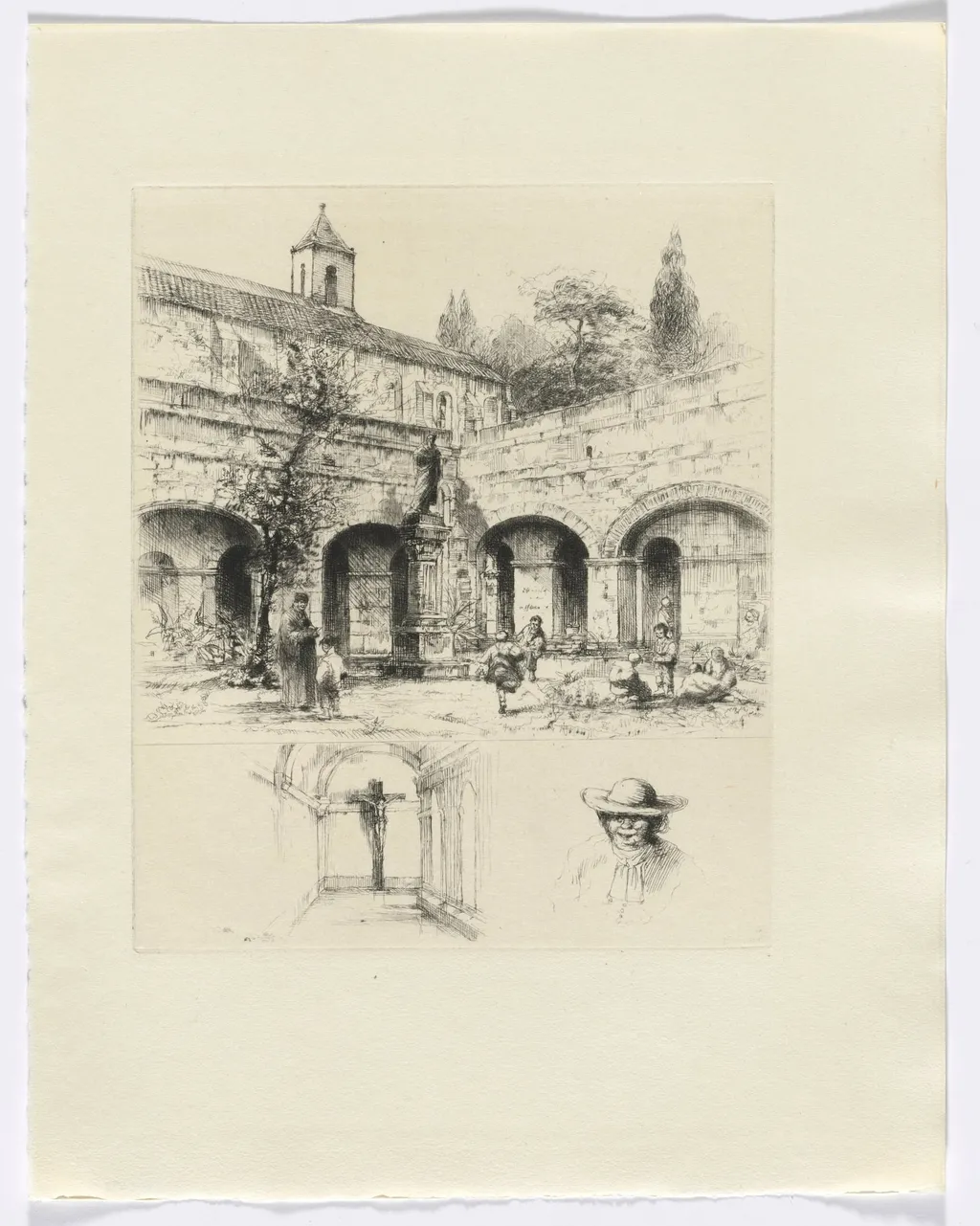
Frédéric Mistral: Mémoires et Recits by Frédéric Mistral: figures in a cloister/ crucifix and bust of a man (insert after p. 56) is a work on paper by Auguste Brouet. It dates from 1937 and is held in the collection of the Cleveland Museum of Art.
About this work
The painting is titled Frédéric Mistral: Mémoires et Recits and features figures in a cloister.
This book illustration was created by Auguste Brouet in 1937. The fact that it's an illustration for a book is interesting, as it shows the artist's ability to work in different formats.
You can learn more about the artist's style by visiting The Cleveland Museum of Art.
Overview
Designed as a typographic complement to Mistral’s prose, the work reflects Brouet’s engagement with literary illustration during the interwar period.
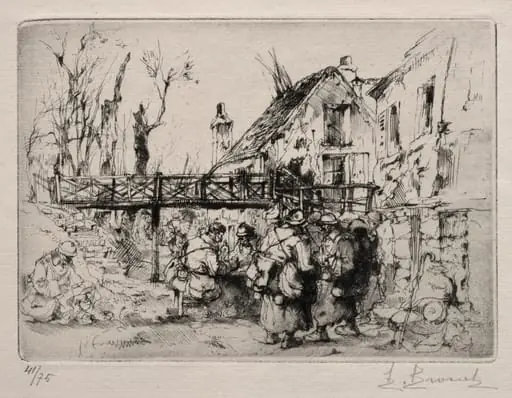
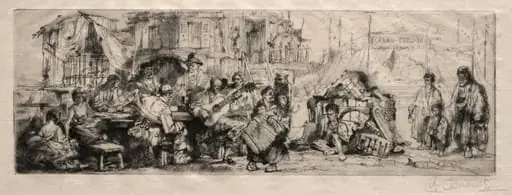
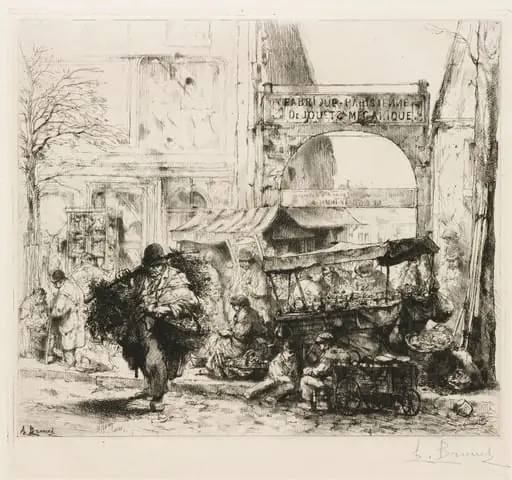
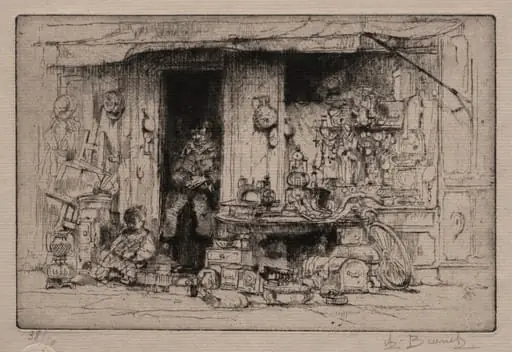
This image is a book illustration from the 1937 edition of Frédéric Mistral’s Mémoires et Recits, created by French artist Auguste Brouet. It appears as an insert following page 56 and depicts a quiet scene within a cloister, featuring a crucifix and a bust of a man. Designed as a typographic complement to Mistral’s prose, the work reflects Brouet’s engagement with literary illustration during the interwar period.
Subject & Meaning
The scene evokes contemplation through its restrained religious symbols: a crucifix stands amid architectural shadows, while a stone bust suggests memory or reverence. The figures are implied rather than rendered, emphasizing solitude and introspection. The imagery aligns with Mistral’s lyrical recollections of Provençal life, where spiritual and cultural heritage intertwine in quiet, everyday spaces.
Technique & Style
Brouet employed drypoint etching, a technique known for its fine, expressive lines and tonal subtlety. The composition is minimalist, relying on delicate hatching to suggest depth and texture in stone and fabric. The absence of color and the focus on monochrome contrast reflect the aesthetic of early 20th-century book illustration, prioritizing mood over narrative detail.
History & Provenance
The illustration was produced for the 1937 edition of Mistral’s memoirs, published in France. It entered the collection of The Cleveland Museum of Art through a gift or acquisition focused on illustrated books and graphic arts. The work is part of a broader mid-century interest in preserving the artistic integrity of literary publications through original printmaking.
Context
In the 1930s, French publishers increasingly commissioned artists to create original prints for literary works, reviving the tradition of illustrated books as art objects. Brouet, known for his etchings of rural life and religious architecture, contributed to this movement. His work for Mistral’s memoirs reflects a cultural effort to connect regional identity with visual art during a period of national reflection.
Legacy
Though not widely exhibited as a standalone piece, the illustration remains a significant example of Brouet’s contribution to literary graphic arts. It exemplifies how printmakers of the era bridged literature and visual culture, preserving the tactile and emotional resonance of text through careful image-making. The work continues to inform studies of interwar French book design.
Artist & collection

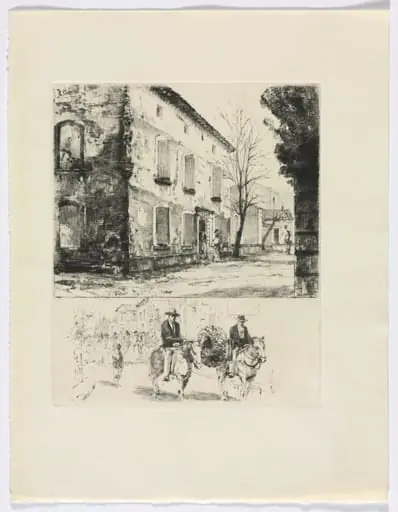 Frédéric Mistral: Mémoires et Recits by Frédéric Mistral: building/ figures on horse (insert after p. 224)
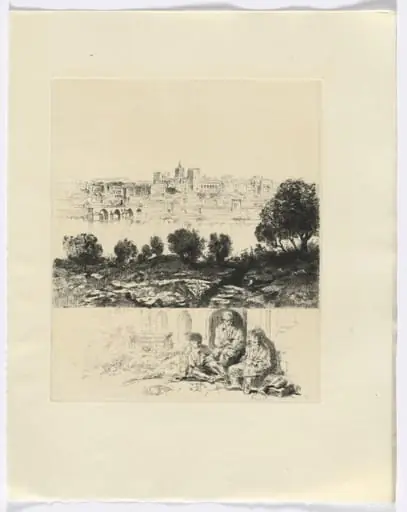 Frédéric Mistral: Mémoires et Recits by Frédéric Mistral: landscape with river and city view/ three figures (insert after p. 72)
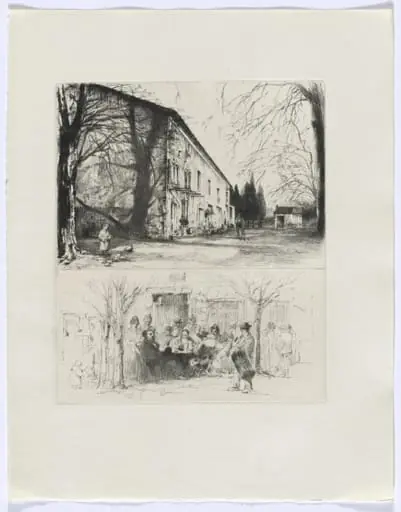 Frédéric Mistral: Mémoires et Recits by Frédéric Mistral: street scene and people at outdoor table (insert after p. 24)
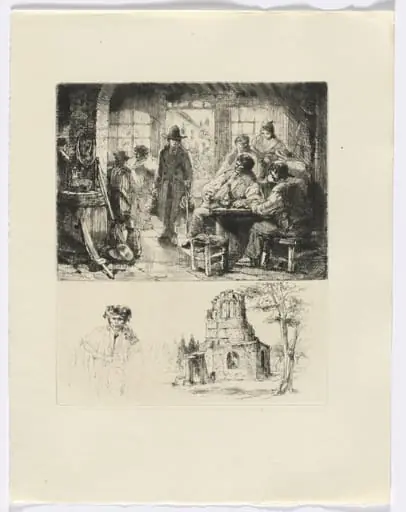 Frédéric Mistral: Mémoires et Recits by Frédéric Mistral: tavern scene/ ruin and man (insert after p. 96)
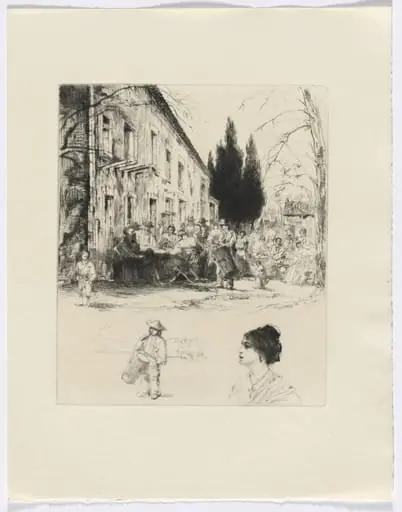 Frédéric Mistral: Mémoires et Recits by Frédéric Mistral: figures at outdoor table/ man playing drum and bust of a woman (insert after p. 136)
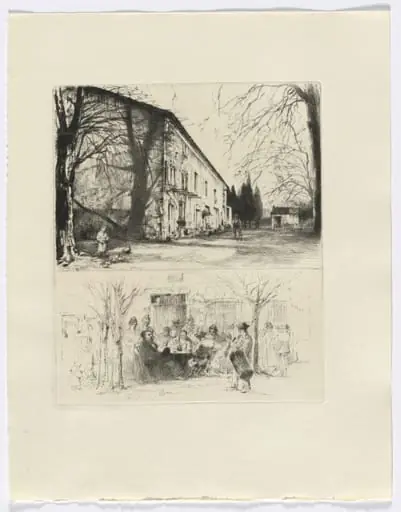 Frédéric Mistral: Mémoires et Recits by Frédéric Mistral: street scene/ people at outdoor table (insert after p. 24) DUPLICATE
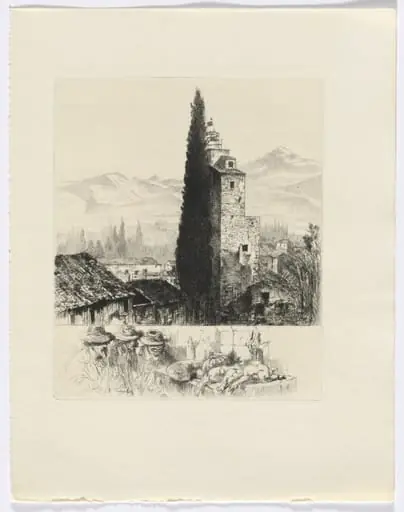 Frédéric Mistral: Mémoires et Recits by Frédéric Mistral: tower in landscape/ man and dead game (insert after p. 200)
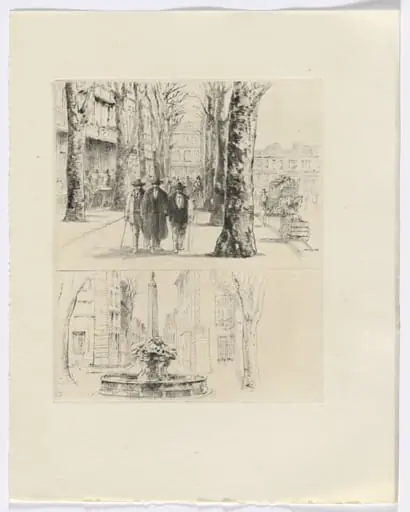 Frédéric Mistral: Mémoires et Recits by Frédéric Mistral: city street scene/ fountain (insert after p. 120)
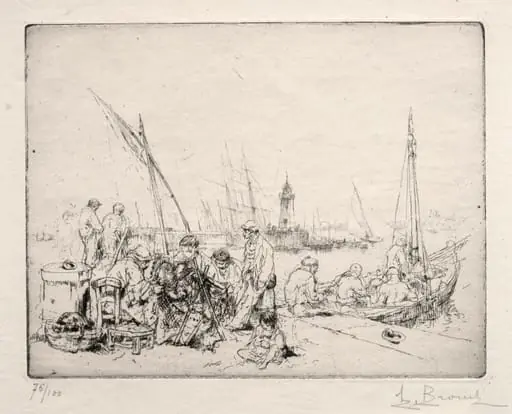
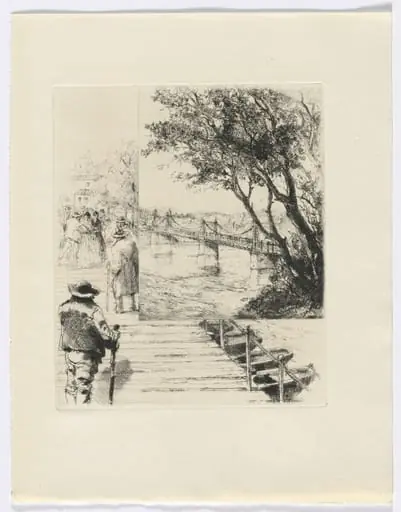 Frédéric Mistral: Mémoires et Recits by Frédéric Mistral: figures on a pier (insert after p.216)