Artwork
Mehemet Ali Viceroy of Egypt
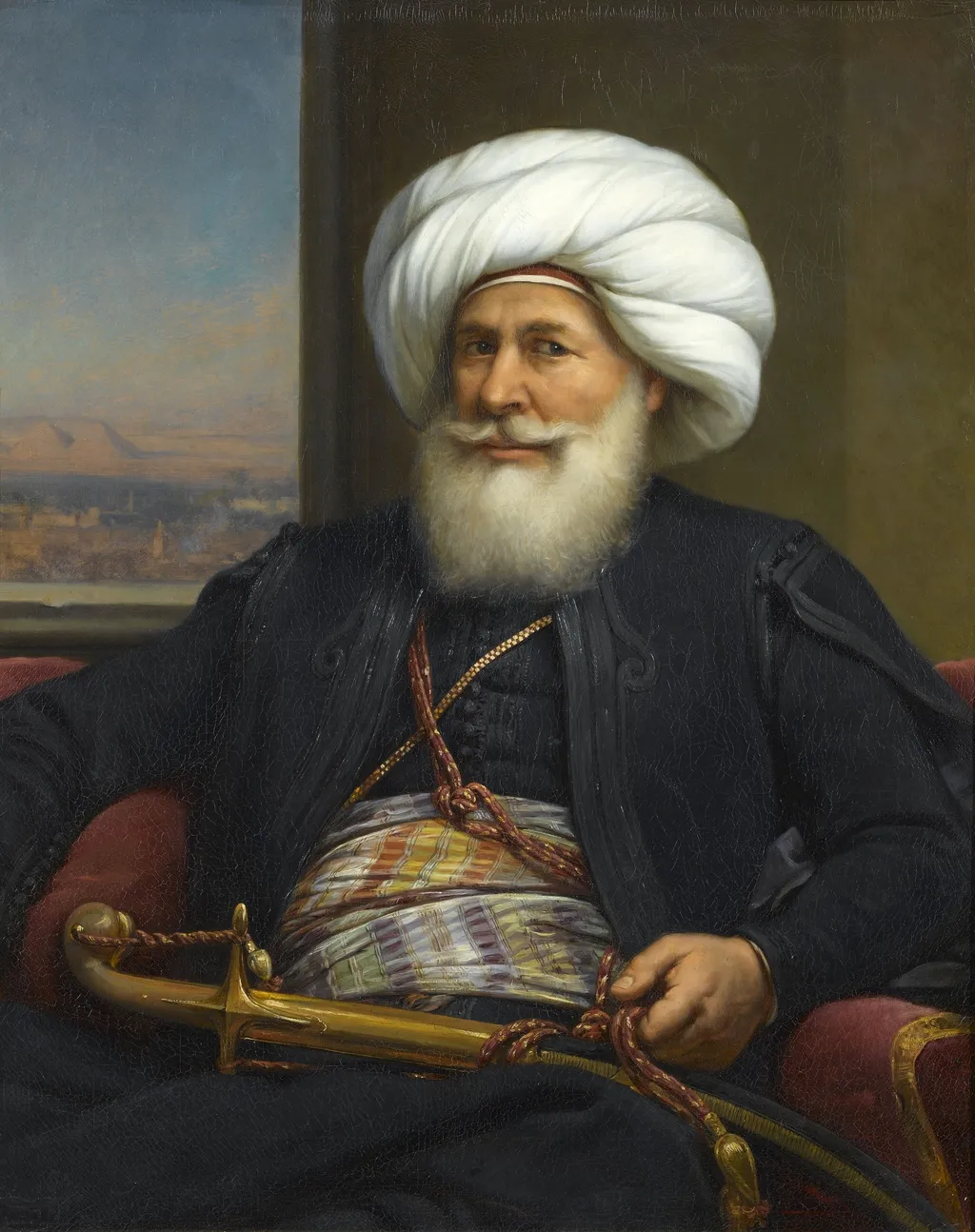
Mehemet Ali Viceroy of Egypt is an oil painting by Auguste Couder. It dates from 1841 and is held in the collection of the Palace of Versailles.
About this work
Overview
Painted in 1841 by French artist Auguste Couder, this oil portrait portrays Muhammad Ali, the Ottoman viceroy of Egypt.
Painted in 1841 by French artist Auguste Couder, this oil portrait portrays Muhammad Ali, the Ottoman viceroy of Egypt. Commissioned during a period of heightened European interest in the region, the work reflects the academic tradition of portraiture favored in early 19th-century France. Couder, a respected member of the Académie des beaux-arts, executed the piece with formal precision, aligning it with state-sponsored visual diplomacy of the era.
Subject & Meaning
Muhammad Ali is depicted as a ruler of authority, seated with composure and adorned in traditional Ottoman attire: a white turban, a dark jacket, and an ornate sash. The sword in his right hand, its gold hilt and red cord signaling rank, reinforces his military and political stature. The distant cityscape and pyramids behind him anchor his identity in Egypt’s landscape, suggesting both his governance and the region’s ancient legacy, without overt symbolism or allegory.
Technique & Style
Couder employed a restrained, naturalistic approach characteristic of French academic portraiture. Brushwork is controlled, with attention to texture in fabric, metal, and skin. The lighting is even, emphasizing form over drama. The background, minimally detailed, directs focus to the figure while subtly situating him within a recognizable Egyptian context. The composition follows classical conventions of balance and dignity, avoiding theatricality in favor of dignified presence.
History & Provenance
The painting was completed in 1841 and entered the collection of the Palace of Versailles, where it remains today. Its acquisition likely coincided with France’s diplomatic engagement with Muhammad Ali’s Egypt, a period marked by shifting alliances and cultural exchange. As an official portrait, it served both as a record of a key regional leader and as a symbol of Franco-Egyptian relations during the reign of Louis-Philippe.
Context
In the 1840s, European powers closely monitored Egypt’s modernization under Muhammad Ali, whose reforms transformed its military and economy. French artists and diplomats were active in the region, and portraiture became a tool for representing foreign rulers in terms familiar to Western audiences. Couder’s work reflects this trend: depicting an Eastern leader through the visual language of European aristocratic portraiture, blending realism with cultural translation.
Legacy
The portrait endures as a document of 19th-century cross-cultural representation. It illustrates how Western institutions framed non-European leaders within established artistic norms, neither exoticizing nor fully contextualizing their subject. While not widely exhibited outside Versailles, it remains a quiet example of how state-sponsored art mediated political relationships through visual authority and controlled imagery.
Artist & collection
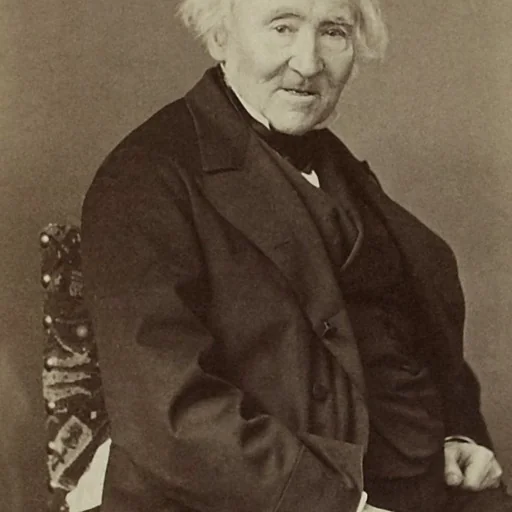
Artist
Louis-Charles-Auguste Couder, or Auguste Couder (1 April 1789 – 21 July 1873), was a French painter and student of Jean-Baptiste Regnault and Jacques-Louis David.

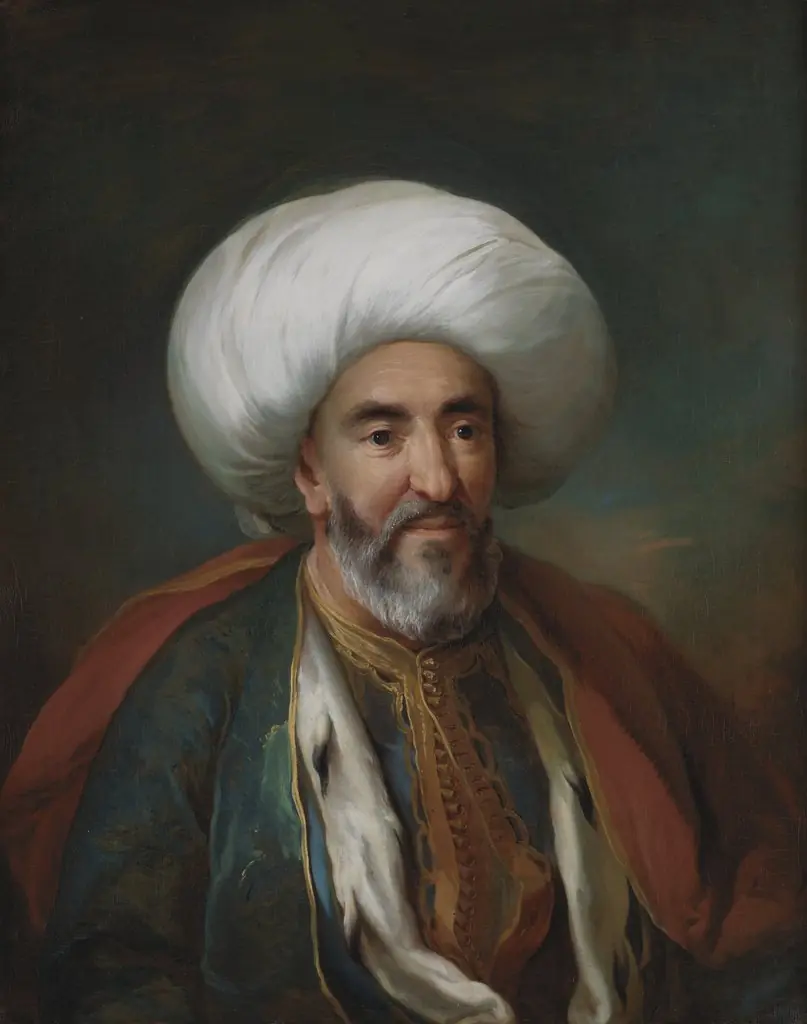 Portrait of Mahmud Agas, Ambassador of Tripolis
 Portrait of Mahmud Agas, Ambassador of Tripolis
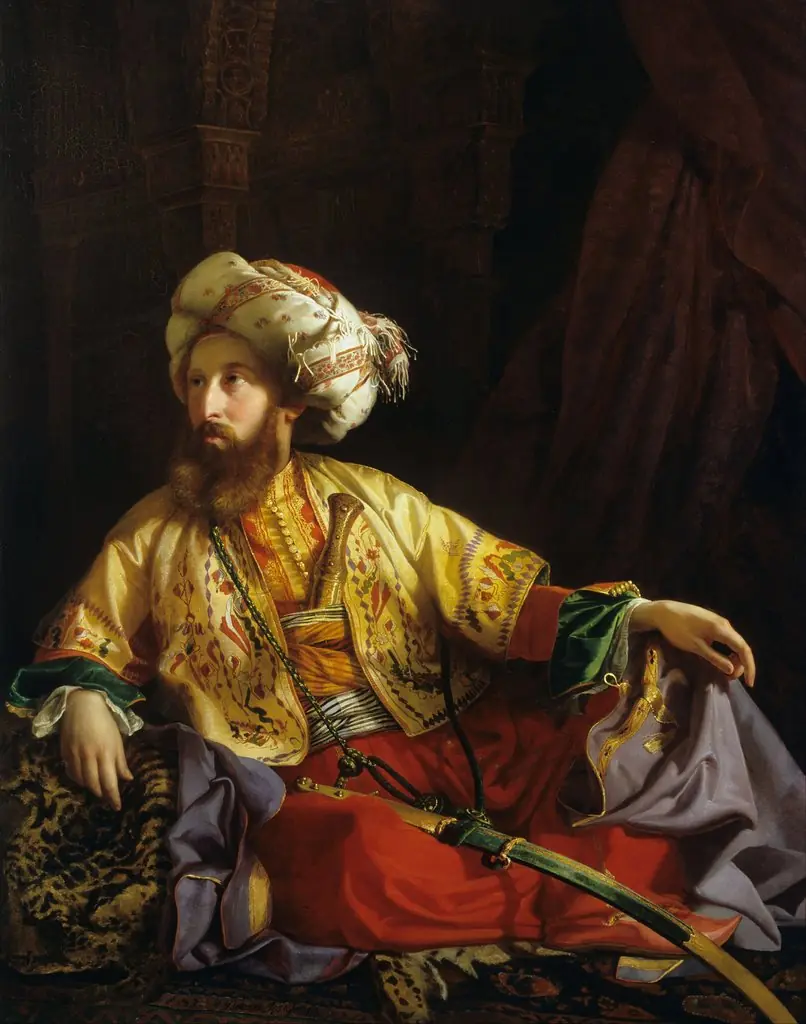 Emir of Lebanon
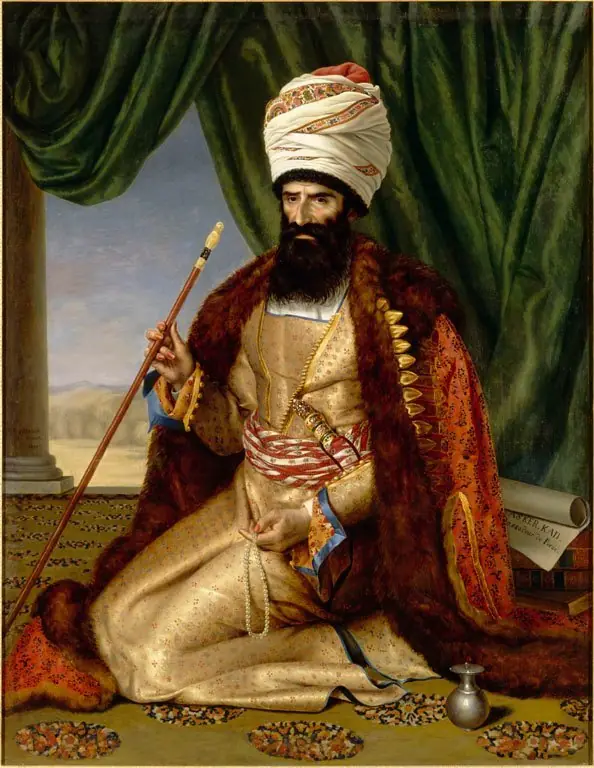 Asker-Khan, ambassadeur de Perse à Paris en 1808
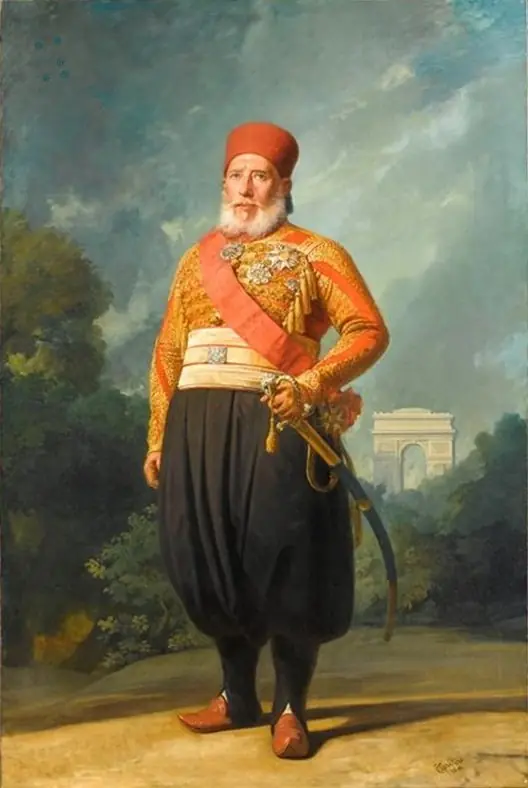 Portrait of Ibrahim Pasha of Egypt (1789–1848)
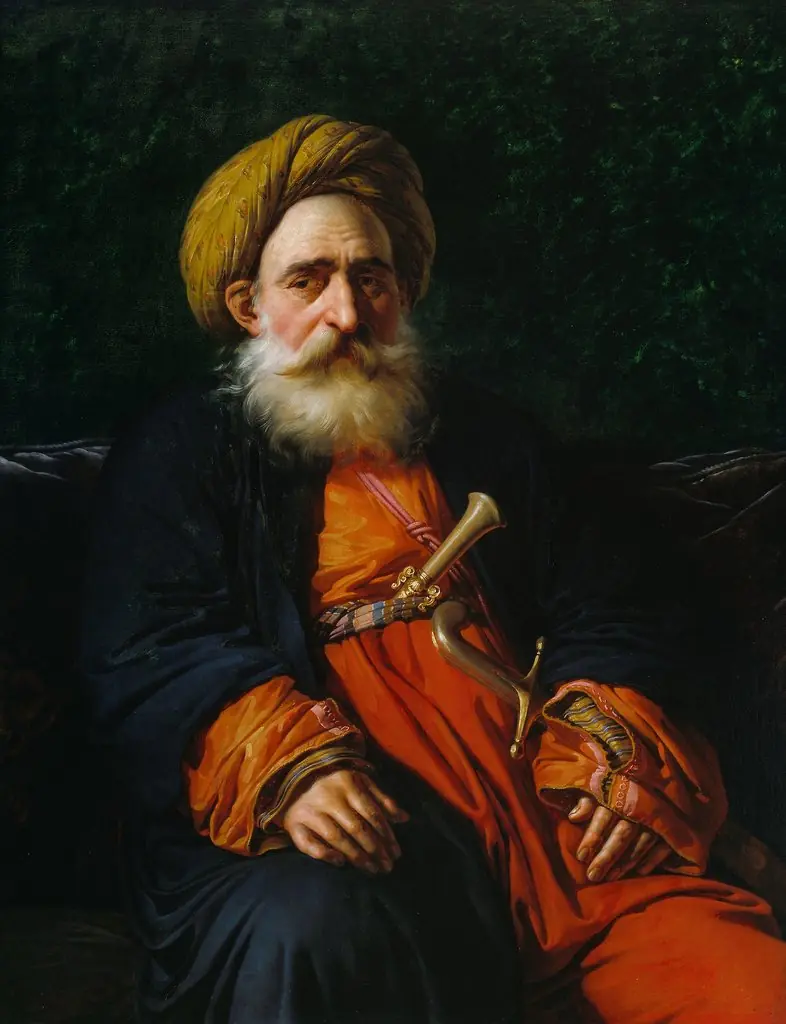 Portrait of the Katchef Dahouth, Christian Mameluke
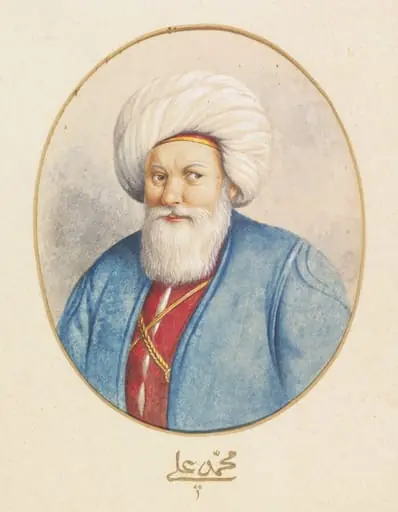 Portrait of Muhammad Ali
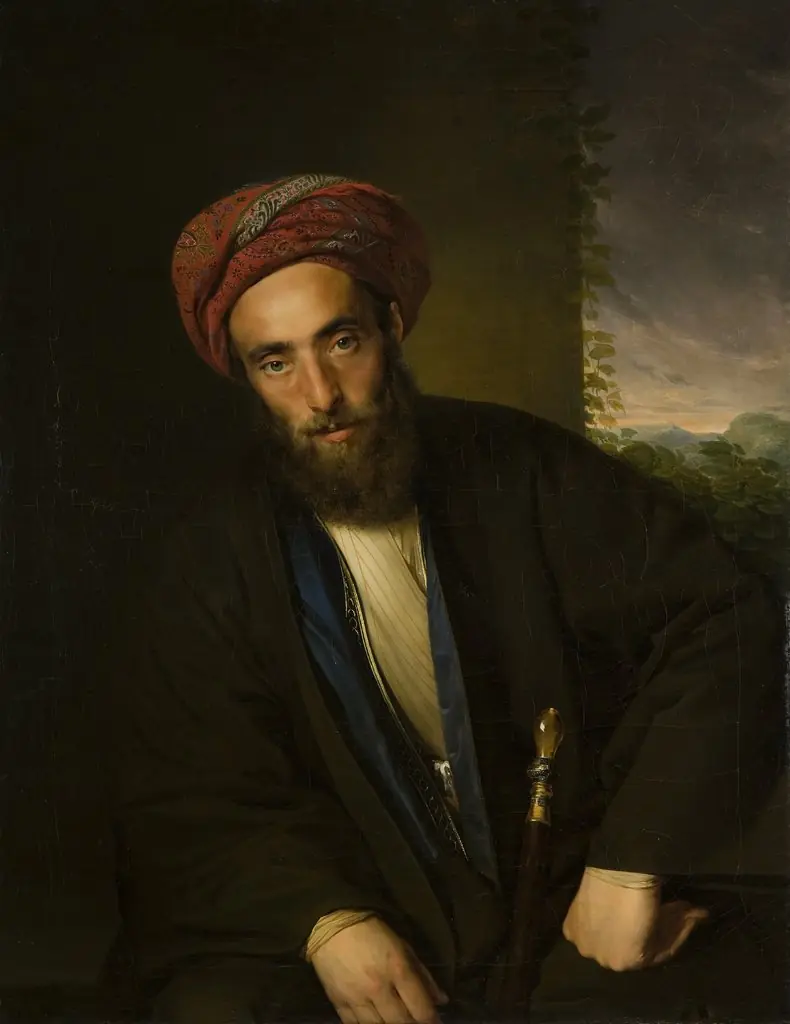 Seated Armenian
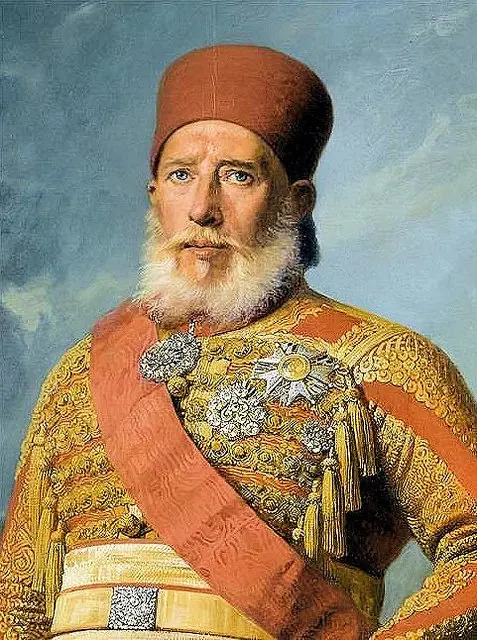 Portrait of Ibrahim Pasha of Egypt (1789–1848)
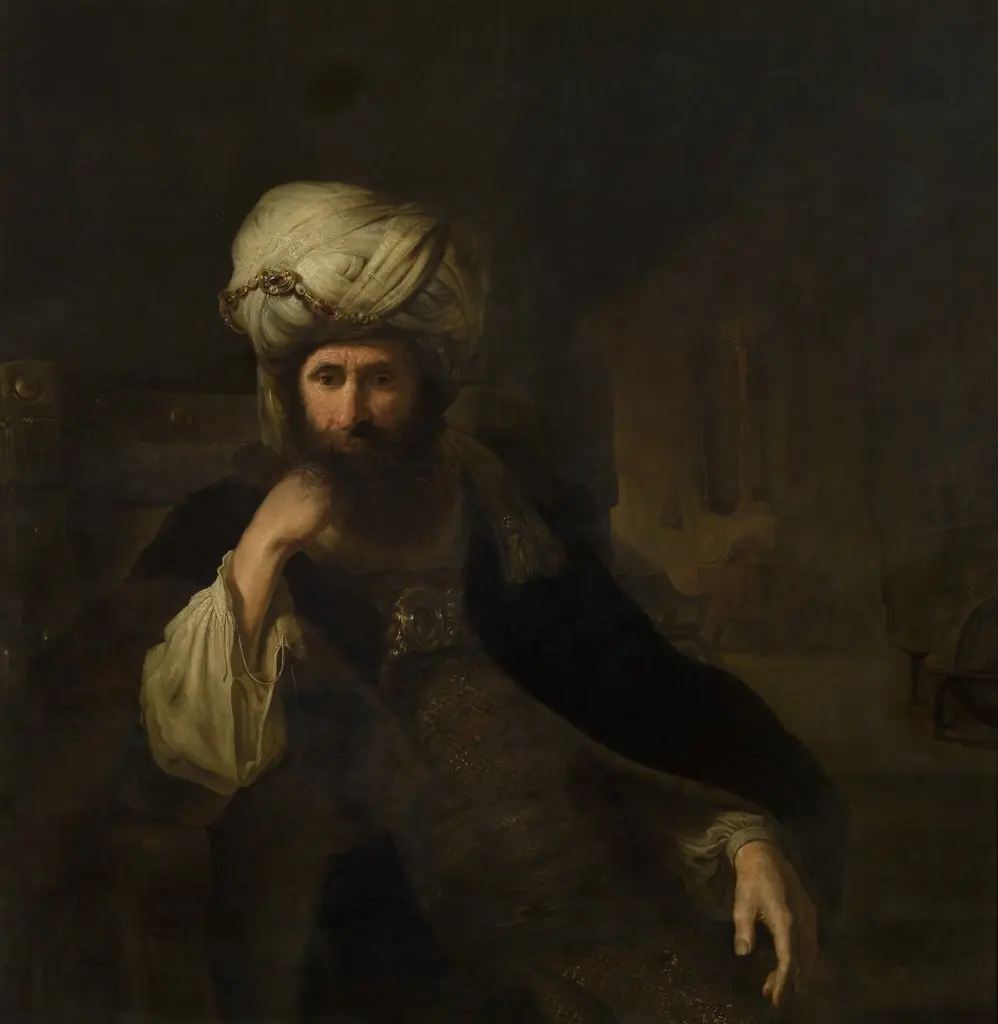 Portrait of a Man in Eastern Attire
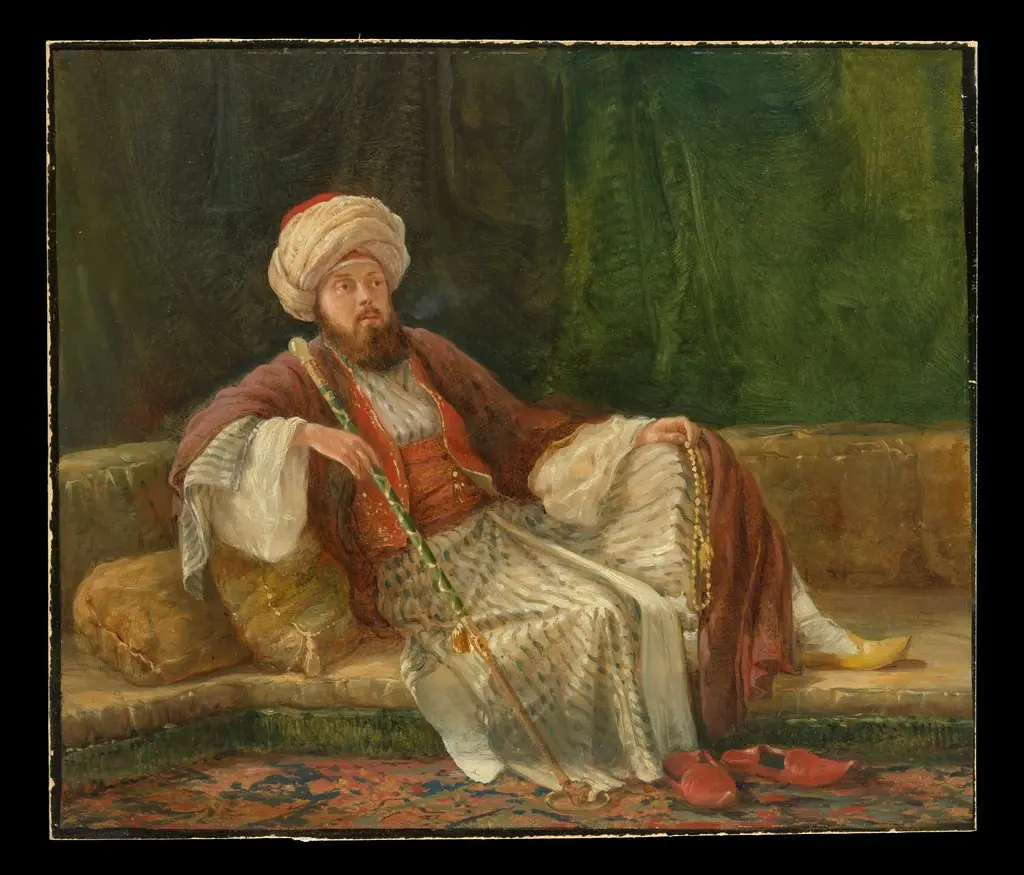 Western Gentleman in Oriental Costume
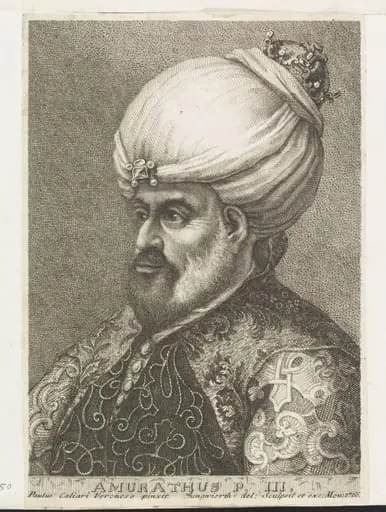 Turkish sultans, sultanas and other historical figures