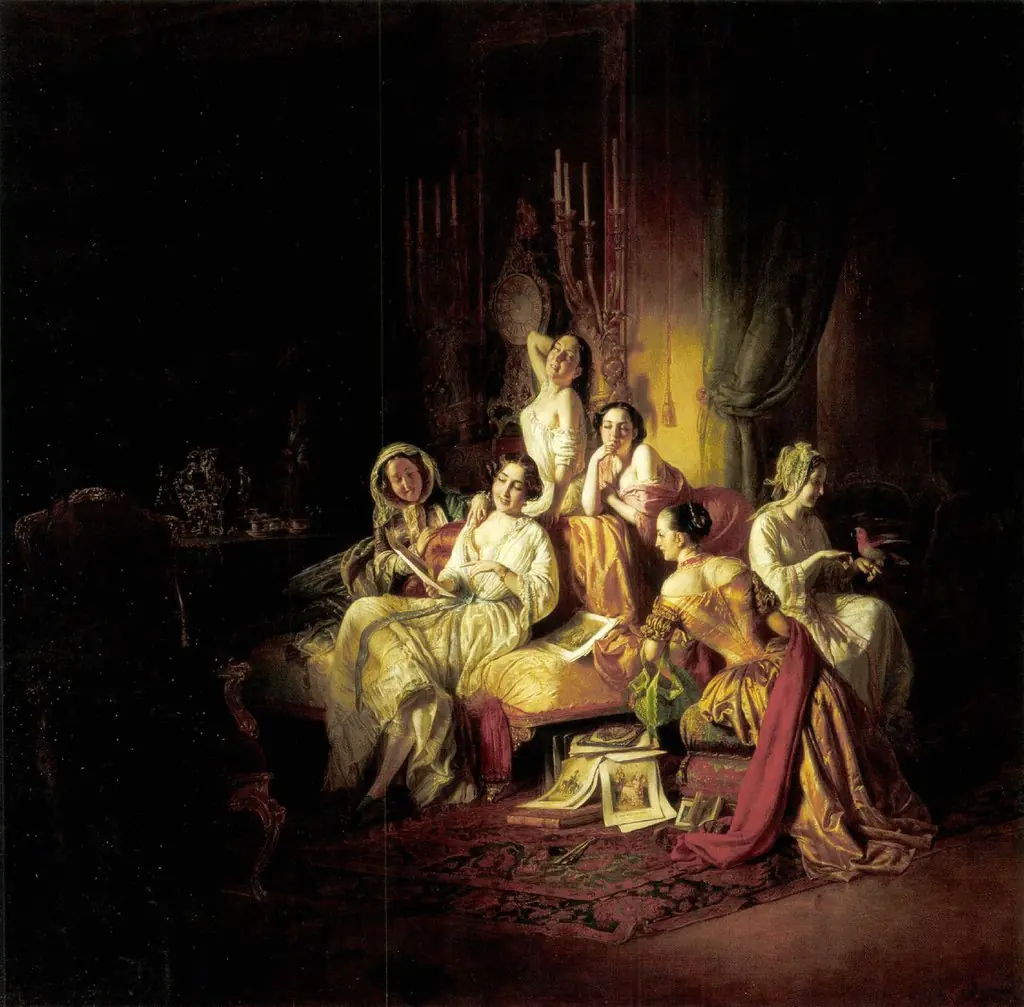
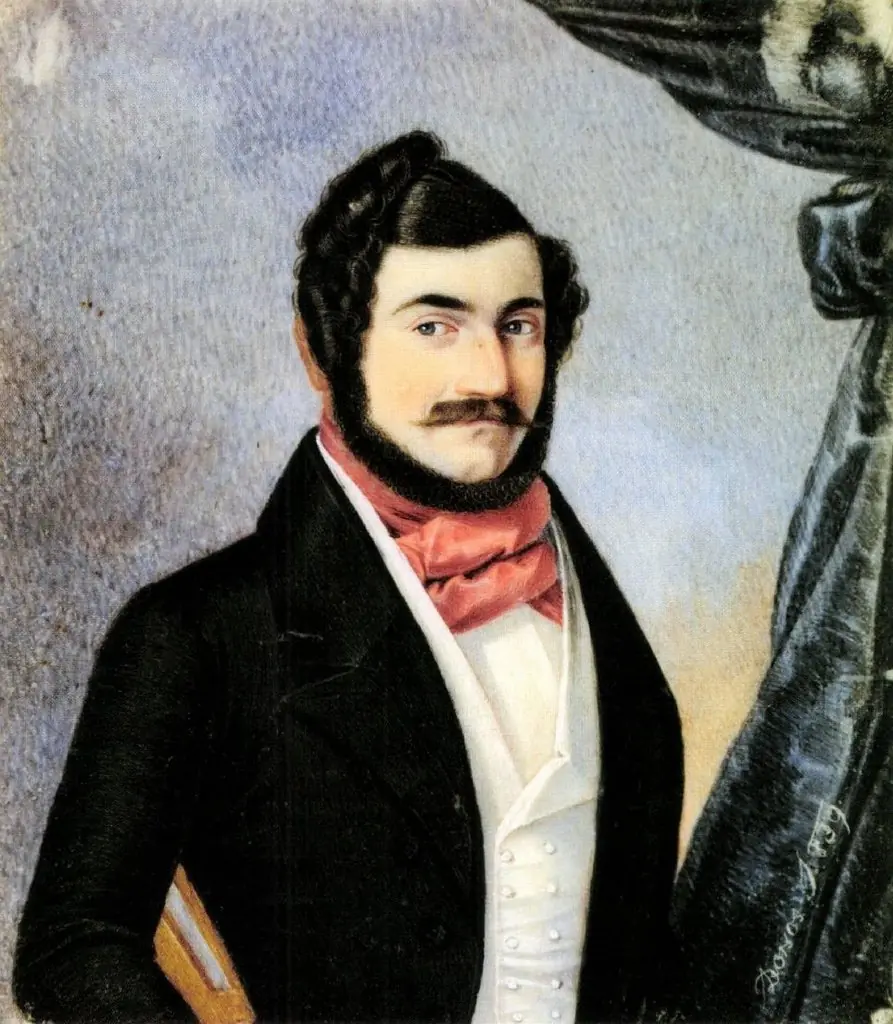
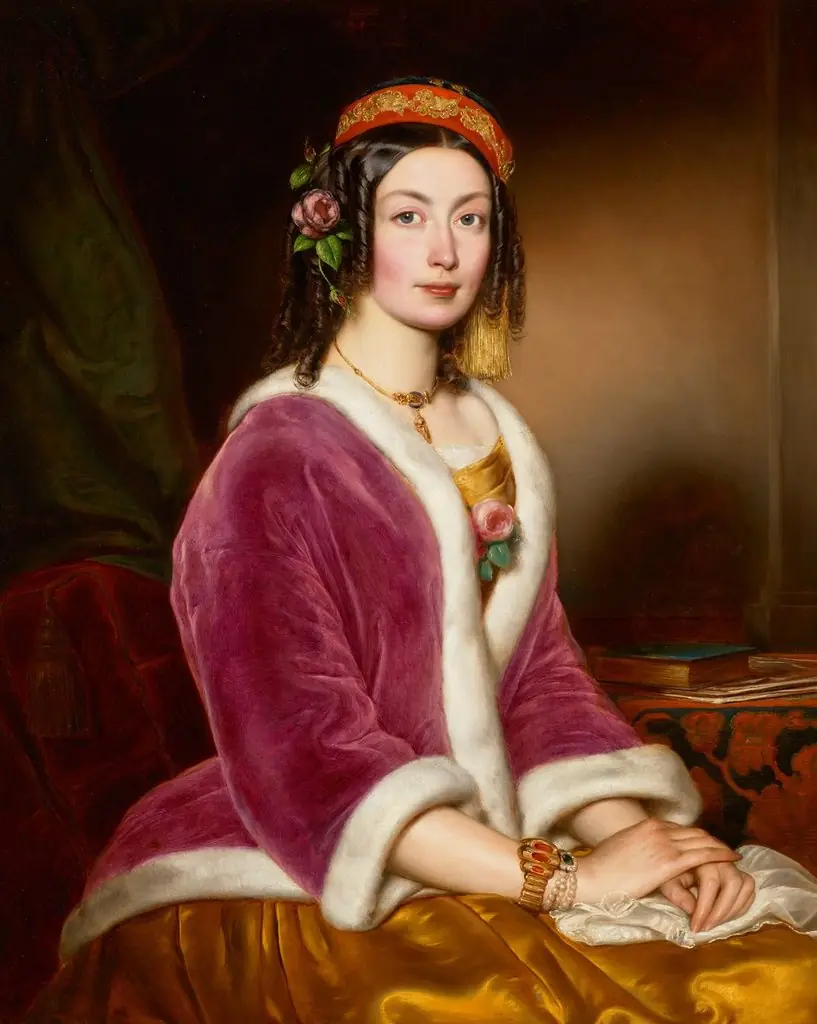
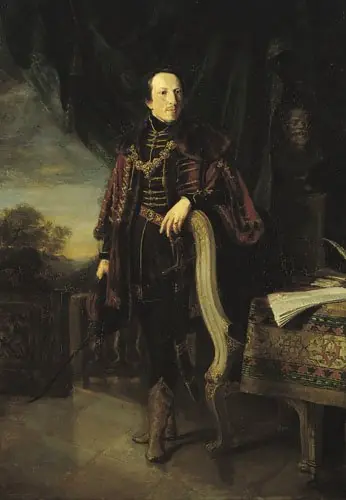
Artwork
Emir of Lebanon
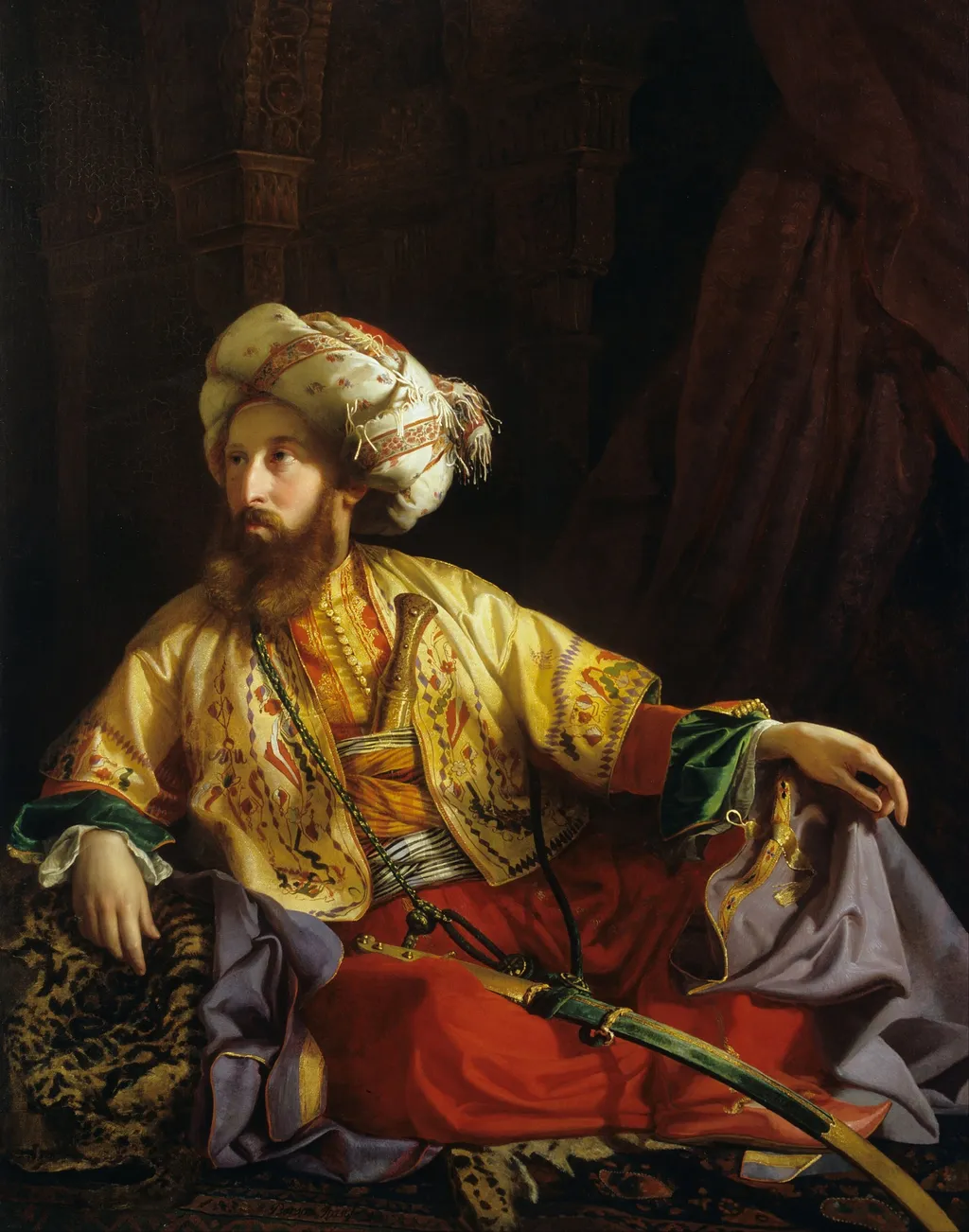
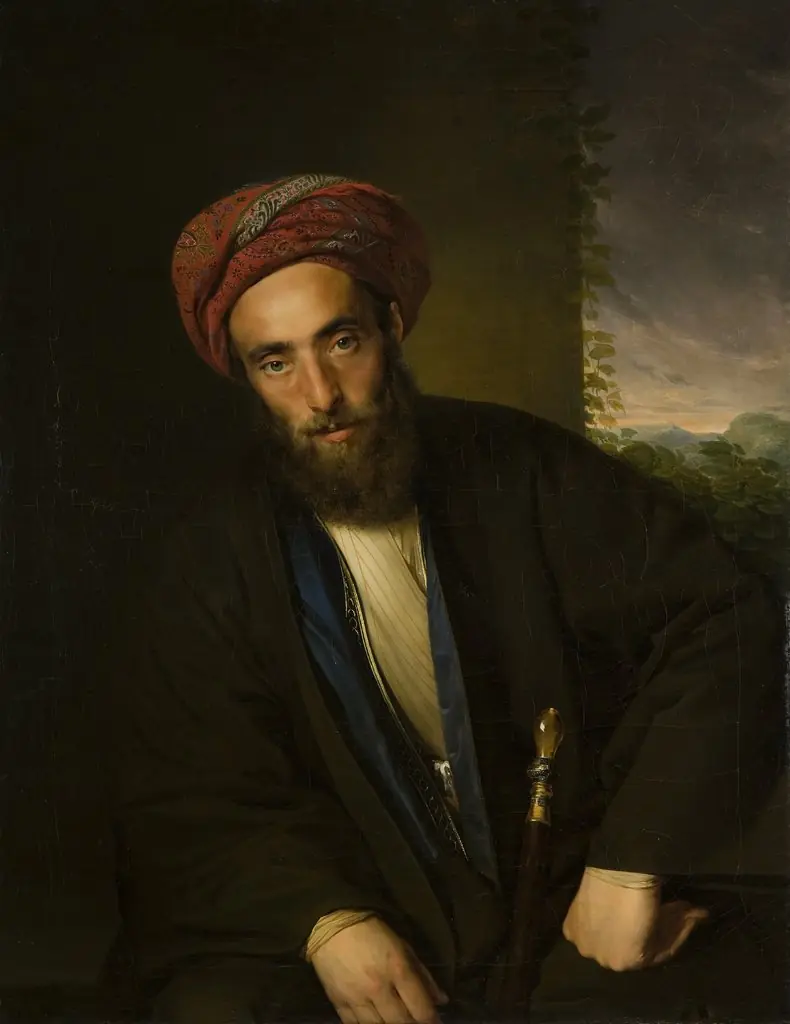
Emir of Lebanon is an oil painting by József Borsos. It dates from 1843 and is held in the collection of the Hungarian National Gallery.
About this work
Overview
Emir of Lebanon is an 1843 oil painting by Hungarian artist József Borsos, characterized by detailed realism typical of the Biedermeier style. The work is part of the collection at the Hungarian National Gallery.
Subject & Meaning
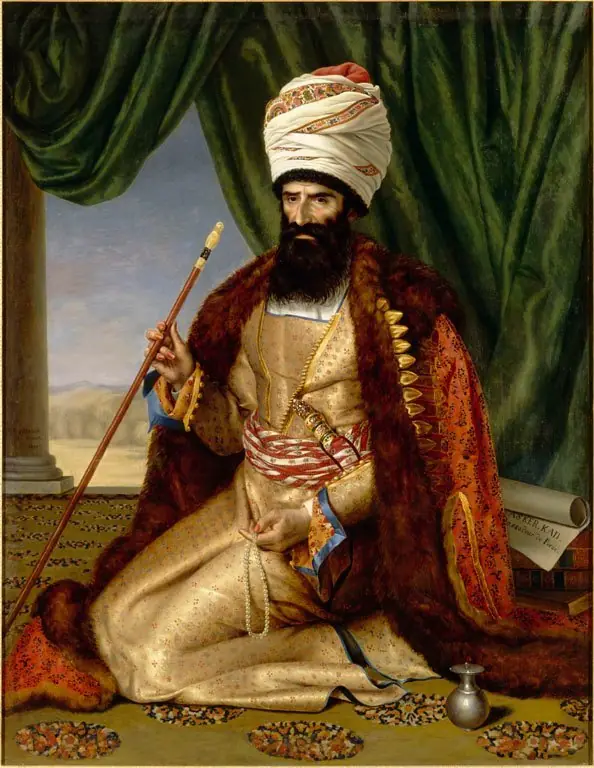
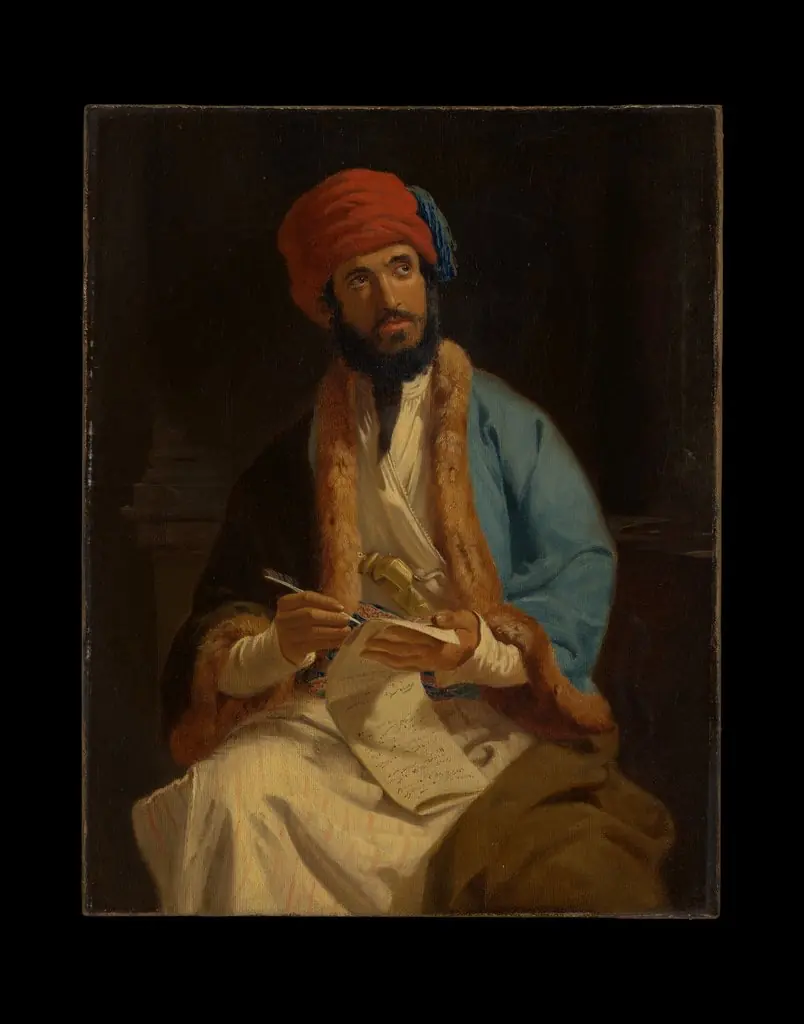
The painting portrays a man dressed in elaborate Middle Eastern attire, including a yellow robe with red and green accents, a white turban, and a sword. His relaxed posture and gaze directed to the left suggest a contemplative or introspective mood.
Technique & Style
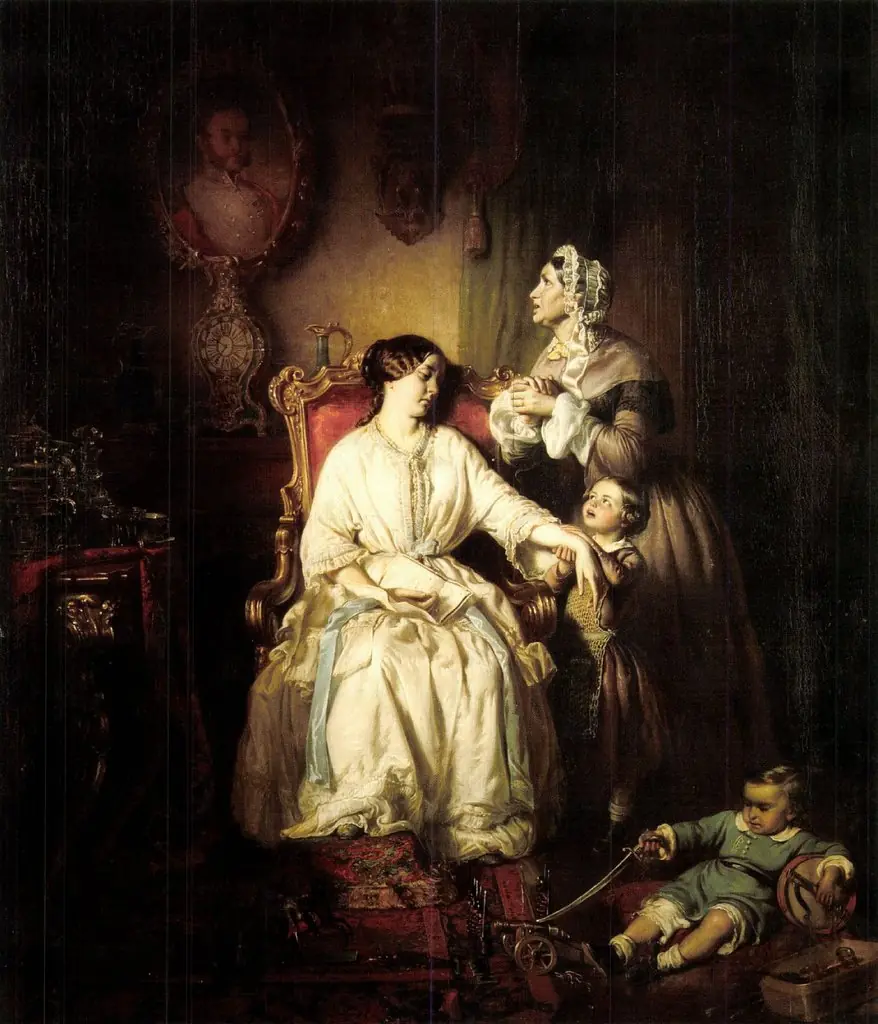
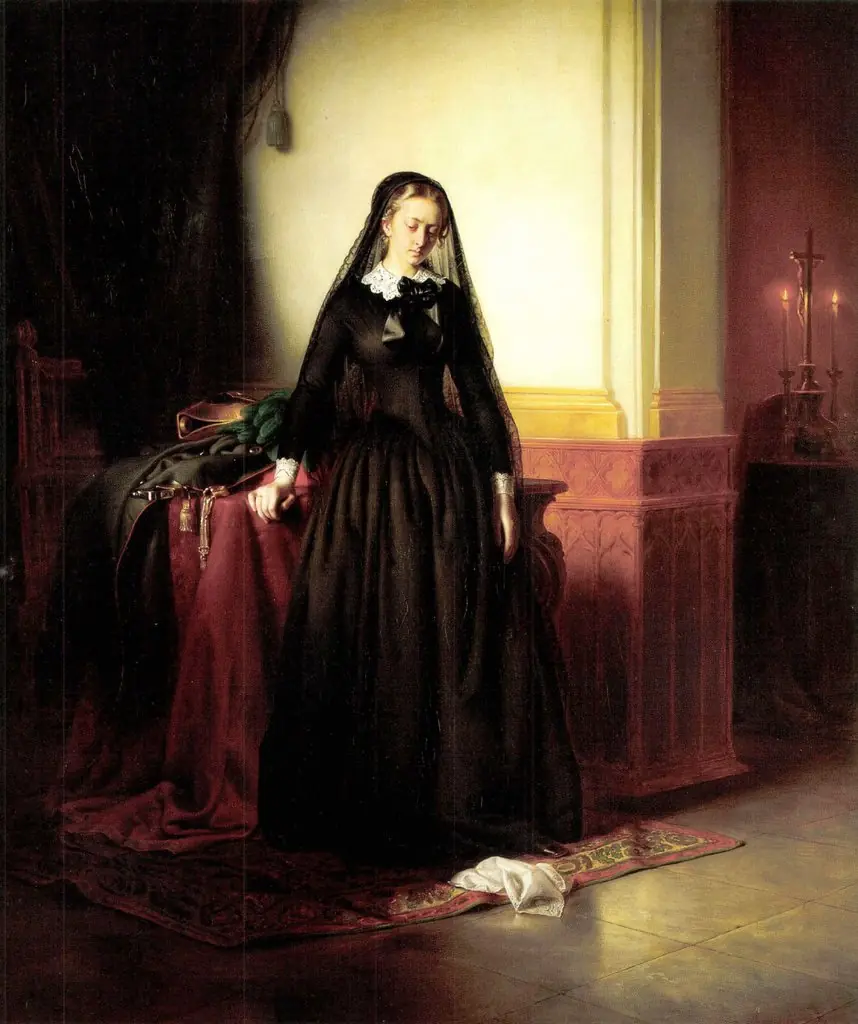
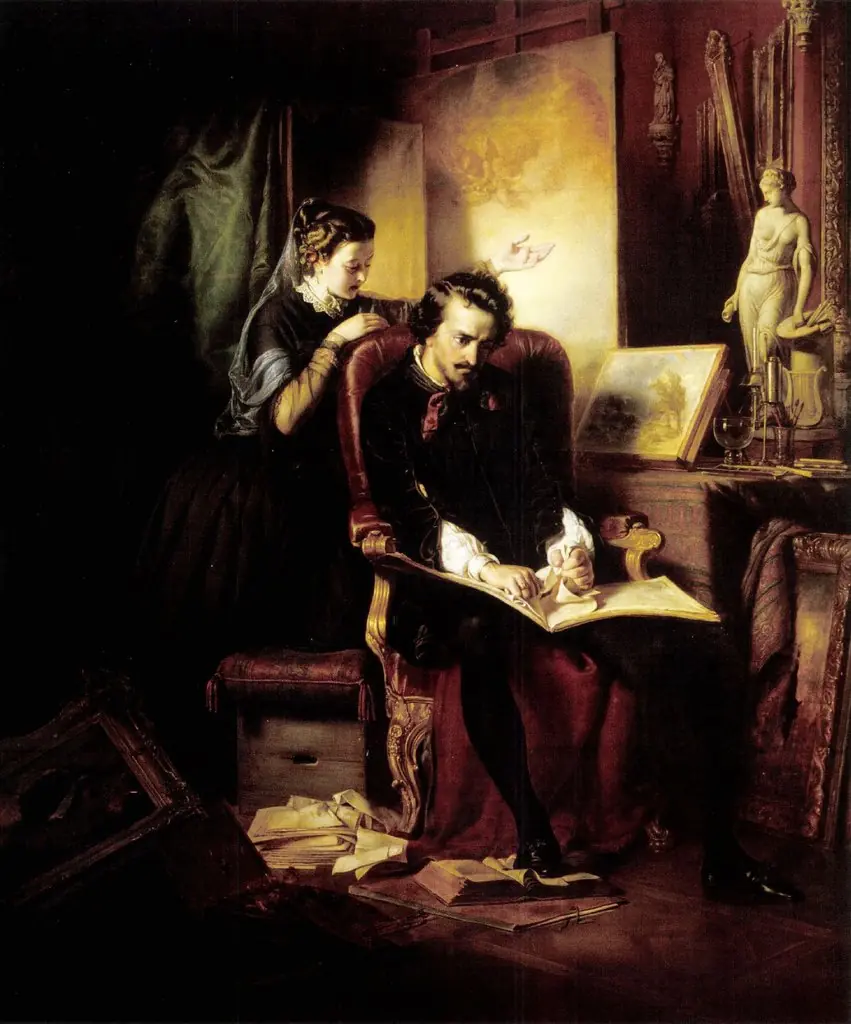
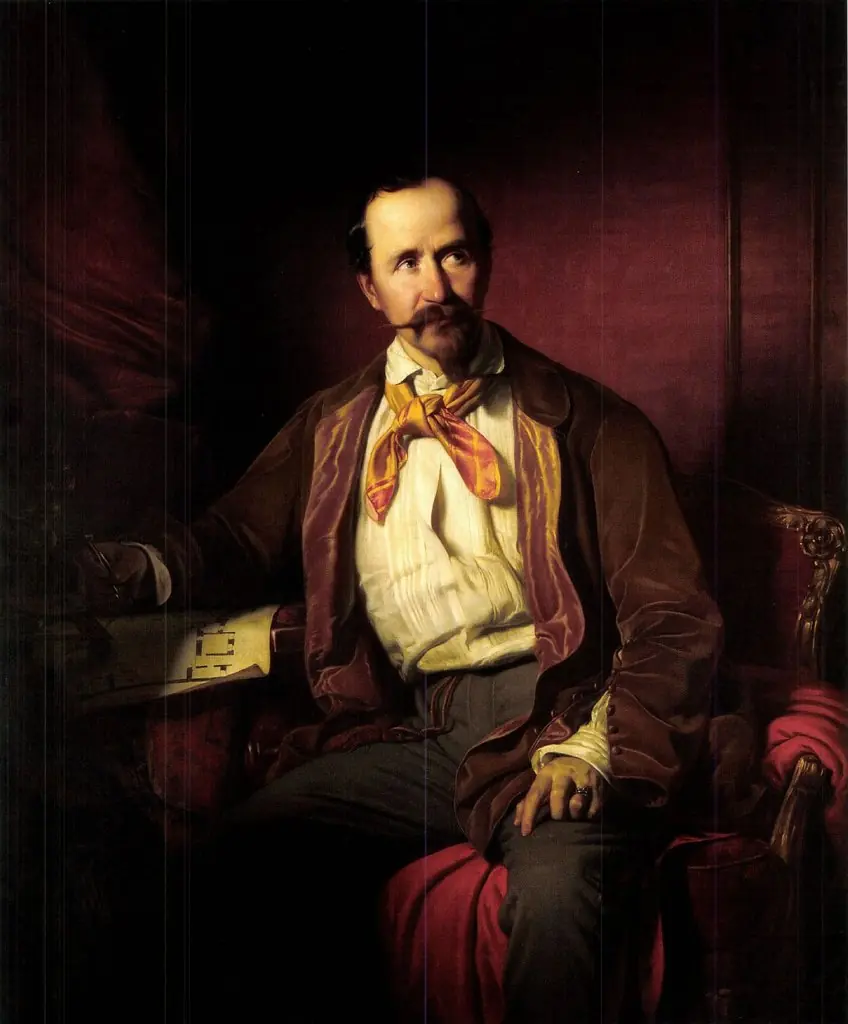
Borsos employed chiaroscuro to create a strong contrast between light and dark, emphasizing the subject's vibrant clothing and facial features against a dark background. This technique, along with the attention to detail, aligns with the Biedermeier style's emphasis on realism.
History & Provenance
Created in 1843 by József Borsos (1821-1883), a Hungarian portrait painter and photographer active in Budapest, the painting is now held in the Hungarian National Gallery.
Context
While the subject's identity as the 'Emir of Lebanon' is specified, the painting reflects 19th-century European interest in Orientalist themes, though Borsos's approach focuses more on individual portraiture than exotic stereotyping.
Legacy
Emir of Lebanon contributes to the legacy of Biedermeier-style portraiture, highlighting Borsos's skill in capturing detailed, realistic likenesses. Its presence in the Hungarian National Gallery underscores its importance in Hungarian cultural heritage.
Own this work as a print
Artist & collection
Artist
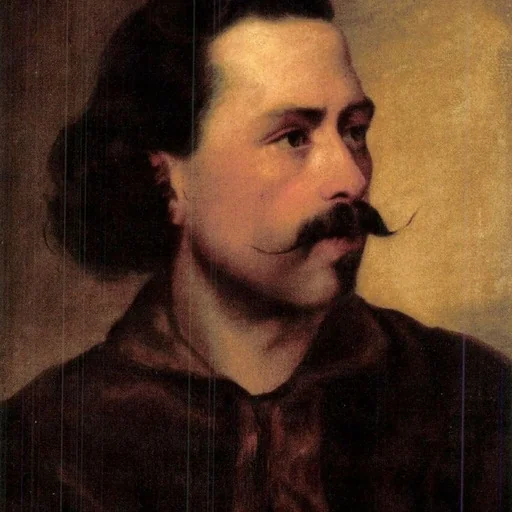
Jozsef Borsos (21 December 1821, in Veszprém – 19 August 1883, in Budapest) was a Hungarian portrait painter and photographer; best known for his genre paintings in the Biedermeier style.