Artwork
The Death of Masaccio
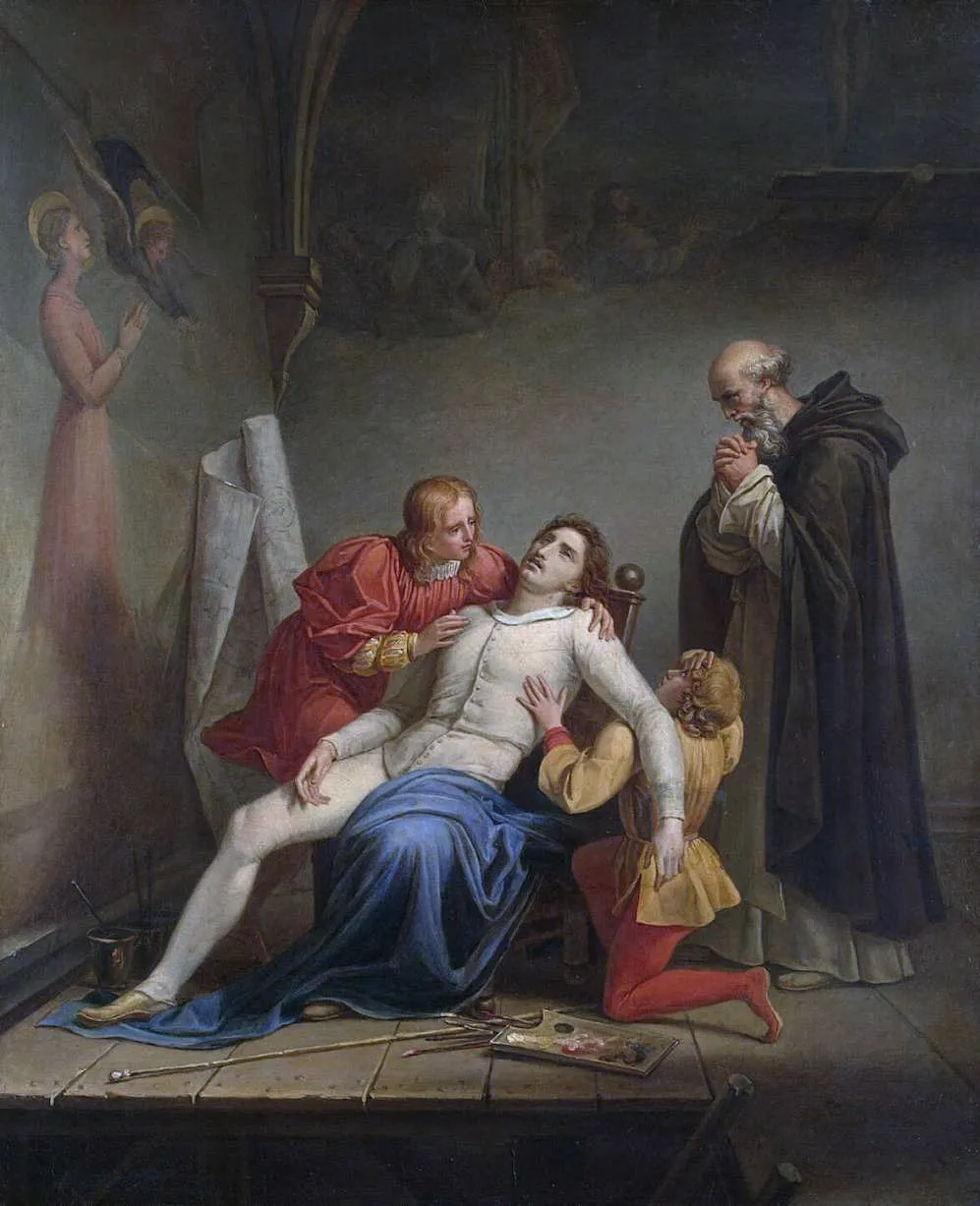
The Death of Masaccio is an oil painting by Auguste Couder. It dates from 1817 and is held in the collection of the Hermitage Museum.
About this work
Overview
Painted in 1817 by French artist Auguste Couder, this oil on canvas work depicts the imagined death of the early Renaissance painter Masaccio.
Painted in 1817 by French artist Auguste Couder, this oil on canvas work depicts the imagined death of the early Renaissance painter Masaccio. Couder, trained in the neoclassical tradition, chose a historical subject from art’s past rather than contemporary events. The painting is part of the State Hermitage Museum’s collection, where it remains as an example of 19th-century historical imagination.
Subject & Meaning
The scene portrays Masaccio’s death in a foreign land, surrounded by mourners: a woman leaning over him, another kneeling, an older man with clasped hands, and a child peering from behind. The figures convey grief and helplessness, emphasizing the loss of a pioneering artist. The inclusion of scattered brushes and palette suggests his craft was abandoned mid-work, reinforcing the tragedy of an untimely end.
Technique & Style
Couder employed chiaroscuro to heighten emotional tension, using stark contrasts between shadow and light to model the figures and interior space. The rough stone walls and dim ceiling enhance the somber mood. Brushwork is controlled yet expressive, particularly in the rendering of fabric and skin tones. The composition directs attention to Masaccio’s pale, upturned face, anchoring the narrative in quiet solemnity.
History & Provenance
Created in 1817, the painting was likely commissioned or acquired by Russian imperial patrons during a period of growing interest in Western European art. It entered the Hermitage collection in the 19th century and has remained there since. Couder, a respected academic painter, received honors from the French state, but this work reflects his engagement with Italian artistic heritage rather than French contemporary themes.
Context
In the early 19th century, European artists frequently revisited Renaissance figures as symbols of artistic virtue and tragic fate. Masaccio, though long dead, was revered for his innovations in perspective and naturalism. Couder’s depiction aligns with Romantic-era fascination with the artist as a solitary, doomed genius, blending historical reverence with dramatic sentiment.
Legacy
Though not widely exhibited today, the painting stands as a testament to 19th-century European artists’ engagement with Renaissance history. It reflects how later generations idealized early masters, projecting their own values onto the past. The work preserves a visual narrative of artistic legacy, where death becomes a moment of collective memory rather than mere biography.
Artist & collection
Artist
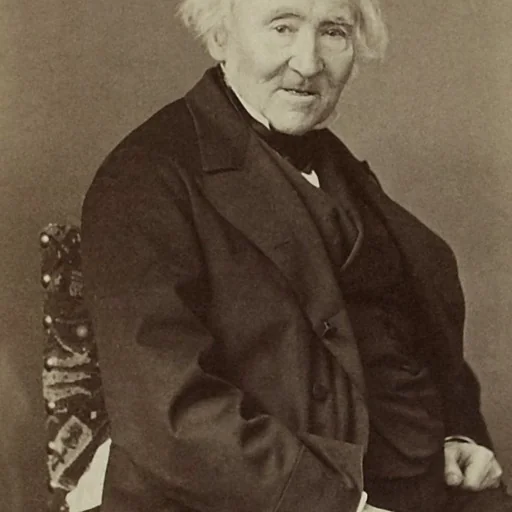
Louis-Charles-Auguste Couder, or Auguste Couder (1 April 1789 – 21 July 1873), was a French painter and student of Jean-Baptiste Regnault and Jacques-Louis David.

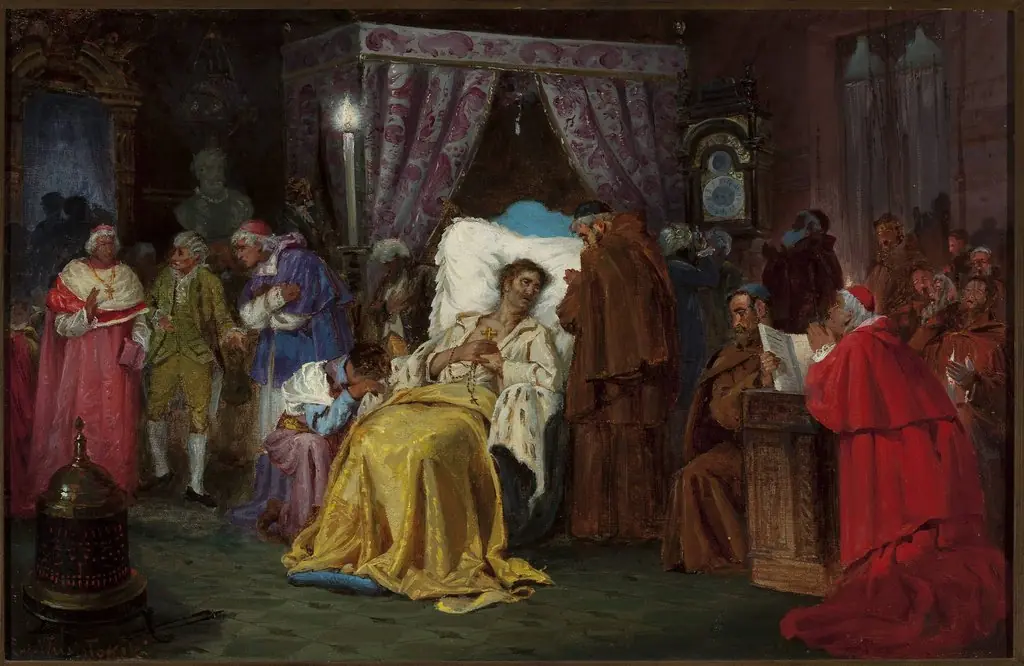 Aleksander Sobieski on his deathbed in Rome in 1714
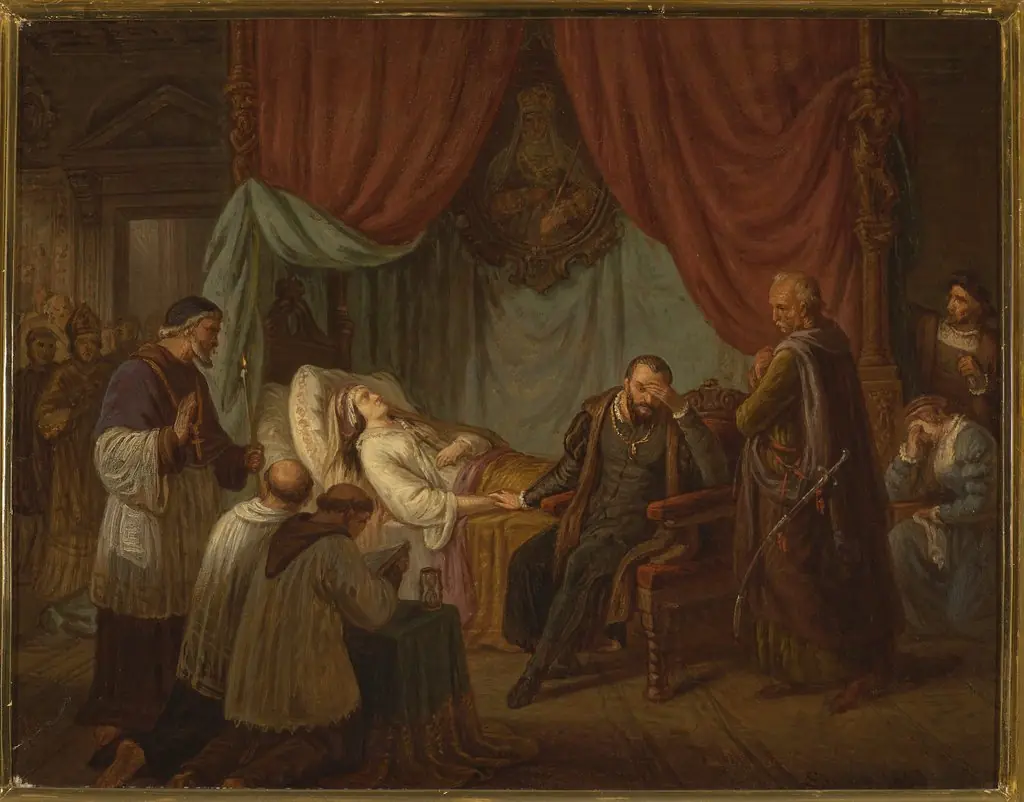 Death of Barbara Radziwiłł
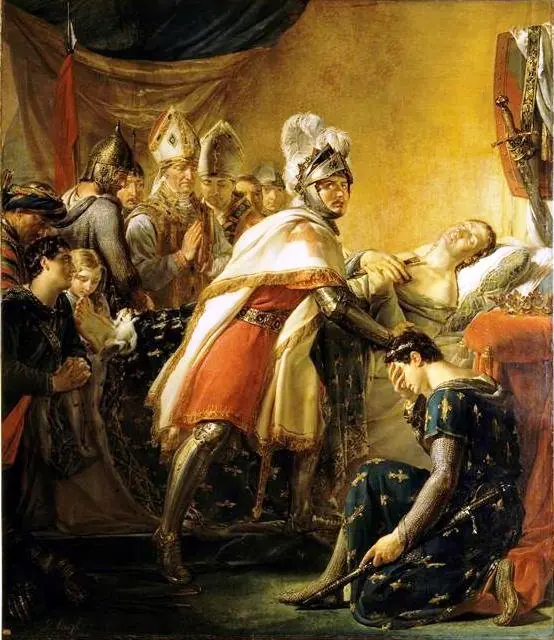 Mort de Saint Louis devant Tunis, 25 août 1270
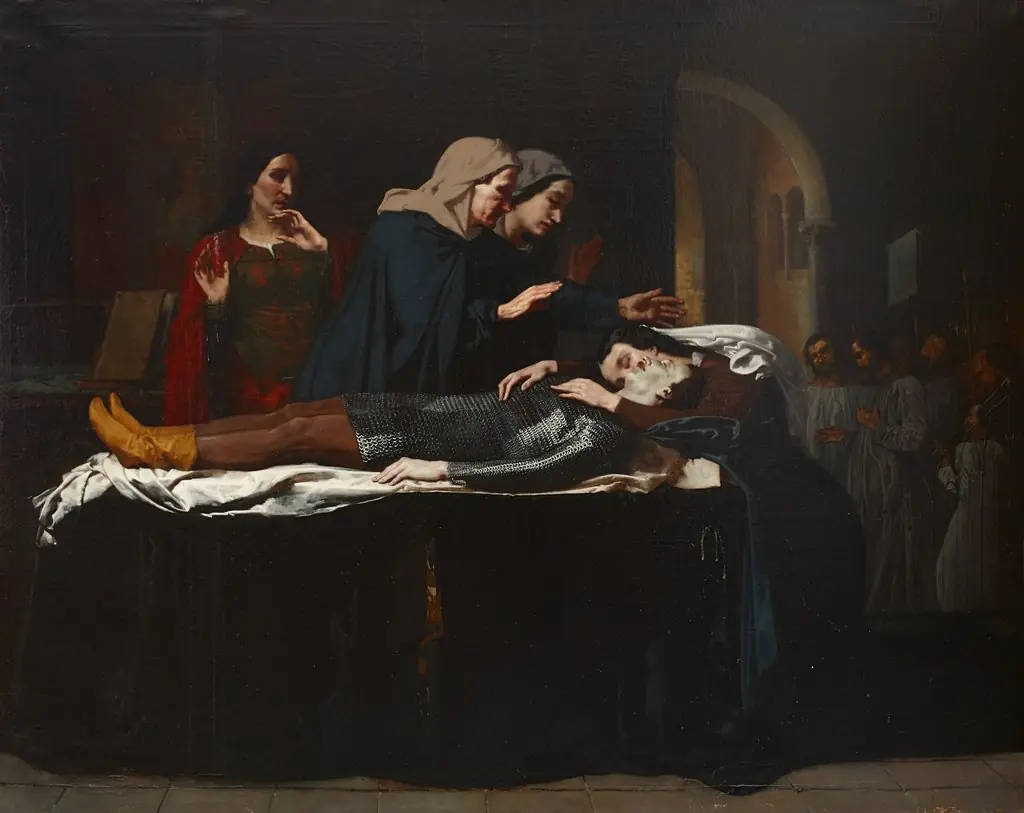 Los amantes de Teruel
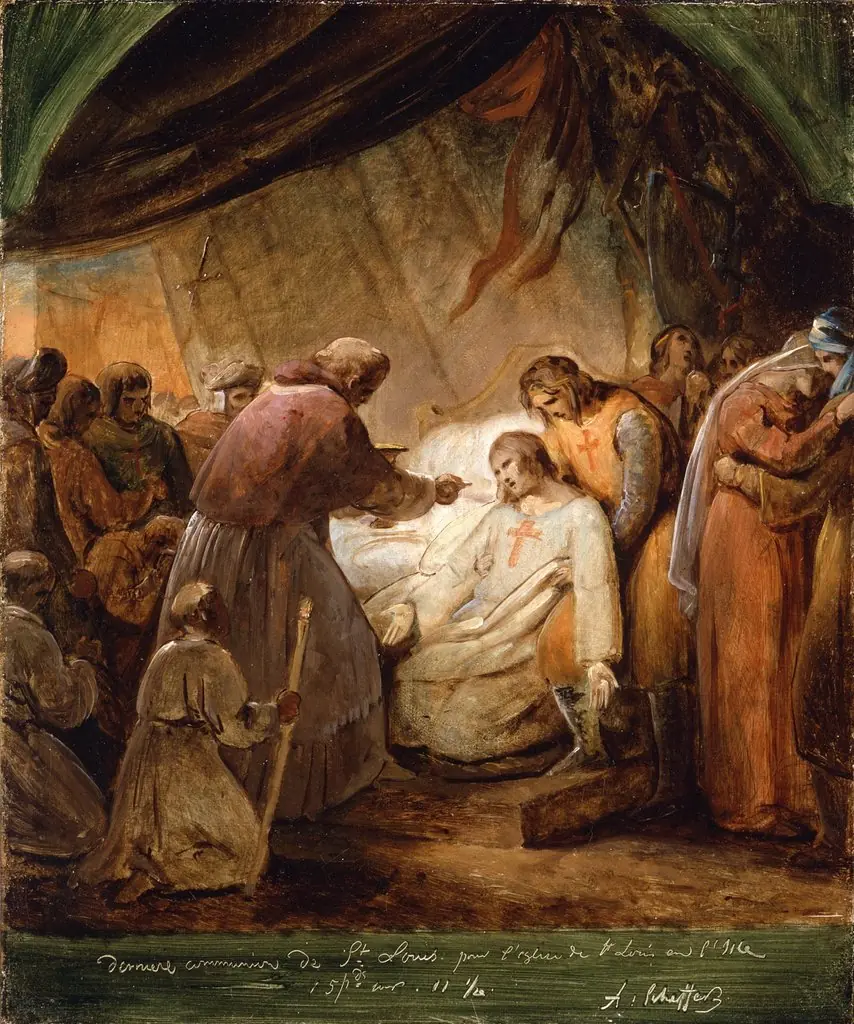 The Last Communion of Saint Louis
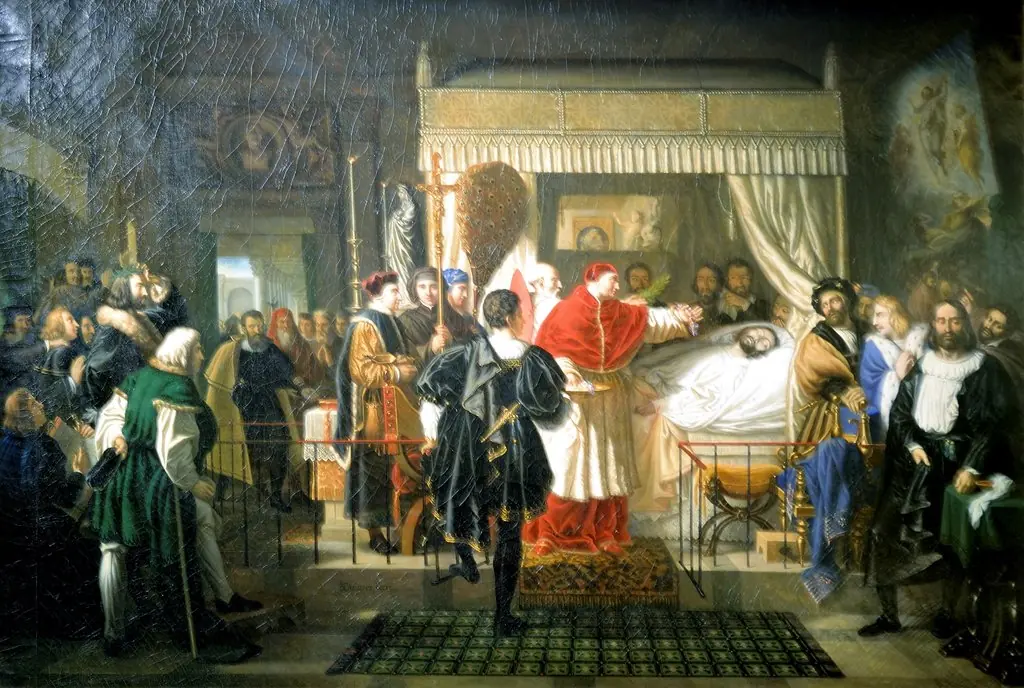 Honors Rendered to Raphael on His Deathbed
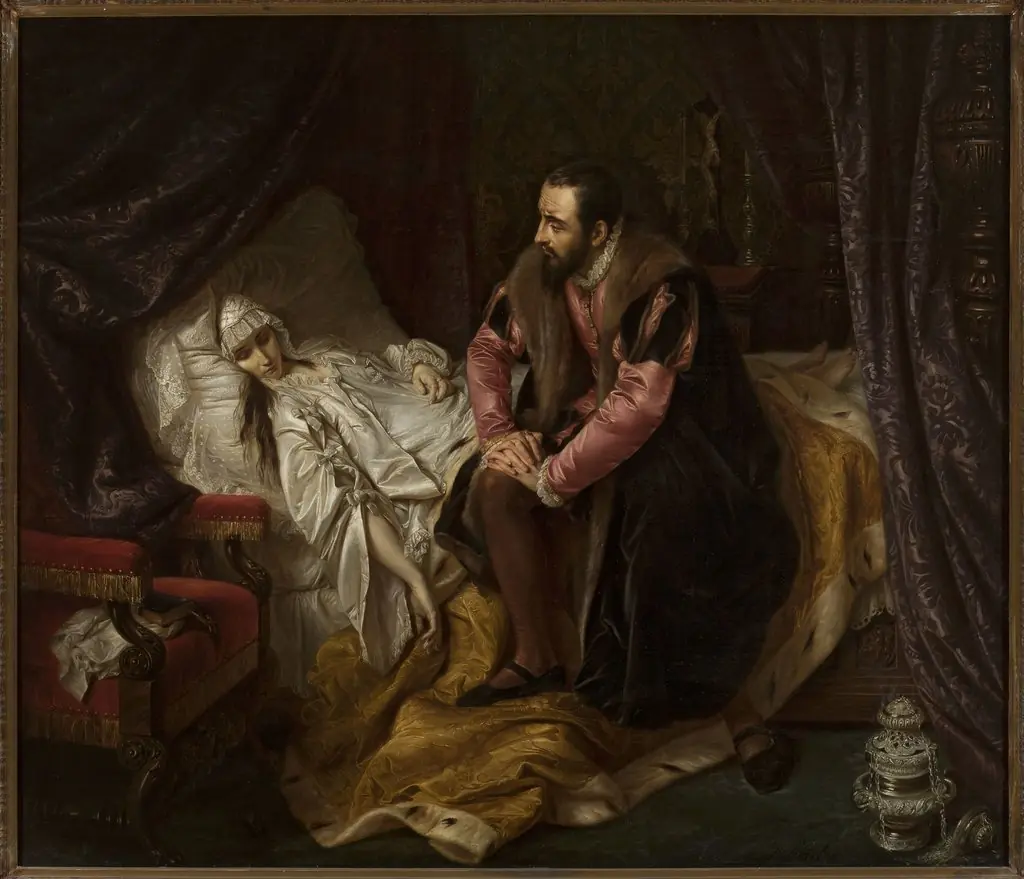 Death of Barbara Radziwiłł
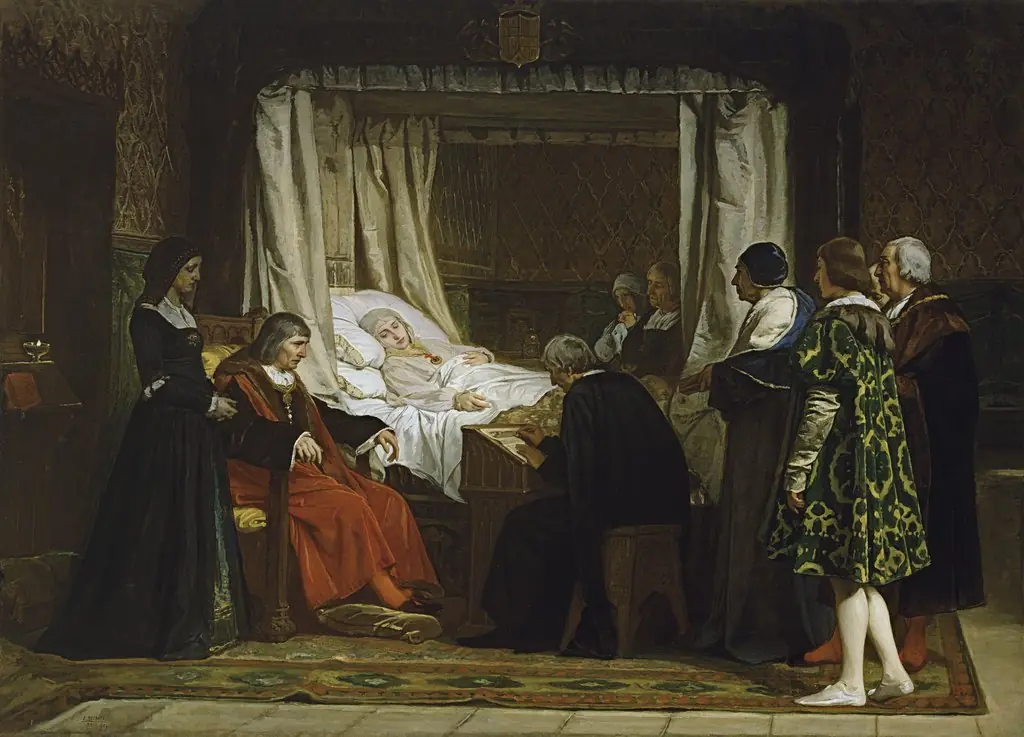 Queen Isabel la Católica dictating her last will and testament
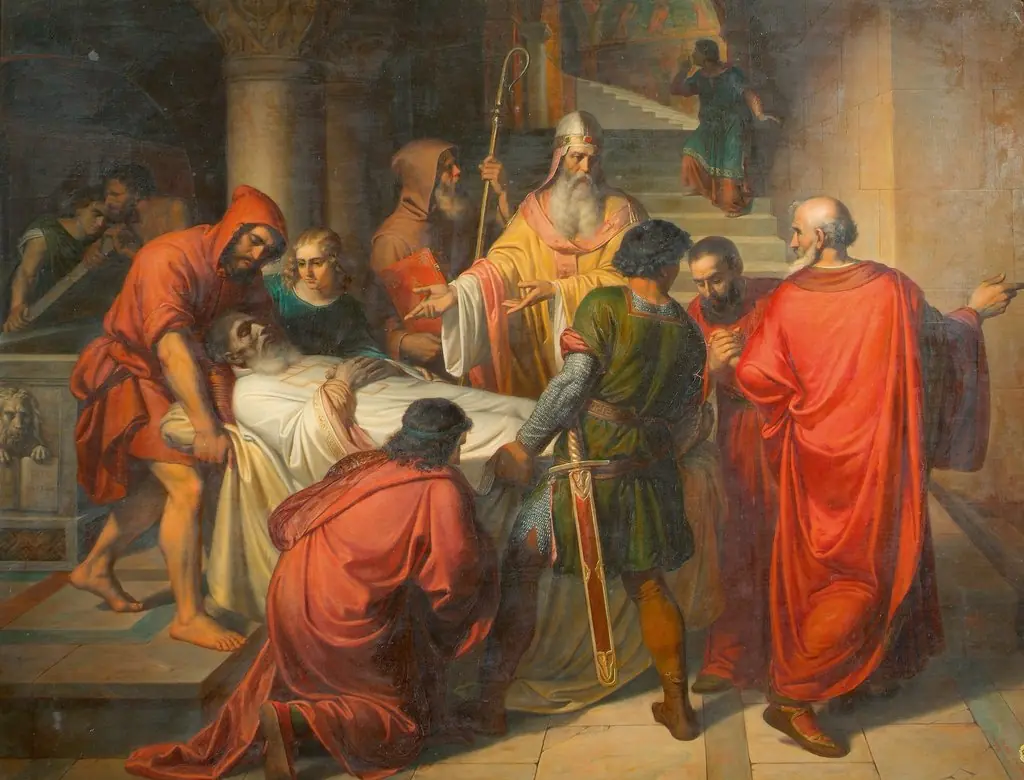 Übergabe des Leichnams des heiligen Markus in Alexandria an die Venezianer
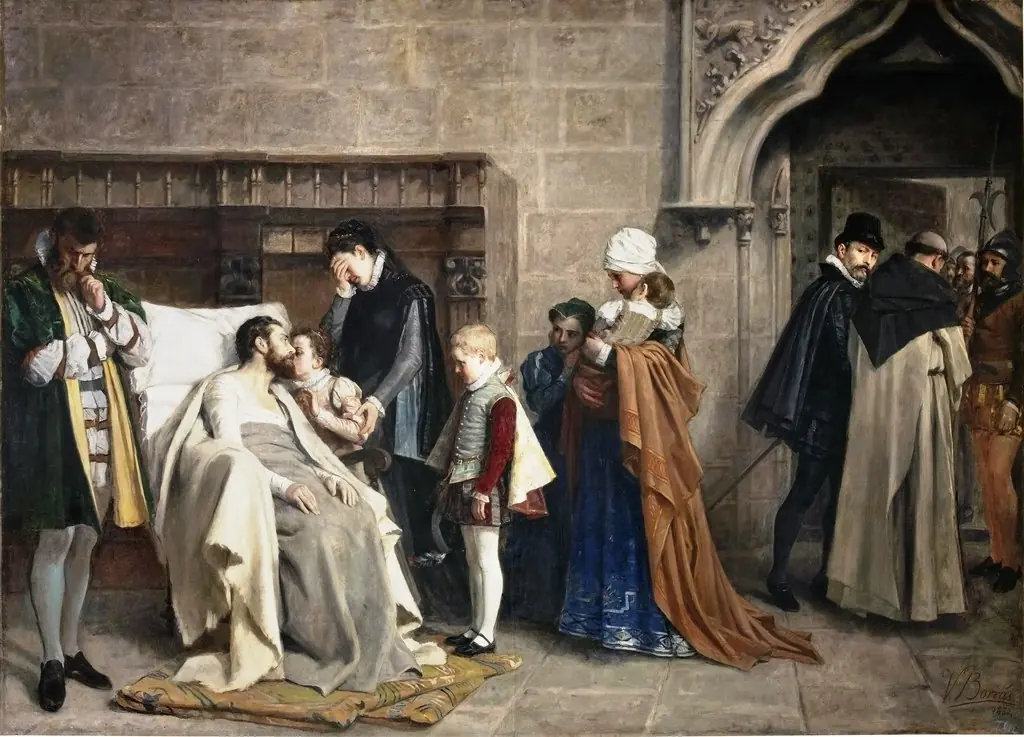 Antonio Pérez recibiendo a su familia después del tormento
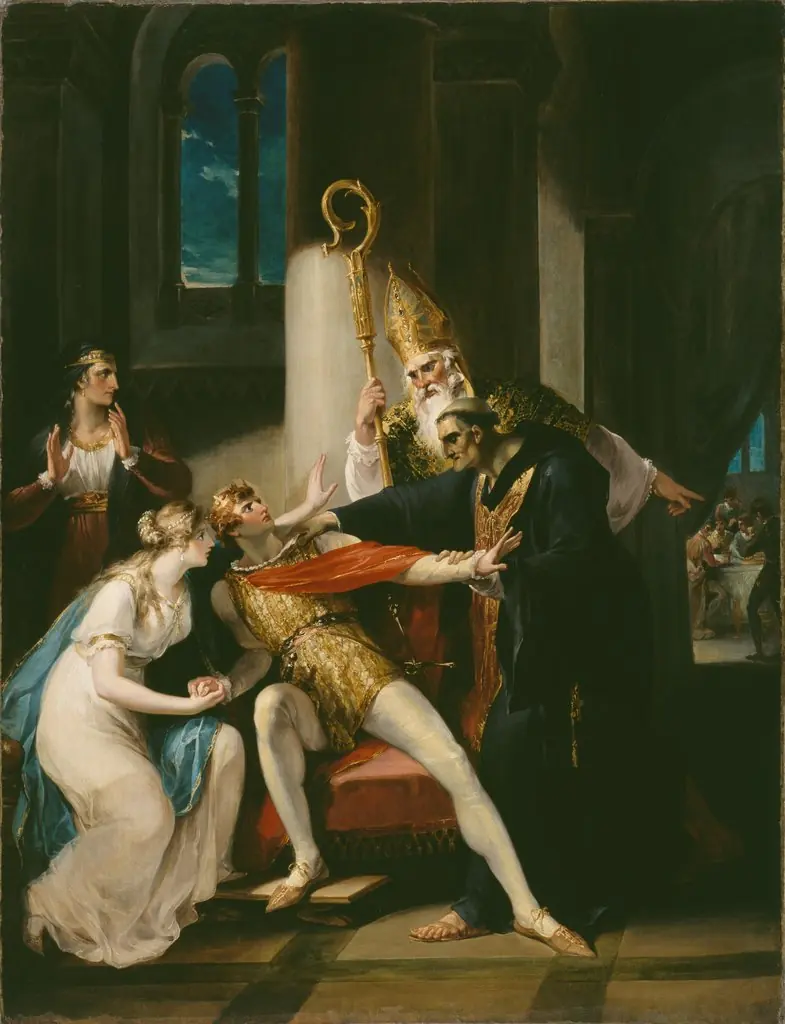 Edwy and Elgiva: A Scene from Saxon History
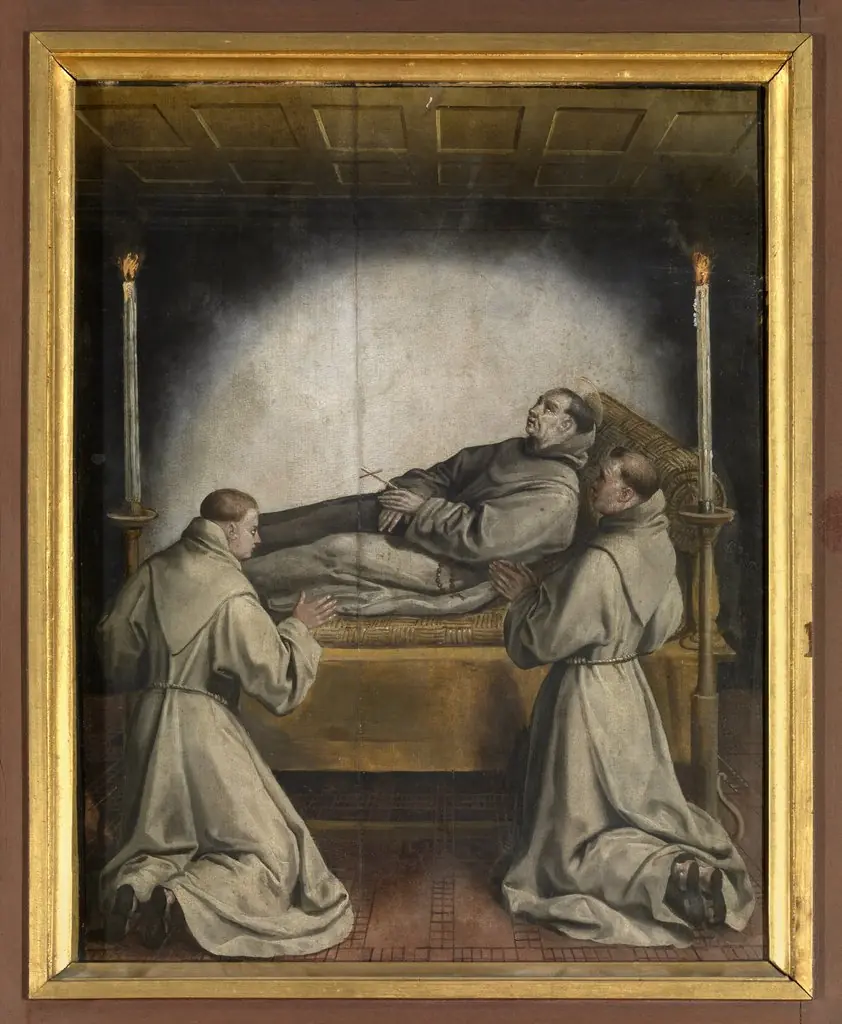 Death of Saint Didacus