Artwork
Portrait of Ibrahim Pasha of Egypt (1789–1848)
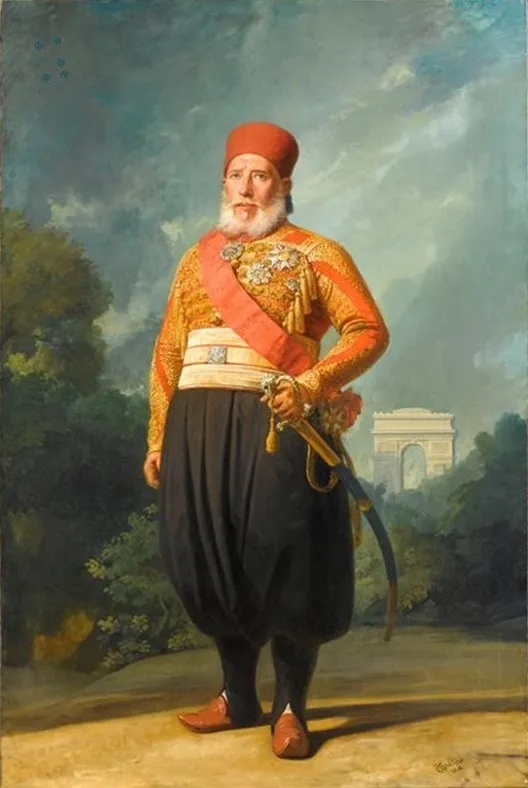
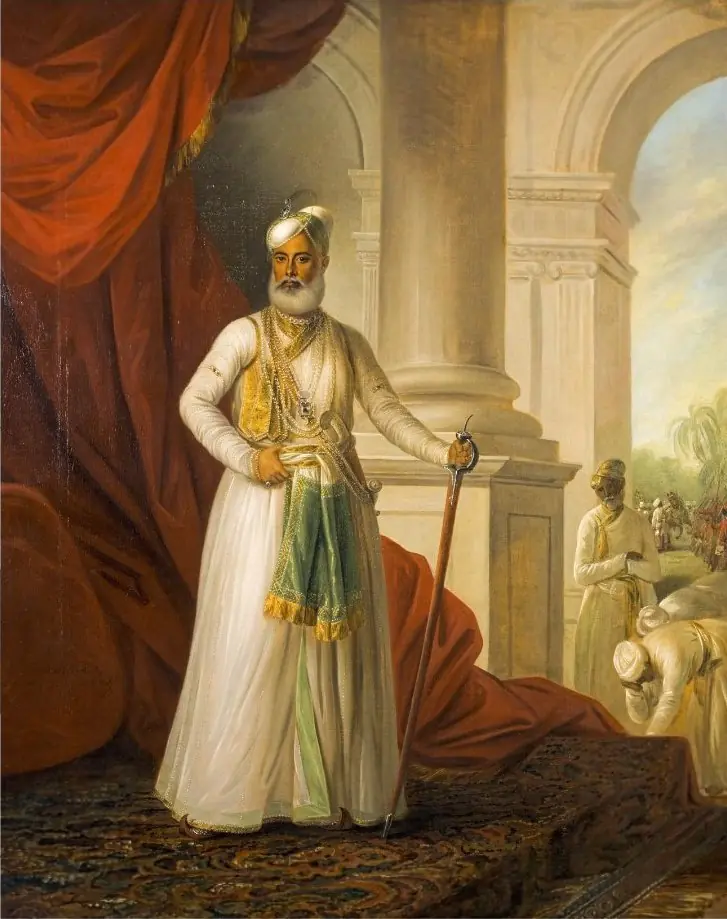
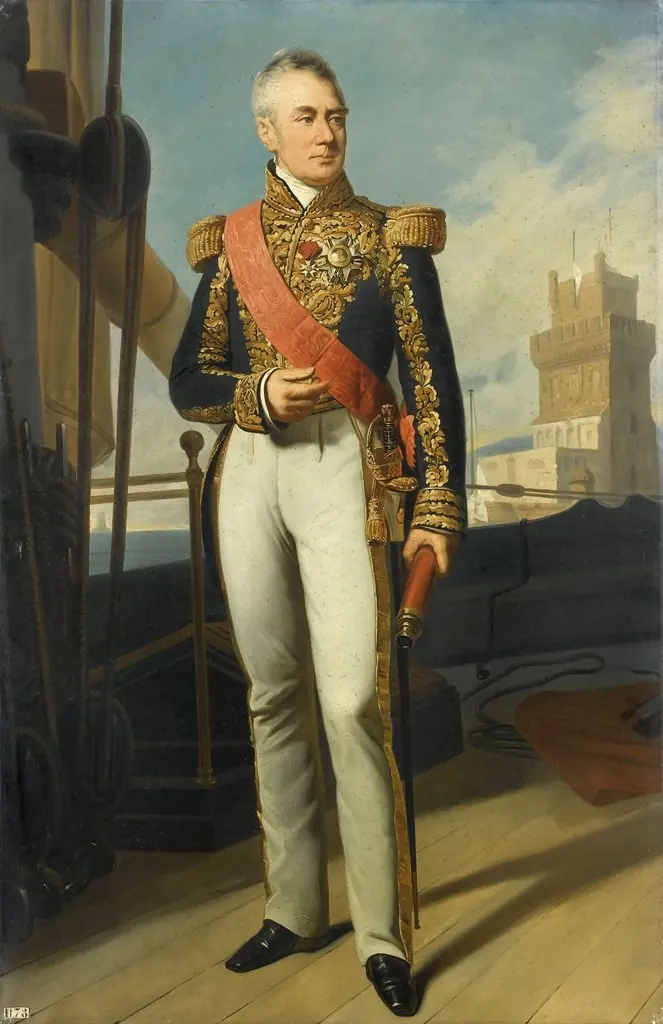
Portrait of Ibrahim Pasha of Egypt (1789–1848) is an oil painting by Charles-Philippe Larivière. It dates from 1846 and is held in the collection of the Palace of Versailles. Charles‑Philippe Larivière, a French academic painter, executed an oil portrait of Ibrahim Pasha of Egypt in 1846.
About this work
Overview
Charles‑Philippe Larivière, a French academic painter, executed an oil portrait of Ibrahim Pasha of Egypt in 1846. The canvas presents the Egyptian commander in a formal, outdoor setting and is part of the collection at the Palace of Versailles.
Subject & Meaning
Ibrahim Pasha, noted for his role as the chief military leader of Egypt and later governor of Greater Syria, is shown standing with a sword, a visual cue to his authority and martial career. His elaborate dress underscores his high rank within the Ottoman‑Egyptian hierarchy.
Technique & Style
The work reflects the academic conventions of mid‑nineteenth‑century French portraiture, with a smooth, polished finish and careful modeling of light on richly colored fabrics. The background, rendered with softened foliage and a cloudy sky, provides a dignified yet naturalistic stage for the figure.
History & Provenance
Since its completion, the portrait has remained in French state ownership, eventually being displayed at the Palace of Versailles. Its presence there links the image to the broader diplomatic and cultural exchanges between France and the Ottoman Empire during the era.
Context
Created during a period when European courts frequently commissioned images of foreign dignitaries, the painting illustrates the fascination with Oriental figures in French art. Ibrahim Pasha’s prominence in the Egyptian military reforms made him a subject of interest for contemporary European audiences.
Artist & collection
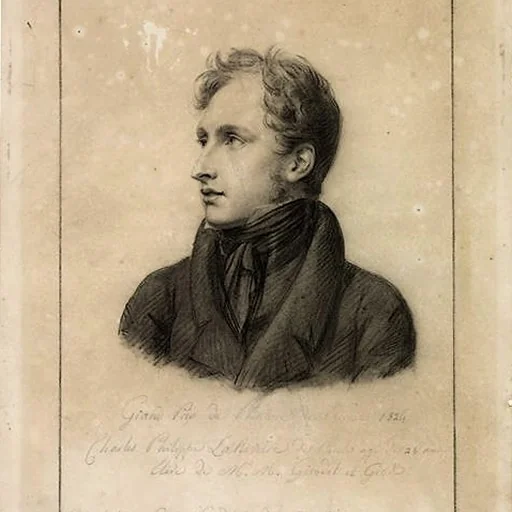
Artist
Charles-Philippe Larivière (28 September 1798 in Paris – 29 February 1876 in Paris) was a French academic painter and lithographer.

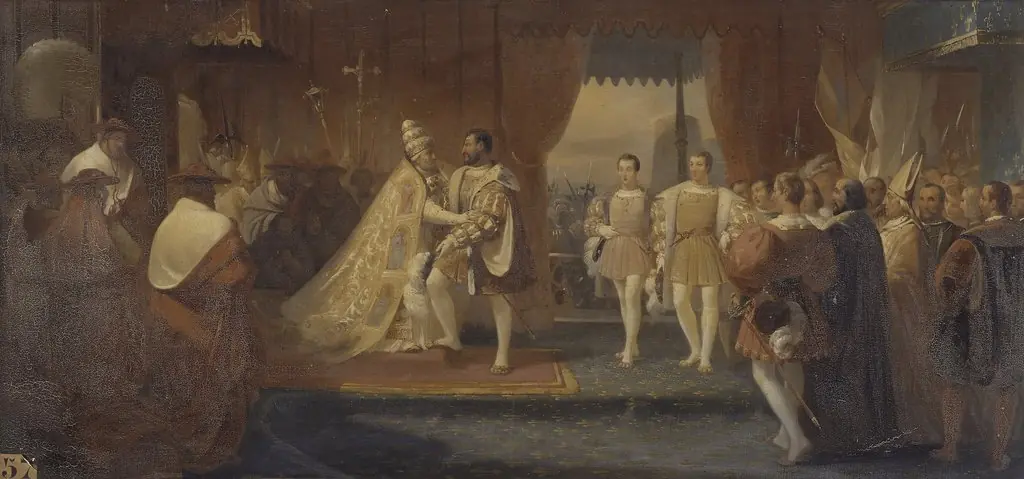 Meeting of Francis I and Pope Clement VII in Marseilles on 13 October 1533
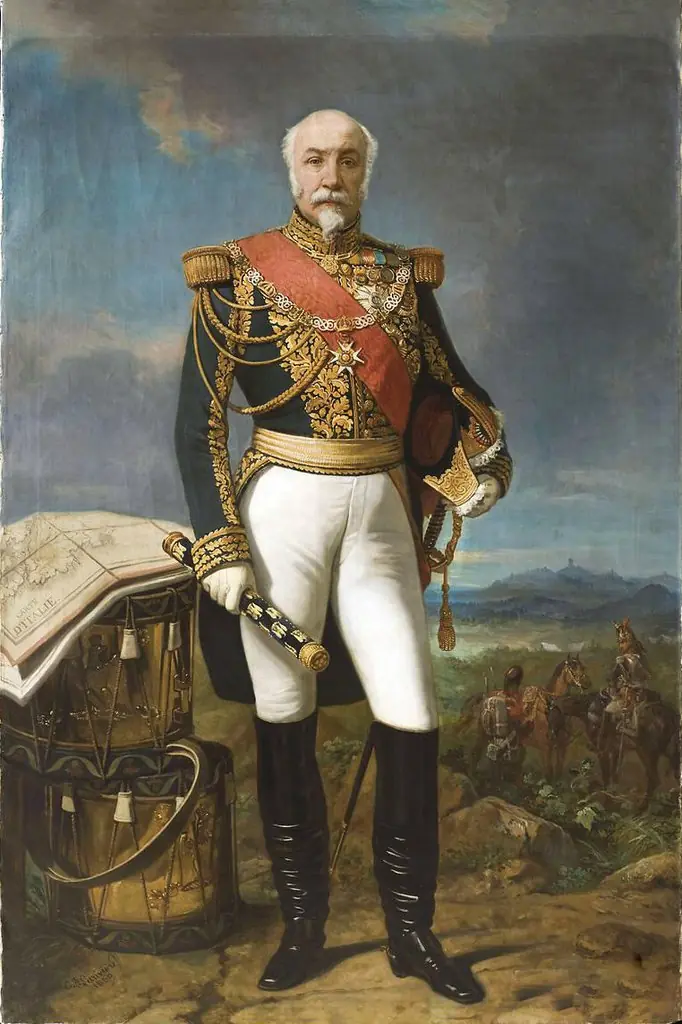 Auguste-Etienne Regnaud de Saint-Jean d'Angély, maréchal de France
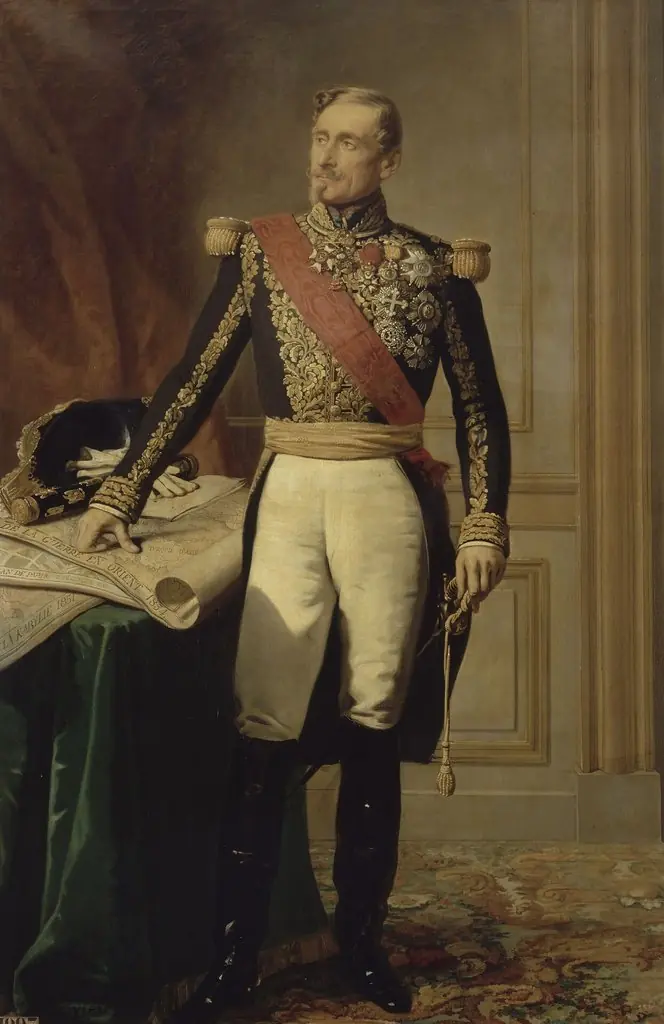 Armand-Jacques Leroy de Saint-Arnaud, Marshal of France
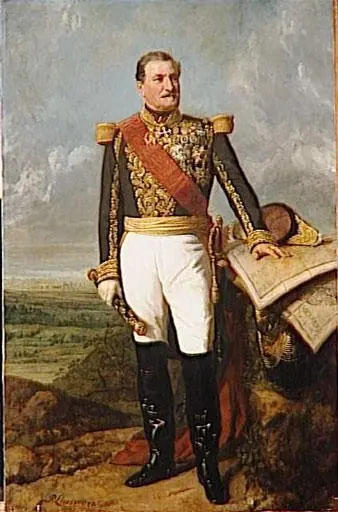 Elie-Frédéric Forey, Marshal
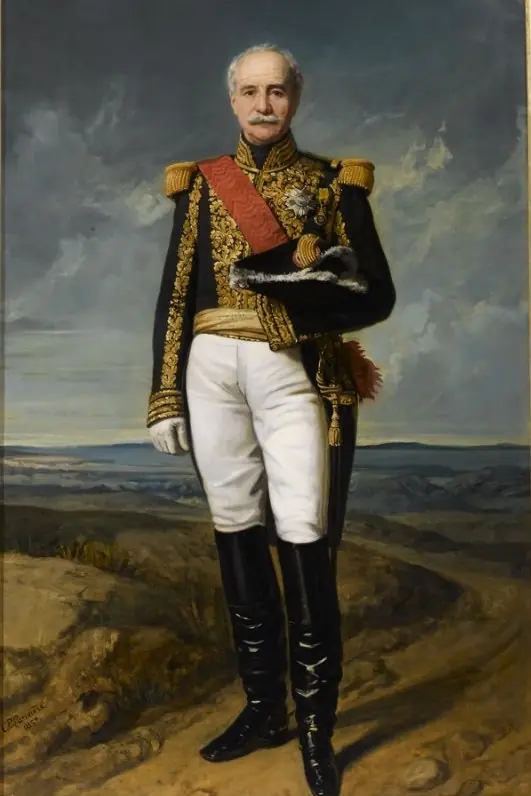 Achille, Marshal-Count Baraguey d'Hilliers
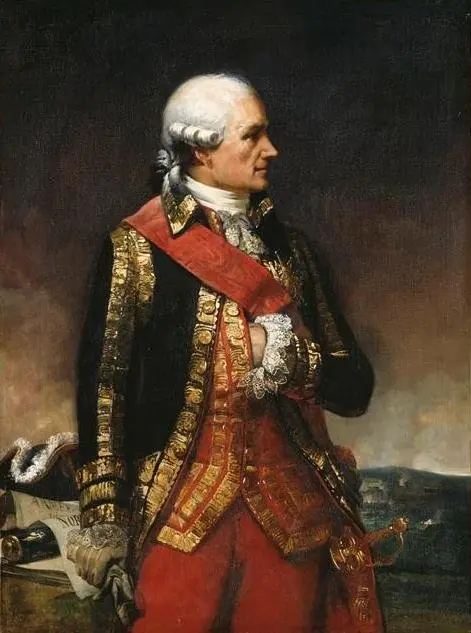 Jean-Baptiste-Donatien de Vimeur, comte de Rochambeau, maréchal de France (1725-1807)
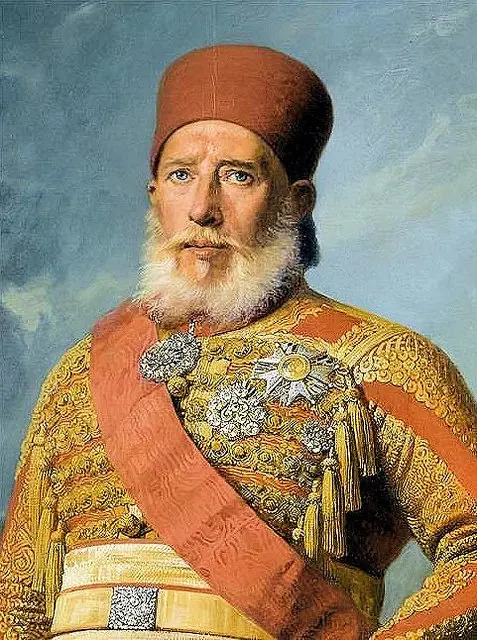 Portrait of Ibrahim Pasha of Egypt (1789–1848)
 Albin-Reine, baron Roussin, admiral of France