Artwork
Portrait of Tomasz Kajetan Węgierski (1756–1787)
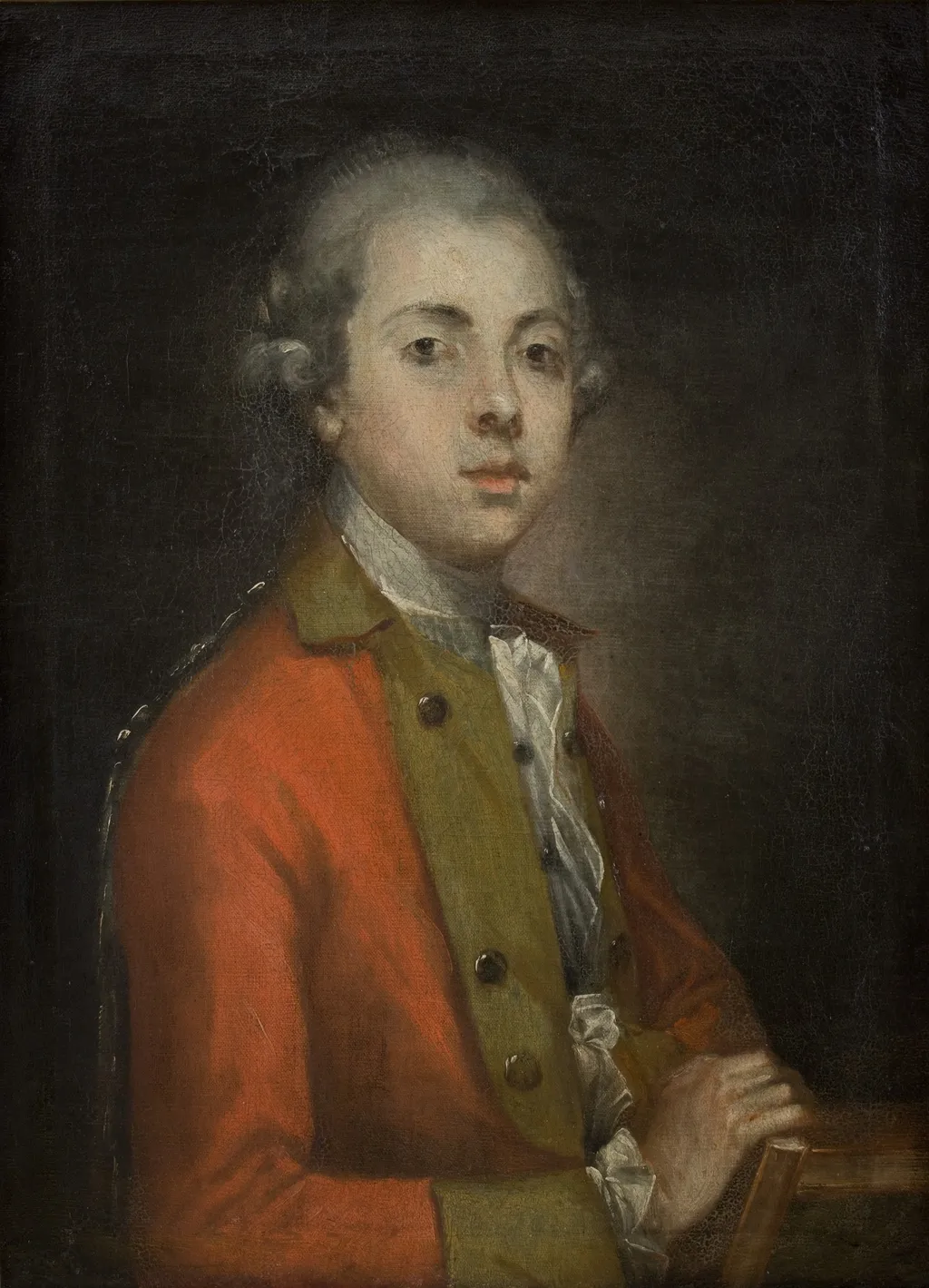
Portrait of Tomasz Kajetan Węgierski (1756–1787) is an oil painting by the Rococo painting artist Augustyn Mirys. It dates from 1772 and is held in the collection of the National Museum in Kraków.
About this work
Overview
Painted in 1772 by Augustyn Mirys, this oil portrait depicts Tomasz Kajetan Węgierski, a Polish nobleman of the late Enlightenment era.
Painted in 1772 by Augustyn Mirys, this oil portrait depicts Tomasz Kajetan Węgierski, a Polish nobleman of the late Enlightenment era. Mirys, trained in Rome and active within the Polish–Lithuanian Commonwealth, executed the work with refined precision. The painting is held in the National Museum in Kraków and reflects the refined tastes of aristocratic patrons of the time, particularly those connected to the Jabłonowski and Branicki families.
Subject & Meaning
Tomasz Kajetan Węgierski, then a young man in his late teens, is portrayed with quiet composure, suggesting intellectual seriousness rather than flamboyant display. His posture and gaze convey introspection, aligning with Enlightenment ideals of rational self-possession. The absence of symbolic objects or elaborate settings shifts focus to the individual’s presence, emphasizing personal character over social status or lineage.
Technique & Style
Mirys employed soft, blended brushwork to model the sitter’s face, using subtle gradations of light to define cheekbones and jawline. The dark, neutral background enhances the three-dimensionality of the figure through chiaroscuro, a technique rooted in Italian Renaissance practice. The vivid red coat and green vest contrast with the muted tones around him, drawing attention without overwhelming the restrained Rococo elegance of the composition.
History & Provenance
The portrait entered the collection of the National Museum in Kraków in the 19th century, likely through the acquisition of aristocratic holdings following the partitions of Poland. Its survival through political upheavals underscores its value as a cultural artifact. While little is documented about its immediate post-painting history, its preservation reflects institutional efforts to safeguard Polish artistic heritage during periods of foreign domination.
Context
Created during the height of the Polish–Lithuanian Commonwealth’s cultural flourishing, the portrait reflects the influence of European artistic trends filtered through local aristocratic patronage. Mirys, as a foreign-trained artist working for Polish nobility, exemplifies the cosmopolitan nature of elite culture. The portrait’s intimacy and restraint distinguish it from more ornate Western European examples, revealing a distinct regional adaptation of Rococo sensibilities.
Legacy
The portrait remains a key example of 18th-century Polish portraiture, illustrating how foreign techniques were absorbed into local artistic practice. It contributes to scholarly understanding of how Enlightenment ideals were visually expressed among the Polish nobility. Though Mirys is not widely known outside Poland, this work endures as a quiet testament to the sophistication of a culture navigating political fragility through artistic refinement.
Own this work as a print
Artist & collection
Artist
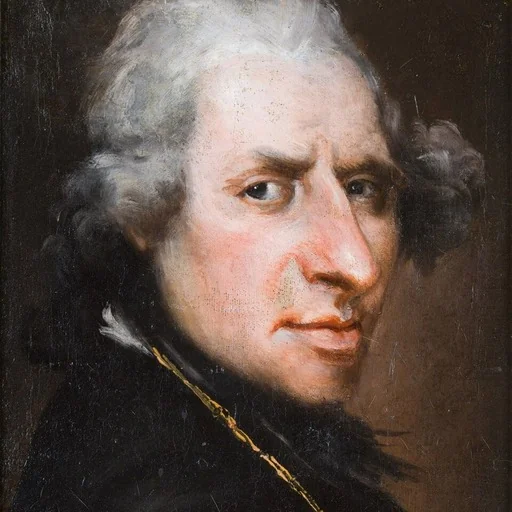
Augustyn Mirys (8 January 1700 – 8 March 1790) was a Polish painter of Scottish-French origin.

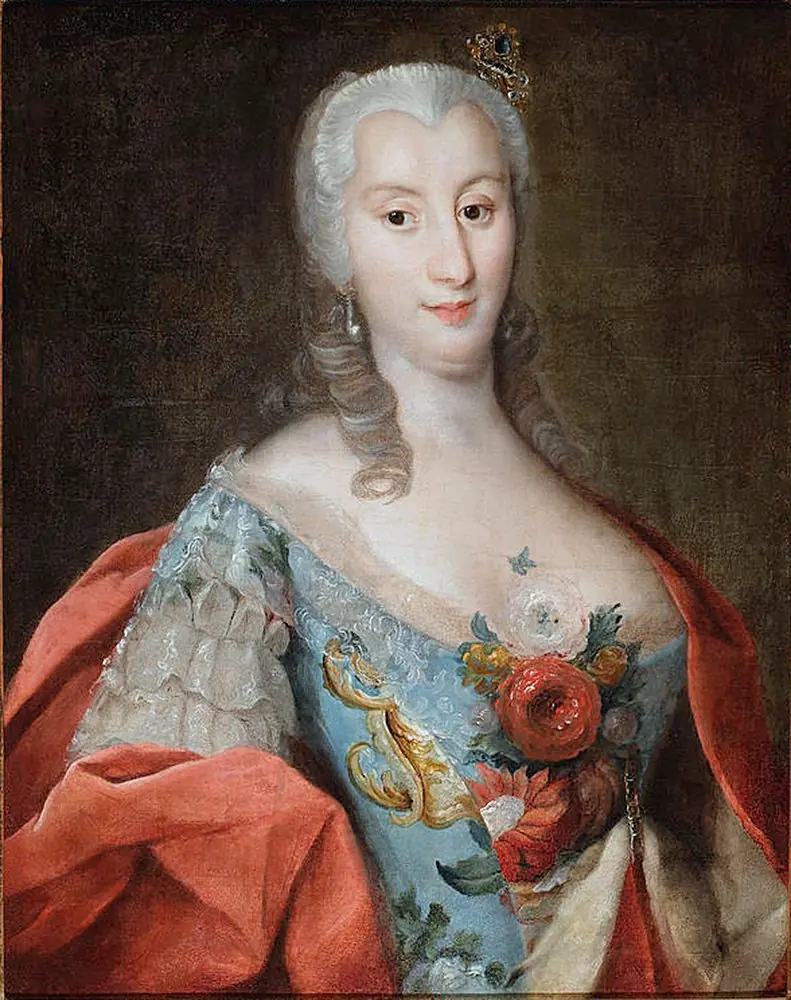 Portrait of Ludwika Honorata Lubomirska née Pociej (d. 1786), wife of the Kiev voivode
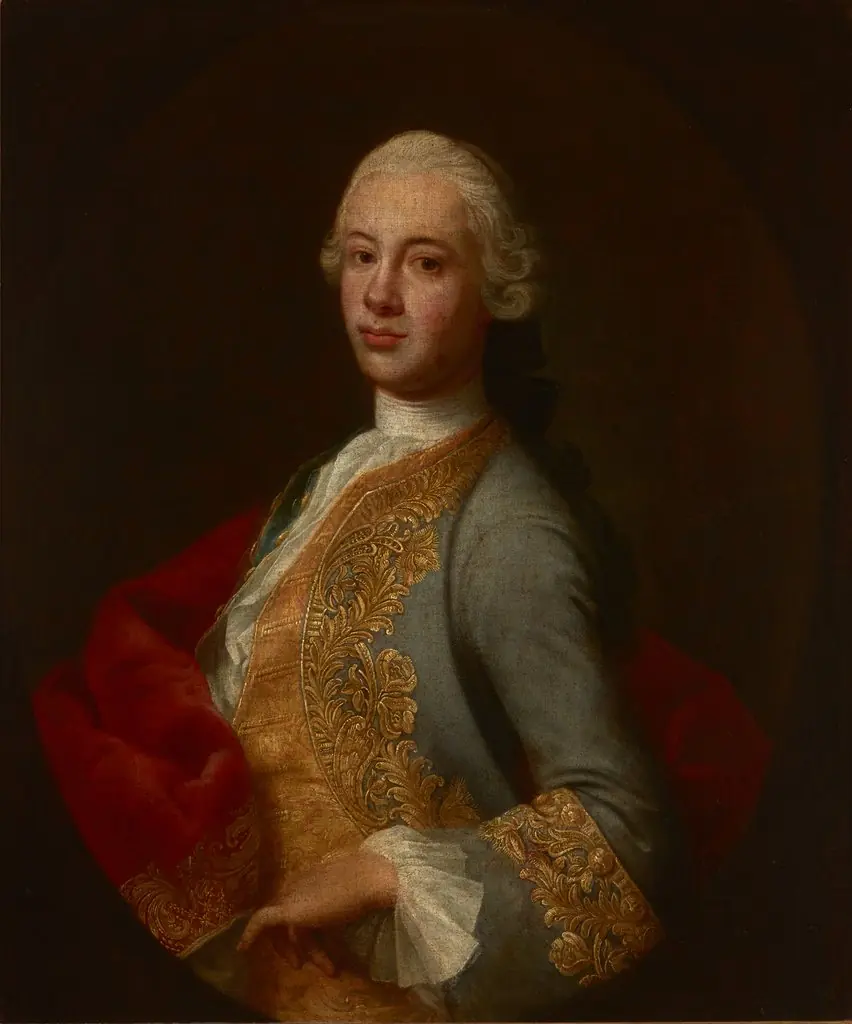 Portrait of Jan Jacek Tarnowski (1729–1808), Starost of Kahorlice and Byszów
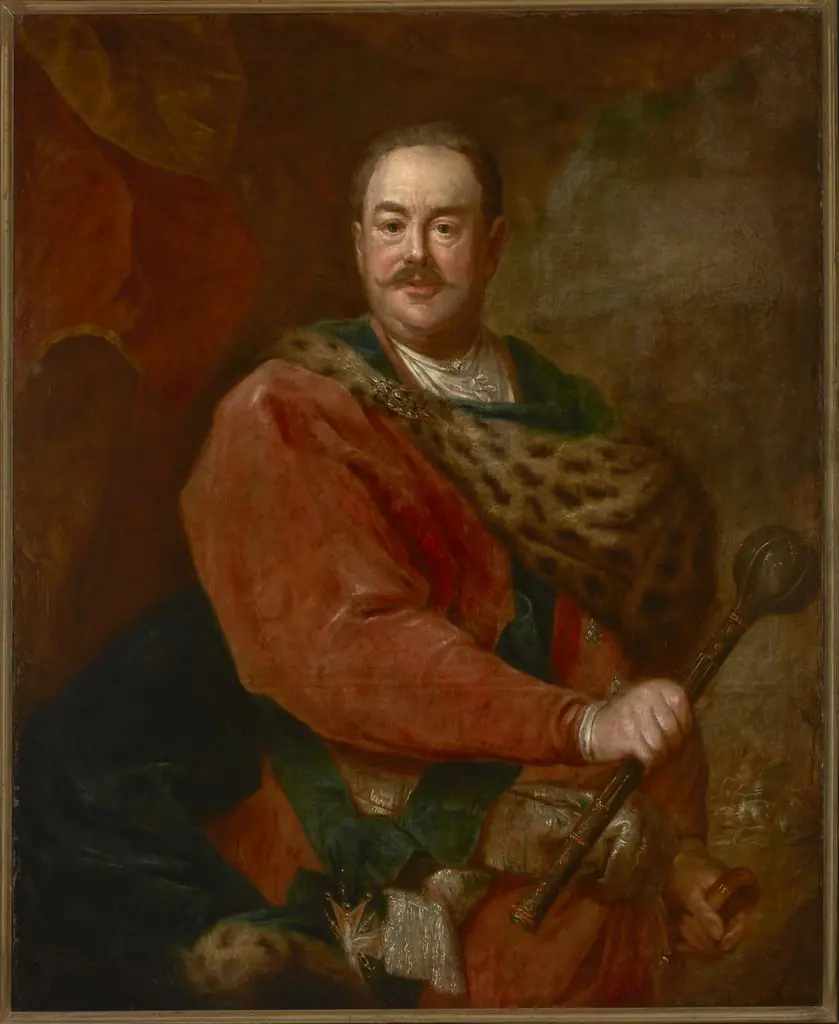 Portrait of Jan Klemens Branicki (1689–1771), Grand Hetman of the Crown
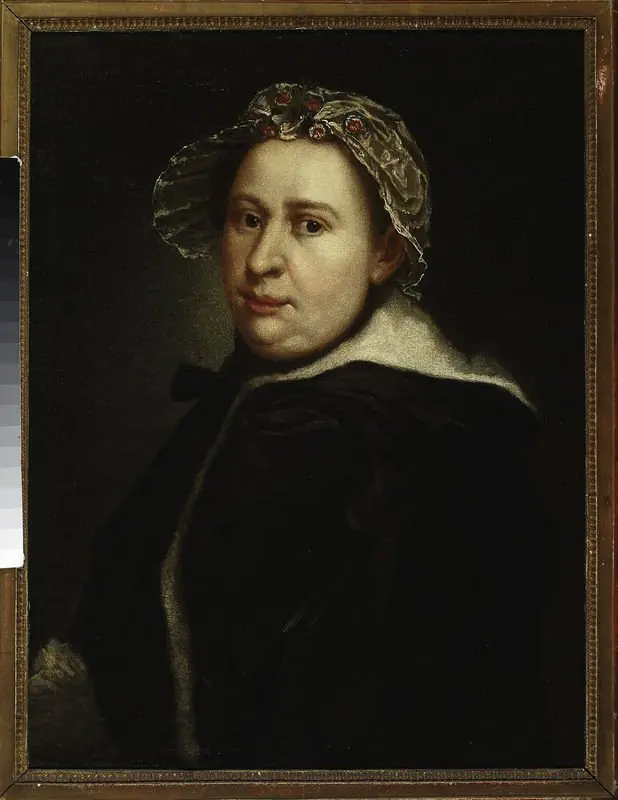 Portrait of Zuzanna Poltz née Link, wife of Daniel – court painter of Augustus III
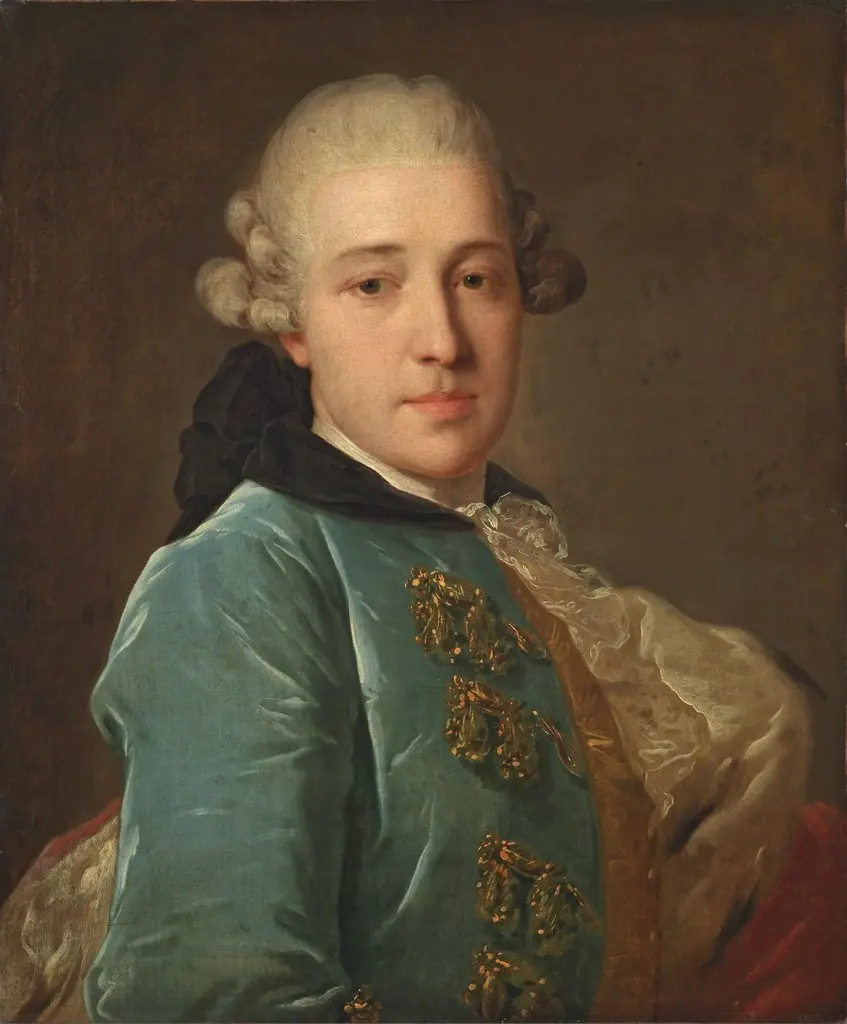 Portrait of Prince Dmitry Mikhailovich Golitsyn
 The Court Seal Engraver Ahron Jacobson
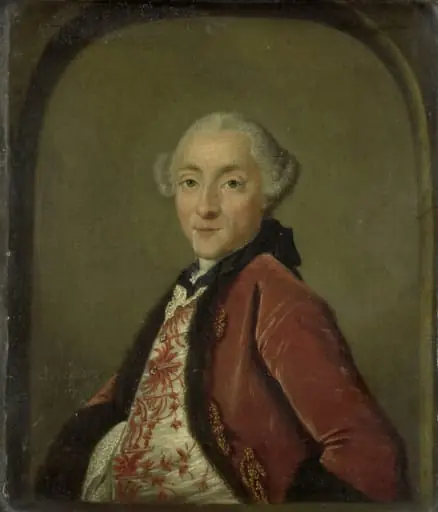 Portrait of Pieter Nicolaas Rendorp, Amsterdam Brewer
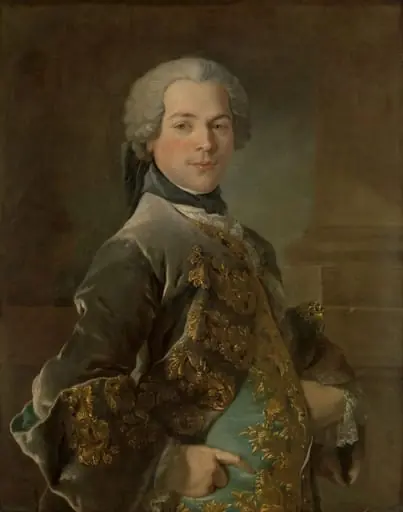 Portrait of Isaac van Rijneveld
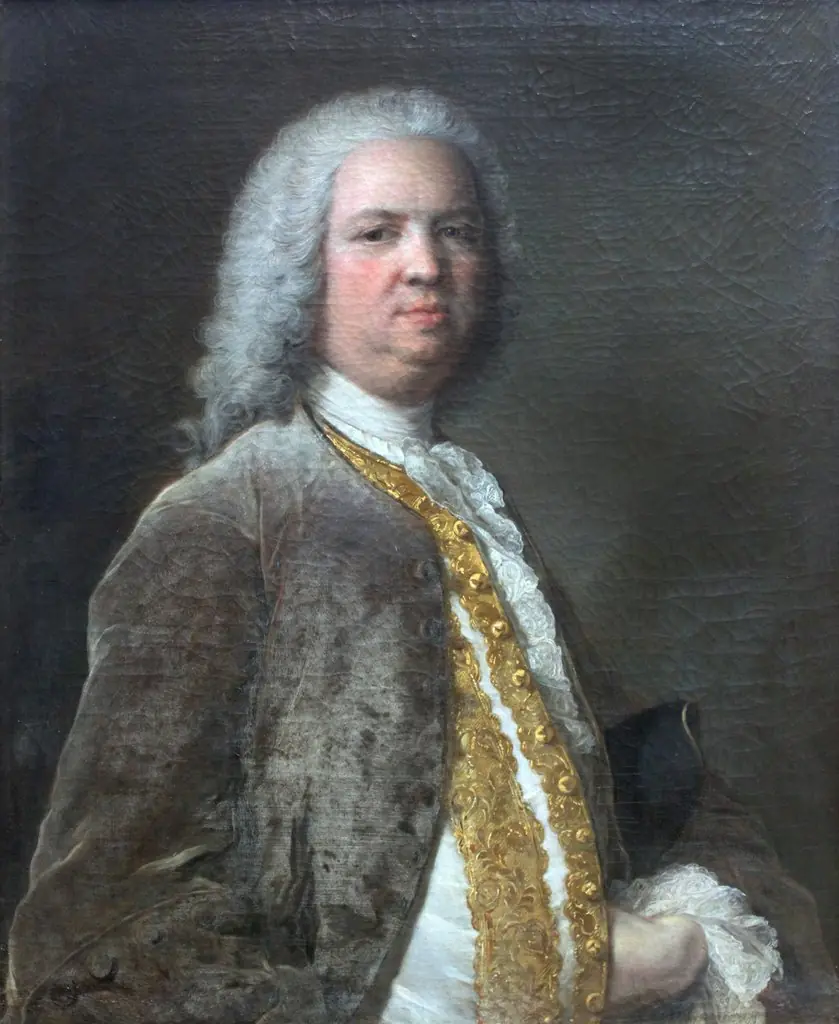 Portrait of the Frankfurt banker Johann Georg Leerse
 Portrait of Louis XVIII, when comte de Provence ?
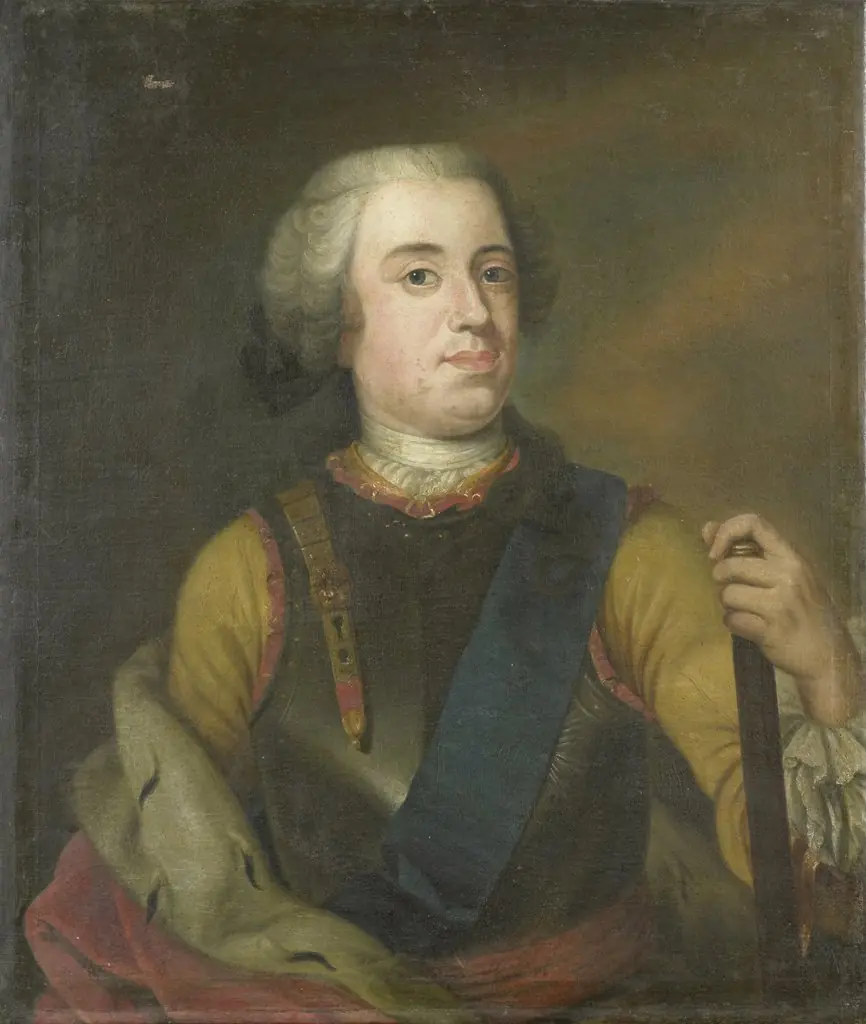 Portrait of William IV, Prince of Orange
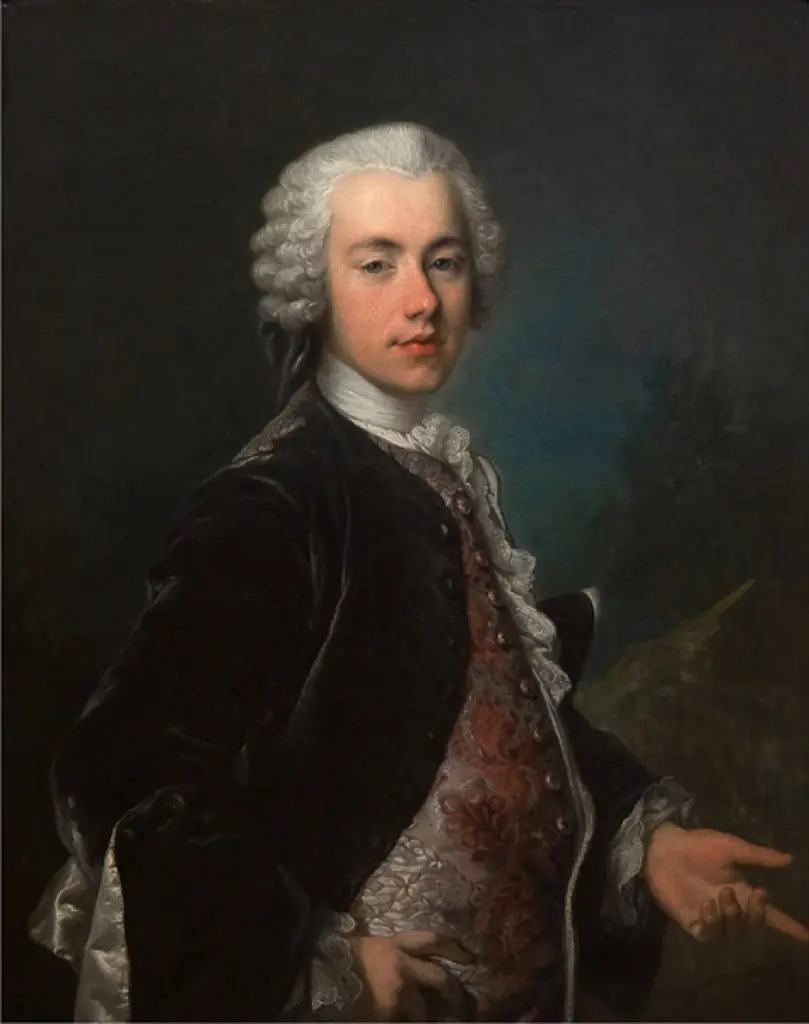 Portrait of Frederik Berregaard
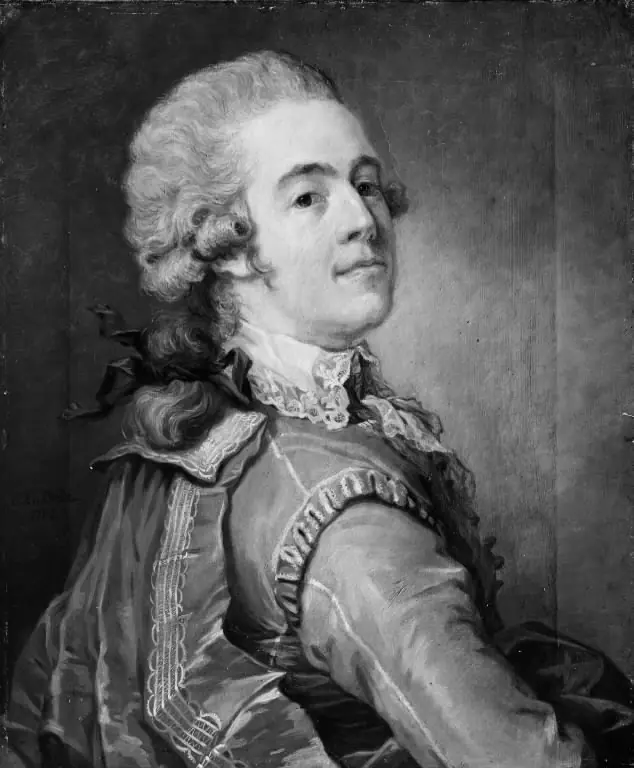 Portrait of Claes Fredrik Horn
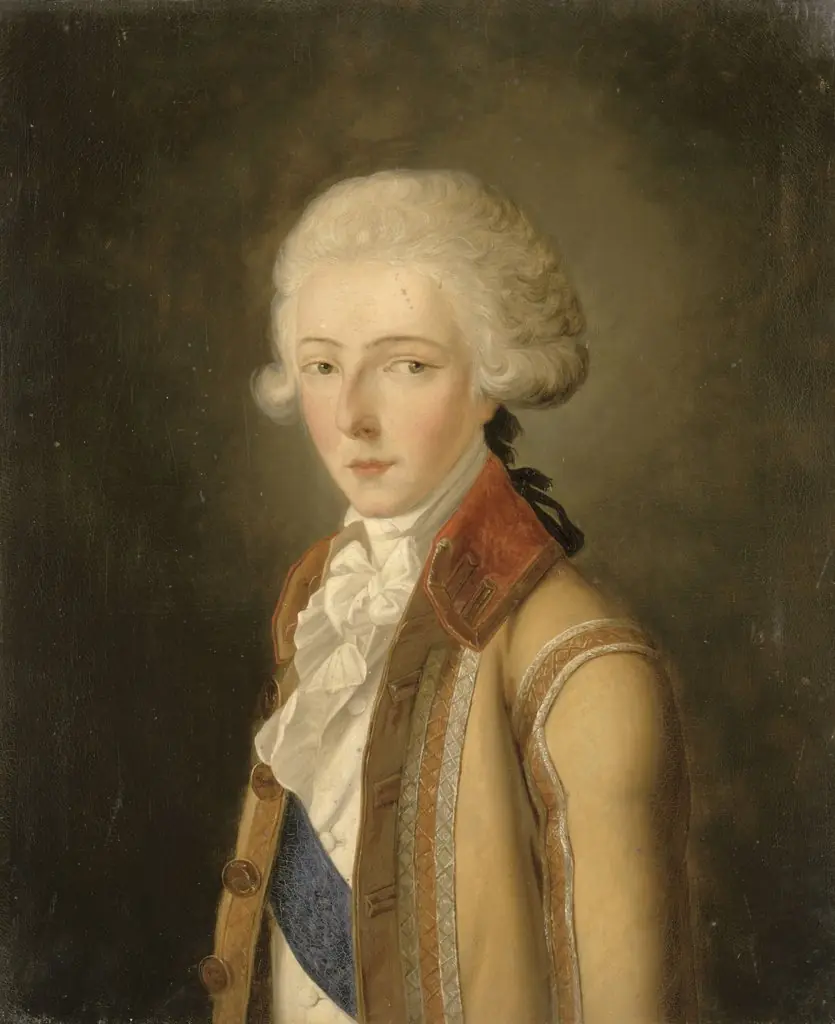 Louis Antoine de Bourbon, Duke of Enghien (1772—1804)
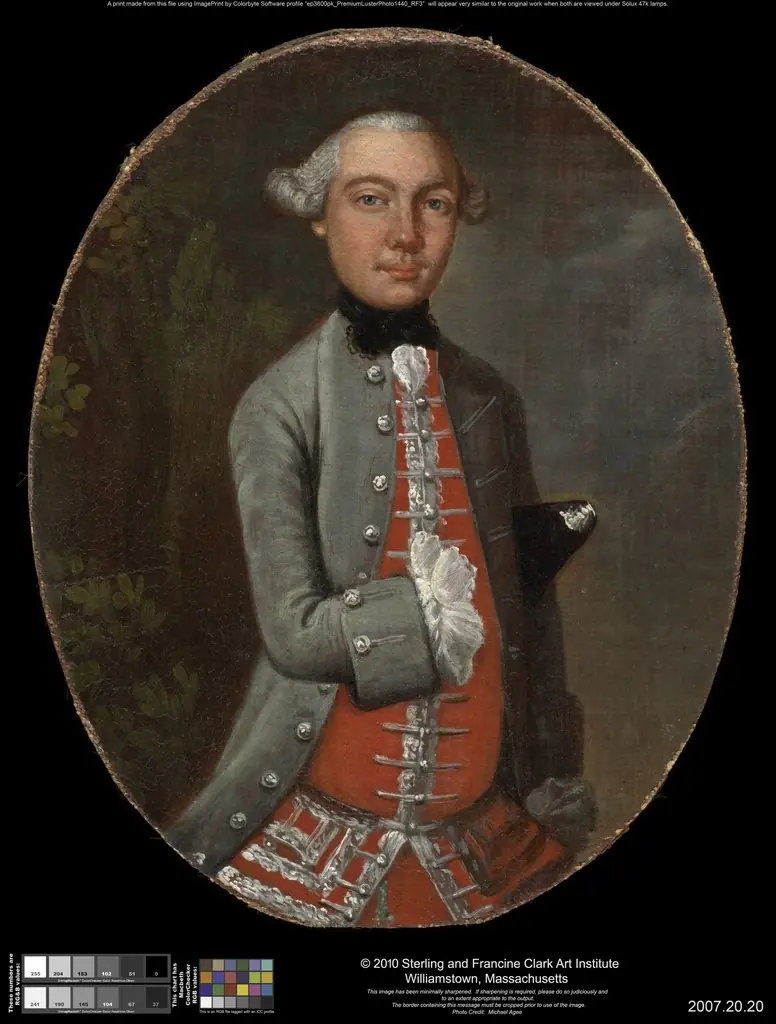 Portrait of a Gentleman
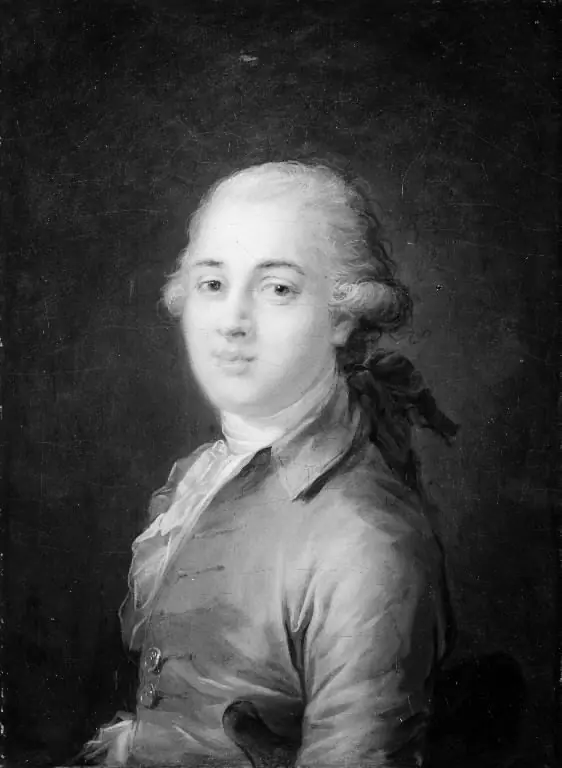 Portrait of Louis XVIII, when comte de Provence ?