Artwork
Tufănele
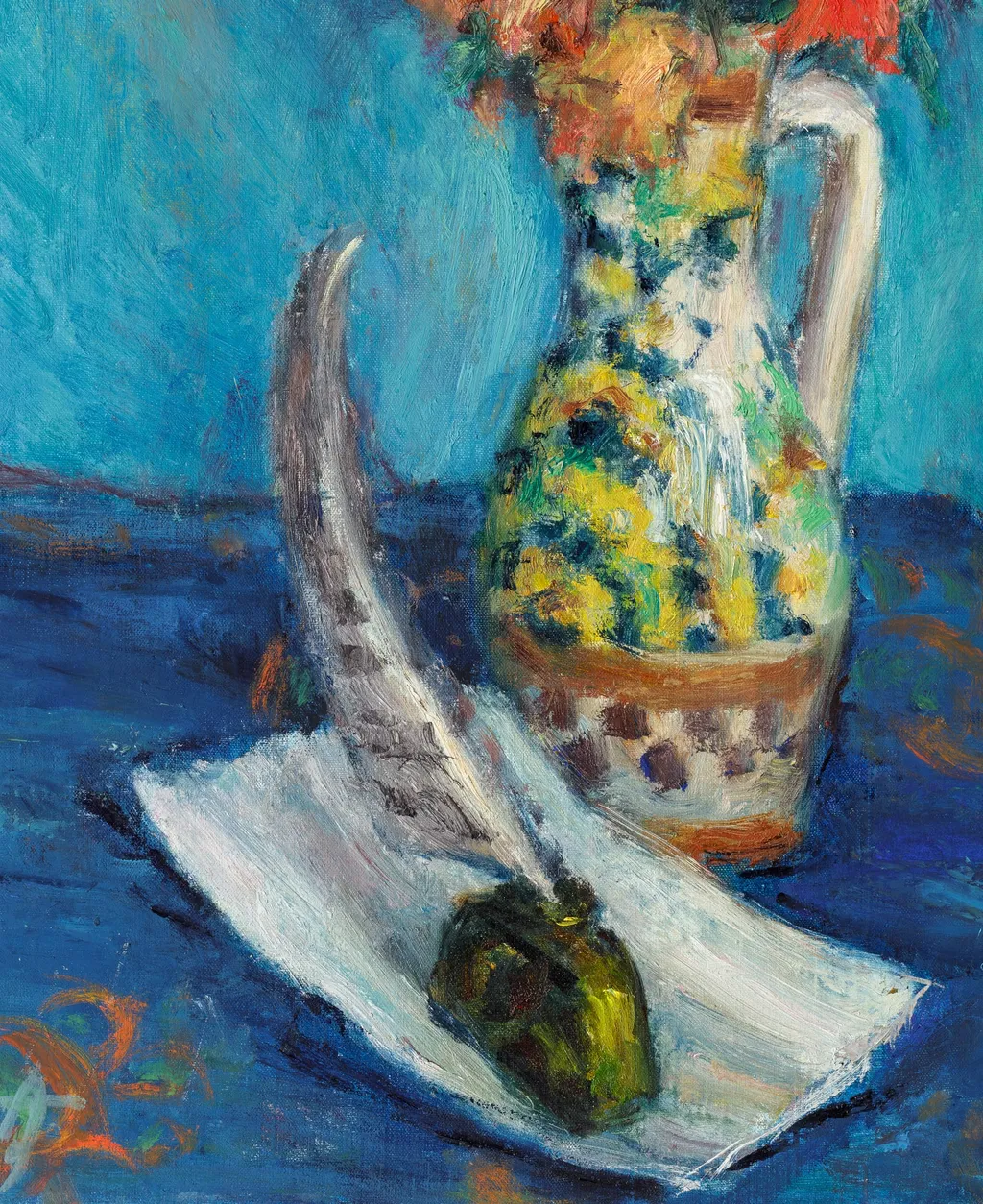
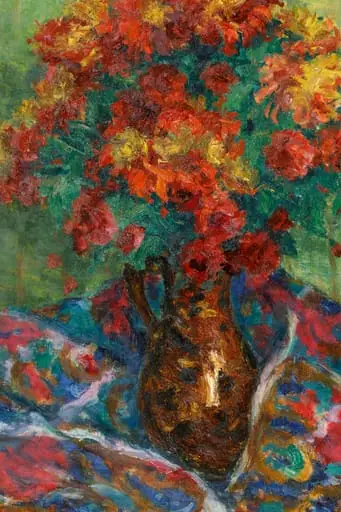
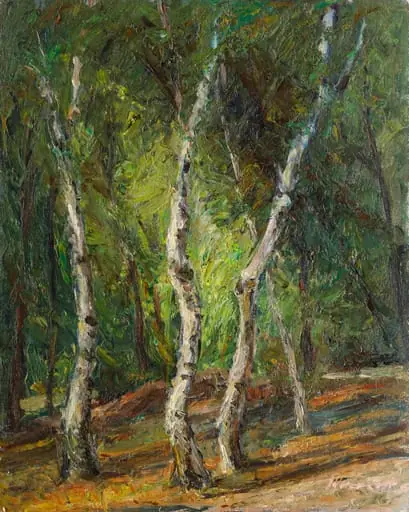
Tufănele is a print by Hrandt Avakian. It dates from 1850 and is held in the collection of the National Museum of Art of Romania.
About this work
Overview
Tufănele, created around 1850 by Hrandt Avakian, is a maritime scene depicting a small boat at sea. The composition contrasts a serene deep blue sea and sky with a dynamically rendered boat and its surroundings.
Subject & Meaning
The subject is a small boat with a tall white sail and an indistinct, dark form at its base, possibly a barrel or figure. The emphasis is on capturing the boat’s presence within the turbulent sea rather than detailing its occupants or cargo.
Technique & Style
The painting features expressive, thick, and uneven brushstrokes, characteristic of impasto. The sky and water are distinguished by quick, messy strokes, while the boat’s sail stands out in white against the vibrant, roughly blended colors of the rest of the scene, creating a sense of urgency.
History & Provenance
Created circa 1850 by Hrandt Avakian, specific details about the work’s history, ownership, or exhibition record before its current location are not provided.
Context
Tufănele reflects mid-19th-century interests in maritime themes, possibly influenced by the artist’s observations of the sea. The impasto technique suggests an emphasis on expressive brushwork, a precursor to later avant-garde movements.
Legacy
While Tufănele’s direct influence on subsequent art movements is unclear, its expressive technique and focus on capturing dynamic natural scenes align with the evolving interests of late 19th- and early 20th-century artists in emphasizing emotional and physical texture in painting.
Artist & collection