Artwork
A Winter-Morning, - Shovelling Out
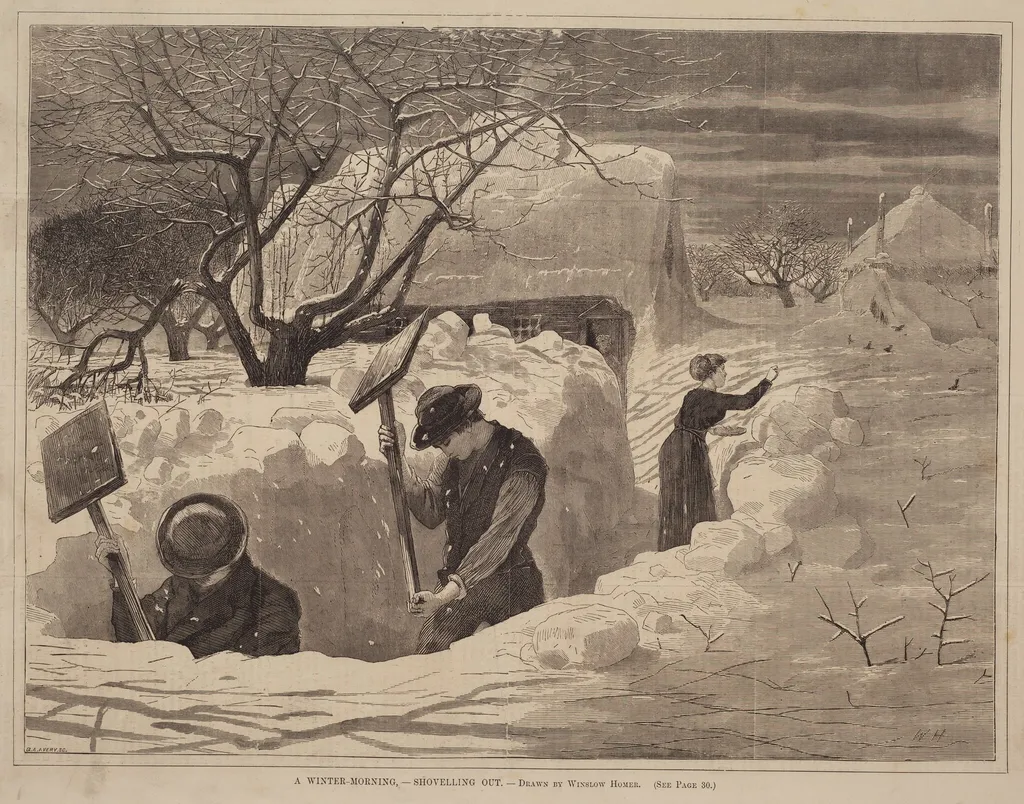
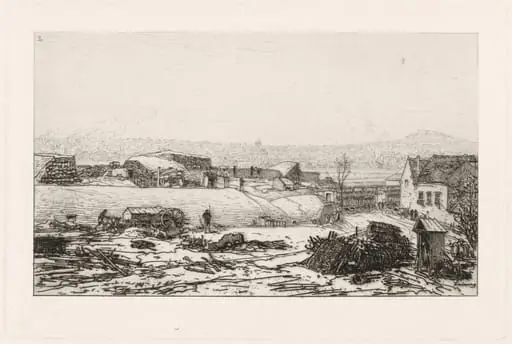
A Winter-Morning, - Shovelling Out is an ink print by the Impressionist artist George A. Avery. It dates from 1871 and is held in the collection of the National Gallery of Art. George A.
About this work
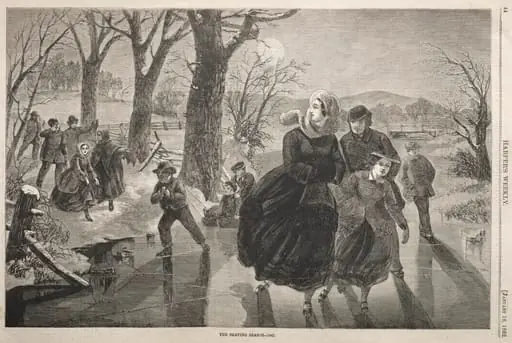
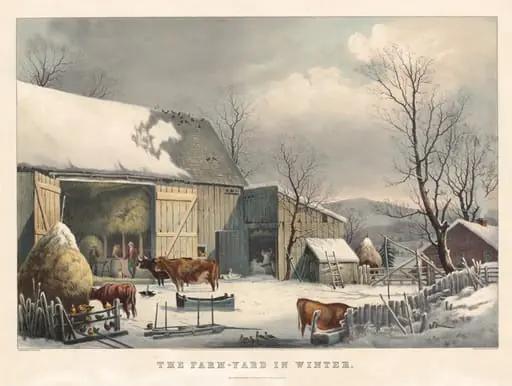
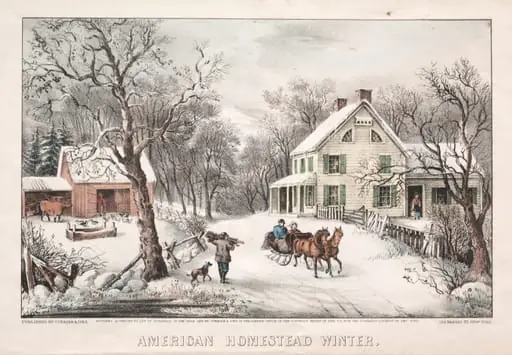
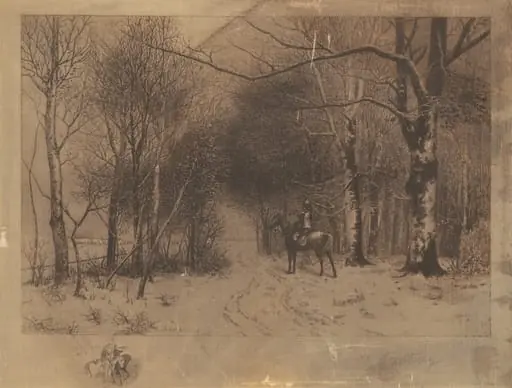
The painting shows a winter scene with people shoveling snow.
It's a simple scene, but what's interesting is that it was published in 1871, a time when winter scenes were popular. The details in the scene, like the snow-covered trees and the people's clothing, give us a glimpse into what life was like back then.
Check out the technique of engraving to learn more about how this image was created.
Overview
The composition’s straightforward narrative and clear delineation of figures reflect the practical concerns of everyday life in the late nineteenth century.
George A. Avery’s 1871 wood engraving titled *A Winter‑Morning, – Shovelling Out* presents a modest winter tableau. Rendered in black‑and‑white, the print captures a cold morning where figures laboriously clear snow from a path, set against a backdrop of frosted trees. The composition’s straightforward narrative and clear delineation of figures reflect the practical concerns of everyday life in the late nineteenth century.
Subject & Meaning
The scene focuses on laborers engaged in snow removal, emphasizing communal effort against harsh weather. Attire such as heavy coats and caps, along with the careful rendering of snow‑laden branches, offers visual clues to period dress and seasonal conditions. The work conveys a quiet resilience, illustrating how ordinary people adapted to and managed the challenges of winter.
Technique & Style
Executed as a wood engraving, the image relies on incised lines cut into a wooden block, which were then inked and pressed onto paper. Avery’s handling of line density creates tonal variation, allowing the delicate texture of snow and the solidity of the figures to coexist. The stark contrast inherent to the medium reinforces the crispness of the winter atmosphere.
Context
Produced during a period when winter landscapes enjoyed considerable popularity, the print aligns with a broader Victorian fascination with seasonal subjects. Such images were often disseminated as affordable prints, reaching a wide audience and documenting contemporary rural or semi‑urban life. Avery’s work thus serves both as an artistic piece and a visual record of 1870s winter labor practices.
Artist & collection