Artwork
Karl XII, King of Sweden
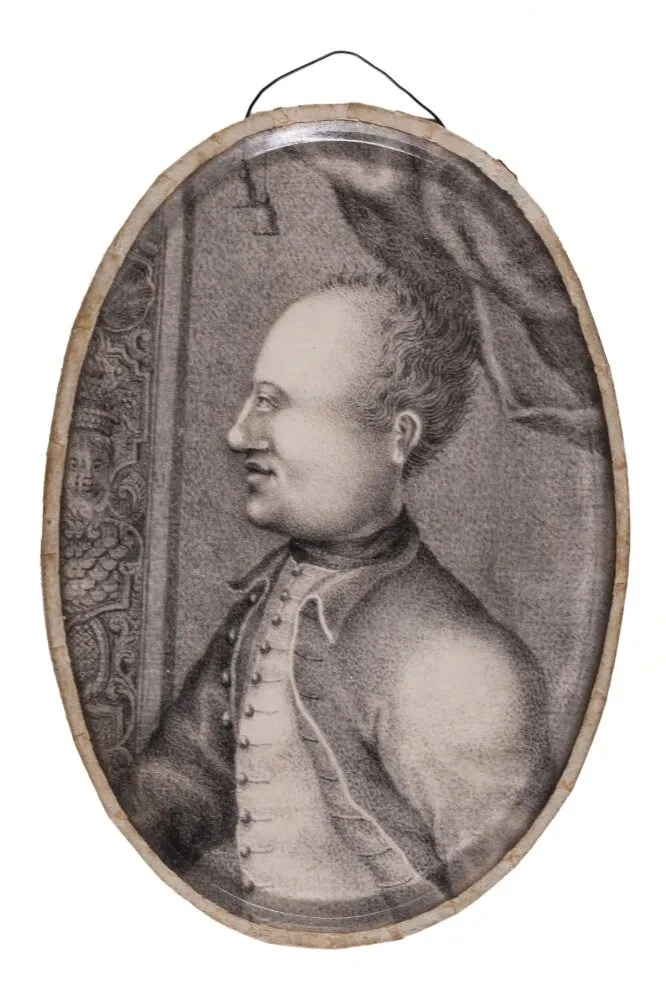
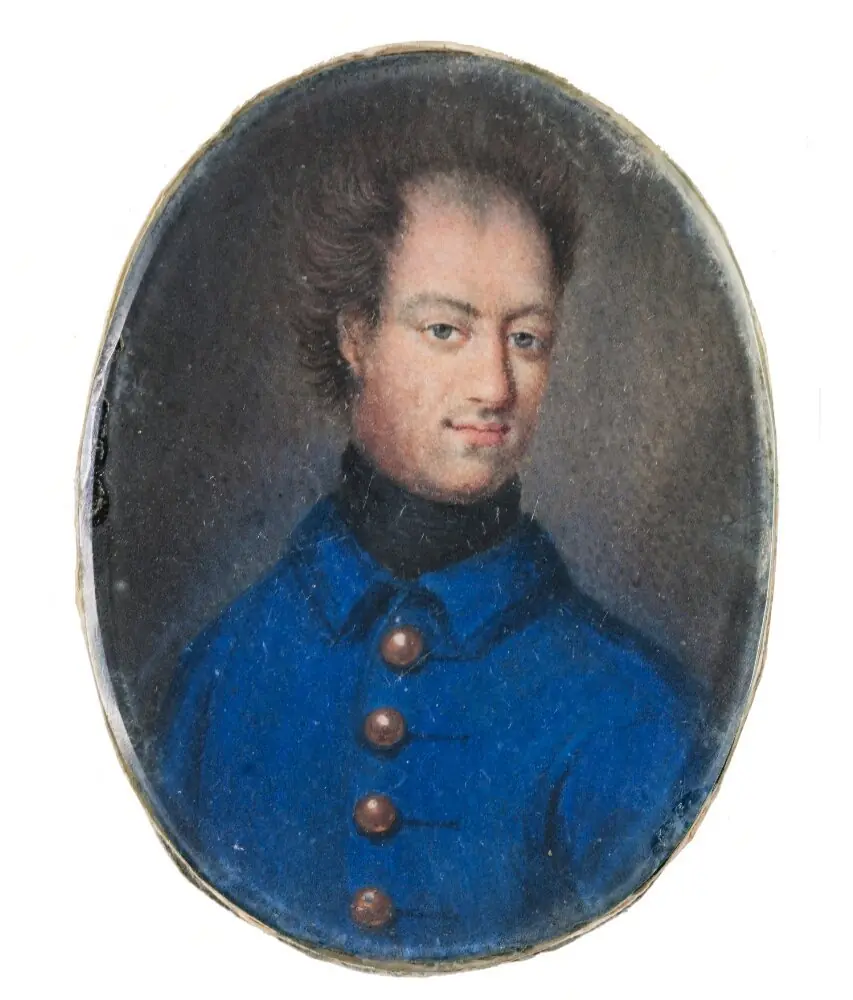
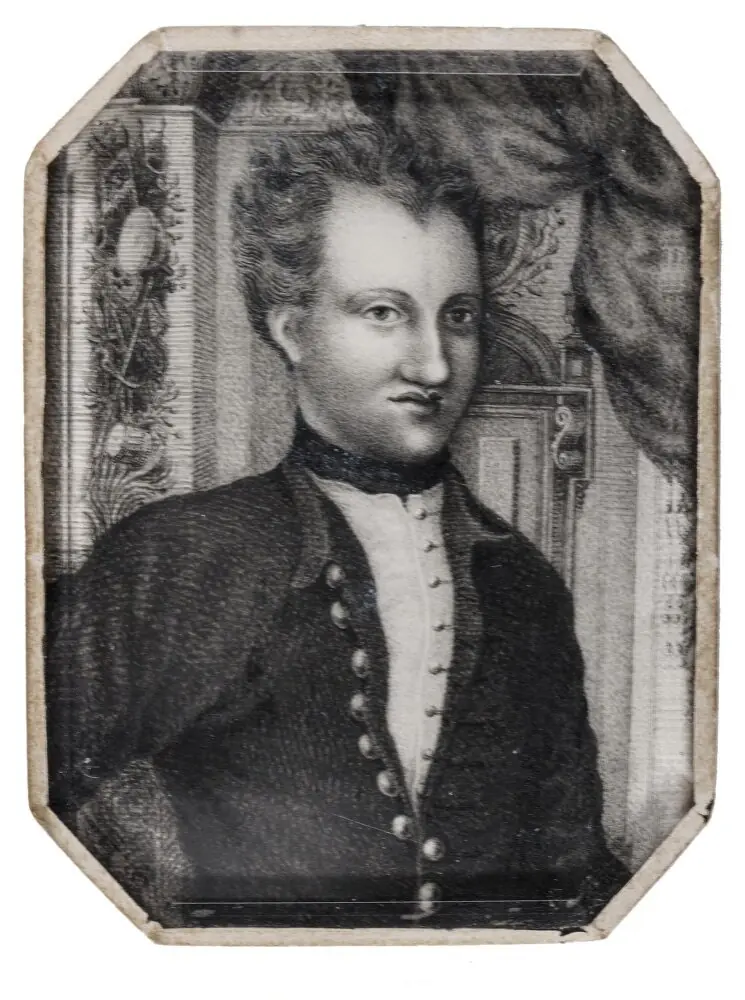
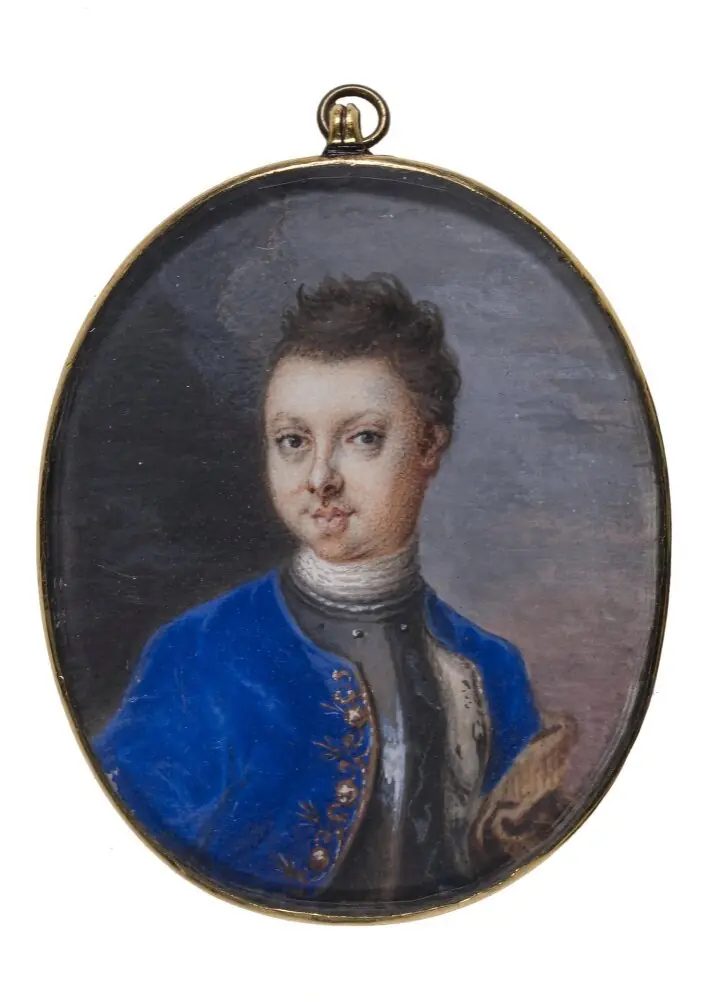
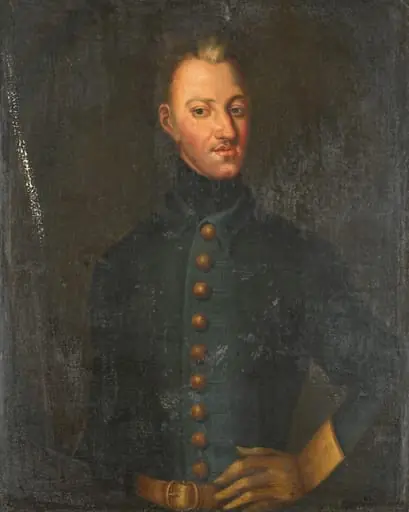
Karl XII, King of Sweden is an unspecified painting by Axel Löwen. It is held in the collection of the Nationalmuseum.
About this work
Overview
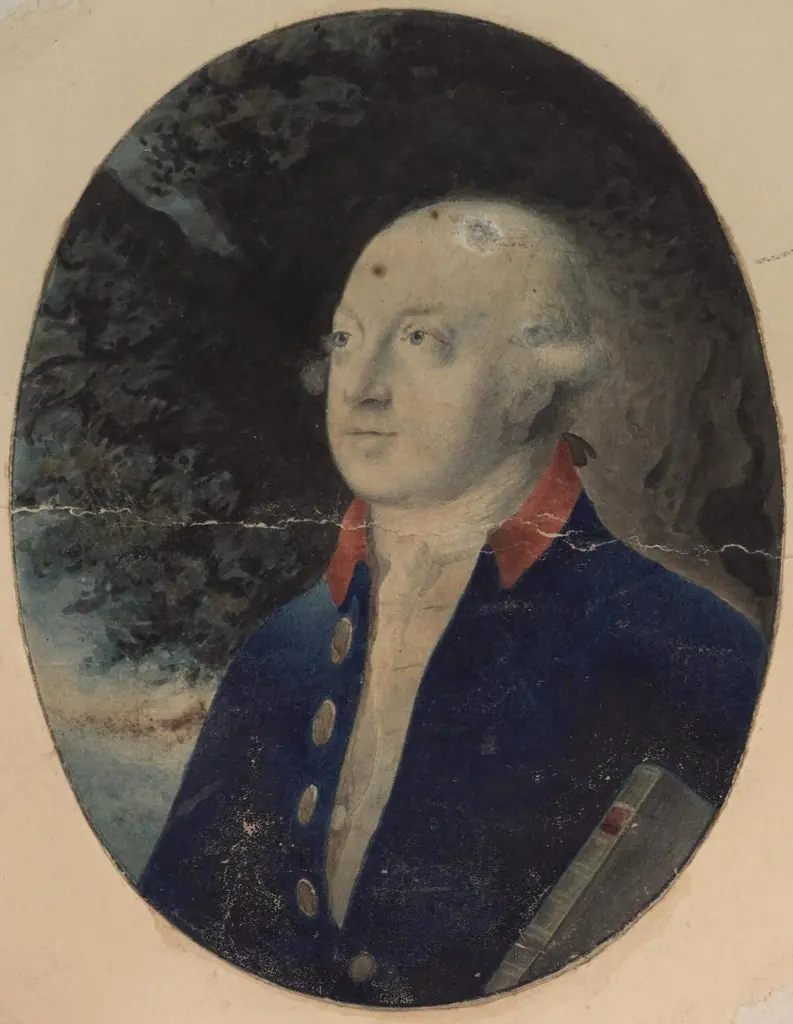
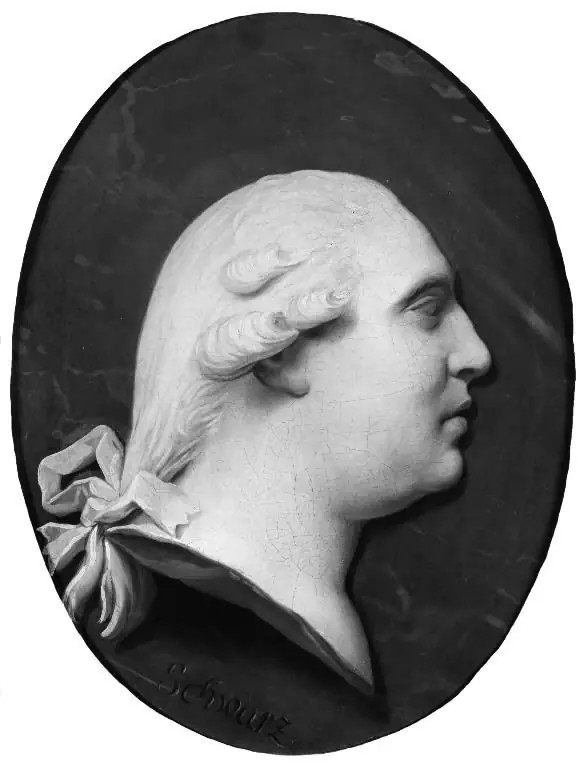
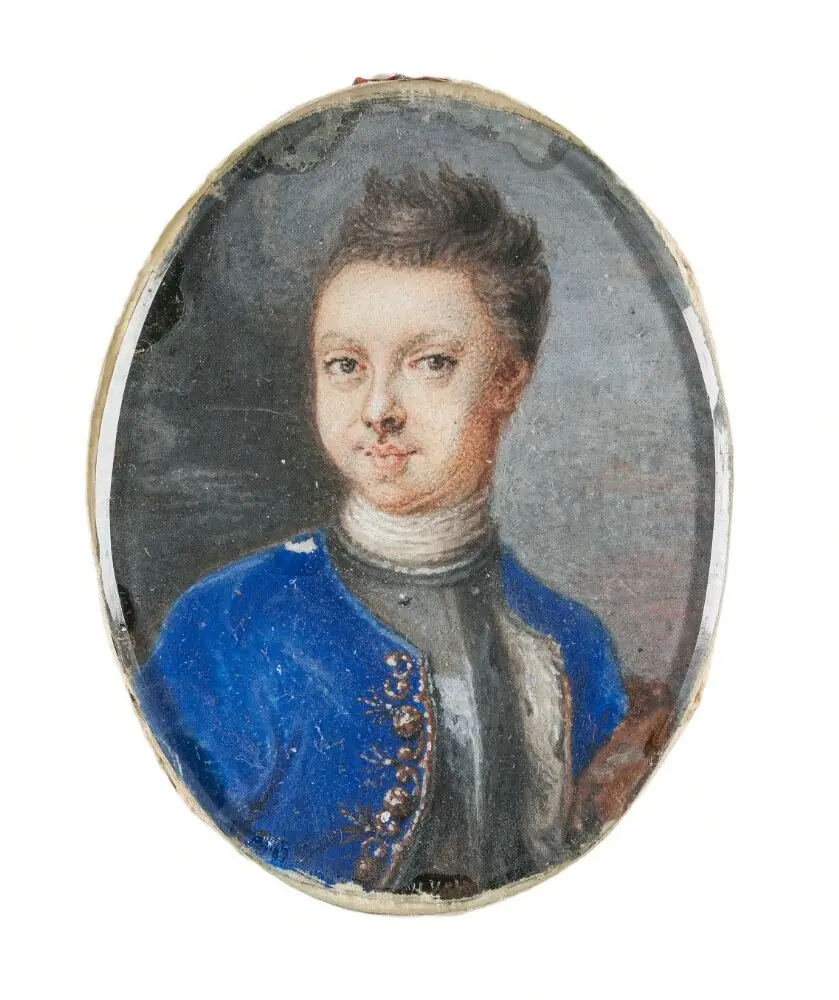
This portrait depicts Charles XII of Sweden, ruler during the early 18th century, rendered in a formal, restrained style typical of courtly portraiture.
This portrait depicts Charles XII of Sweden, ruler during the early 18th century, rendered in a formal, restrained style typical of courtly portraiture. The king is shown in profile, facing left, with a composed expression and meticulously rendered attire. The background is softly modeled in light tones, drawing focus to the figure’s precise facial features and uniform. The work reflects the conventions of Swedish royal imagery of the period, emphasizing dignity over theatricality.
Subject & Meaning
Charles XII, known for his military campaigns during the Great Northern War, is portrayed not as a warrior but as a sovereign in repose. The serious demeanor and formal dress convey authority and stoicism, aligning with his public image as a disciplined ruler. The absence of regalia or symbols of power suggests an emphasis on personal presence rather than institutional grandeur, reinforcing a quiet, introspective leadership.
Technique & Style
The painting employs fine brushwork to capture the texture of the dark jacket, the crispness of the high collar, and the curl of the king’s short hair. Shading in the background is subtle, creating depth without distraction. The profile view, common in academic portraiture, enhances the sense of monumentality. The palette is muted, dominated by darks and neutrals, reinforcing the solemn tone and attention to detail over coloristic flourish.
History & Provenance
Attributed to Axel Löwen, a Swedish painter active in the early 1700s, the work likely originated in the royal court’s efforts to document its leadership. Löwen was known for his portraits of nobility and military figures, often commissioned for state archives or private collections. While the exact origin of this piece is undocumented, its style and subject align with other known works from the Swedish royal atelier of the time.
Context
During Charles XII’s reign, Sweden was a major European power engaged in prolonged conflict. Portraits like this served to project stability and continuity amid war. The formal, unadorned style contrasts with the opulent Baroque portraits of other courts, reflecting a Swedish preference for austerity and military discipline. This aesthetic choice reinforced national identity and the king’s personal ethos.
Legacy
The portrait remains a representative example of Swedish court portraiture from the early 18th century. Though not widely exhibited, it contributes to the visual record of Charles XII’s reign and the artistic practices of his era. Axel Löwen’s role in documenting the Swedish elite through such works helped shape the nation’s historical imagery, preserving the likeness of its rulers with restrained precision.
Artist & collection
Artist
Axel Löwen painted official portraits of Sweden’s royalty in the late 17th and early 18th centuries.