Artwork
Karl XII, King of Sweden
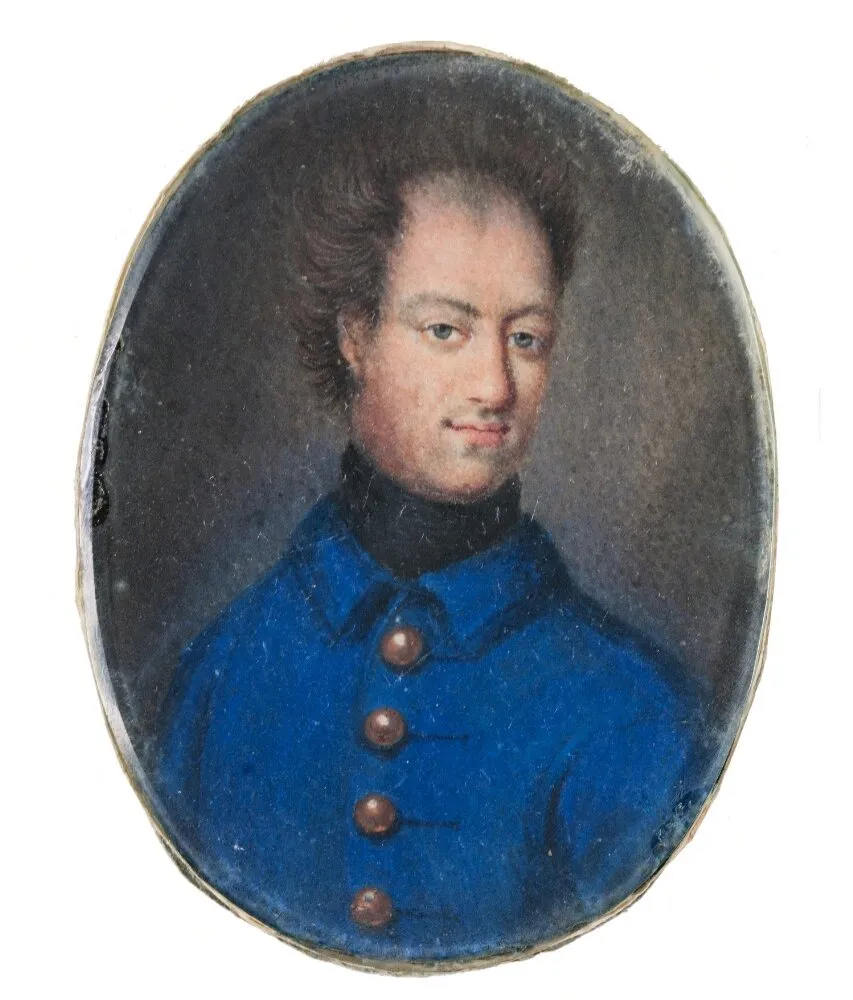
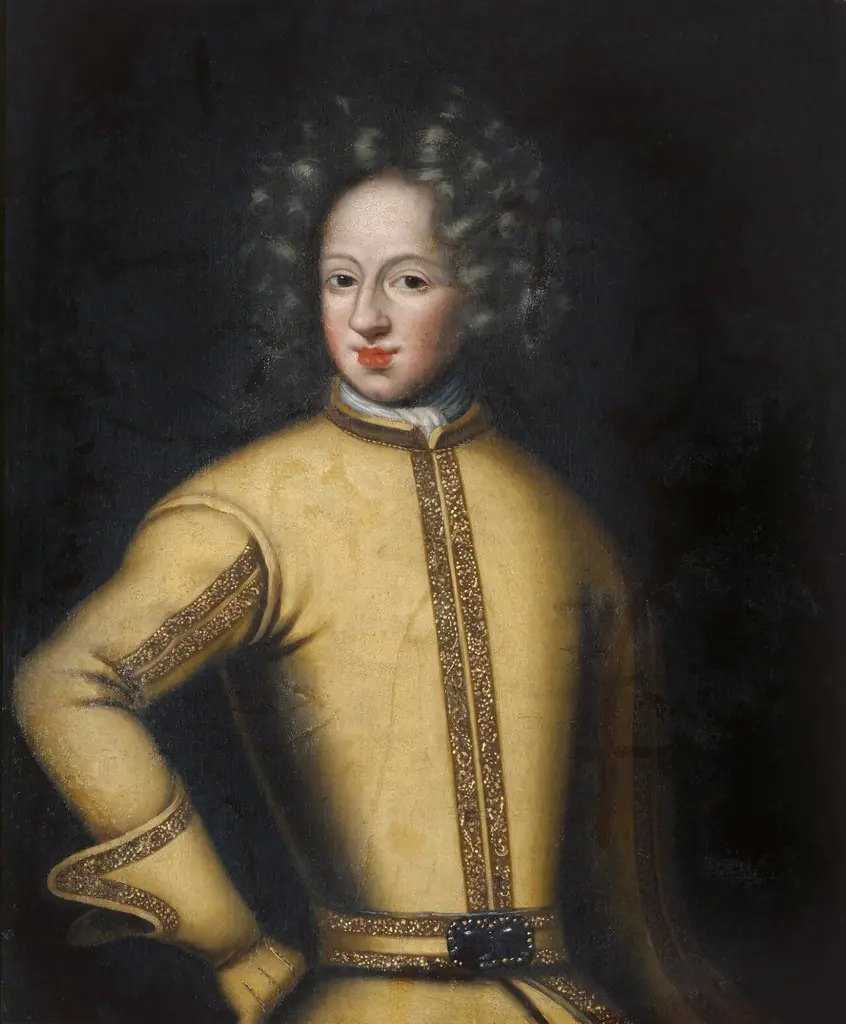
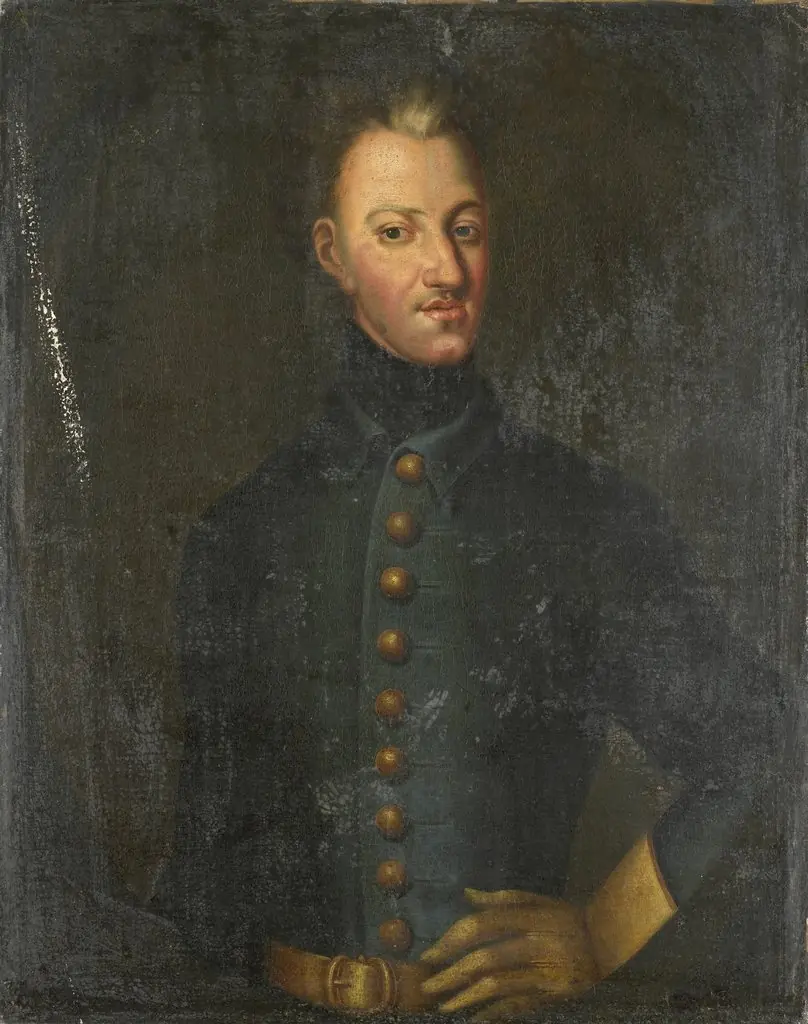
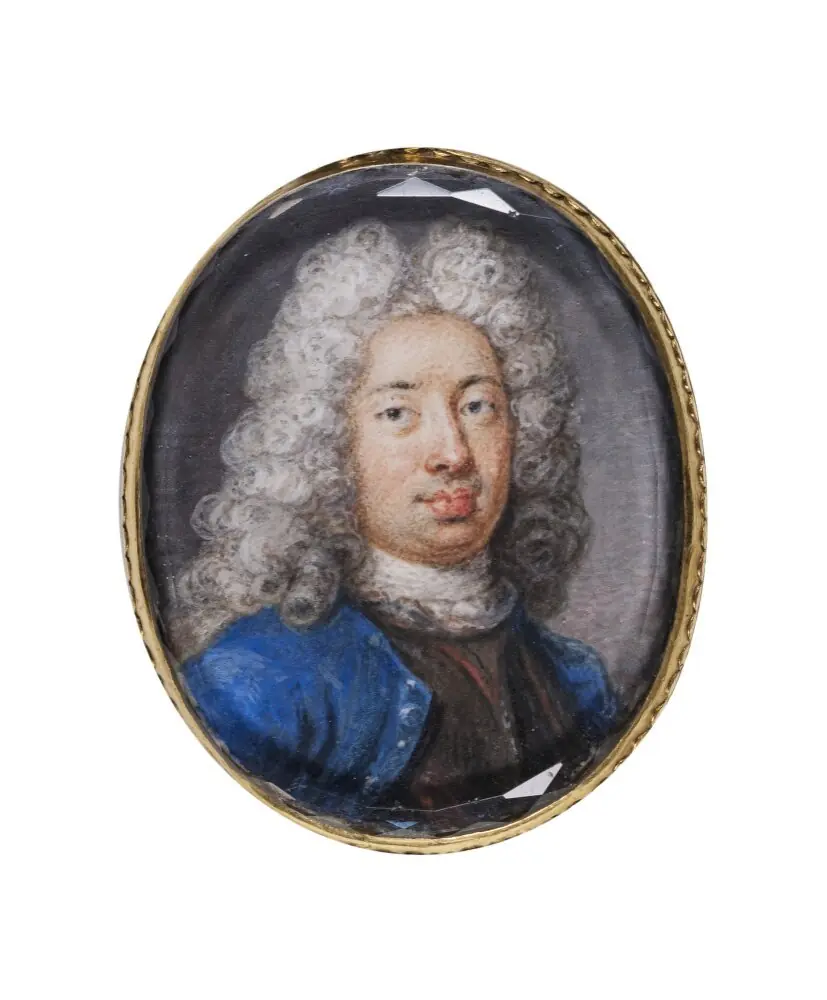
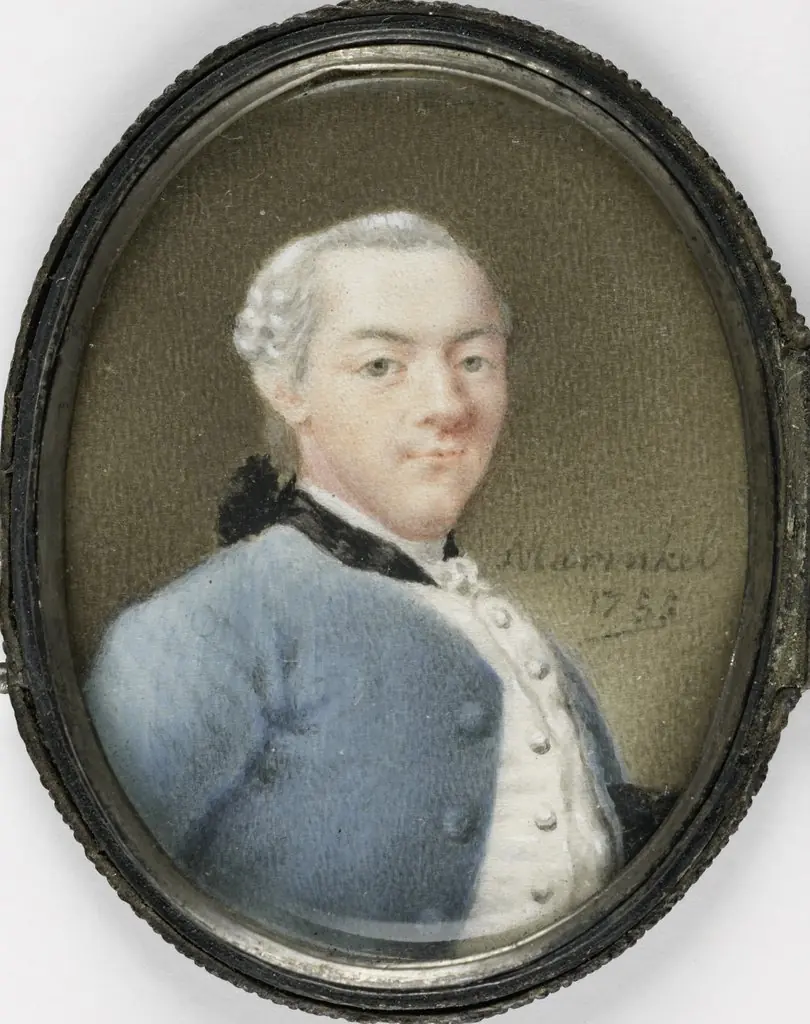
Karl XII, King of Sweden is an unspecified painting by the French Classical Baroque artist Johann Heinrich Wedekind. It dates from 1715 and is held in the collection of the Nationalmuseum.
About this work
Overview
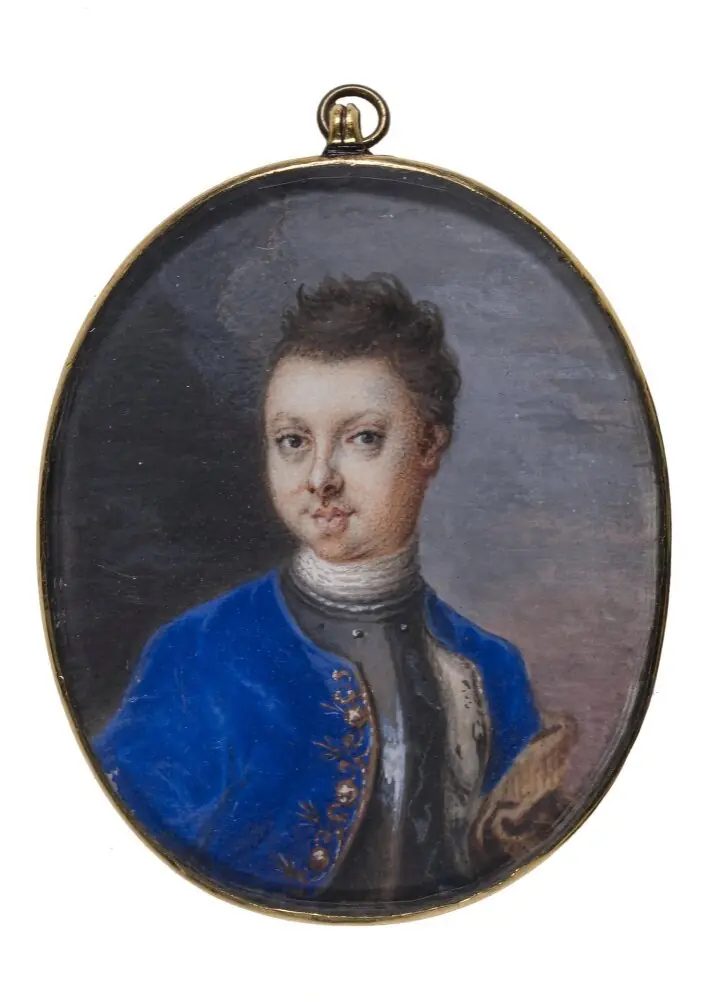
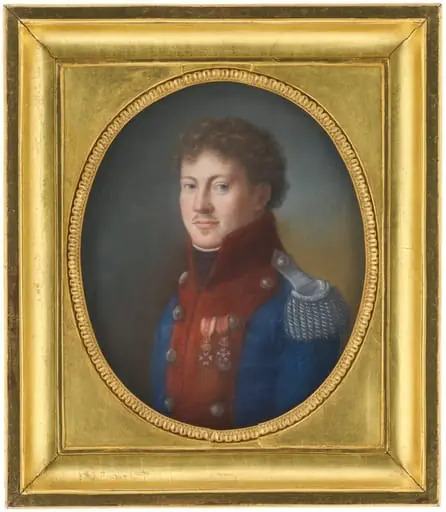
Karl XII, King of Sweden is a 1715 portrait painting by Johann Heinrich Wedekind, a Baltic-German artist working within the French classical Baroque tradition. The oval-shaped work, framed by a thin gold border, is part of the Nationalmuseum's collection.
Subject & Meaning
The painting depicts Carl XII of Sweden with a serious expression, directly engaging the viewer. His attire, a blue military jacket with four prominent brown buttons, signifies his royal and military status.
Technique & Style
Wedekind executed the portrait in a style characteristic of its time, with a muted gray background contrasting the subject's detailed, dark curly hair and blue jacket. The technique, reminiscent of contemporaneous works, may incorporate sfumato for subtle, nuanced shading.
History & Provenance
Created in 1715, the painting is attributed to Wedekind, who also worked for Peter the Great, contributing to the evolution of secular portraiture in Russia. It is now held in the Nationalmuseum's collection.
Context
As a Baltic-German painter, Wedekind's work reflects the cross-cultural artistic influences of his time, blending French classical Baroque elements with the portraiture traditions of Sweden and Russia.
Legacy
While specific lasting impacts of *Karl XII, King of Sweden* on broader art movements are not prominently documented, Wedekind's contributions to secular portraiture in Russia remain notable.
Artist & collection
Artist
Johann Heinrich Wedekind (15 August 1674, Reval — 8 October 1736, Saint Petersburg) was a Baltic-German painter who worked in Sweden and Russia, for Peter the Great. He helped to establish secular portrait painting in Russia.