Artwork
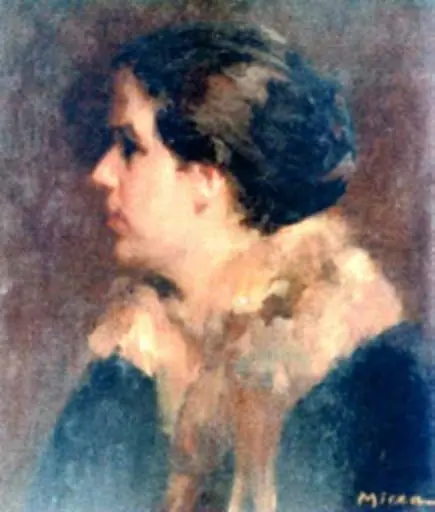
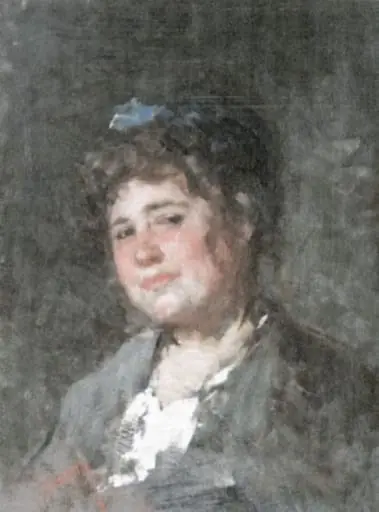
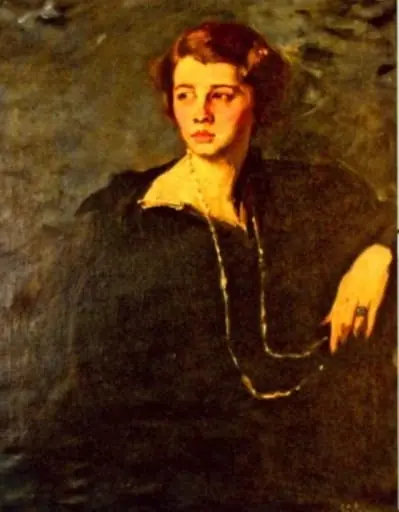
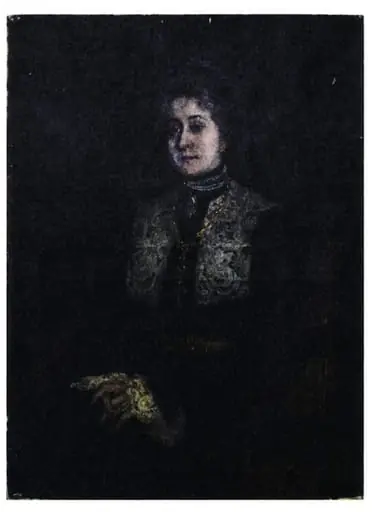
Portret de femeie
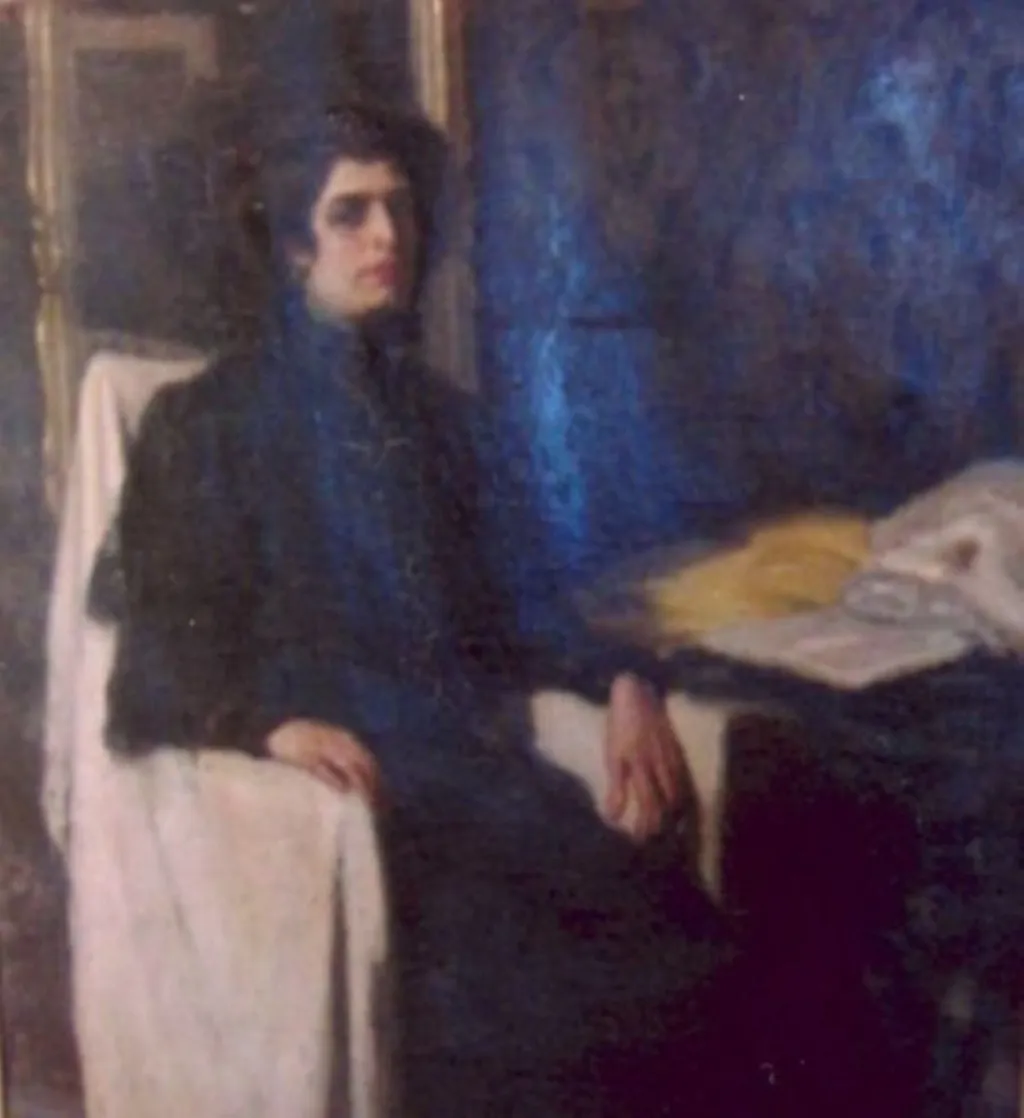
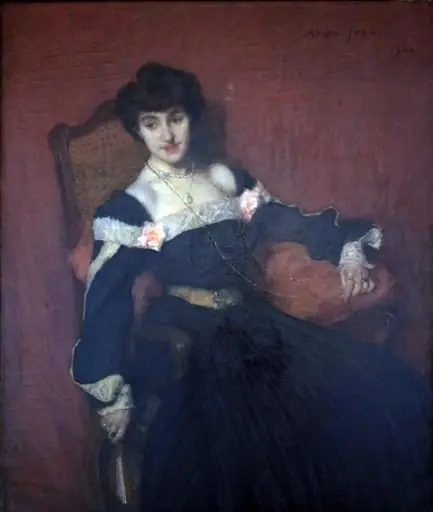
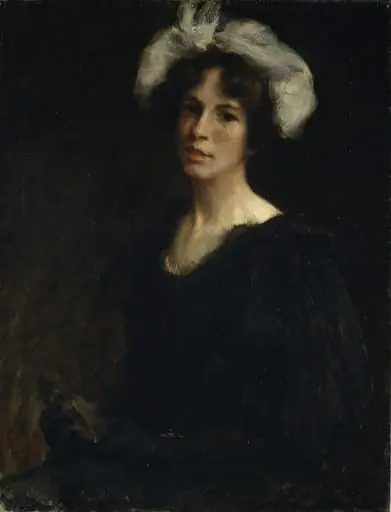
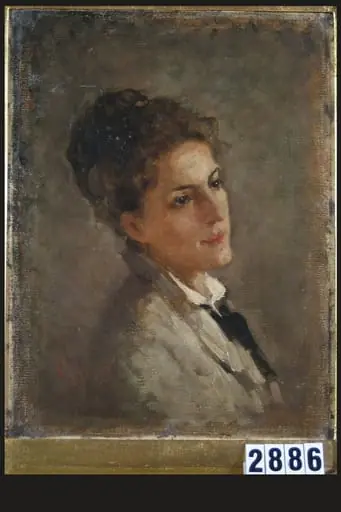
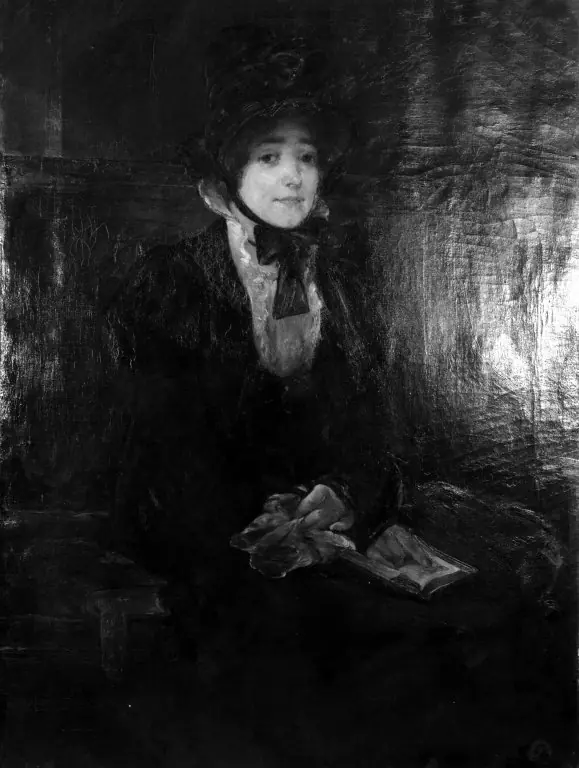
Portret de femeie is an unspecified painting by Árpád Vida. It dates from 1914 and is held in the collection of the Mureș County Museum - Art Museum.
About this work
Overview
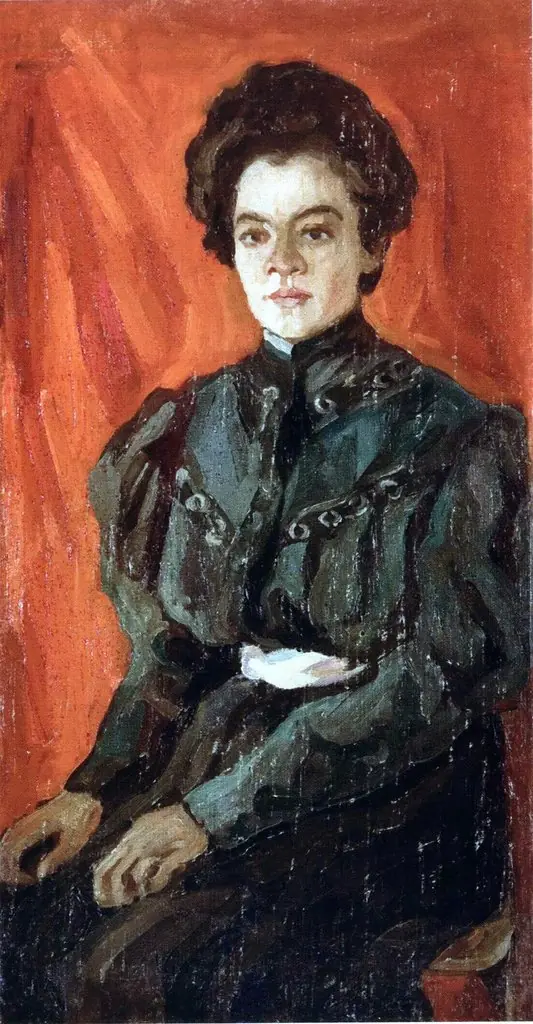
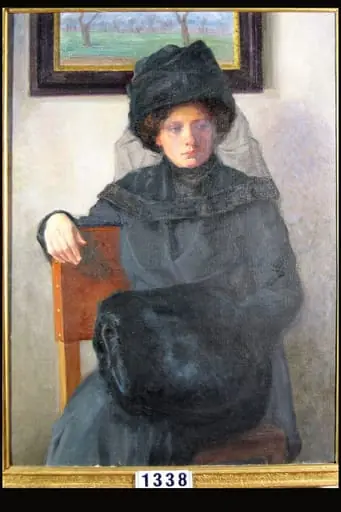
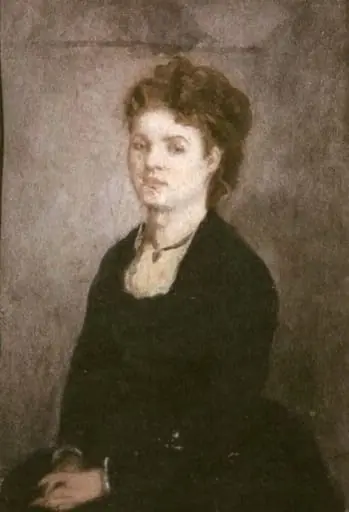
Portret de femeie, painted in 1914 by Árpád Vida, is a quiet portrait of a seated woman. Executed in oil, the work resides in the Museum of Ethnography. The composition centers on the figure against a deep blue background, with minimal detail suggesting a domestic interior. The subdued palette and restrained gestures convey introspection rather than narrative.
Subject & Meaning
The subject is a woman seated calmly in a chair, her face softly rendered and partially obscured, inviting contemplation rather than identification. Her hands rest gently in her lap, and her dark dress contrasts with the white cloth draped over the chairback. The ambiguity of her expression and the lack of contextual clues suggest an emphasis on inner stillness over individual identity.
Technique & Style
Vida employs a muted tonal range and soft transitions between light and shadow, aligning with chiaroscuro traditions. The blurred facial features and simplified forms reduce detail in favor of mood. The dark blue background isolates the figure, while the white cloth introduces a subtle textural contrast. Brushwork is restrained, avoiding dramatic flourish in favor of quiet harmony.
History & Provenance
The painting was completed in 1914 and entered the collection of the Museum of Ethnography, where it remains. No documented exhibition history or private ownership prior to museum acquisition is recorded. Its inclusion in an ethnographic institution suggests its value as an example of early 20th-century Hungarian portraiture rather than as a work of elite artistic prestige.
Context
Created during a period of cultural introspection in Hungary, the portrait reflects a broader trend toward psychological depth in regional painting. While European modernism was pushing toward abstraction, Vida’s work retains figurative grounding, aligning with quieter, more introspective currents in Central European art of the era.
Legacy
Portret de femeie is not widely cited in broader art historical narratives, but it stands as a representative example of early 20th-century Hungarian portraiture that prioritizes atmosphere over spectacle. Its preservation in an ethnographic museum underscores its role as a cultural artifact, offering insight into domestic visual culture beyond formal artistic movements.
Artist & collection
Artist
Árpád Vida painted portraits in early 20th-century Romania, where he registered a single work in 1914.