Artwork
Natură moartă
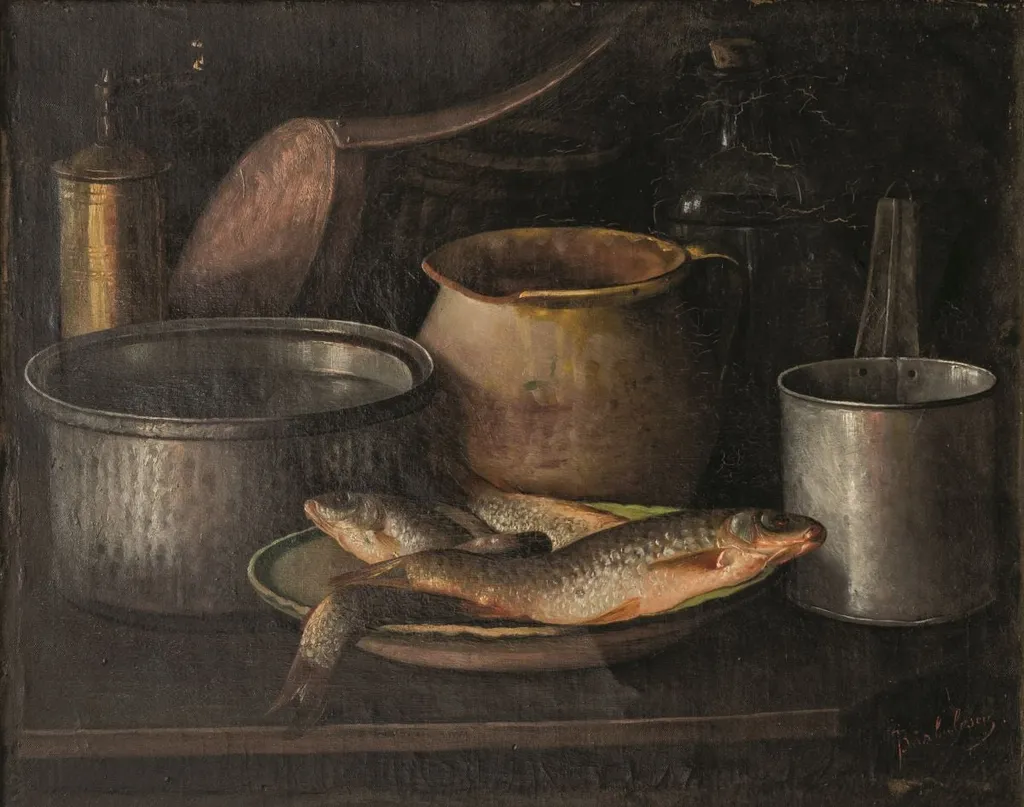
Natură moartă is a print by Ion Bărbulescu. It is held in the collection of the Bucharest Municipality Museum. This still life depicts a modest arrangement of household metal objects and fish on a plain surface.
About this work
Overview
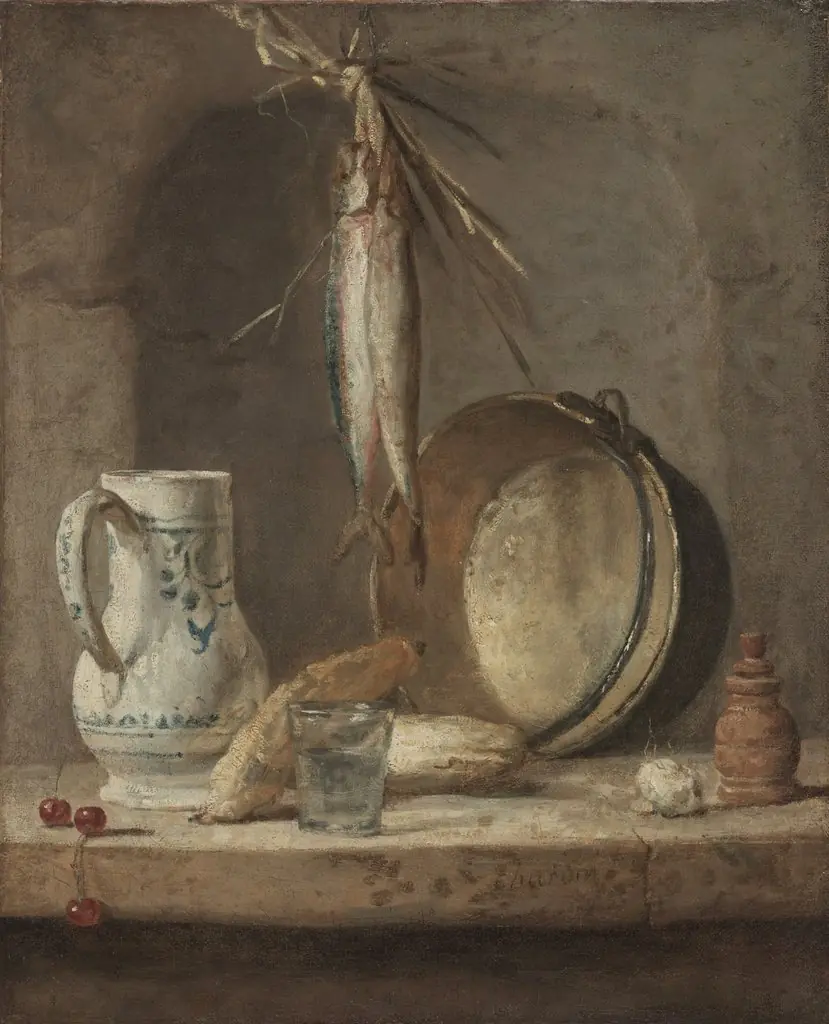
This still life depicts a modest arrangement of household metal objects and fish on a plain surface. The composition is restrained, with no extraneous elements, focusing instead on the quiet presence of everyday items. The rendering emphasizes tactile qualities—polished metal, scaled fish—without theatrical lighting or vivid color, creating a subdued, contemplative atmosphere.
Subject & Meaning
The objects—two pots, a cup, a long-handled tool, and a plate of fish—suggest a domestic or culinary setting. Their arrangement implies function rather than display, hinting at routine labor or the aftermath of preparation. The absence of human figures reinforces a sense of stillness, inviting reflection on the quiet dignity of ordinary things.
Technique & Style
The artist employs a precise, observational approach, capturing subtle reflections on metal surfaces and the sheen of fish scales with careful brushwork. Shadows are soft, tones are muted, and edges are rendered with clarity but without exaggeration. The style avoids dramatic contrast, favoring a quiet realism that prioritizes texture over spectacle.
History & Provenance
The work is attributed to Ion Bărbulescu, a Romanian painter active in the early to mid-20th century. While specific details of its creation and early ownership are not widely documented, it aligns with his known interest in domestic still lifes and regional realism. The piece likely originated in Romania during a period when such subjects were valued for their understated authenticity.
Context
In early 20th-century Romanian art, still lifes like this one reflected a broader cultural turn toward everyday life, away from grand historical or mythological themes. Bărbulescu’s focus on humble objects resonated with a regional aesthetic that prized sincerity and observation over ornamentation, situating this work within a quiet but persistent artistic current.
Legacy
Though not widely exhibited internationally, Bărbulescu’s still lifes contribute to the understanding of Romanian modernism’s quieter strains. This painting exemplifies a local tradition of realism that valued quietude and material presence, influencing later generations who sought to elevate the ordinary through attentive depiction.
Artist & collection
Artist
Ion Bărbulescu left behind a handful of ink-on-paper drawings. Five survive in this set, from the mid-20th-century daily life sketches to a sheet called “La Geneva.” His lines trace wages, kids, fruit bowls, and small…

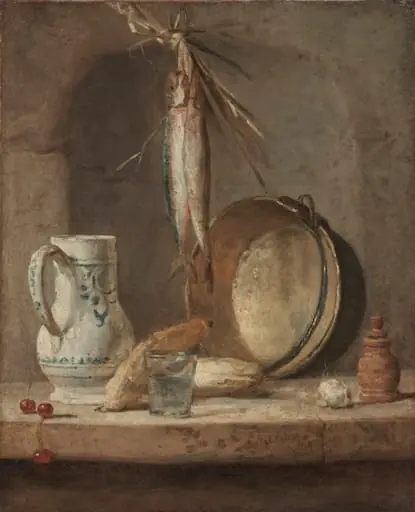 Still Life with Herrings
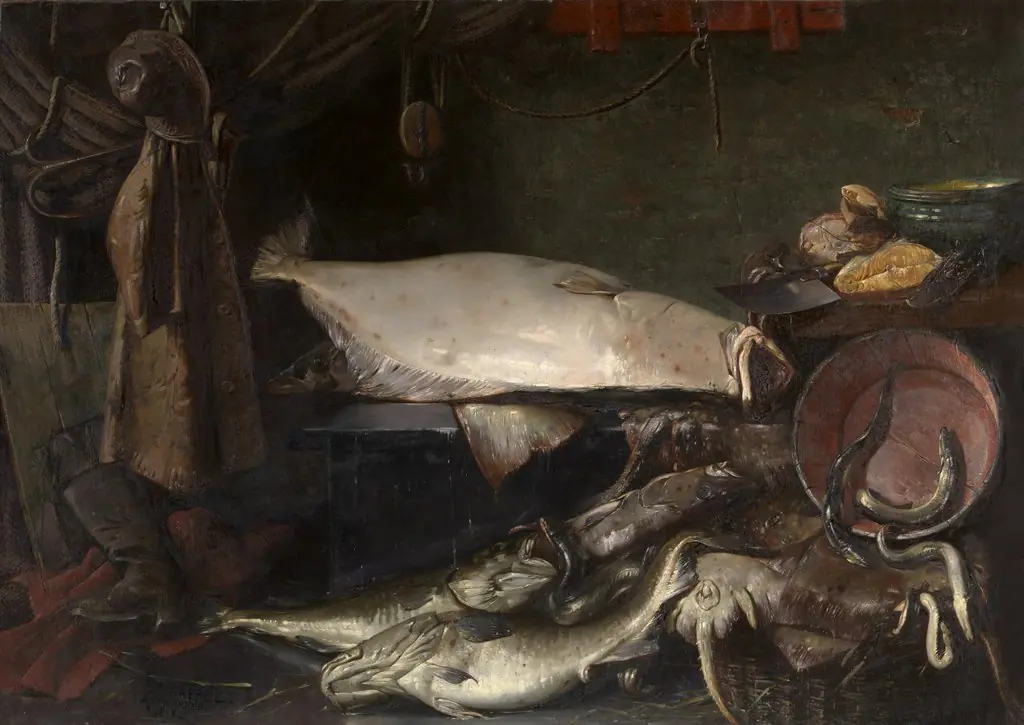 Still Life with Fish
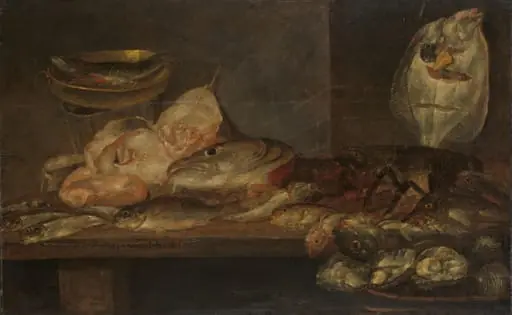 Still Life with Fish and a Lobster and Oysters on a Table nearby
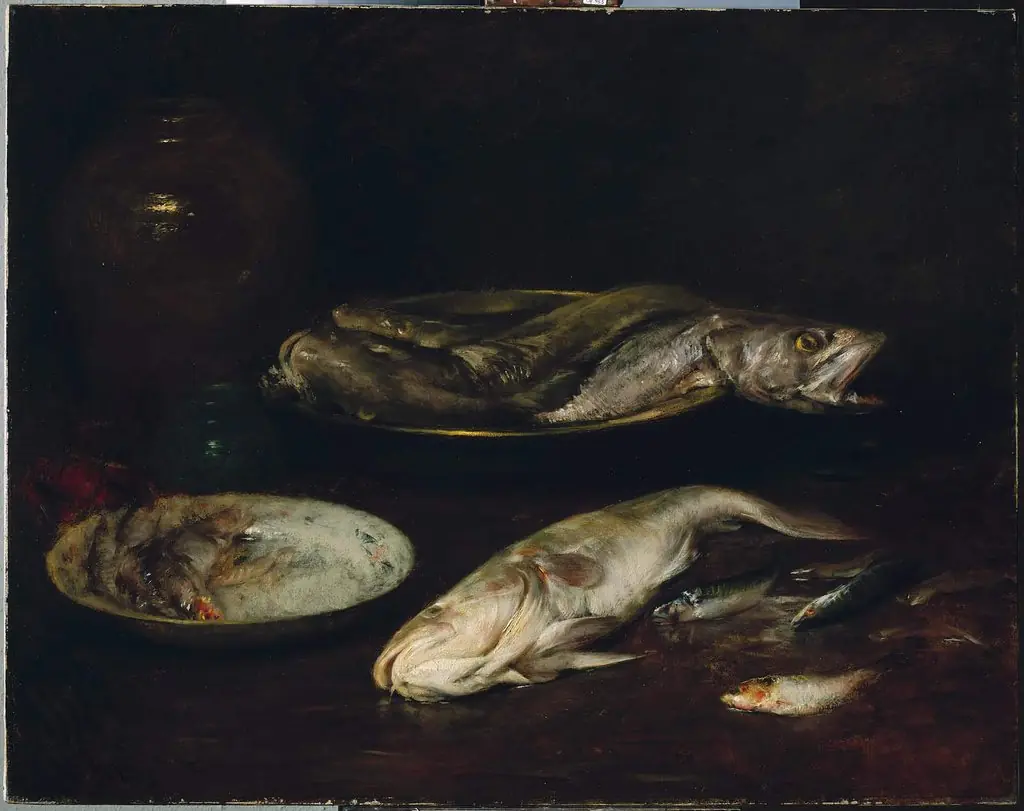 Still Life - Fish
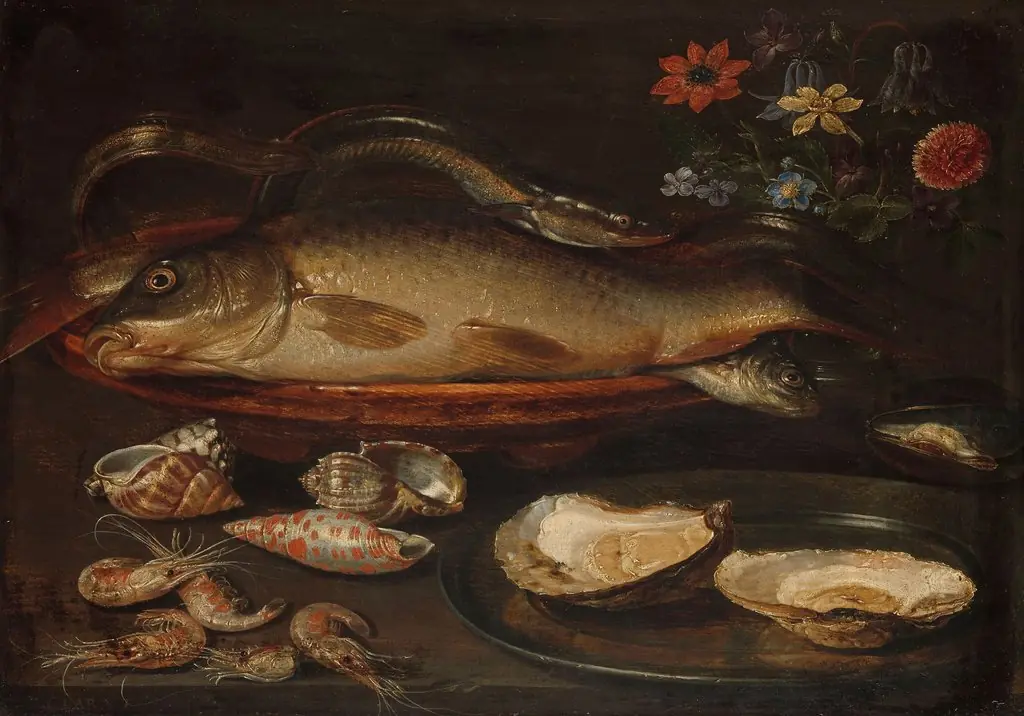 Still life with fish, oysters and shrimps
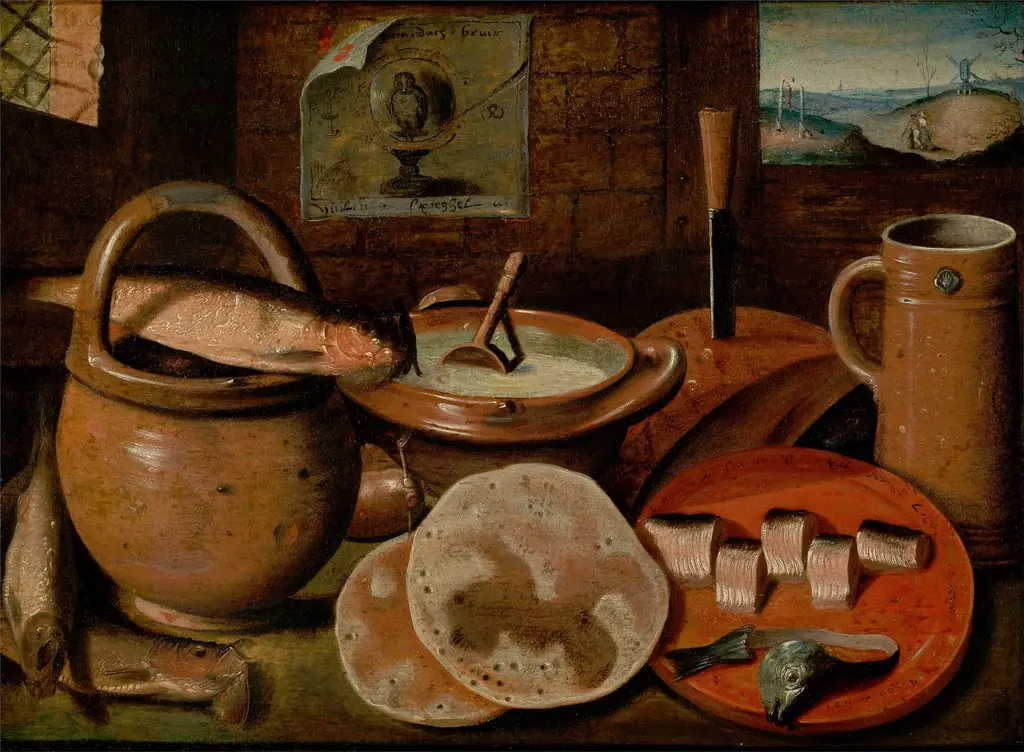 Still Life with a Poor Man's Meal of Porridge, Cheese, Herring and Pancakes
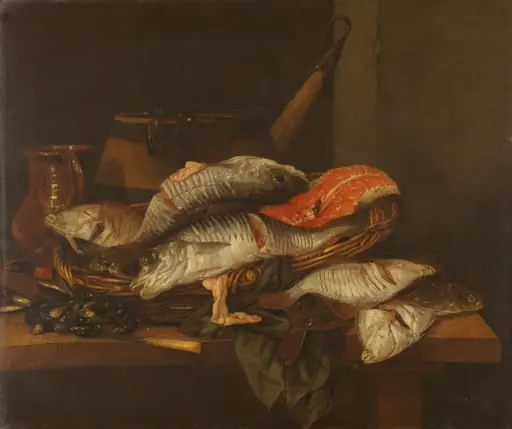 Still Life with Fish
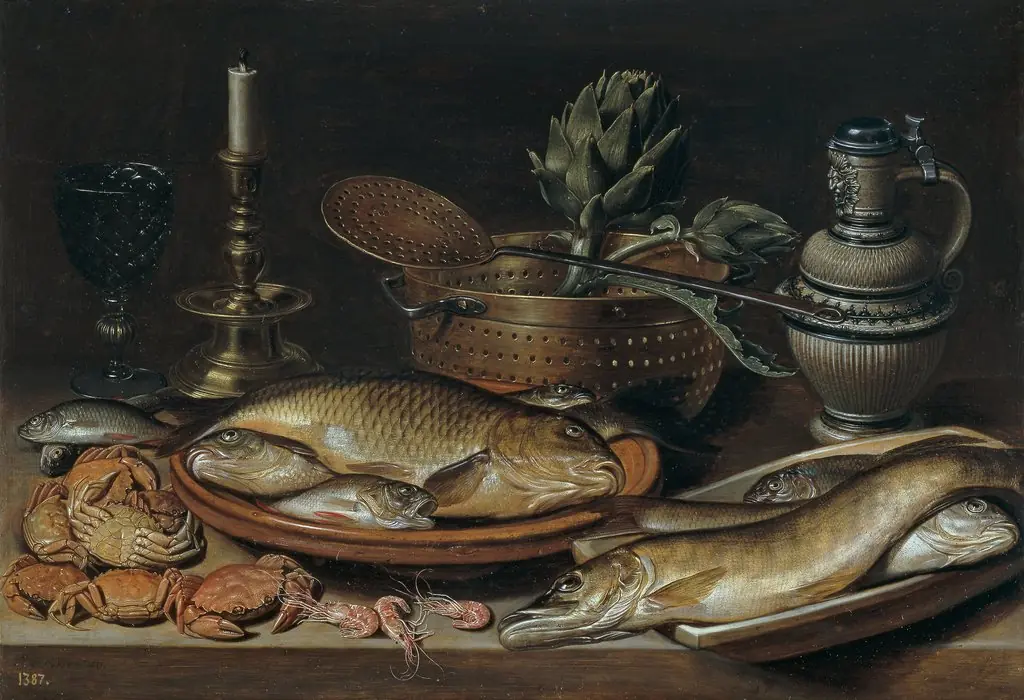 Still life of fish with a candlestick
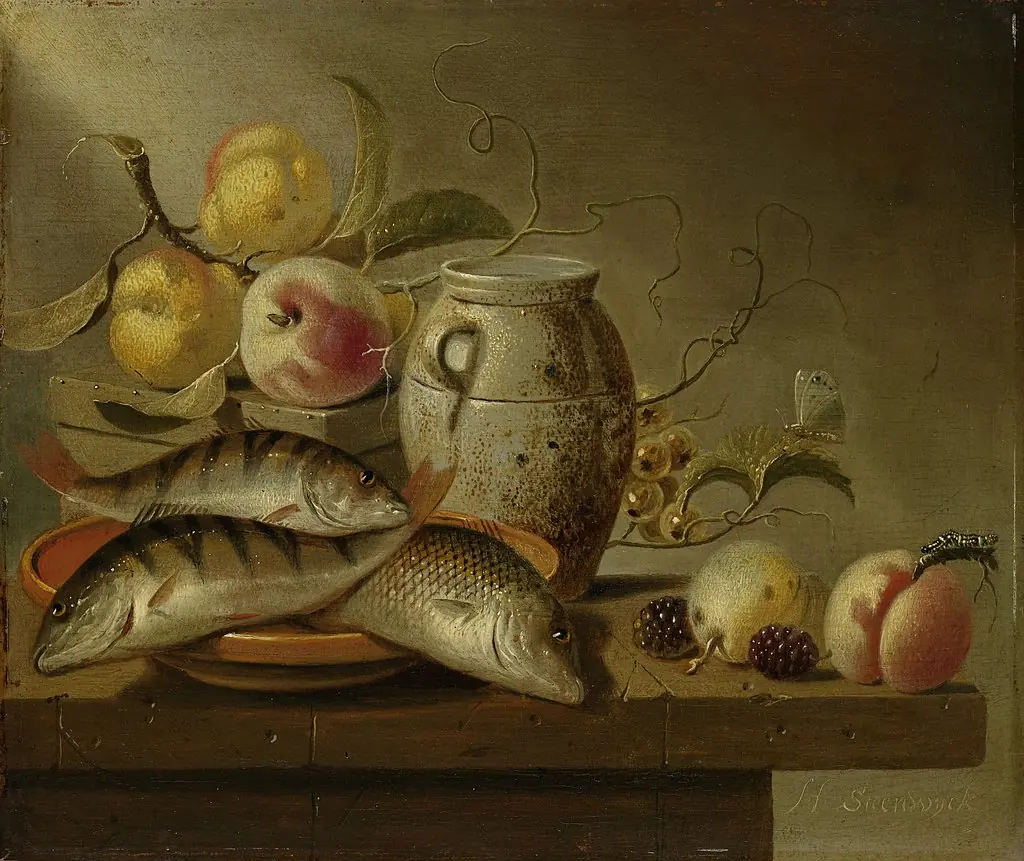 Still Life with Earthenware Jar, Fish and Fruit
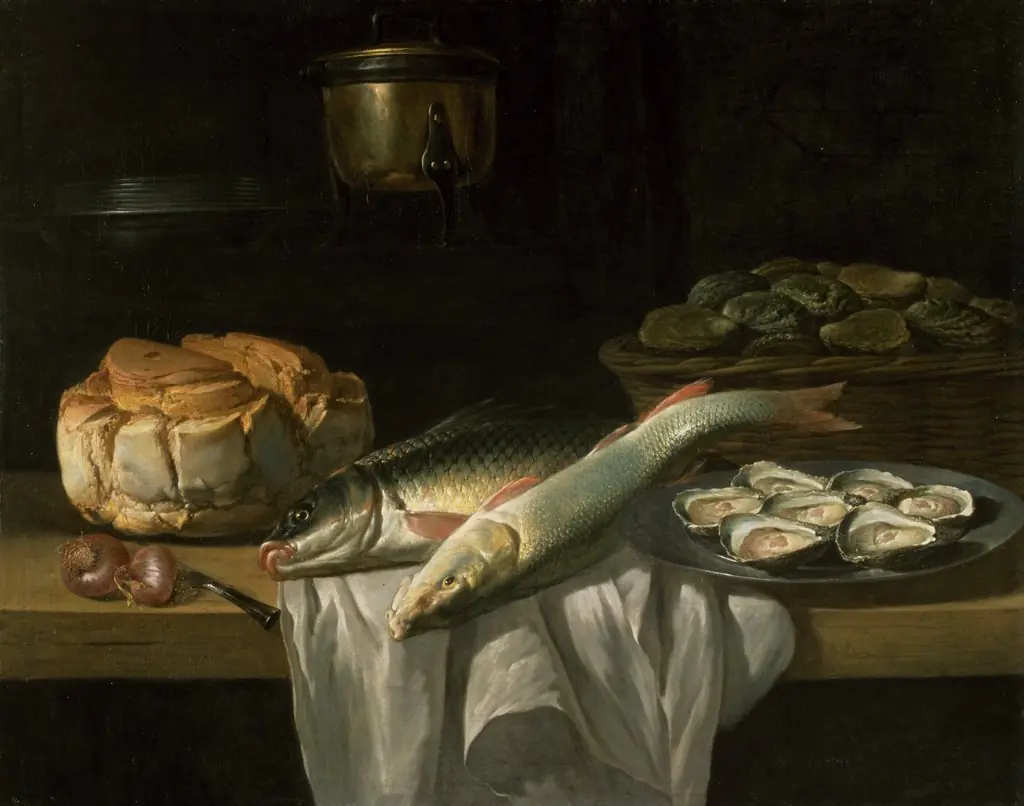 Still Life with Carp and Pike
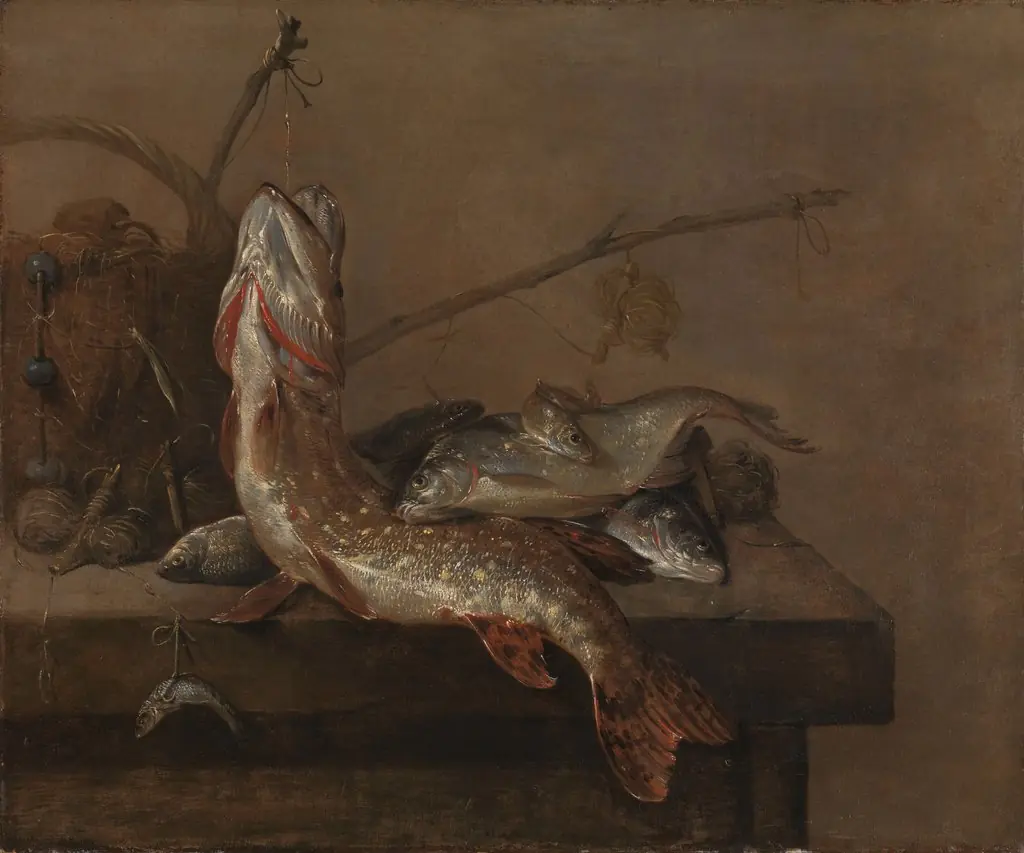 Still life with fish
 Still Life with Herrings