Artwork
Ilustrație la Caragiale
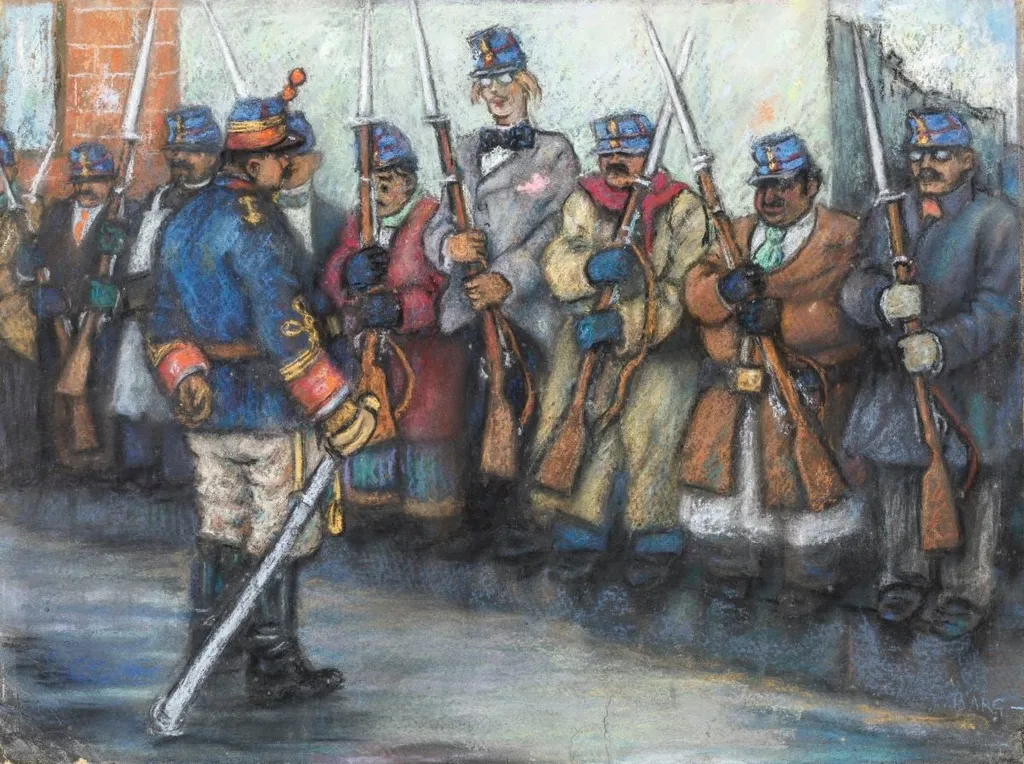
Ilustrație la Caragiale is a drawing by Ion Bărbulescu. It dates from 1937 and is held in the collection of the National Museum of Art of Romania.
About this work
Overview
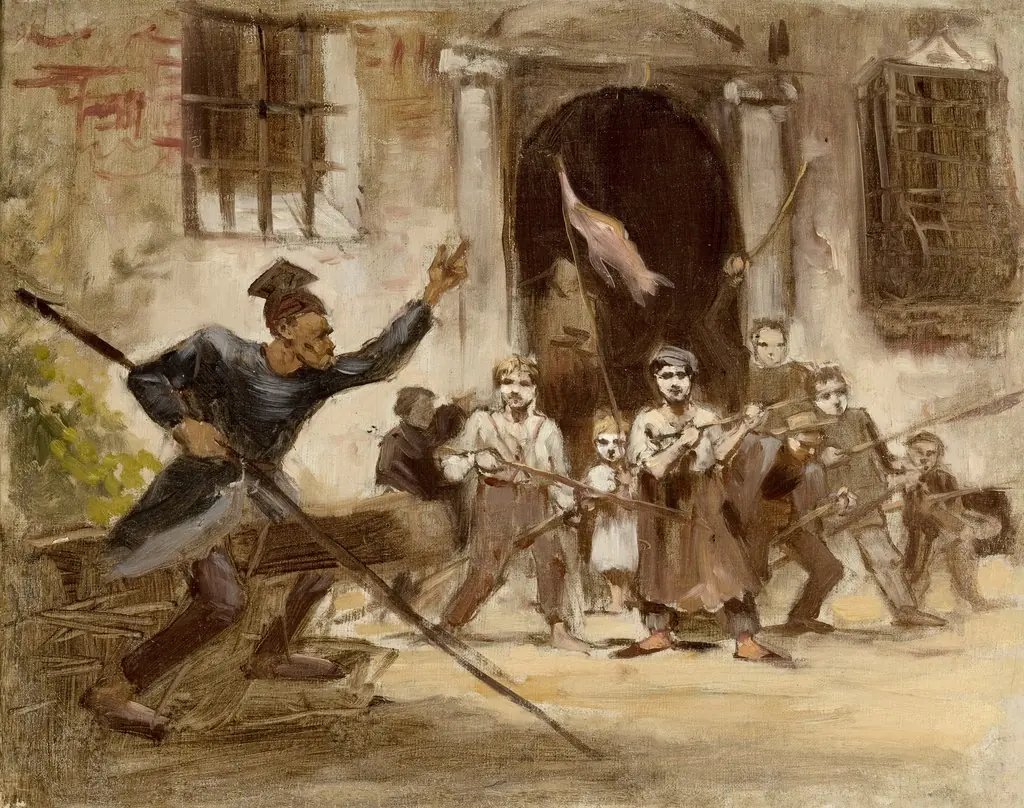
Ilustrație la Caragiale, painted by Ion Bărbulescu around 1937, is an oil work that presents a lined group of figures in a town setting. The composition includes several individuals in military dress, brandishing bayonets, and wearing a variety of hats and coats. Buildings rise behind the assembly, anchoring the scene in an urban environment.
Subject & Meaning
The tableau suggests a collective activity involving uniformed men, though the precise nature of the action remains ambiguous. By gathering the figures in a single row, Bărbulescu may be commenting on the organization of military presence within civilian spaces, a theme resonant with the interwar period’s social dynamics.
Technique & Style
Executed with a palette of pastel hues, the painting achieves a subdued, atmospheric quality. Soft transitions between colors and modest contrast lend the work a muted tone, while the careful rendering of uniforms and architectural details reflects a realistic yet gently idealized approach.
History & Provenance
Since its creation, the work has been part of the collection of the Museum of Ethnography. Its placement there indicates recognition of the piece’s relevance to cultural or historical narratives, linking visual art with ethnographic documentation of Romanian society in the early twentieth century.
Context
Produced in the late 1930s, the painting emerges at a time when Romania experienced heightened military visibility and political change. Bărbulescu’s choice to depict soldiers within a civic backdrop aligns with contemporary concerns about the intersection of national defense and everyday life.
Artist & collection
Artist
Ion Bărbulescu left behind a handful of ink-on-paper drawings. Five survive in this set, from the mid-20th-century daily life sketches to a sheet called “La Geneva.” His lines trace wages, kids, fruit bowls, and small…

 Levy in Mass
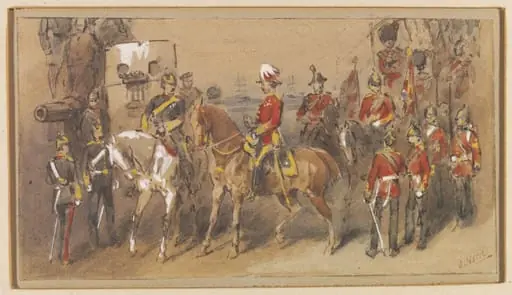 General Sir Garnet Wolseley at Alexandria
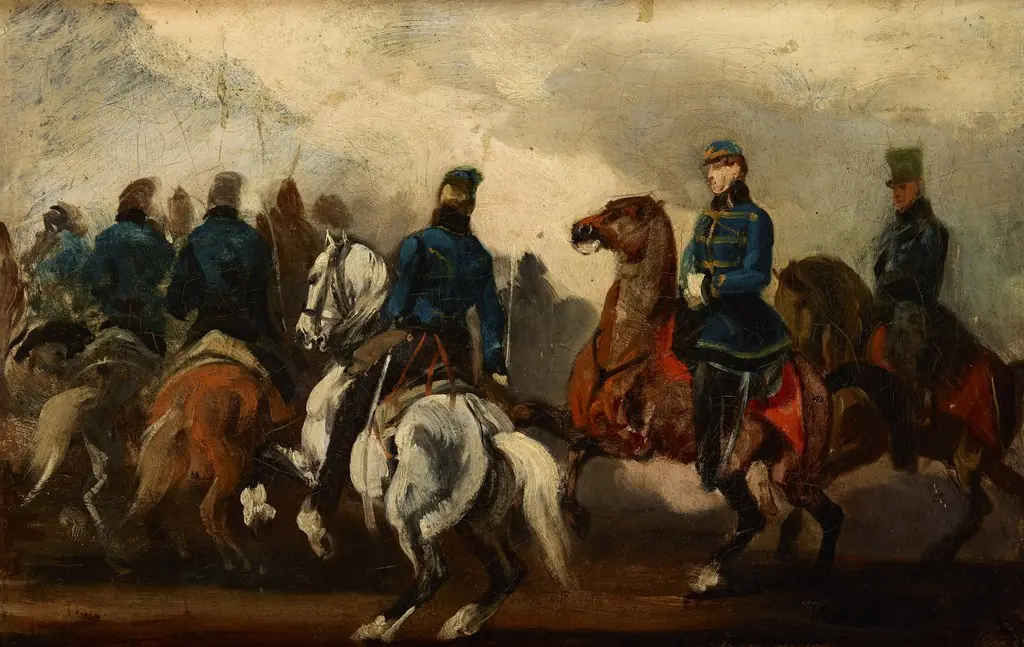 Detachment of Austrian Hussars
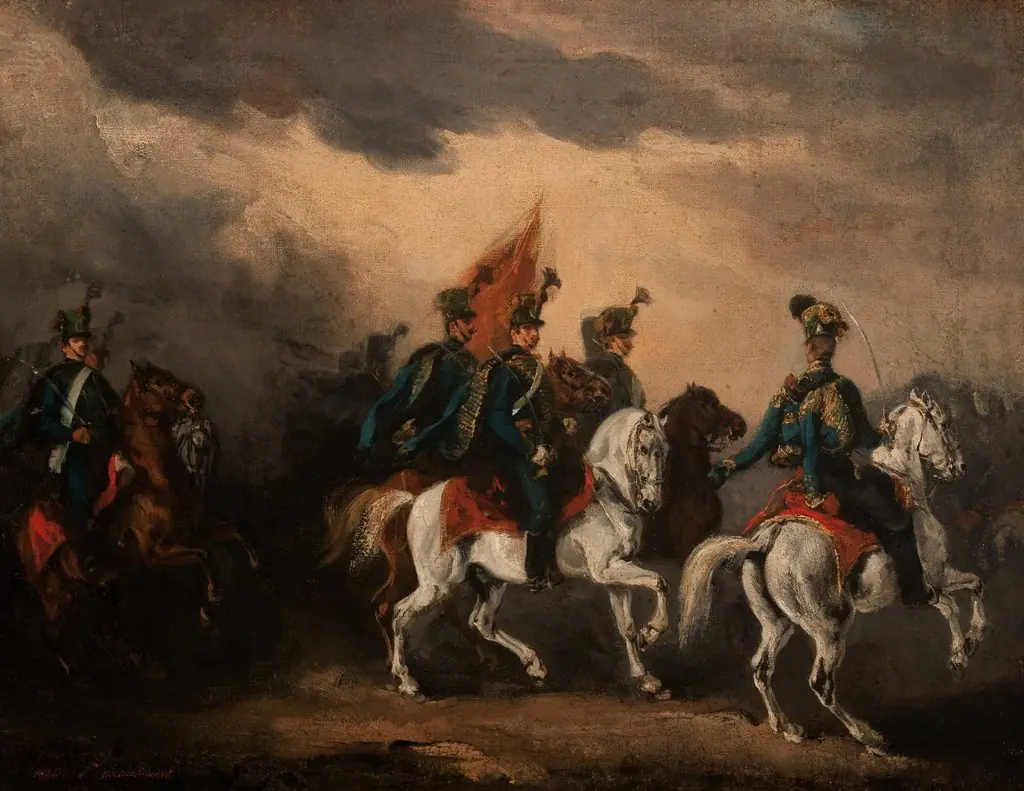 Blue Hussars
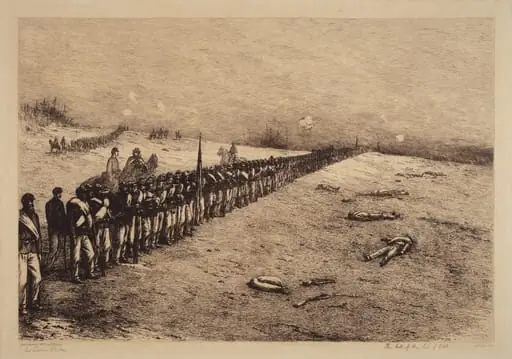 The Halt of the Line of Battle
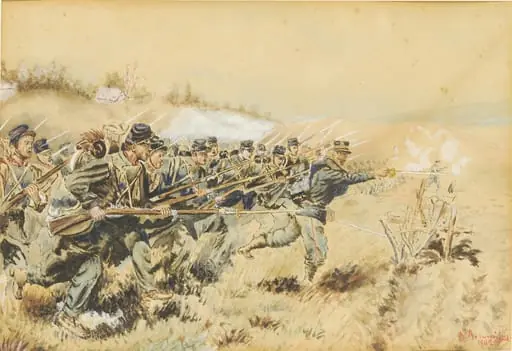 Υδατογραφία του ελληνικού στρατού κατά τον Ελληνοτουρκικό πόλεμο του 1897
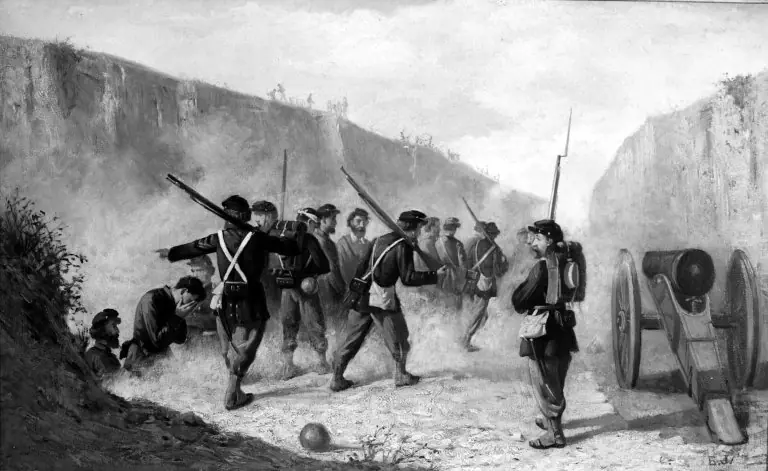 Civil War Scene
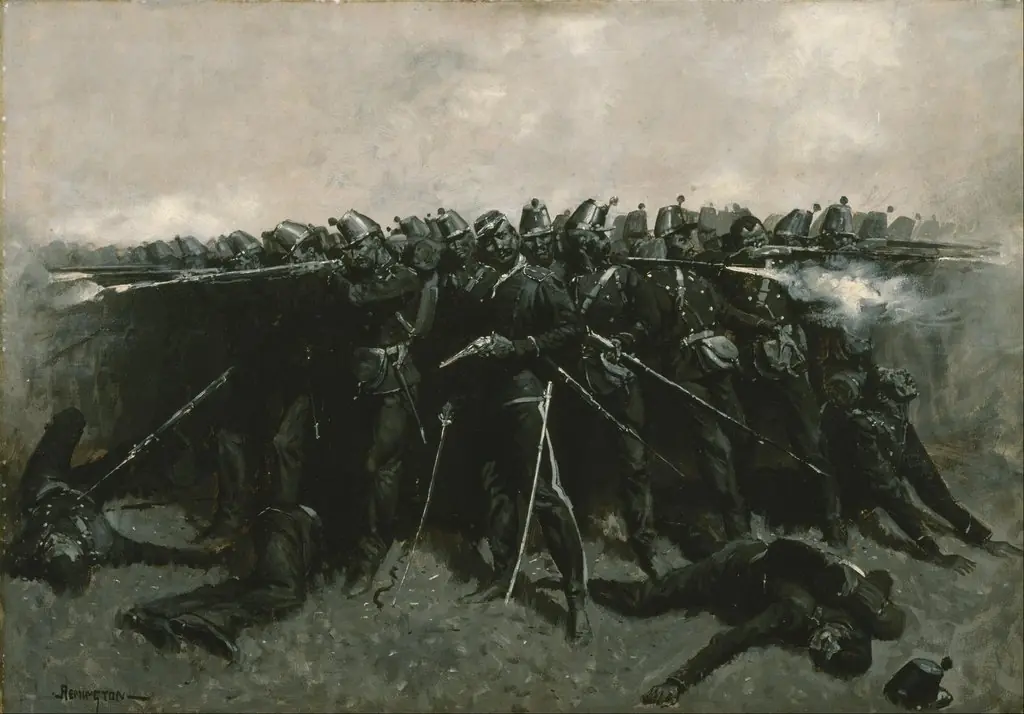 The Infantry Square
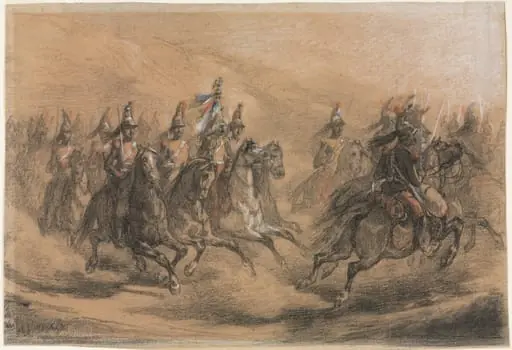 Cavalry Charge
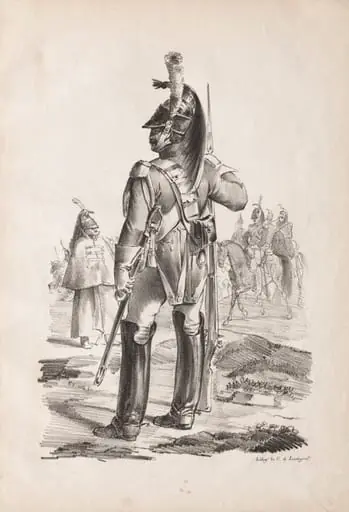 Military Costumes: Grenadier of the Royal Guard
![Study for "Militia Training" [recto], by James Goodwyn Clonney](https://artifactworldgallery.com/img/james-goodwyn-clonney--study-for-militia-training-recto--a77cf113ce2ae25d-w320.webp) Study for "Militia Training" [recto]
Study for "Militia Training" [recto]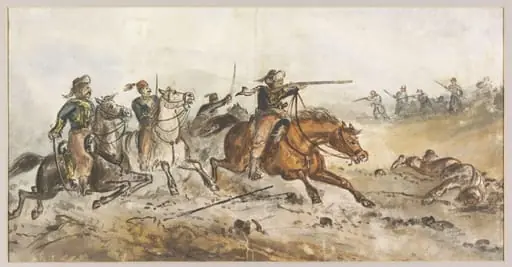 Turkish irregular cavalry charging Russian infantry