Artwork
The Prophets: Obadiah
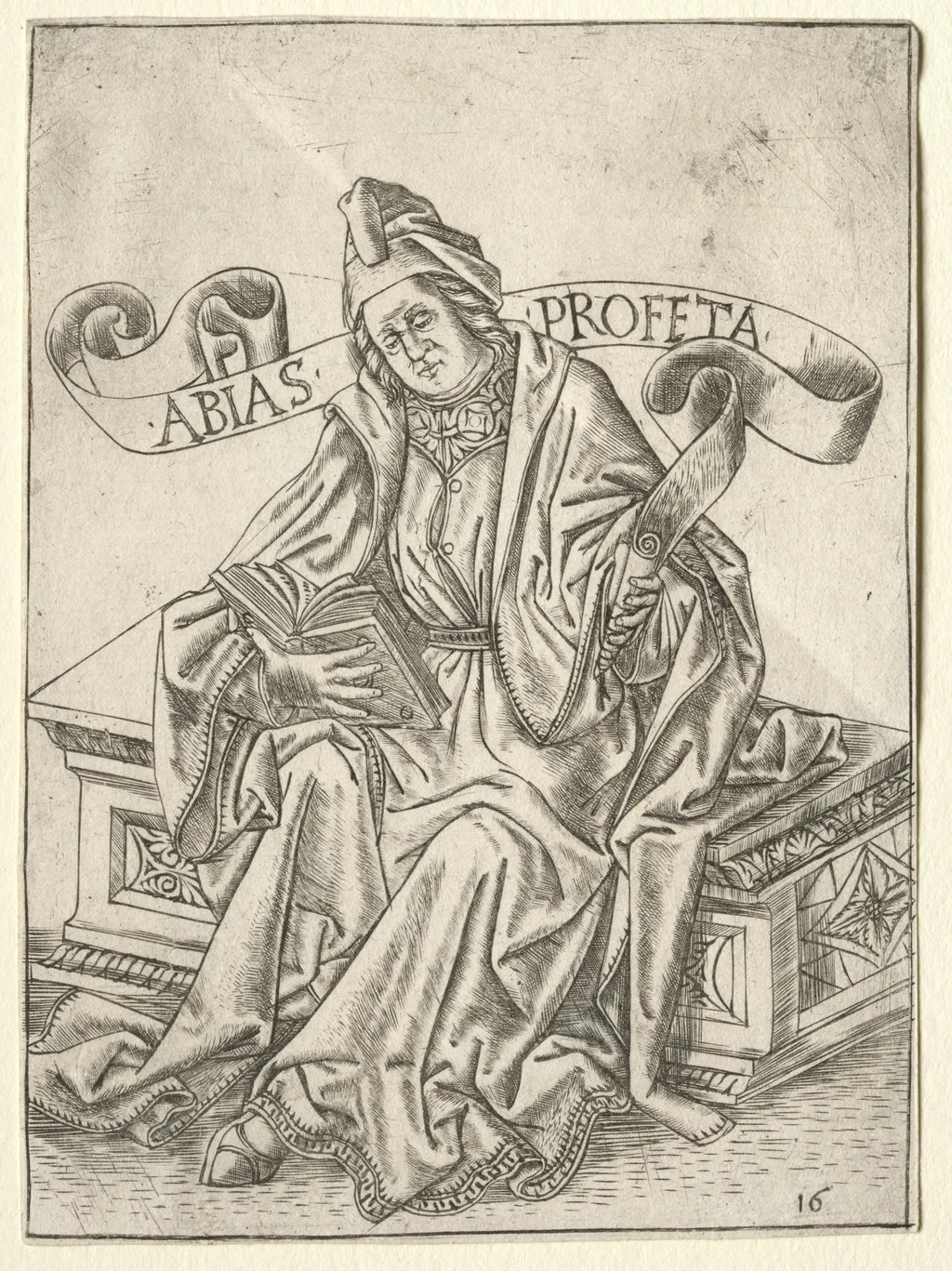
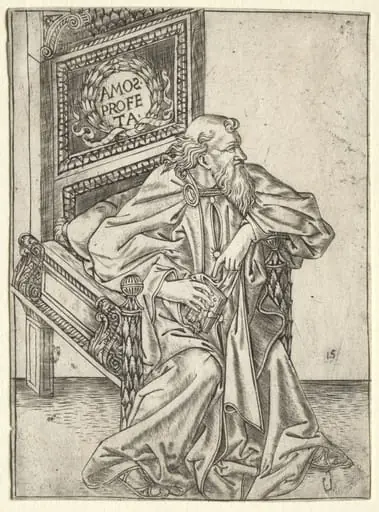
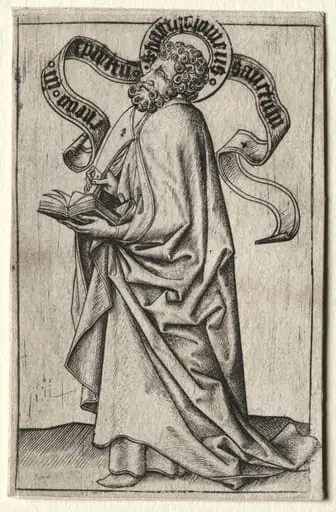
The Prophets: Obadiah is a print by the Renaissance artist Baccio Baldini. It dates from 1472 and is held in the collection of the Cleveland Museum of Art.
About this work
Overview
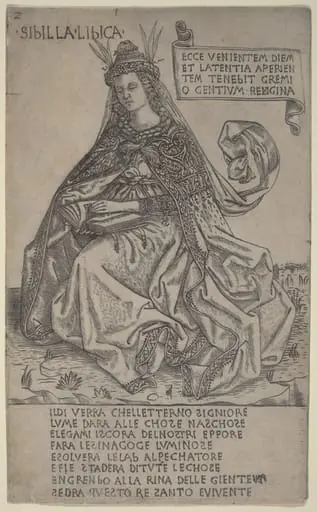
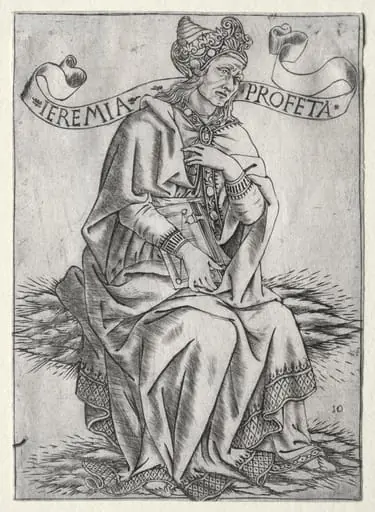
Created around 1472 by Baccio Baldini, an Italian goldsmith and engraver from Florence, this print is part of a series depicting biblical prophets.
Created around 1472 by Baccio Baldini, an Italian goldsmith and engraver from Florence, this print is part of a series depicting biblical prophets. Though Baldini was primarily known for his metalwork, he gained recognition through his engravings, often translating designs by other artists. This work, held by the Cleveland Museum of Art, exemplifies early Renaissance printmaking and reflects the era’s interest in religious iconography.
Subject & Meaning
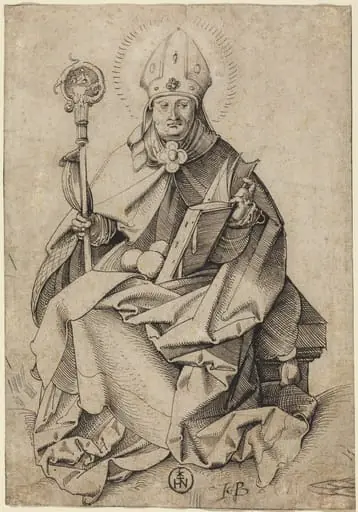
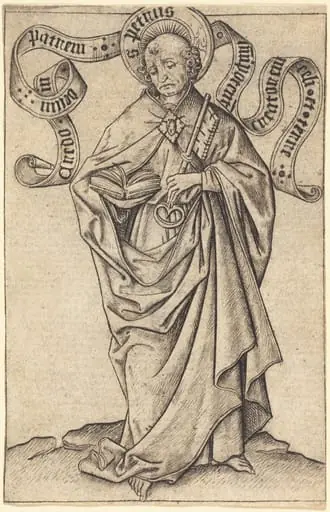
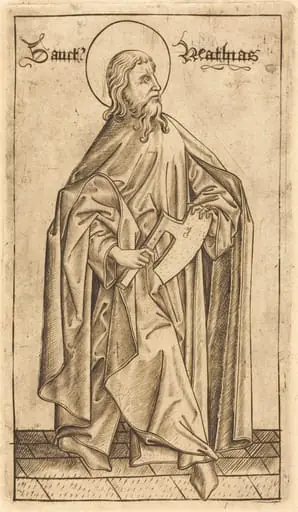
The figure is identified as Obadiah, one of the twelve minor prophets of the Hebrew Bible, as indicated by the Latin banner above him. He is depicted as an aged man, seated with a book and scroll—symbols of divine revelation and scriptural authority. The composition emphasizes contemplation and wisdom, aligning with the prophetic role as a conduit of sacred knowledge. The inclusion of architectural elements subtly situates him within a sacred space.
Technique & Style
Baldini employed fine, controlled lines to model form and suggest volume through chiaroscuro, despite the monochrome medium. The robe’s folds and the texture of the stone ledge are rendered with precision, demonstrating his skill as a draftsman of line. The pointed hat with a feathered tuft and the detailed scroll reflect attention to symbolic costume and object, typical of the period’s interest in textual and visual authenticity.
History & Provenance
The print was produced during Baldini’s most active period in Florence, when he collaborated with leading artists such as Botticelli, whose compositions he adapted into engravings. Though Baldini’s own drawing abilities were limited, his technical mastery in engraving allowed his workshop to disseminate images widely. The work entered the Cleveland Museum of Art’s collection as part of its broader holdings in early Italian prints.
Context
In late 15th-century Florence, religious subjects dominated print culture, fueled by humanist interest in scripture and the growing availability of printed images. Prophets were popular figures, bridging biblical tradition and classical ideals of wisdom. Baldini’s series responded to this demand, offering devotional imagery accessible to a broader audience beyond manuscript illumination.
Legacy
Baldini’s engravings, though less celebrated than those of later artists like Dürer, played a key role in the development of printmaking as a medium for religious imagery. His work helped standardize the visual language of prophets in print, influencing subsequent generations of engravers. This piece remains a significant example of early Florentine print culture and its fusion of craftsmanship and theological expression.
Artist & collection
Artist
Baccio Baldini (c. 1436 – buried 12 December 1487) was an Italian goldsmith and engraver of the Renaissance, active in his native Florence. All that is known of Baldini's life, apart from the date of his burial in…