Artwork
Puttengruppe mit Blumen (?)
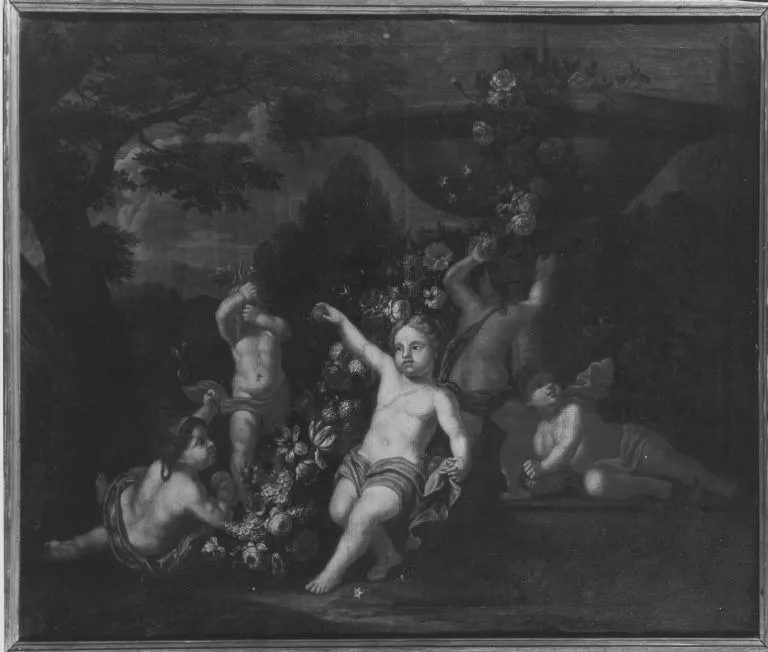
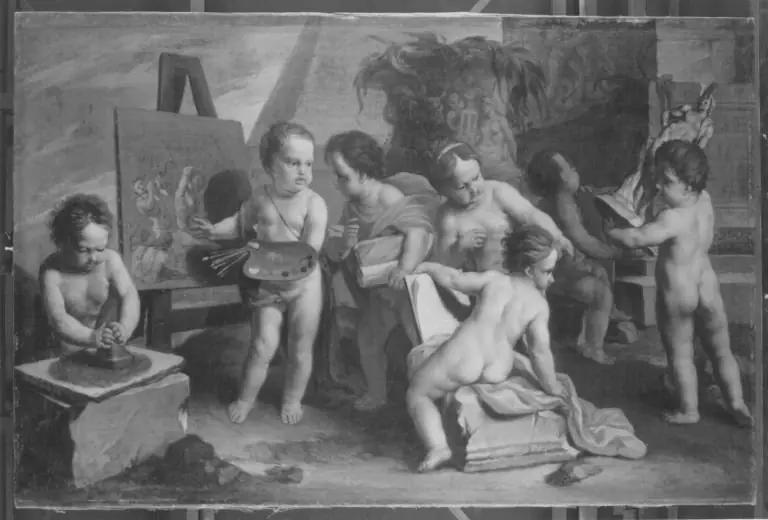
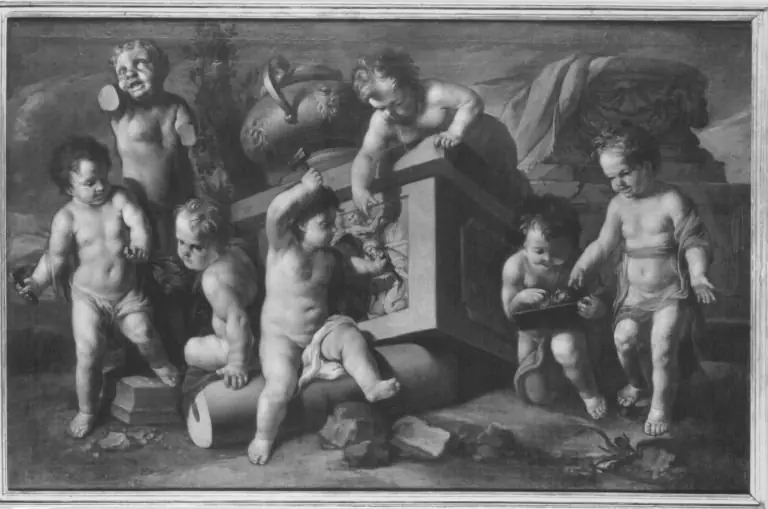
Puttengruppe mit Blumen (?) is an unspecified painting by Balthasar Augustin Albrecht. It dates from 1736 and is held in the collection of the Bavarian State Painting Collections.
About this work
Overview
Though the title references flowers, their role remains ambiguous—perhaps symbolic, perhaps merely part of the scene’s natural abundance.
Painted around 1736 by Balthasar Augustin Albrecht, this work features a group of putti in an open, verdant landscape. It resides in the Alte Pinakothek in Munich. The composition centers on playful, interwoven figures, suggesting a moment of unstructured delight. Though the title references flowers, their role remains ambiguous—perhaps symbolic, perhaps merely part of the scene’s natural abundance.
Subject & Meaning
The putti, traditionally associated with divine or mythological themes, are depicted without clear allegorical context. Their interactions—tugging at petals, tumbling among foliage—emphasize motion and spontaneity rather than narrative. The absence of overt symbolism invites interpretation as a celebration of innocence or the fleeting nature of carefree moments, typical of Rococo sensibilities.
Technique & Style
Albrecht employs soft brushwork and a luminous palette to render the figures and foliage with a sense of airy movement. Light filters through the trees, creating subtle contrasts that enhance depth. The figures are rendered with delicate modeling, their forms blending into the surrounding greenery. The composition is loosely structured, guiding the eye through diagonal groupings and overlapping bodies.
History & Provenance
The painting entered the collection of the Alte Pinakothek in the 19th century, likely as part of a broader acquisition of Bavarian and German Rococo works. Its early history prior to museum acquisition remains undocumented. The attribution to Albrecht is based on stylistic comparison with his other known works, though few of his paintings survive in public collections.
Context
Created during the height of the Rococo period, the painting reflects a taste for light, decorative subjects favored in southern German courts. While religious or mythological themes dominated larger commissions, smaller works like this catered to private collectors seeking charm and elegance. Albrecht’s focus on putti aligns with broader European trends, though his approach remains distinct in its informal intimacy.
Legacy
Though Albrecht is not widely known today, this painting offers insight into the niche of small-scale, playful genre scenes in 18th-century German art. It stands as an example of how mythological motifs were adapted for secular enjoyment. Its preservation in a major museum underscores its value as a representative work of regional Rococo practice, rather than a major artistic milestone.
Artist & collection
Artist
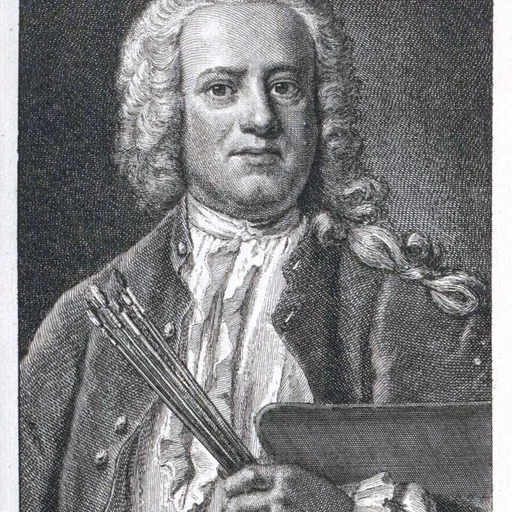
Balthasar Augustin Albrecht (1687–1765) was an artist, born in Berg.

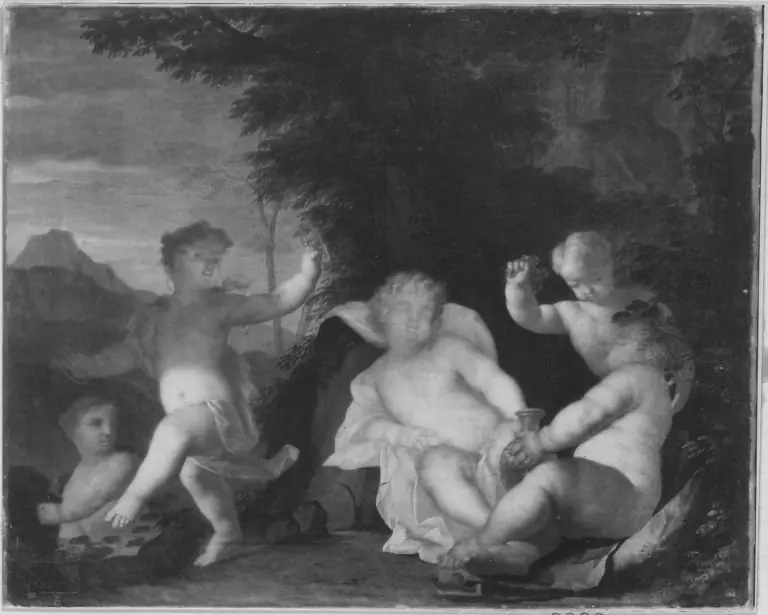 Der Herbst
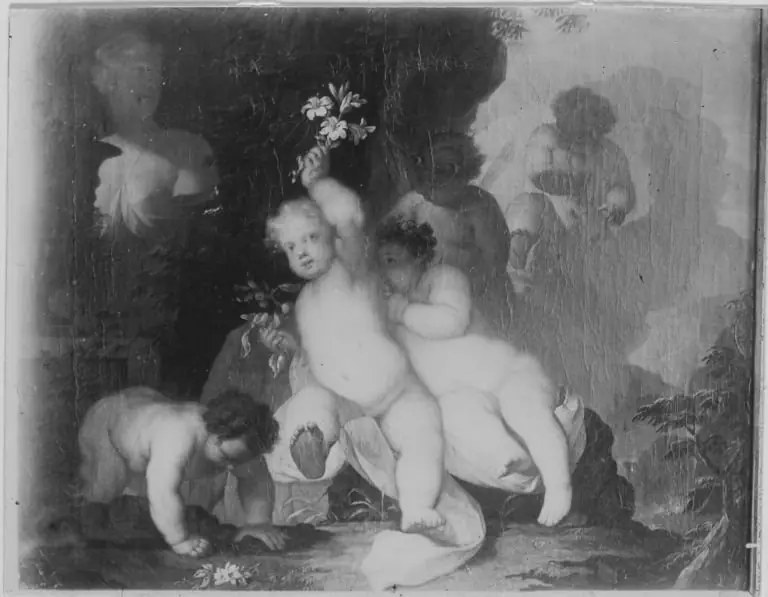 Der Frühling
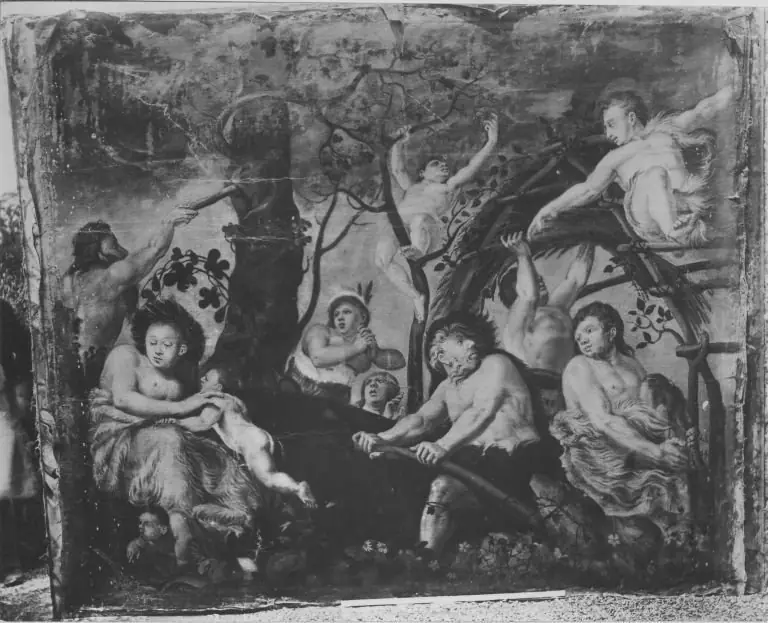 Das harte Leben der Menschen nach dem Goldenene Zeitalter
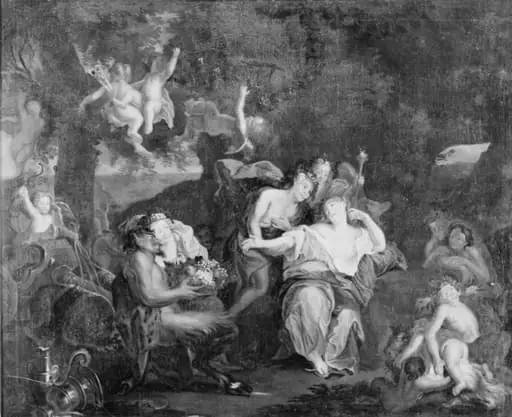 Bacchus og Ariadne sidder sammen i et landskab omgivne af amoriner, bacchantinder og satyrer
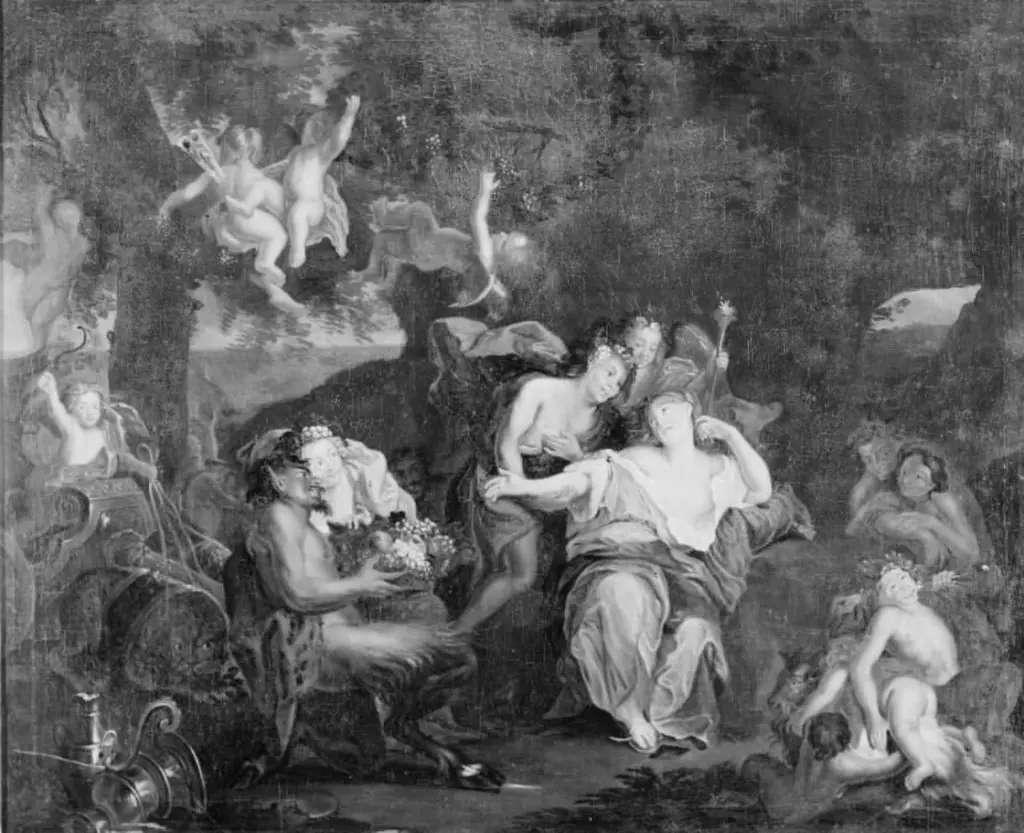 Bacchus og Ariadne sidder sammen i et landskab omgivne af amoriner, bacchantinder og satyrer
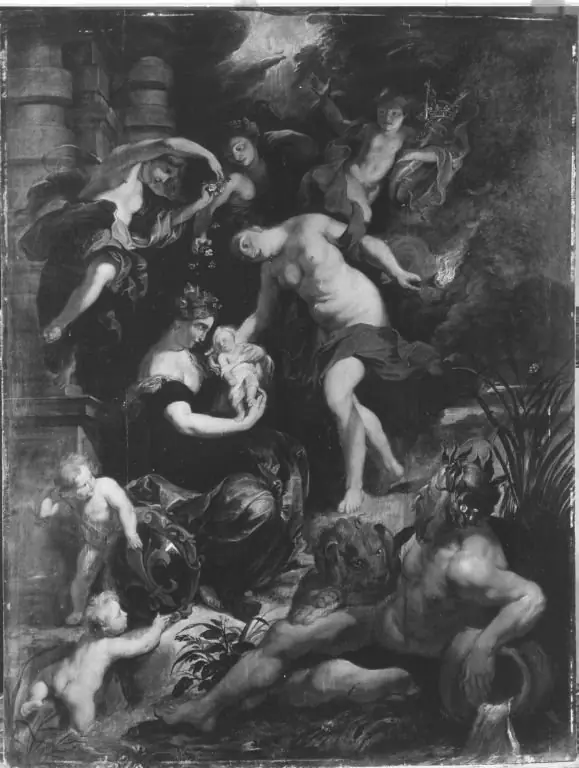 Birth of Maria de Medici (study)
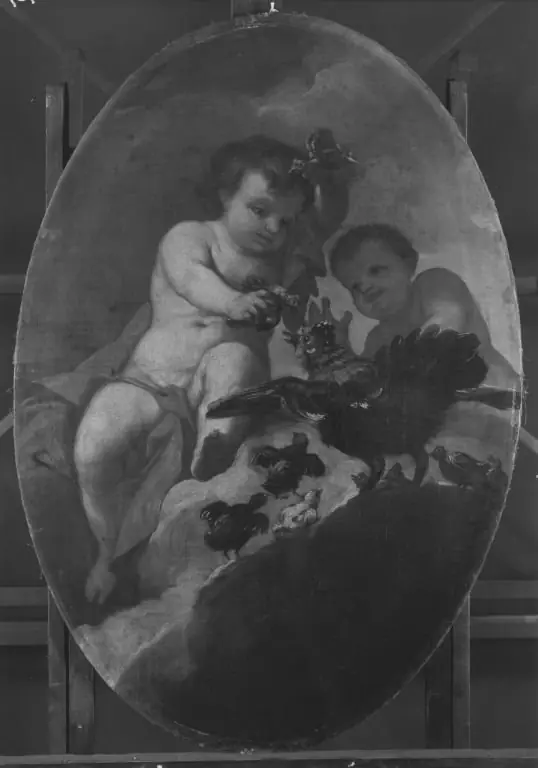 Zwei Genien mit Bruthenne
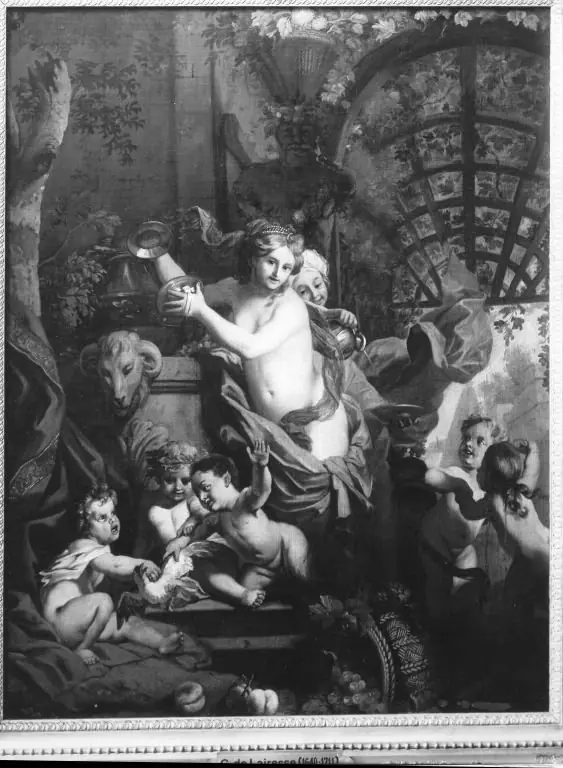 Ein bacchantisches Fest (zugeschrieben)
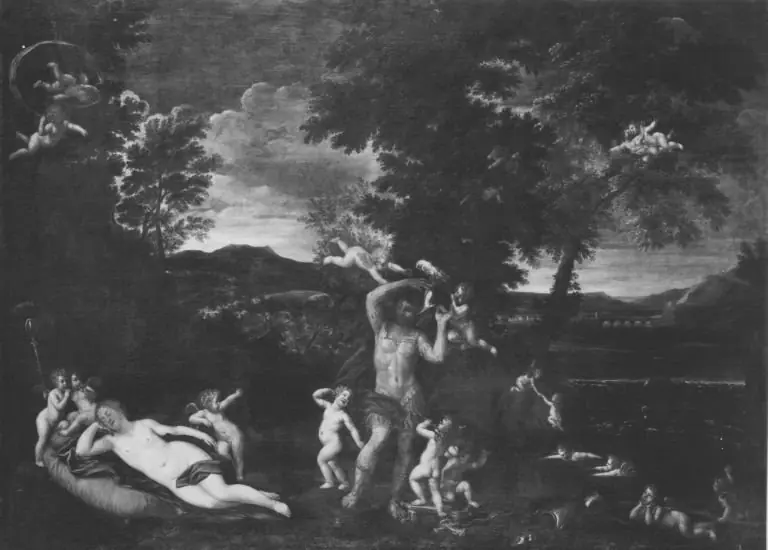 Venus, von Mars belauscht
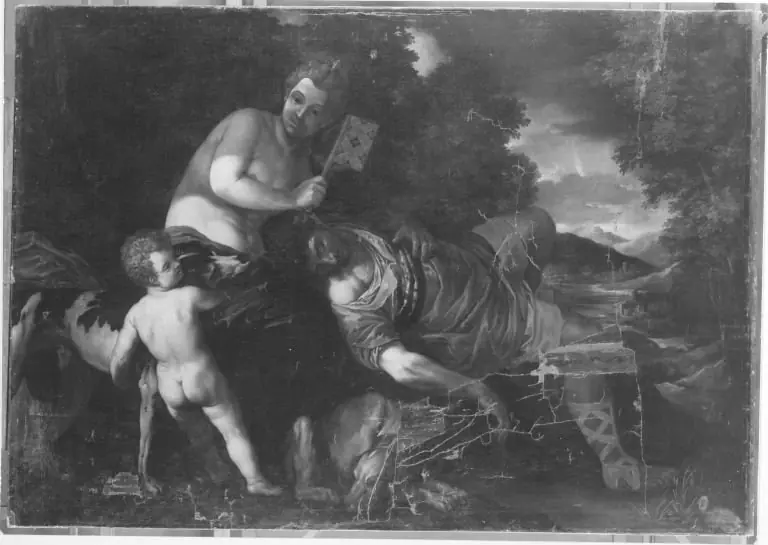 Venus with the sleeping Adonis
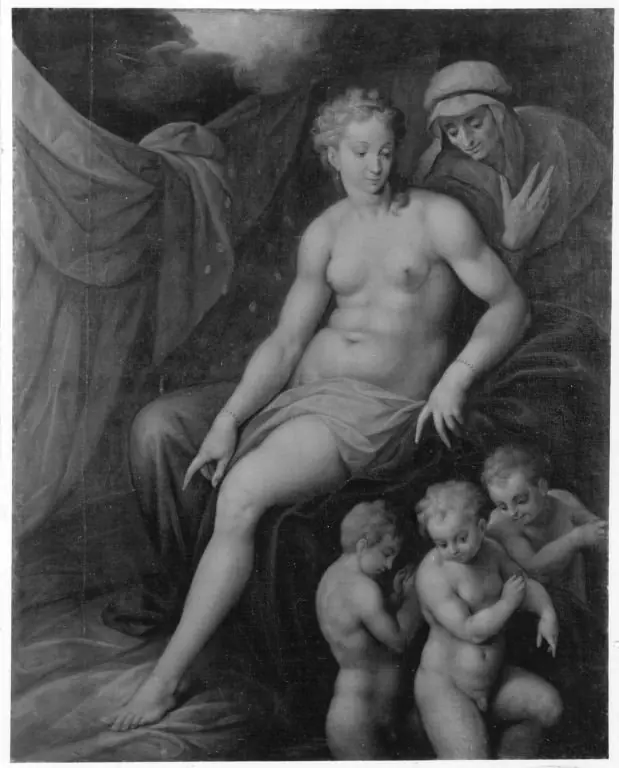 Danae im Goldregen