Artwork
Pigeon Post
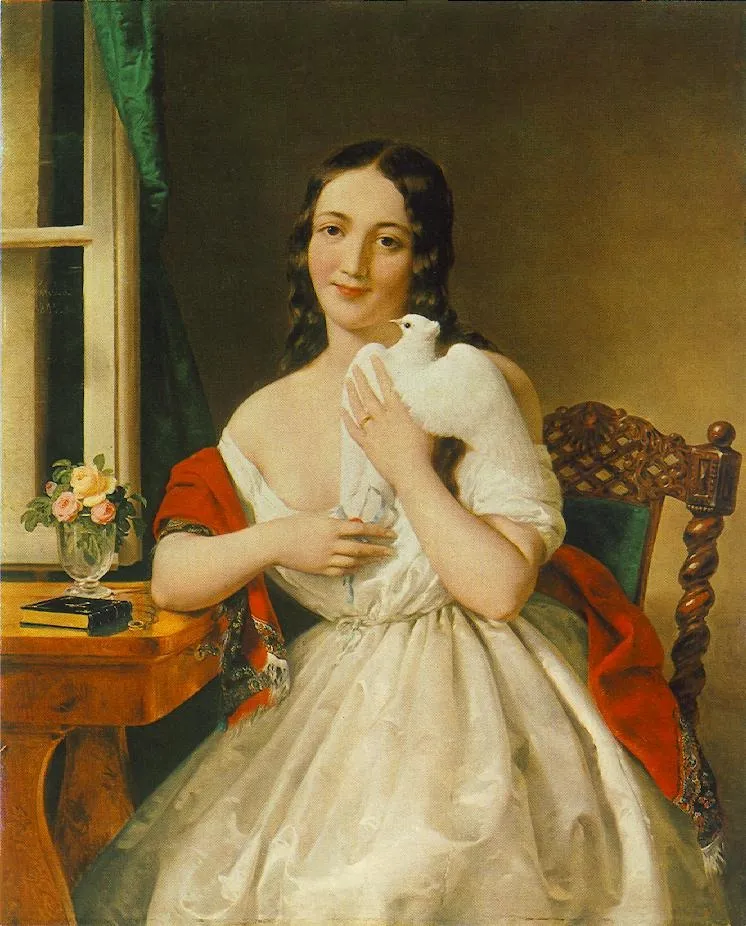
Pigeon Post is an oil painting by the Biedermeier artist Miklós Barabás. It dates from 1843 and is held in the collection of the Hungarian National Gallery.
About this work
Overview
Miklós Barabás, a Hungarian artist active in the early‑mid 19th century, painted *Pigeon Post* in 1843. Though chiefly remembered for his portraiture of figures such as Franz Liszt and Emperor Franz Joseph I, this work belongs to his broader output during the Biedermeier era, a time when artists often favored modest, domestic subjects.
Subject & Meaning
The canvas presents a young woman seated before a plain wall, her dark hair falling over a white dress accented by a red shawl. She holds a white homing pigeon in her right hand while looking directly at the viewer. A vase of flowers and an open book rest on the table beside her, suggesting a quiet moment of communication and contemplation.
Technique & Style
Barabás employs chiaroscuro to model the figures, using contrasts of light and shadow to give the woman and the bird a three‑dimensional presence against the muted background. The restrained palette and careful handling of detail reflect the Biedermeier preference for intimacy and realism within a modest compositional space.
Context
Created during a period when postal services increasingly relied on carrier pigeons, the painting captures a contemporary mode of message exchange in a rural setting. While the work’s later ownership history is not extensively documented, it remains an example of Barabás’s occasional forays beyond portraiture into genre scenes that illustrate everyday life.
Artist & collection
Artist
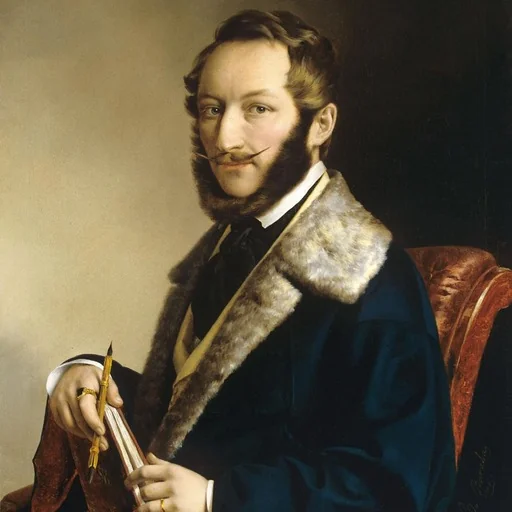
Miklós Barabás (10 February 1810, in Márkosfalva (rom. Mărcușa), Háromszék County, Hungary – 12 February 1898, in Budapest, Hungary) was a Hungarian painter. He is mostly known for his portrait paintings, including a…

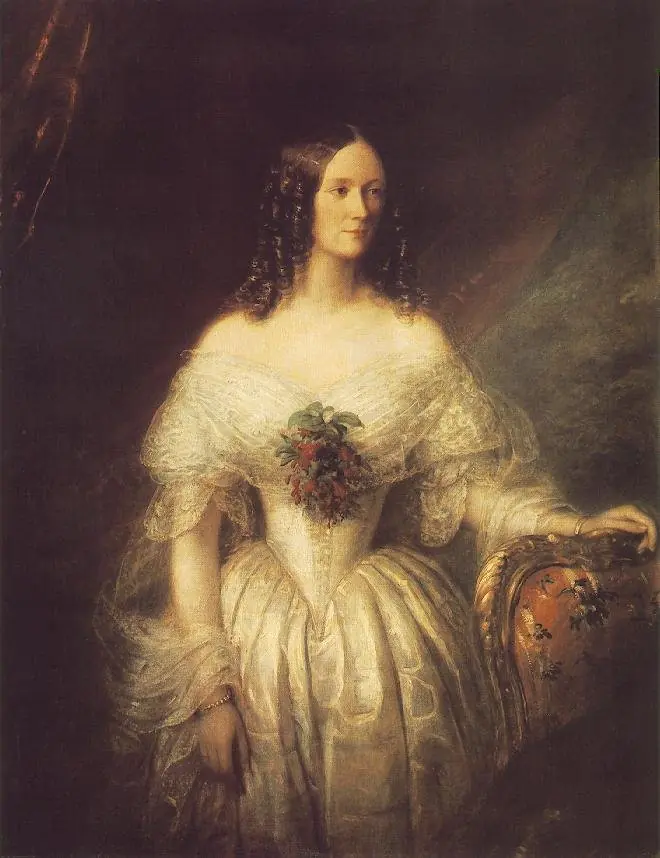
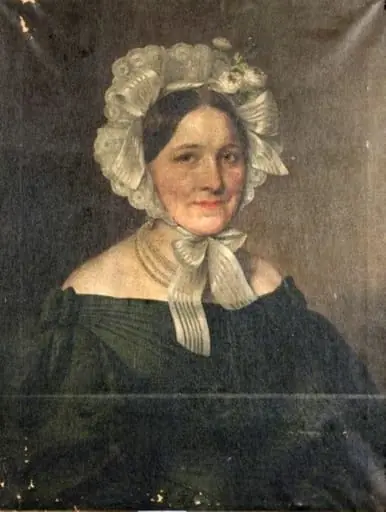
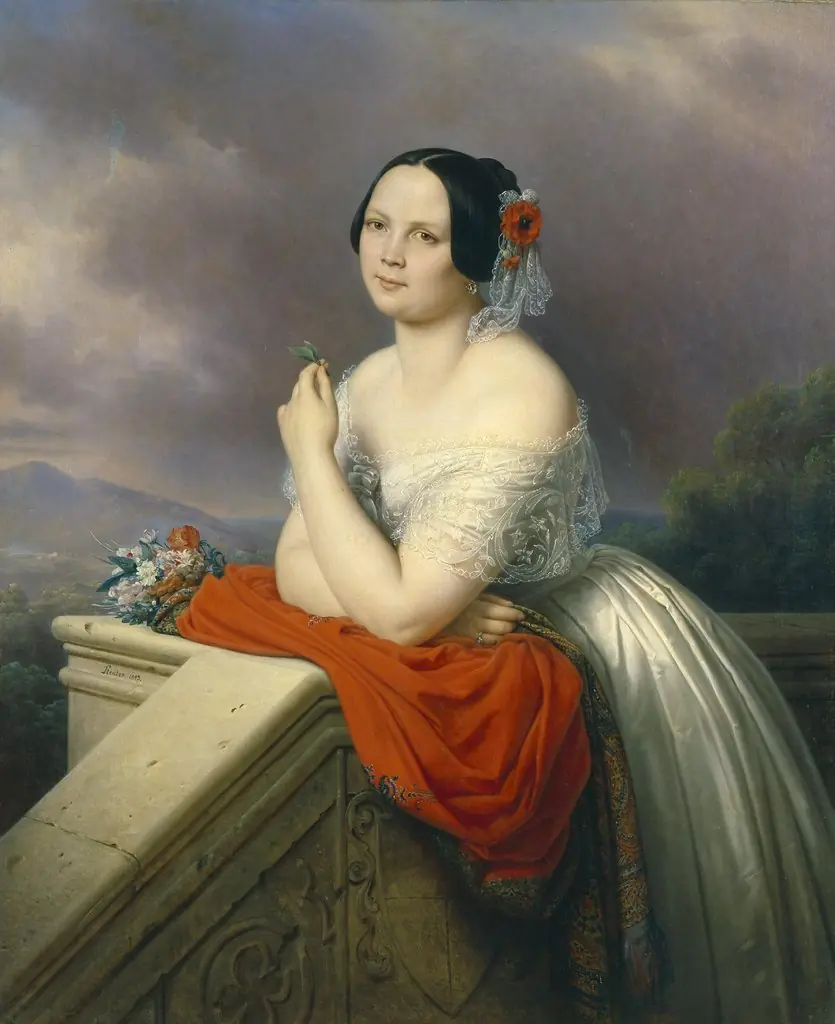 Portrait of a Young Woman
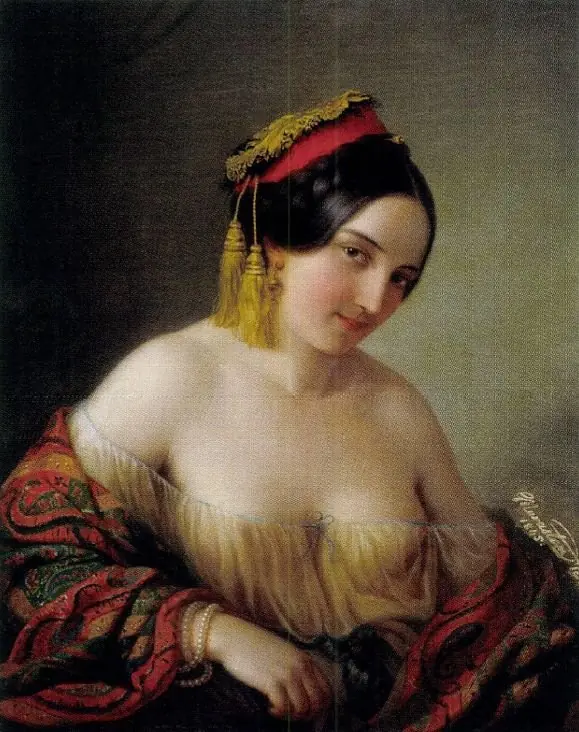 Greek Woman
 Countess Széchenyi
 Countess Széchenyi
 Portrait of Anna von Minarelli-Fitzgerald
 Portrait of Princess Anna Nikolayevna Golitsyna (?)
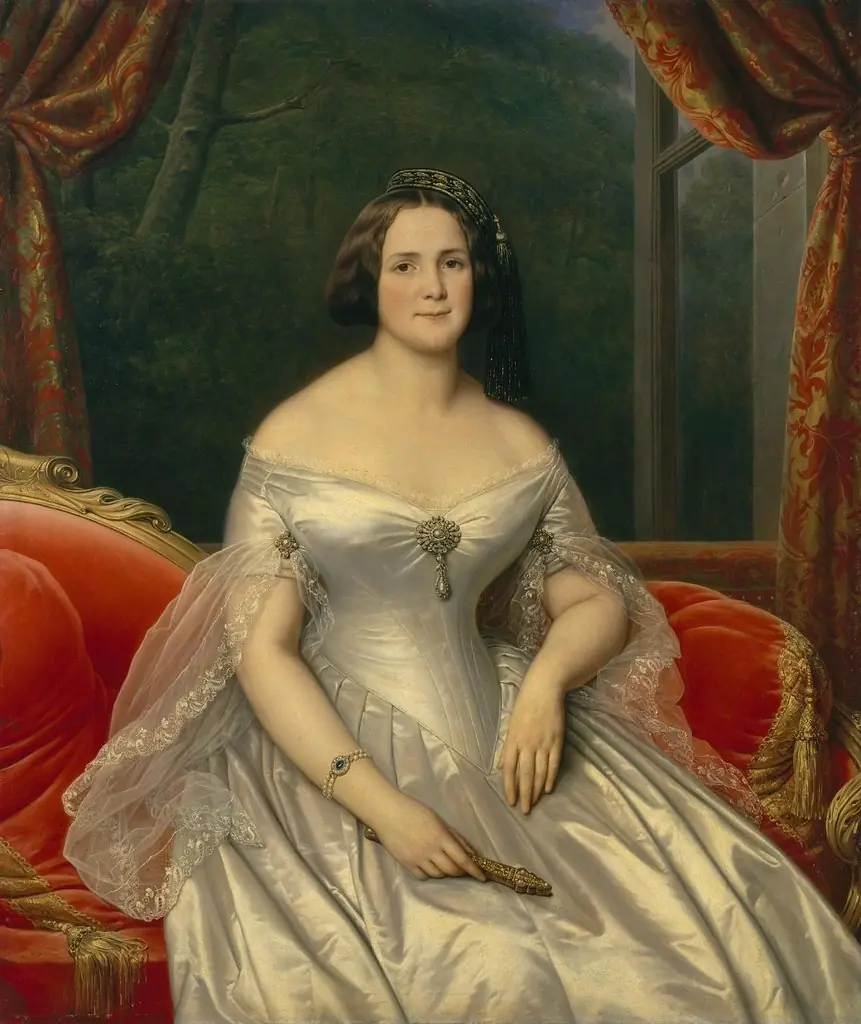 Portrait of Anna Benardaki
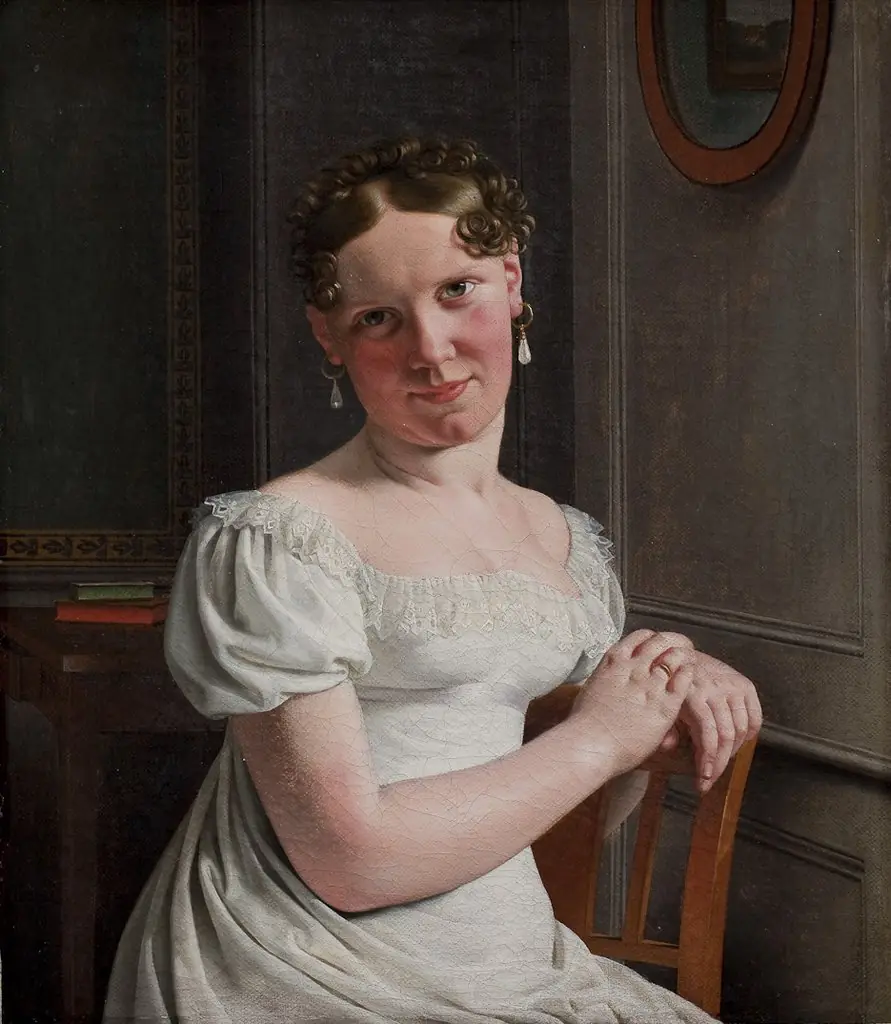 Julie Eckersberg, née Juel, the Artist's Second Wife
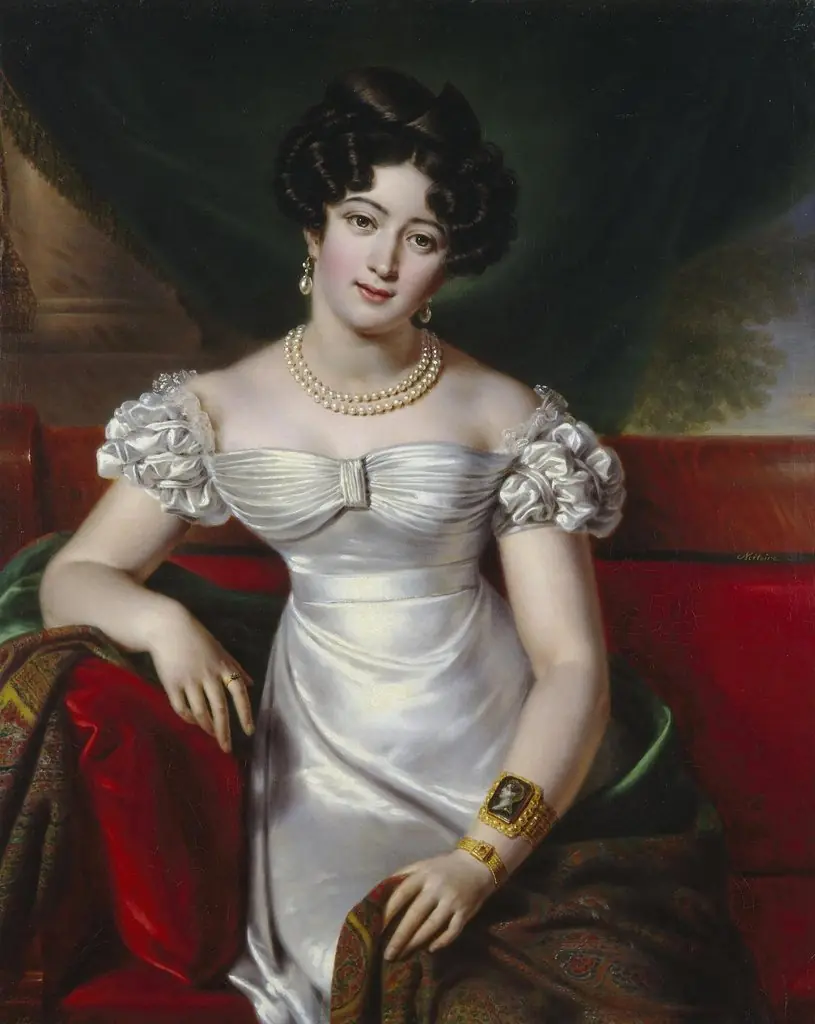 Portrait of Countess Yulia Samoilova
 Julie Eckersberg, née Juel, the Artist's Second Wife
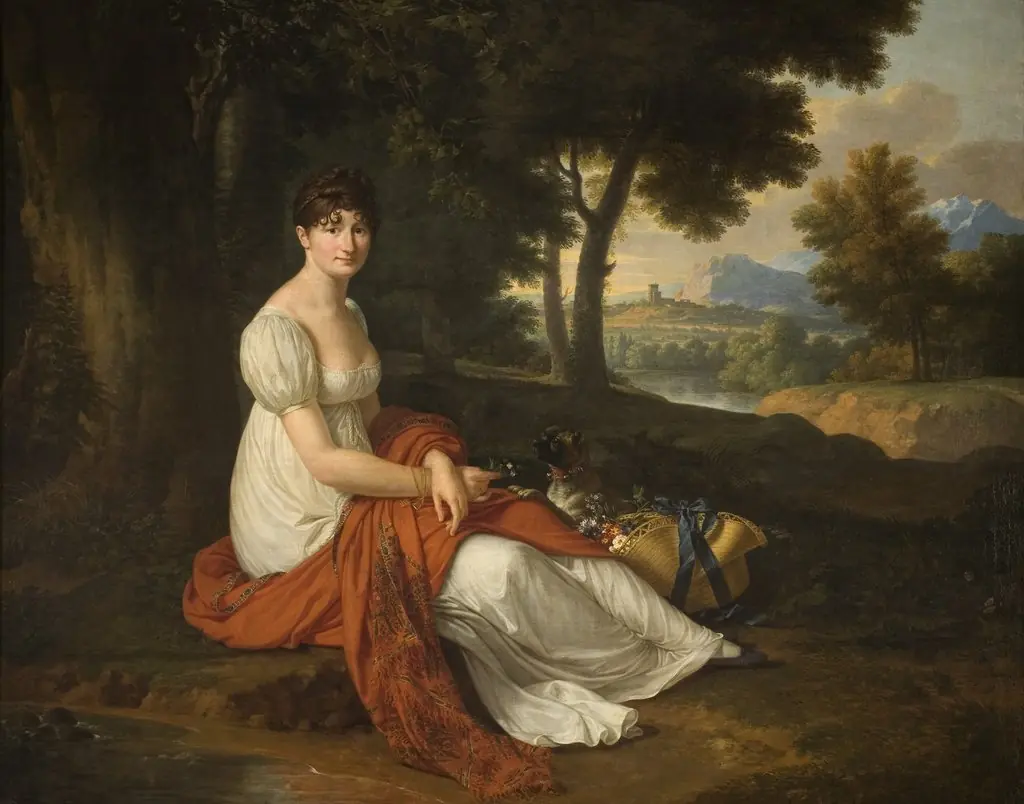 Portrait of Elżbieta Skotnicka née Laskiewicz (1781–1849), Wife of Michał Skotnicki
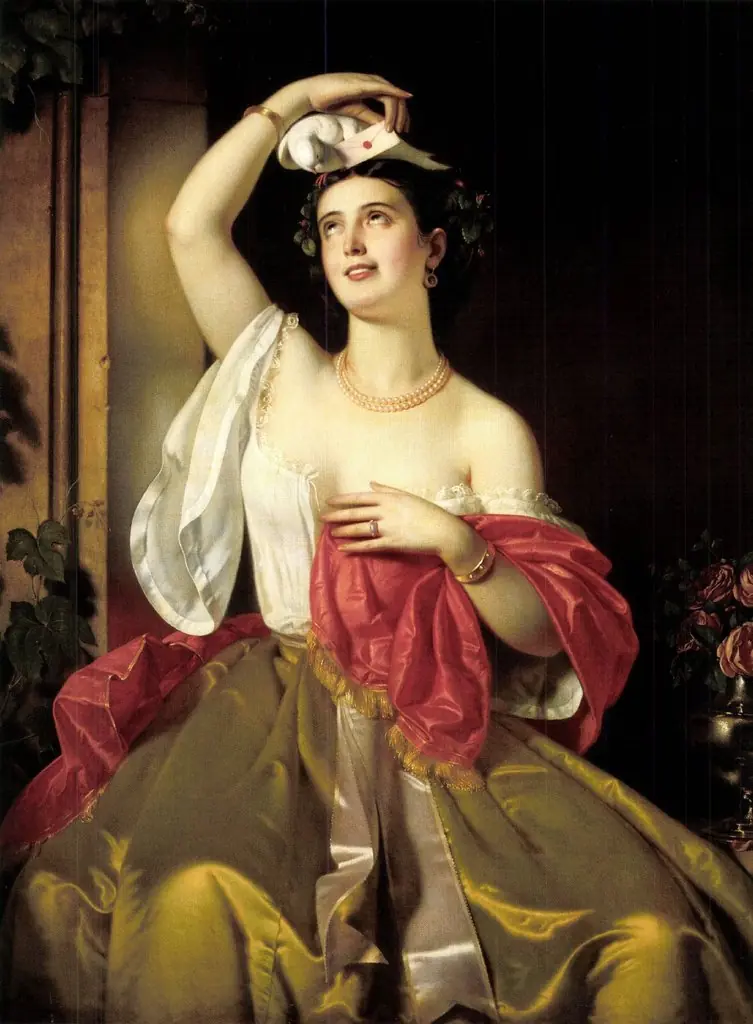 Pigeon Post