Artwork
Întoarcerea de la seceriș
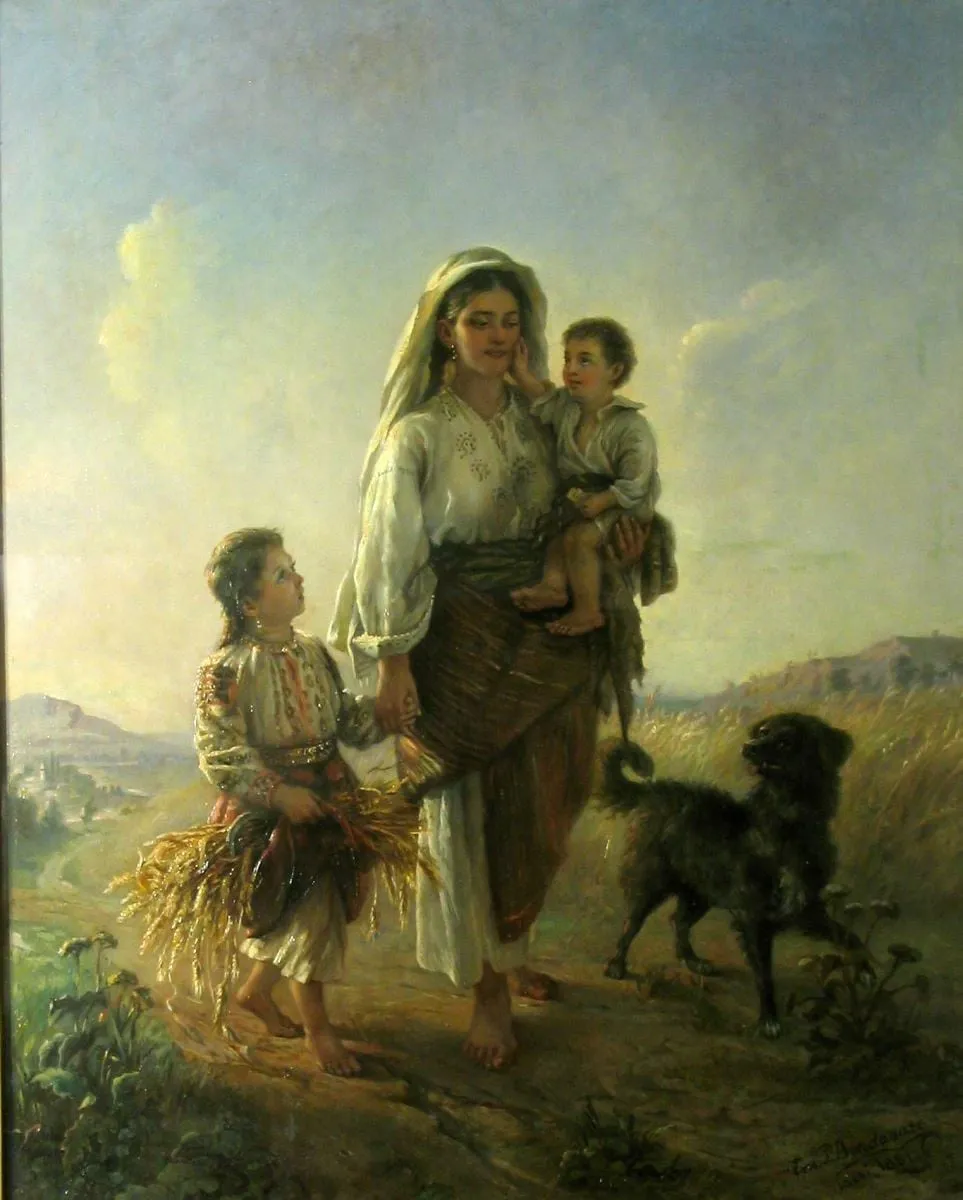
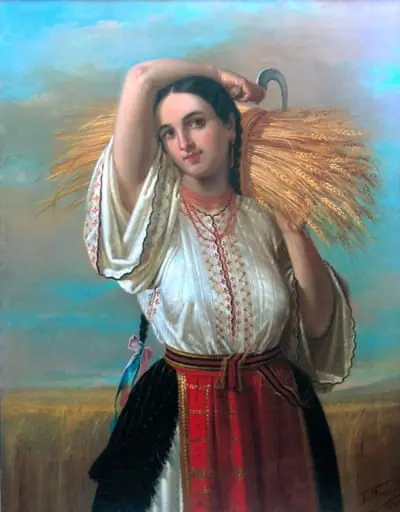
Întoarcerea de la seceriș is a print by the Impressionist artist Emanoil Bardasare-Panaiteanu. It dates from 1881 and is held in the collection of the Moldova National Museum Complex.
About this work
Overview
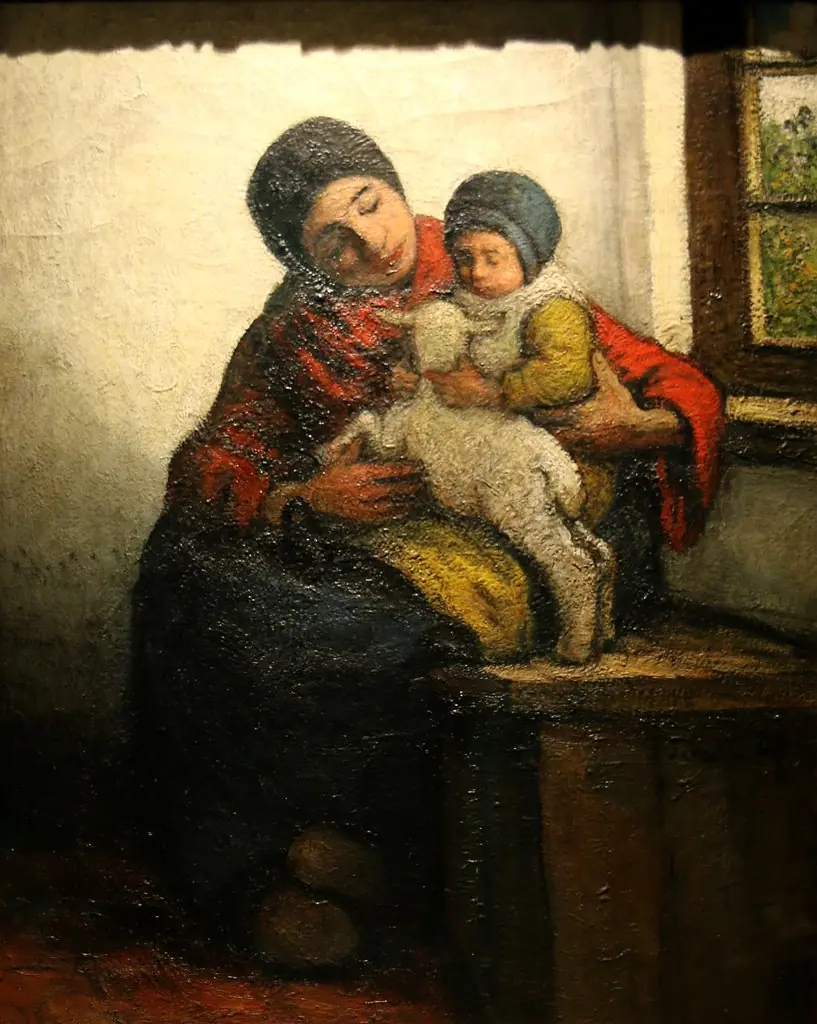
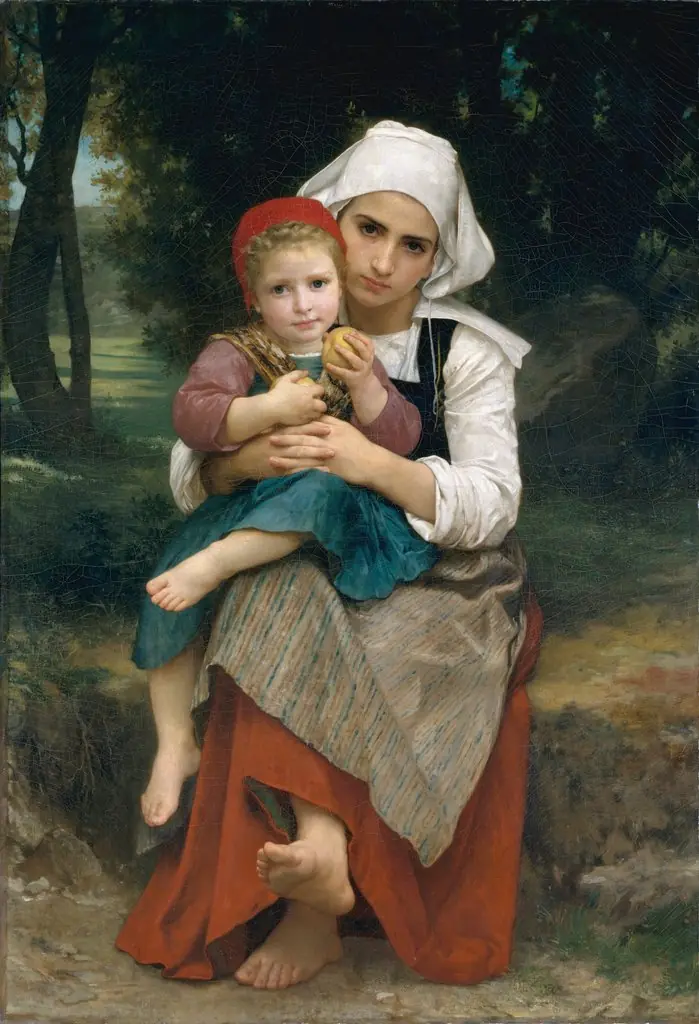
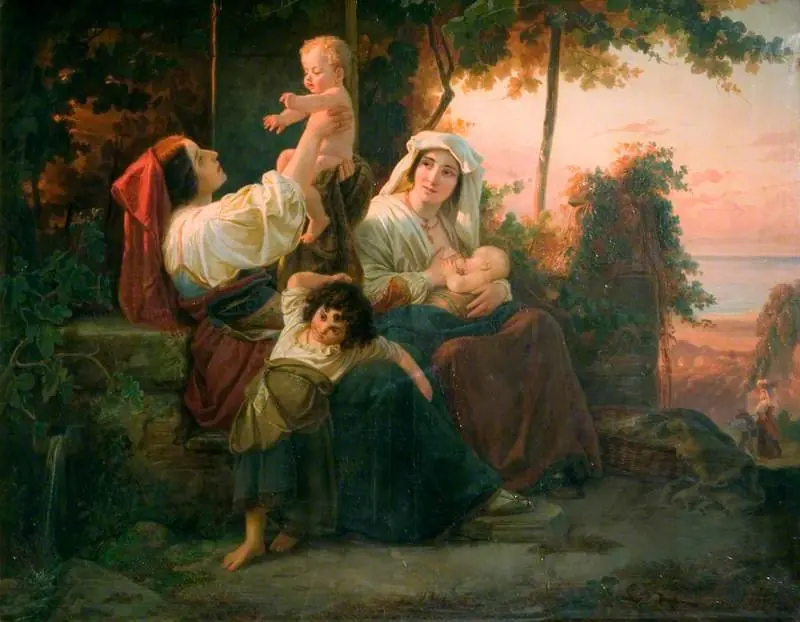
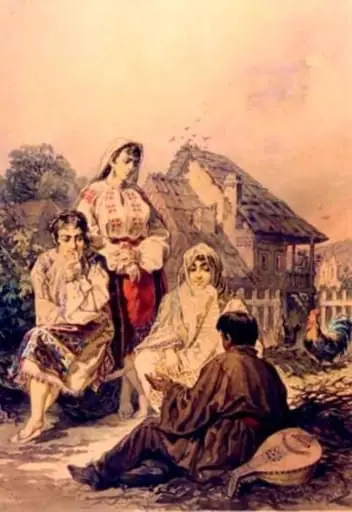
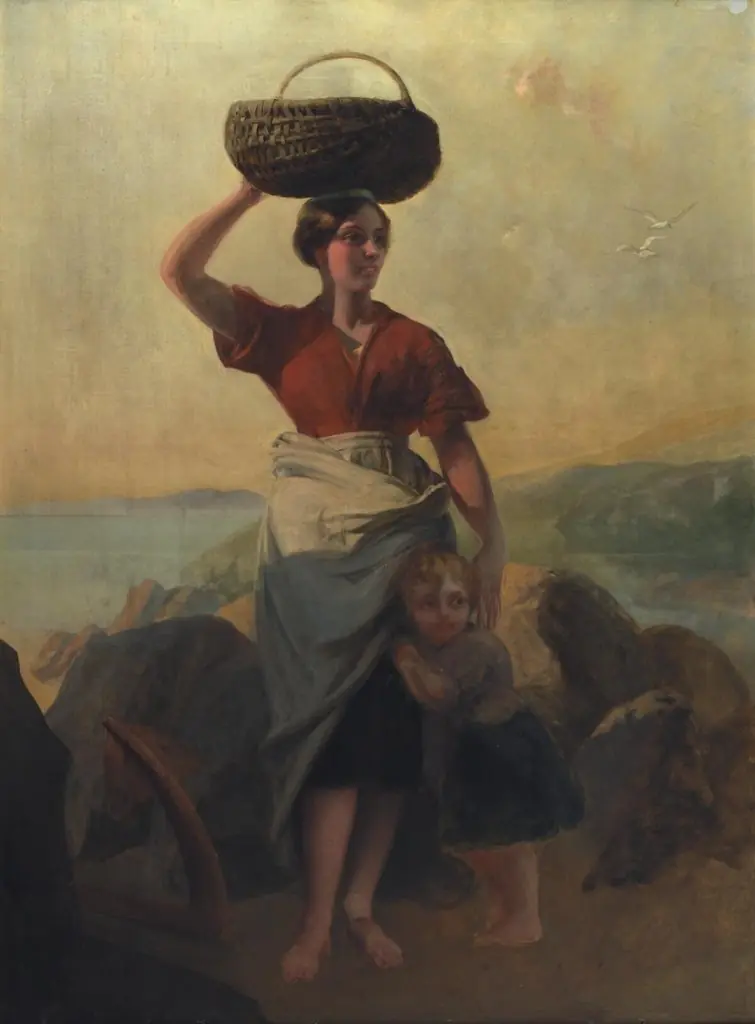
Painted in 1881 by Emanoil Bardasare-Panaiteanu, Întoarcerea de la seceriș depicts a rural return from harvest. A woman, clad in a white blouse and brown skirt with a headscarf, walks with two children and a black, fluffy dog across an open field. Each figure carries the quiet weight of daily labor, their forms softened by natural light and loose brushwork that suggests movement and atmosphere.
Subject & Meaning
The scene captures a moment of quiet domestic routine after the harvest. The woman, burdened with straw, leads the children who look upward, perhaps in quiet awe or fatigue. The dog, a faithful companion, moves beside them, grounding the composition in everyday life. There is no grand narrative—only the dignity of routine, rendered without sentimentality or theatricality.
Technique & Style
The painting employs loose, visible brushstrokes and a luminous palette to suggest the effects of sunlight on the landscape.
The painting employs loose, visible brushstrokes and a luminous palette to suggest the effects of sunlight on the landscape. Colors are muted yet harmonious: soft whites, earthy browns, and pale blues. The sky and hills are rendered with fluidity, evoking atmospheric depth without sharp definition. These qualities align with Impressionist concerns, though the subject remains rooted in Romanian rural realism.
History & Provenance
Created in 1881, the work emerged during a period of growing interest in national identity through depictions of peasant life in Romanian art. While little is documented about its early ownership, it has remained within Romanian cultural collections, reflecting its status as a representative work of late 19th-century domestic realism in the region.
Context
In the decades following Romanian independence, artists increasingly turned to rural subjects as symbols of authentic national character. Bardasare-Panaiteanu’s focus on labor and family life aligns with broader trends in Eastern European art, where the everyday was elevated not as idealized folklore, but as lived experience, observed with quiet attention.
Legacy
The painting endures as a modest but resonant example of Romanian genre painting from the late 19th century. It contributes to a visual record of rural life that avoids romanticization, instead offering a restrained, observational portrait of labor, kinship, and the rhythms of the land. Its influence lies in its quiet authenticity rather than formal innovation.
Artist & collection
Artist
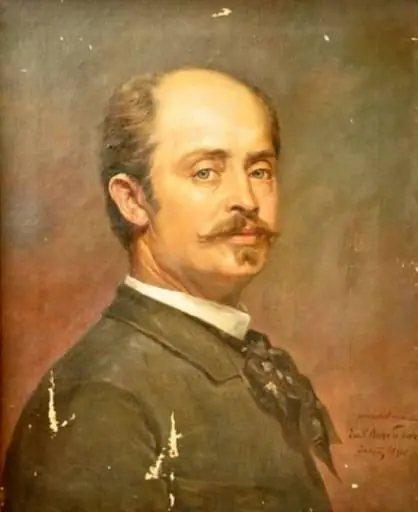
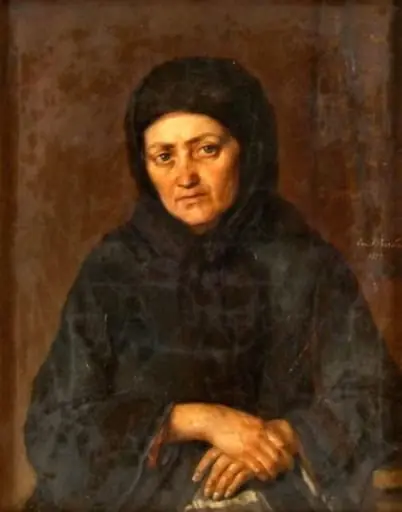
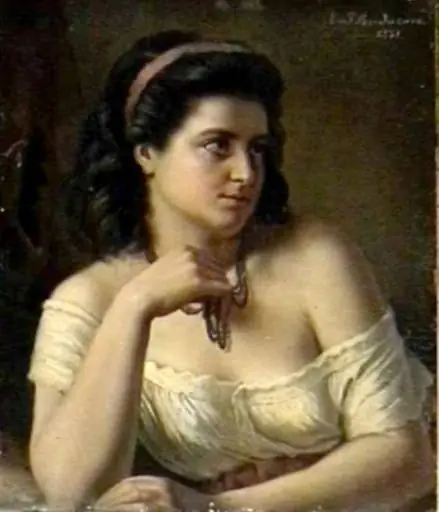
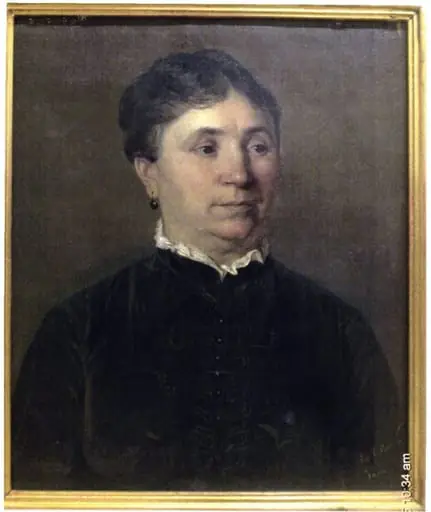
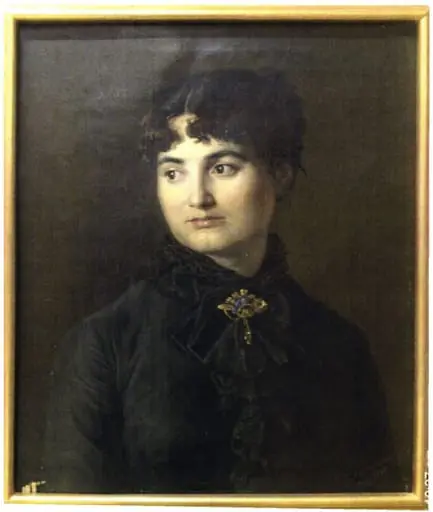
Born in a generation when Romanian painters put paint on canvas instead of icons, Emanoil Bardasare-Panaiteanu made small, direct portraits in oil.