Artwork
Galway Peasants
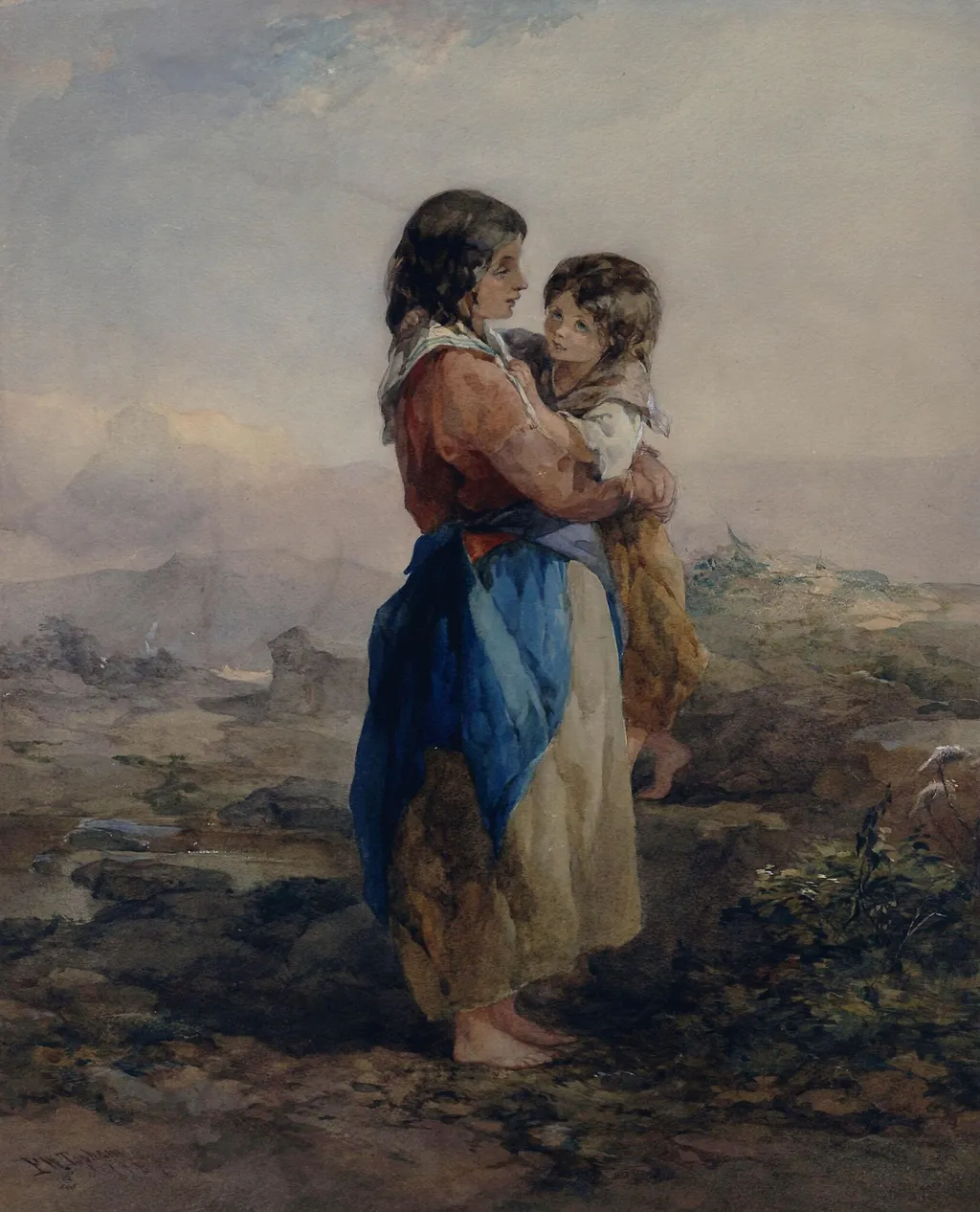
Galway Peasants is a watercolor work on paper by the Impressionist artist Francis William Topham. It dates from 1857 and is held in the collection of the Victoria and Albert Museum.
About this work
Overview
The work titled "Galway Peasants" is a watercolour painting created by an artist who initially trained as an engraver before turning to watercolour. The piece portrays rural figures in traditional dress, reflecting the artist’s interest in everyday people.
Subject & Meaning
The composition focuses on a group of peasants from the Galway region, rendered in their characteristic costume. By emphasizing ordinary laborers, the artist highlights the visual appeal of regional folk attire and the simplicity of rural life.
Technique & Style
Executed in watercolour, the painting demonstrates the artist’s skill in handling the medium’s translucency to capture light and texture. The figure work shows a clear influence from the artist’s earlier engraving training, evident in the precise outlines and attention to detail.
History & Provenance
The painter traveled extensively, producing sketches during journeys through Ireland and later Spain, where he eventually passed away. This work originates from his Irish period, aligning with his broader practice of depicting peasant subjects across his travels.
Own this work as a print
Artist & collection
Artist
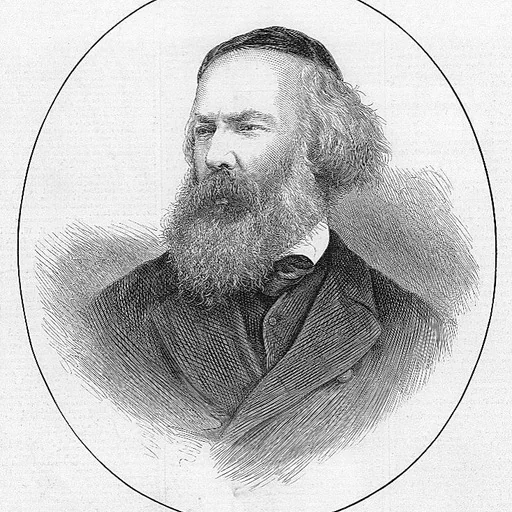
Francis William Topham (15 April 1808 – 31 March 1877) was an English painter, mainly in watercolour but also in oils, illustrator and engraver, mainly of figure subjects, especially peasants in Ireland, Spain and Italy.

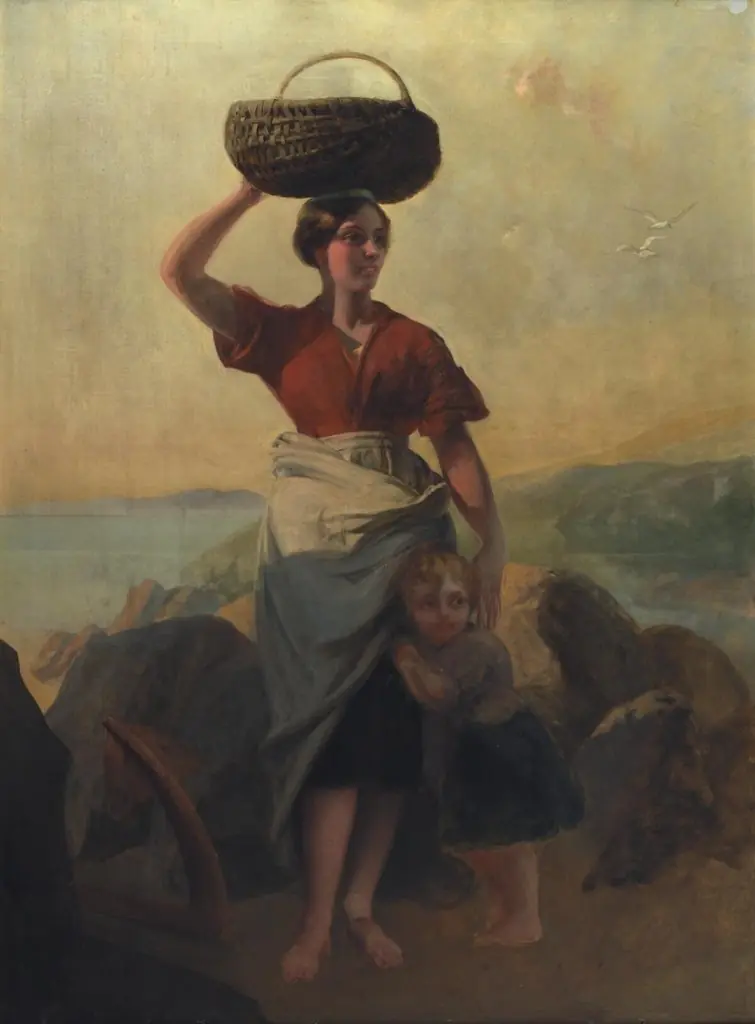 South Wales
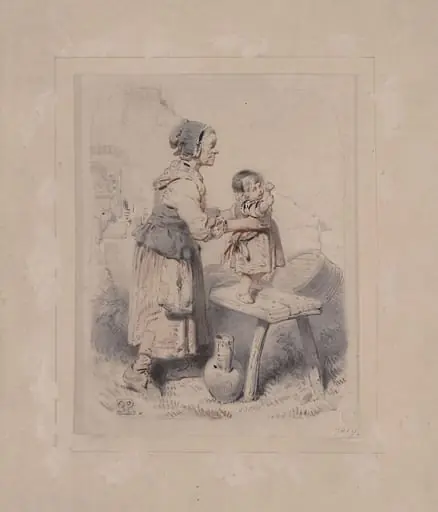 Old Woman and Child
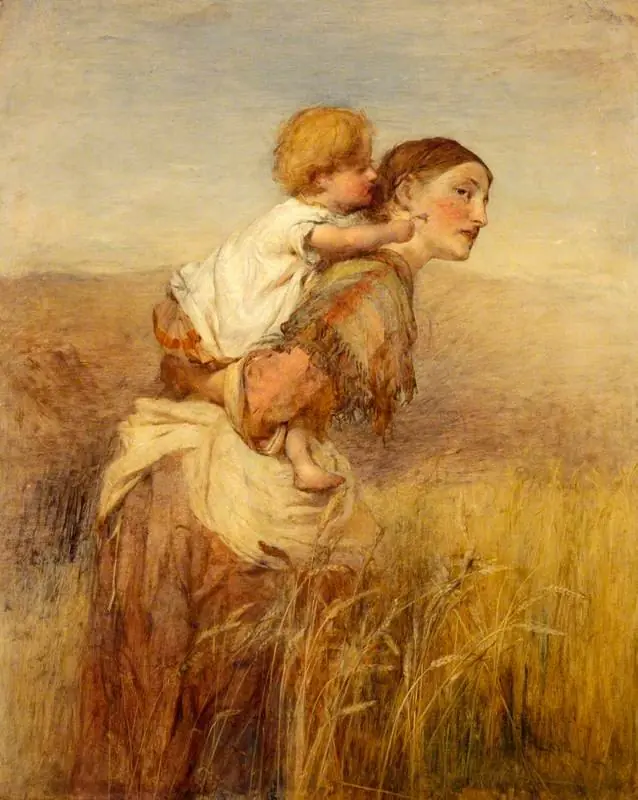 Through the Corn
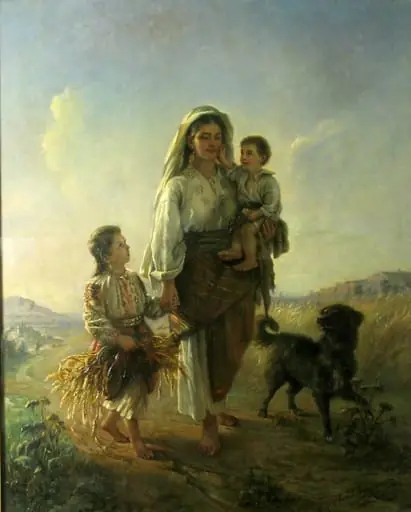 Întoarcerea de la seceriș
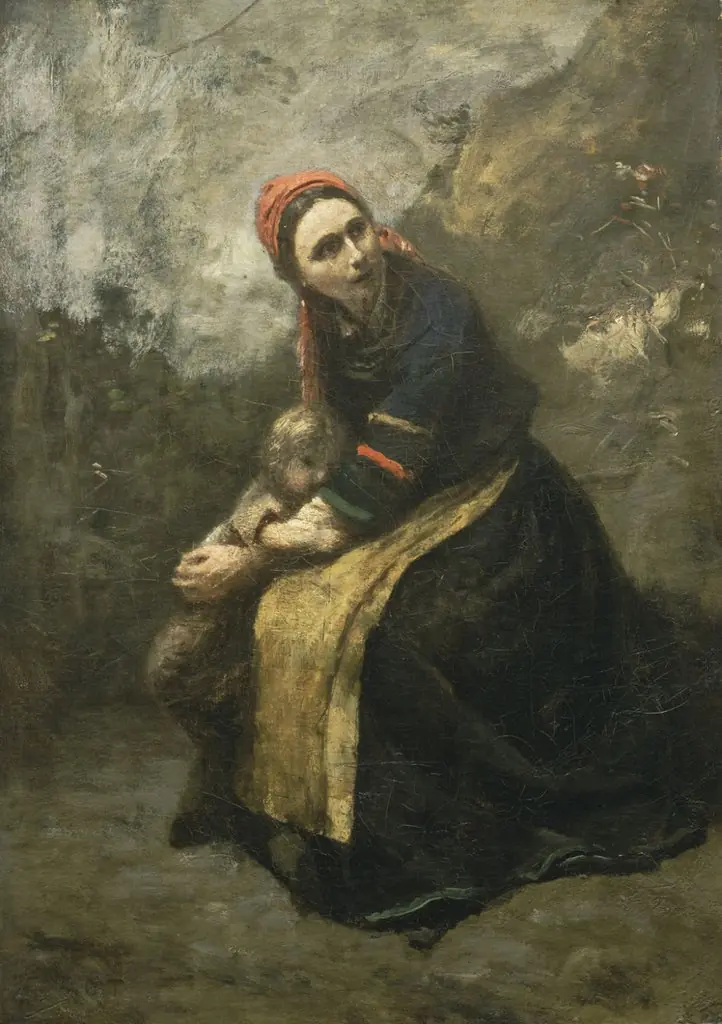 Mother Protecting Her Child
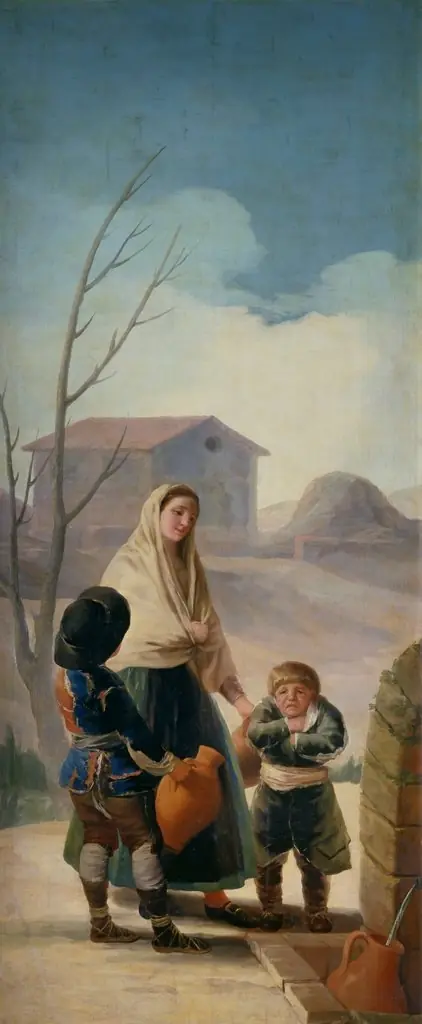 The Poor at the Fountain
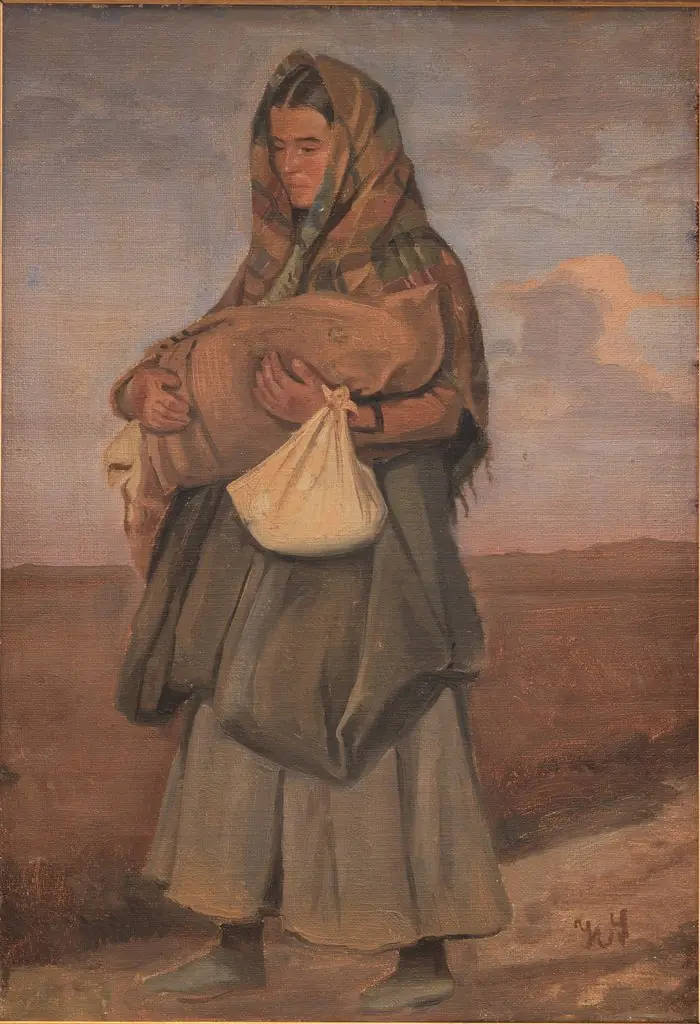 Taterkvinde med sit barn på heden
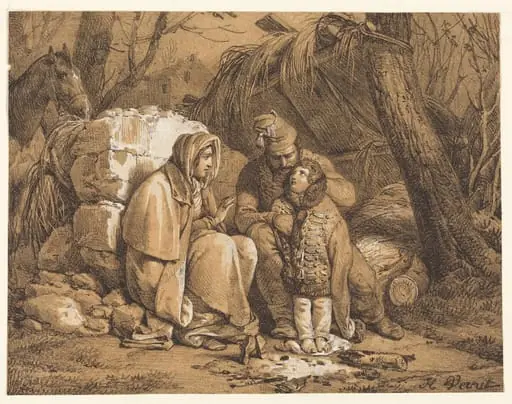 Soldier's Family Encamped
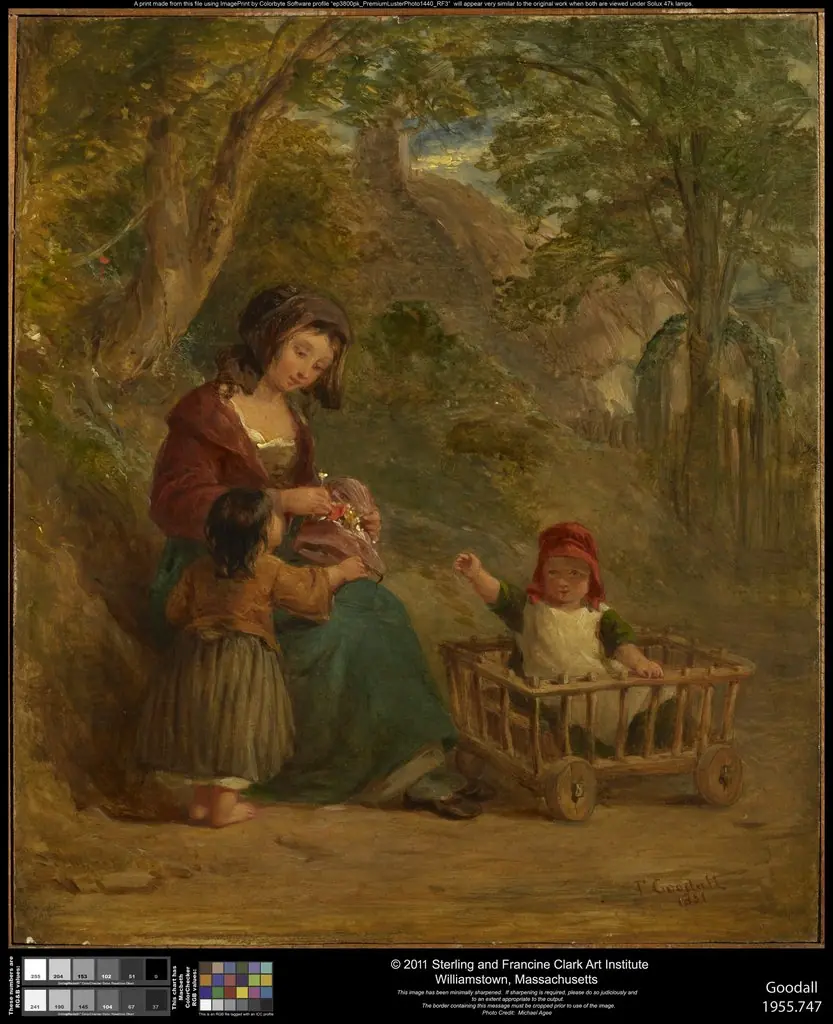 Mother and Children
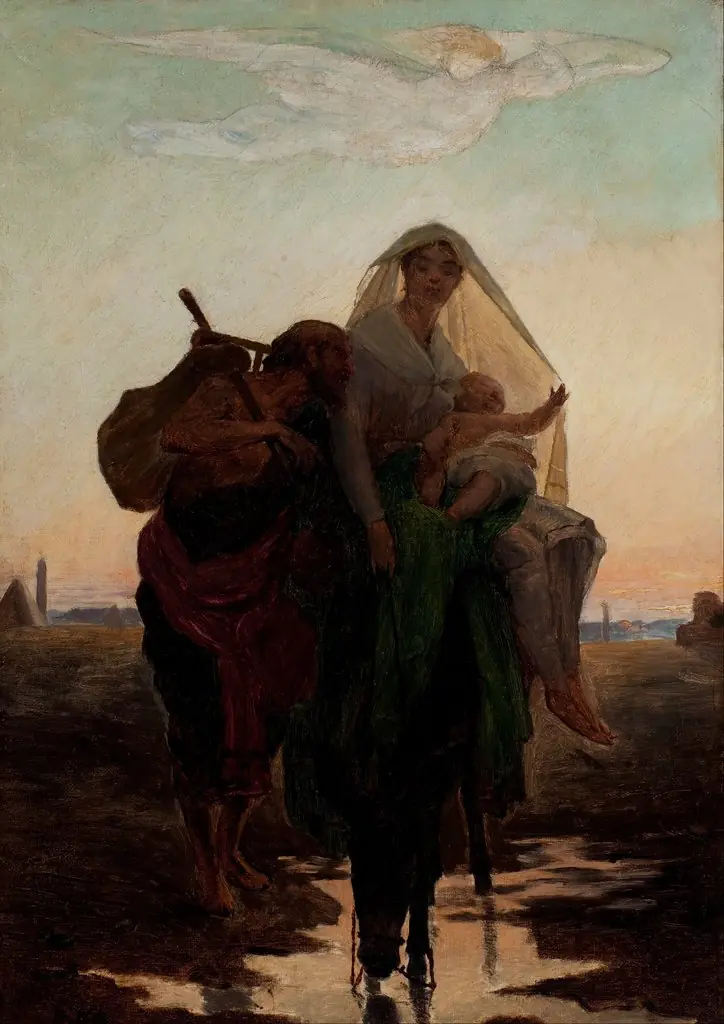 Study for "Flight of the Holy Family to Egypt"
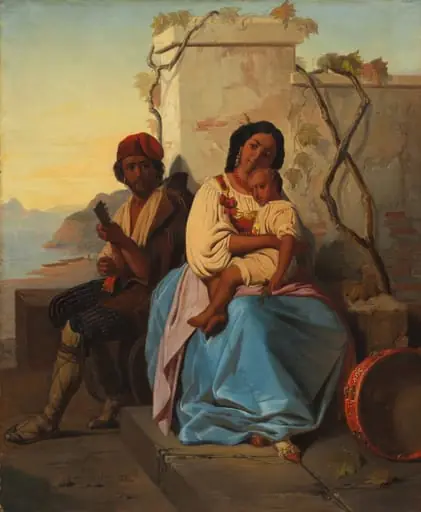 Italian Scene
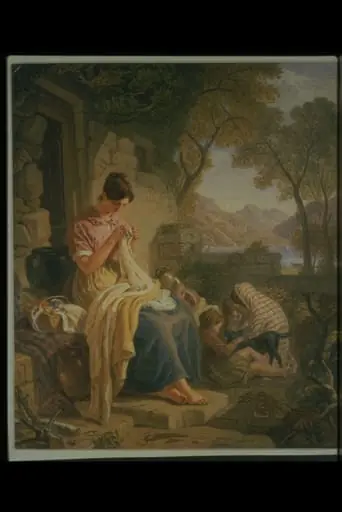 A Scottish peasant girl embroidering muslin at Luss, Loch Lomond