Artwork
Virgin and Child
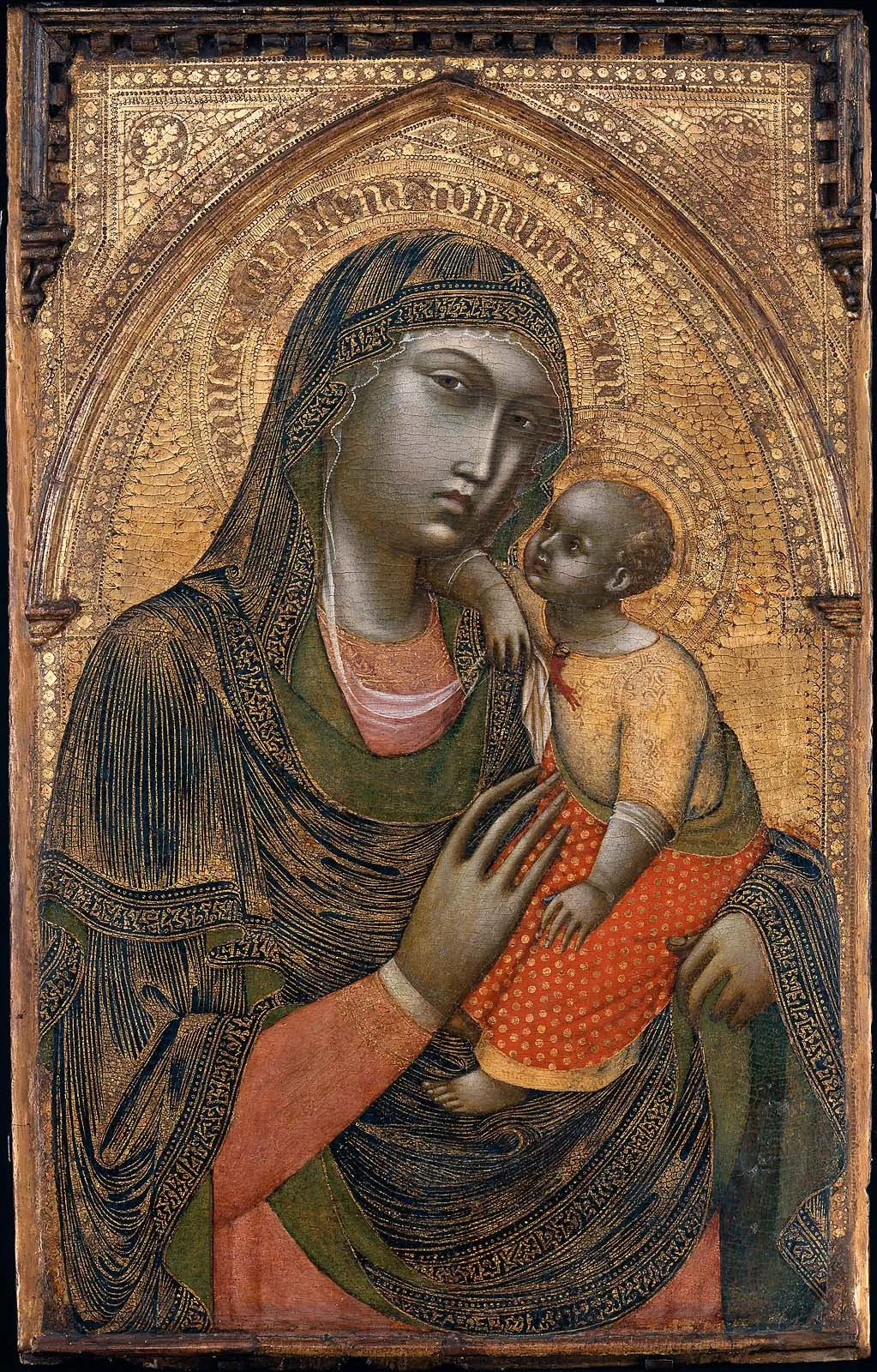
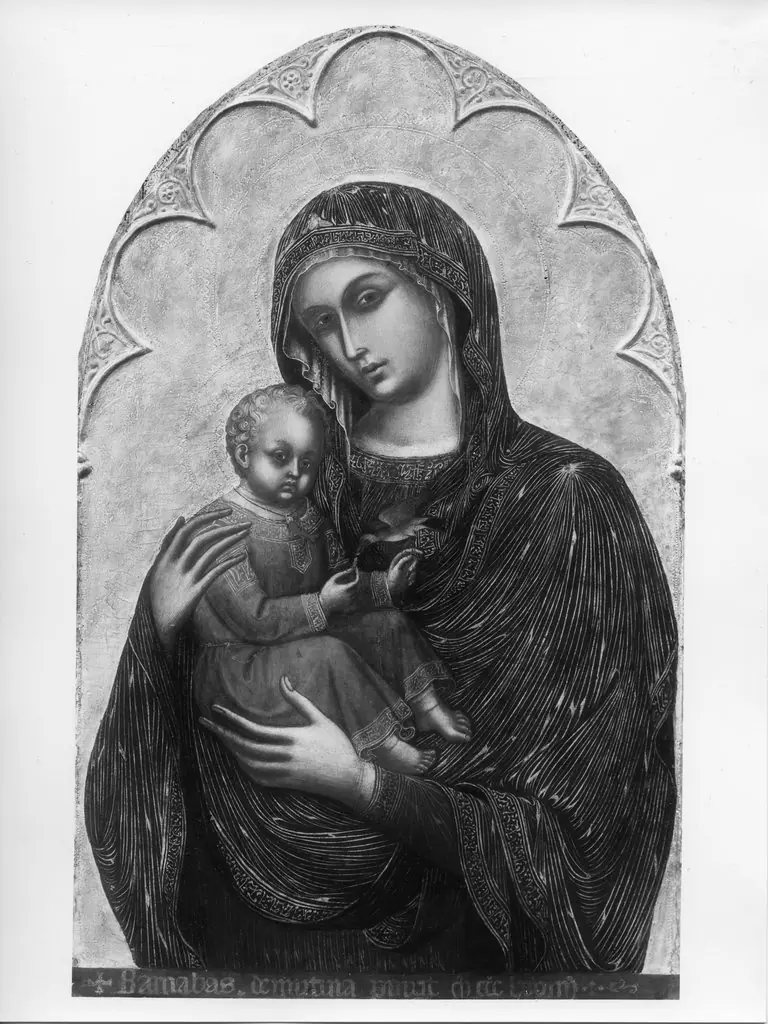
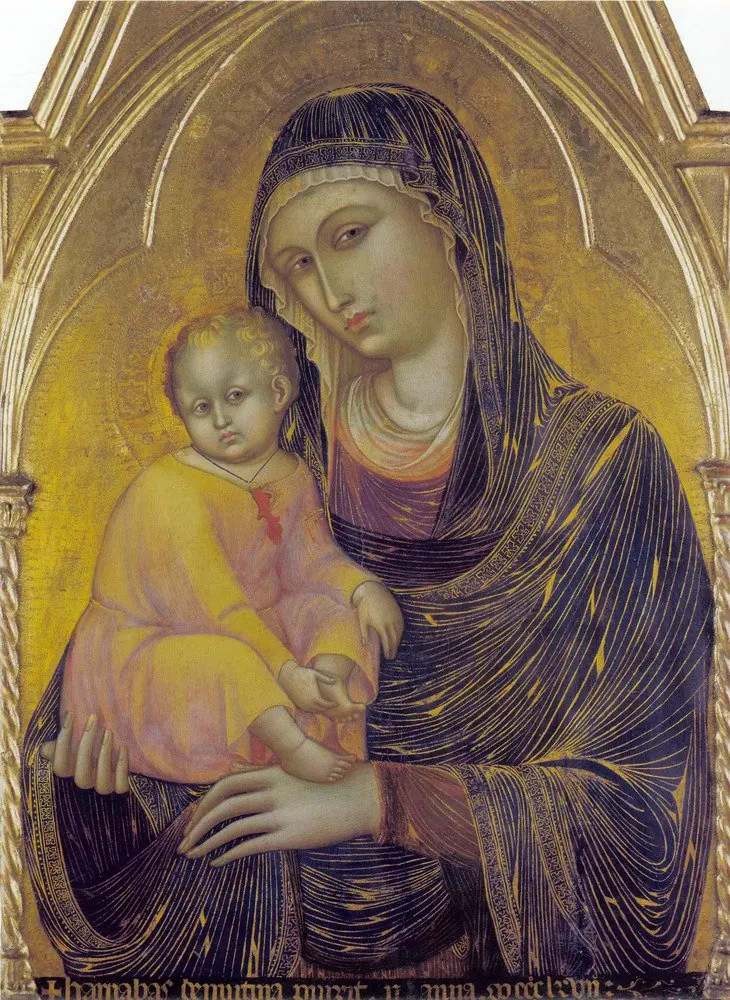
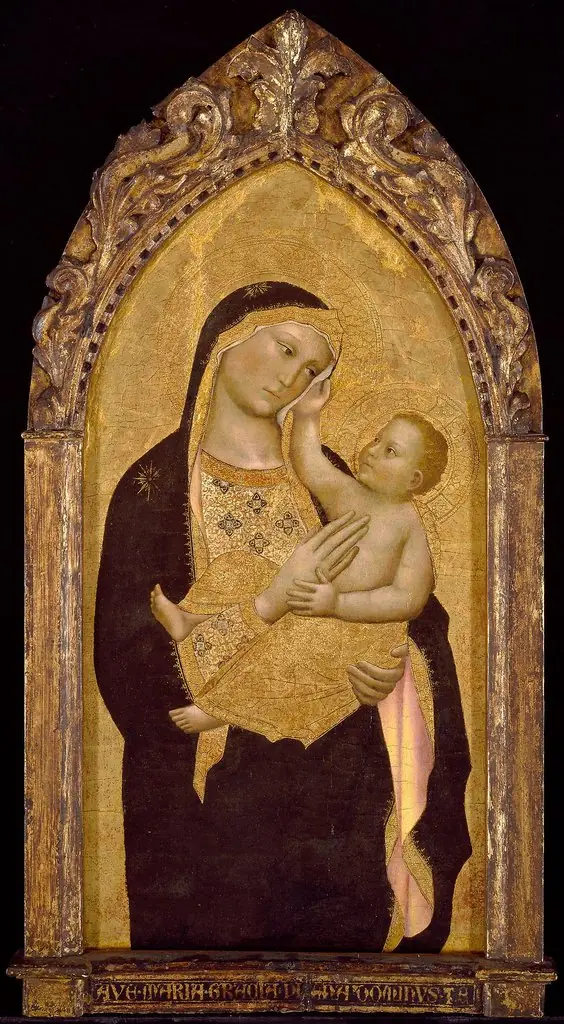
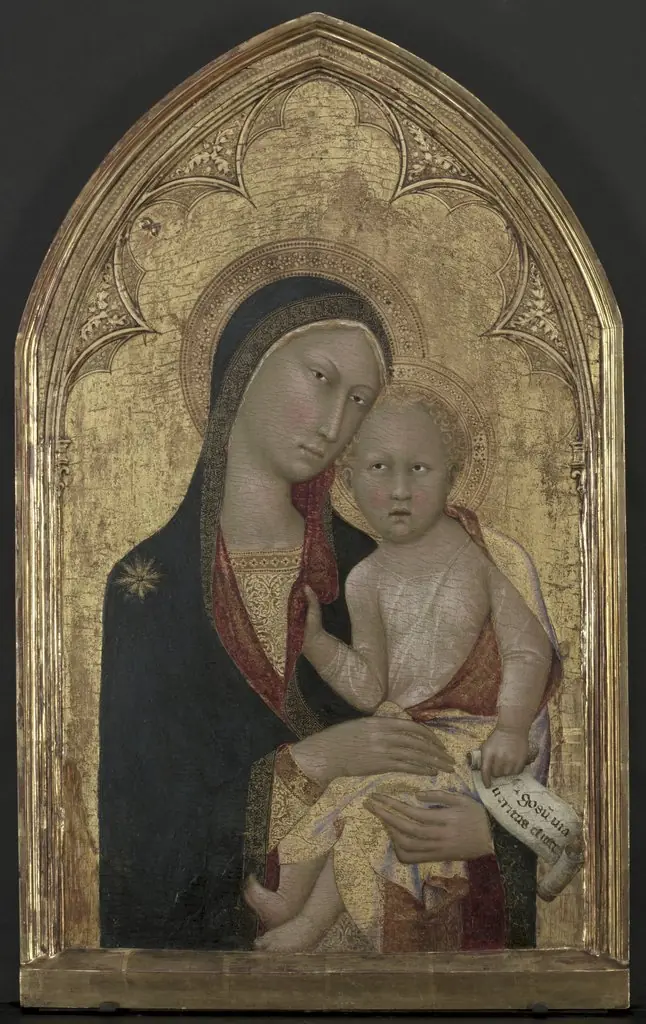
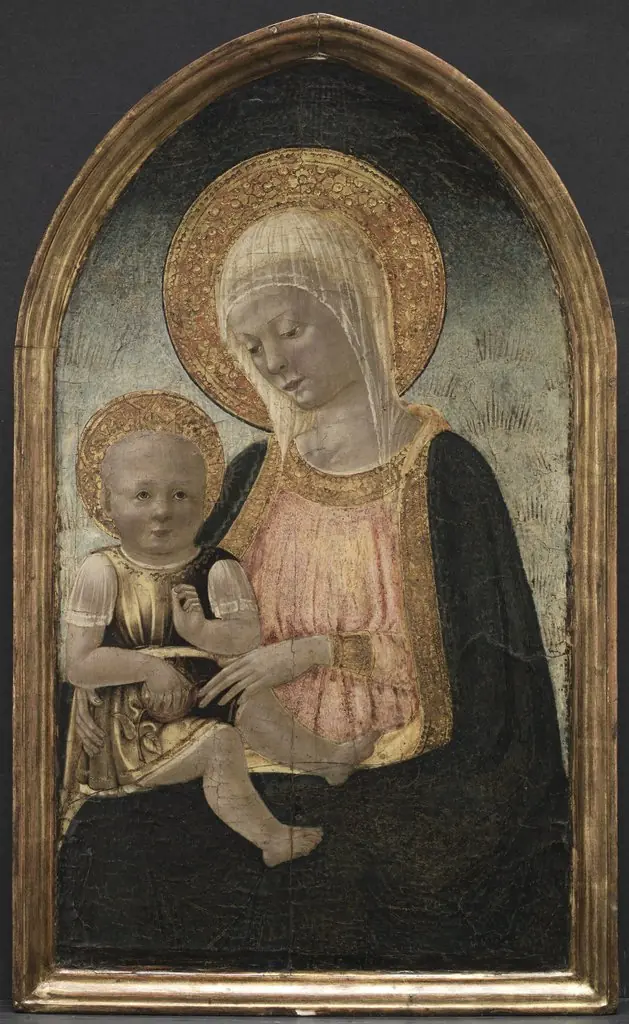
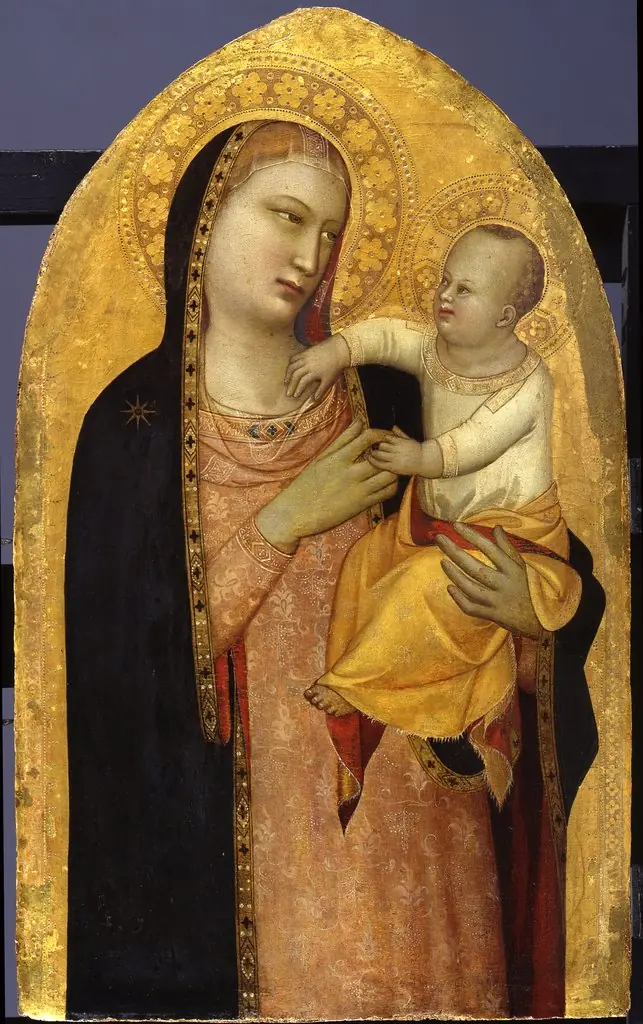
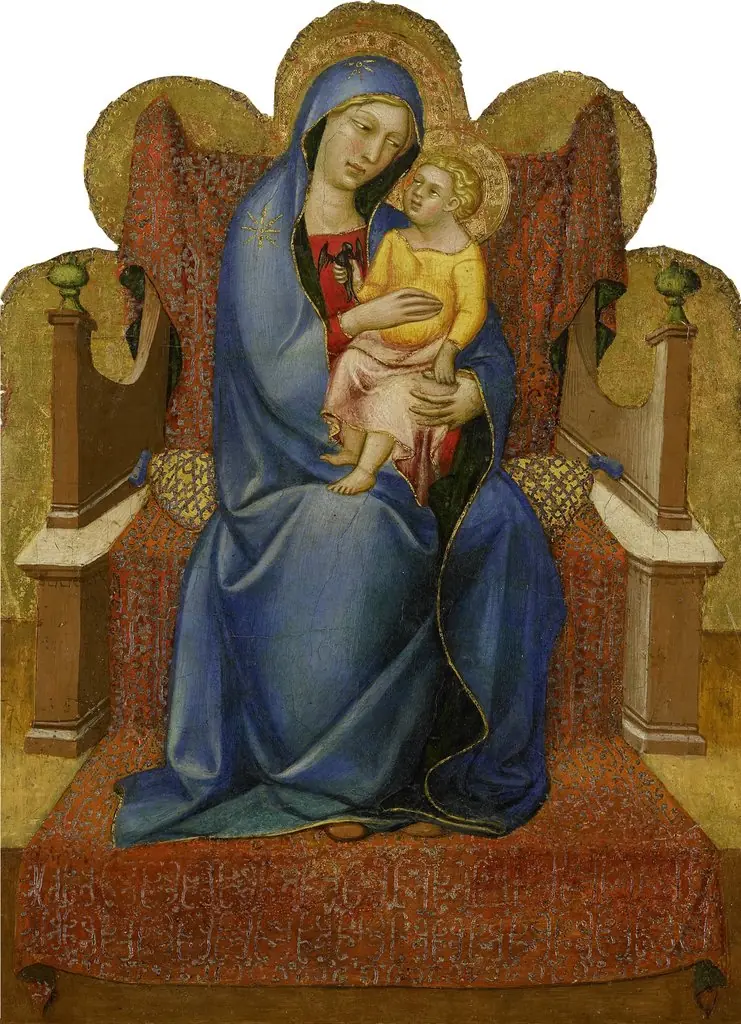
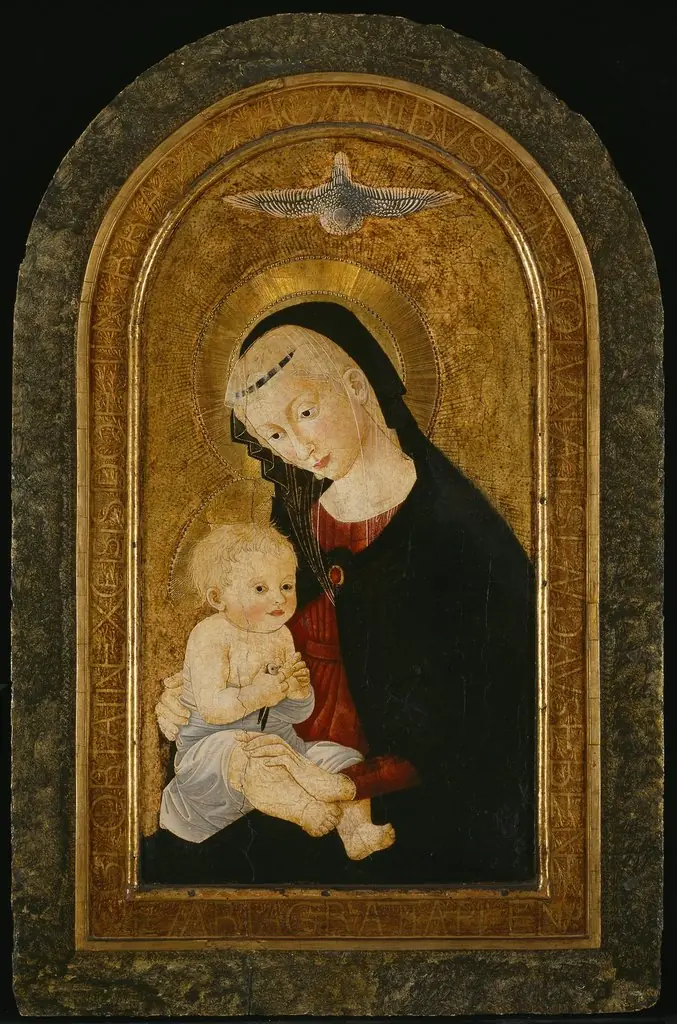
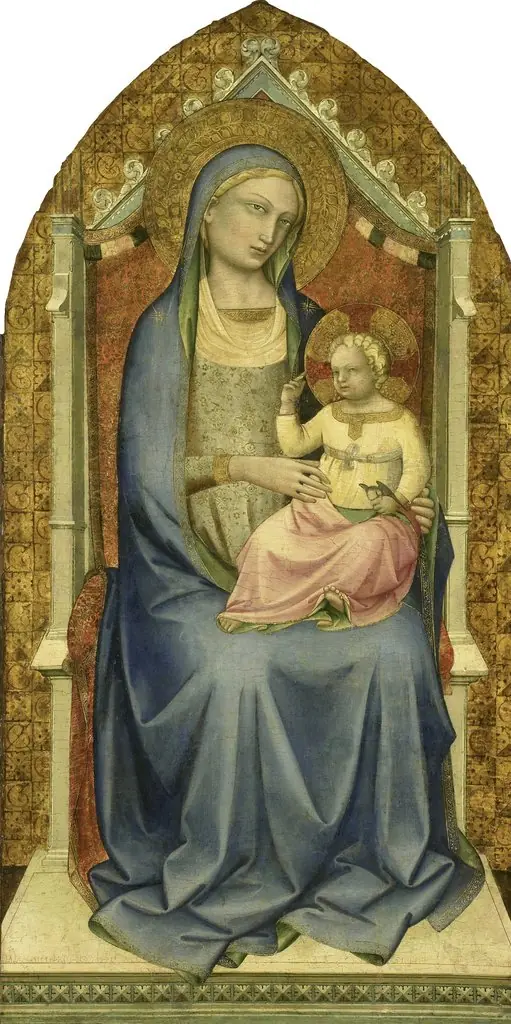
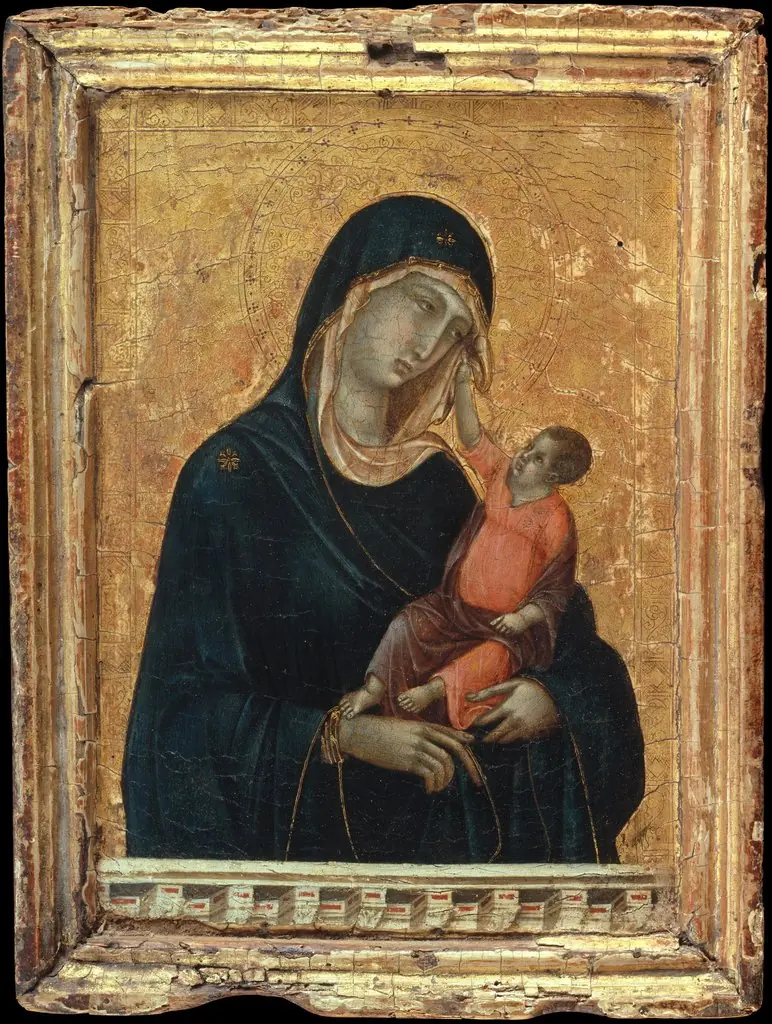
Virgin and Child is a tempera painting by the Byzantine icon painting artist Barnaba da Modena. It dates from 1360 and is held in the collection of the Museum of Fine Arts Boston.
About this work
Overview
This devotional panel, painted around 1360 by the Italian artist Barnaba da Modena, presents the Virgin Mary holding the infant Christ. Executed in tempera, it belongs to the mid-14th-century tradition of sacred images produced for private prayer or altarpiece use. The work is now preserved in the collection of the Museum of Fine Arts, Boston.
Subject & Meaning
Mary appears as a solemn, dignified figure, her dark gaze directed toward the viewer with measured gravity, while the Christ Child rests in her arms.
The composition follows established Byzantine iconographic conventions for the Virgin and Child. Mary appears as a solemn, dignified figure, her dark gaze directed toward the viewer with measured gravity, while the Christ Child rests in her arms. The pairing carries theological weight: Mary as the Theotokos (God-bearer) and Christ as both vulnerable infant and divine savior. The figures' calm demeanor and frontal orientation encourage contemplative devotion rather than narrative engagement.
Technique & Style
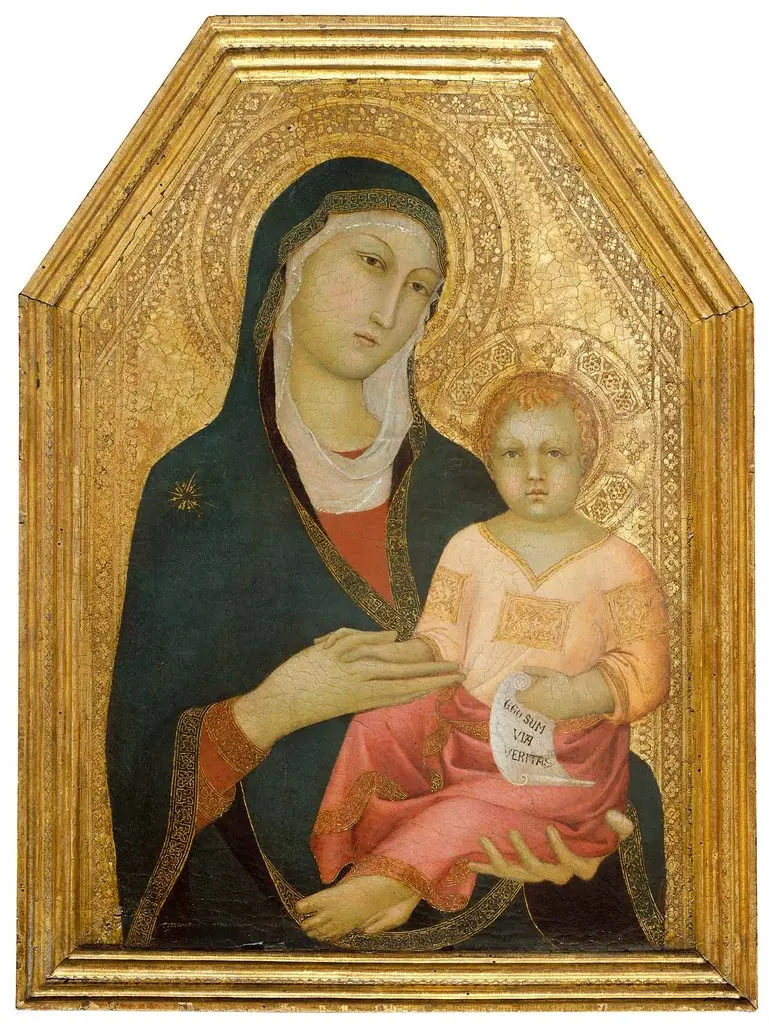
Barnaba da Modena employed tempera, a medium in which pigment is bound with egg yolk, yielding brilliant, durable color. The panel shimmers with gold leaf applied to the background, creating a luminous, otherworldly space signaled by decorative patterning and a pointed architectural arch. Mary wears a blue-green mantle with a red sash; the child wears a yellow tunic with red drapery. The flattened, hieratic presentation and rich surface decoration reflect the lingering influence of Byzantine models on Italian panel painting of this period.
History & Provenance
Barnaba da Modena was active across northern Italy, with documented work in Lombardy, Piedmont, and Pisa. His career illustrates the mobility of painters in the fragmented Italian peninsula and the circulation of stylistic ideas between centers. The painting's path to the Museum of Fine Arts, Boston, is not specified in available records, though such panels often entered American collections during the late nineteenth and early twentieth centuries.
Artist & collection
Artist
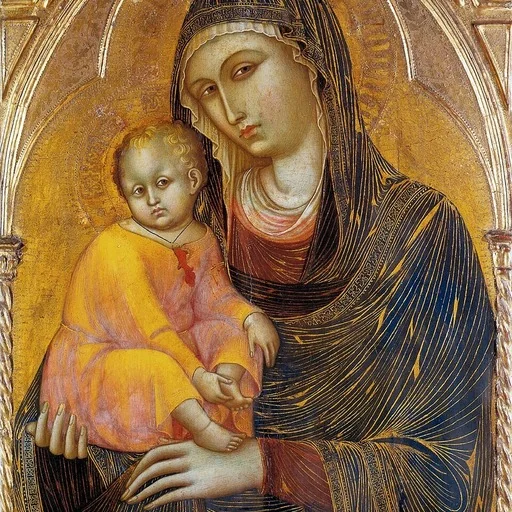
Barnaba da Modena (c. 1328-c.1386) was a mid-14th-century Italian painter who painted in the style of Byzantine art. He is considered the first Lombard painter of note and was active in Lombardy, Piedmont, and Pisa in Tuscany.