Artwork
Virgin and Child
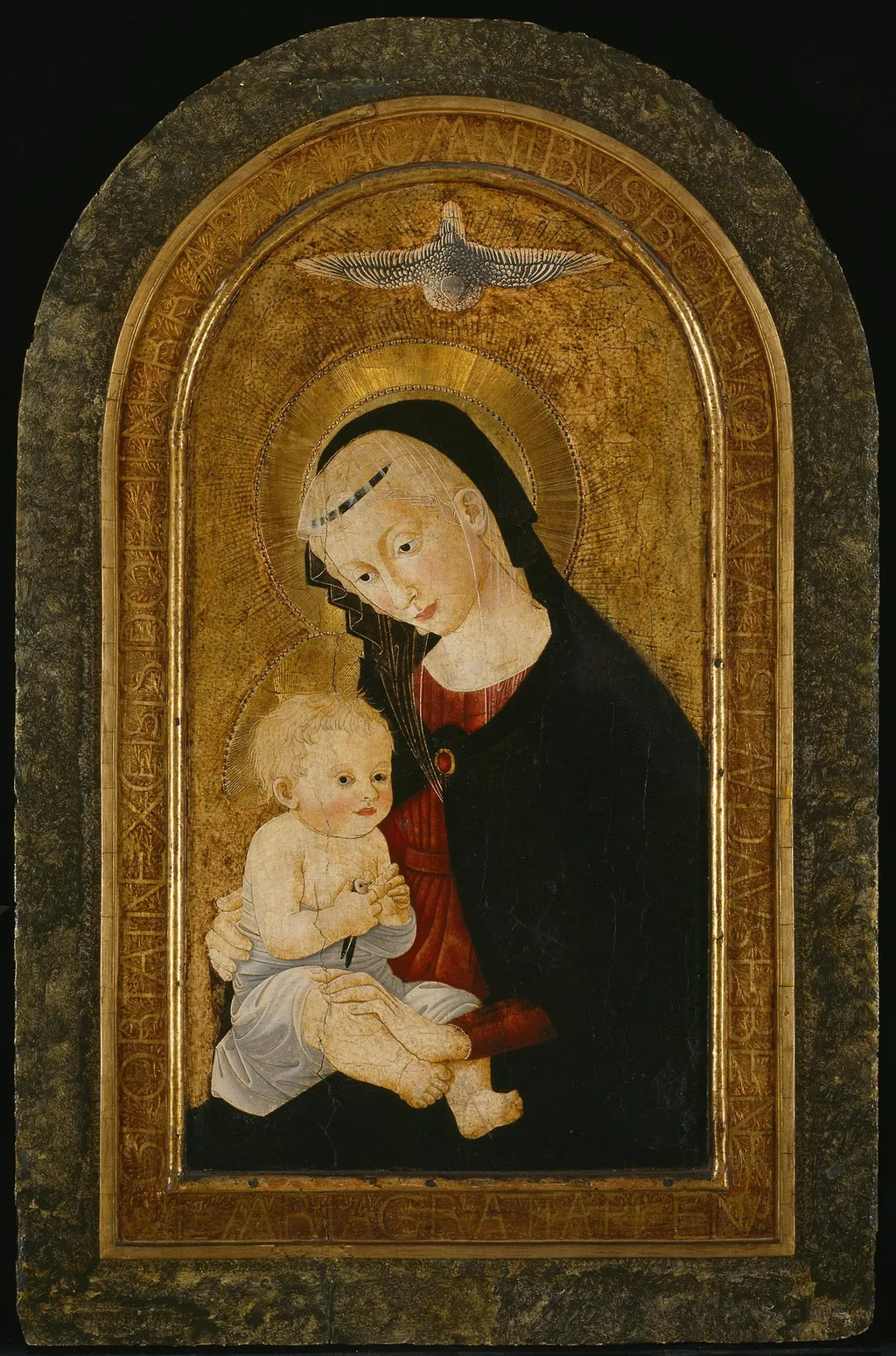
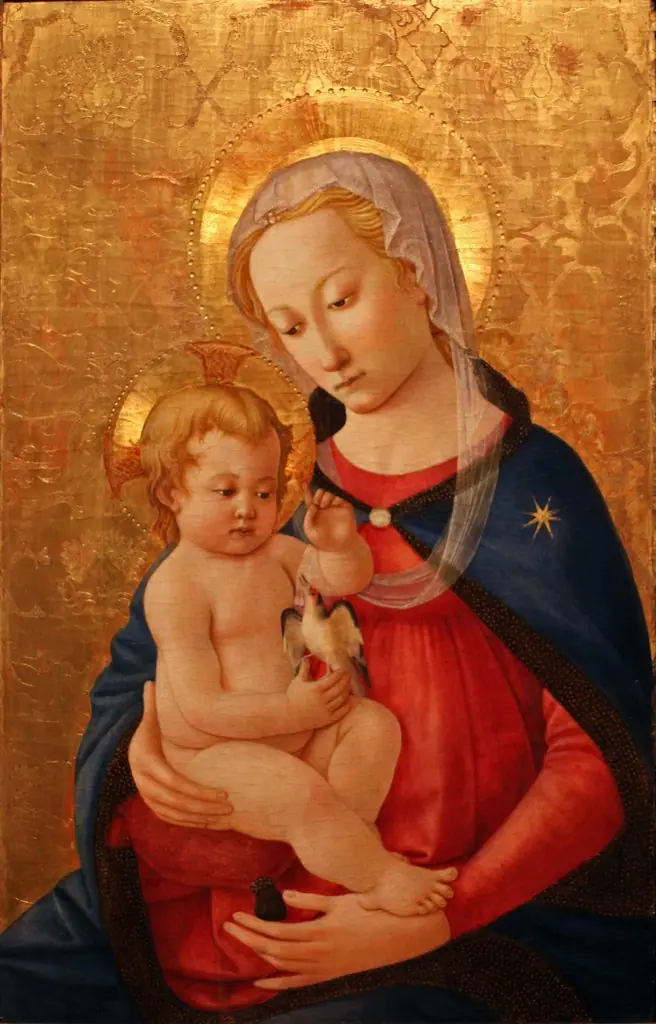
Virgin and Child is an unspecified painting by the Early Renaissance artist Pseudo-Pier Francesco Fiorentino. It dates from 1450 and is held in the collection of the Art Institute of Chicago. Created around 1450, this panel painting is attributed to the workshop of Pseudo‑Pier Francesco Fiorentino.
About this work
Overview
Created around 1450, this panel painting is attributed to the workshop of Pseudo‑Pier Francesco Fiorentino. It portrays the Virgin Mary holding the infant Christ, set against a darkened backdrop that isolates the figures. The work is part of the collection of the Art Institute of Chicago, where it is displayed as an example of mid‑15th‑century devotional art.
Subject & Meaning
The central figures—Mary in a red mantle and the Christ Child—are identified by their halos and the presence of a dove, a traditional symbol of the Holy Spirit. The intimate gesture of the child reaching toward his mother emphasizes the human bond while underscoring theological ideas of incarnation and divine love.
Technique & Style
The composition relies on a strong contrast between illuminated flesh tones and a deep, almost black background, employing chiaroscuro to model the forms. Gold leaf outlines the arch above the pair, adding a luminous quality. Fine brushwork renders delicate facial features and the soft folds of the garments, reflecting the meticulous approach of the Florentine school.
History & Provenance
Attributed to the circle of Pier Francesco Fiorentino, the painting entered the Art Institute of Chicago’s holdings in the early 20th century through a private donation. Its provenance prior to that period is not fully documented, but the work aligns with other devotional panels produced in Tuscany during the mid‑Quattrocento.
Artist & collection

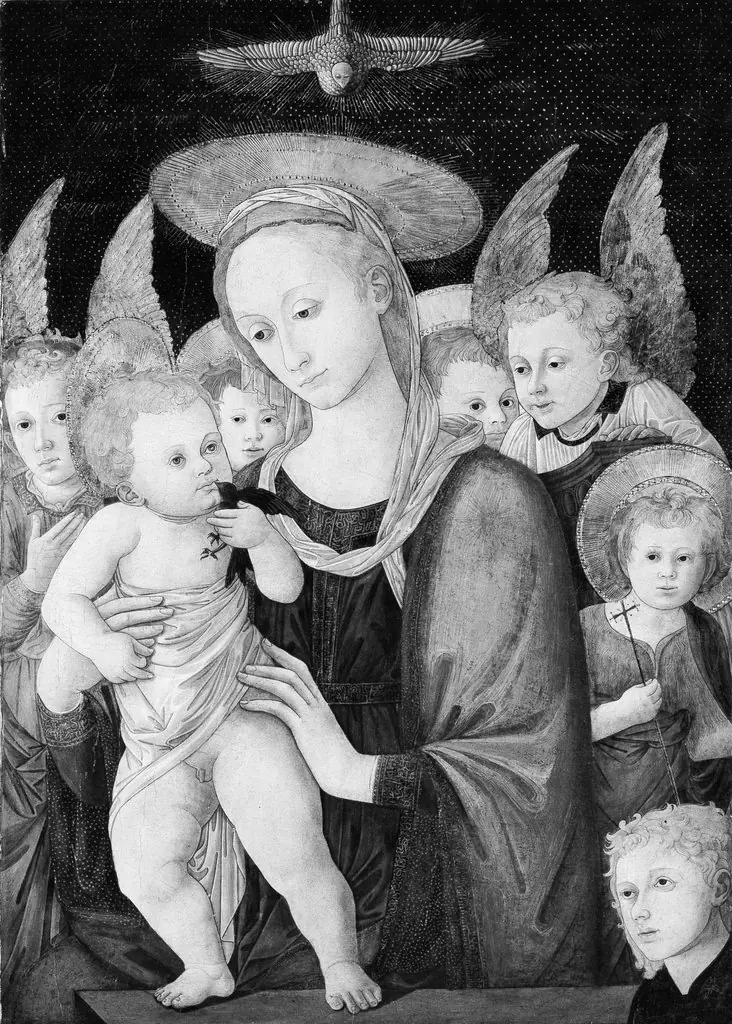 Madonna and Child with the Infant Saint John the Baptist and Angels
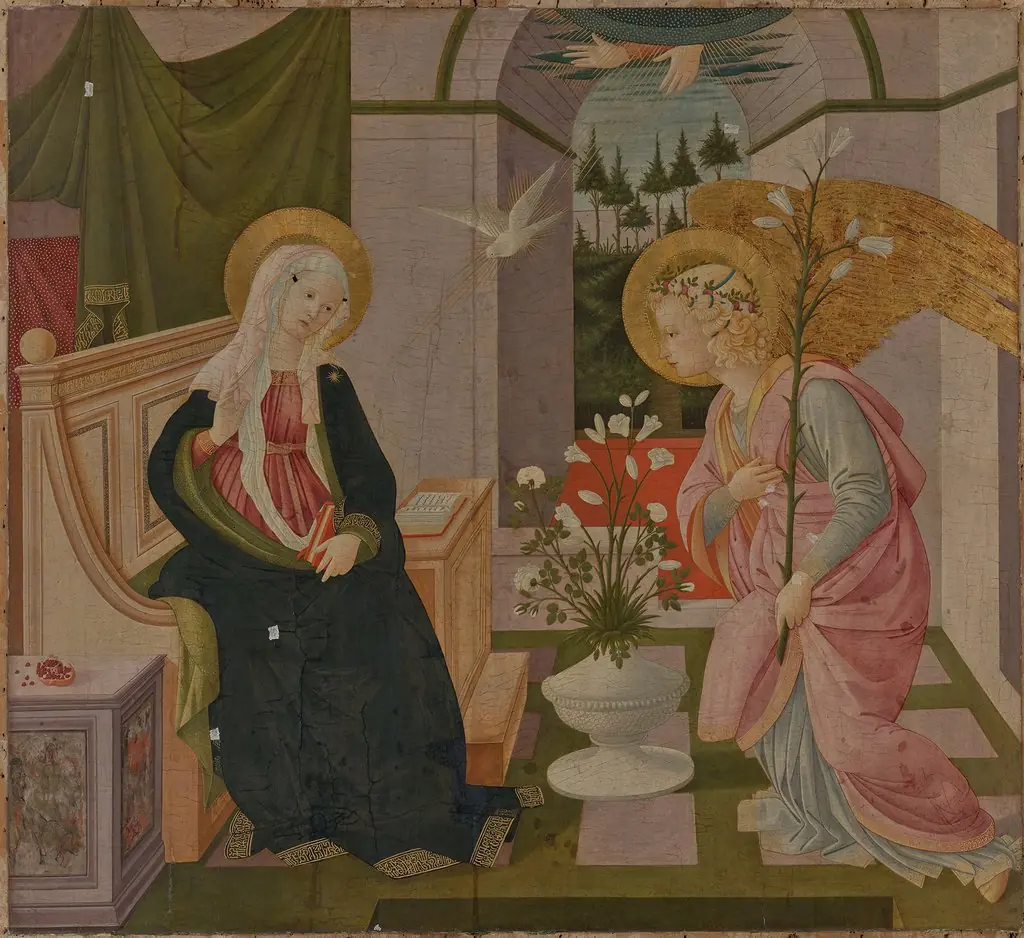 The Annunciation to the Virgin
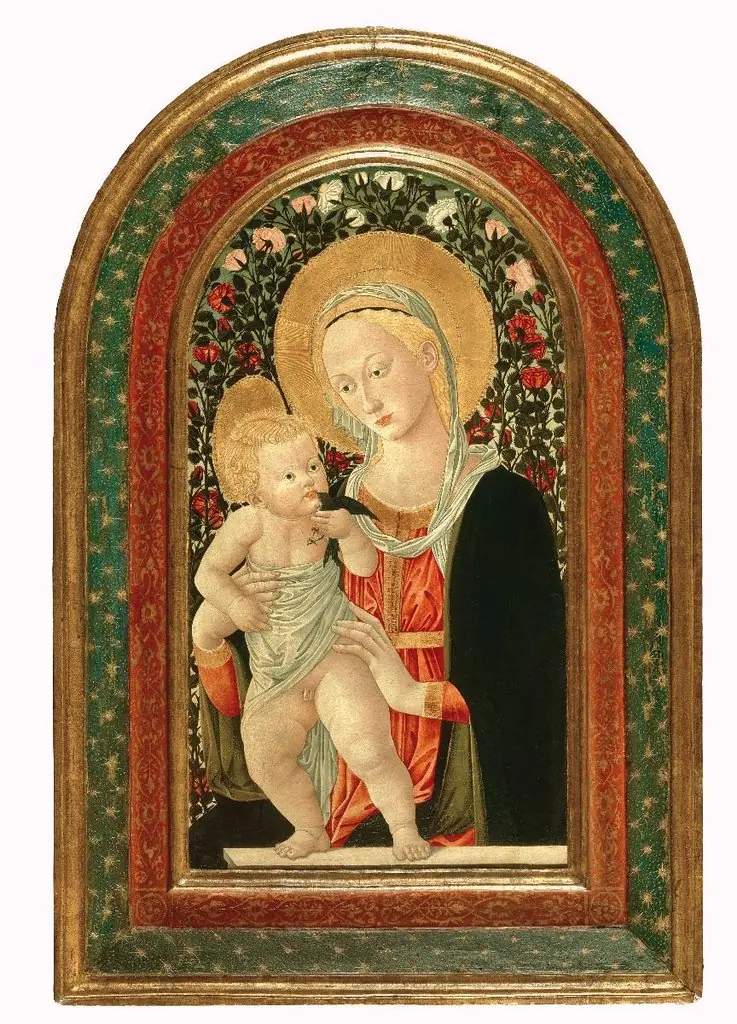 Maria col bambino
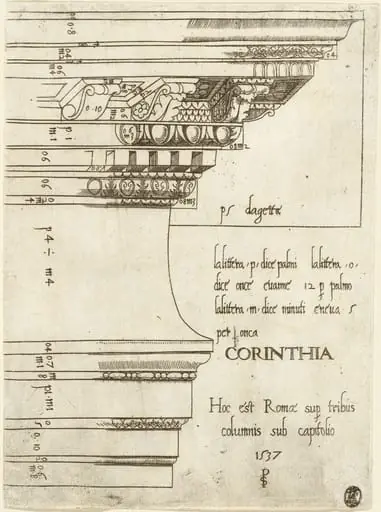 Entablature from the Temple of Castor and Pollux, Rome
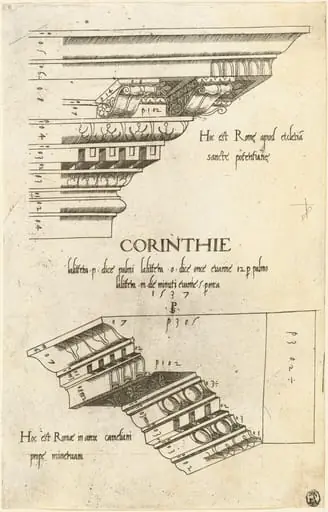 Entablatures from Santa Pudenziana and the Arch of Camigliano, Rome
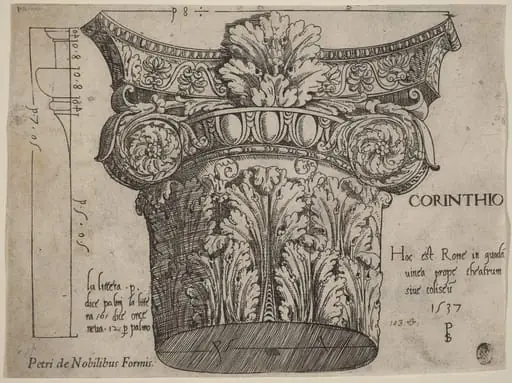 Capital from the Colosseum, Rome
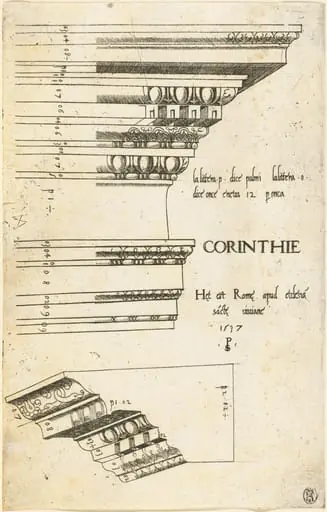 Entablature from the Church of Saint Bibiana, Rome
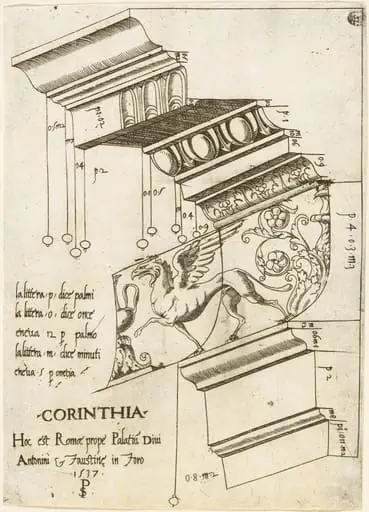 Entablature from the Temple of Antoninus and Faustina, Rome
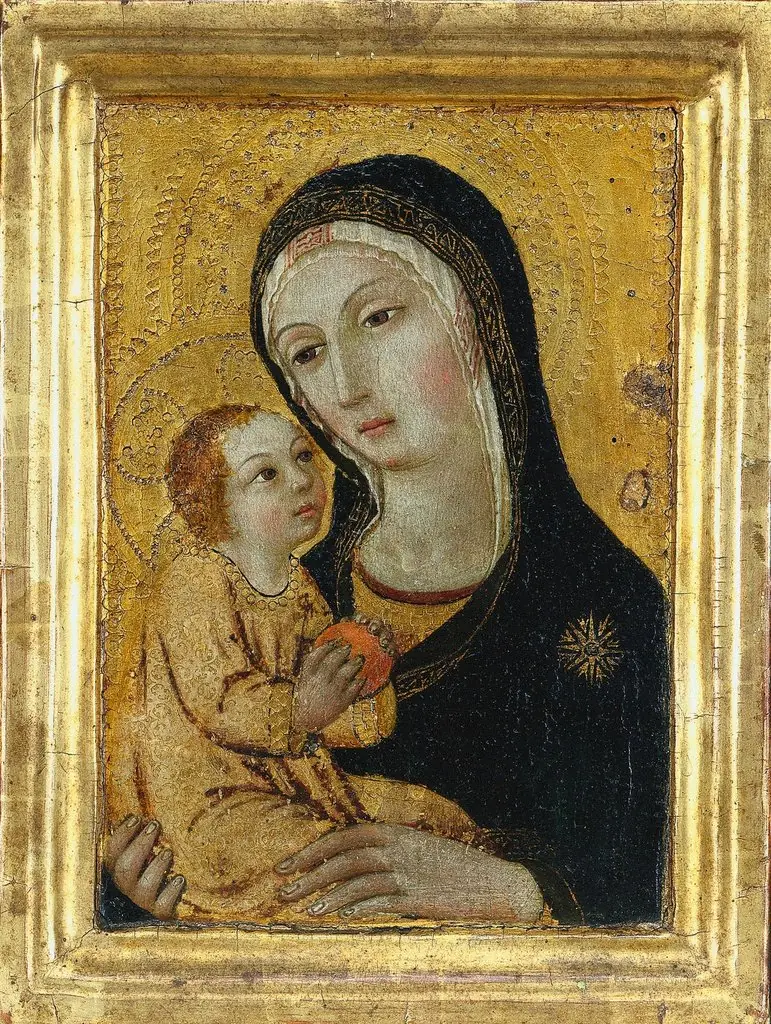 Virgin and Child
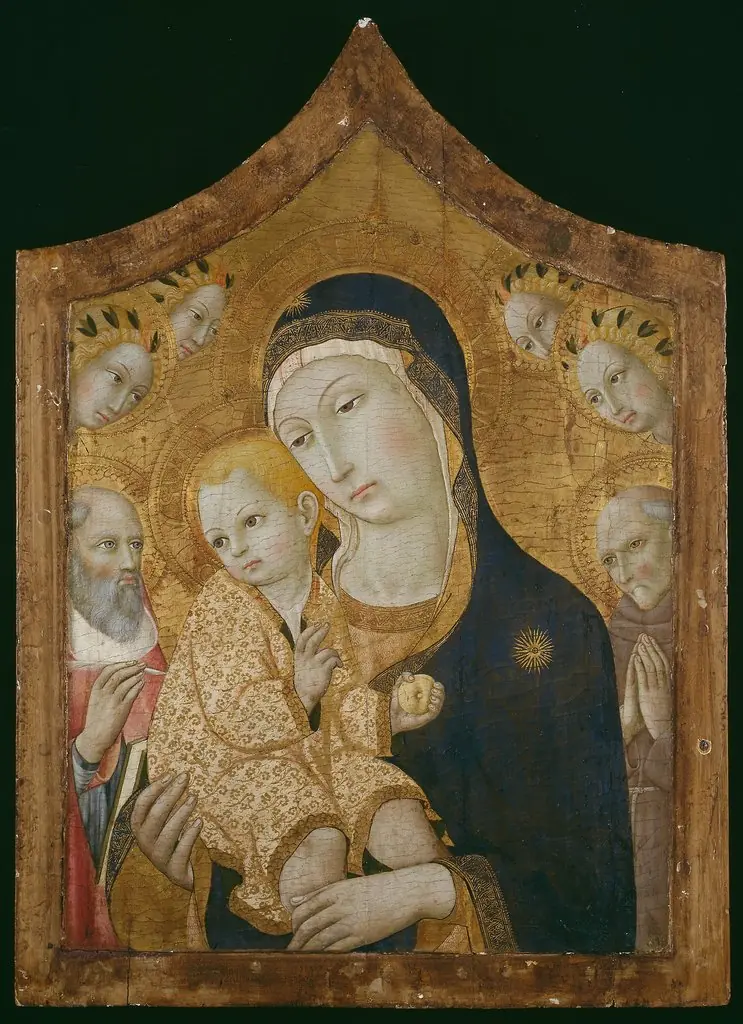 Virgin and Child with Saints Jerome, Bernardino of Siena, and Angels
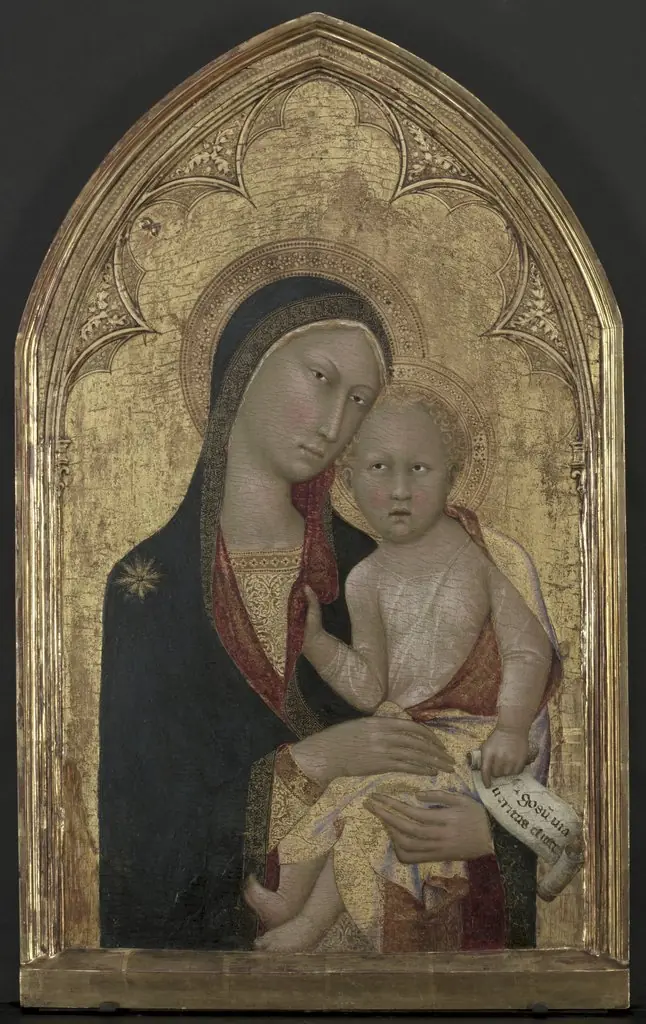 Madonna and Child
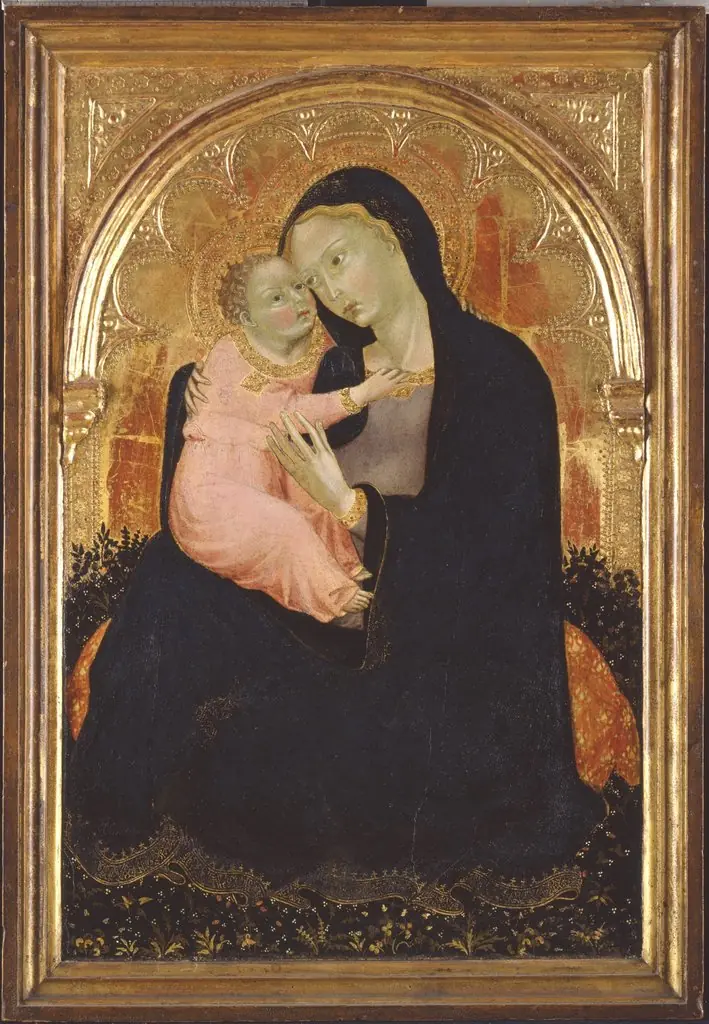 Madonna and Child
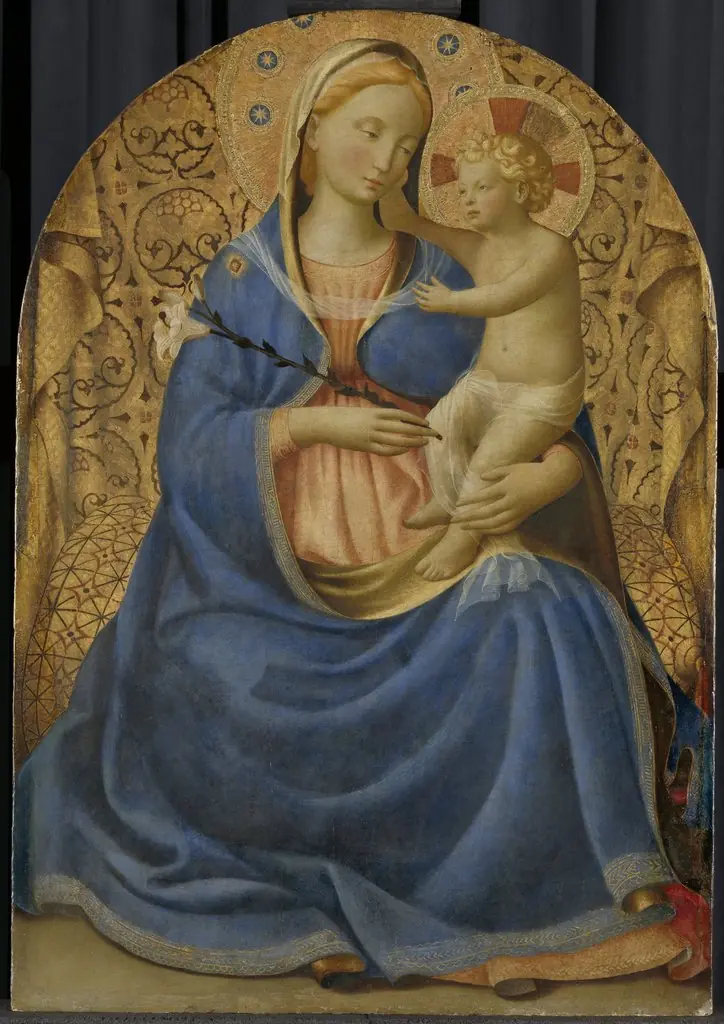 Madonna of Humility
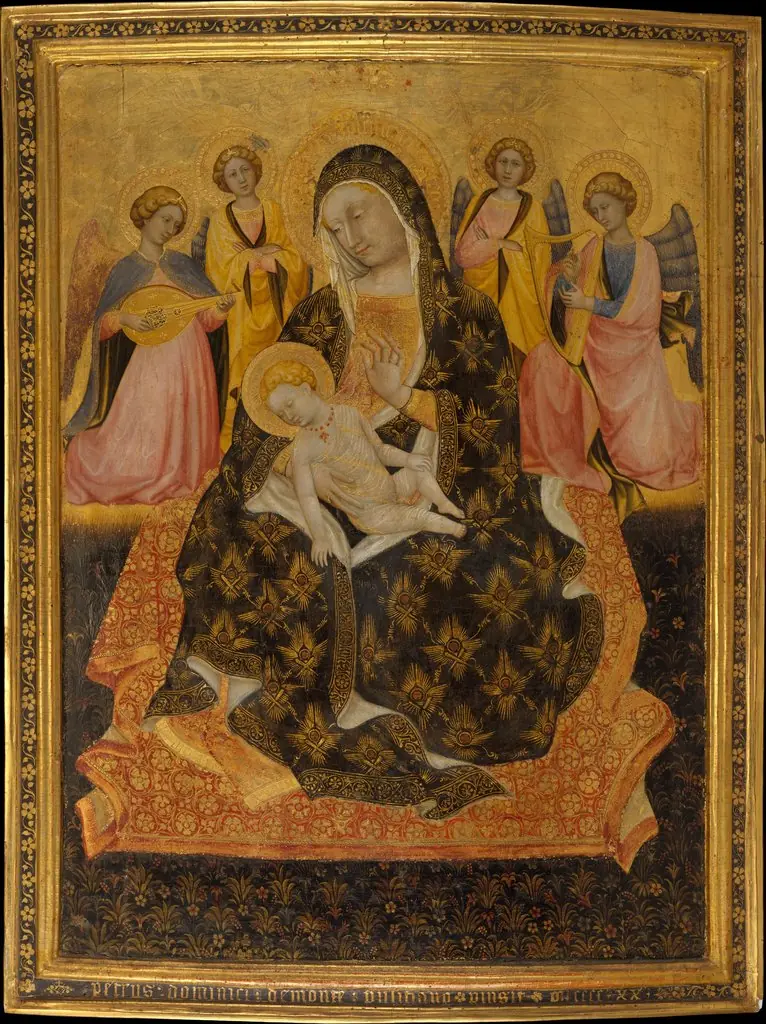 Madonna and Child with Angels
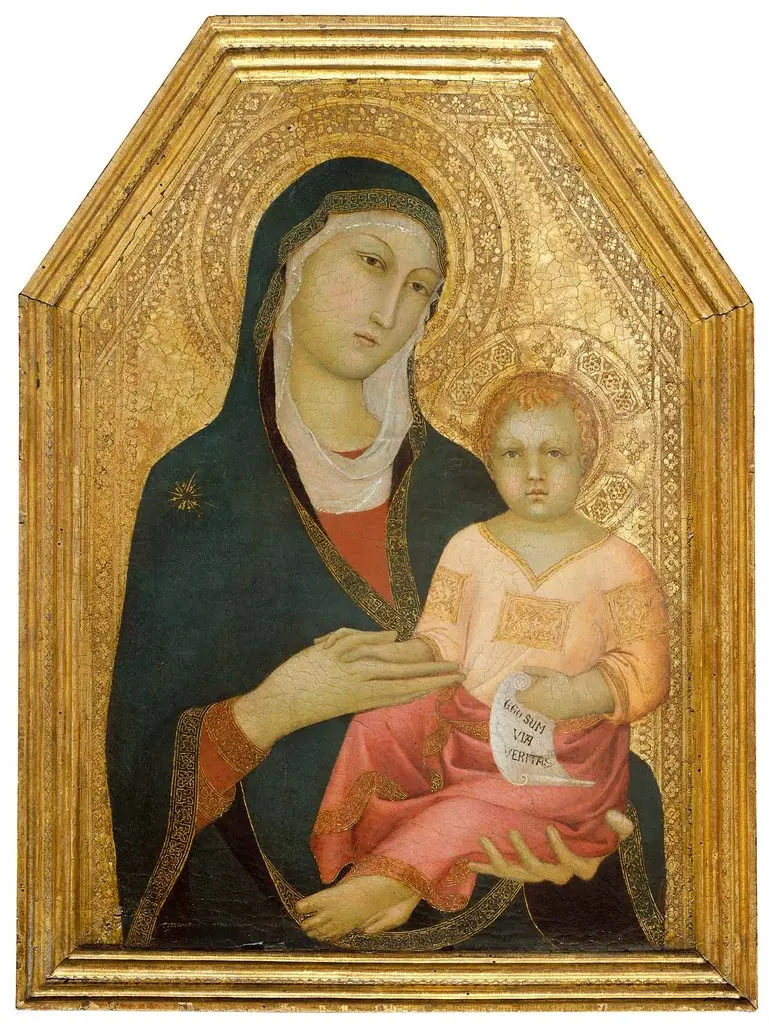 Virgin and Child
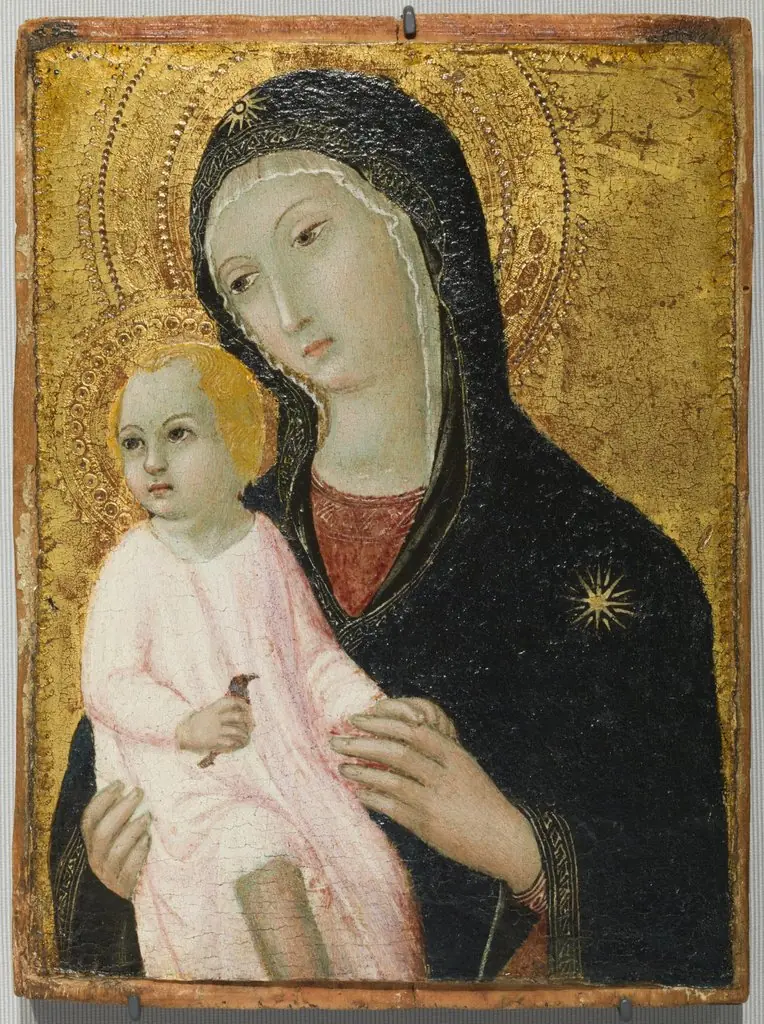 Madonna and Child
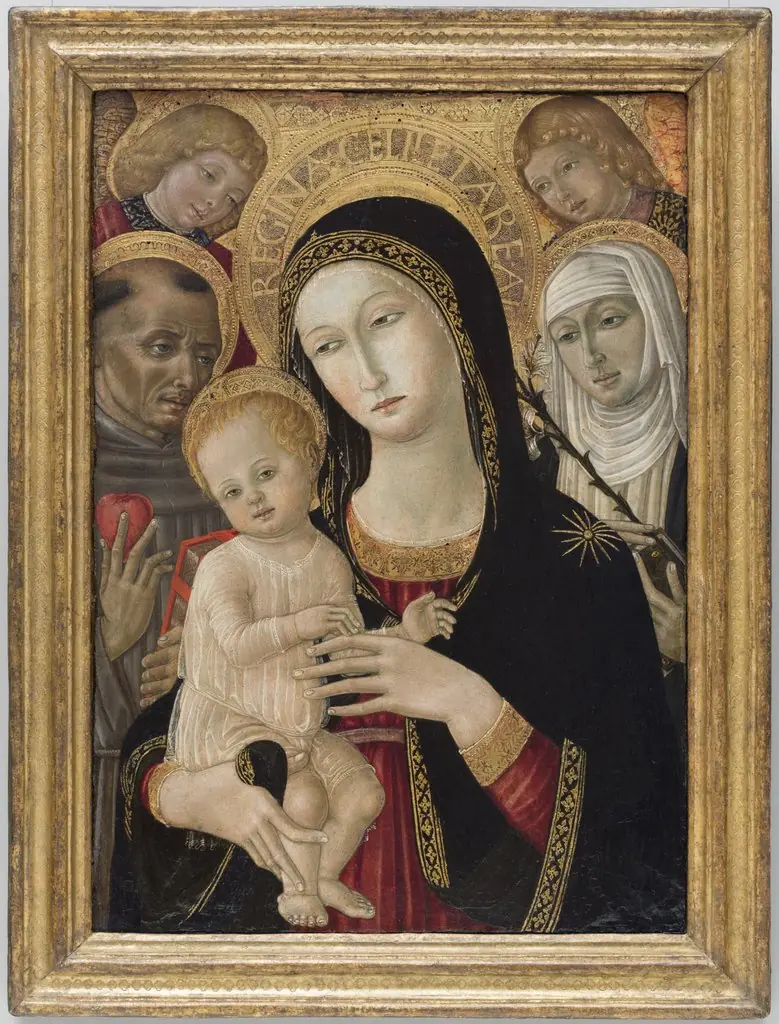 Madonna and Child with St. Catherine of Siena, Saint Anthony of Padua and Angels
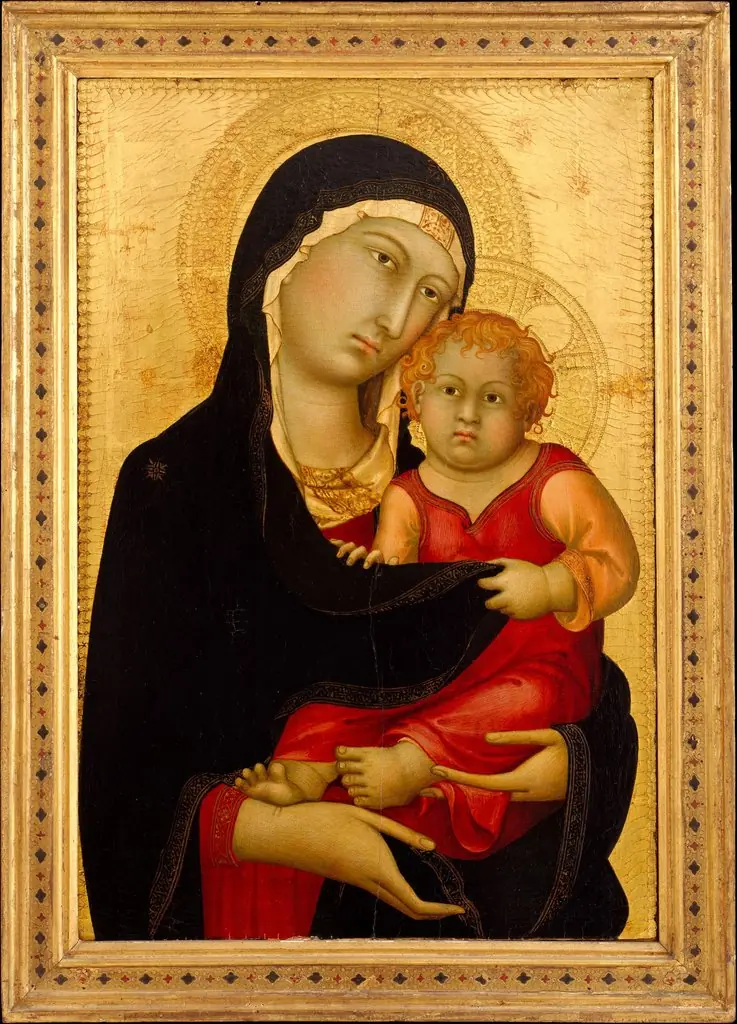 Madonna and Child
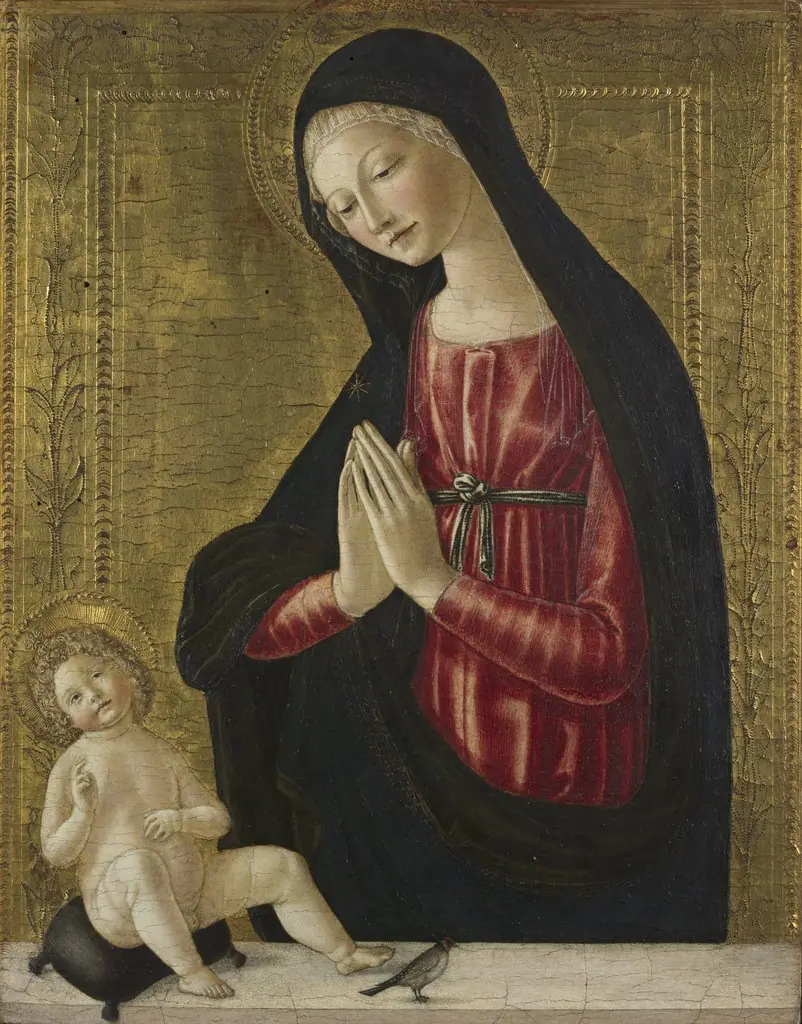 Virgin and Child with a Goldfinch
 Virgin and Child