Artwork
ascensione
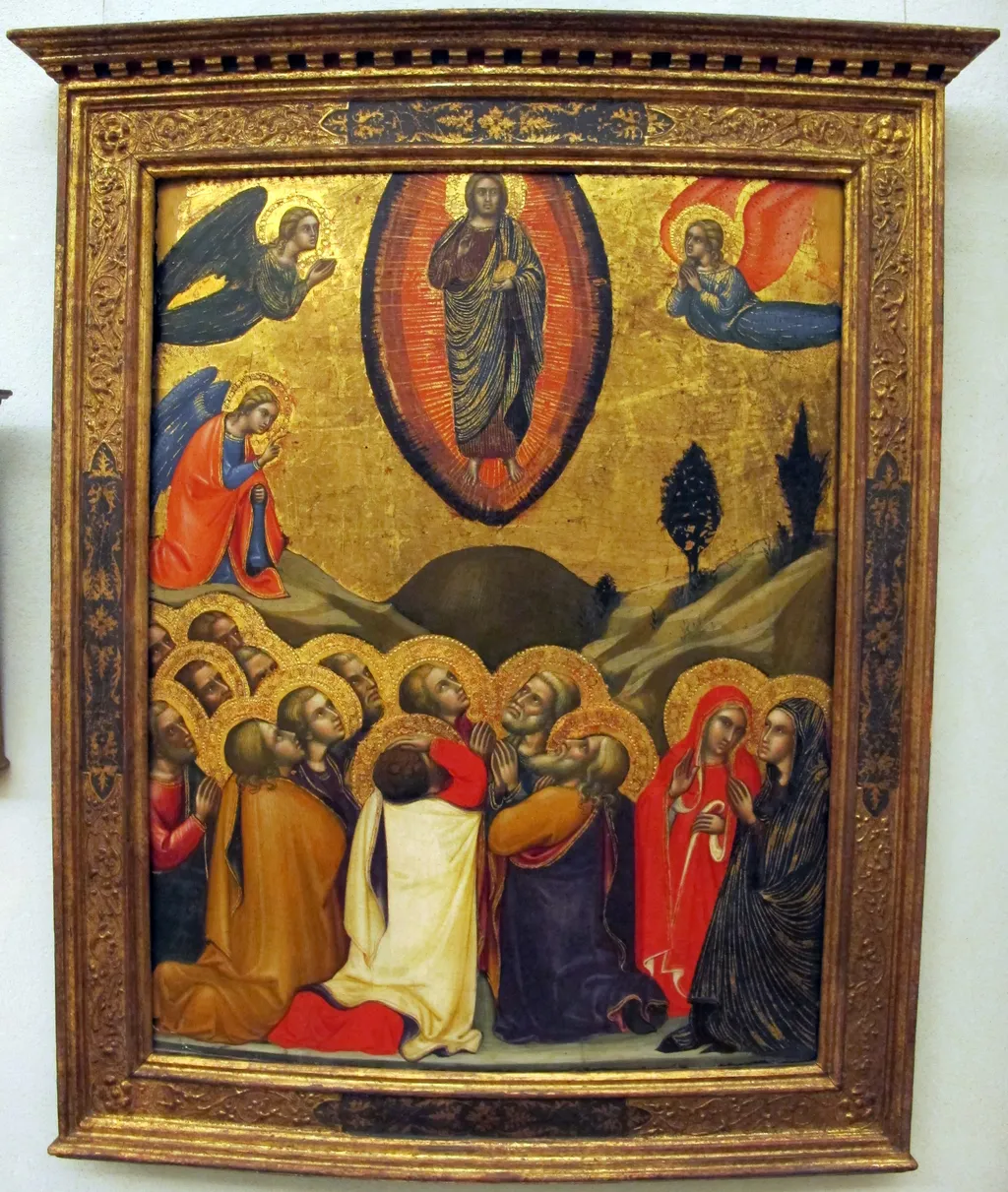
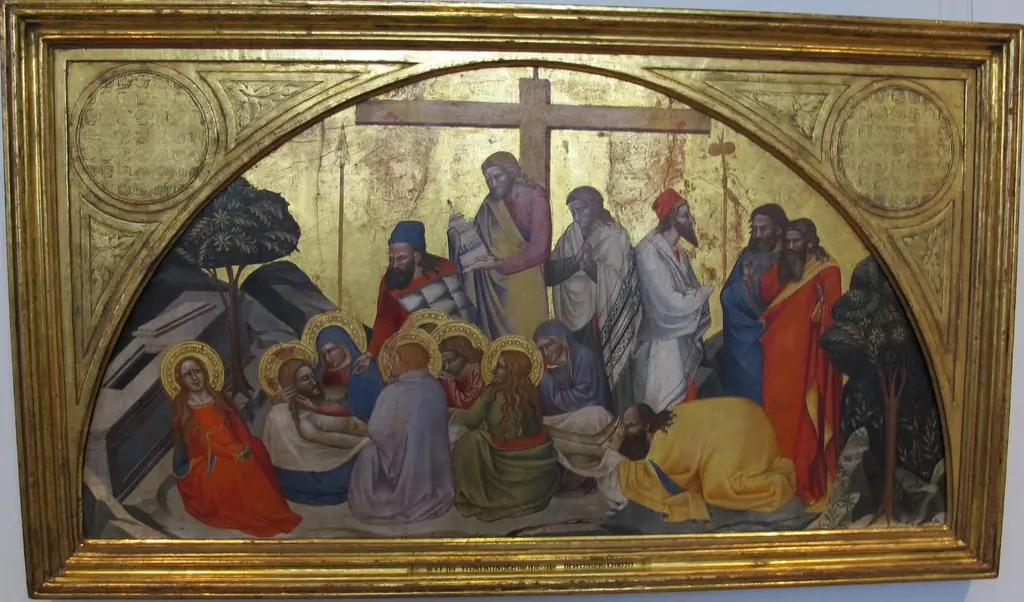
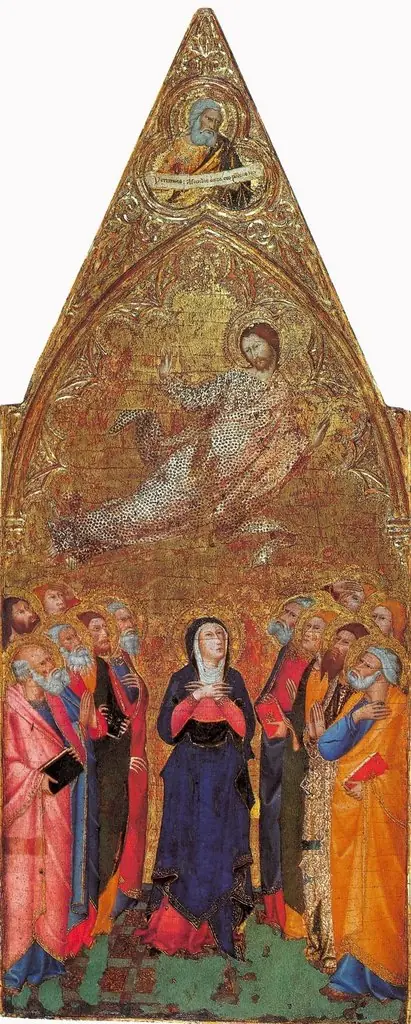
ascensione is an unspecified painting by the Byzantine icon painting artist Barnaba da Modena. It dates from 1350 and is held in the collection of the Capitoline Museums.
About this work
Overview
Ascensione is a 14th-century religious painting created by Barnaba da Modena around 1350. It is characterized by its adherence to Byzantine iconography and style, featuring a central religious figure surrounded by symbolic elements.
Subject & Meaning
The painting depicts the Ascension of Jesus, with Christ standing on a red oval (symbolizing heaven or ascension) at the center, encircled by a halo. Angels flank him, while a group of haloed figures below gaze upwards in reverence.
Technique & Style
Executed in the Byzantine style, Ascensione features a gold background, characteristic of Byzantine art's use of gold to represent the divine. The composition emphasizes flatness and formality, typical of the period's religious paintings.
History & Provenance
Created circa 1350 by Barnaba da Modena, an Italian painter active in northern Italy, Ascensione is now part of the collection at the Capitoline Museums.
Context
This work reflects the enduring influence of Byzantine artistic traditions in 14th-century Italy, particularly in religious themes and iconographic conventions.
Artist & collection
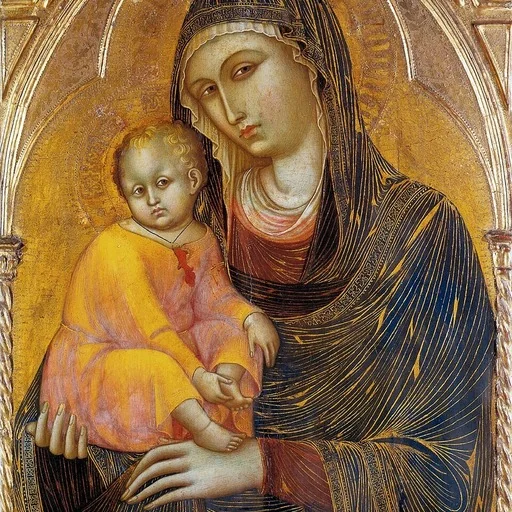
Artist
Barnaba da Modena (c. 1328-c.1386) was a mid-14th-century Italian painter who painted in the style of Byzantine art. He is considered the first Lombard painter of note and was active in Lombardy, Piedmont, and Pisa in Tuscany.