Artwork
Untitled
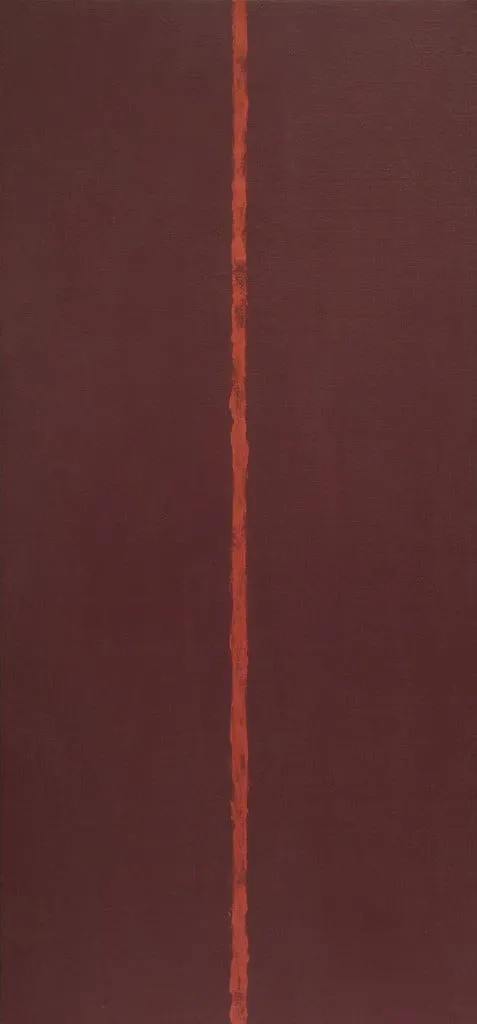
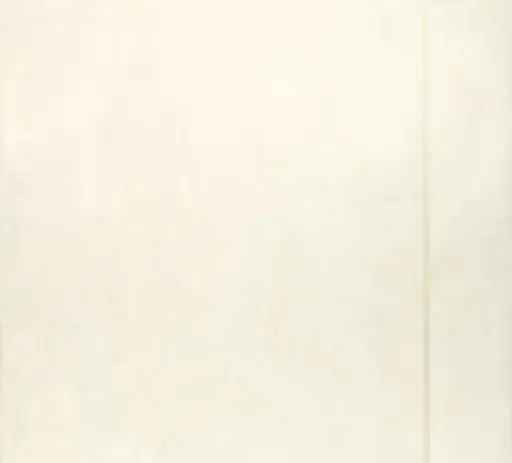
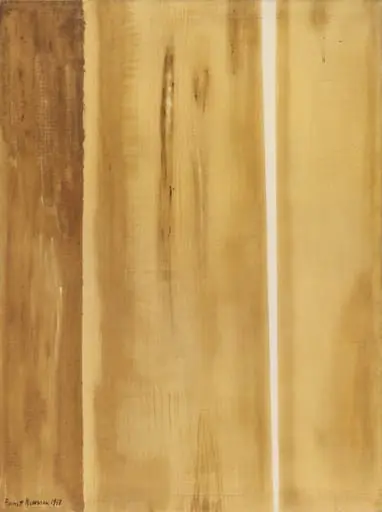
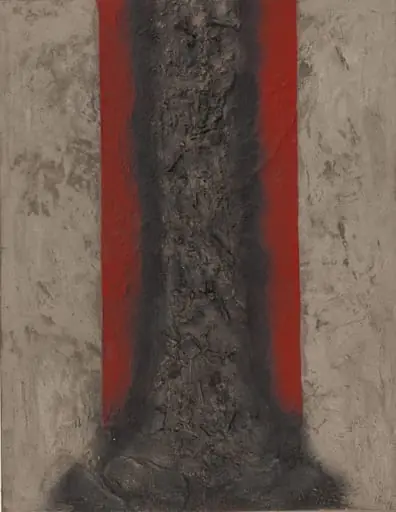
Untitled is an oil painting by the Abstract Expressionist artist Barnett Newman. It dates from 1949 and is held in the collection of the Museum of Modern Art.
About this work
Overview
It resides in the collection of The Museum of Modern Art, representing a pivotal moment in postwar American art where scale and color replaced narrative detail.
Barnett Newman painted this work in 1949 using oil on canvas, aligning with his exploration of abstraction through reduced visual elements. The piece is part of a series where he sought to evoke emotional and spatial presence through minimal composition. It resides in the collection of The Museum of Modern Art, representing a pivotal moment in postwar American art where scale and color replaced narrative detail.
Subject & Meaning
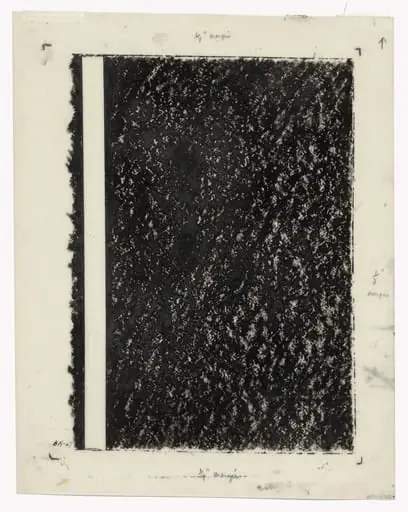
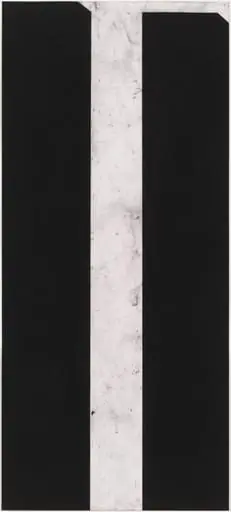
The painting offers no figurative subject, instead presenting a single vertical stripe—termed a 'zip' by Newman—on a monochromatic field. This stripe functions not as a line but as a division of space, suggesting boundaries between self and environment. The absence of other forms invites contemplation of presence, absence, and the viewer’s physical relationship to the canvas.
Technique & Style
Newman applied oil paint in broad, even washes for the background, then used a narrow brush to lay the central stripe by hand. The stripe’s irregular thickness and subtle wavering reveal the artist’s manual process, resisting mechanical precision. The paint is built up in places, creating slight relief, emphasizing materiality over illusion. This deliberate imperfection grounds the work in human gesture.
History & Provenance
Created in 1949, the painting entered The Museum of Modern Art’s collection shortly after its completion. It was produced during a period when Newman was refining his signature style, moving away from earlier symbolic imagery toward pure abstraction. The work has remained in institutional hands since acquisition, with no known private ownership prior to its museum acquisition.
Context
This painting emerged alongside other Color Field works by artists like Mark Rothko and Clyfford Still, who sought to transcend traditional composition through expansive color and scale. Newman’s approach differed in its use of the vertical stripe as a structural and metaphysical device. The work reflects postwar American interests in existential experience and the sublime, stripped of myth or narrative.
Legacy
The painting exemplifies Newman’s influence on minimalist and post-painterly abstraction. Its reduction of form inspired later artists to consider the canvas as a site for phenomenological experience rather than representation. Though visually simple, its impact resonates in contemporary discussions of perception, space, and the materiality of paint.
Artist & collection
Artist
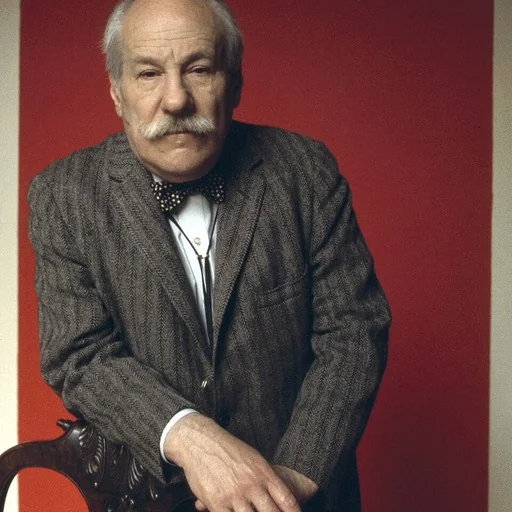
Barnett Newman (January 29, 1905 – July 4, 1970) was an American painter. He has been critically regarded as one of the major figures of abstract expressionism, and one of the foremost color field painters. His…