Artwork
Portrait of a Woman
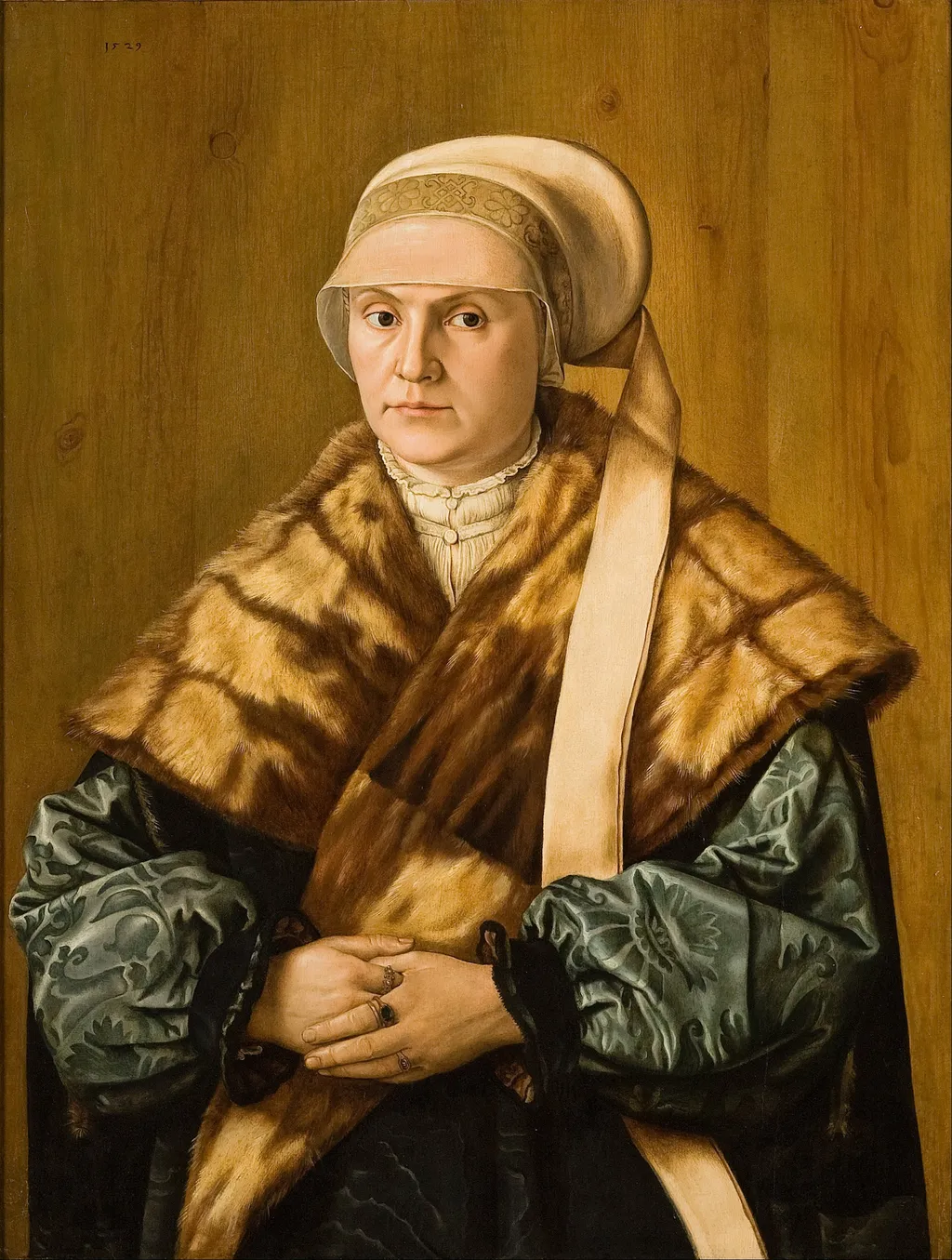
Portrait of a Woman is an oil painting by the Northern Renaissance artist Barthel Beham. It dates from 1529 and is held in the collection of the Denver Art Museum.
About this work
Overview
Executed with restrained palette and precise detail, the work reflects the Northern Renaissance tradition of intimate, unadorned portraiture.
Painted in 1529 by Barthel Beham, this oil portrait captures a woman in quiet stillness. Executed with restrained palette and precise detail, the work reflects the Northern Renaissance tradition of intimate, unadorned portraiture. The subject is rendered against a plain wooden backdrop, emphasizing her presence without distraction. The painting resides in the Denver Art Museum’s collection, where it contributes to the study of early 16th-century German portraiture.
Subject & Meaning
The woman is depicted with a composed, direct gaze and hands gently clasped, suggesting dignity and self-possession. Her attire—dark fur-trimmed coat and light-patterned headscarf—indicates modest affluence, typical of urban middle-class women in German-speaking regions. The absence of jewelry or symbolic objects points to a focus on character rather than status, aligning with Protestant values of simplicity emerging in the period.
Technique & Style
Beham employed fine brushwork to render textures: the weave of the scarf, the nap of fur, and the grain of the wooden panel are rendered with quiet precision. Colors are subdued—ochres, browns, and muted greens—creating a somber, contemplative tone. The background is deliberately unembellished, drawing attention to the subject’s face and hands. The composition is frontal and balanced, typical of Northern European portraiture of the era.
History & Provenance
The painting’s early history is undocumented, but it entered the Denver Art Museum’s collection in the 20th century. It is attributed to Barthel Beham based on stylistic parallels with his other known works, particularly his small-scale portraits from the late 1520s. No records of prior ownership or commission survive, leaving its original context speculative, though its quality suggests it was made for a private patron.
Context
Created during the early Reformation, this portrait reflects a shift away from religious iconography toward secular individualism. German artists like Beham increasingly focused on ordinary people, capturing their presence with psychological subtlety. The restrained aesthetic mirrors Protestant ideals that valued modesty and inner virtue over outward display, making this work part of a broader cultural turn in Northern Europe.
Legacy
Though not widely exhibited, the portrait remains a significant example of Beham’s skill in conveying quiet dignity through minimal means. It contributes to scholarly understanding of how non-noble subjects were portrayed in early 16th-century Germany. Its preservation in a major American museum ensures continued access for study, offering insight into the visual culture of a transformative historical moment.
Own this work as a print
Artist & collection

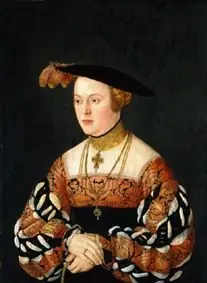 Portrait of Marie of Baden
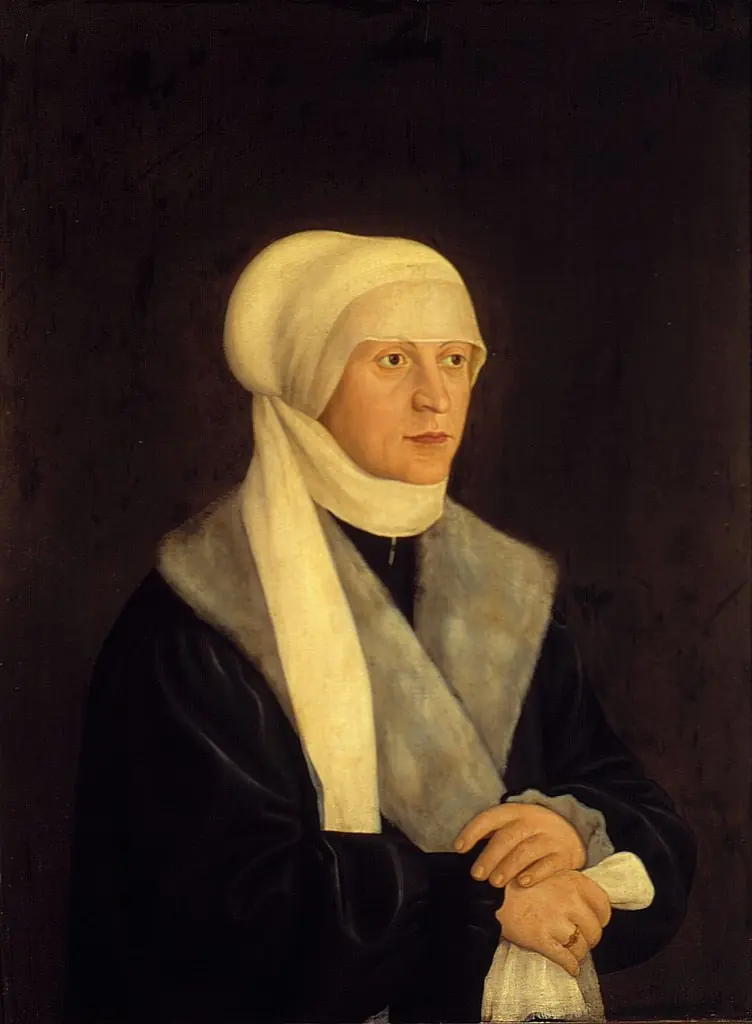 Portrait of Sabina of Bavaria
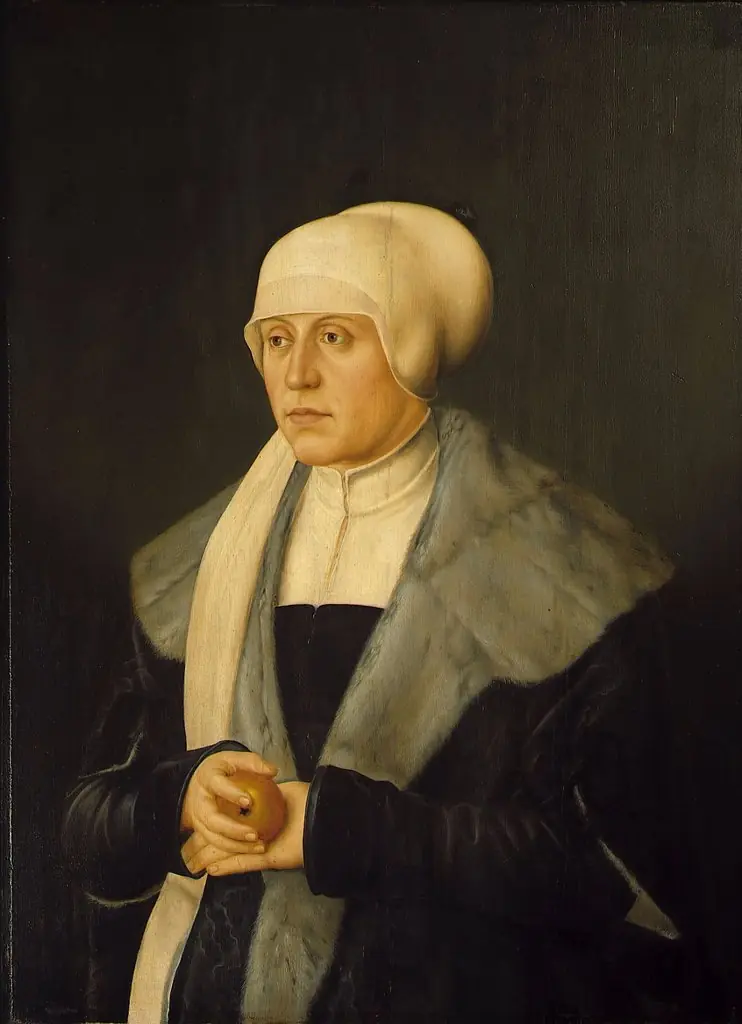 Kunigunde of Austria, wife of Duke Albrecht IV of Bavaria
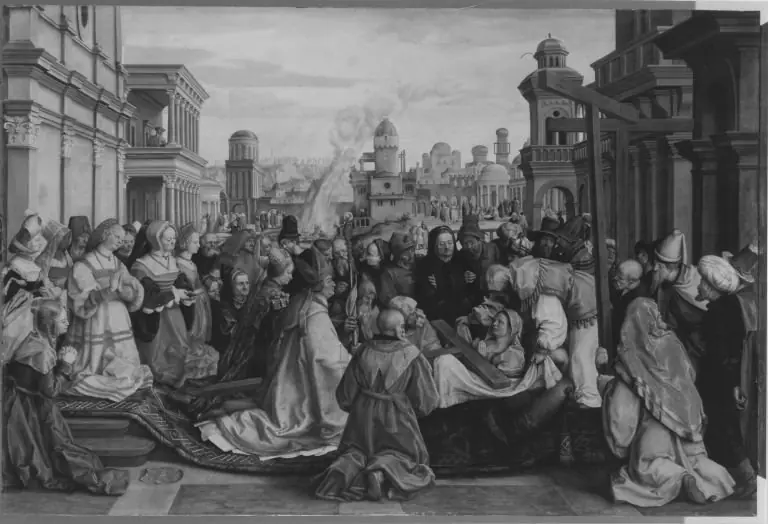 Historienzyklus: Kreuzauffindung der hl. Helena
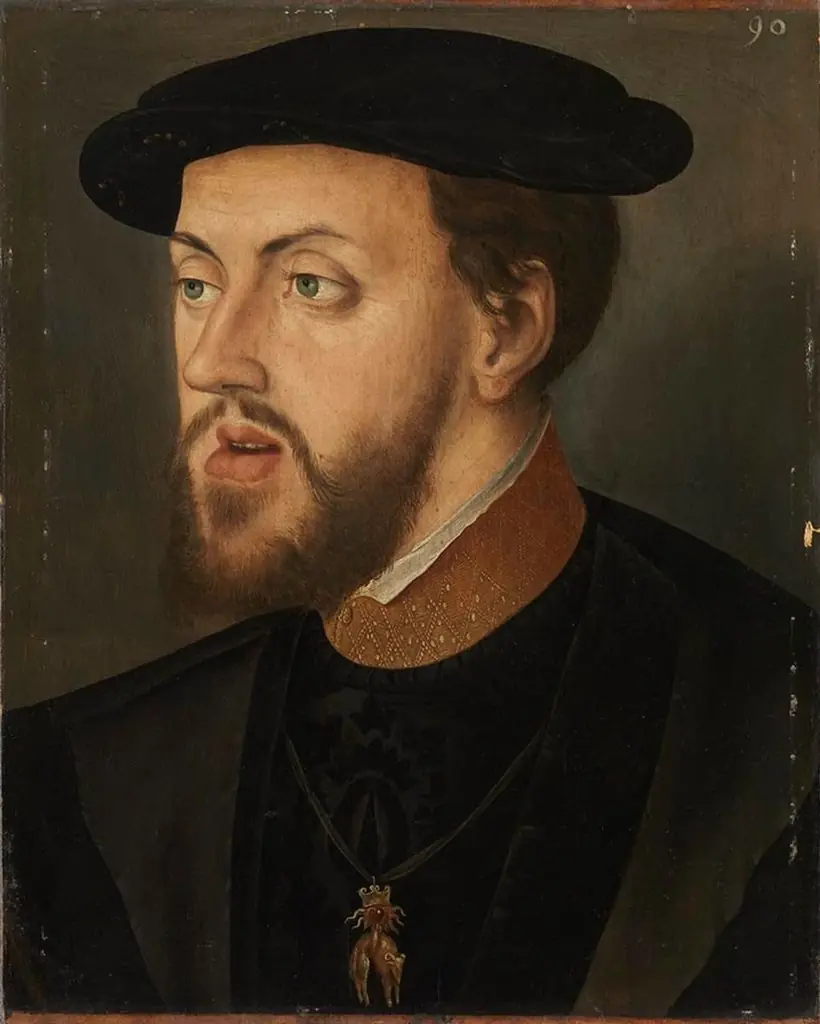 Emperor Charles V
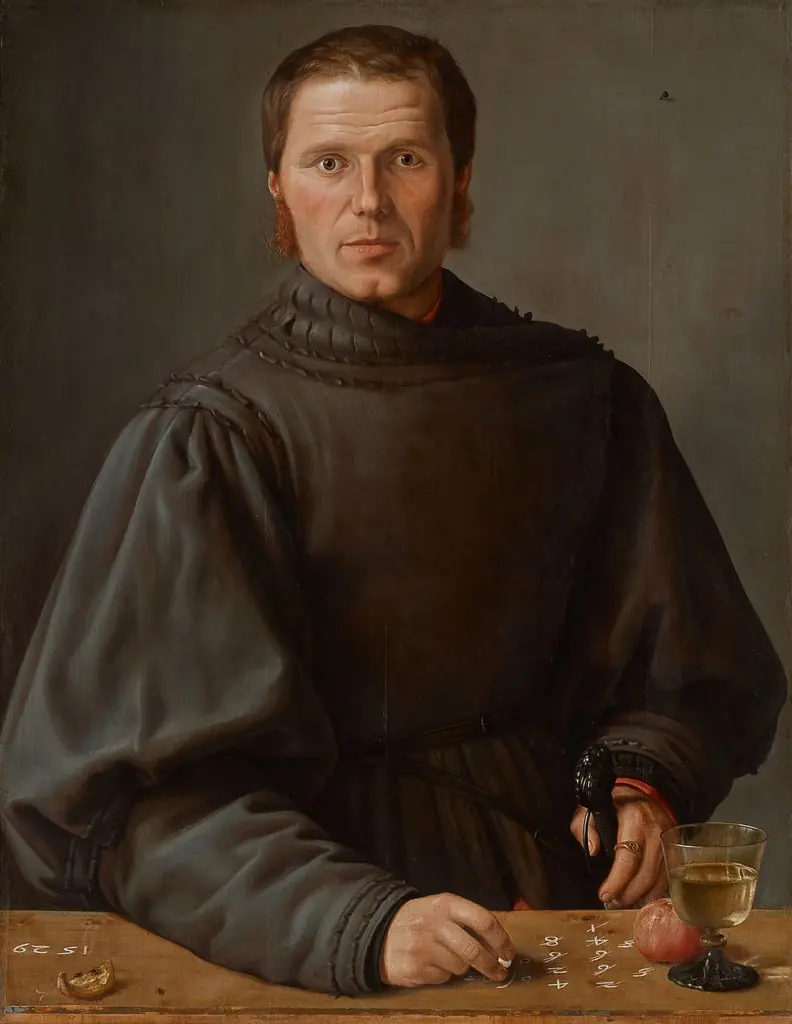 Portrait of a Man
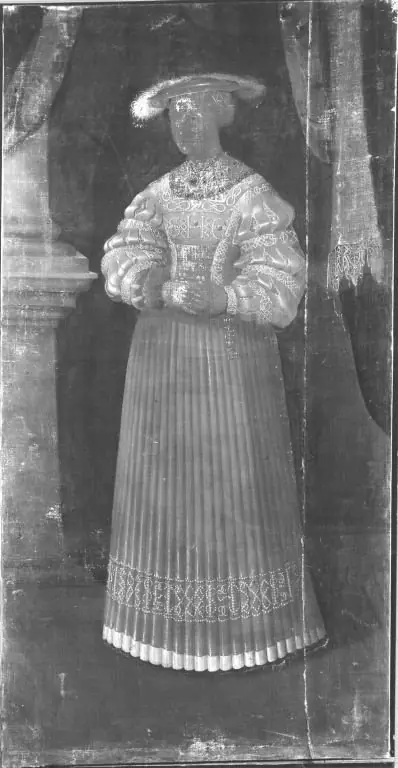 Susanna von Brandenburg, Gemahlin Ottheinrichs (Seitenverkehrte Kopie nach Inv.-Nr. 2450) (Kopie nach)
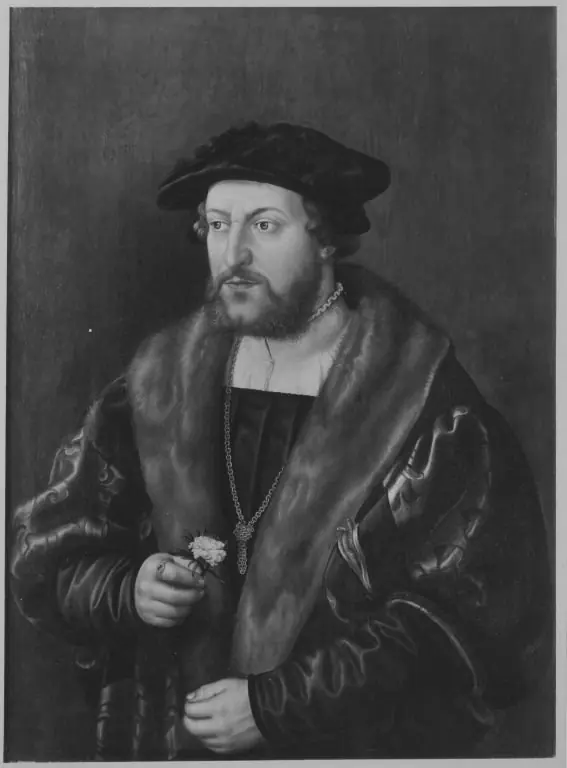 Portrait of Herzog Johann III, Paltzgraf bei Rhein (1488-1538)
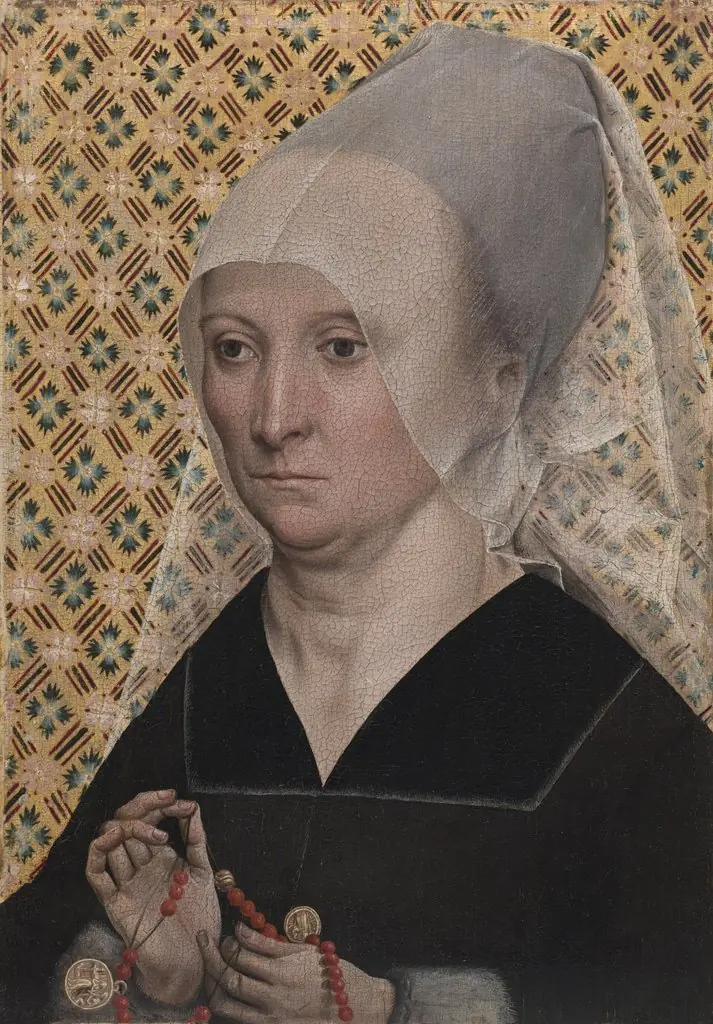 Portrait of a Woman
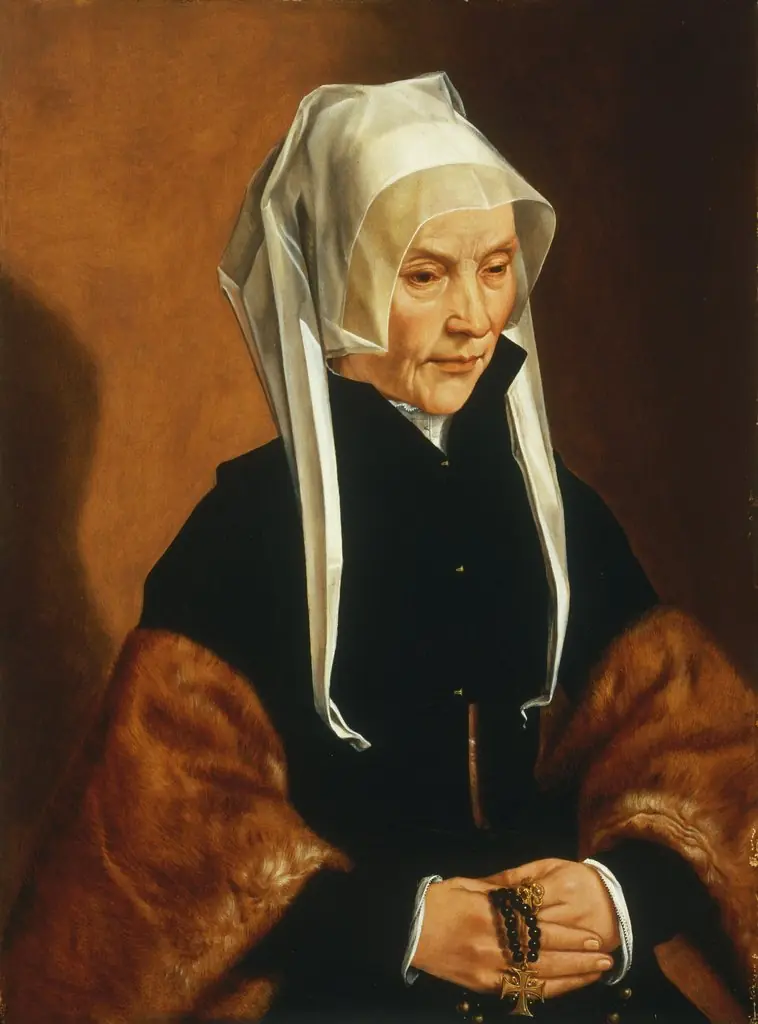 Portrait of Sophia van Amerongen
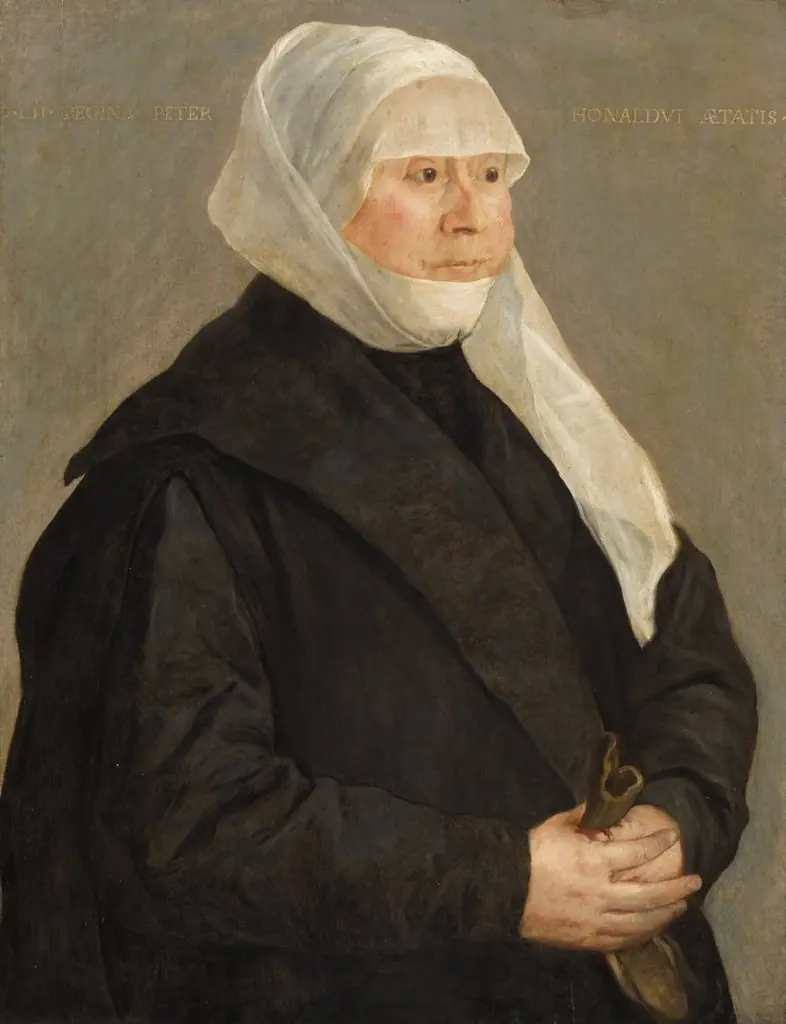 Regina von Stetten (1499-1562), Gemahlin des Peter Honold
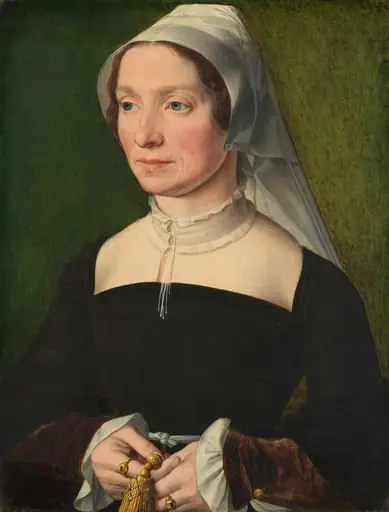 Wife of a Member of the de Hondecoeter Family
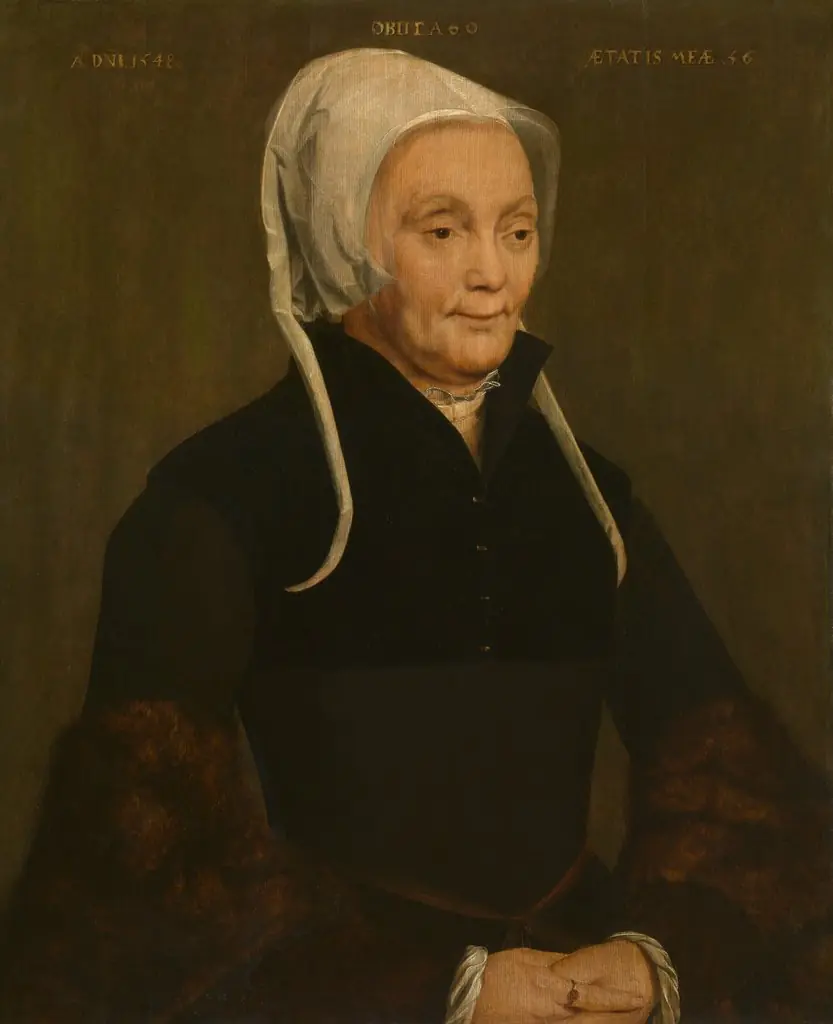 Portrait of a Woman
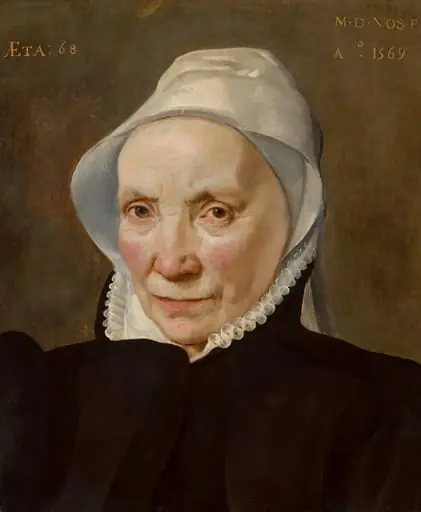 Portrait of a Woman Aged Sixty-Eight
 Portrait of a Seated Woman
 Portrait of a woman from southern Germany
 Portrait of a Young Woman
 Portrait of Anne Fernely, pendant to Sir Thomas Gresham