Artwork
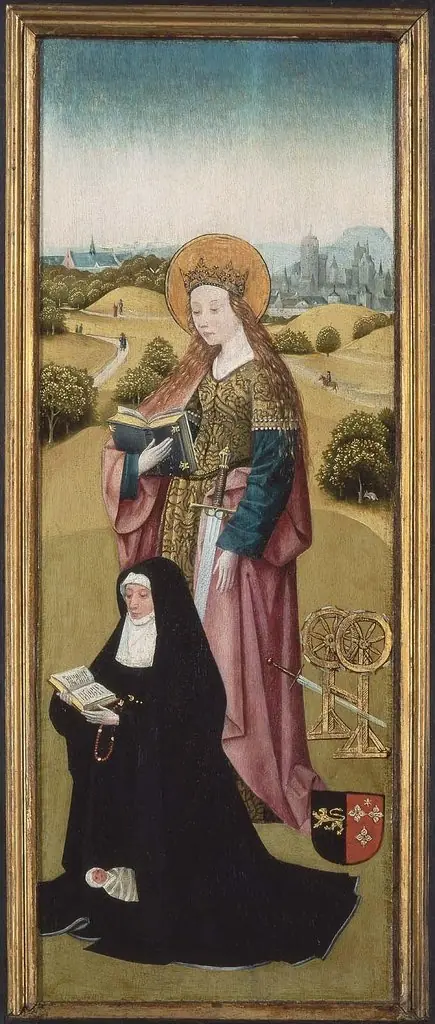
Kreuzigungsaltar: Hl. Agnes und Stifterin
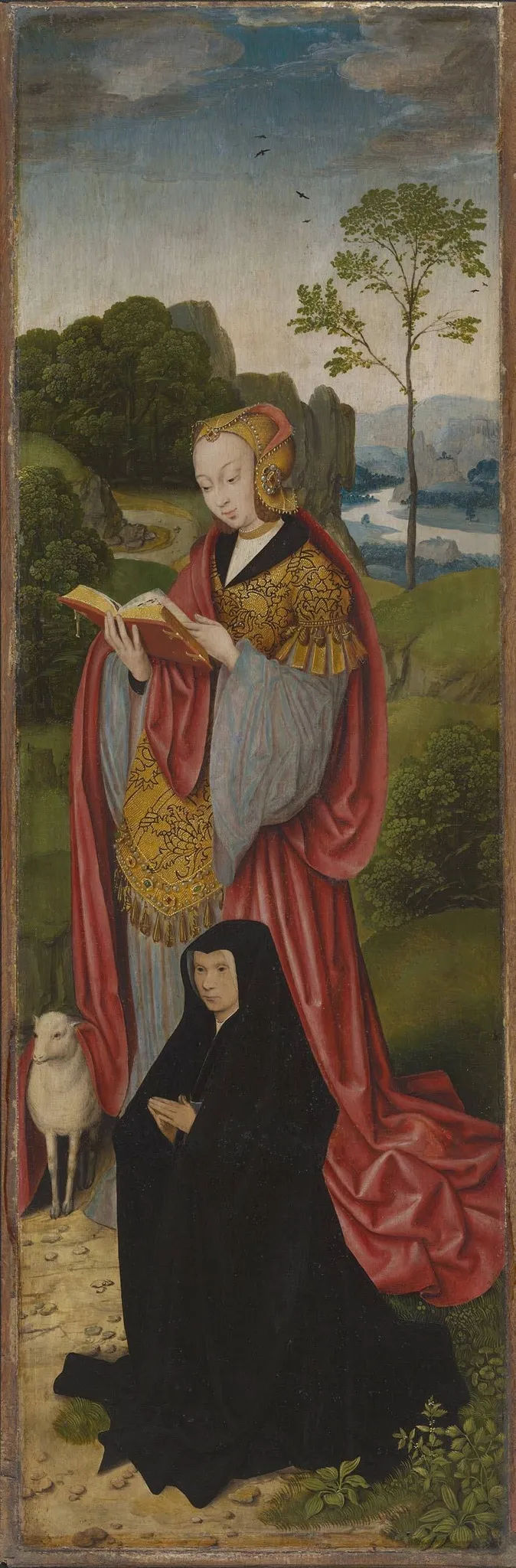
Kreuzigungsaltar: Hl. Agnes und Stifterin is an unspecified painting by the Northern Renaissance artist Bartholomaeus Bruyn the Elder. It dates from 1517 and is held in the collection of the Bavarian State Painting Collections. Created in 1517 by Bartholomäus Bruyn the Elder, this panel belongs to the Alte Pinakothek’s collection.
About this work
Overview
Created in 1517 by Bartholomäus Bruyn the Elder, this panel belongs to the Alte Pinakothek’s collection. Executed in the Northern Renaissance idiom, the work presents a compact religious tableau that foregrounds two female figures against a gently rolling landscape of trees, hills and a river.
Subject & Meaning
The composition features a woman in vivid red and gold garments holding an open book, suggesting a role of learning or devotion, while a second figure in a dark cloak stands beside a small white lamb, a traditional symbol of innocence and sacrifice. Their interaction hints at a narrative involving Saint Agnes and a patroness, linking sanctity with personal piety.
Technique & Style
Bruyn employs the precise, linear modeling characteristic of Cologne’s early sixteenth‑century painting, with careful attention to surface texture and the reflective qualities of fabrics. The bright palette of the foreground contrasts with the muted greens and blues of the background, creating depth through atmospheric perspective while maintaining the detailed realism typical of the Northern Renaissance.
History & Provenance
The altarpiece was produced for a local ecclesiastical setting in Cologne and later entered the holdings of the Alte Pinakothek, where it has been displayed as part of the museum’s German Renaissance collection. Its documented provenance traces back to the artist’s workshop and subsequent acquisitions by Bavarian collectors in the nineteenth century.
Context
Bartholomäus Bruyn the Elder was a pre‑eminent portraitist and altarpiece painter in early sixteenth‑century Cologne, a city that served as a cultural bridge between the Netherlandish and German artistic traditions. This work reflects the period’s devotional trends, where patrons commissioned intimate religious scenes that combined personal identification with established saintly iconography.
Artist & collection
Artist
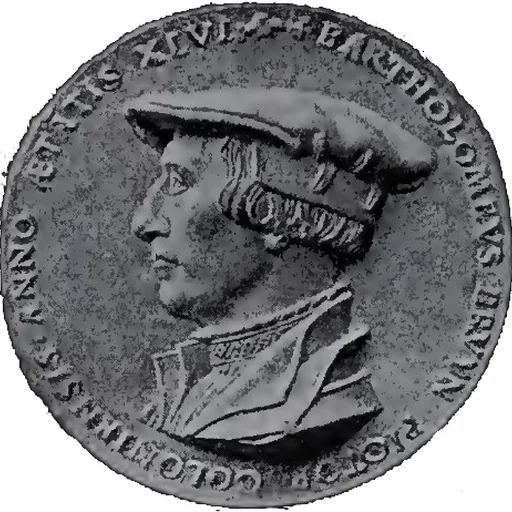
Bartholomäus Bruyn (1493–1555), usually called Barthel Bruyn or Barthel Bruyn the Elder, was a German Renaissance painter active in Cologne. He painted altarpieces and portraits, and was Cologne's foremost portrait painter of his day.

 Portrait of a Man
 Portrait of a Man
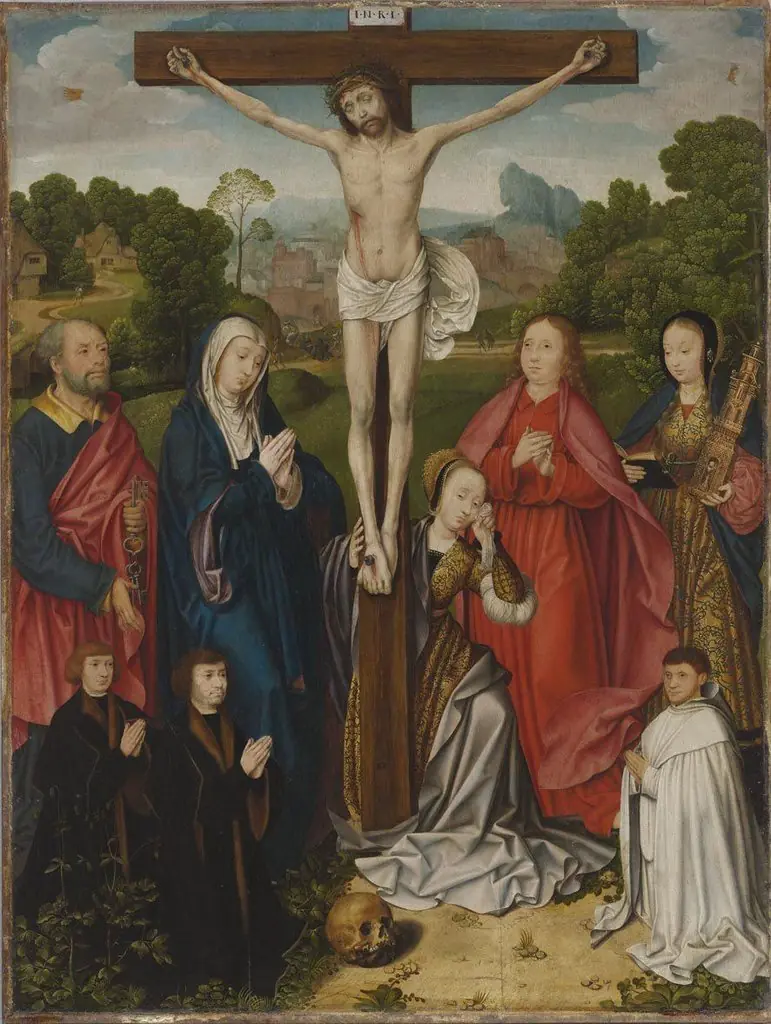 Christ on the cross with the saints Peter, Mary, Mary Magdalene, John the Evangelist and Barbara, with three donors
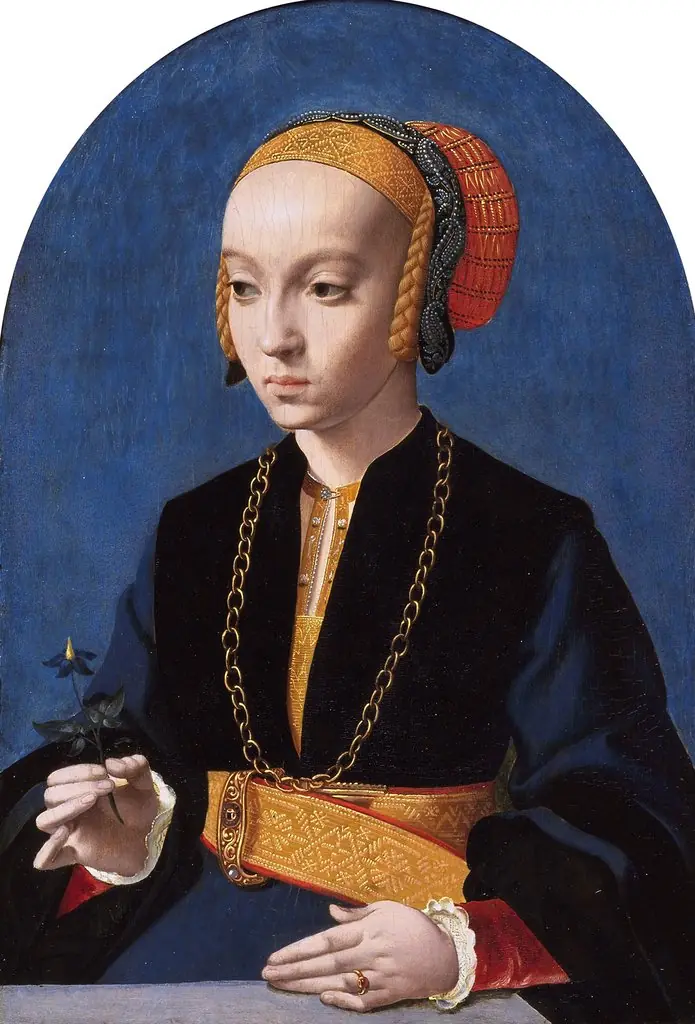 Portrait of Elisabeth Bellinghausen
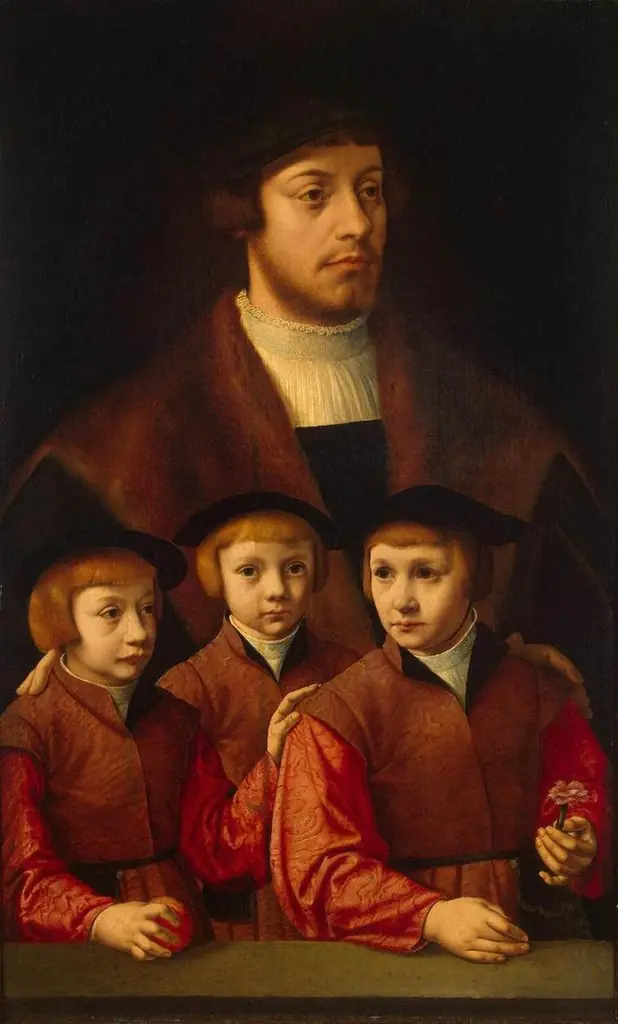 Portrait of a Man and His Three Sons
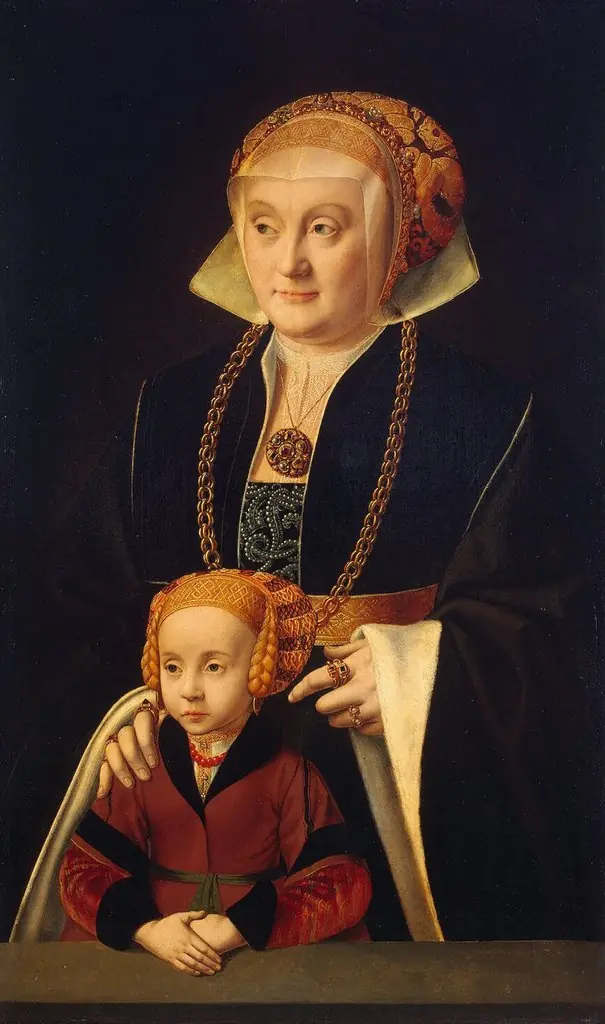 Portrait of a Lady and Her Daughter
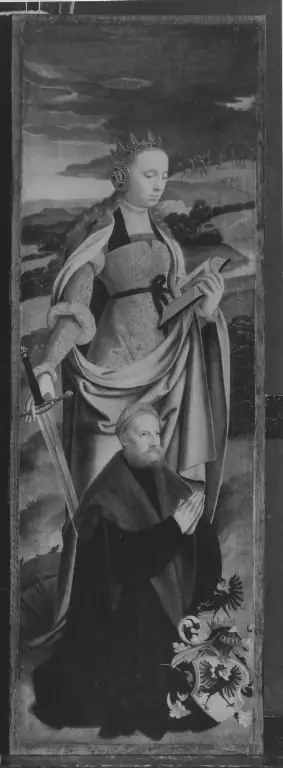 Rinck-Altar II:Saint Catherine with donor Hermann Rinck
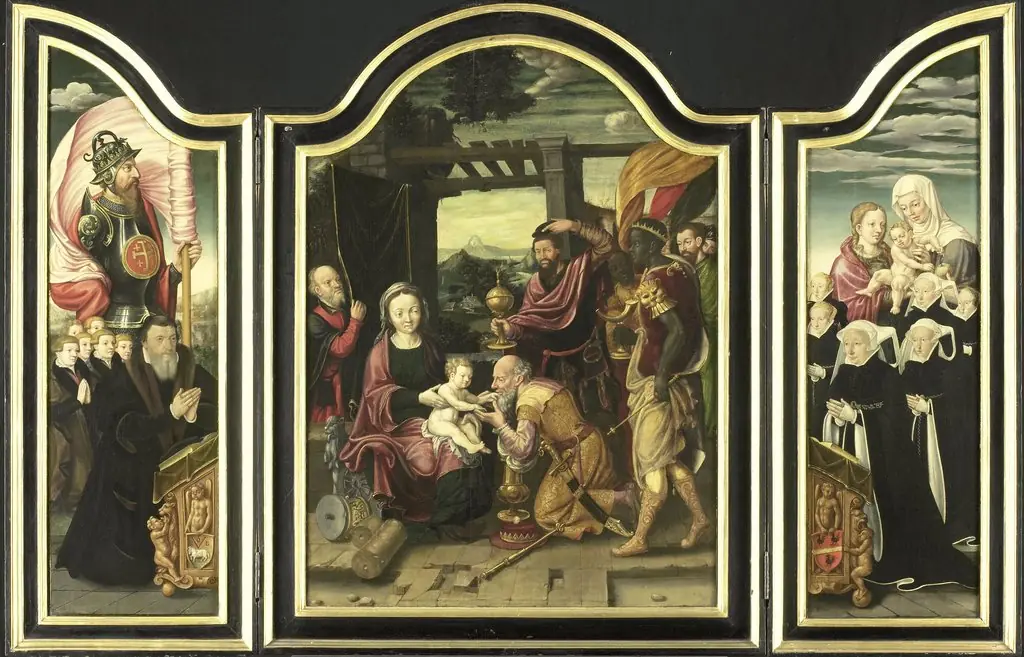 Triptych with the Adoration of the Magi
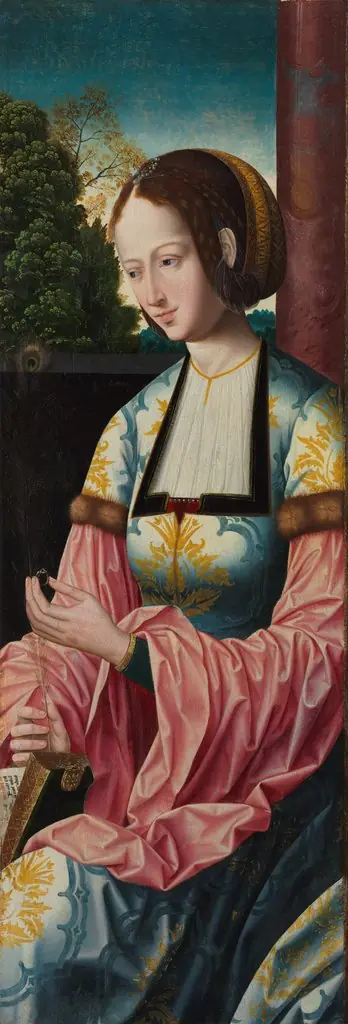 Saint Barbara
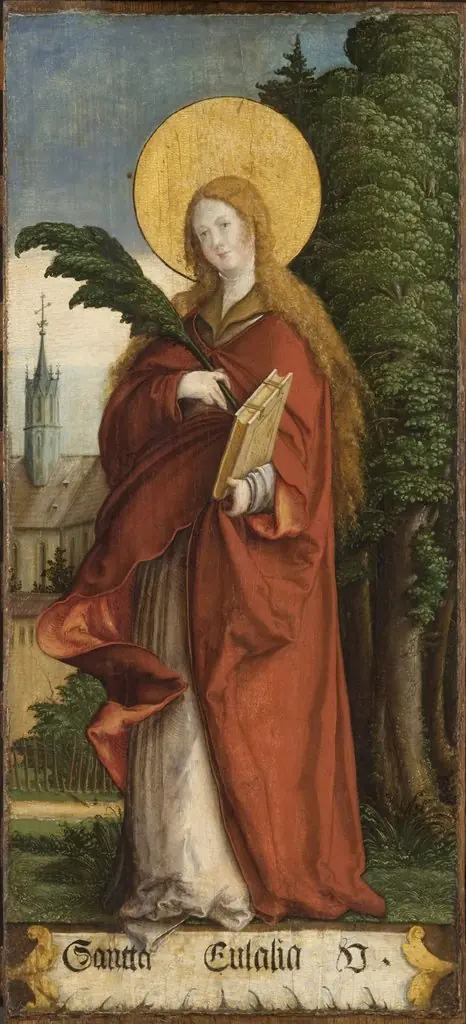 Saint Eulalia
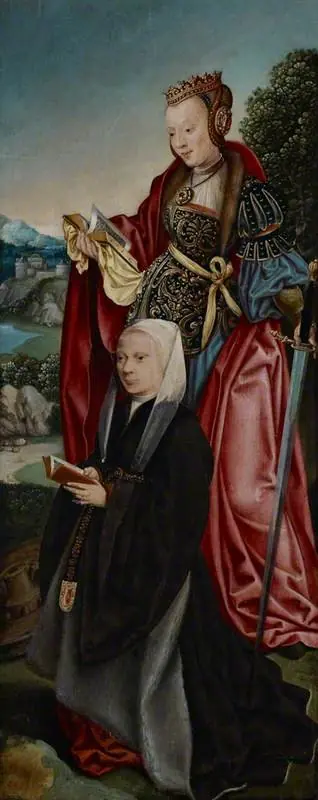 Saint Catherine and the Donor's Wife
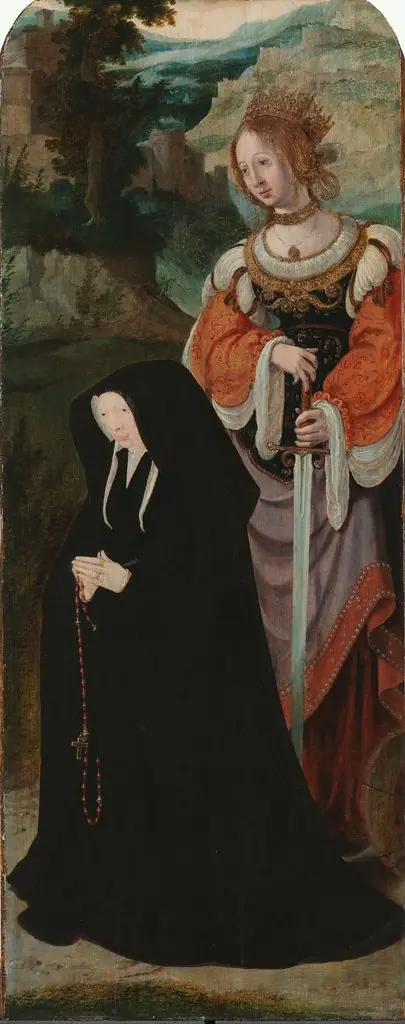 Wing of Lazarus tritptych with donor and Saint Catharine
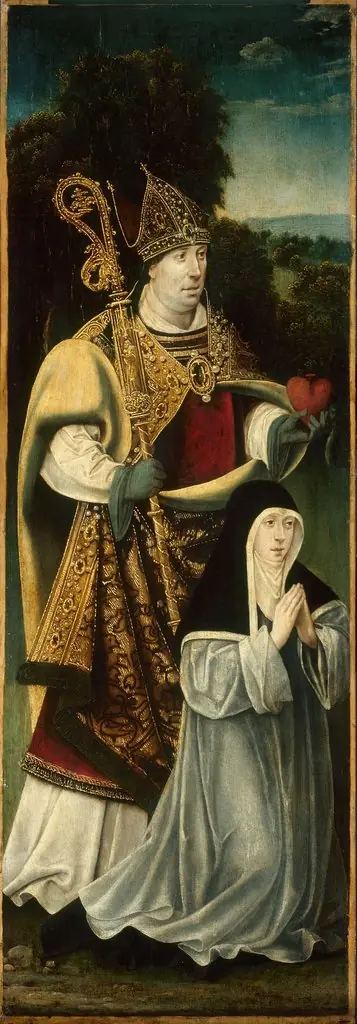 Saint Augustine and an Augustinian Canoness
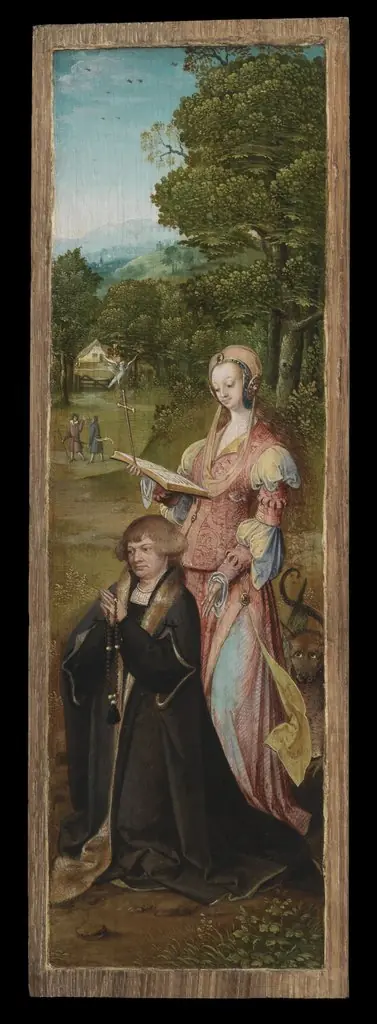 Saint Margaret of Antioch
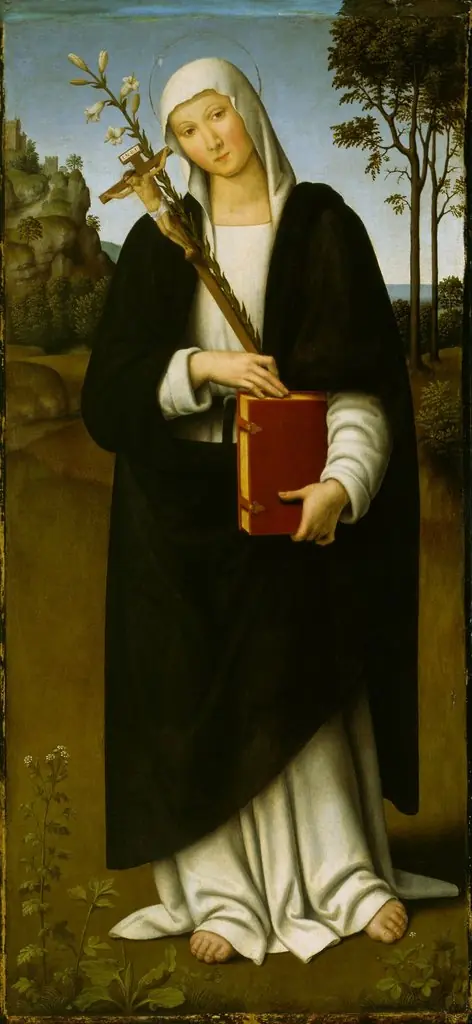 Saint Catherine of Siena
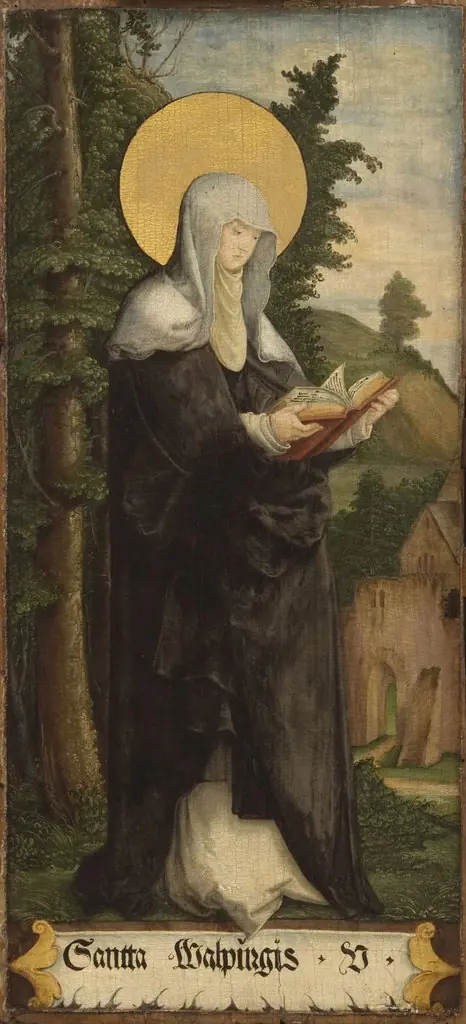 Saint Walpurgis
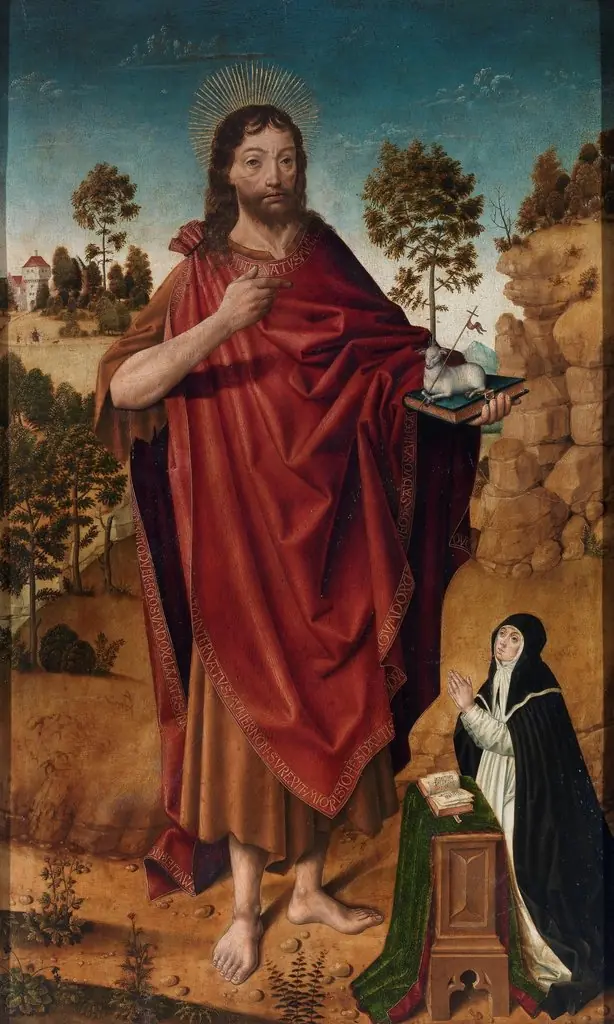 Saint John the Baptist and a Donor
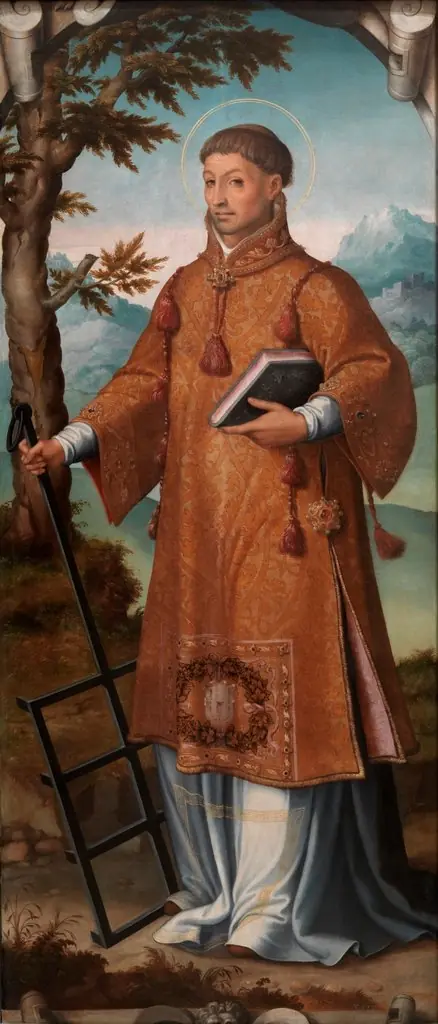 Saint Lawrence
 Heilwich van der Rullen and Her Daughters with Saint Mary Magdalen (outer face); Hendrixke van Langhel and Her Deceased Child with Saint Catherine (inner face)
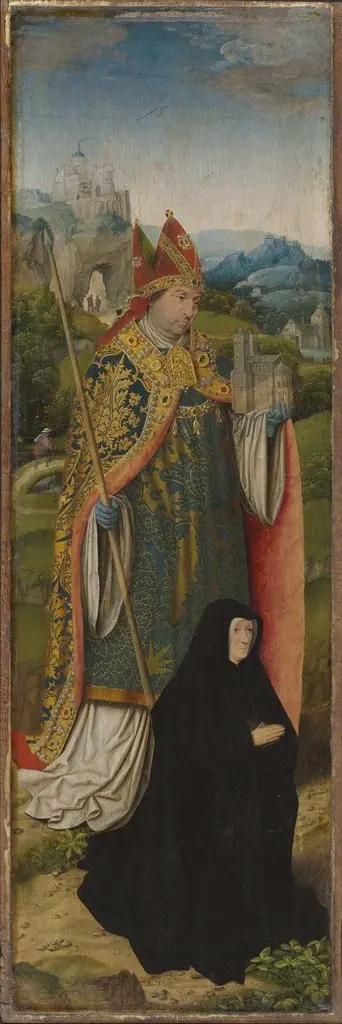 Kreuzigungsaltar: Hl. Bischof (Lambertus von Lüttich?) mit Stifterin