Artwork
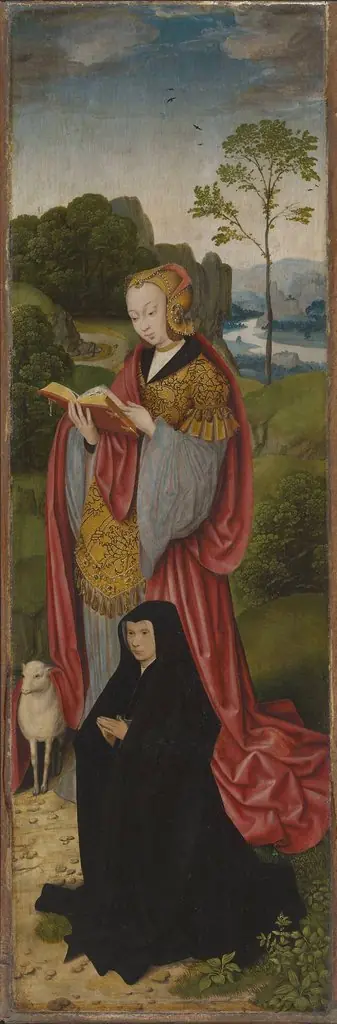
Kreuzigungsaltar: Hl. Bischof (Lambertus von Lüttich?) mit Stifterin
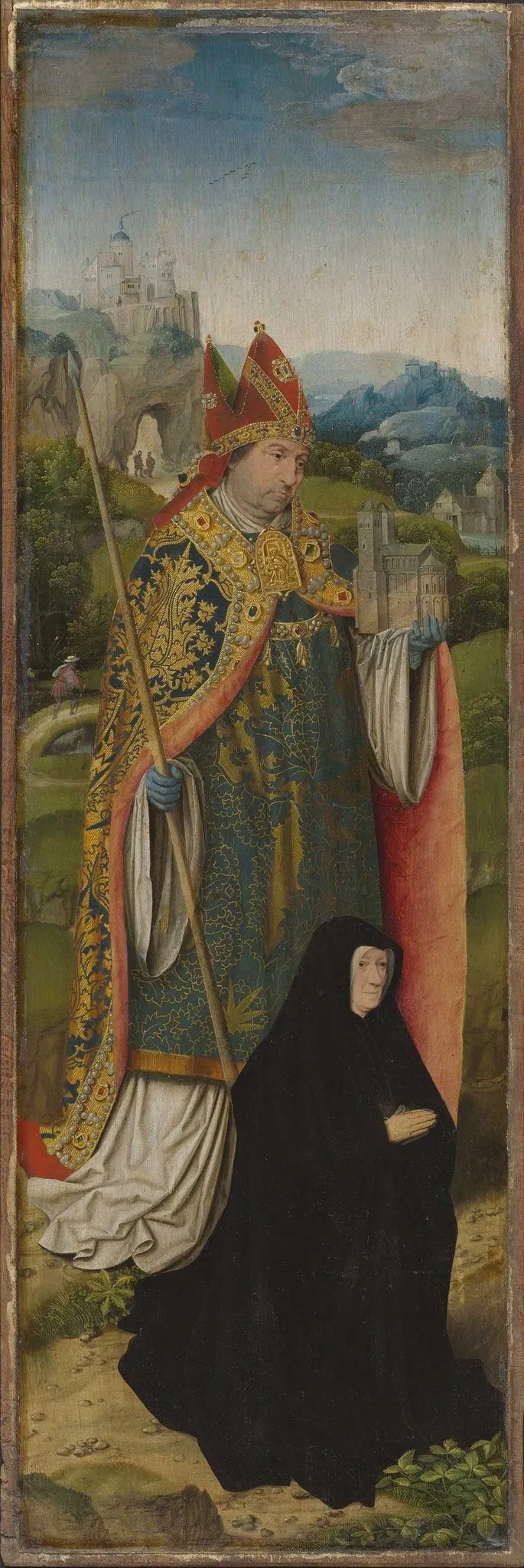
Kreuzigungsaltar: Hl. Bischof (Lambertus von Lüttich?) mit Stifterin is an unspecified painting by Bartholomaeus Bruyn the Elder. It is held in the collection of the Bavarian State Painting Collections.
About this work
Overview
This diptych, painted by Bartholomaeus Bruyn the Elder in the early 16th century, forms part of a devotional altarpiece.
This diptych, painted by Bartholomaeus Bruyn the Elder in the early 16th century, forms part of a devotional altarpiece. It pairs two distinct scenes: a saintly bishop on the left and a kneeling female donor on the right. Executed in oil on panel, the work reflects Bruyn’s mastery in combining religious symbolism with intimate portraiture, characteristic of his Cologne-based practice during the German Renaissance.
Subject & Meaning
The left panel portrays a bishop, traditionally identified as Saint Lambert of Liège, holding a pastoral staff and a model of a church, symbolizing his episcopal authority and patronage. To the right, a woman in somber attire kneels in prayer, her gaze directed toward the saint. The composition suggests intercession—where the donor seeks spiritual favor through the saint’s mediation, reinforcing the devotional function of the panel.
Technique & Style
Bruyn renders the bishop’s vestments with meticulous attention to texture and pattern, using fine brushwork to depict gold embroidery on deep blue and red fabrics. The donor’s face is rendered with subtle modeling, conveying quiet reverence. The landscape background, though simplified, provides spatial depth through soft atmospheric perspective. The contrast between ornate ecclesiastical dress and the donor’s plain attire underscores hierarchical spiritual relationships.
History & Provenance
The diptych was likely commissioned for private devotion or a chapel altar, common among wealthy patrons in Rhineland cities. It entered the collection of the Alte Pinakothek in Munich, where it remains today. Its survival as a single panel from a larger altarpiece suggests partial disassembly over time, possibly during secularization or reorganization of religious collections in the 18th or 19th centuries.
Context
Created during a period of religious transition in the Holy Roman Empire, the painting reflects enduring Catholic devotional practices even as Reformation ideas spread. Bruyn’s focus on identifiable saints and donor portraits aligns with regional traditions in Cologne, where artists blended Northern European realism with late medieval iconography to serve both spiritual and social functions.
Legacy
Bruyn’s work, including this diptych, exemplifies the transition from medieval altarpiece conventions to Renaissance portraiture. His ability to capture individual expression within sacred narratives influenced later German painters. Though not widely known outside specialist circles, this piece remains a significant example of early 16th-century devotional art in the Rhineland.
Artist & collection

Artist
Bartholomäus Bruyn (1493–1555), usually called Barthel Bruyn or Barthel Bruyn the Elder, was a German Renaissance painter active in Cologne. He painted altarpieces and portraits, and was Cologne's foremost portrait painter of his day.

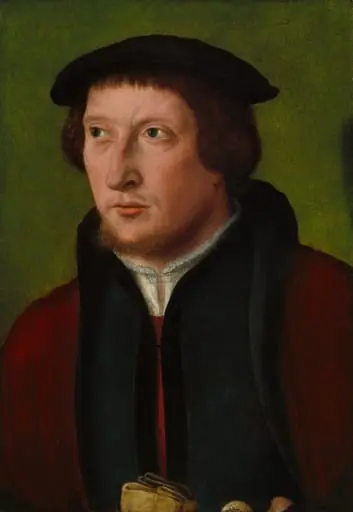 Portrait of a Man
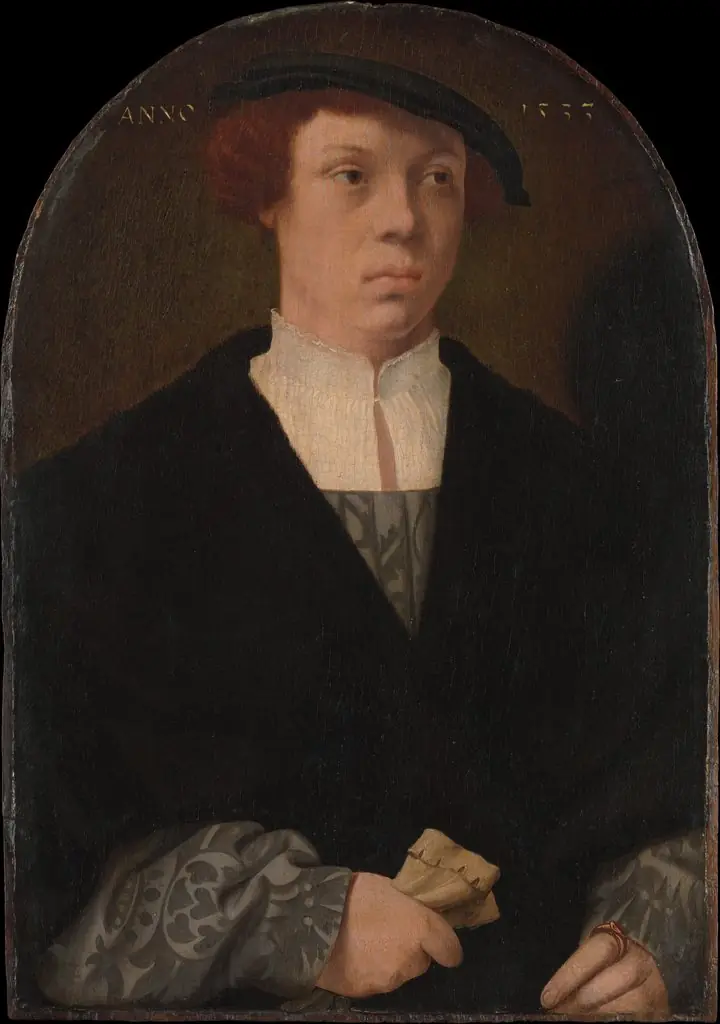 Portrait of a Man
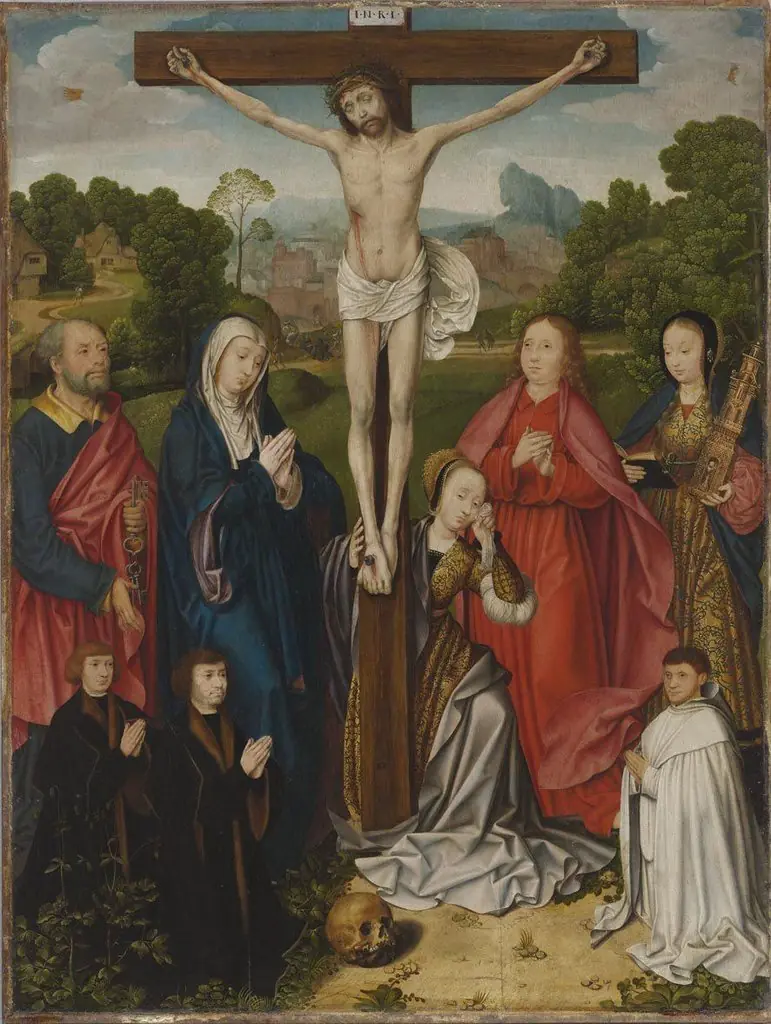 Christ on the cross with the saints Peter, Mary, Mary Magdalene, John the Evangelist and Barbara, with three donors
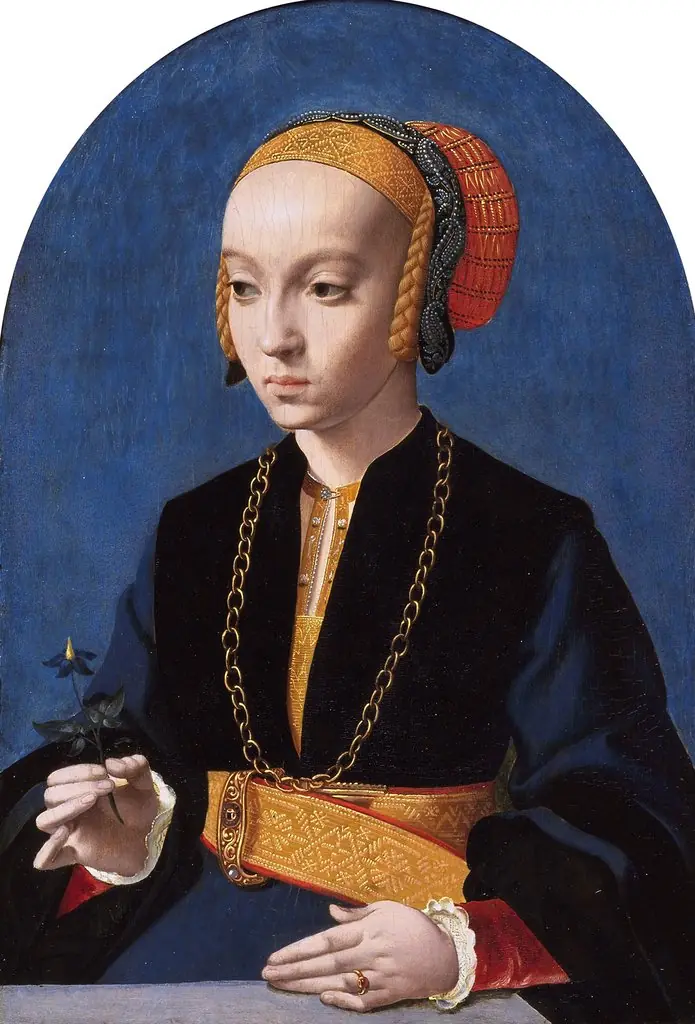 Portrait of Elisabeth Bellinghausen
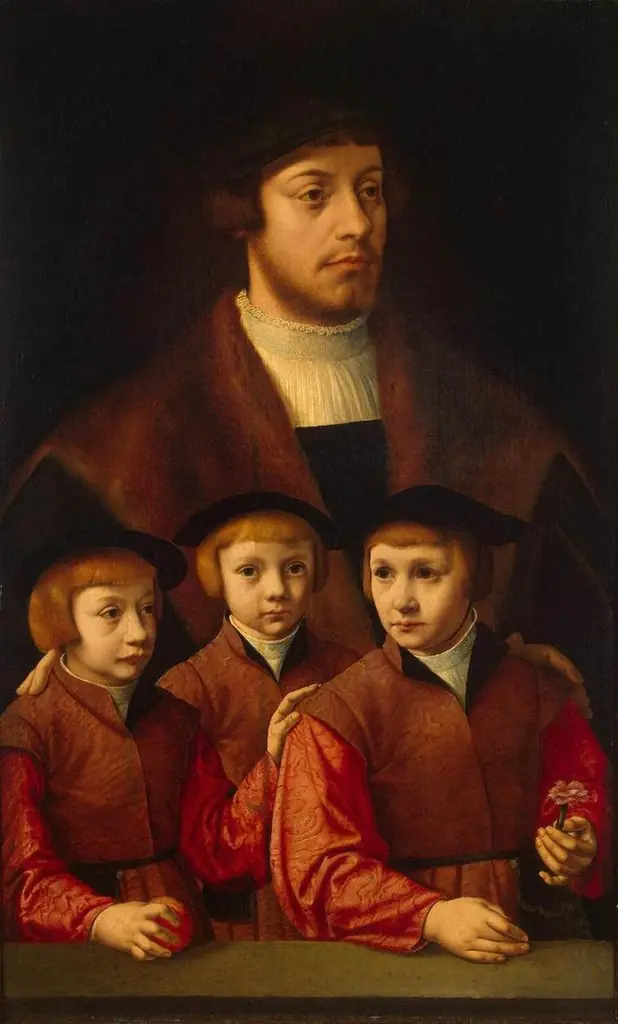 Portrait of a Man and His Three Sons
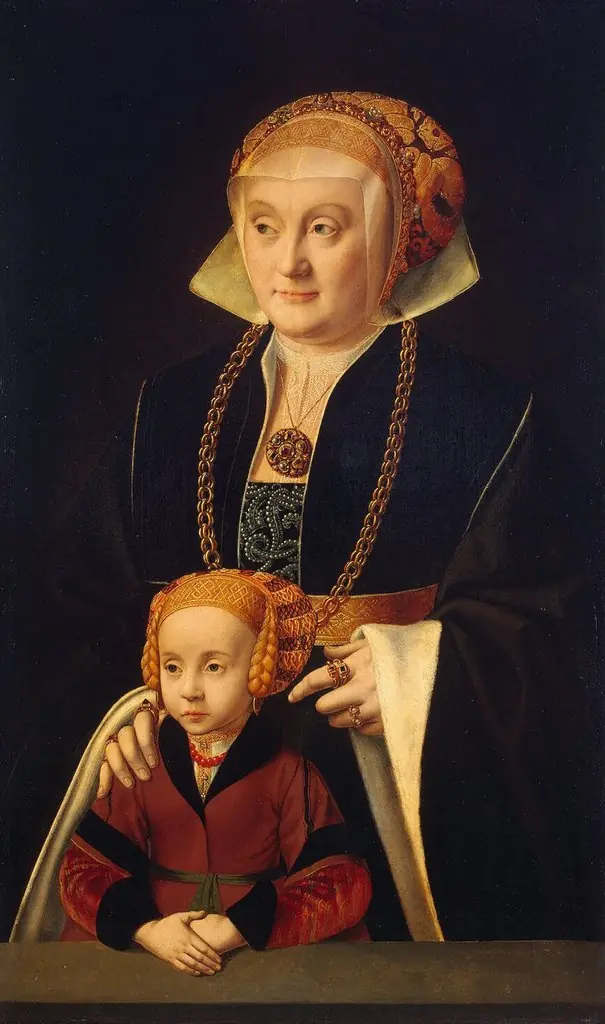 Portrait of a Lady and Her Daughter
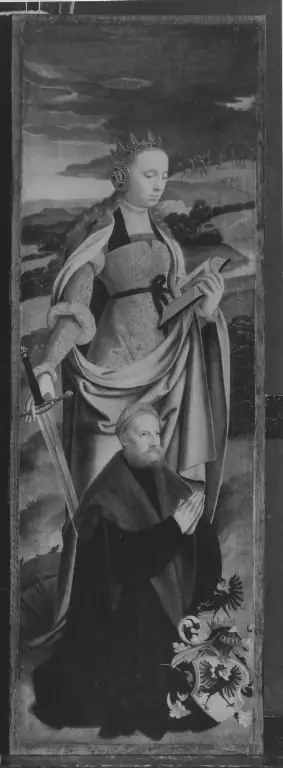 Rinck-Altar II:Saint Catherine with donor Hermann Rinck
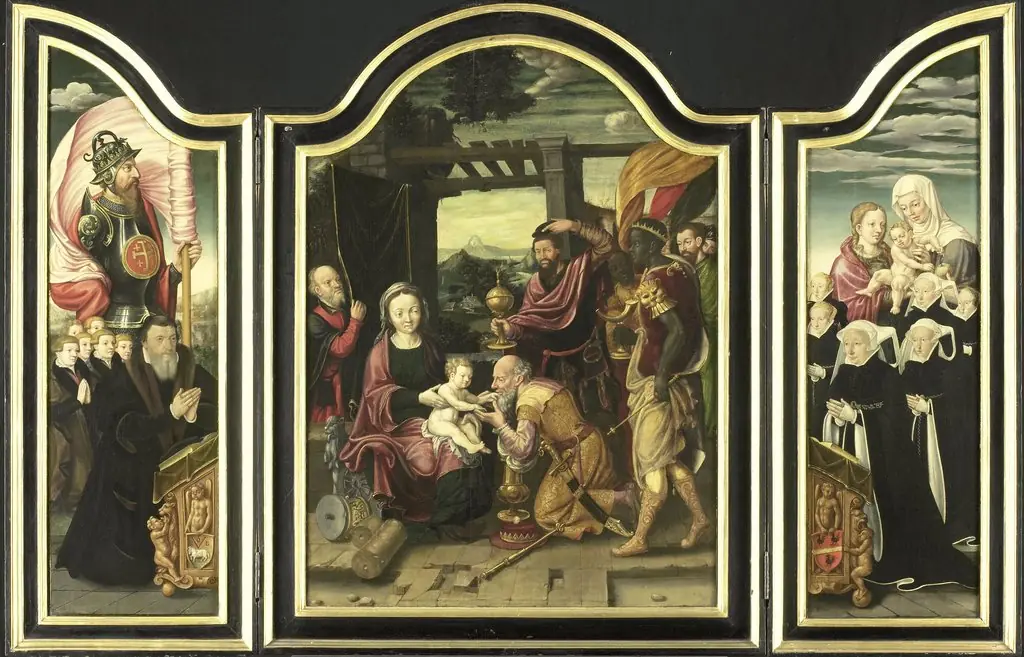 Triptych with the Adoration of the Magi
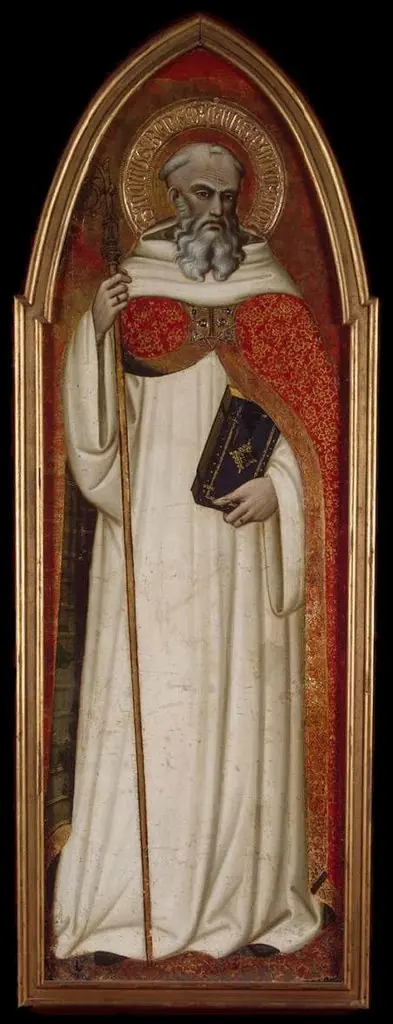 St Benedict (wing of a polyptych)
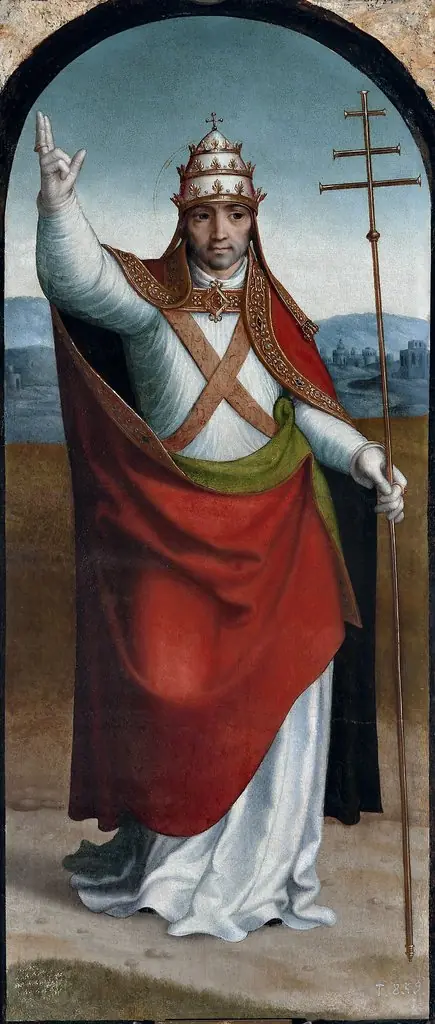 San Clemente Papa
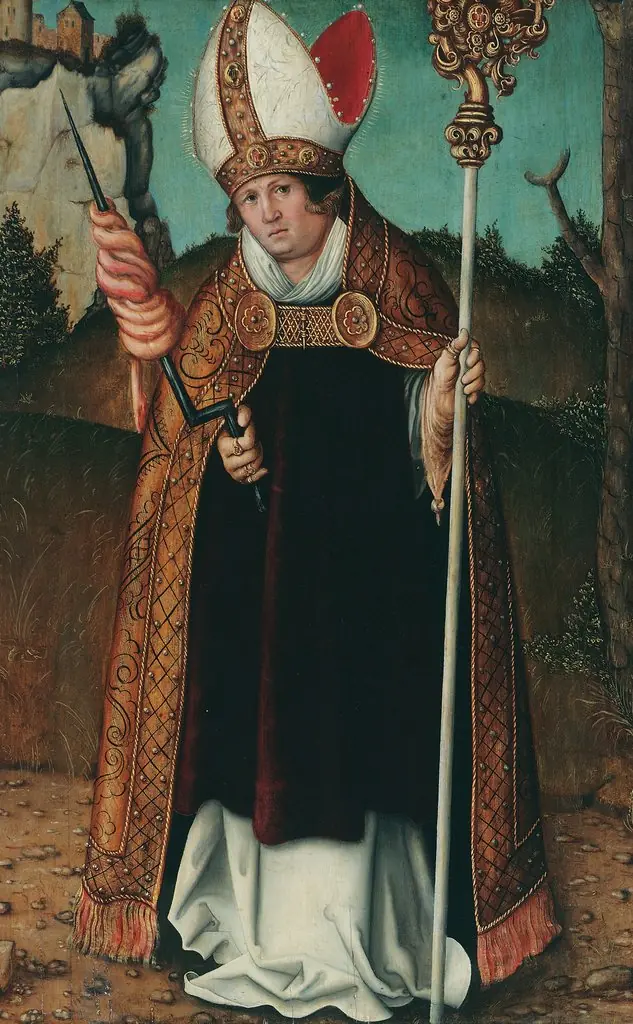 Saint Erasmus
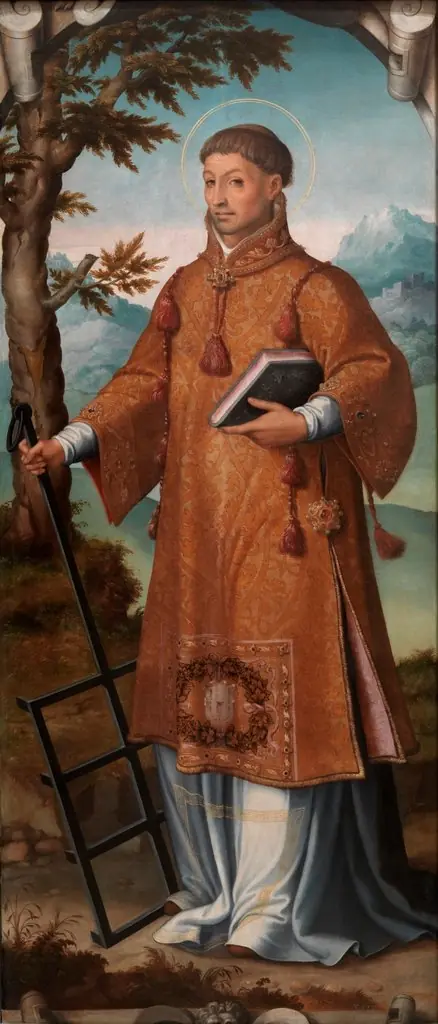 Saint Lawrence
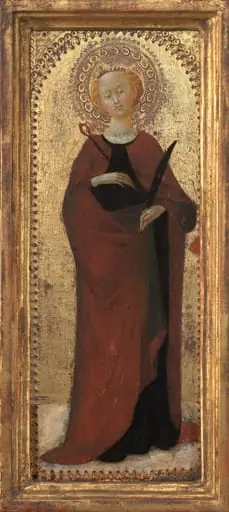 Saint Apollonia
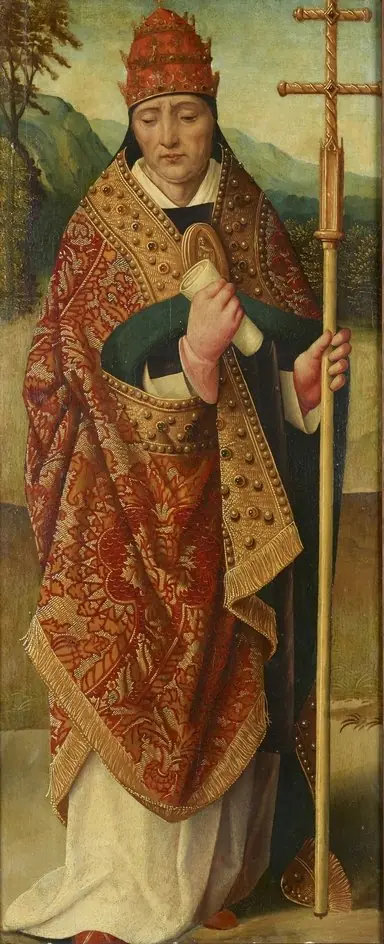 A papal Saint
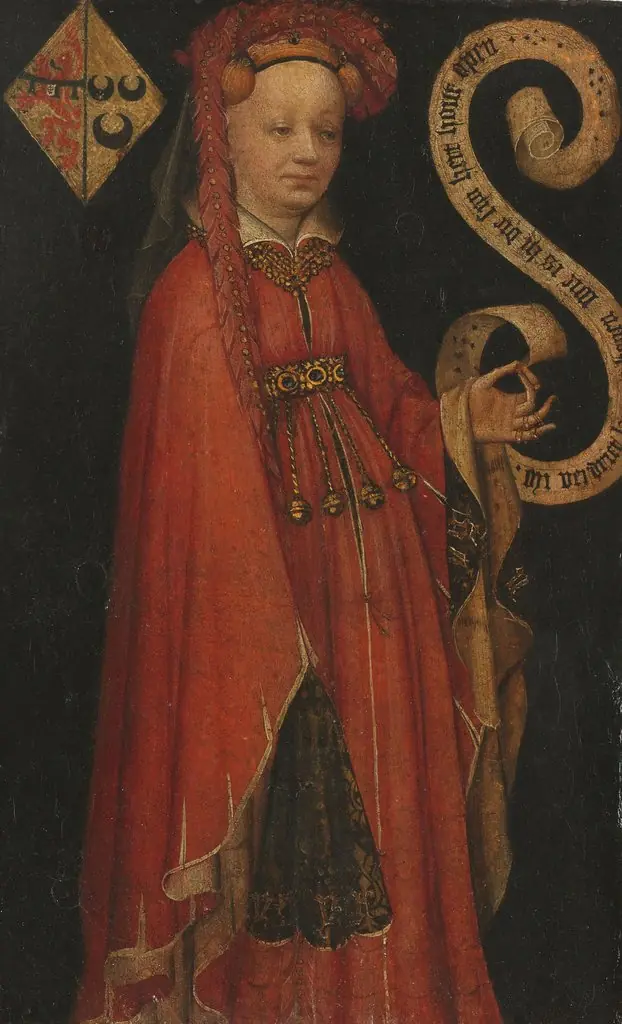 Portrait of Lysbeth van Duvenvoorde
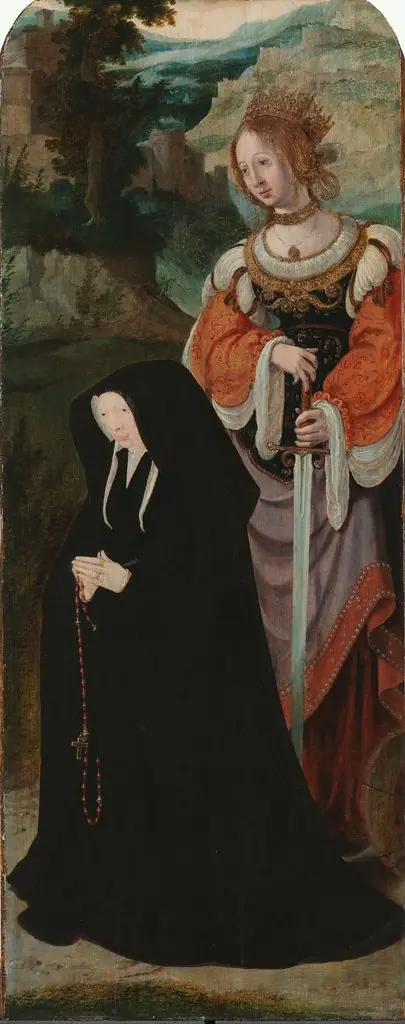 Wing of Lazarus tritptych with donor and Saint Catharine
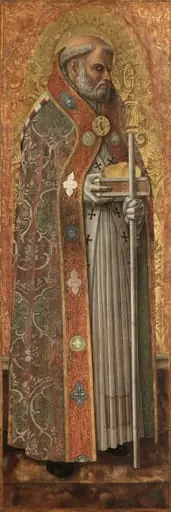 Saint Nicholas of Bari
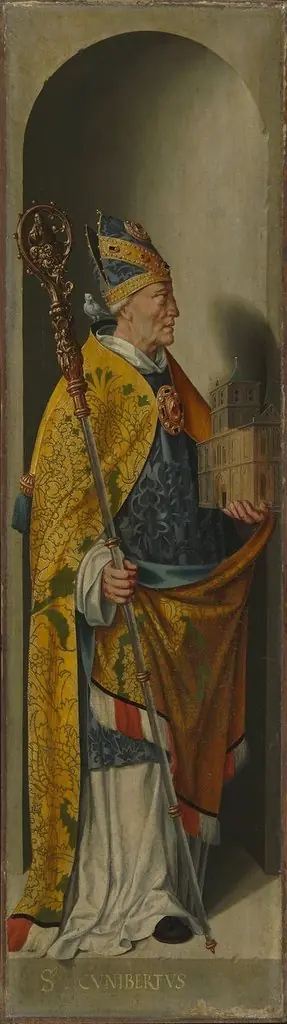 Beweinungsaltar, Flügelaußenseite: Hl. Kunibert
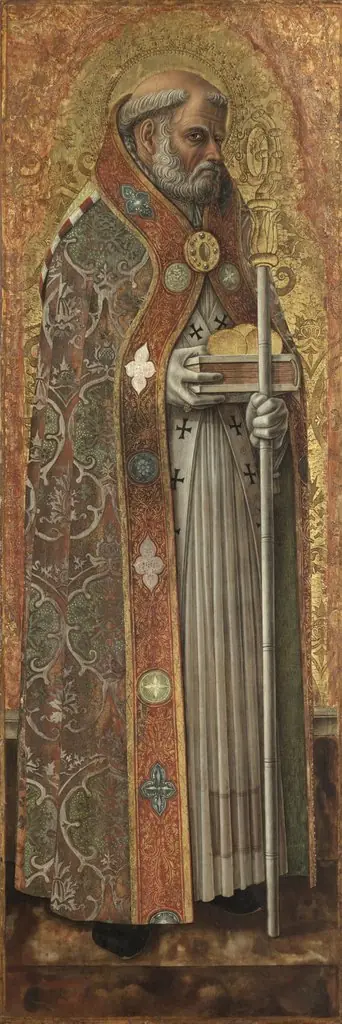 Saint Nicholas of Bari
 Kreuzigungsaltar: Hl. Agnes und Stifterin