Artwork
Saint Barbara
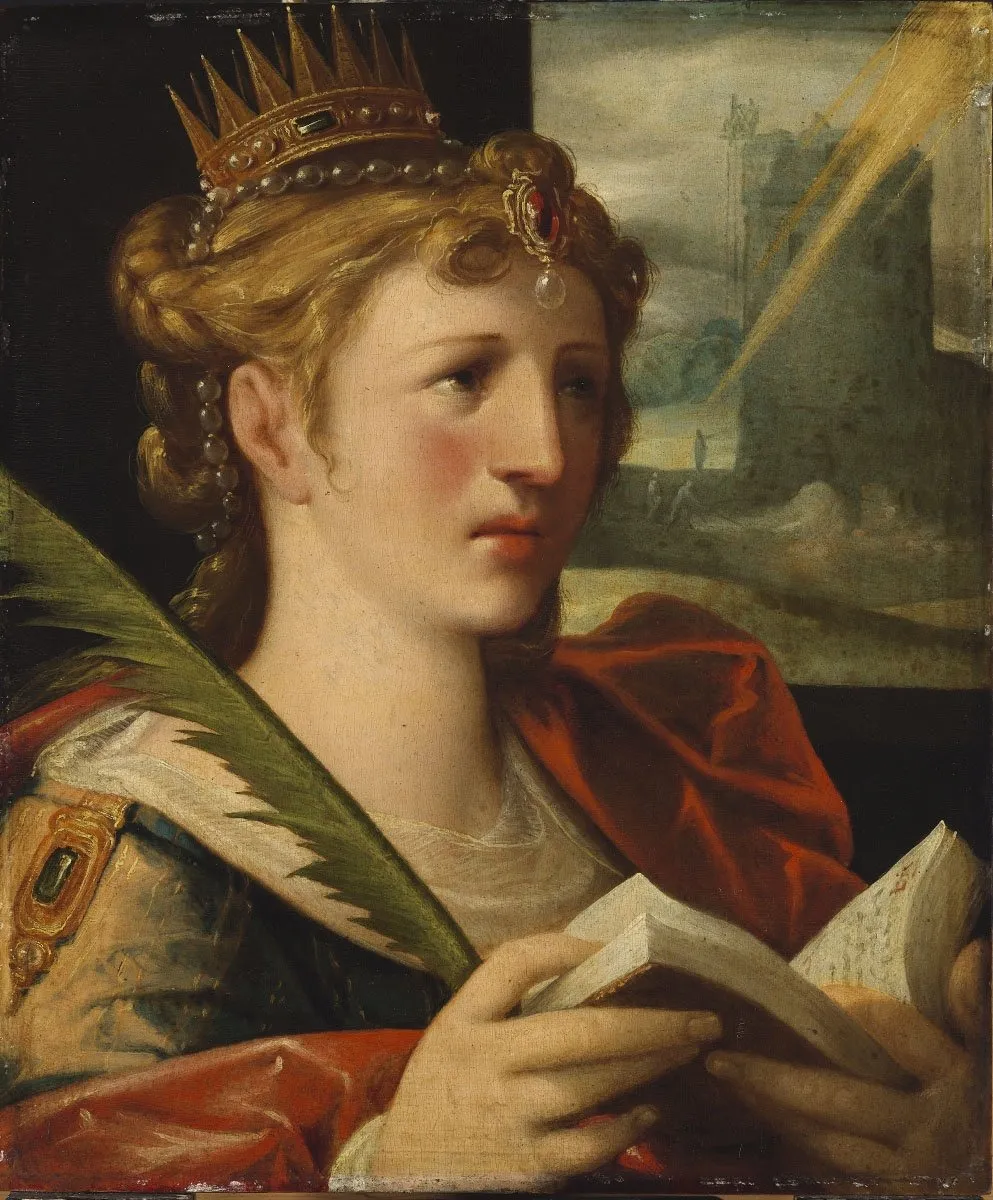
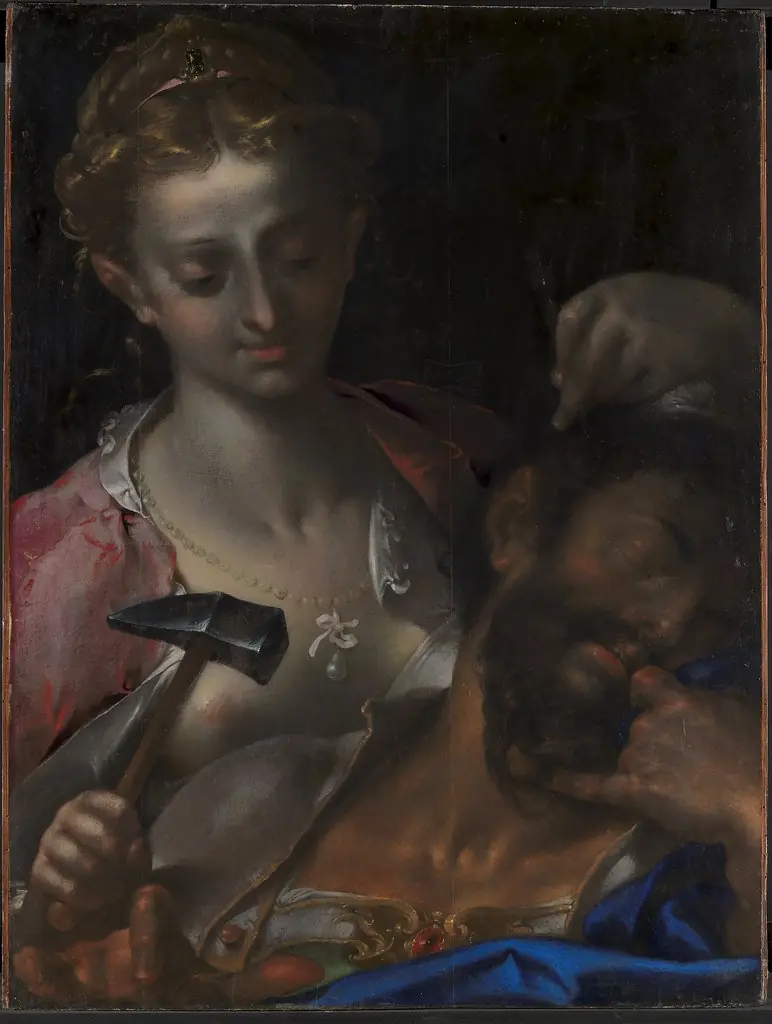
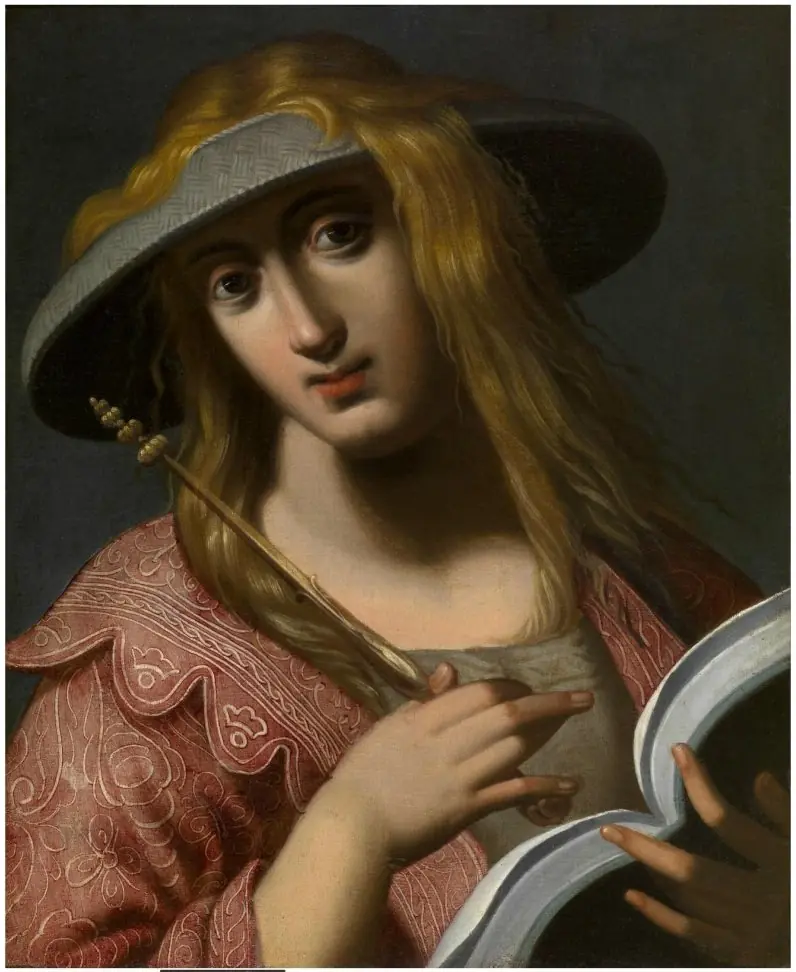
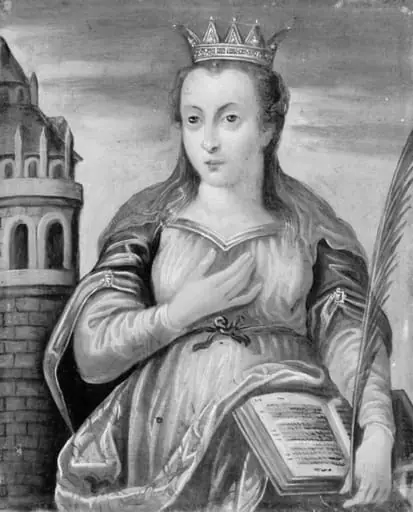
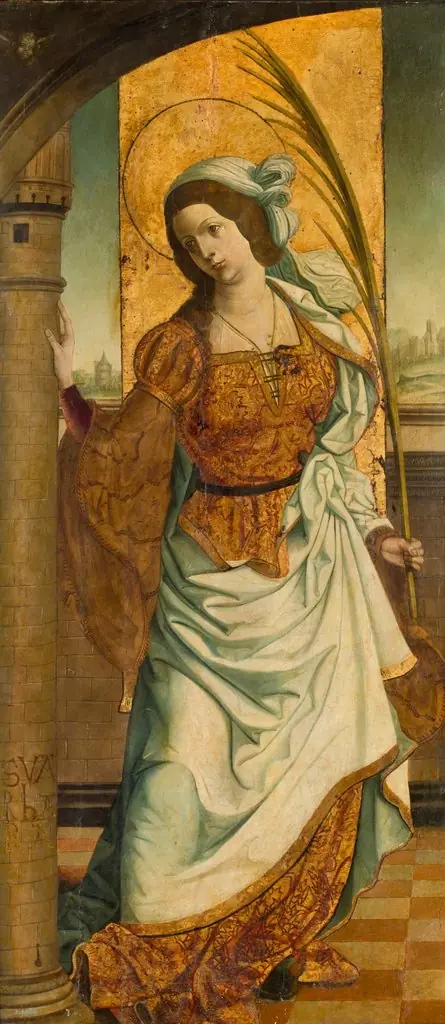
Saint Barbara is an oil painting by the Mannerist artist Bartholomeus Spranger. It dates from 1590 and is held in the collection of the Museum of Fine Arts, Budapest.
About this work
Overview
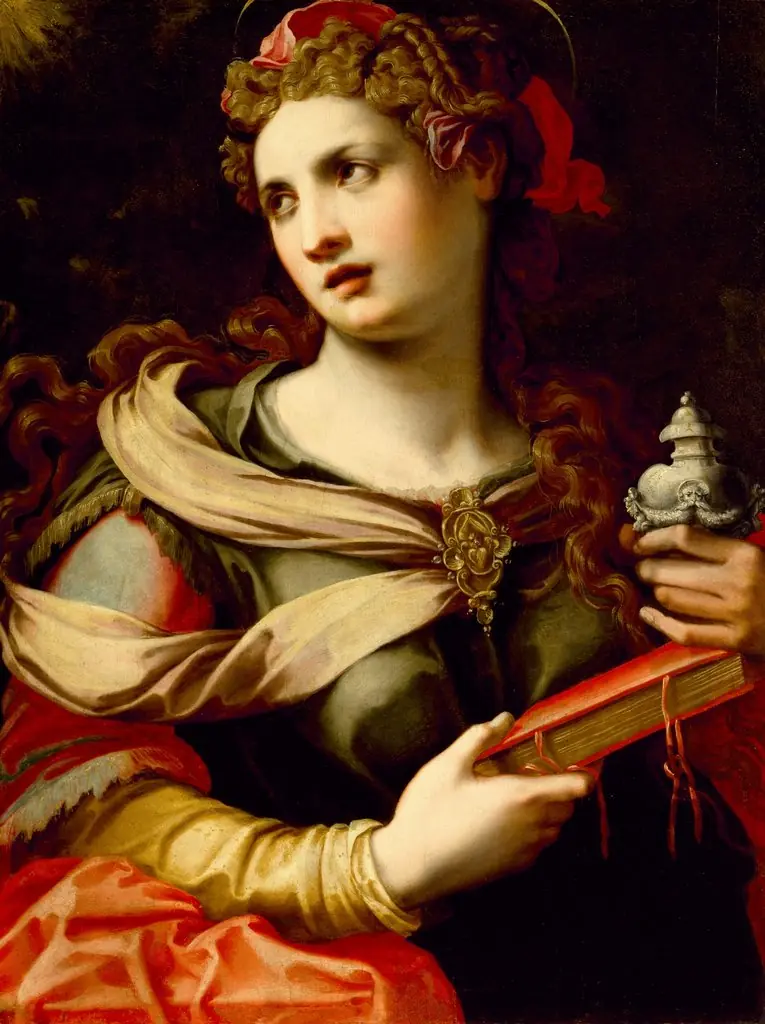
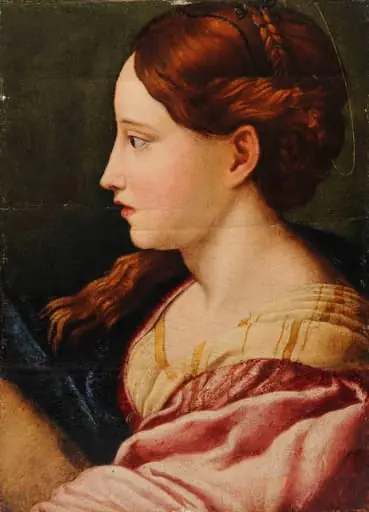
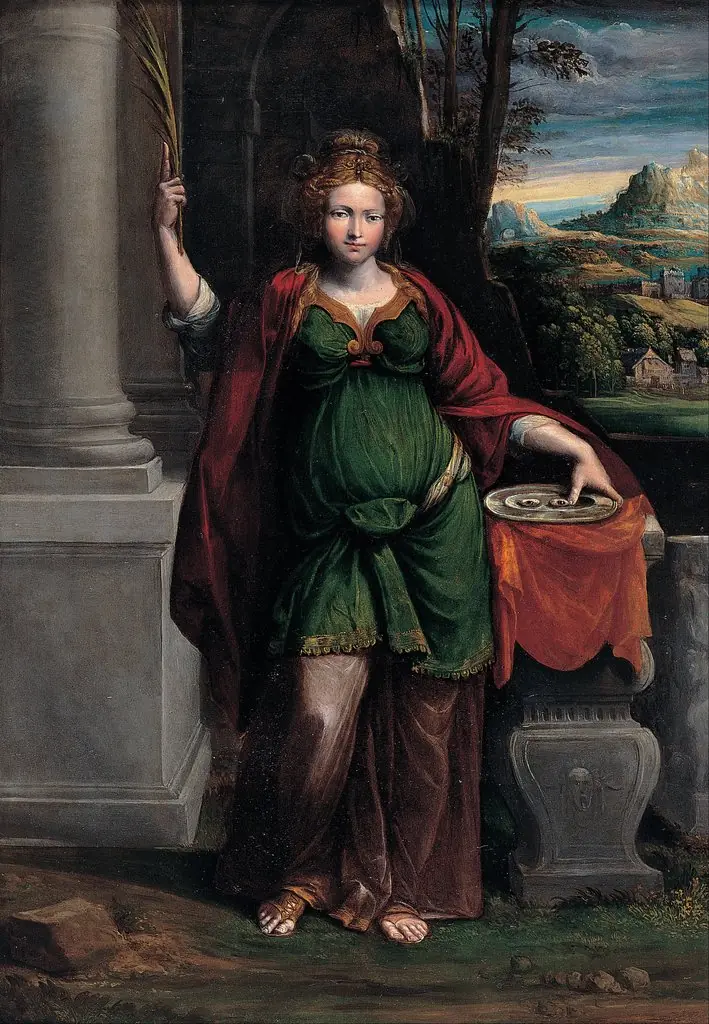
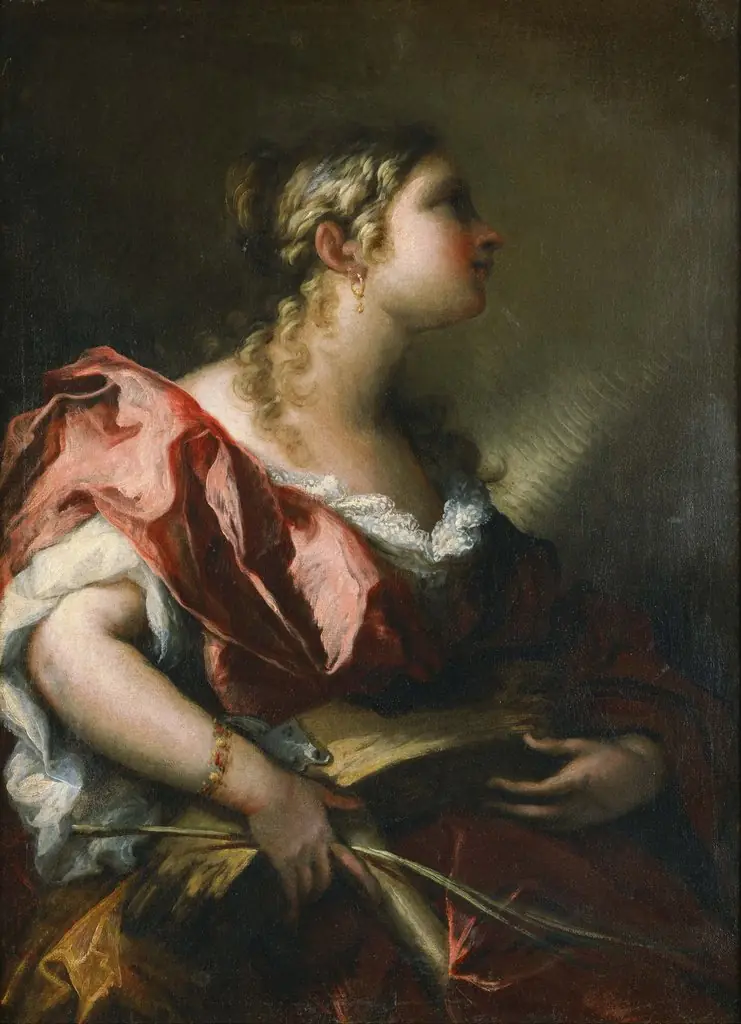
Painted in oil around 1590 by Bartholomeus Spranger, this portrait of Saint Barbara reflects the refined aesthetic of Northern Mannerism.
Painted in oil around 1590 by Bartholomeus Spranger, this portrait of Saint Barbara reflects the refined aesthetic of Northern Mannerism. Spranger, active at the court of Emperor Rudolf II in Prague, infused religious subjects with courtly elegance. The figure is rendered with deliberate stylization, emphasizing grace over naturalism, and the composition is tightly focused on the saint’s poised presence against a dark, indistinct background.
Subject & Meaning
Saint Barbara, a Christian martyr traditionally associated with protection against sudden death, is depicted here as a regal figure. Her crown and jeweled forehead ornament signify her spiritual authority, while the book she holds likely represents divine wisdom or the scriptures. The solemn expression and formal posture convey contemplative devotion, aligning her earthly dignity with heavenly virtue, consistent with her hagiographic tradition.
Technique & Style
Spranger employed subtle chiaroscuro to model the figure’s form, enhancing volume without dramatic contrast. The fabric of her robes is rendered with meticulous attention to texture and fold, revealing his skill in depicting luxurious materials. The elongated proportions and stylized pose reflect Mannerist conventions, while the delicate rendering of pearls, feathers, and gemstones underscores a courtly fascination with refined detail and material splendor.
History & Provenance
Created during Spranger’s tenure at the Habsburg court in Prague, the painting likely served as part of a private devotional or imperial collection. Its survival through centuries suggests it remained in aristocratic or ecclesiastical hands, though its early provenance remains undocumented. The work’s survival reflects the continued appreciation of Mannerist aesthetics in Central European collections well into the 17th century.
Context
In late 16th-century Prague, Emperor Rudolf II fostered an environment where art blended religious symbolism with intellectual and eroticized forms. Spranger’s style emerged from this milieu, merging Flemish precision with Italianate idealization. Saint Barbara’s portrayal, though devotional, aligns with the court’s taste for sophisticated, stylized imagery that prioritized elegance and artifice over emotional immediacy.
Legacy
Spranger’s Saint Barbara exemplifies the transnational character of Mannerism, bridging Northern European detail with Italianate form. While less widely known than his mythological works, this painting contributes to understanding how religious subjects were reimagined in elite court circles. Its refined technique and symbolic richness influenced later generations of Central European painters seeking to reconcile piety with artistic sophistication.
Artist & collection
Artist
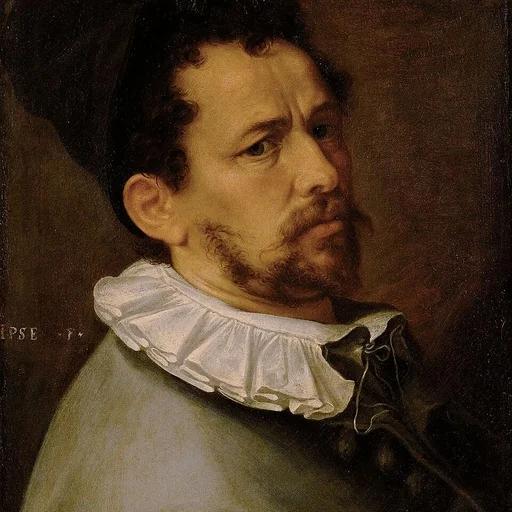
Bartholomeus Spranger or Bartholomaeus Spranger (21 March 1546 – 27 June 1611) was a Flemish painter, draughtsman, sculptor, and designer of prints.