Artwork
La cocinera
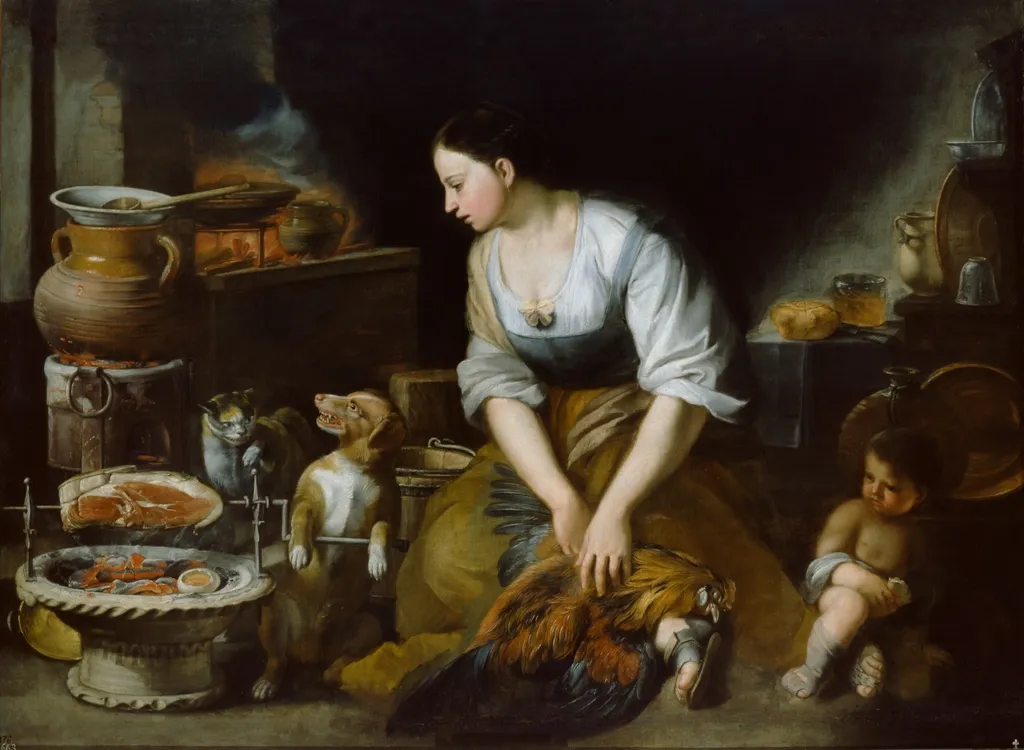
La cocinera is an oil painting by the High Baroque Italian artist Bartolomé Esteban Murillo. It dates from 1675 and is held in the collection of the Museo del Prado.
About this work
Overview
The painting is held in the collection of the Museo del Prado in Madrid, where it stands as an example of 17th-century Spanish genre painting.
Painted in 1675 by Bartolomé Esteban Murillo, *La cocinera* is an oil-on-canvas depiction of a domestic kitchen scene. Though Murillo is best known for religious imagery, this work reflects his interest in ordinary life. It portrays a woman and child in a modest interior, surrounded by tools and ingredients of food preparation. The painting is held in the collection of the Museo del Prado in Madrid, where it stands as an example of 17th-century Spanish genre painting.
Subject & Meaning
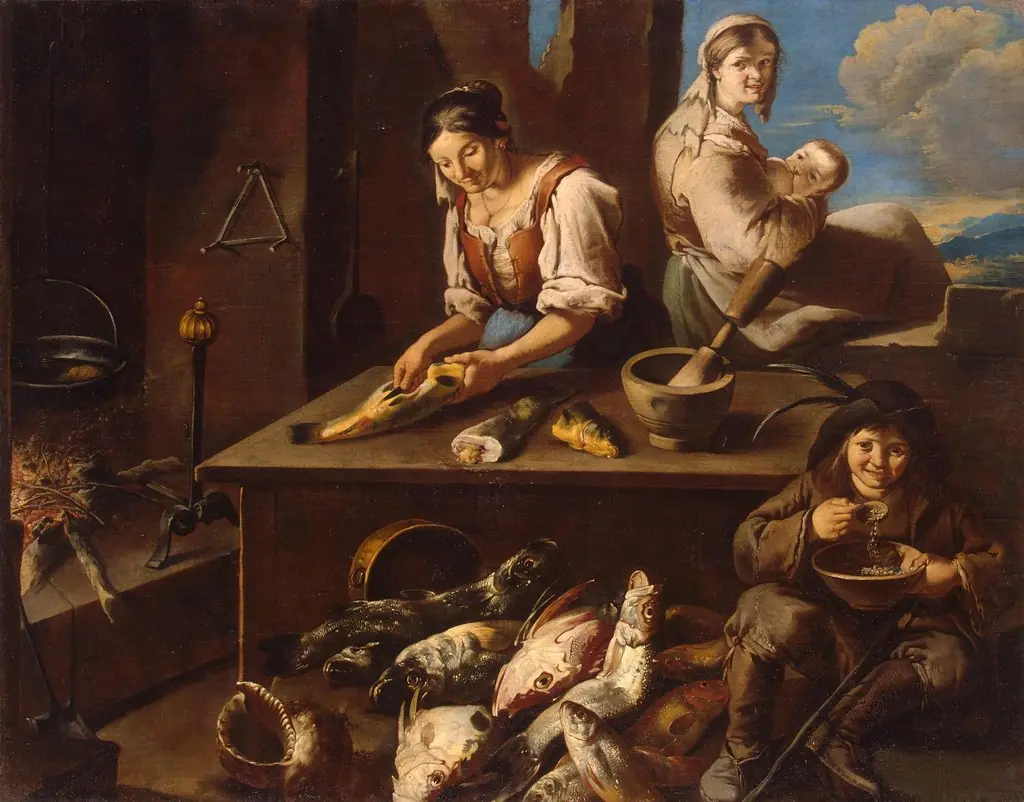
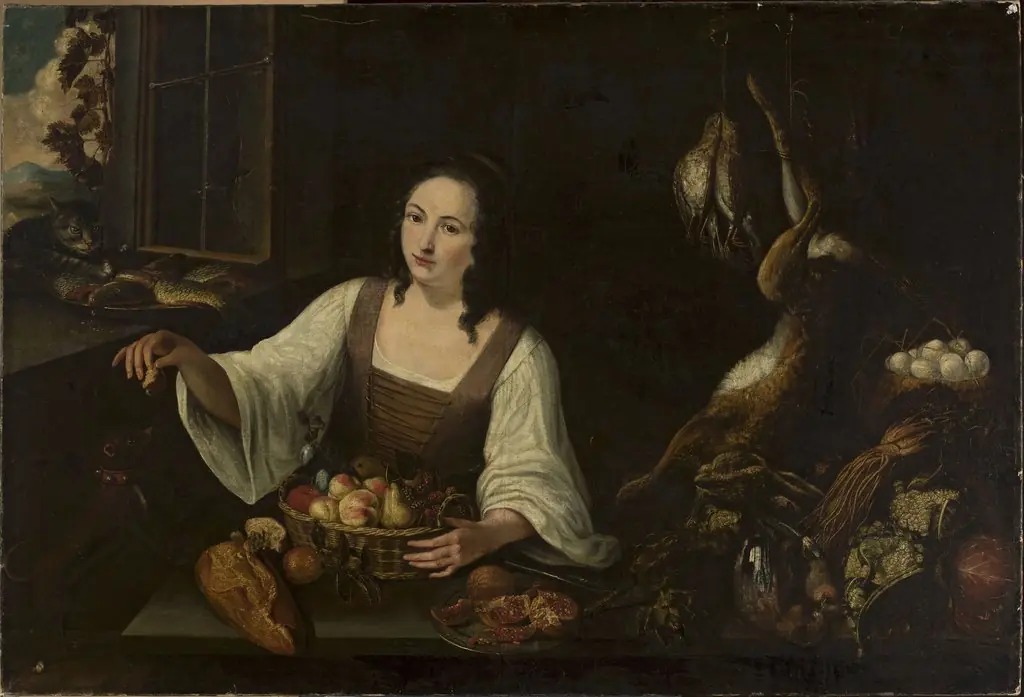
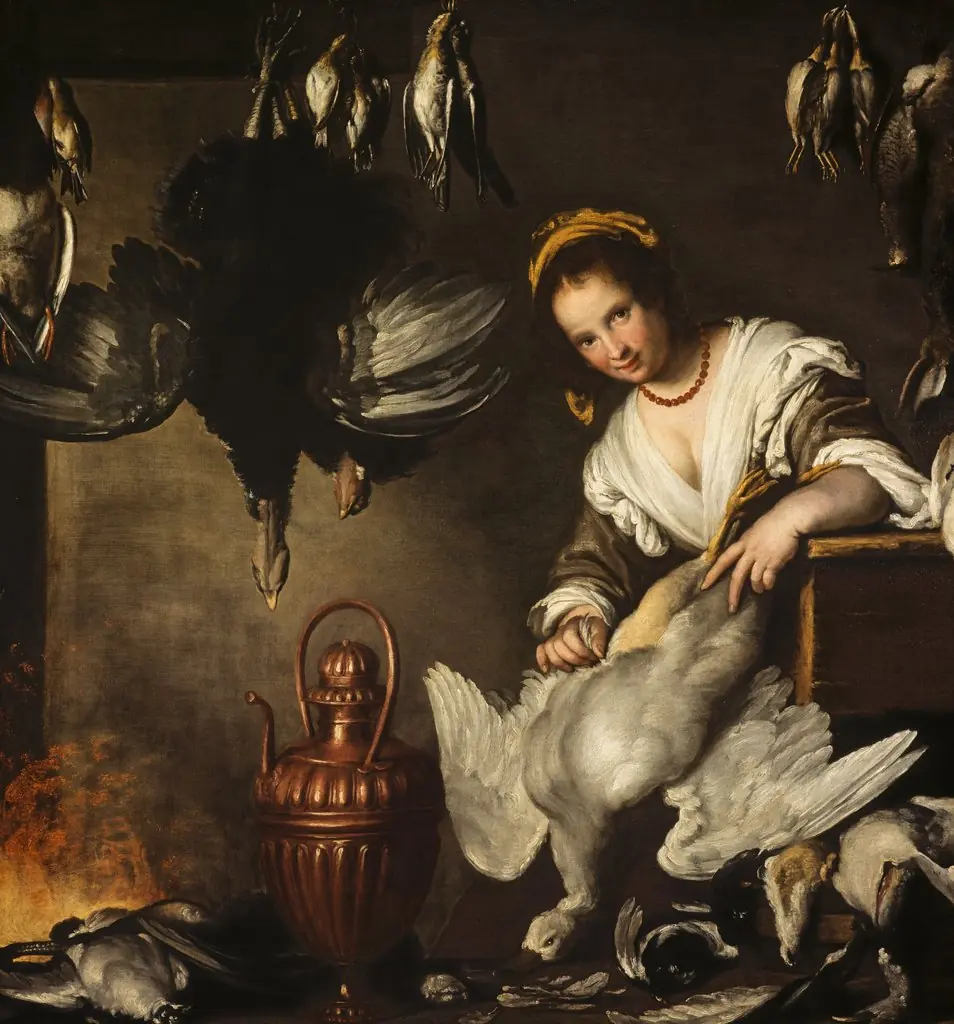
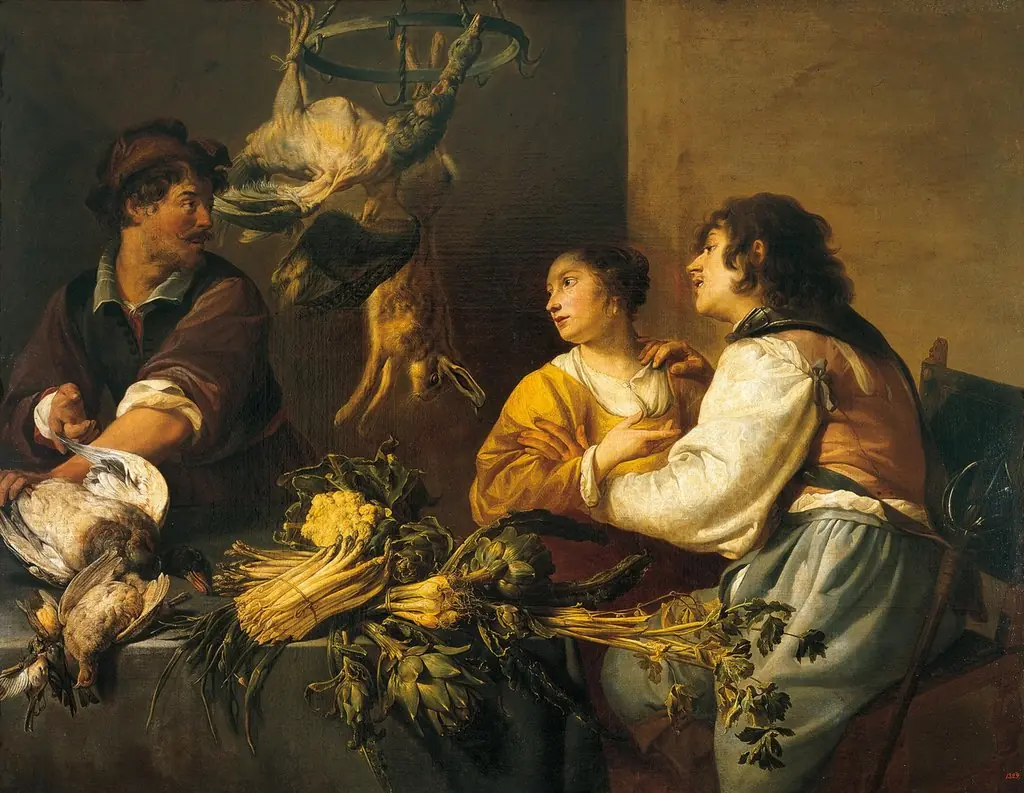
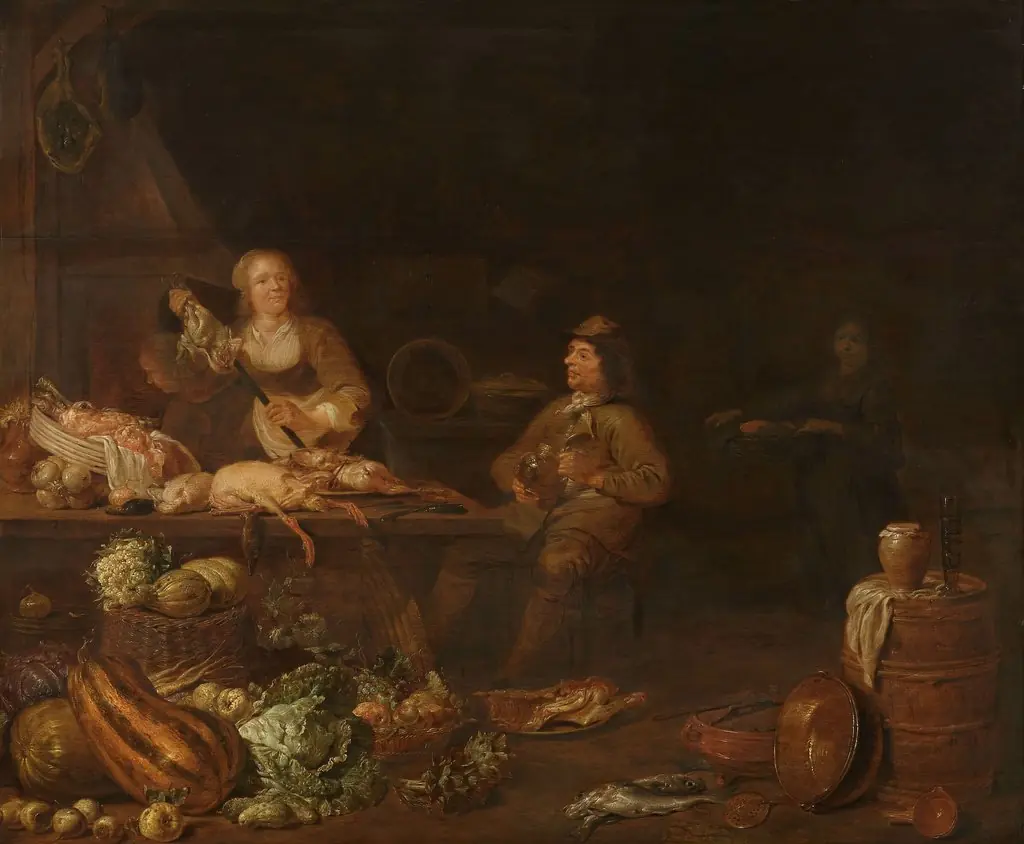
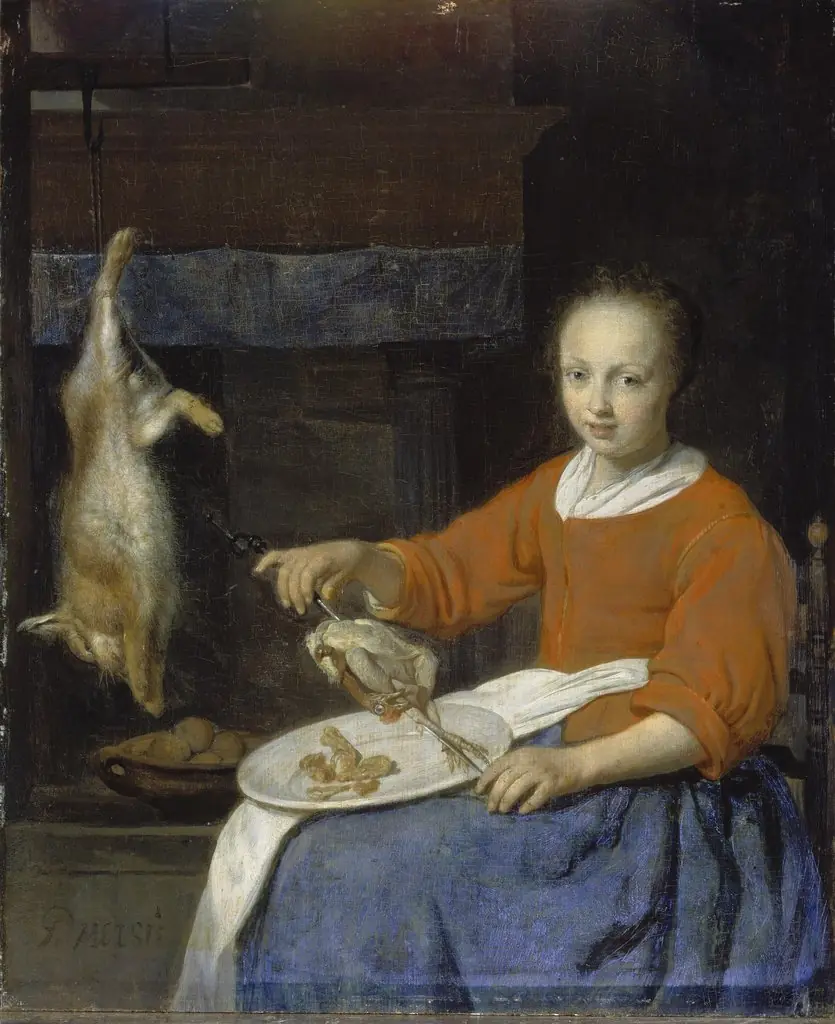
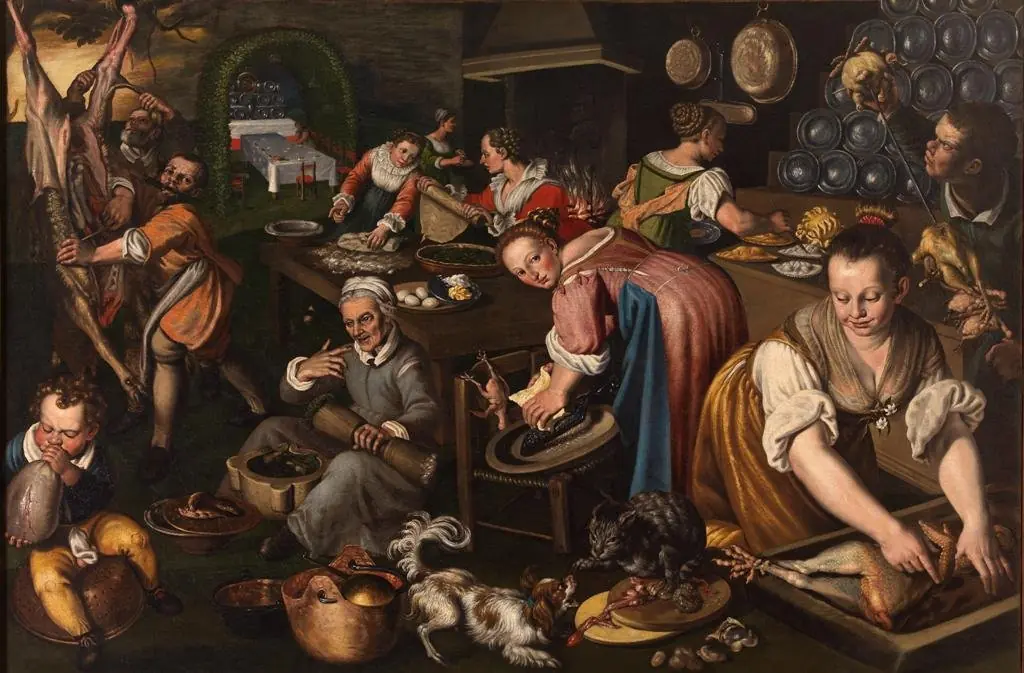
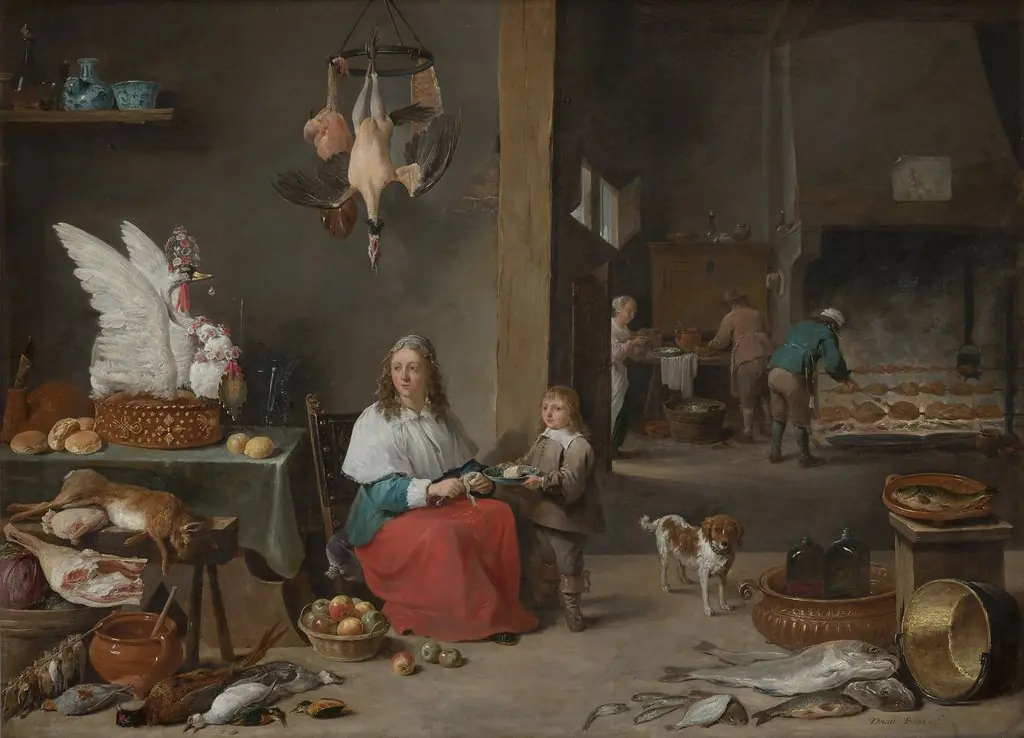
The painting centers on a woman seated on the floor, holding a live rooster, while a child beside her, leg bandaged, watches quietly. Raw meat and fish lie nearby, suggesting imminent preparation. The scene conveys quiet labor and care, devoid of drama or idealization. The presence of domestic animals—a cat and dog—adds to the sense of an unguarded, lived-in space. It captures the rhythm of daily sustenance, emphasizing dignity in routine work.
Technique & Style
Murillo employs soft modeling and warm, naturalistic lighting to render textures: the fabric of clothing, the sheen of feathers, the roughness of earthenware. His handling of light suggests chiaroscuro, though more subdued than in his religious works. The composition is intimate and uncluttered, with objects arranged to guide the eye toward the central figures. Brushwork remains precise yet fluid, balancing detail with atmospheric cohesion.
History & Provenance
Created in Seville during the latter part of Murillo’s career, the painting entered the Spanish royal collection before being transferred to the Museo del Prado in the 19th century. Its survival in good condition reflects its early recognition as a significant genre work. Unlike many of Murillo’s altarpieces, this piece was likely commissioned by a private patron interested in secular themes, reflecting broader tastes among the Spanish elite of the period.
Context
In 17th-century Spain, genre scenes like this one emerged alongside religious and mythological painting, offering glimpses into the lives of common people. Murillo’s depictions of servants, children, and the poor were influenced by Flemish realism and the social awareness of Seville’s urban environment. Such works provided a counterpoint to grander narratives, affirming the value of everyday experience in a society deeply marked by hierarchy and faith.
Legacy
Though less celebrated than Murillo’s religious paintings, *La cocinera* contributed to the development of Spanish genre painting. Its quiet humanity and attention to detail influenced later artists interested in domestic realism. The work remains a touchstone for understanding how Baroque painters balanced observation with empathy, portraying labor not as spectacle but as an enduring facet of human life.
Own this work as a print
Artist & collection
Artist
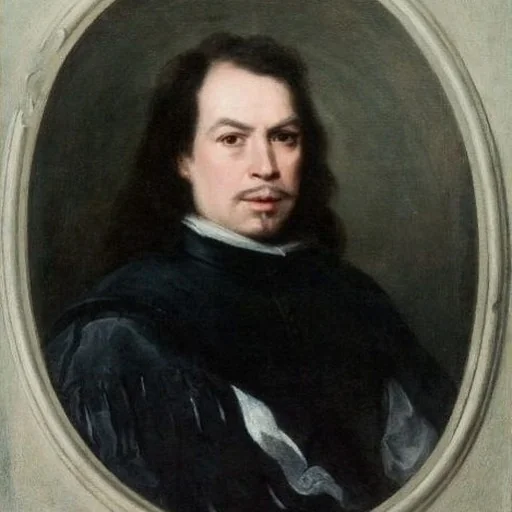
Bartolomé Esteban Murillo ( mure-IL-oh, m(y)uu-REE-oh, Spanish: ; late December 1617, baptised 1 January 1618 – 3 April 1682) was a Spanish Baroque painter.