Artwork
The Immaculate Conception
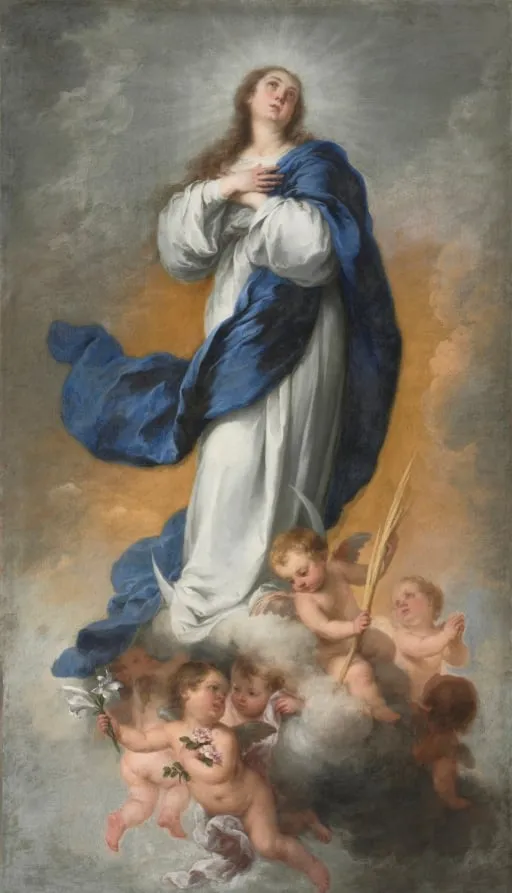
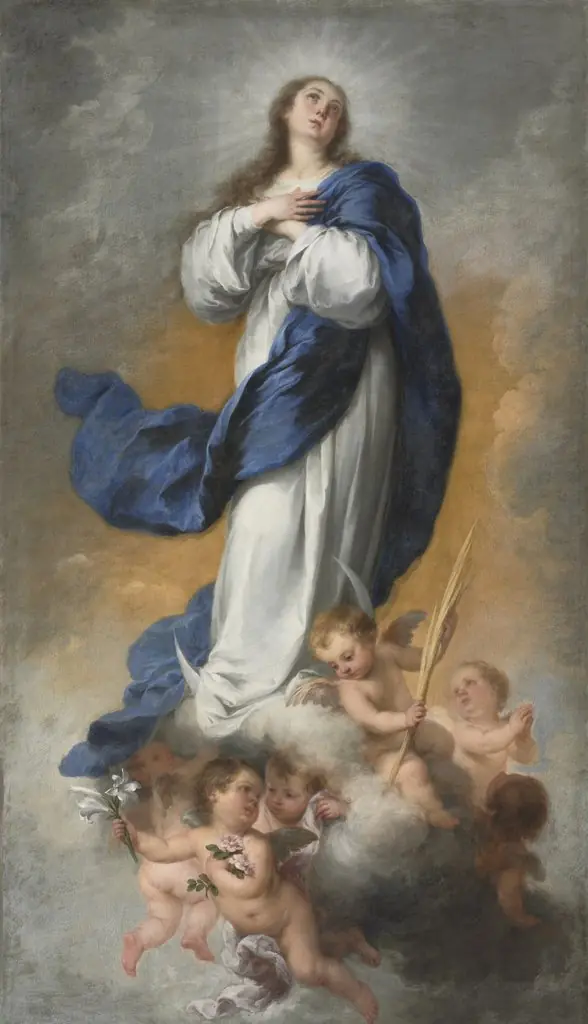
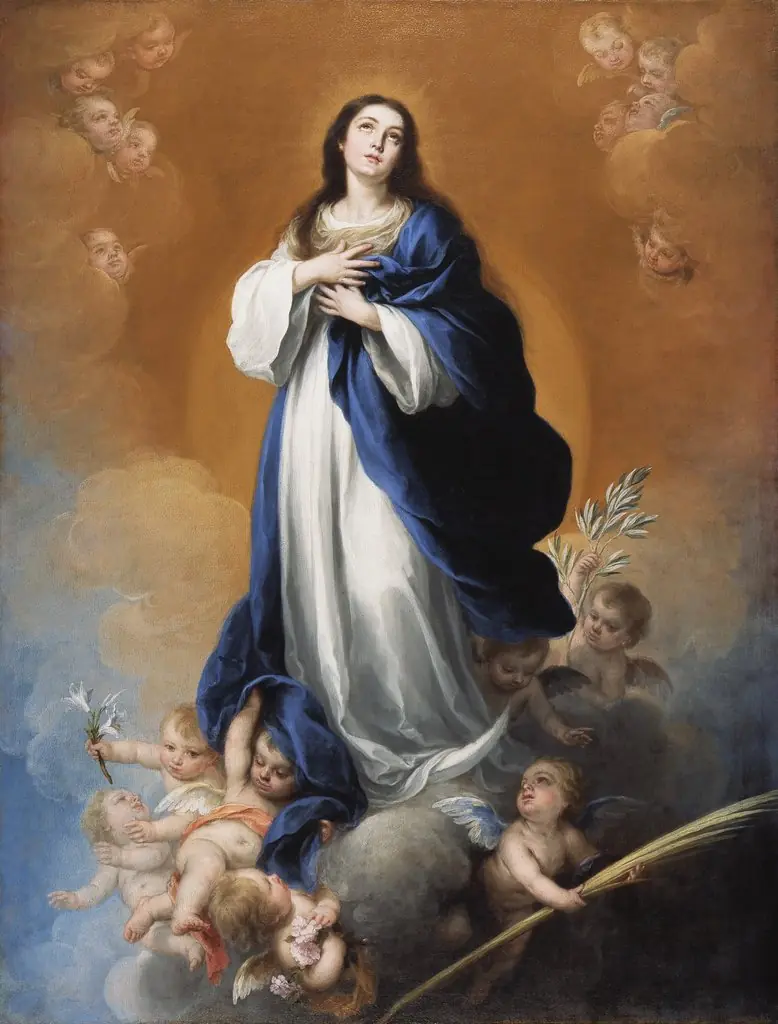
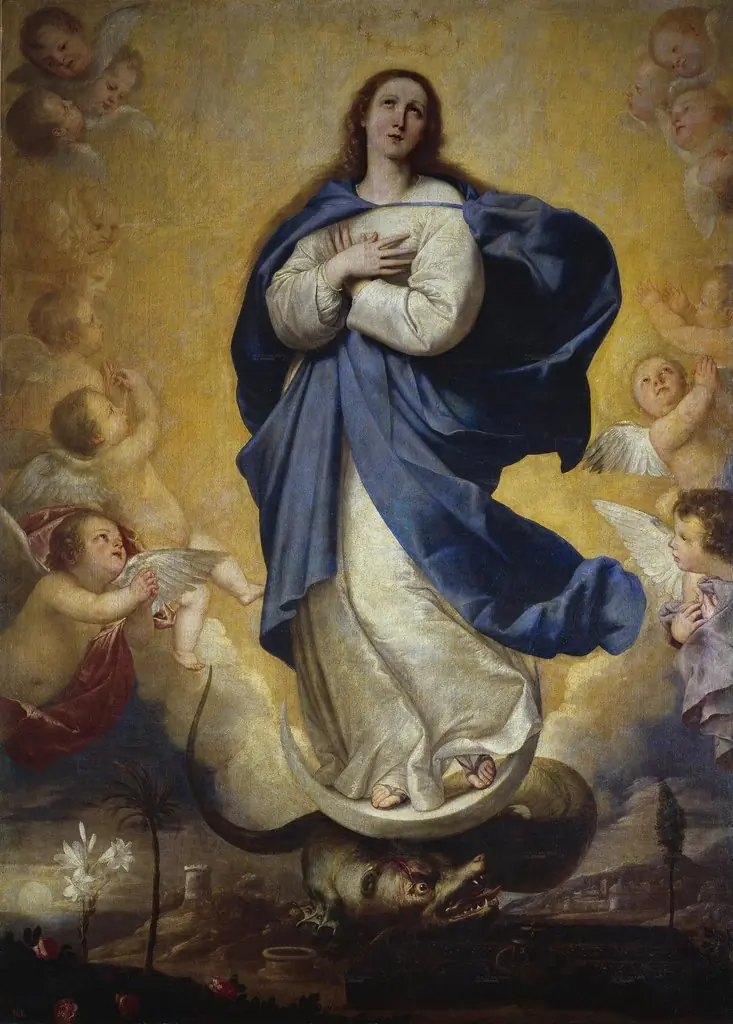
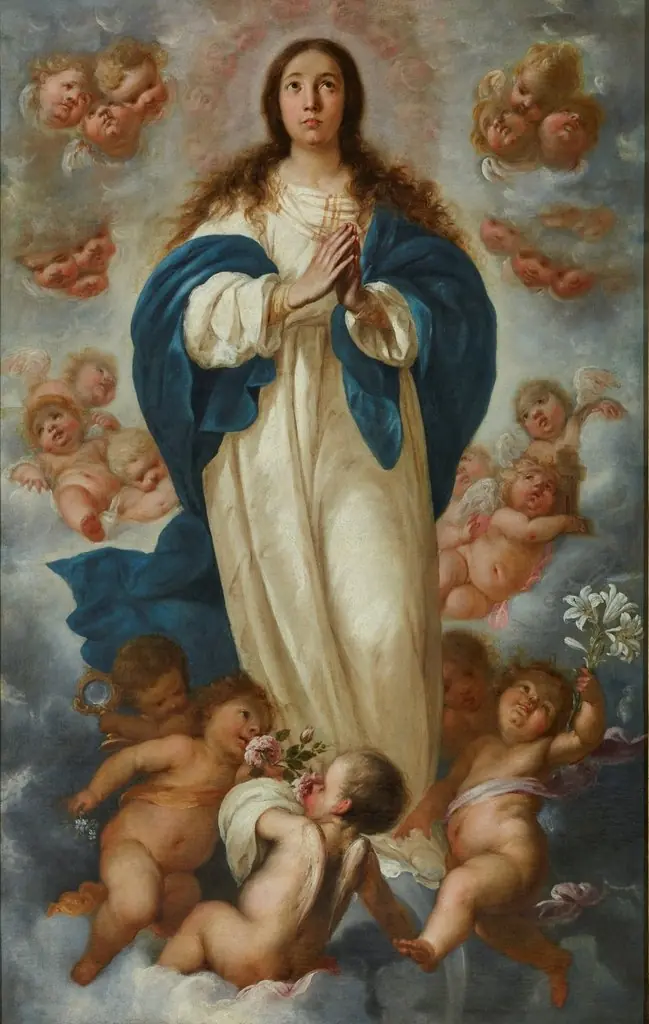
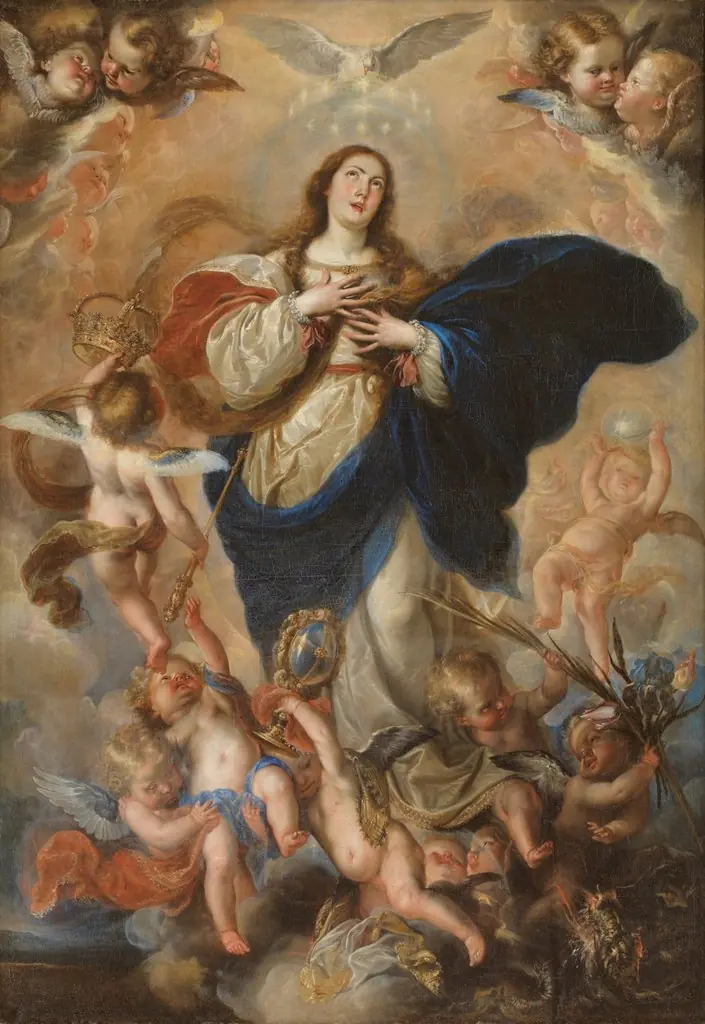
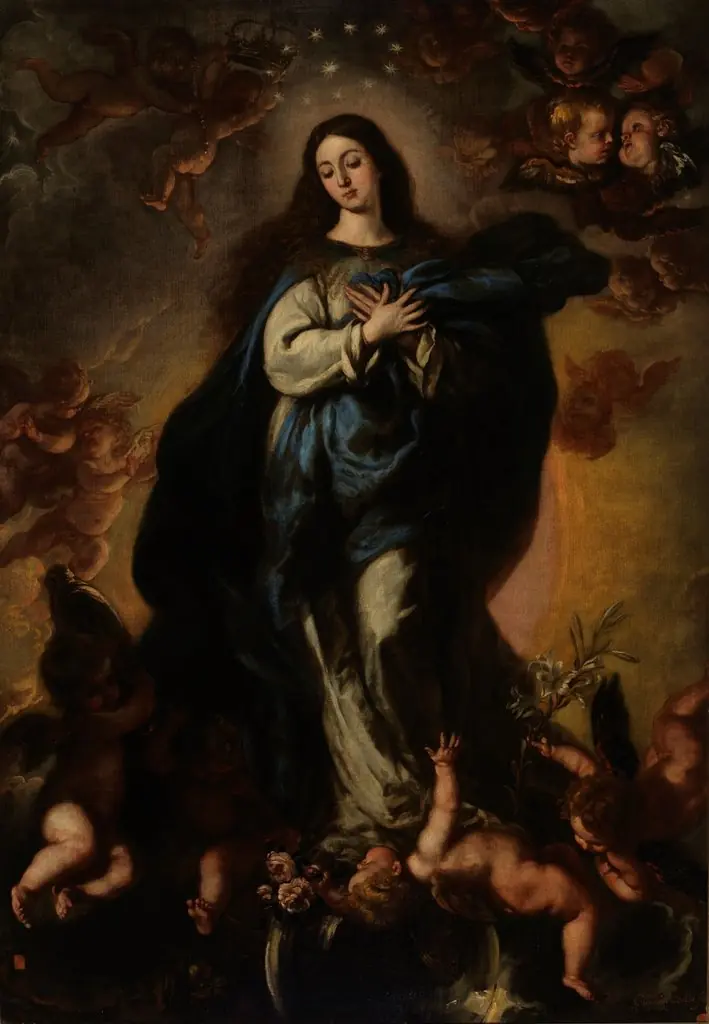
The Immaculate Conception is an unspecified painting by the Baroque artist Bartolomé Esteban Murillo. It dates from 1680 and is held in the collection of the Cleveland Museum of Art. The work portrays the Virgin Mary encircled by a host of angels, bathed in a gentle radiance.
About this work
Artists had to find ways to depict this idea in their work, using symbols like the crescent moon.
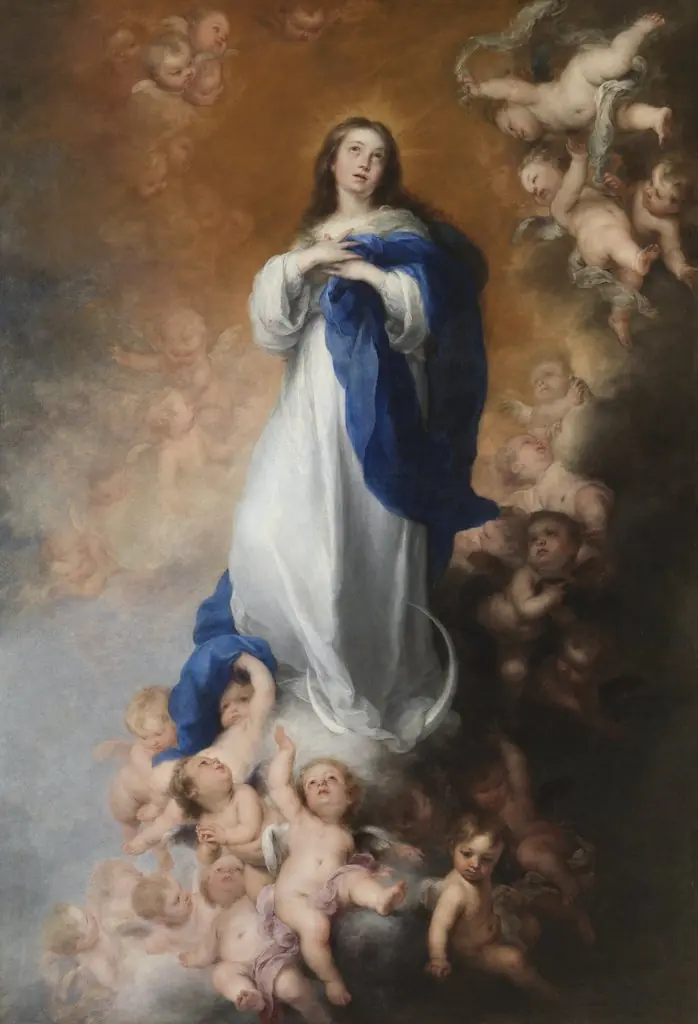
The painting shows the Virgin Mary surrounded by angels and light.
It's a delicate scene with soft colors.
The artist had to create imagery for this abstract subject, which was a challenge.
The doctrine of the Immaculate Conception was very important in Spain at that time.
Artists had to find ways to depict this idea in their work, using symbols like the crescent moon.
You can learn more about this style by looking at the work of artist: Bartolomé Esteban Murillo (Spanish, 1617–1682)
Overview
The work portrays the Virgin Mary encircled by a host of angels, bathed in a gentle radiance. Soft, muted hues dominate the composition, lending the scene a delicate, ethereal quality that emphasizes the sanctified atmosphere surrounding the figure.
Subject & Meaning
The image visualizes the theological claim that Mary was conceived without original sin, a belief that positioned her as a pristine vessel for the Incarnation. In the 17th‑century Spanish context, this doctrine inspired fervent devotion, even though it would not be formally defined by the Church until the mid‑19th century.
Technique & Style
To render an abstract theological concept, the artist employed conventional symbols such as a crescent moon beneath Mary's feet, a motif drawn from the apocalyptic vision in Revelation 12:1. The use of luminous, airy coloration and a serene arrangement of celestial beings reflects the Baroque sensibility of conveying spiritual transcendence through visual harmony.
History & Provenance
The painting emerged during a period when Spanish artists were actively seeking visual language for the Immaculate Conception, a subject that enjoyed widespread popular veneration in the 1600s. While specific ownership records are sparse, the work aligns with the broader trend of devotional imagery commissioned for churches and private chapels of the era.
Context
The iconography follows a tradition established by painters such as Bartolomé Esteban Murillo, whose own depictions of the Immaculate Conception set a visual precedent. The inclusion of the moon, sun‑clothed figure, and angelic choir situates the piece within a Spanish Baroque framework that merged doctrinal instruction with artistic elegance.
Artist & collection
Artist
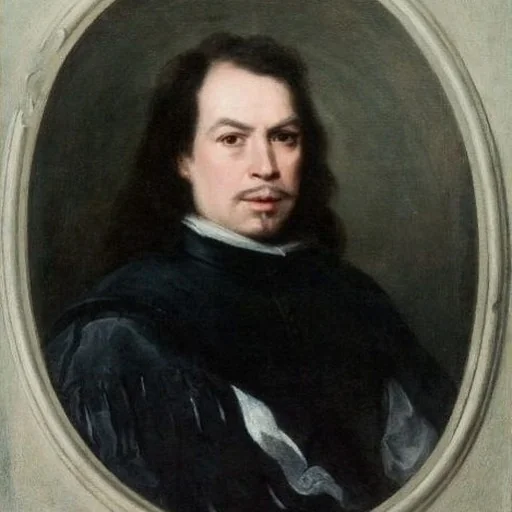
Bartolomé Esteban Murillo ( mure-IL-oh, m(y)uu-REE-oh, Spanish: ; late December 1617, baptised 1 January 1618 – 3 April 1682) was a Spanish Baroque painter.