Artwork
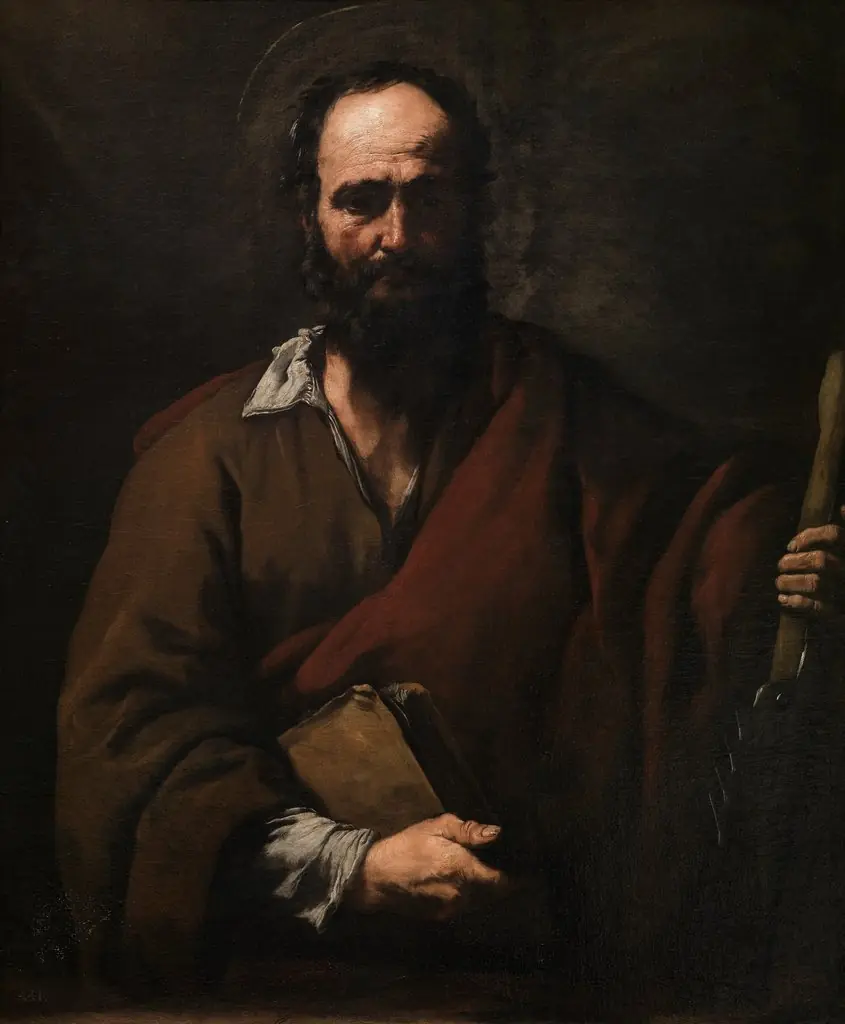
The Apostle James
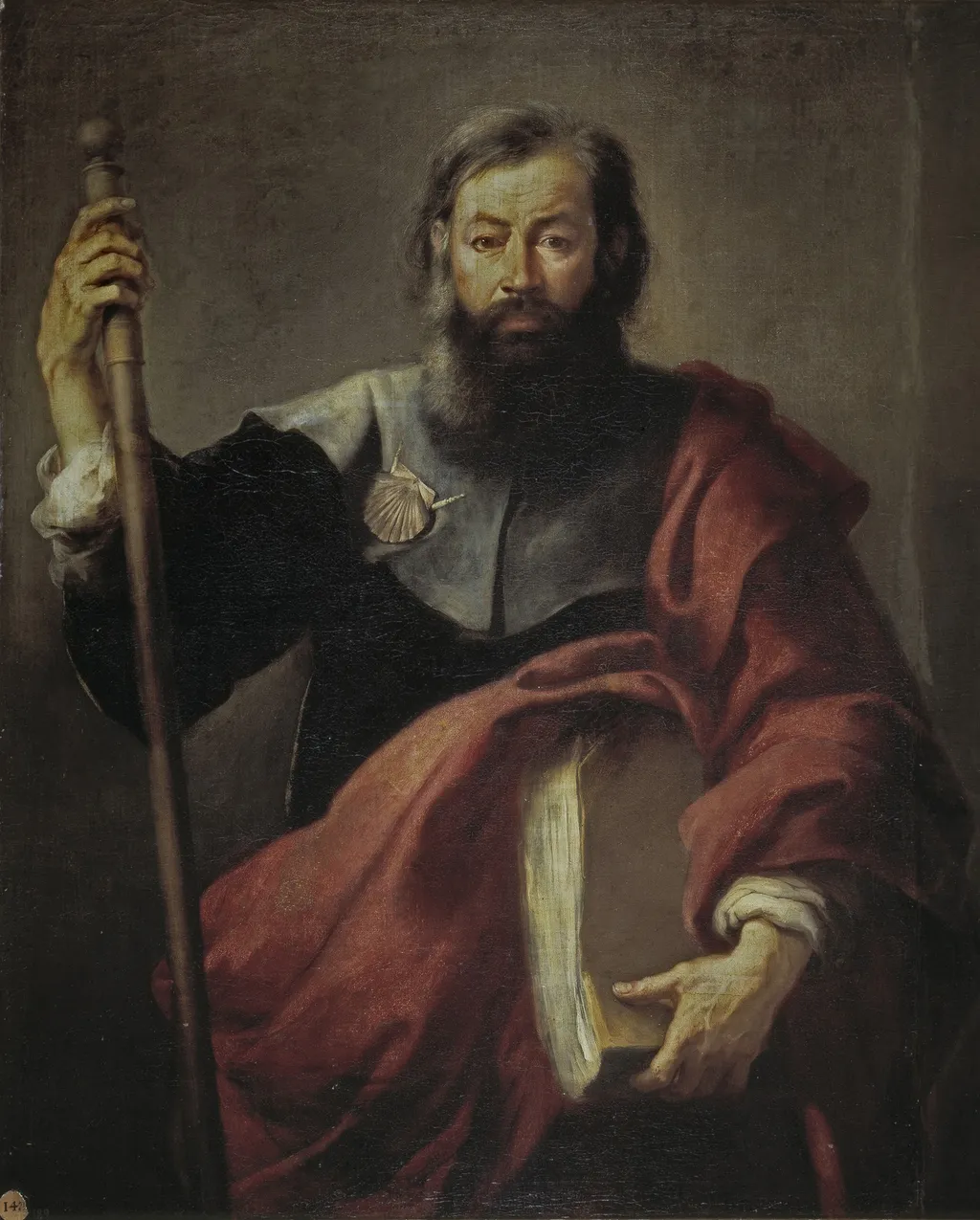
The Apostle James is an oil painting by the Early Baroque Italian artist Bartolomé Esteban Murillo. It dates from 1655 and is held in the collection of the Museo del Prado.
About this work
Overview
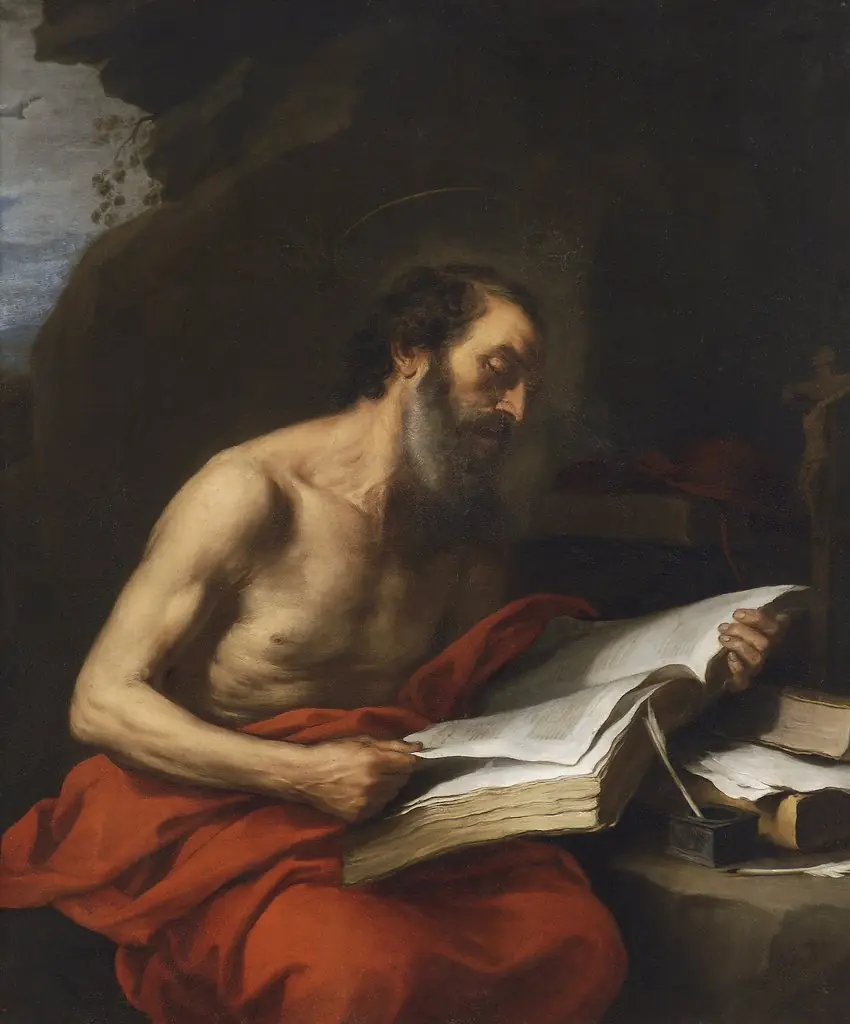
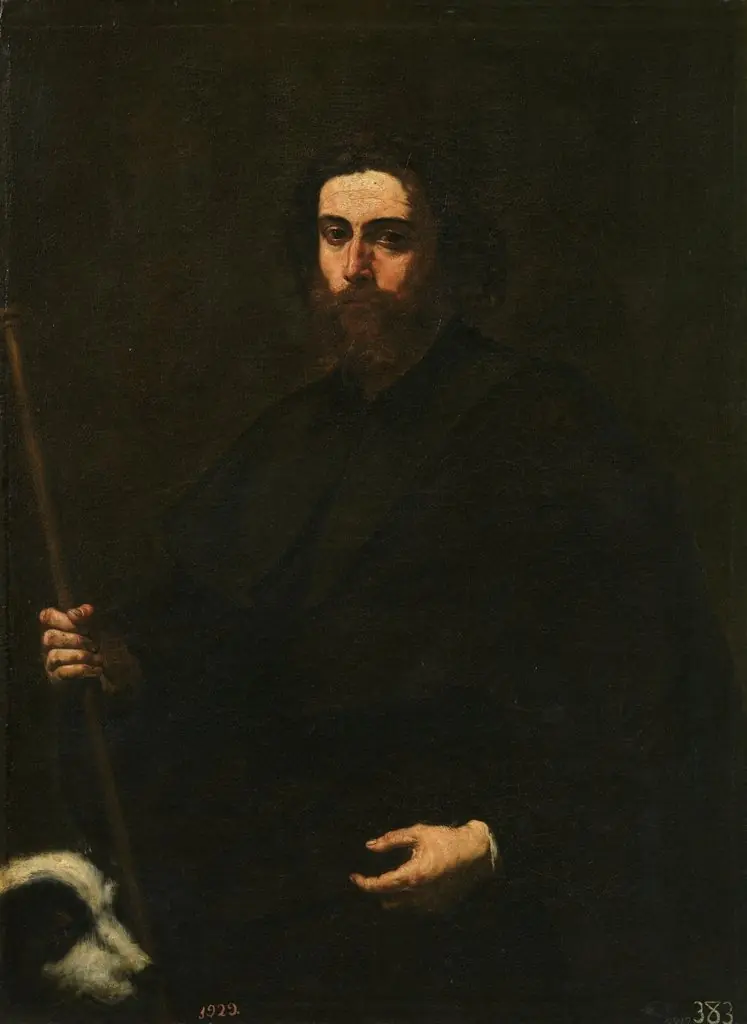
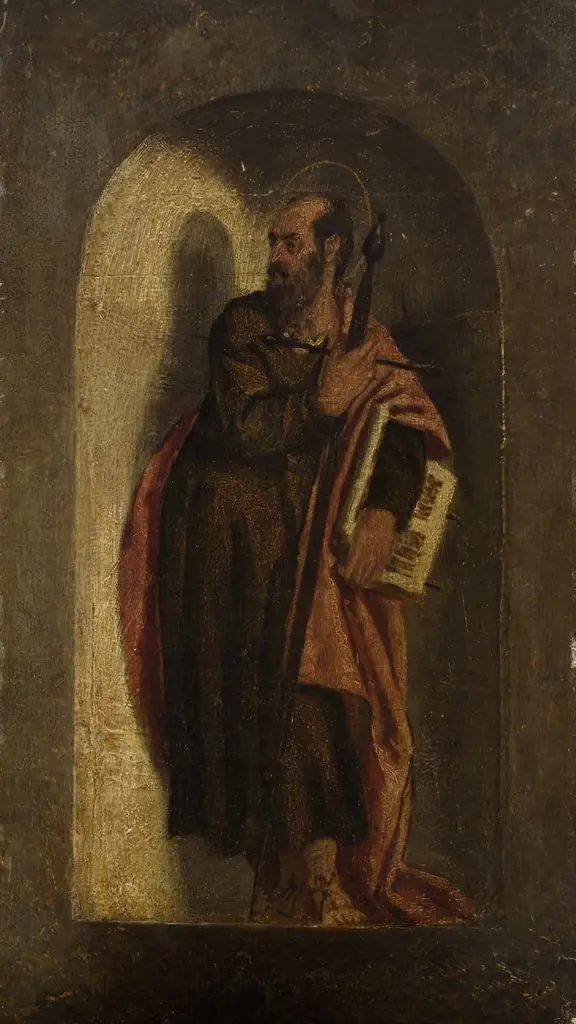
Bartolomé Esteban Murillo executed *The Apostle James* in 1655 with oil on canvas. The work is part of the Prado Museum’s collection and presents a solitary figure identified as the apostle James the Greater, rendered in the dramatic tonal language of the early Baroque.
Subject & Meaning
The central figure is a bearded man dressed in a vivid red habit, clutching a long staff in his right hand while his left rests on an open book. A scallop shell—traditionally the emblem of Saint James—adorns his chest, signalling his identity and the pilgrim’s spiritual journey.
Technique & Style
Murillo employs a stark chiaroscuro scheme, letting a focused light illuminate the apostle’s face and garments against a deep, muted background. This contrast heightens the three‑dimensionality of the form and underscores the devotional intensity typical of Baroque religious portraiture.
History & Provenance
Created during Murillo’s mature period, the painting remained in Spanish collections before entering the Museo del Prado, where it has been displayed as part of the museum’s holdings of 17th‑century religious art.
Context
Murillo’s oeuvre balances sacred narratives with scenes of everyday life in 17th‑century Spain. *The Apostle James* reflects his ongoing engagement with ecclesiastical commissions, aligning the Spanish Baroque aesthetic with the broader Italian Baroque currents of the time.
Own this work as a print
Artist & collection
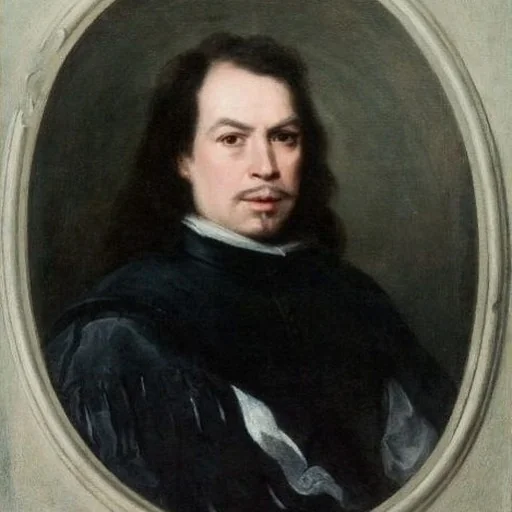
Artist
Bartolomé Esteban Murillo ( mure-IL-oh, m(y)uu-REE-oh, Spanish: ; late December 1617, baptised 1 January 1618 – 3 April 1682) was a Spanish Baroque painter.