Artwork
St. Rocque
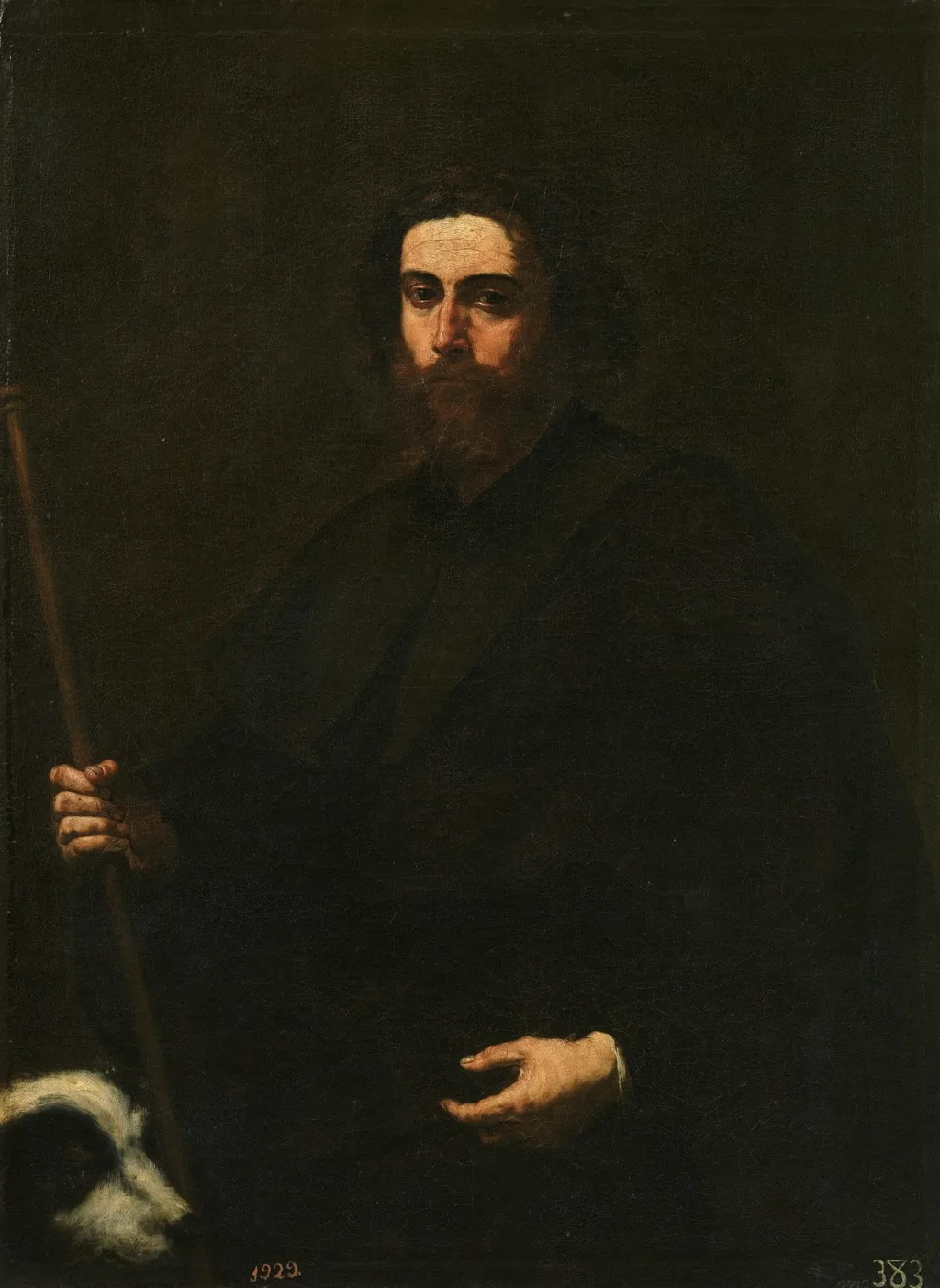
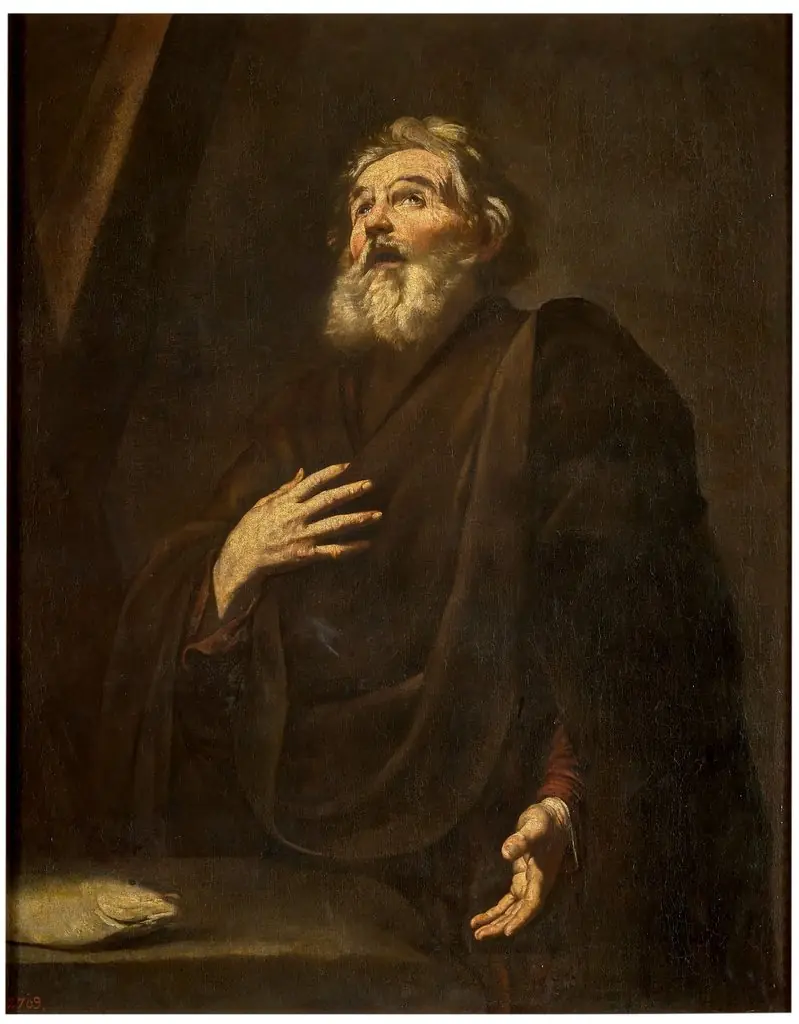
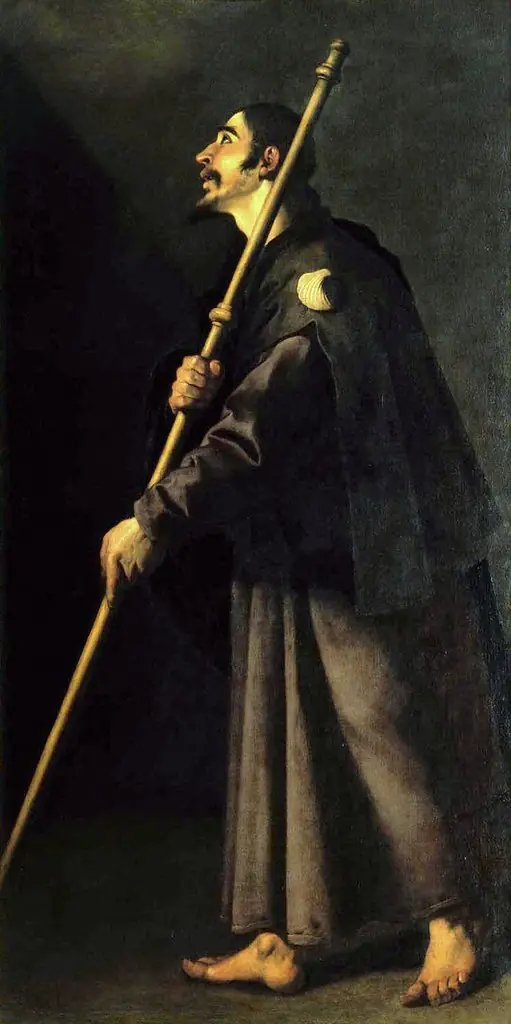
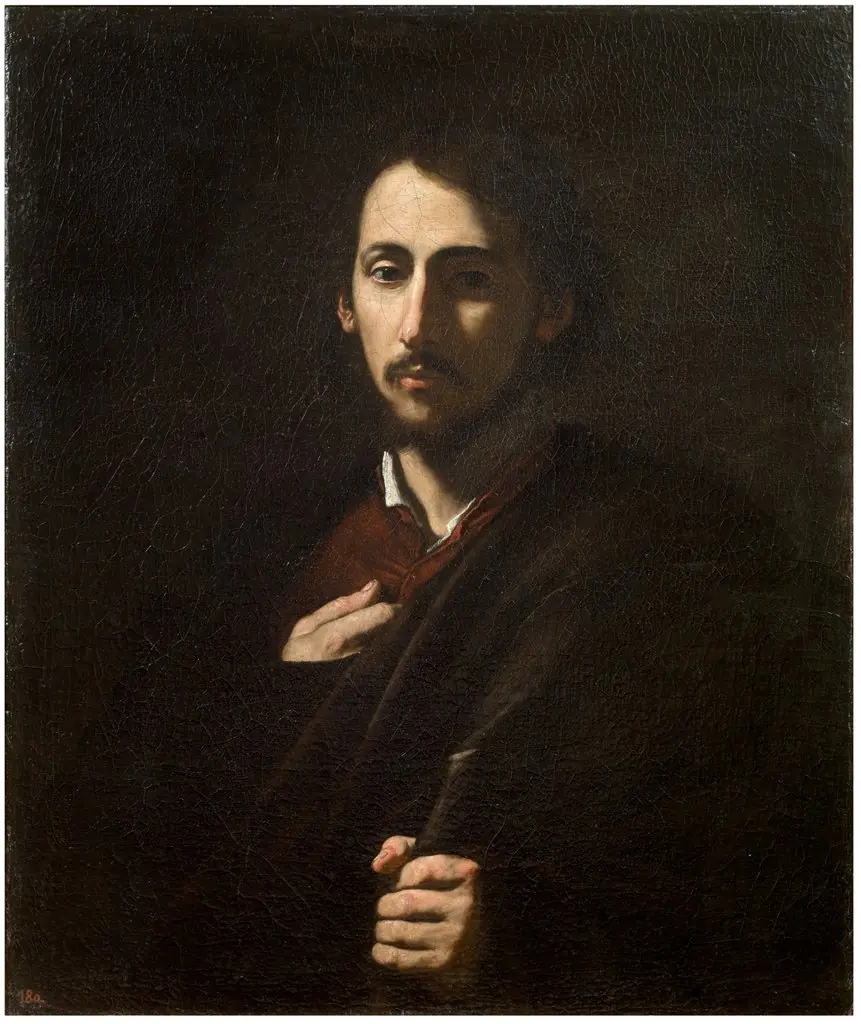
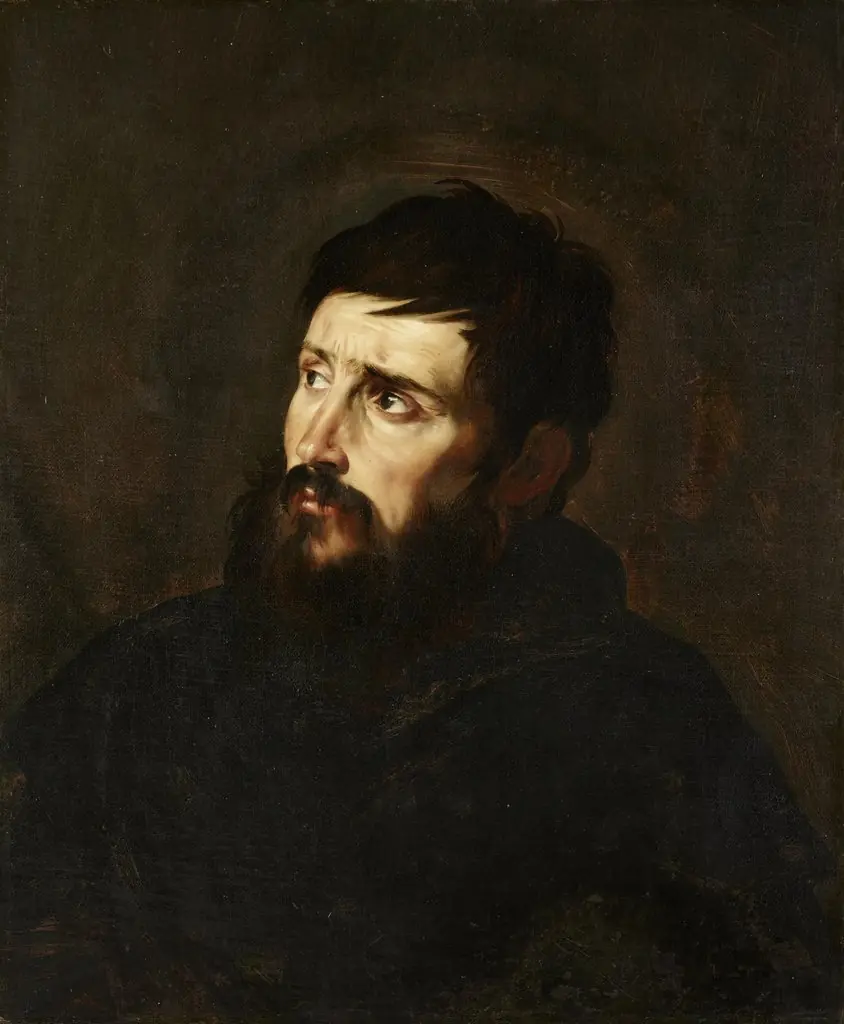
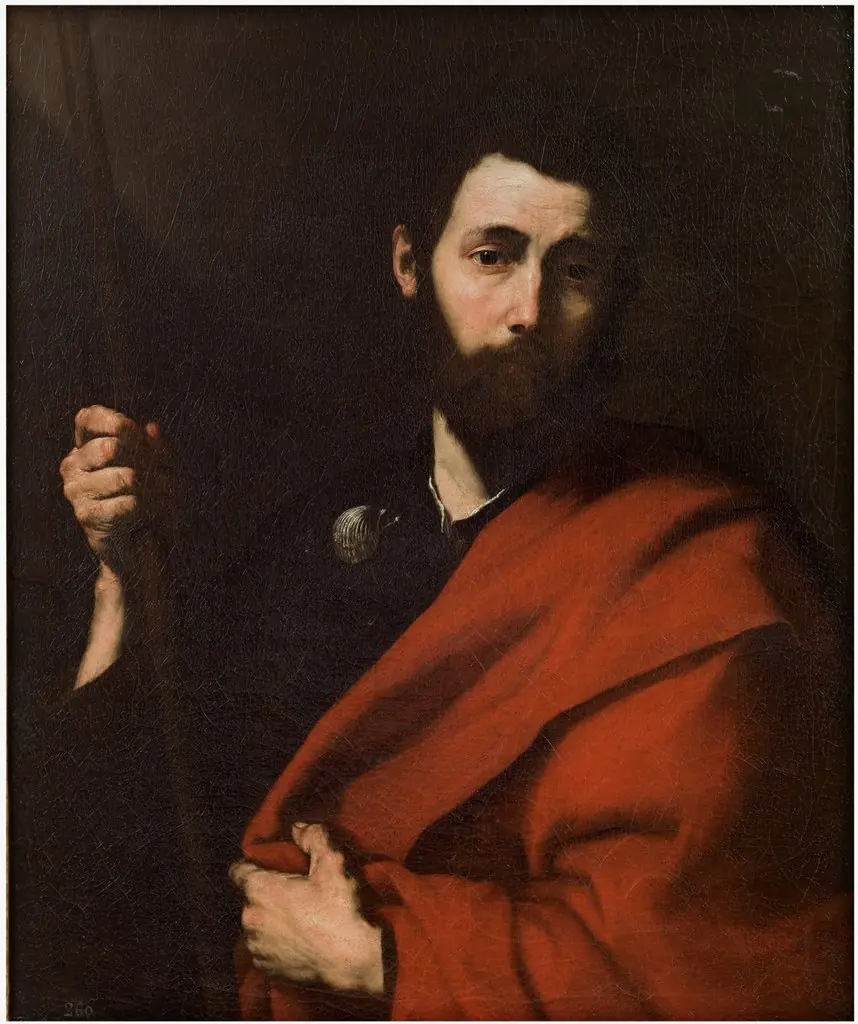
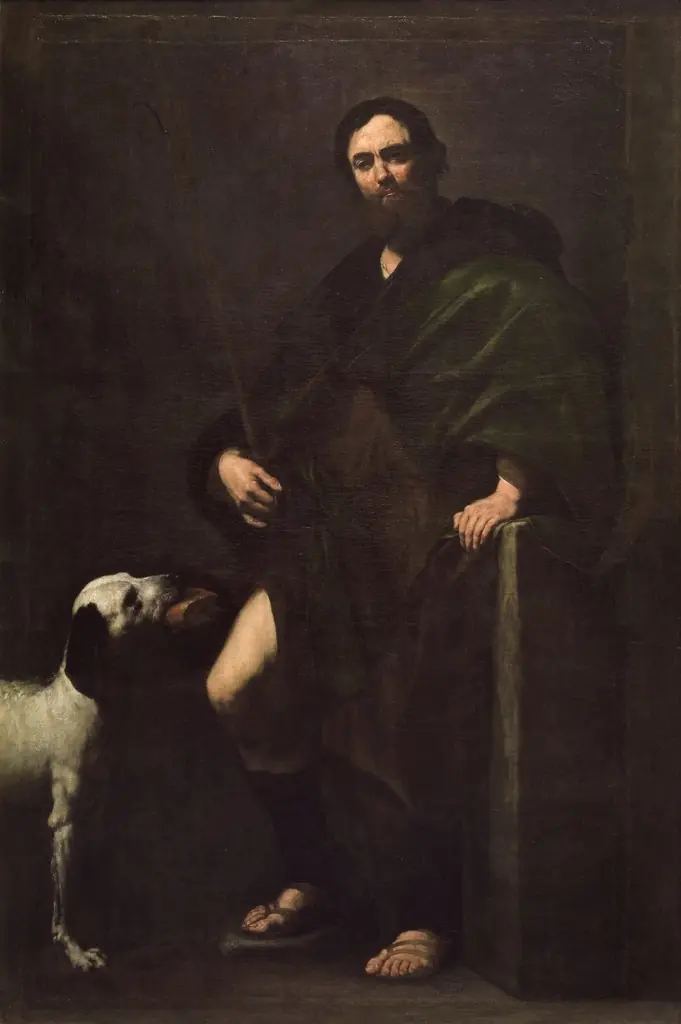
St. Rocque is an oil painting by the Early Baroque Italian artist Jusepe de Ribera. It dates from 1601 and is held in the collection of the Museo del Prado.
About this work
Overview
The work is now part of the Museo del Prado’s collection, reflecting its significance in the development of 17th-century Iberian and Southern European art.
Painted in 1601 by Jusepe de Ribera, *St. Rocque* is an early example of his religious portraiture executed in oil on canvas. Though Spanish by birth, Ribera was active in Naples during this period, where he absorbed the dramatic lighting and naturalism characteristic of Italian Baroque painting. The work is now part of the Museo del Prado’s collection, reflecting its significance in the development of 17th-century Iberian and Southern European art.
Subject & Meaning
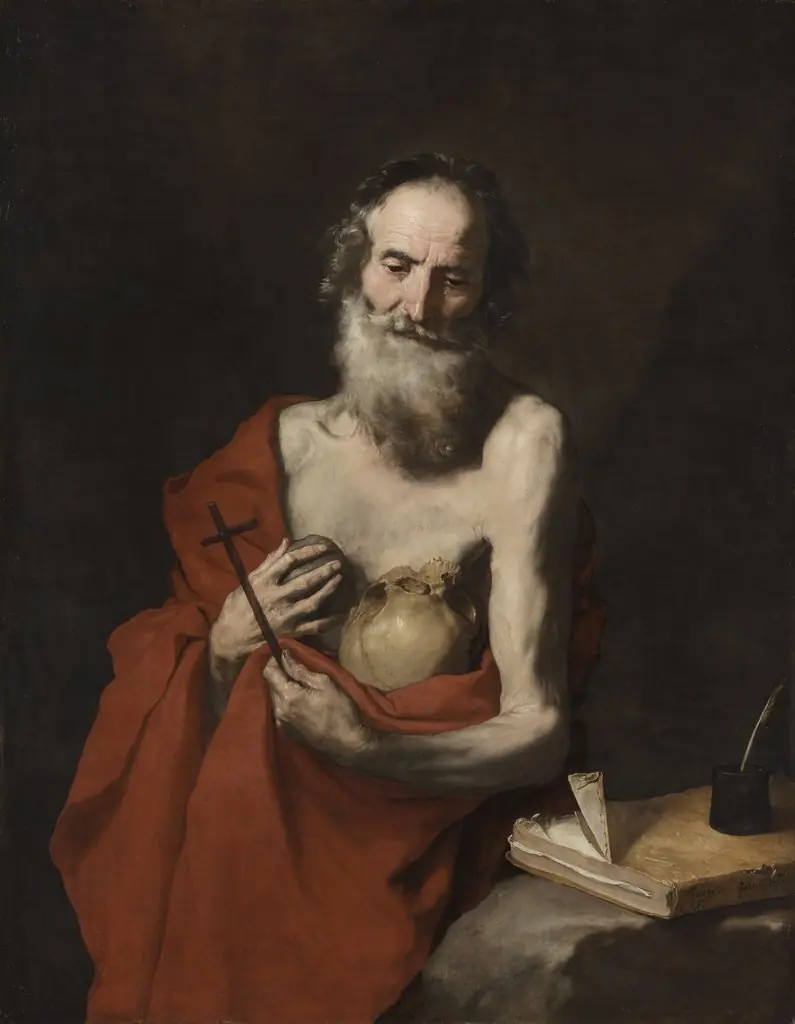
The figure depicts Saint Roch, a 14th-century pilgrim venerated for caring for plague victims. He is shown as a humble, weathered man, his beard and tattered garments suggesting years of hardship. His hand resting near his chest may allude to a wound or divine protection, while the staff signifies his role as a traveler and intercessor. The absence of traditional attributes like a dog or plague sore focuses attention on his quiet dignity and inner resolve.
Technique & Style
Ribera employs stark chiaroscuro to model the saint’s face and hands against a near-black background, enhancing their tactile presence. The brushwork is precise yet unpolished, capturing the texture of skin, fabric, and wood with unidealized realism. This approach aligns with Caravaggisti traditions, emphasizing physical presence over idealized spirituality. The limited palette and focused illumination create a sense of intimacy and psychological depth.
History & Provenance
Commissioned during Ribera’s formative years in Naples, the painting entered the Spanish royal collection before being transferred to the Museo del Prado. Its early date places it among his first mature religious works, predating his more elaborate compositions. The painting’s survival and documented provenance reflect its early recognition as a significant example of his emerging style, bridging Spanish devotional traditions and Italian naturalism.
Context
In the early 1600s, Naples was a vibrant center for religious art, influenced by Caravaggio’s revolutionary use of light and ordinary models. Ribera, working among local artists and under the patronage of Spanish viceroys, adapted these innovations to depict saints with unflinching humanity. *St. Rocque* reflects a broader Counter-Reformation emphasis on accessible, emotionally resonant imagery to inspire devotion among the faithful.
Legacy
This painting exemplifies Ribera’s early mastery of psychological realism and dramatic lighting, foreshadowing his later influence on Southern Italian and Spanish painting. Its restrained composition and focus on the individual’s inner life helped define a mode of sacred portraiture that moved away from ornate Mannerism. Though lesser known than his later works, *St. Rocque* remains a key reference in understanding the evolution of Baroque religious imagery in the Iberian world.
Own this work as a print
Artist & collection
Artist
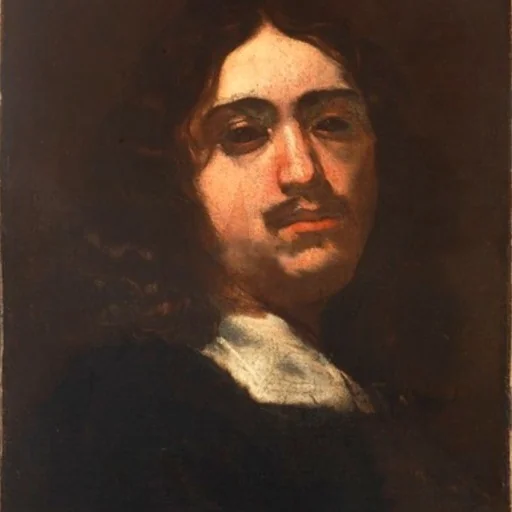
Jusepe de Ribera (Valencian: ; baptised 17 February 1591 – 3 November 1652) was a Spanish painter and printmaker.