Artwork
The Immaculate Conception
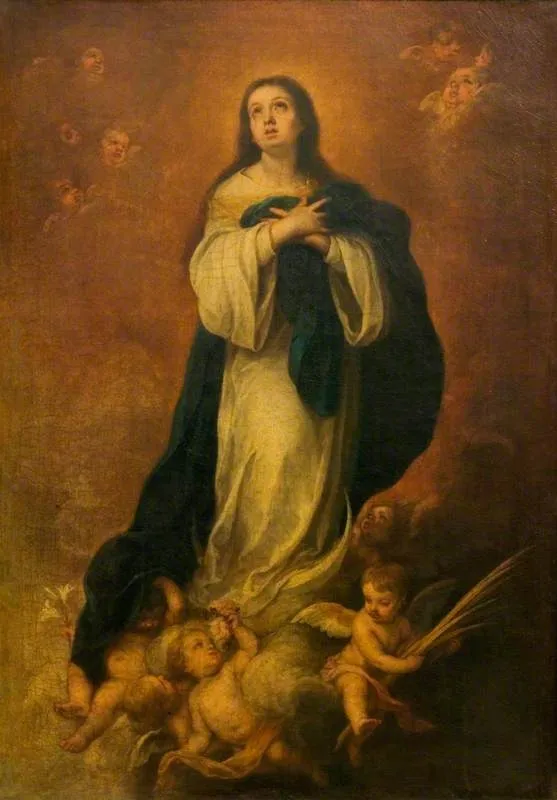
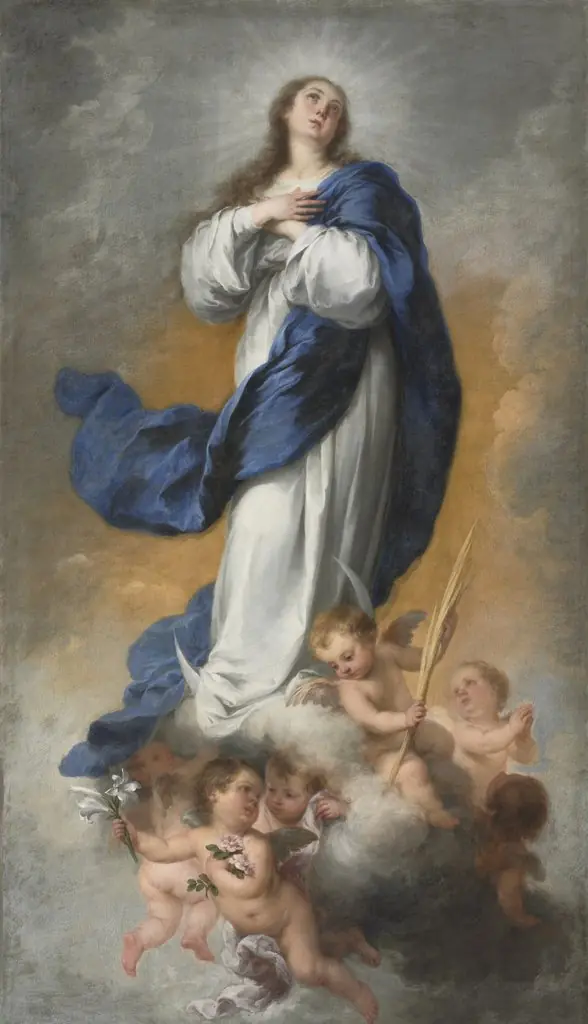
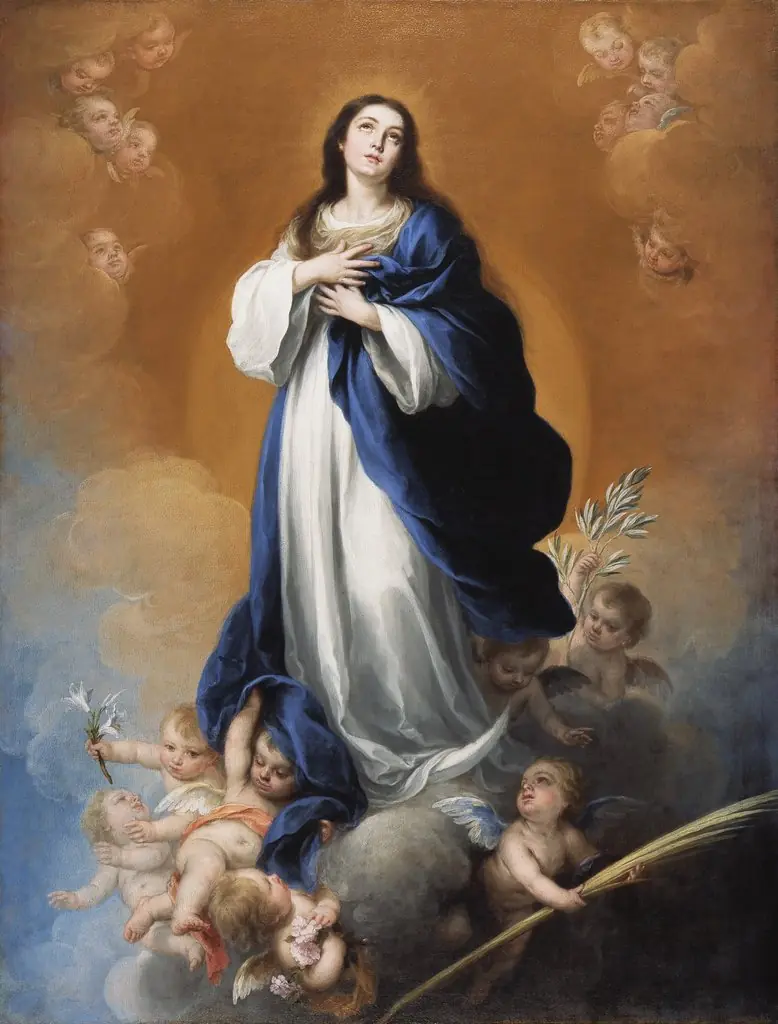
The Immaculate Conception is an oil painting by the Early Baroque Italian artist Bartolomé Esteban Murillo. It dates from 1659 and is held in the collection of the Victoria and Albert Museum.
About this work
Overview
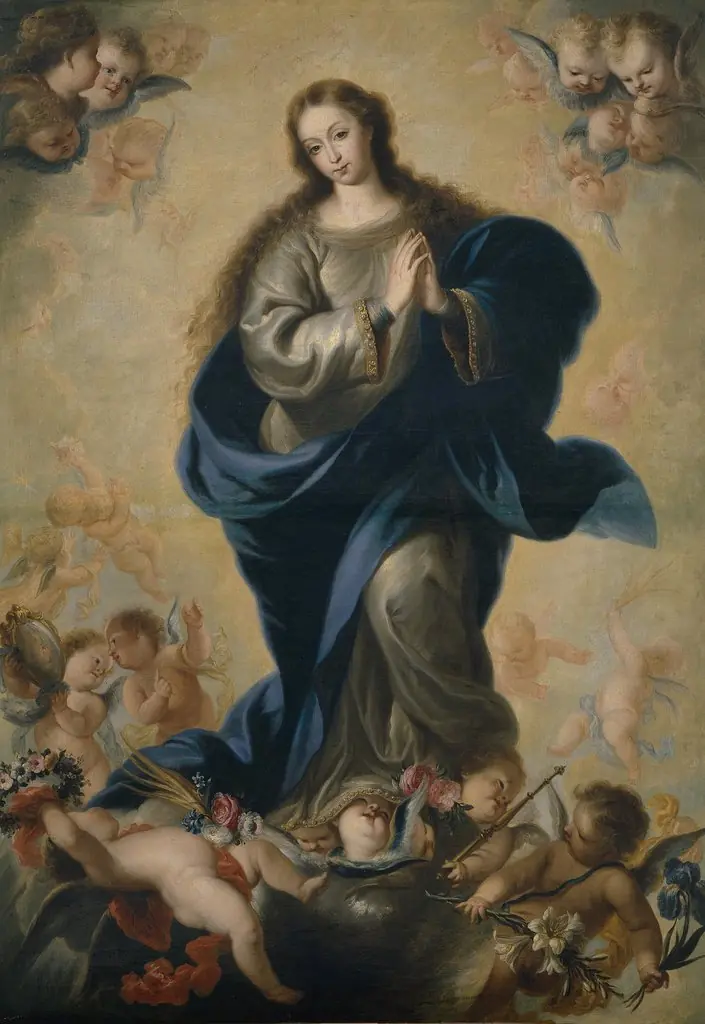
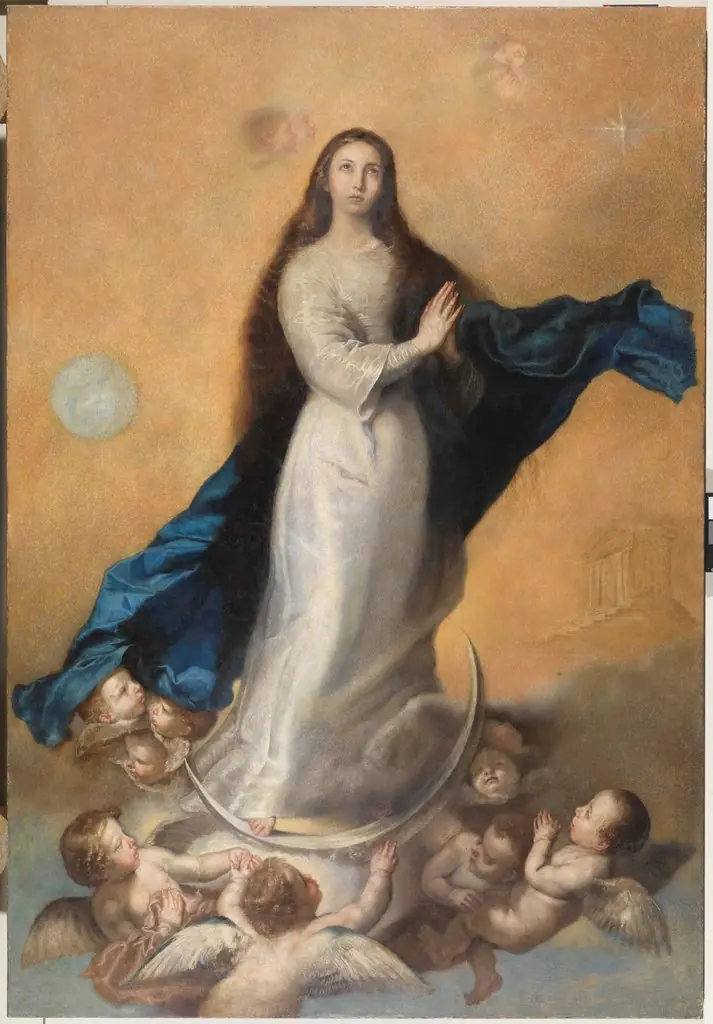
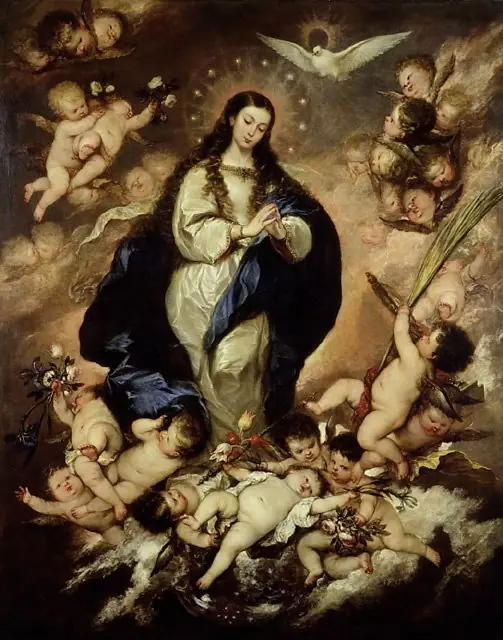
The Immaculate Conception is a 17th-century oil painting by Spanish Baroque artist Bartolomé Esteban Murillo, created circa 1659. It represents a religious subject through characteristic Baroque visual elements.
Subject & Meaning
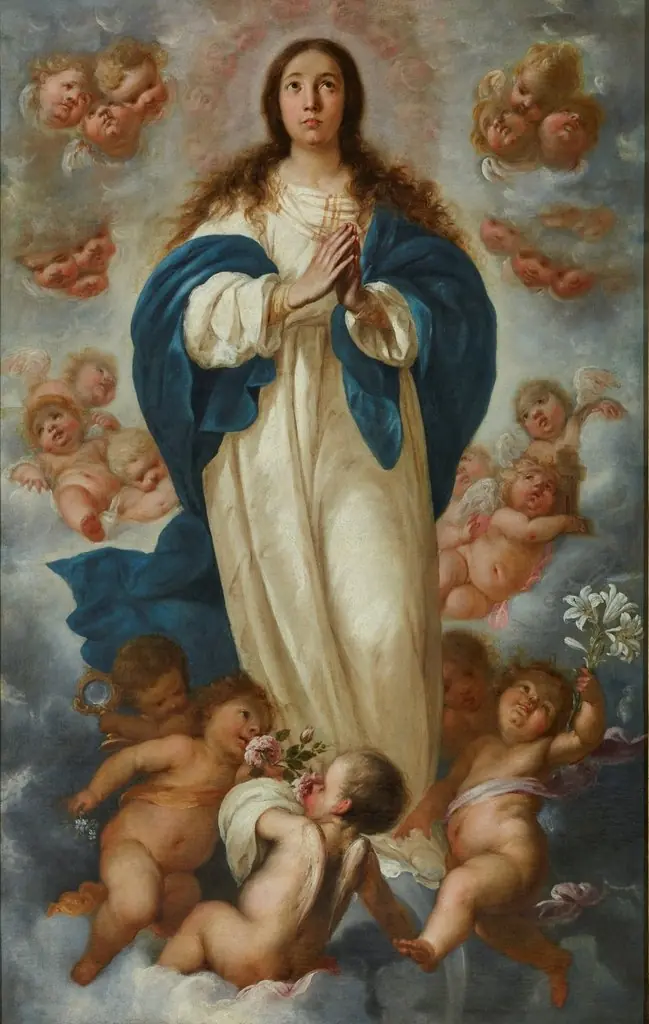
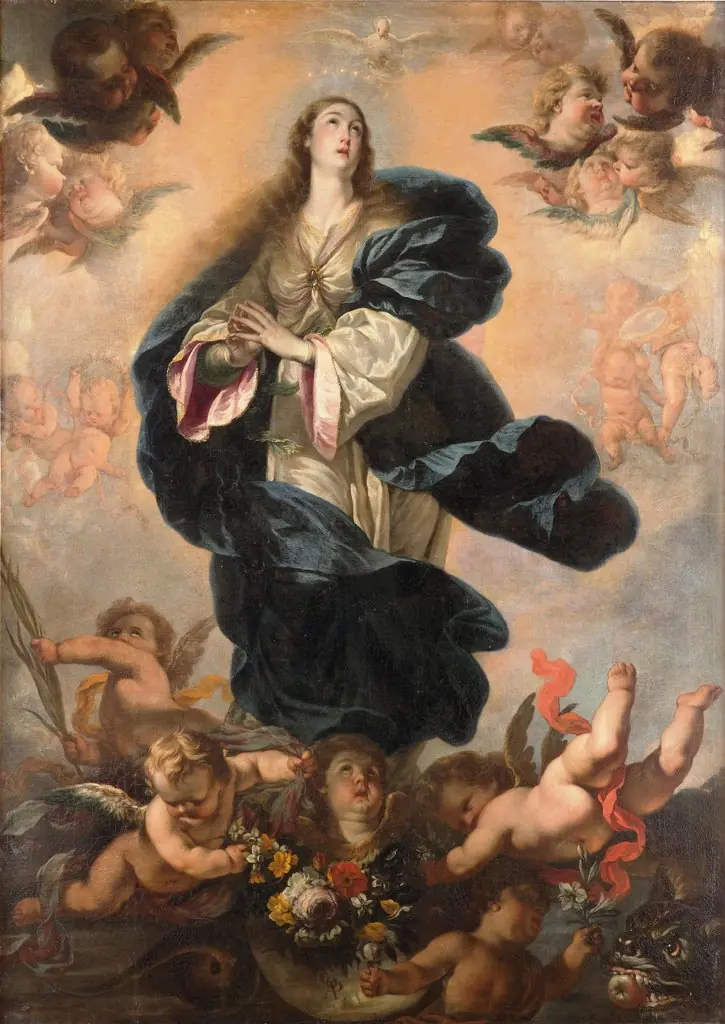
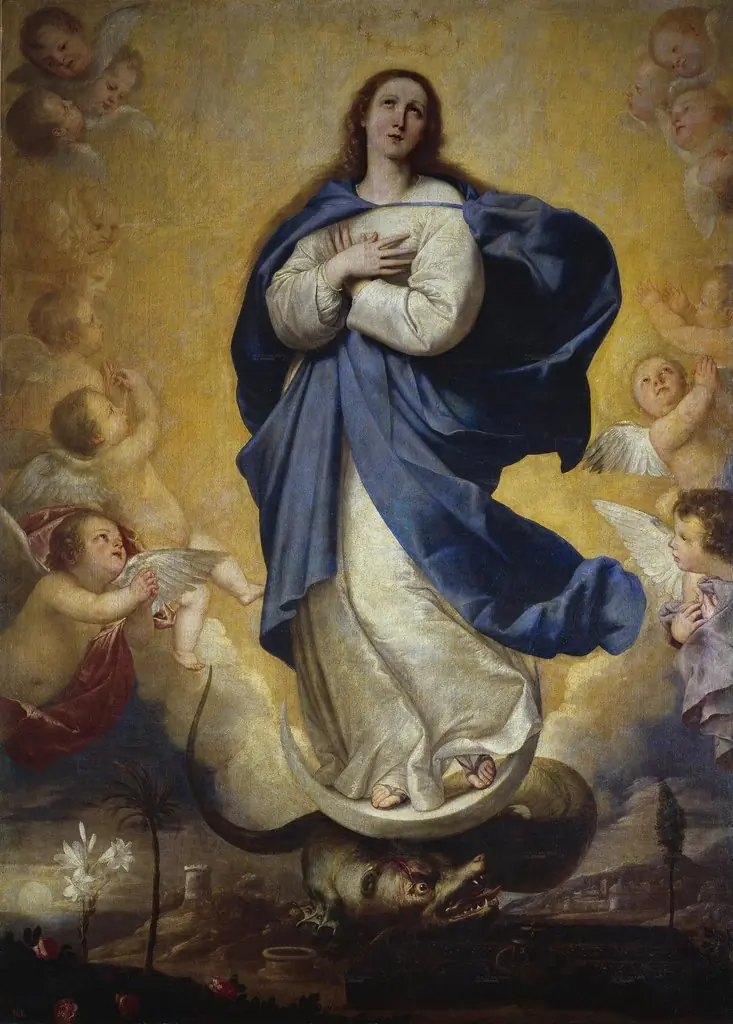
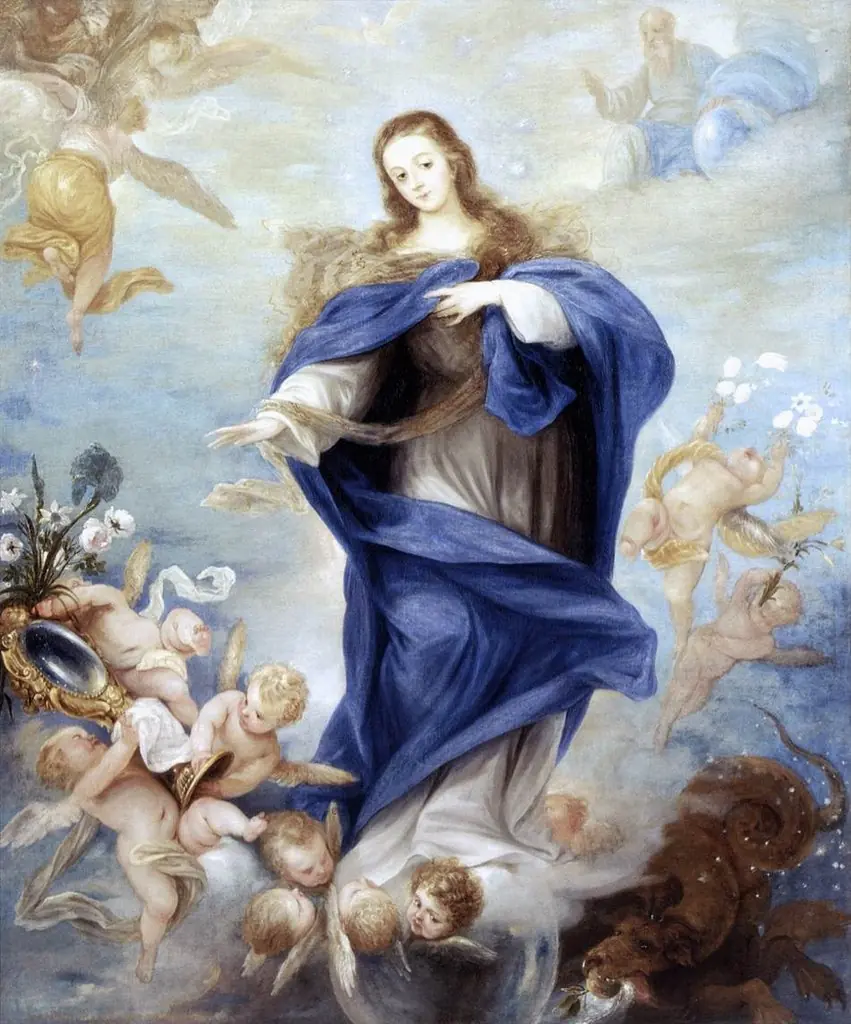
The painting depicts the Virgin Mary in a state of serene devotion, symbolized by her clasped hands, upward gaze, and halo. Surrounding cherubs, including one holding a palm frond, enhance the religious and symbolic context.
Technique & Style
Murillo employed rich oil painting techniques to create depth through nuanced light and shadow. The warm, golden background contrasts with the vibrant blue cloak, highlighting the subject against a luminous aura.
History & Provenance
Originally part of the early Baroque Italian movement, the painting is now housed in the Victoria and Albert Museum as part of its collection.
Context
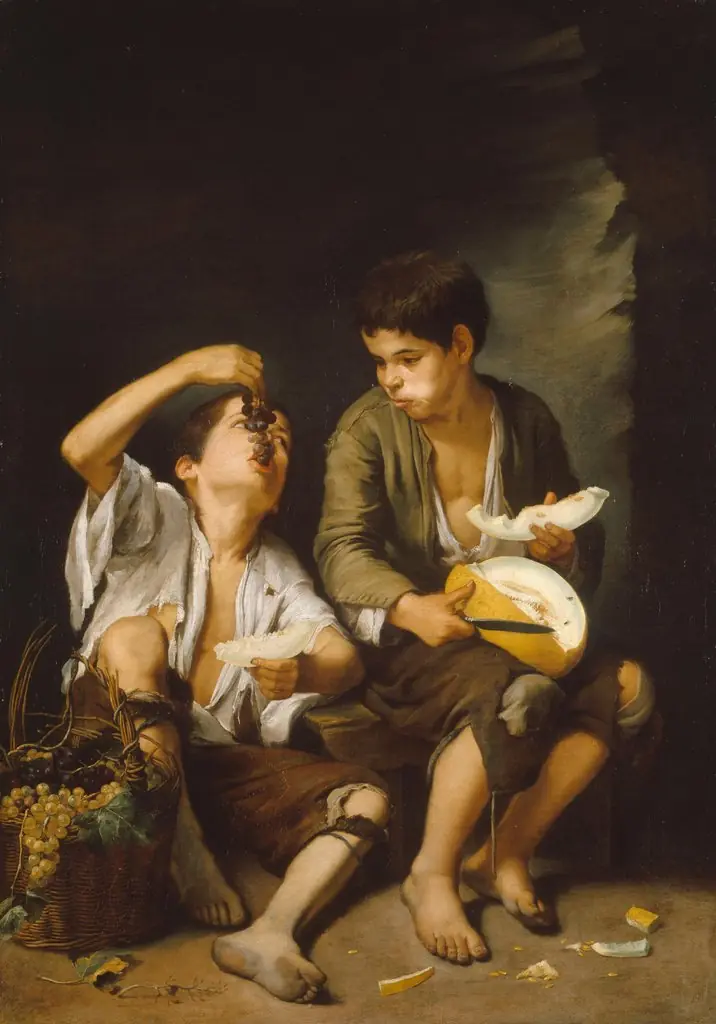
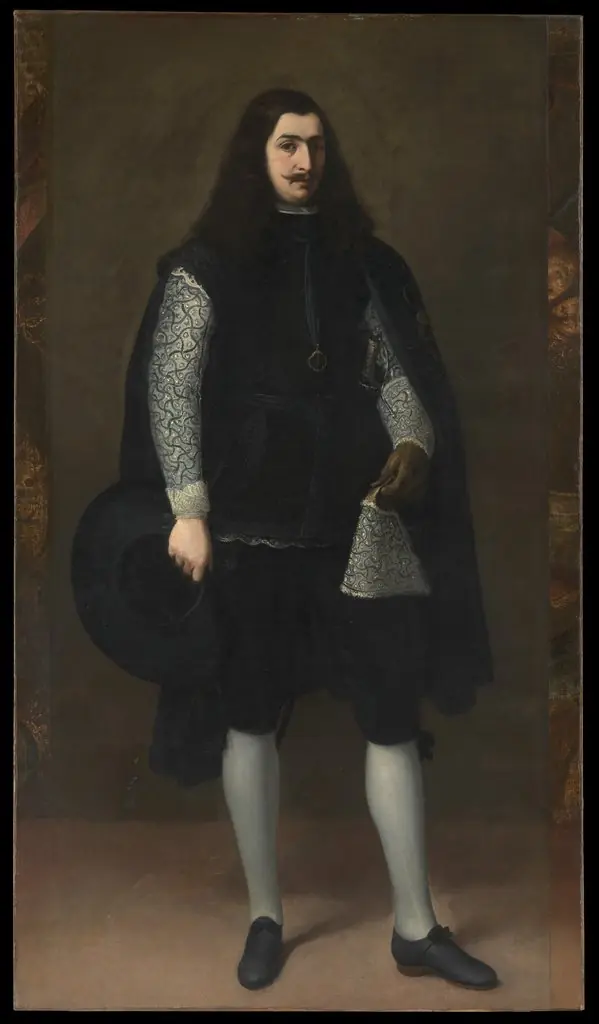
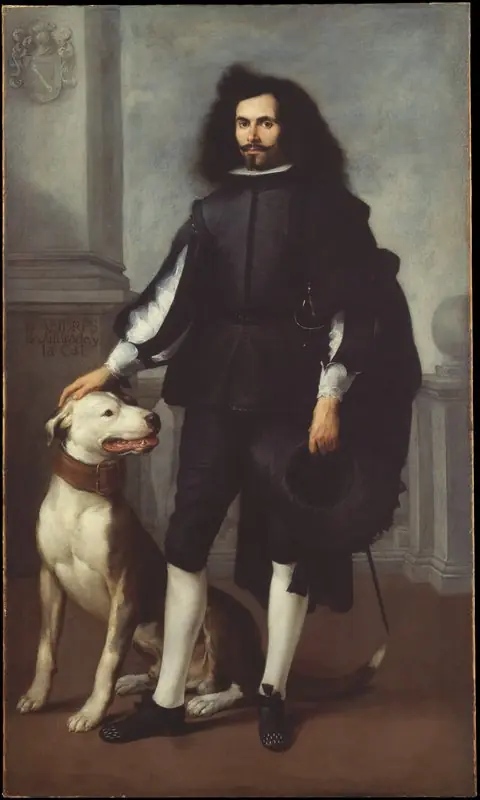
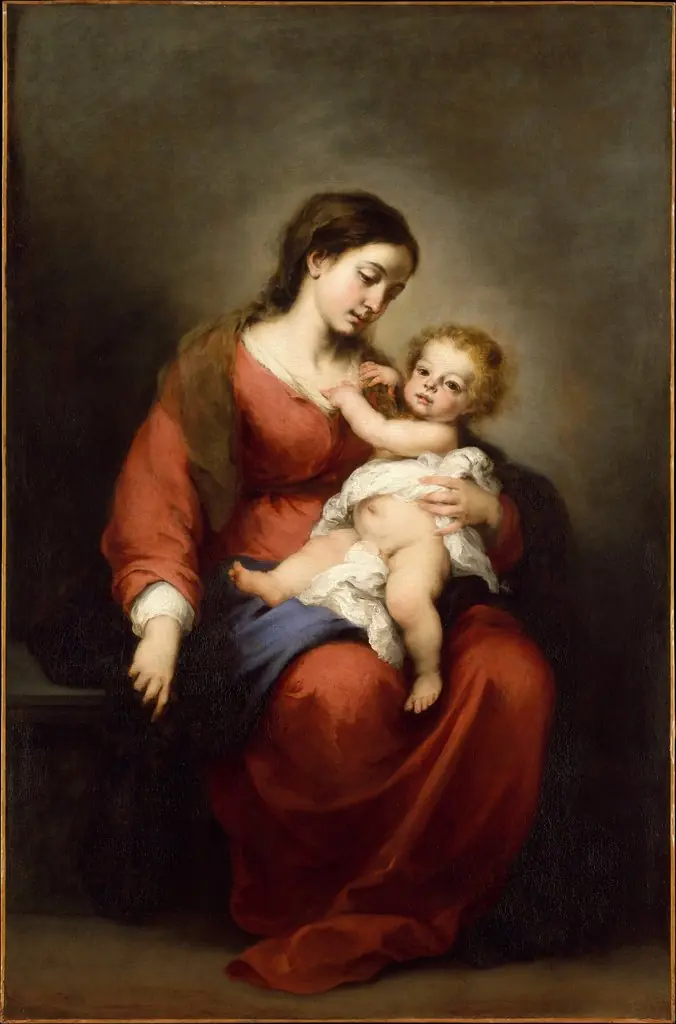
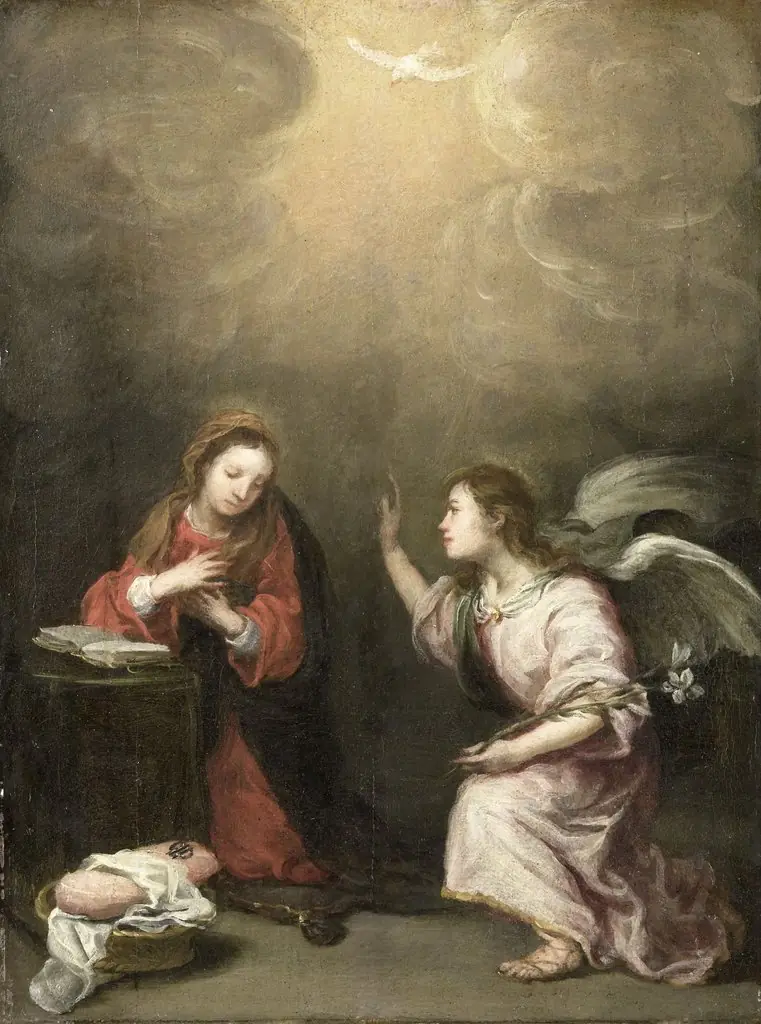
While Murillo is renowned for religious works, his oeuvre also includes everyday scenes and portraits, reflecting the broader artistic scope of the Baroque period.
Artist & collection
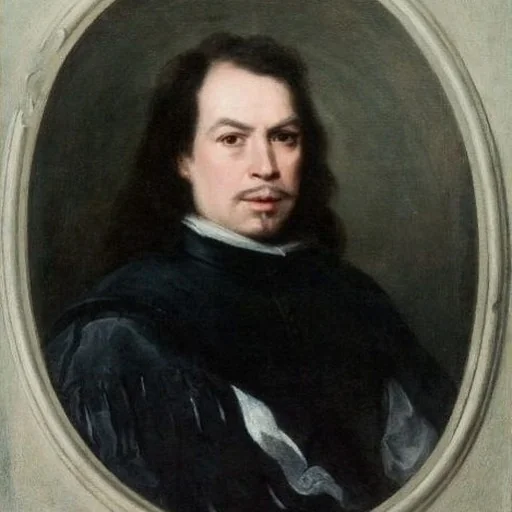
Artist
Bartolomé Esteban Murillo ( mure-IL-oh, m(y)uu-REE-oh, Spanish: ; late December 1617, baptised 1 January 1618 – 3 April 1682) was a Spanish Baroque painter.