Artwork
The Immaculate Conception
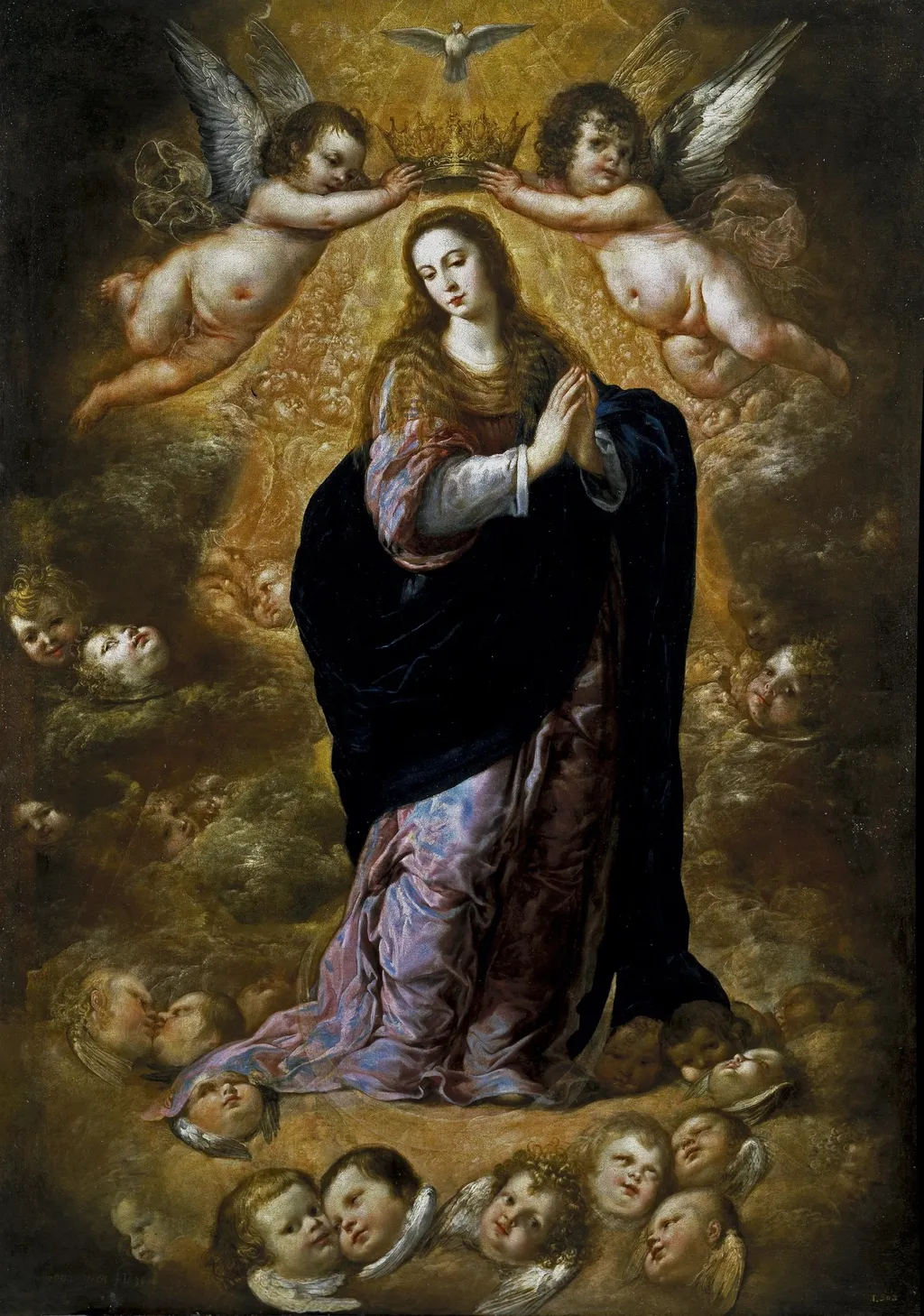
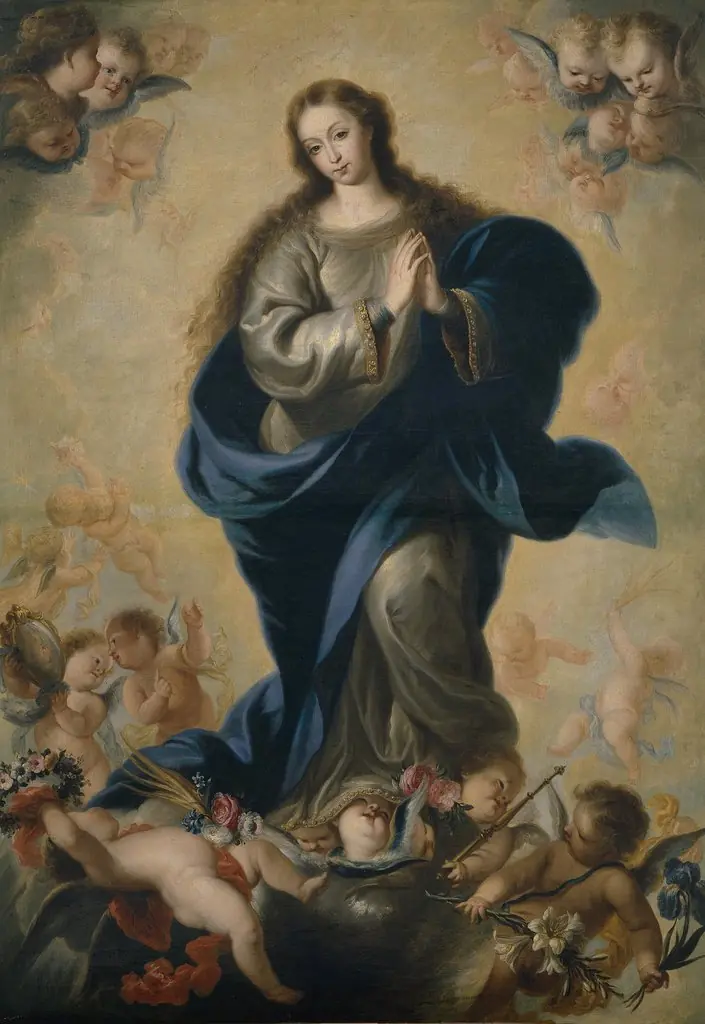
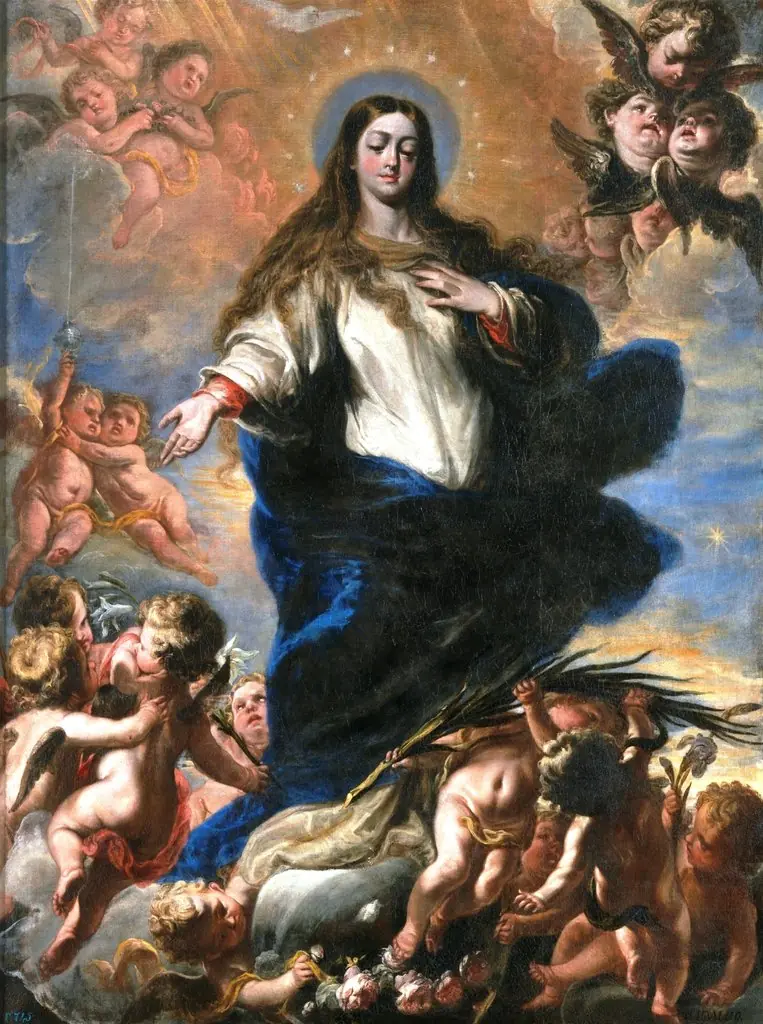
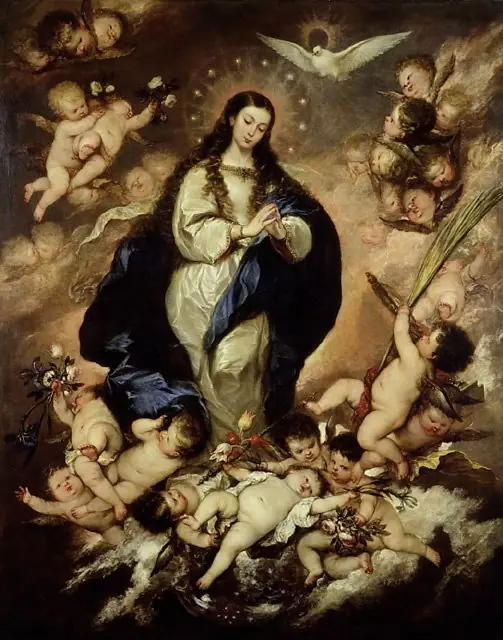
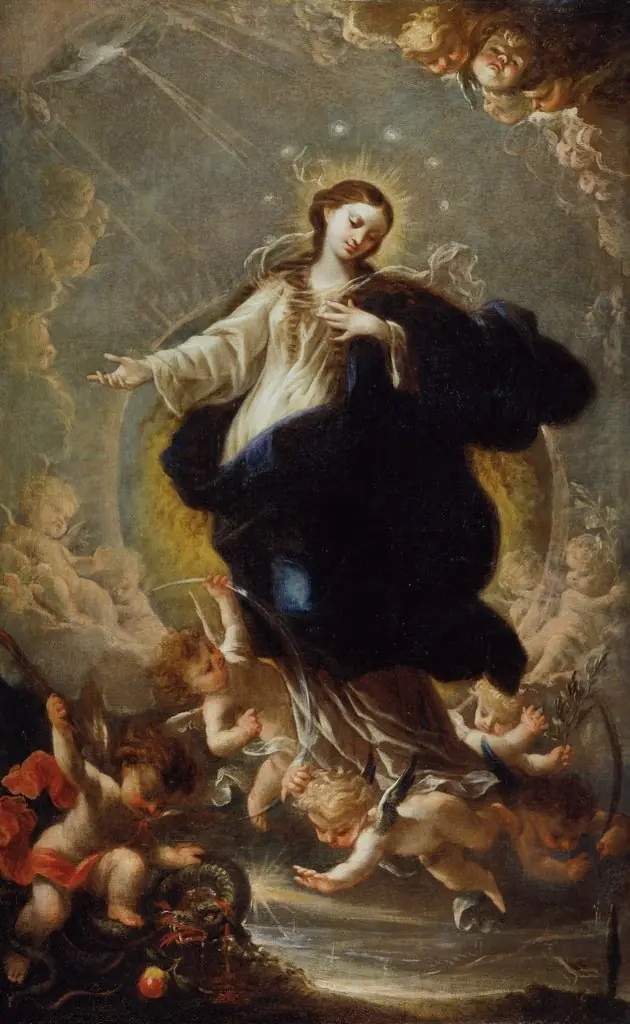
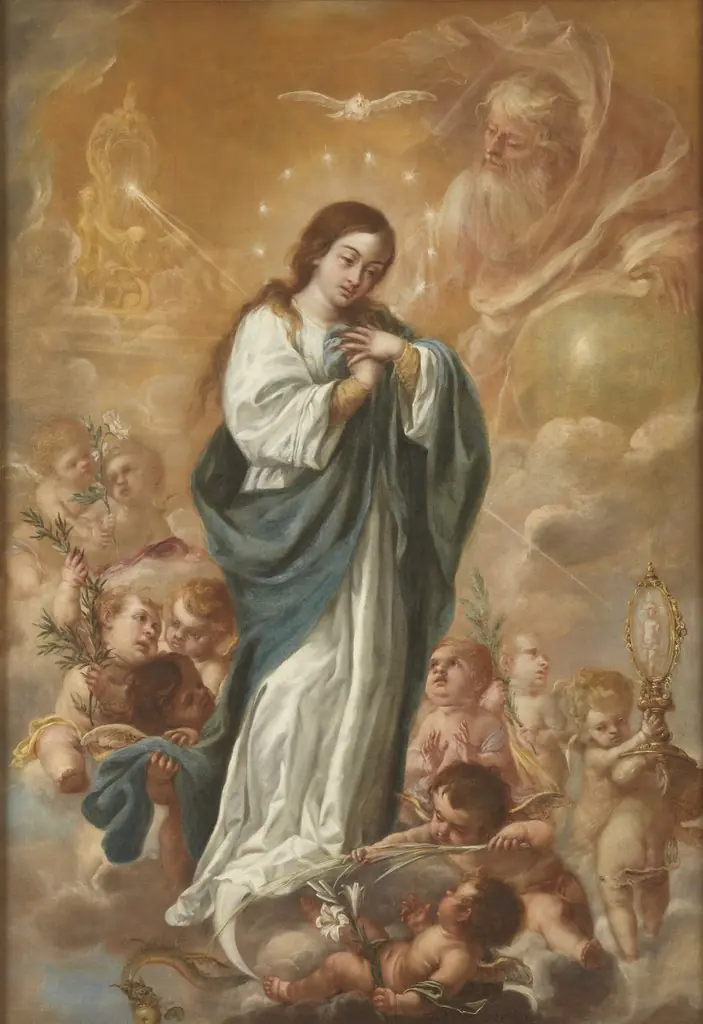
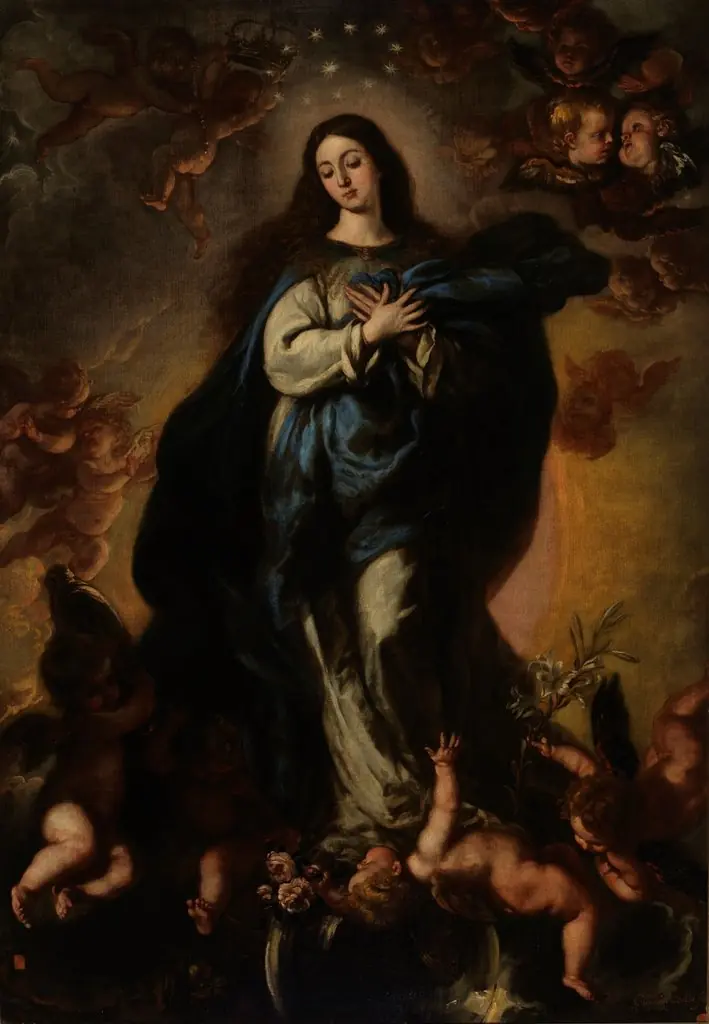
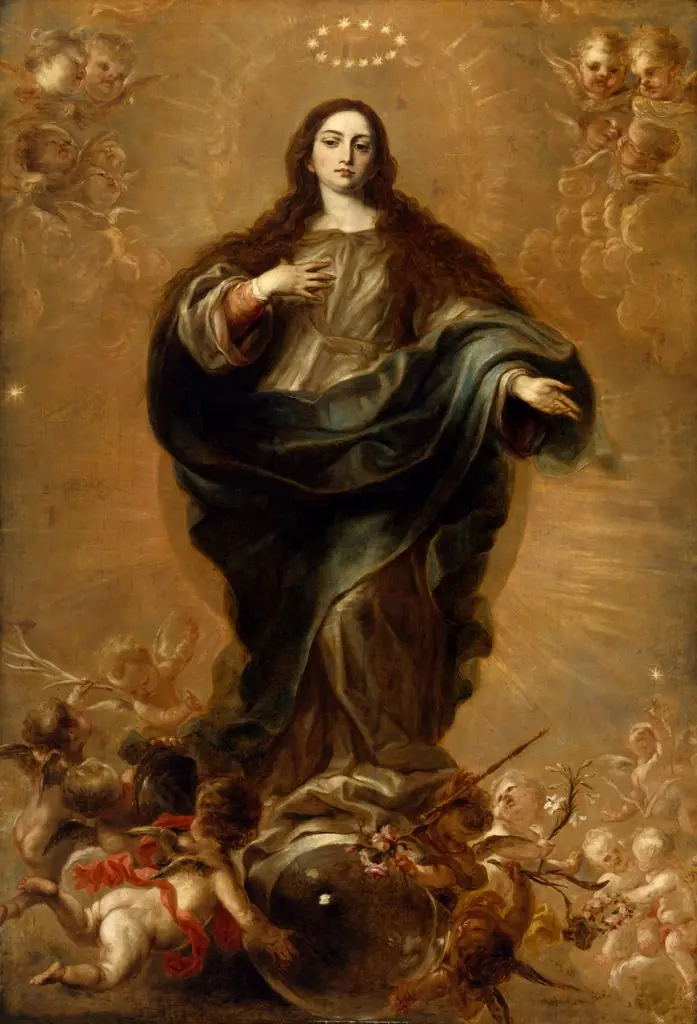
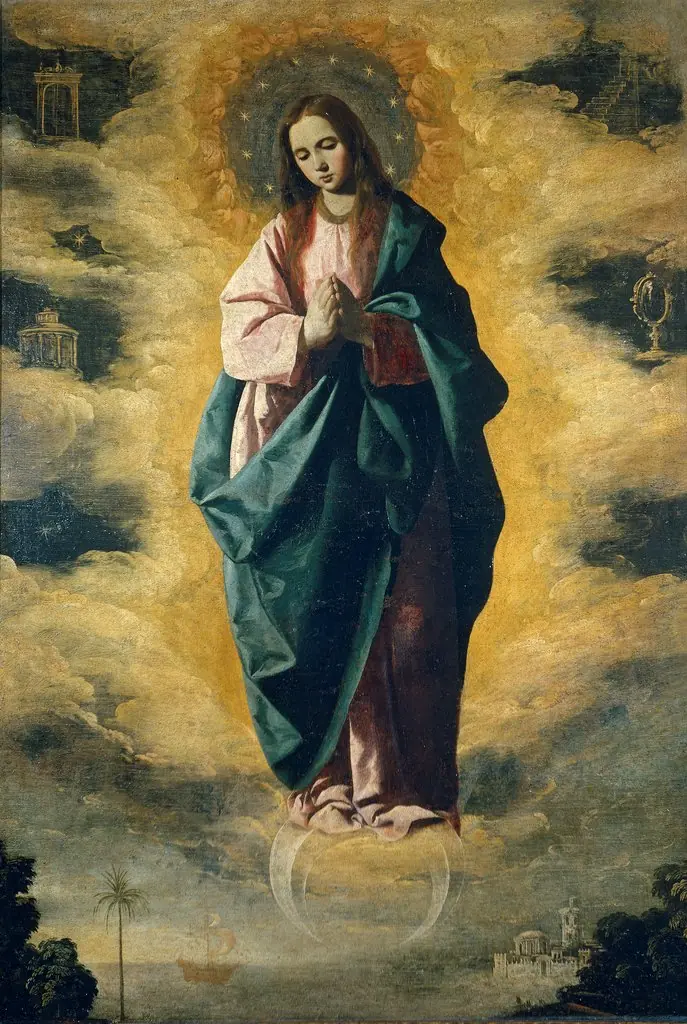
The Immaculate Conception is an oil painting by the Early Baroque Italian artist Antonio de Pereda. It dates from 1636 and is held in the collection of the Museo del Prado.
About this work
Overview
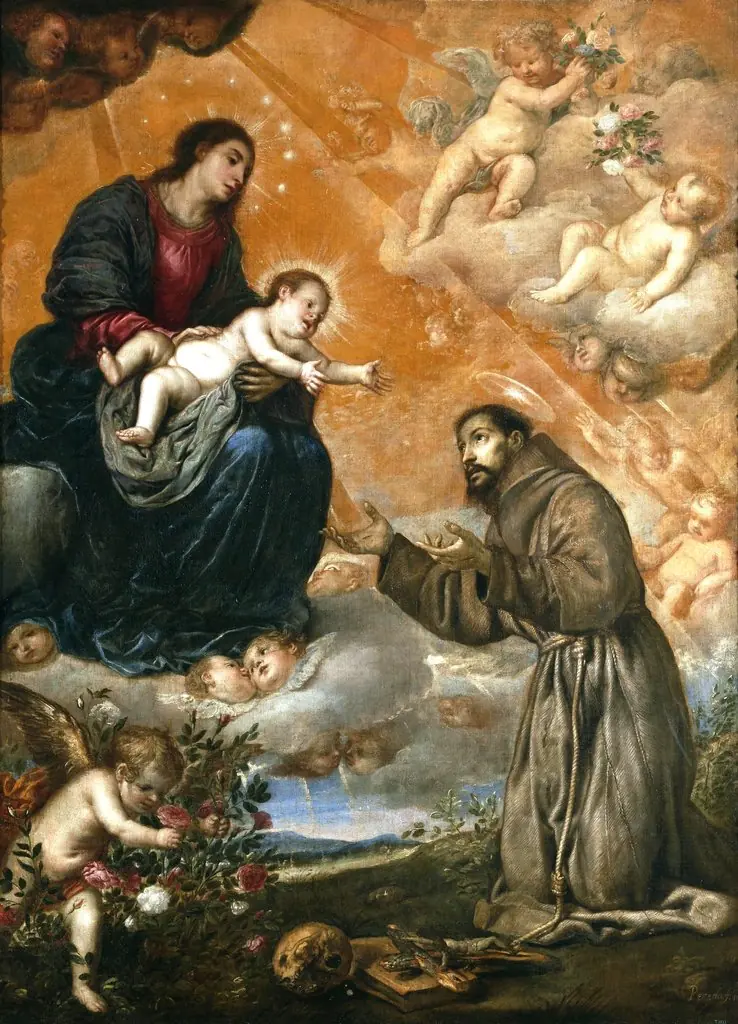
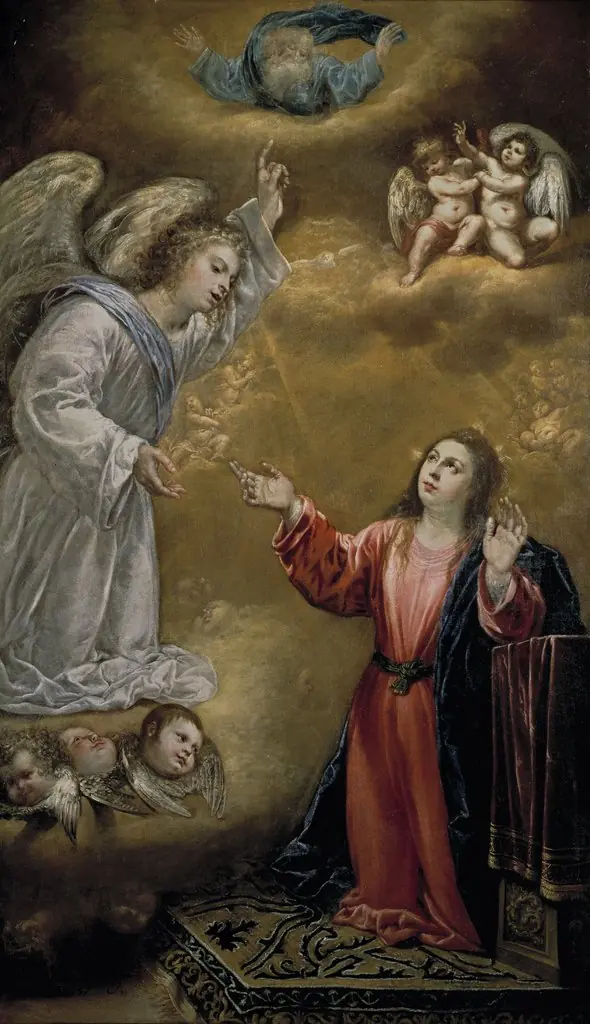
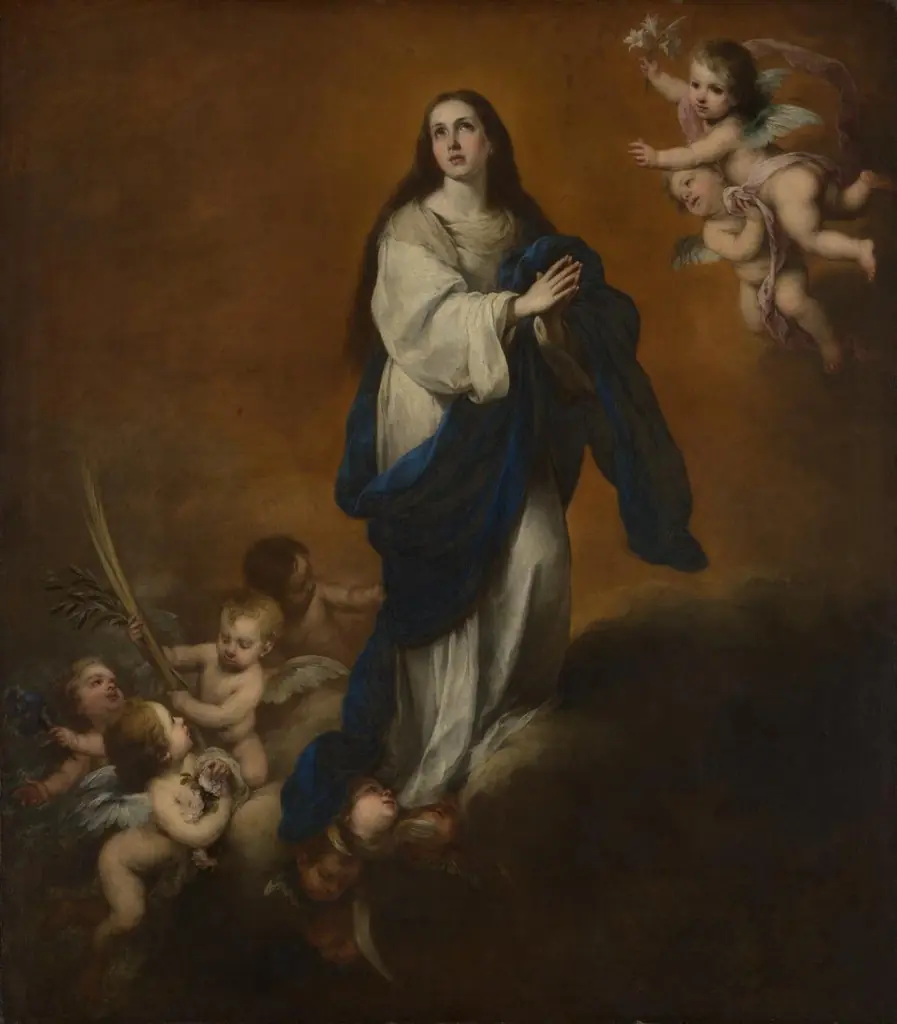
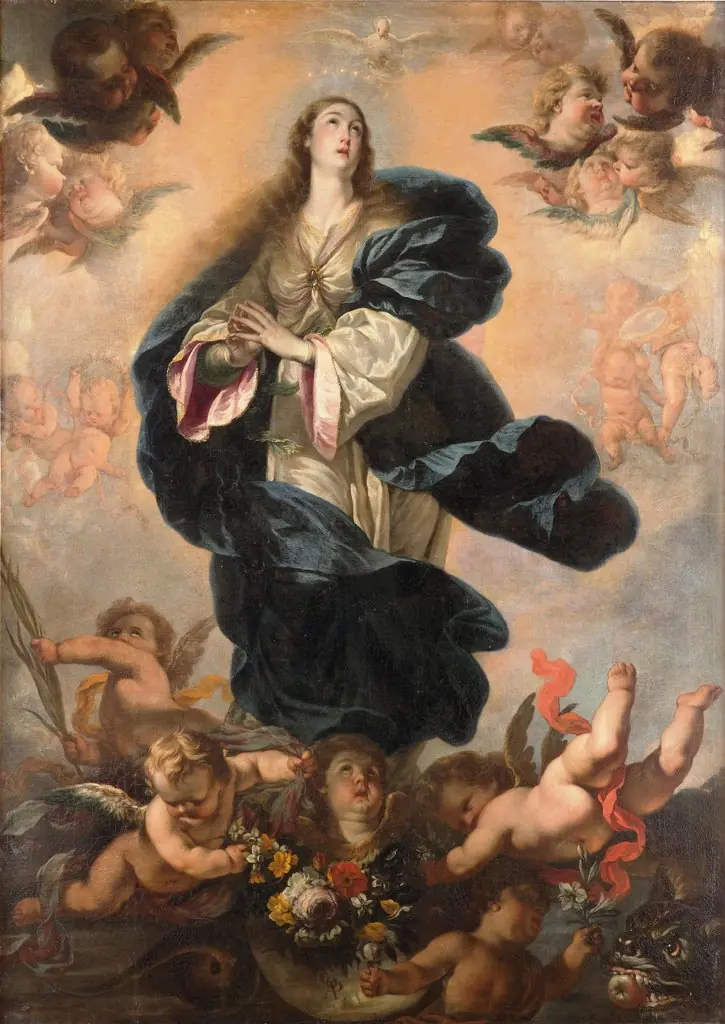
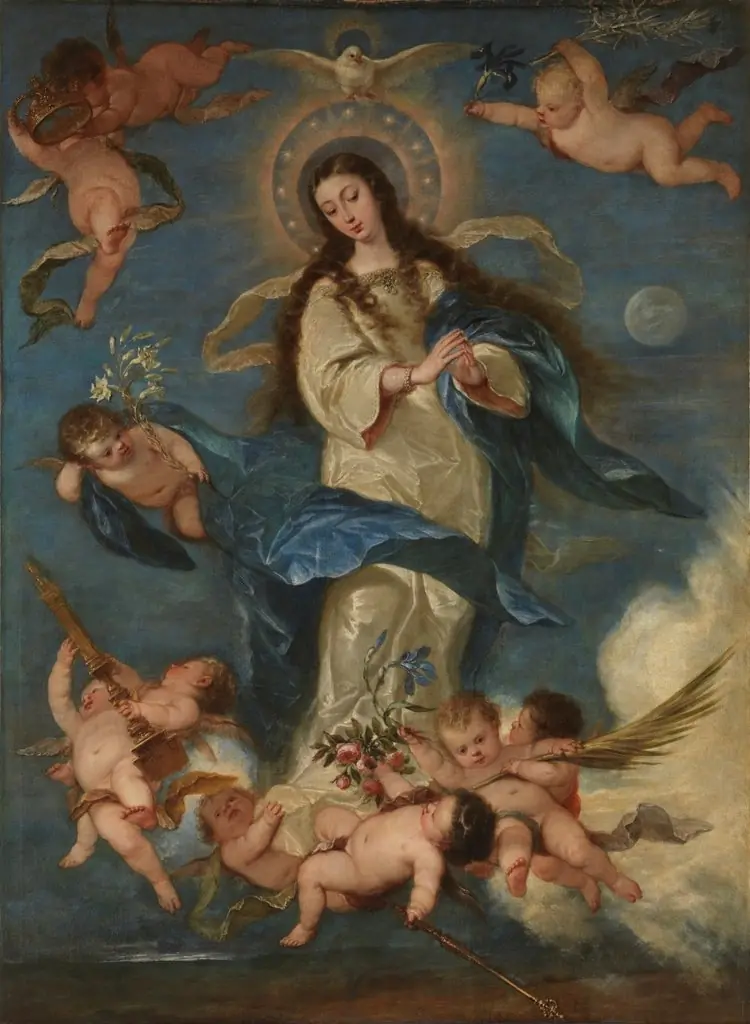
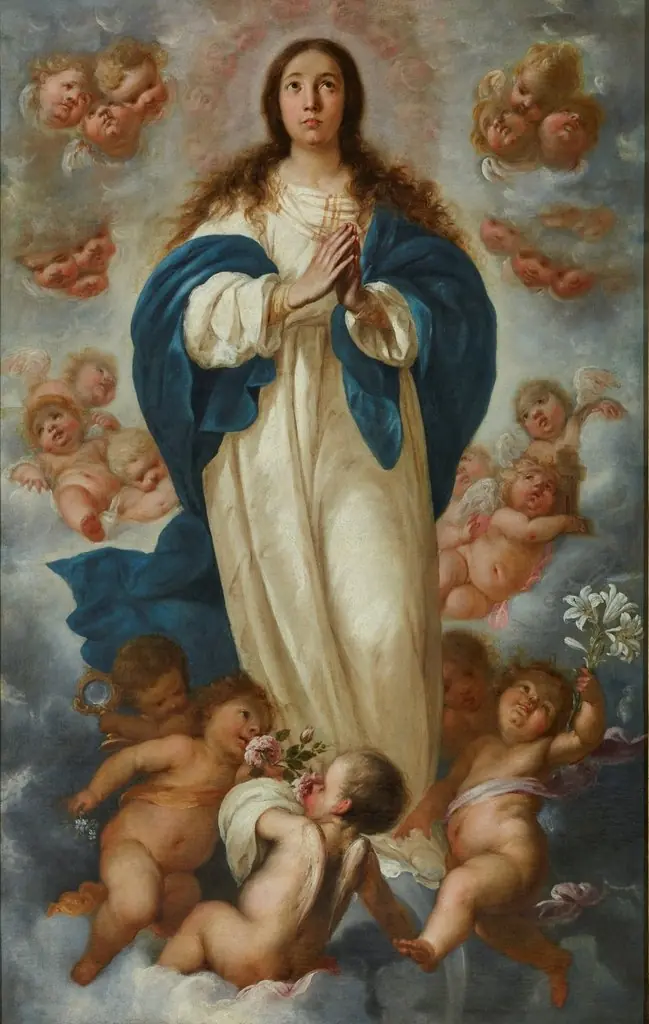
Antonio de Pereda’s 1636 oil painting titled *The Immaculate Conception* is part of the Museo del Prado’s collection. Executed in the early Baroque idiom, the work presents a devotional scene centered on a kneeling female figure surrounded by cherubic attendants and a luminous sky.
Subject & Meaning
The central figure, garbed in a flowing blue robe, kneels upon clouds with hands clasped in prayer, embodying the Catholic doctrine of the Immaculate Conception. Cherubs hover nearby, some bearing a crown above her head, reinforcing the theme of divine purity and heavenly coronation.
Technique & Style
Pereda employs chiaroscuro to model the folds of the robe, contrasting deep shadows with bright highlights that give the fabric a three‑dimensional presence. The background glows in soft golds and whites, suggesting light filtering through mist, a hallmark of early Baroque Italian influence.
History & Provenance
Created during the Spanish Baroque period, the painting entered the Museo del Prado’s holdings at an unspecified date, where it remains on display as a representative example of Pereda’s religious oeuvre.
Own this work as a print
Artist & collection
Artist
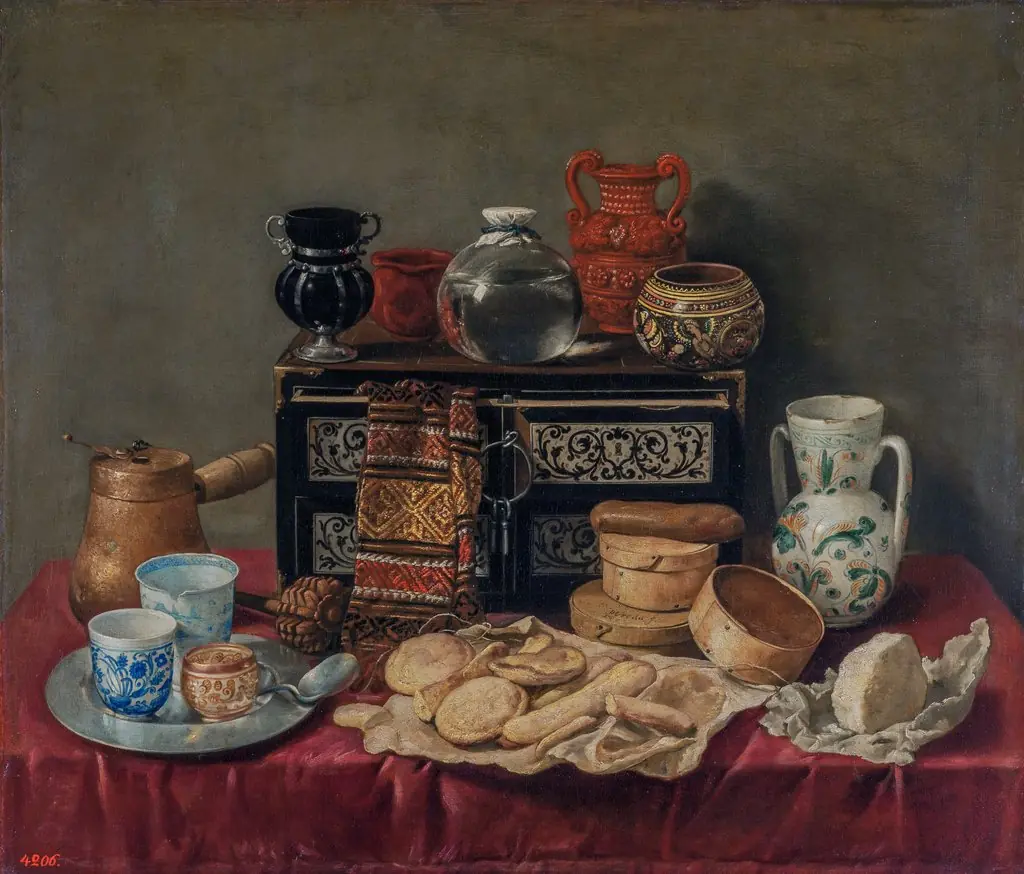
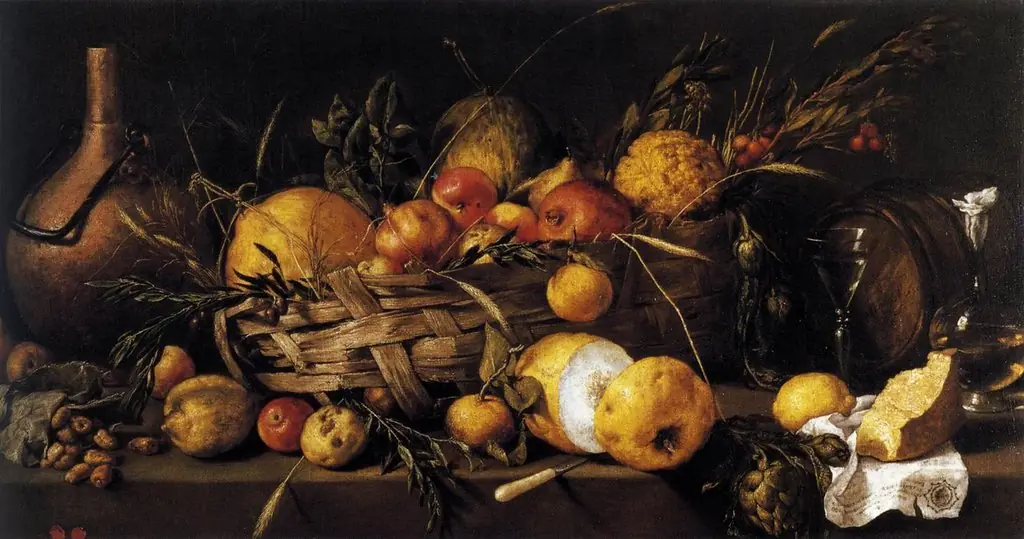
Antonio de Pereda y Salgado (c. 1611 – January 30, 1678) was a Spanish Baroque-era painter, best known for his still lifes.