Artwork
The Prodigal Son among the Pigs
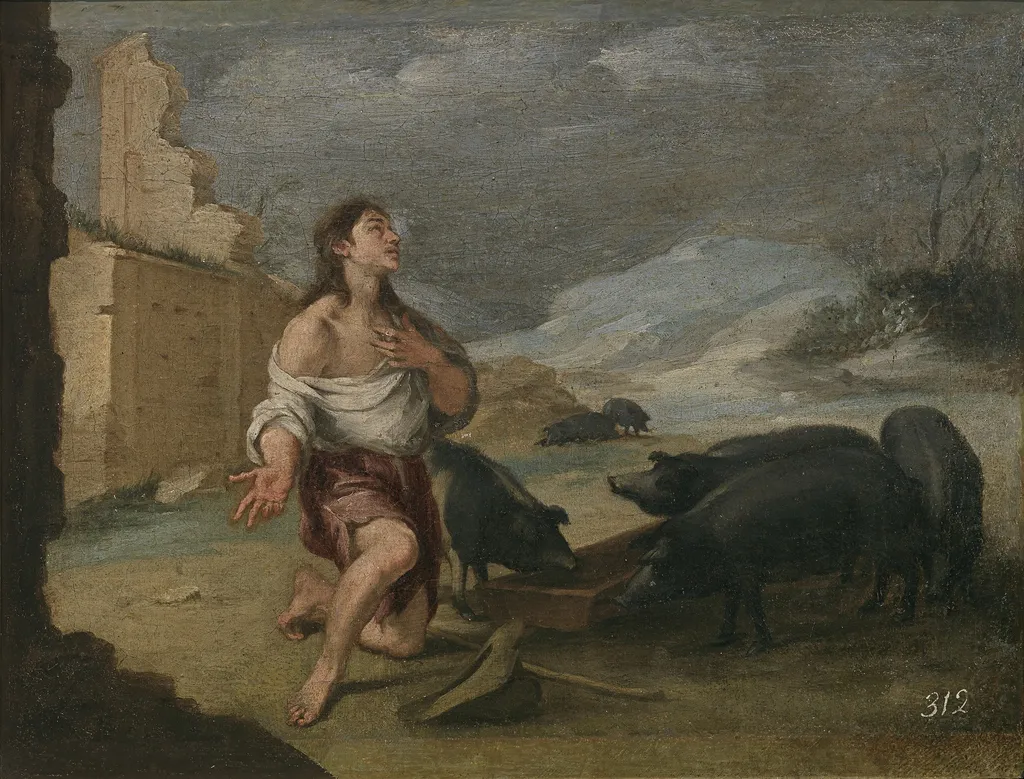
The Prodigal Son among the Pigs is an oil painting by Bartolomé Esteban Murillo. It dates from 1660 and is held in the collection of the Museo del Prado.
About this work
Overview
Painted in 1660 by Spanish Baroque artist Bartolomé Esteban Murillo, this oil-on-canvas work illustrates a moment from the Gospel of Luke.
Painted in 1660 by Spanish Baroque artist Bartolomé Esteban Murillo, this oil-on-canvas work illustrates a moment from the Gospel of Luke. It portrays the prodigal son in a state of physical and spiritual ruin, surrounded by livestock in a desolate landscape. The painting is part of the Museo del Prado’s permanent collection, reflecting Murillo’s sustained engagement with biblical narratives during his mature period in Seville.
Subject & Meaning
The scene captures the prodigal son at his lowest point, having squandered his inheritance and been reduced to feeding pigs—a condition considered deeply unclean in Jewish tradition. His exposed posture, outstretched arms, and clutching hands suggest desperation and repentance. The pigs’ indifference underscores his isolation, emphasizing the moral weight of abandonment and the possibility of redemption through humility.
Technique & Style
Murillo employs chiaroscuro to heighten emotional tension, isolating the figure in a pale glow against a murky, storm-lit backdrop. His clothing, though tattered, retains a luminous quality that draws the eye, contrasting with the earthy tones of the landscape. The brushwork is loose yet deliberate, particularly in the rendering of the pigs and crumbling architecture, which lend a sense of decay without overt detail.
History & Provenance
Created during Murillo’s mature phase in Seville, the painting entered the Spanish royal collection in the 18th century and was later transferred to the Museo del Prado. Its survival through centuries of political and institutional change reflects its enduring recognition within Spanish ecclesiastical art circles, though it was never widely reproduced or publicly exhibited until the 19th century.
Context
In mid-17th-century Spain, religious imagery served both devotional and didactic purposes, especially in the wake of the Counter-Reformation. Murillo’s focus on marginalized figures—beggers, children, and fallen sinners—aligned with Jesuit and Franciscan ideals of compassion and penitence. This painting reflects a broader trend toward intimate, emotionally charged biblical scenes over grand theological allegories.
Legacy
Though less celebrated than Murillo’s angelic or child portraits, this work exemplifies his ability to convey human vulnerability through restrained composition and atmospheric lighting. It influenced later 18th-century Spanish painters who sought to humanize sacred narratives, and remains a key reference in studies of Baroque emotional realism in religious art.
Artist & collection
Artist
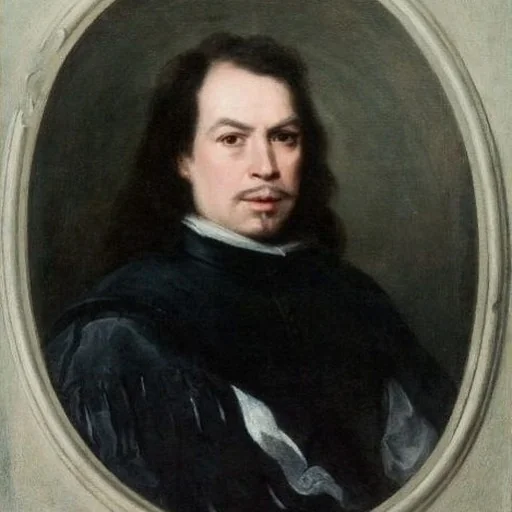
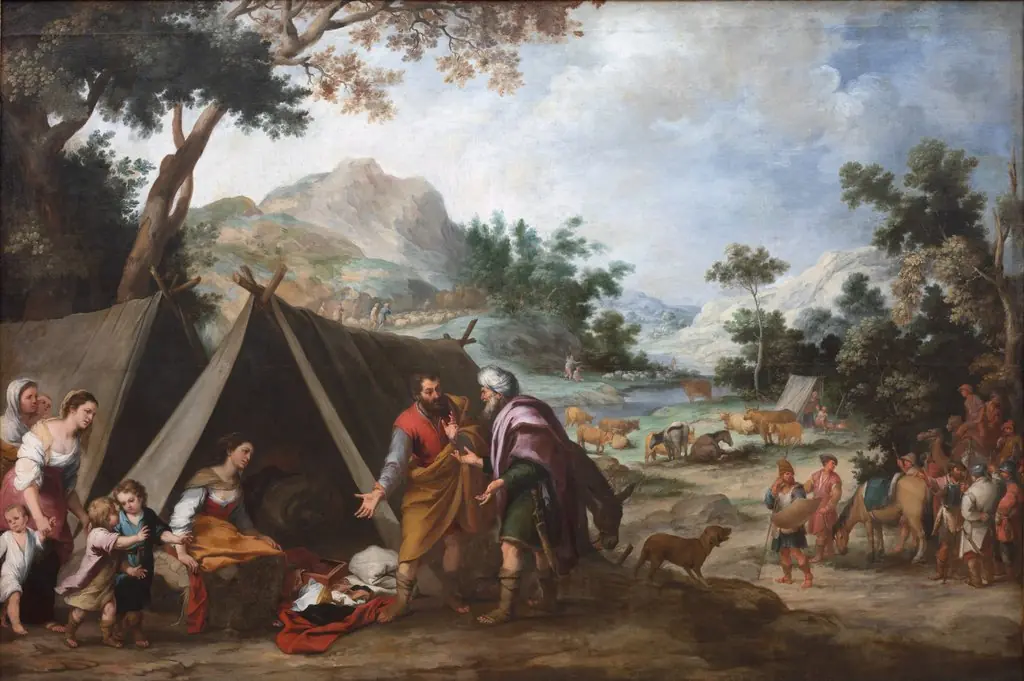
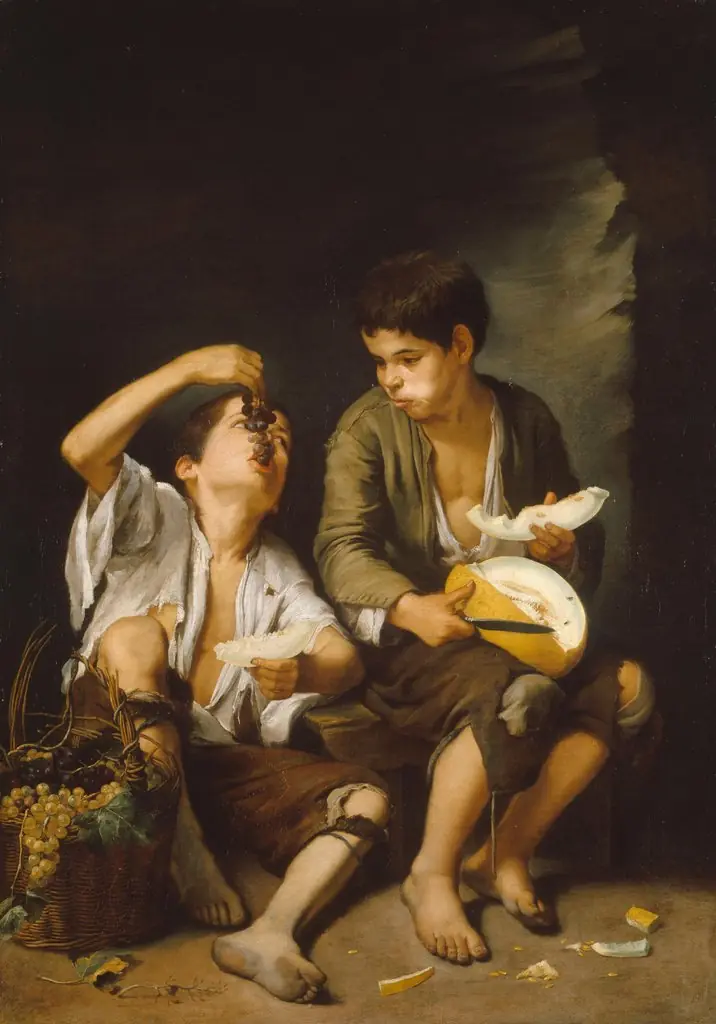
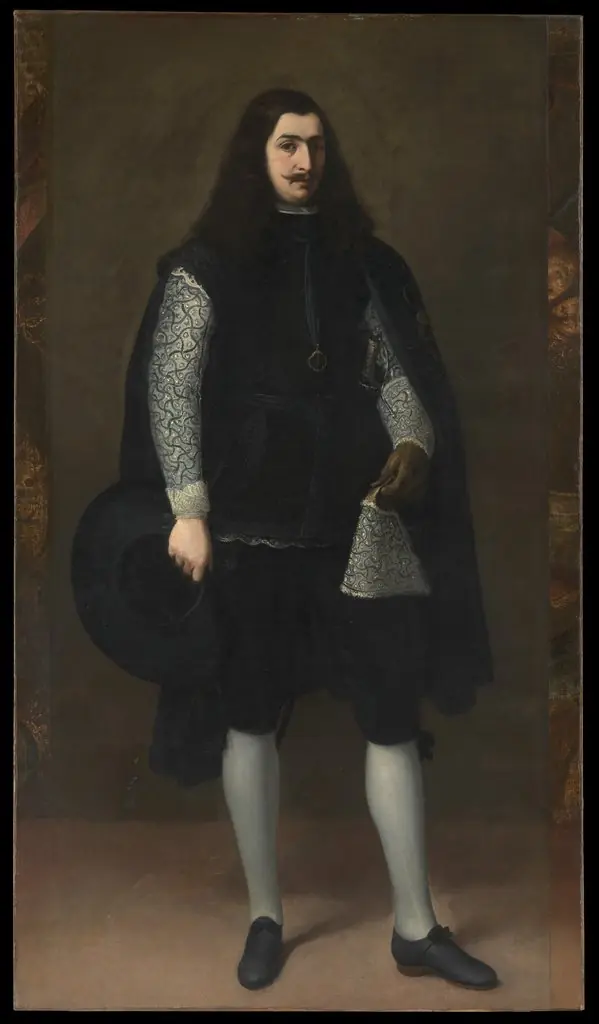
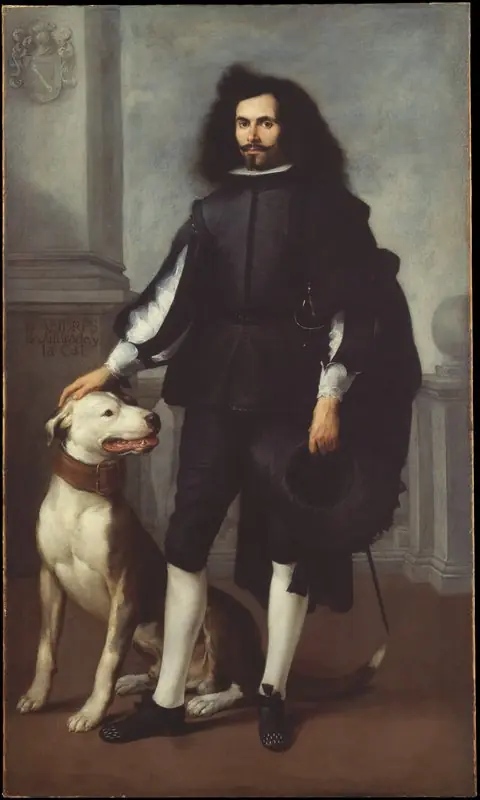
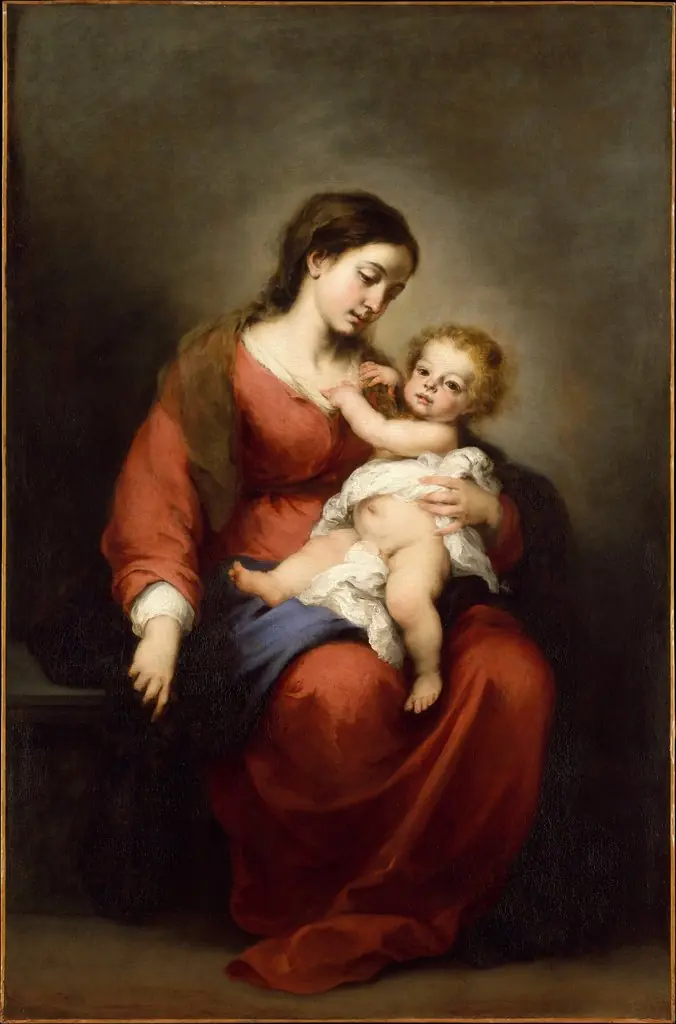
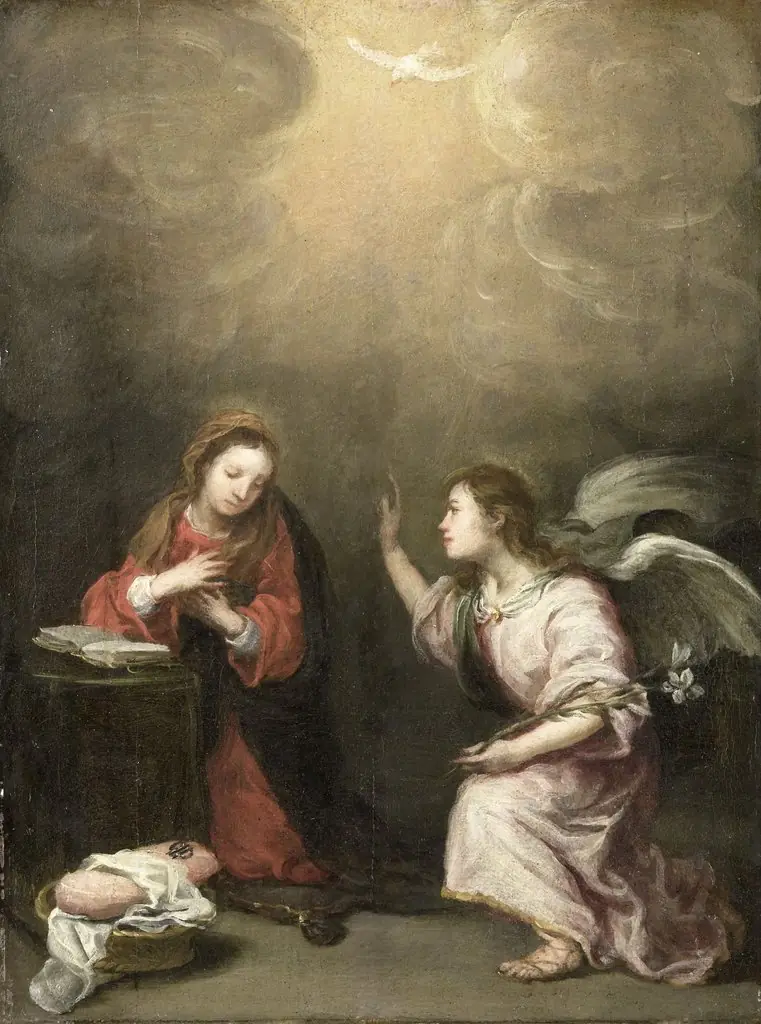
Bartolomé Esteban Murillo ( mure-IL-oh, m(y)uu-REE-oh, Spanish: ; late December 1617, baptised 1 January 1618 – 3 April 1682) was a Spanish Baroque painter.

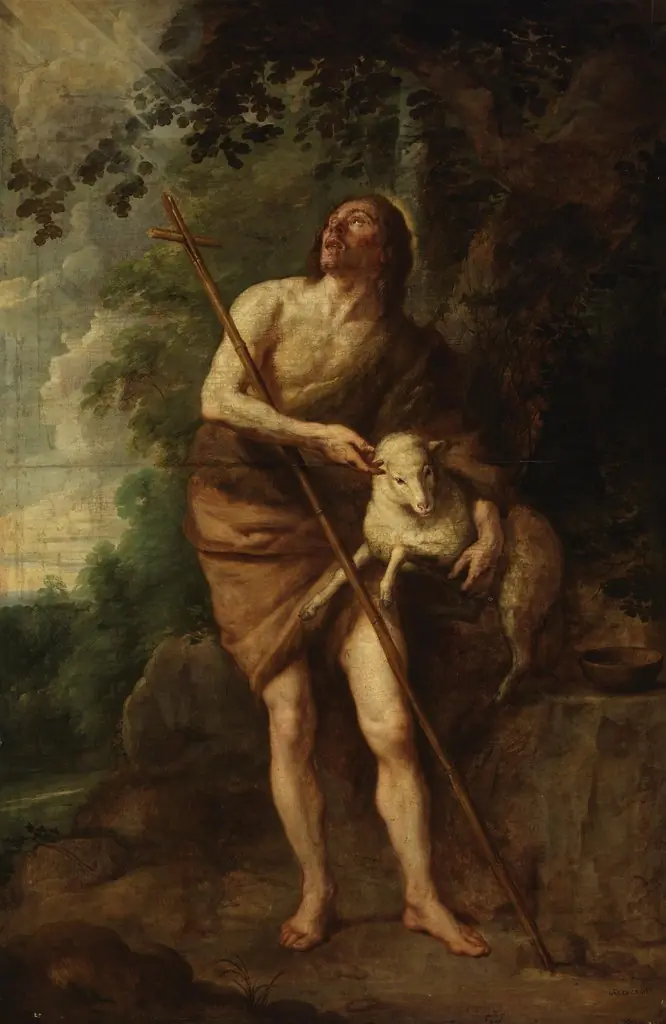 Saint John the Baptist
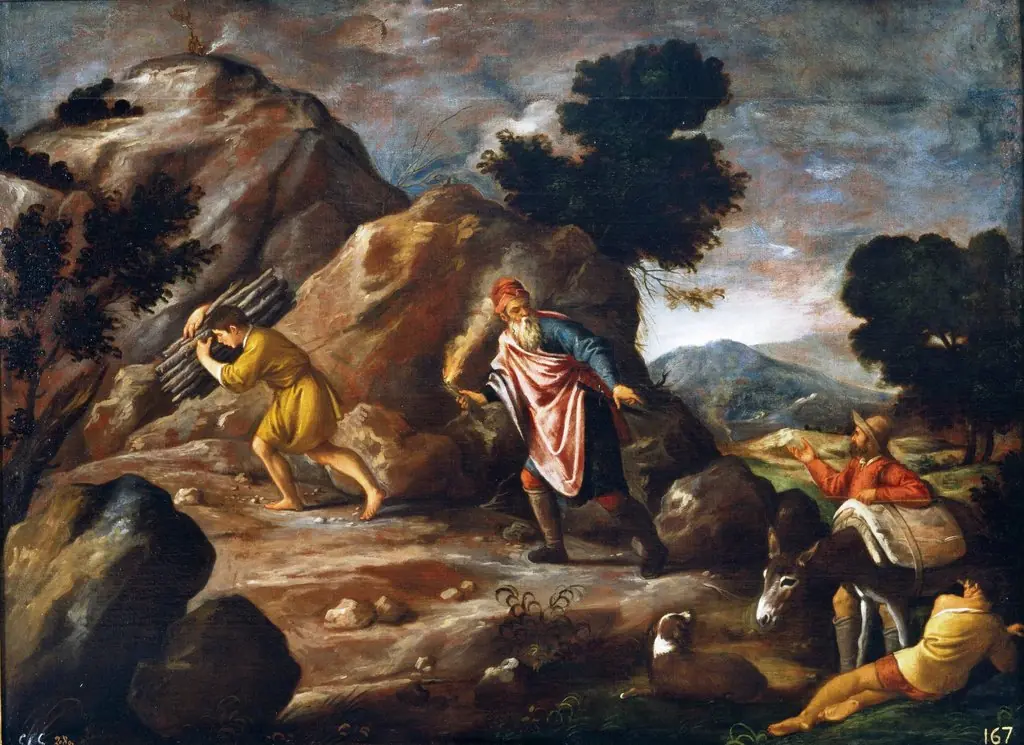 Abraham e Isaac camino del sacrificio
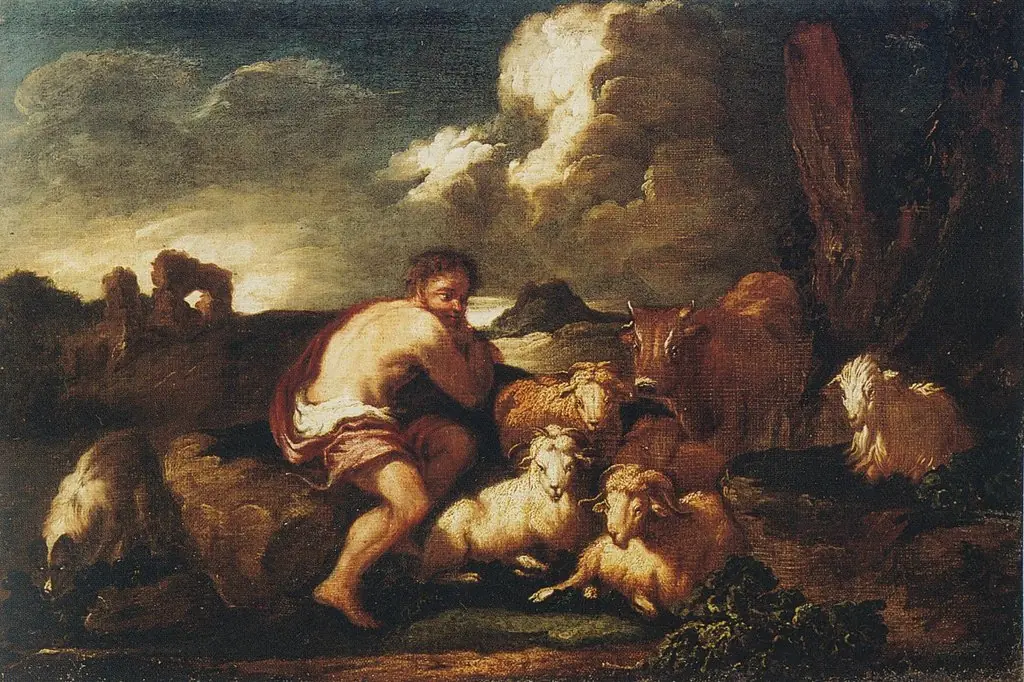 Landscape with shepherd and animals
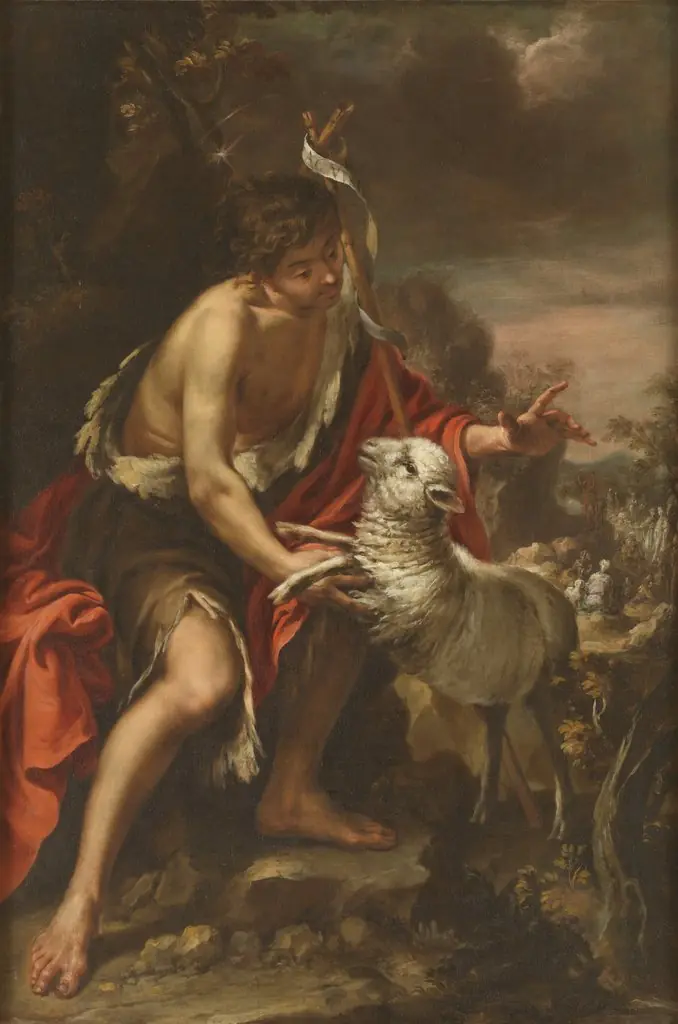 Saint John the Baptist
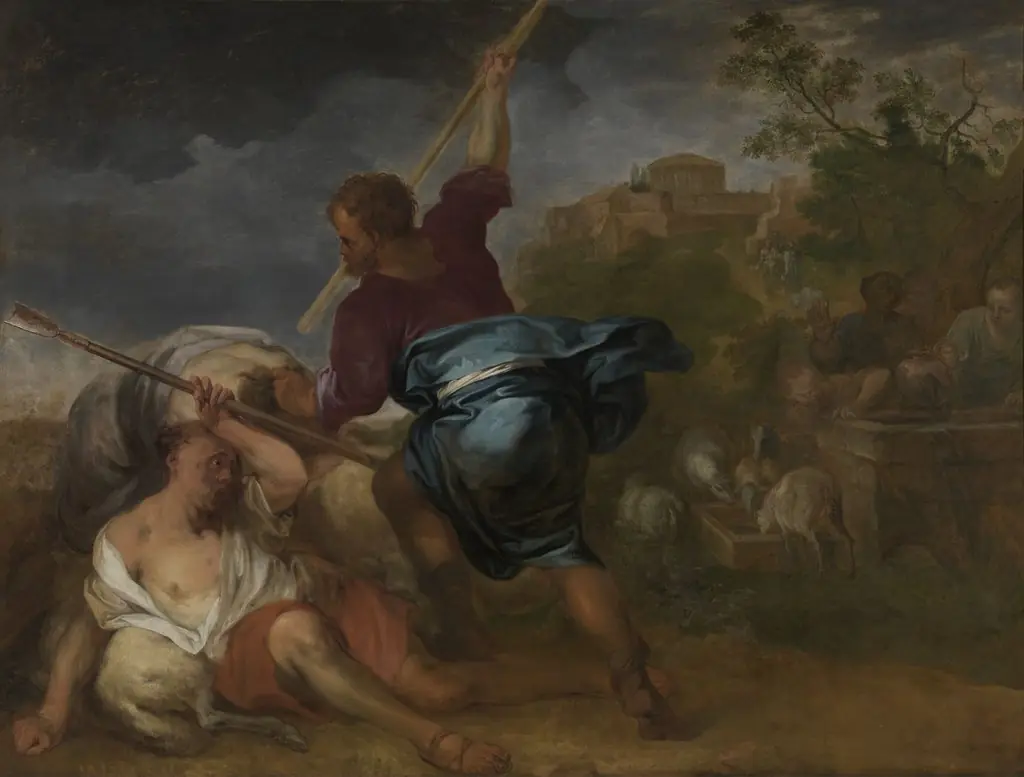 Moses defends the daughters of Jethro
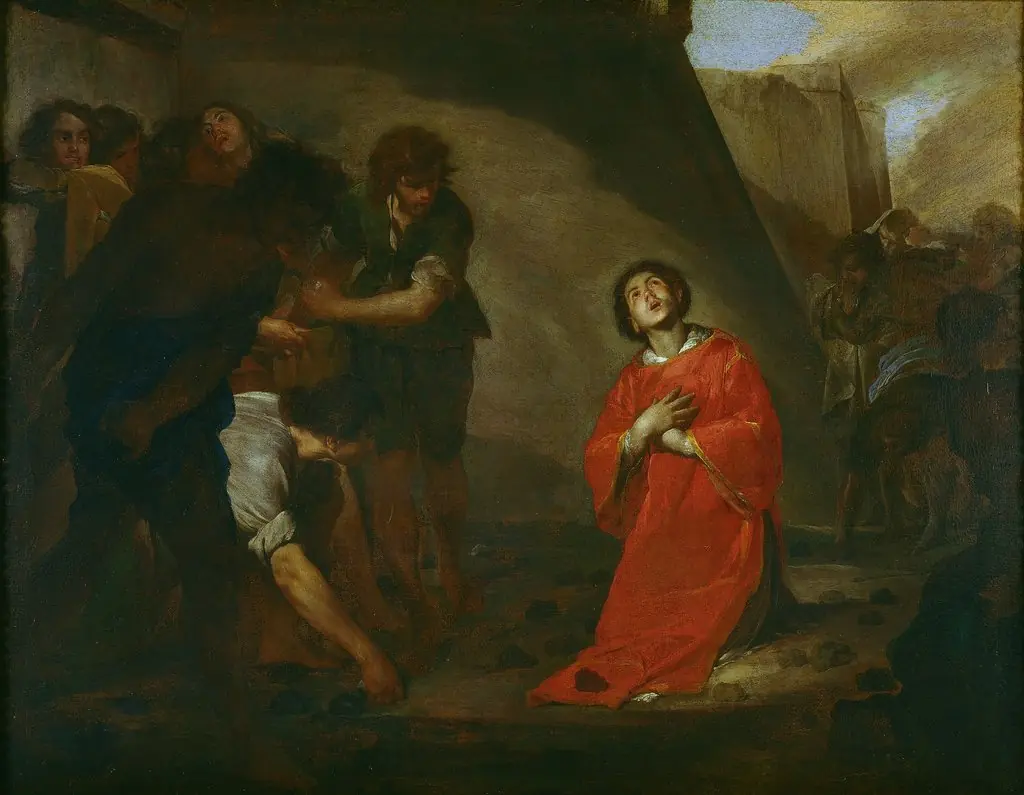 The Martyrdom of Saint Stephen
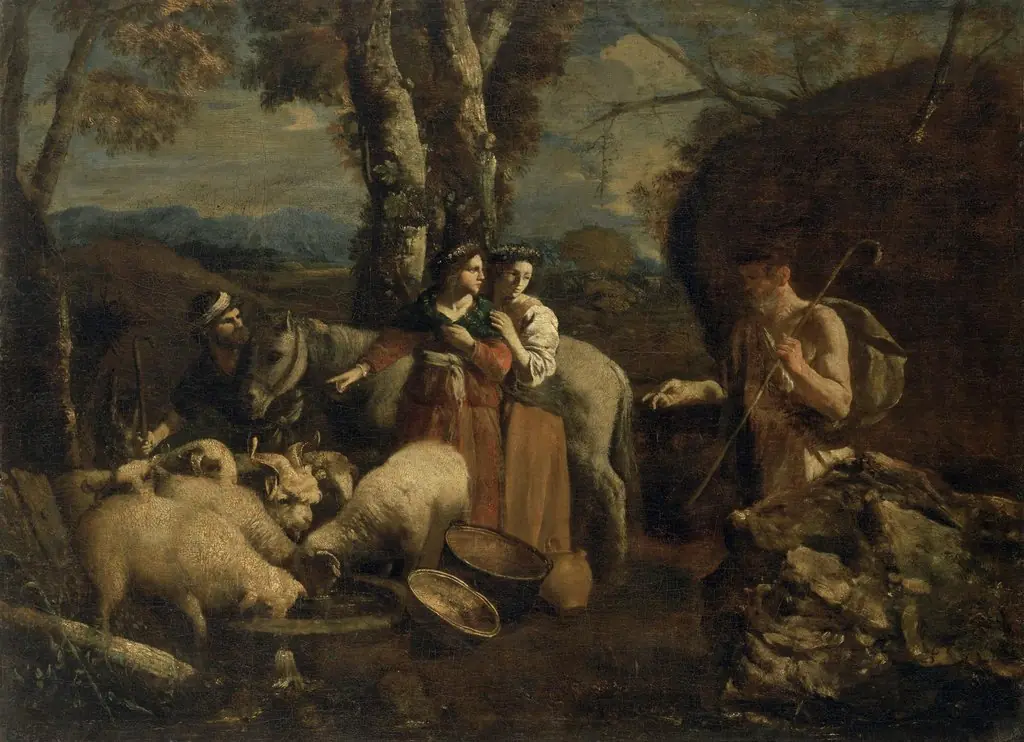 Jacob Meeting Rachel
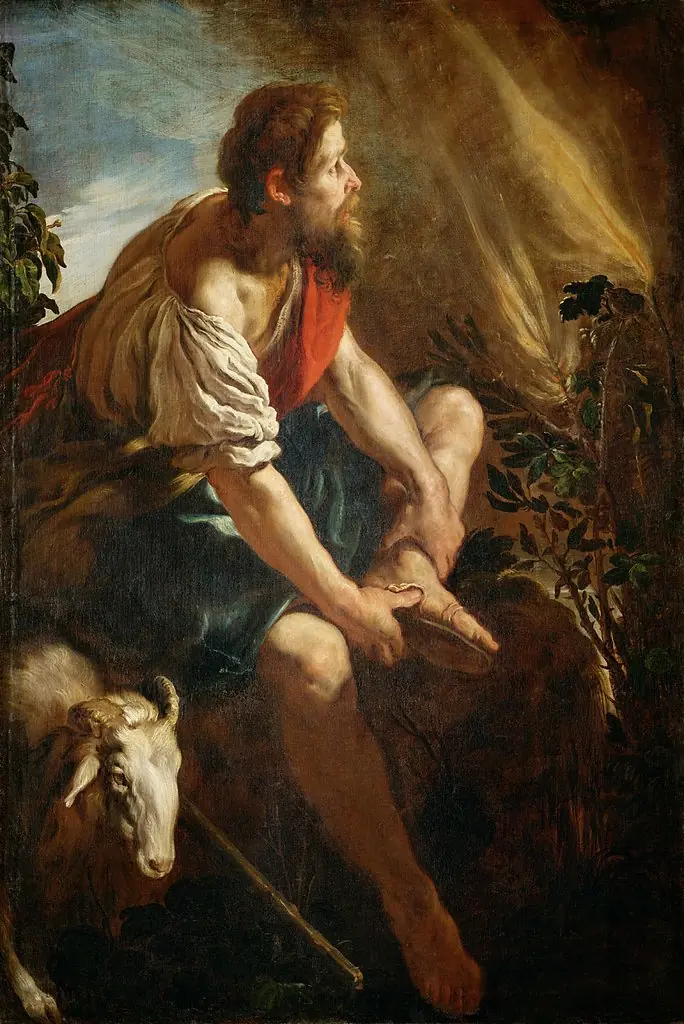 Moses before the Burning Bush
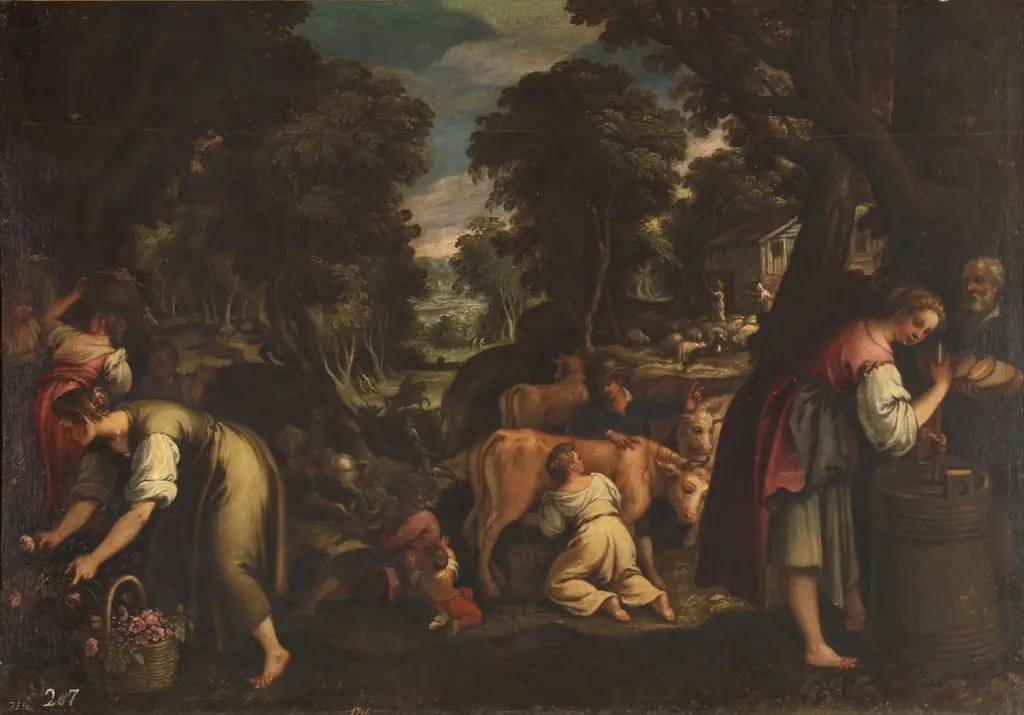 Rural labours or Spring
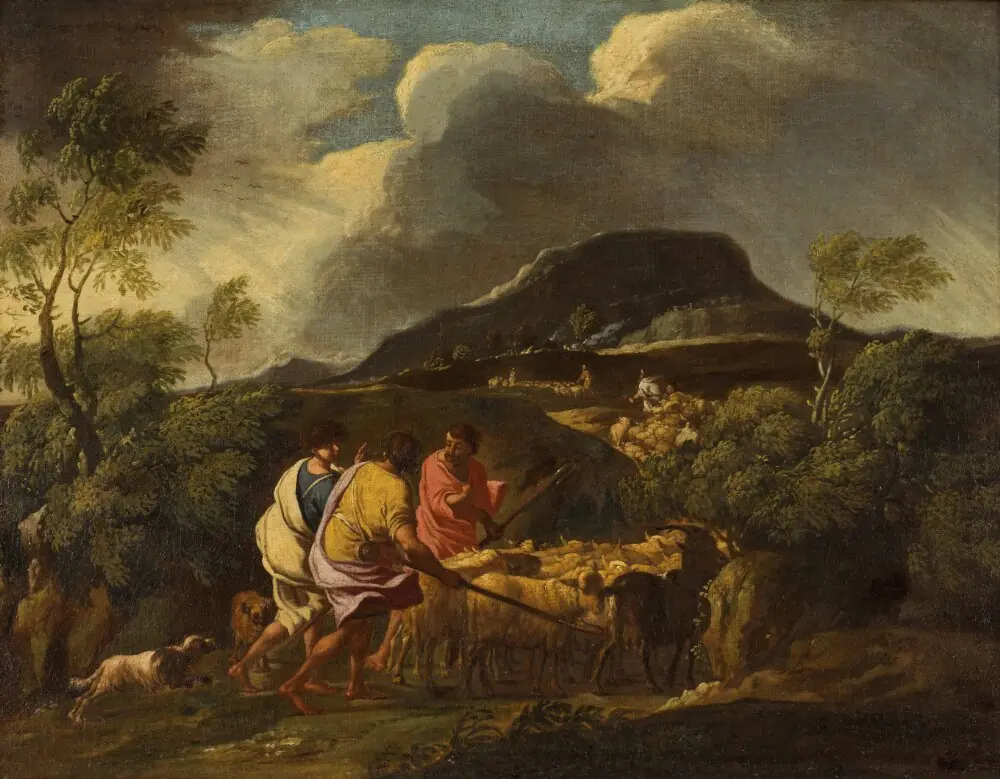 Landscape in a Storm with Shepherds and Cattle